The Tiny Florida Weed That Looks Like A Mini Mimosa Before It Drops Hundreds Of Seeds
It looks like a harmless baby mimosa from a distance, right up until it blankets your yard in hundreds of seeds you never saw coming.
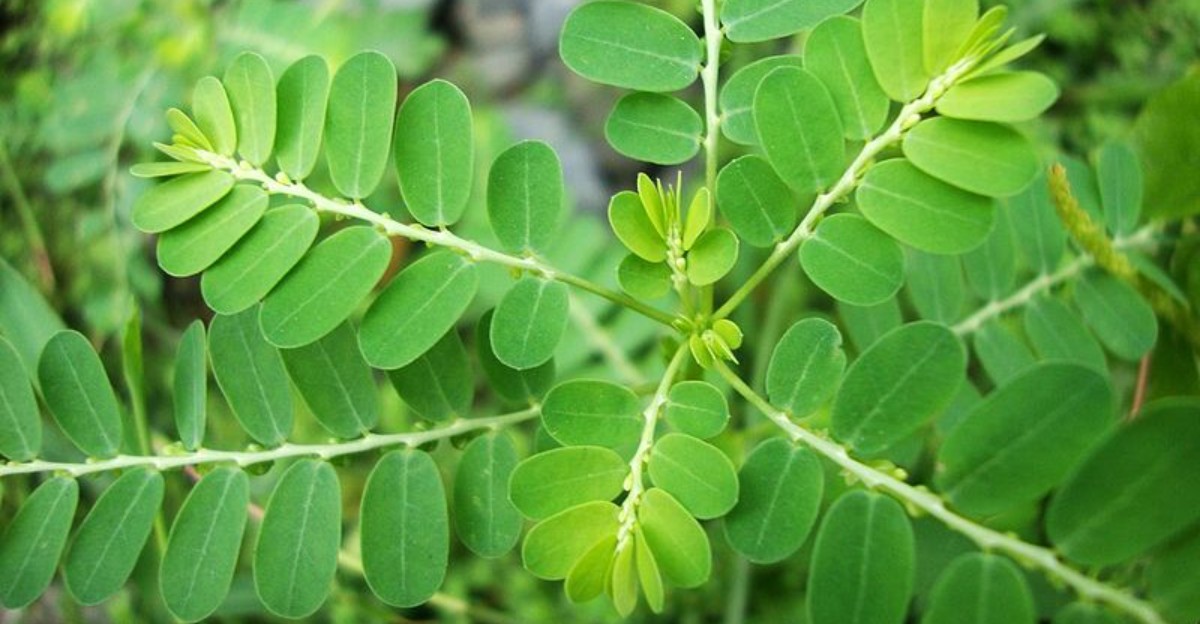
This one hides in plain sight, mimicking a mini version of the mimosa trees plenty of Florida homeowners already have in their yards. Fern-like leaves lined up in neat rows, a look that reads as harmless groundcover to anyone glancing at it from a distance.
By the time most people take a closer look, it’s already gone to seed.
Pull it late, and you’ve basically scattered next year’s problem yourself without meaning to, since every seed pod that bursts sends the next wave further across your lawn.
Flip a branch and check for tiny round seed pods underneath before you write it off as just another weed. What looks delicate and harmless right now is one bad week away from multiplying out of control.
1. Meet Chamberbitter, The Little Mimosa
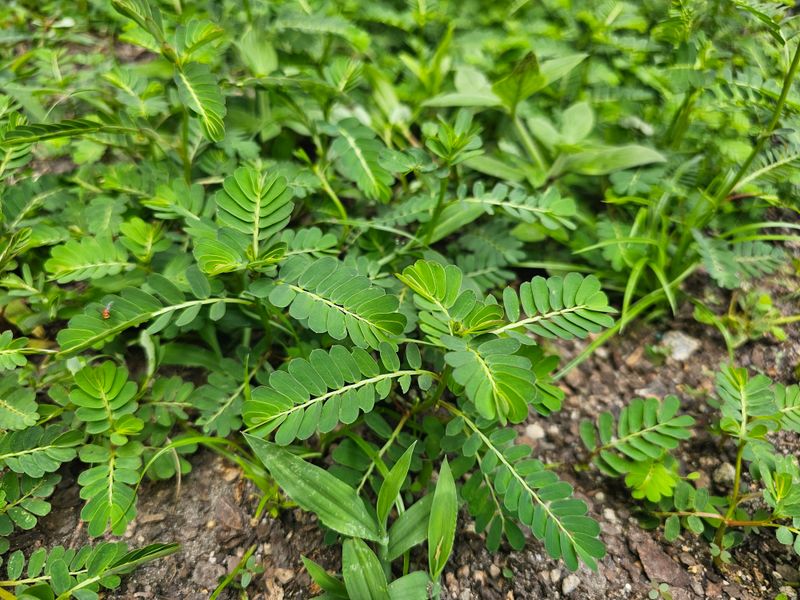
Picture a feathery sprout that looks like a baby mimosa tree. You smile at it, and then it quietly takes over your yard.
That sneaky sprout is chamberbitter, known to scientists as Phyllanthus urinaria. Folks also call it gripeweed, leafflower, shatterstone, and little mimosa.
It is a warm-season annual broadleaf weed. Seedlings pop up from warm soil in early summer, once the heat really settles in.
Chamberbitter is not from Florida at all. It traveled here from tropical parts of Africa and Asia.
Today it is considered invasive across the Southern United States. You can find it in lawns, flower beds, sidewalk cracks, and nursery pots.
The plant grows upright with a sturdy taproot anchoring it down. Some plants stretch up to 2 feet tall in rich soil.
Its leaves line up in two neat rows along slim branchlets. Each leaf is thin, oblong, and smooth along the edges.
That tidy pattern is why so many gardeners mistake it for a mimosa seedling. The resemblance is honestly impressive for a weed.
Learning its face is your first real defense. Once you know what to look for, you will spot it everywhere from June onward.
Take a slow walk around your yard this week. A few minutes of looking now can save hours of weeding later.
2. Two Look-Alike Species Share The Name
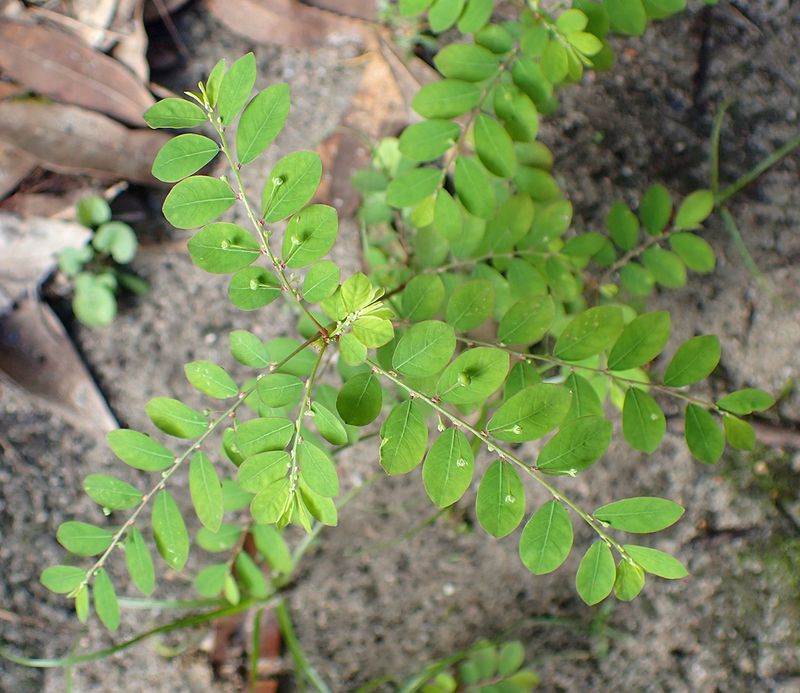
Here is a plot twist worthy of a mystery novel. The name chamberbitter actually belongs to two different weeds.
The first is Phyllanthus urinaria, often called gripeweed. It stays short and compact, rarely topping 12 inches tall.
Its fruits sit right in the leaf axil, hugging the stem. You will not see any little stalks holding them up.
The second weed is Phyllanthus tenellus, nicknamed long-stalked chamberbitter. It can grow up to 2 feet tall in good conditions.
Its flowers and fruits dangle on short stems called pedicels. Look closely, and they almost resemble tiny hanging ornaments.
Both cousins share those mimosa-like leaves and round seed pods. For most home gardeners, control methods work the same for each.
Your Florida Garden Changes Every Week. Your Plan Should Too.
Gardening in Florida changes quickly throughout the season. Every Friday you’ll receive a simple weekly plan showing exactly what to plant, prune, fertilize, harvest, and protect so you never miss the right timing.
Still, knowing which one you have helps you spot it faster. It also makes chatting with your local extension office much easier.
Other plants can join the confusion too. A baby mimosa tree, Albizia julibrissin, looks a lot like chamberbitter when small.
Native groundcovers such as sunshine mimosa can fool people as well. Partridge pea has similar leaves but shows off bright yellow flowers.
Grab a magnifying glass and make it a fun backyard investigation. Kids love helping with this kind of plant detective work.
Snap clear photos of anything you find. Comparing pictures side by side makes identification much simpler.
3. Flip A Branch To Find The Seeds
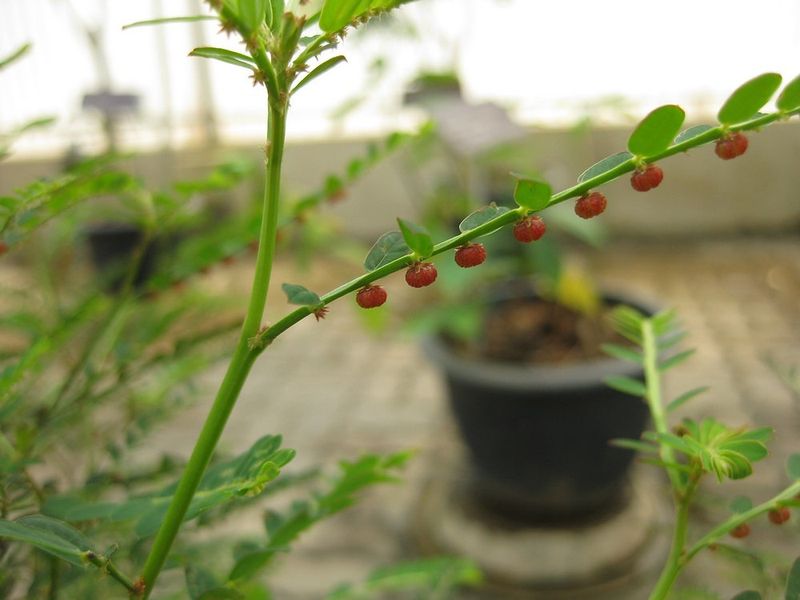
Want a quick trick that settles the mystery in seconds? Gently lift a branch and peek underneath.
Chamberbitter hides its seeds on the underside of each branchlet. Tiny round capsules line up at the leaf axils like beads on a string.
Each capsule measures only about 2 to 2.5 millimeters across. That is roughly the size of a small sesame seed or a pinhead.
The fruits look warty and green at first. As they ripen, many turn a greenish-red shade.
Their surface is covered in raised little scales. Under a magnifying glass, they look like miniature bumpy marbles.
Every capsule holds six seeds tucked inside. Crack one open, and you will find yellow, wedge-shaped seeds with ribbed sides.
This hidden row of pods is the plant’s true signature. Real mimosa seedlings do not carry these beads beneath their leaves.
Make the flip test part of your weekly yard walk. It takes about five seconds per suspicious plant.
If you see the beads, act fast before they ripen. Green pods are your warning sign that a seed explosion is coming.
Teach this trick to family members who help in the garden. More eyes mean fewer surprises sprouting next season.
Honestly, it feels a bit like finding hidden treasure. Only this treasure is something you want to toss in the trash.
4. Ripe Pods Shatter And Scatter Seeds
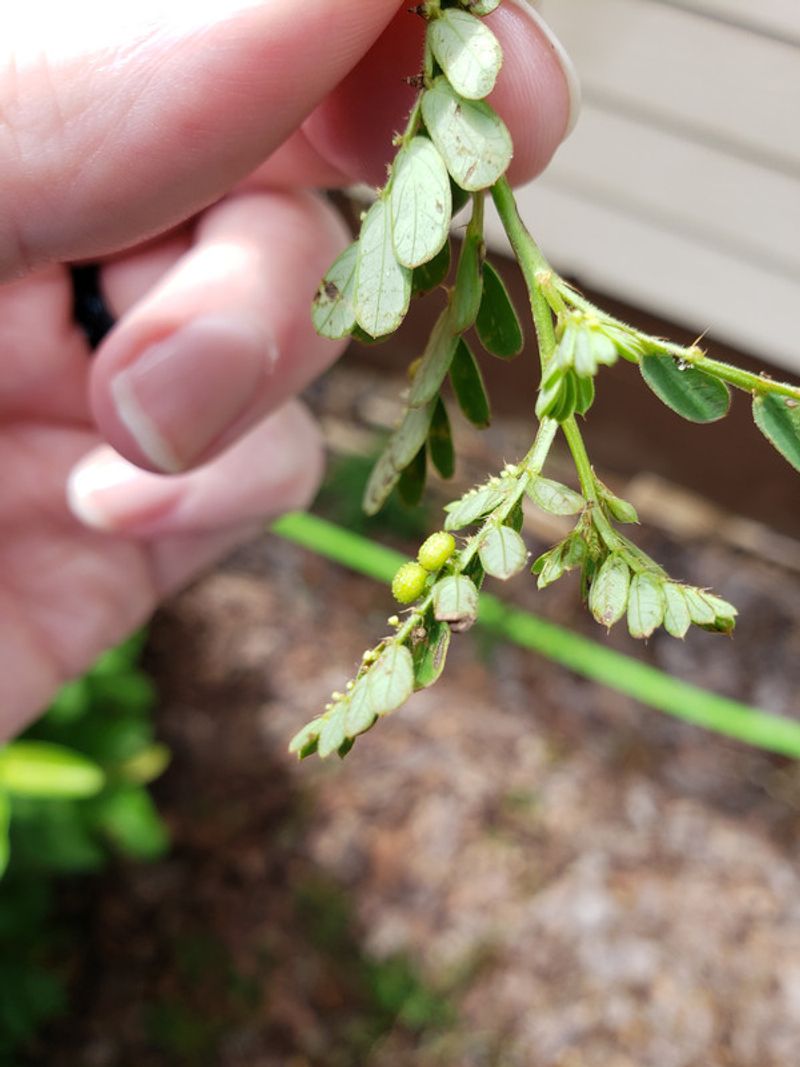
Pop, pop, pop. On a warm afternoon, a ripe chamberbitter plant is quietly firing tiny seeds across your garden.
Scientists call this trick explosive dehiscence. When fruits mature, they burst open and fling seeds outward.
Those seeds can land several feet from the parent plant. One weed in a flower bed can seed the lawn next to it.
The pace is what surprises most people. A young plant can start making seeds within just a few weeks.
After that, it keeps dropping them all season long. Hundreds of seeds can hit the ground before summer even ends.
These seeds are tough little travelers too. They can stay viable and ready to sprout in the soil for several years.
That means one forgotten patch can haunt you for a long time. Each year, buried seeds wait for warm soil and sunlight.
So timing matters more than anything else. Removing plants before pods ripen stops the next wave at its source.
Check shady corners, pot edges, and spots along walkways often. Seeds love to settle in those overlooked places.
If you garden with containers, inspect new nursery plants closely. Chamberbitter often hitches a ride home in store-bought pots.
Think of it as beating the clock. The sooner you act, the fewer seeds you will battle next year.
5. Mowing Won’t Stop It
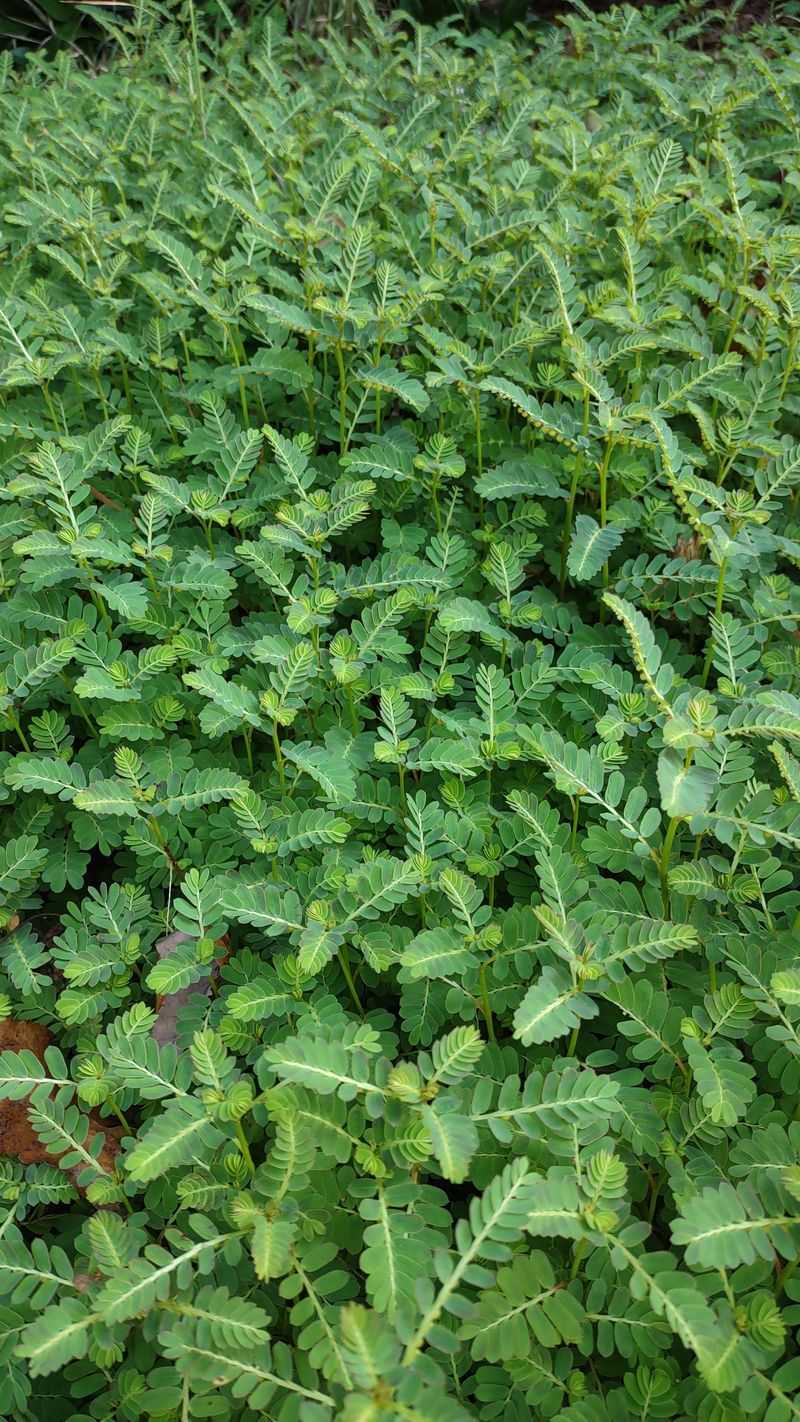
Many homeowners think a fresh mow solves every weed problem. Chamberbitter happily proves that idea wrong.
This weed thrives at normal grass heights. Even trimmed down to about 2 inches, it can keep making seeds.
The short gripeweed type is especially stubborn. It simply grows low, ducks under the blades, and carries on.
Worse, mowing can actually help it spread. Blades and wheels knock ripe pods loose and toss seeds around.
Foot traffic does the same thing on a smaller scale. Kids playing tag can scatter seeds without anyone noticing.
Mower decks also carry seeds and plant bits into clean areas. Your front lawn could share weeds with the backyard in one afternoon.
So what should you do instead? Skip mowing a mature patch until you remove the plants first.
Bag pulled weeds right away rather than leaving them on the grass. Then rinse or brush off your mower deck before the next job.
Keeping your lawn thick and healthy helps a lot too. Dense turf leaves less open soil for seeds to sprout.
Water deeply and feed your grass on a regular schedule. Strong grass is one of the best long-term weed barriers around.
Mowing still matters for a neat yard, of course. It just is not a weed control tool here.
6. Don’t Confuse It With Native Sunshine Mimosa
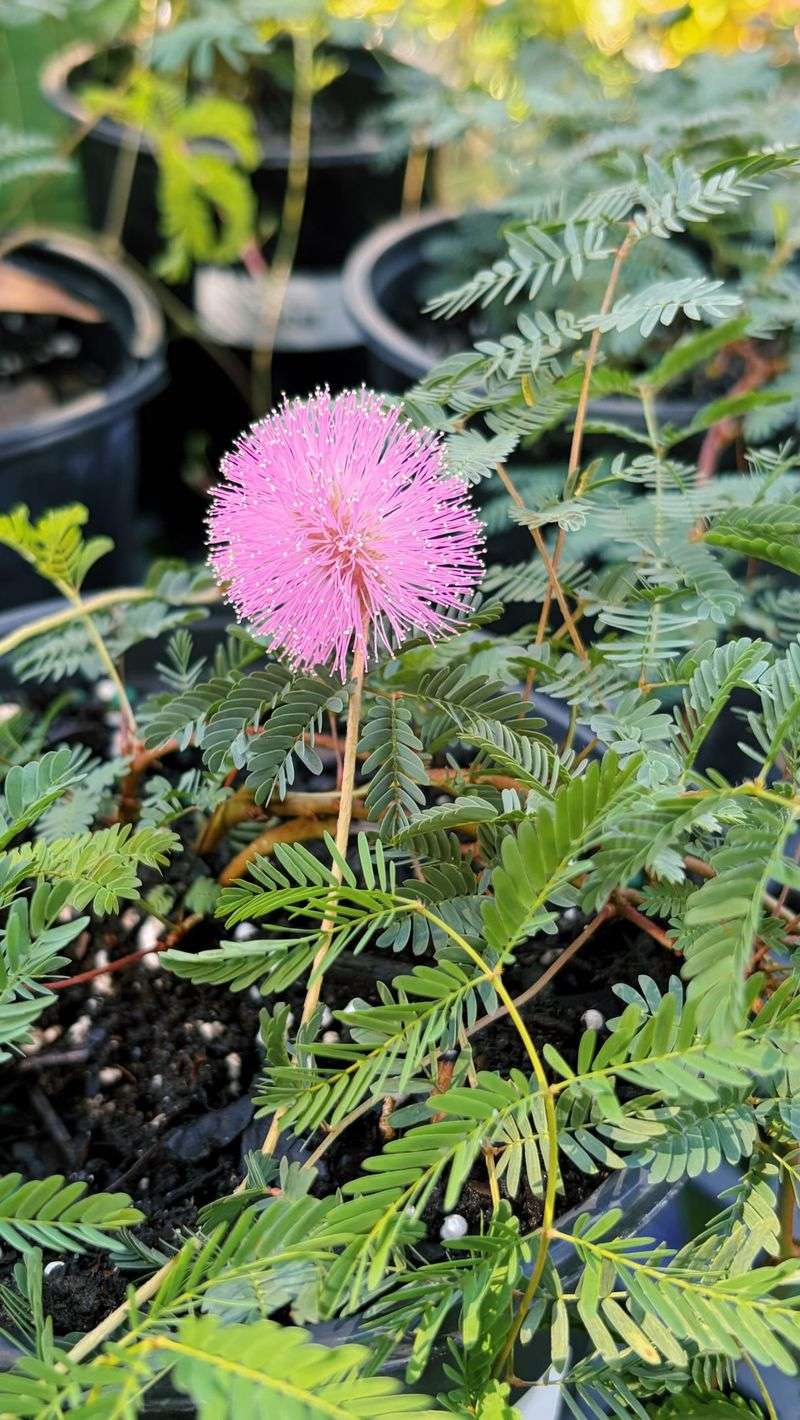
Not every feathery groundcover deserves the boot. Florida’s native sunshine mimosa is a true garden hero worth protecting.
Sunshine mimosa, Mimosa strigillosa, spreads low and feeds local pollinators. It also helps hold soil in place on slopes.
Its foliage looks fuller and lusher than chamberbitter. In warm months, it shows off bright pink, puffy flowers like tiny pom-poms.
Chamberbitter flowers are a different story. They are small, greenish-white, and easy to miss.
The biggest clue, once again, sits under the leaves. Chamberbitter carries rows of little round seed capsules there.
True mimosa seedlings usually develop a woody stem. They also lack that bead-like line of pods beneath the leaflets.
Other relatives like Mimosa pudica wear fluffy purple or pink blooms. Chamberbitter has nothing that showy to offer.
Before you pull anything, slow down and take a closer look. A quick check protects good plants from accidental removal.
Brush the leaves lightly with your finger, too. Some true mimosas fold their leaves when touched, which is a fun clue.
Keep a photo of each plant on your phone for reference. It makes weeding sessions faster and much less stressful.
Mistakes happen to even experienced gardeners. Learning these differences keeps your yard friendly for bees and butterflies.
Native plants give back in so many ways. Saving them is just as rewarding as removing weeds.
7. Pull It Early And Leave The Soil On The Roots
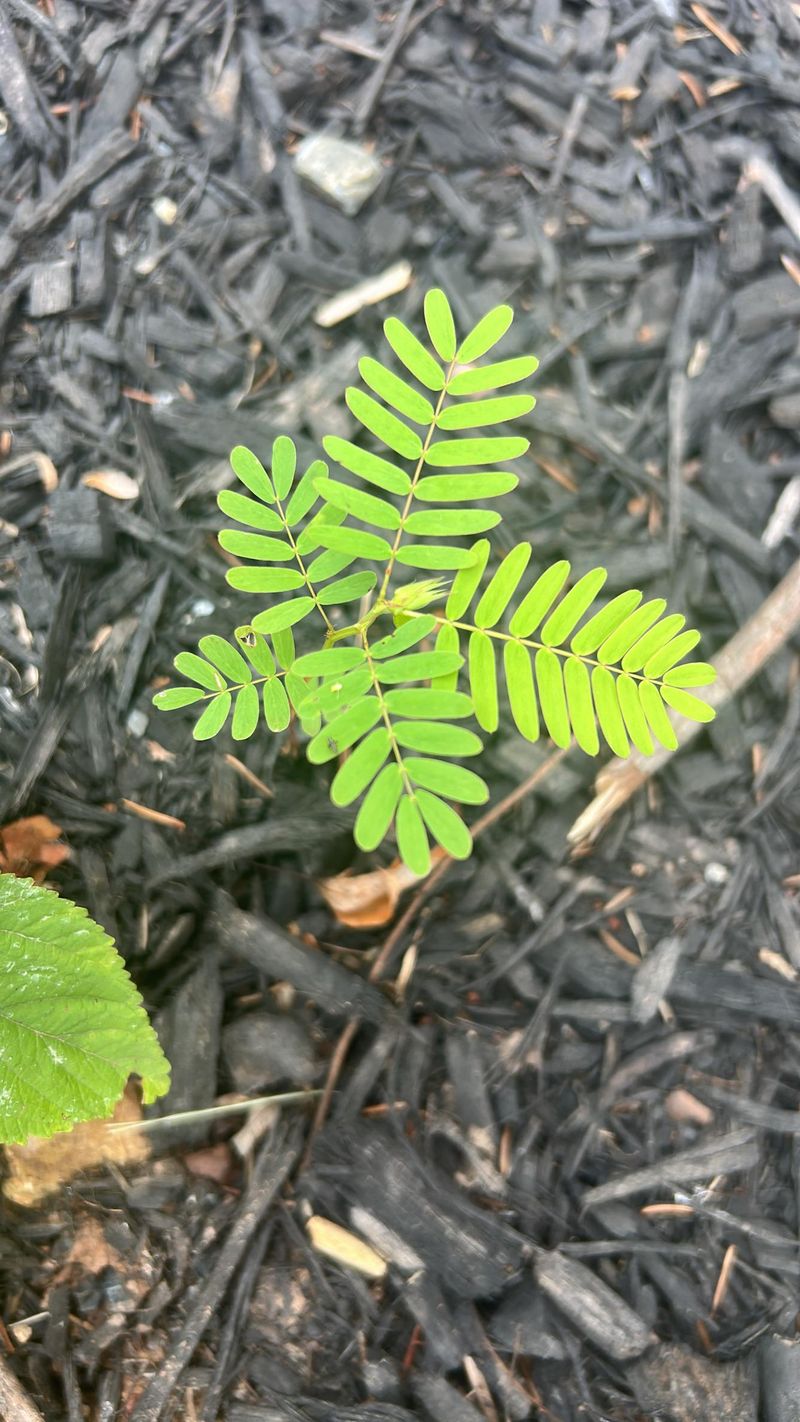
A damp morning after a summer rain is perfect weeding weather. Moist soil lets roots slide out with far less fuss.
Hand-pulling works well for small patches. It is easiest when plants are young or still in the seedling stage.
Grip the plant low, right at the soil line. Pull slowly and steadily so the long taproot comes out whole.
Leaving part of the root behind can cause regrowth within days. Patience at this step saves you a repeat visit.
Good news, though, chamberbitter has no bulbs or rhizomes underground. Once the full root is out, that plant is finished.
Now for the part most people miss. Do not shake the soil off the roots.
That soil may hold dormant seeds waiting for a chance. Shaking it loose spreads them right back into your bed.
Drop each plant straight into a bag instead. This matters most if you already see seed capsules on the branches.
Skip the compost pile for these weeds. Home compost may not get hot enough to stop the seeds.
Toss the sealed bag with your regular trash. Then wash your gloves before moving to other garden areas.
Make weeding a short weekly habit rather than a big chore. Ten minutes every few days beats a full Saturday later.
8. A Thick Layer Of Mulch Keeps It Out Of Beds
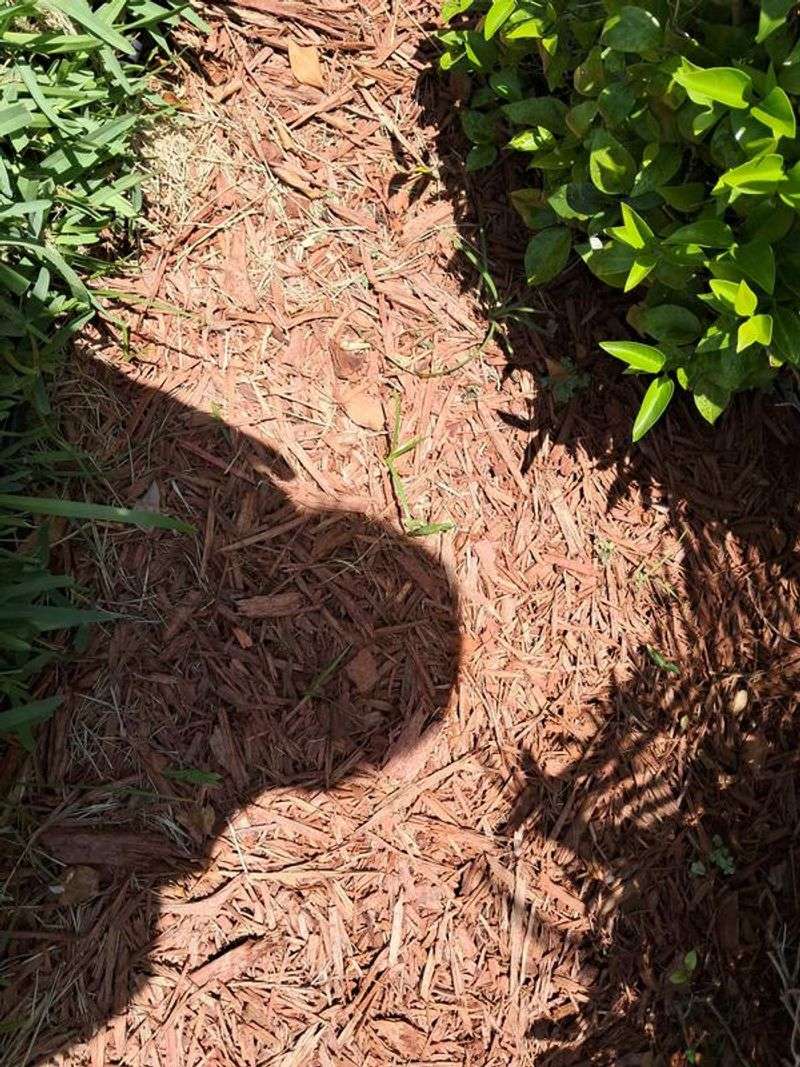
Mulch is like a cozy blanket that keeps weed seeds in the dark. Chamberbitter seeds need light to sprout, so darkness holds them back.
Spread a 2 to 3 inch layer in spring. That covers seeds left over from past seasons before they wake up.
Material choice makes a difference too. Pine bark works well at about 2 to 4 inches deep.
Pine straw settles more, so pile it 4 to 6 inches thick. Both options are easy to find at Florida garden centers.
Keep mulch a few inches away from plant stems and tree trunks. Mulch piled against bark can trap moisture and invite rot.
The perks go beyond weed control. Mulch helps soil hold water during hot, dry spells.
It also breaks down slowly and feeds the soil. Over time, your beds grow richer and easier to dig.
Check thin spots every few months. Rain, wind, and curious birds can push mulch aside.
Top it off whenever bare soil starts peeking through. Even a small gap can let sunlight reach waiting seeds.
Pull any weeds before spreading fresh mulch. Covering an existing weed rarely stops it for long.
Think of mulch as your quiet, hardworking garden helper. It works all season while you relax with a cold glass of lemonade.
9. Spray Before The Stems Turn Woody
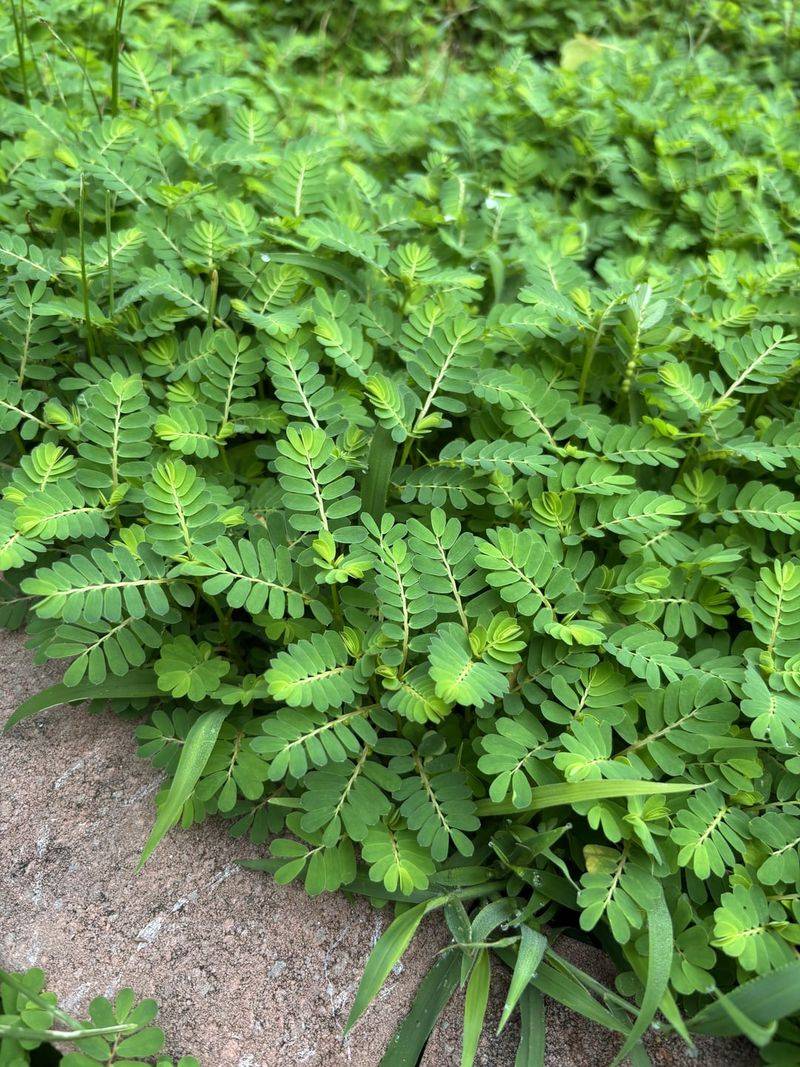
Timing is everything with chemical control, much like catching a bus. Wait too long, and the best chance pulls away.
Young chamberbitter has soft, succulent stems that absorb herbicide easily. Once stems turn woody, control gets much harder.
Post-emergent products target weeds that are already growing. They work best on small plants, not tough mature ones.
For spot treatments, non-selective glyphosate is an option. Use a shield or cover nearby plants to block drift.
Pre-emergent products stop seeds before they sprout. Apply them in early spring, then again in mid to late May.
That second round matters in Florida because chamberbitter sprouts late. Many gardeners skip it and get surprised in summer.
Atrazine works as a pre-emergent in centipedegrass and St. Augustinegrass. Isoxaben products suit all turfgrasses and landscape beds.
Prodiamine, dithiopyr, and pendimethalin are also labeled for turf. Ask your local garden center which fits your lawn best.
Heat is a real concern, though. Some formulas can harm centipede and St. Augustine above 90 degrees Fahrenheit.
Spray during cooler mornings when temperatures stay lower. Calm days help keep the mist where you want it.
Read every product label carefully before you start. Follow the directions for mixing, timing, and safety gear.
Pair spraying with pulling and mulching for the best results. Together, these steps keep this little mimosa imposter in check.