Why Lovebugs Swarm Florida Yards Each Fall And What It Means
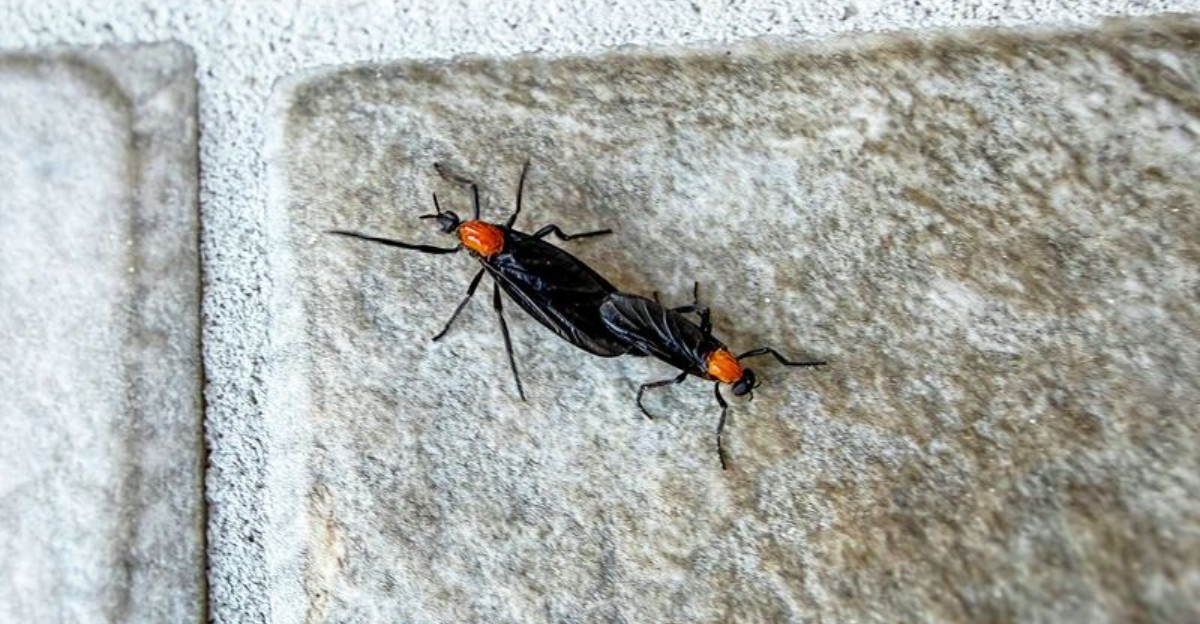
Step outside on a warm Florida afternoon and you might feel tiny wings bump your cheek like confetti. Look closer and the confetti is attached in pairs, drifting slowly over the driveway.
They cling to mailboxes, porch screens, and even the back of your shirt. The air smells like cut grass and warm pavement, yet somehow these flying couples steal every bit of attention.
Drivers groan, gardeners squint, and kids giggle while trying to count how many pairs land on one sneaker. Every fall the same slow parade returns, and nobody in the neighborhood seems to remember sending out invitations.
Locals across Florida know the season by its windshield scrubbing and dramatic sighs. Behind the buzzing chaos sits a surprisingly tidy story about soil, sunshine, and very determined little insects.
Newcomers often wonder what is going on. A white truck parked outside for one afternoon can end up looking polka-dotted.
A Mating Flight Fueled By Rotting Grass
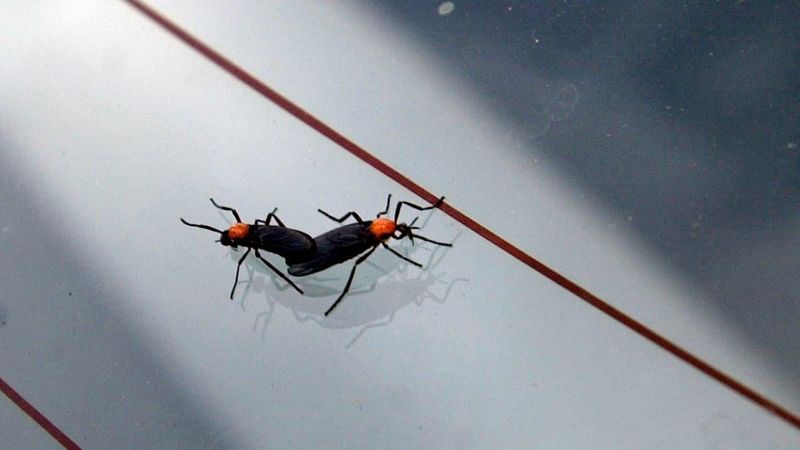
Picture a grassy Florida roadside where thousands of pairs are flying at once. Lovebugs, a type of small black fly with a red back, swarm mainly because adults pair up to mate.
Males hover in large groups just above the ground, waiting for females to rise up from the grass. Once a male grabs a partner, the two connect tail to tail and fly together for hours or days.
Their babies, called larvae, grow up hidden in the thatch layer of lawns, pastures, and roadside ditches. Grass clippings and fallen leaves breaking down in the thatch give them plenty of soft plant material to eat.
Florida offers this food almost year-round, which explains why the state sees such huge numbers each fall. Heat and humidity create ideal conditions for larvae, though lovebugs also live across the Gulf Coast states.
Adult lovebugs live only a few days, so they spend nearly all their time searching for mates. Females lay a few hundred eggs in moist plant debris soon after mating.
Fun fact: a popular myth claims scientists created these bugs in a lab, but that story is false. They actually spread naturally from Central America, reaching Florida around the 1940s by moving along the Gulf Coast.
So when your yard fills with drifting pairs, you are watching a natural cycle driven by food and romance. A swarm does not mean something is wrong with your lawn, and the bugs pose no threat to you.
Fall Timing Tied To Warm Soil
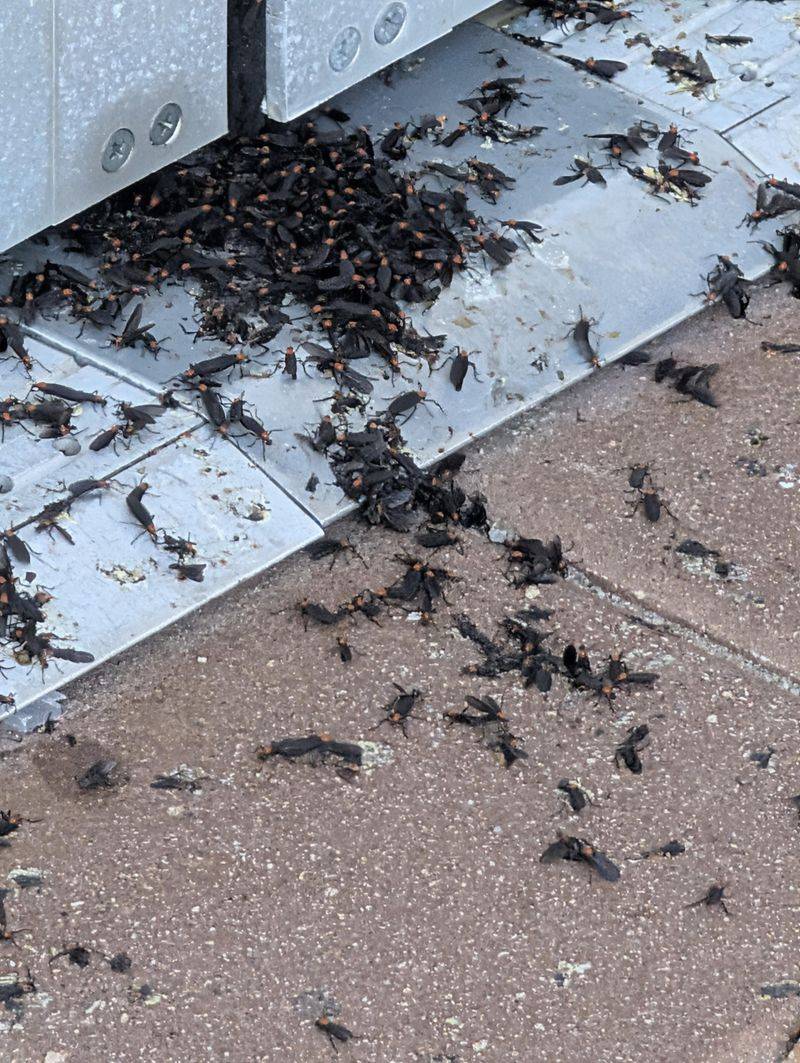
Mark your calendar, because these flying pairs follow a schedule more reliable than many school bus routes. Florida usually sees two big flights each year, one in late spring and another from September through October.
The fall flight is a major one, especially across North and Central Florida where grass grows thick. Each wave lasts roughly four to five weeks, so early October often lands right in the busy middle.
Temperature plays a major role, since adults like to fly when the air sits above about 68 degrees. Warm weather also helps larvae finish developing into winged adults.
Your Florida Garden Changes Every Week. Your Plan Should Too.
Gardening in Florida changes quickly throughout the season. Every Friday you’ll receive a simple weekly plan showing exactly what to plant, prune, fertilize, harvest, and protect so you never miss the right timing.
You will notice the most activity between about ten in the morning and late afternoon on sunny days. At night they rest on plants, so evening walks and dawn errands usually feel far less crowded.
Weather can shift the exact start of a flight from year to year. South Florida sometimes sees smaller flights in other months too, because its mild weather blurs the seasons.
Once the first real cool front drifts down in late October or November, the swarms usually fade quickly. Lower temperatures slow the adults down, and the next generation stays tucked in the thatch through the cooler months.
Planning outdoor projects for early morning can save you from a face full of buzzing couples this month. Think of the fall flight as a short visit that ends once the weather finally starts feeling crisp.
The Car Wash Mistake Many Drivers Make
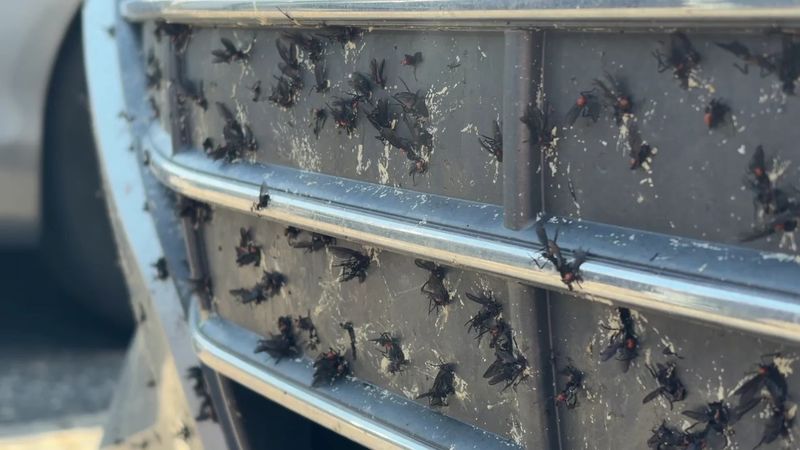
Florida body shops see plenty of lovebug damage each fall. A common mistake is leaving bug splatter on a car for days in the sun.
Bug splatter is mildly acidic, and heat from the sun makes it harder to remove from bumpers, hoods, and side mirrors. Left alone too long, that sticky residue can etch tiny pits into clear coat and leave dull spots.
Many people also try scraping the mess off dry, which drags gritty bits across the paint like sandpaper. Rough scrubbing pads and stiff brushes cause swirl marks that stay visible long after the swarm moves on.
Another common slip is ignoring the grille, where clumps of bugs can block airflow to the radiator. On long highway trips, a packed grille may cause an engine to run warmer.
Windshields suffer too, since smeared bugs mixed with wiper fluid can create a greasy film that blurs vision. Running the wipers dry often makes it worse, spreading the gunk into wide streaks across the glass.
Homeowners can run into a similar problem with light-colored siding, porch railings, and window screens. Bug spots on these surfaces can stain if nobody rinses them for several warm, humid weeks.
Waiting until the season ends feels easier, but it usually means more work and possible repair bills later. A quick rinse every day or two beats a weekend of scrubbing later.
Simple Fixes For Splattered Paint
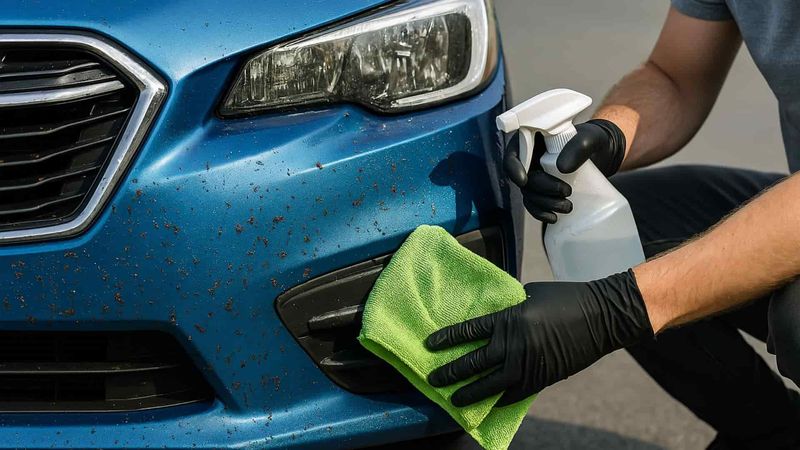
Some drivers use a damp dryer sheet with warm water to loosen bug spots, though a soft microfiber cloth is the safer choice for paint. Rub gently until the spots soften and slide away.
Soaking is the real secret, because softened bugs lift off with far less effort and much less scratching. Lay a wet microfiber towel over the hood for five minutes before wiping, and the job gets easier.
Auto stores sell bug removers made for this problem, and most work within a few minutes. Spray, wait, and wipe with a soft cloth, then rinse the area so no product sits on paint.
Many Florida drivers swear by a fresh coat of wax before the fall flight starts each September. Wax creates a slick barrier, so bug splatter slides off during a simple hose rinse instead of sticking.
For windshields, a mix of water and a few drops of dish soap cuts through the smeary film nicely. Keep a spray bottle and old towel in your trunk, so quick cleanups happen at gas stations too.
Some drivers also attach a removable bug screen or mesh over the grille during long October road trips. Around the house, a garden hose with a gentle spray nozzle handles most spots on siding and screens.
Skip harsh chemicals near flower beds, since plain water and mild soap usually do the trick outdoors. With a little routine, keeping your car shiny during swarm season starts to feel like an easy habit.
A Hidden Benefit For Florida Lawns
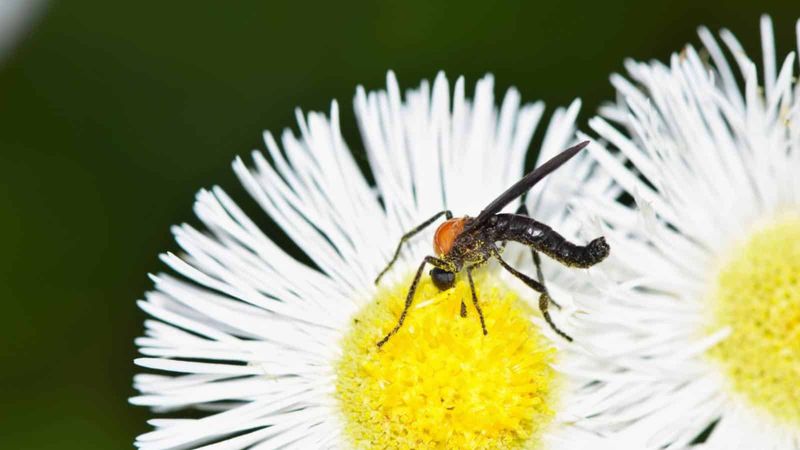
Believe it or not, the bugs splattering your windshield are quietly helping the ground beneath your feet. Lovebug larvae act like a tiny cleanup crew, breaking down old grass and leaves into rich organic matter.
That process returns nutrients to the soil, helping lawns, gardens, and wild areas grow a bit healthier. In a way, every swarm signals that plant debris in your yard is breaking down on schedule.
Adult lovebugs also sip nectar from fall flowers like goldenrod and Spanish needles growing along Florida roadsides. While visiting blooms, they carry small amounts of pollen, giving native plants a little extra help each fall.
They do not bite or sting, and they pose no health risk to people or pets, which surprises many new residents. Your plants are safe too, because adults rarely chew on leaves, flowers, or vegetables in home gardens.
Few birds or lizards eat them, so predators do little to keep their numbers in check. That helps explain why swarms can get so large.
Swarm sizes can vary a lot from year to year. A heavy flight in your neighborhood may point to moist soil with plenty of plant debris.
So the next time a pair lands on your arm, try seeing it as a tiny gardening partner. They may be clumsy and annoying, yet they play a real part in keeping Florida landscapes thriving.
Smart Prep For The Next Flight Season
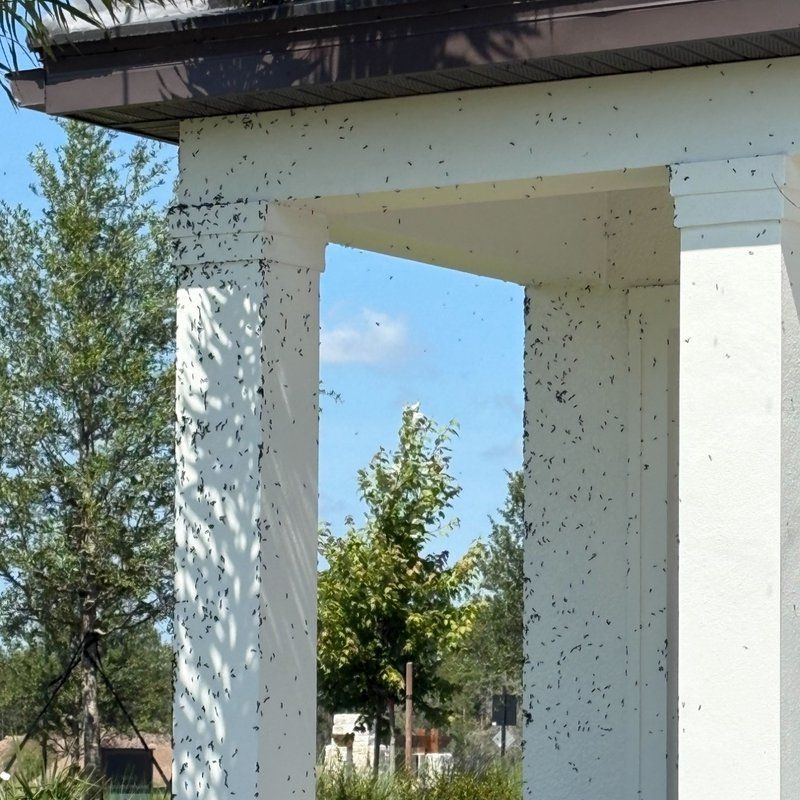
A swarm is hard to avoid, but a few smart habits can make October feel much less sticky. Start by thinking about what draws these bugs close to your house, porch, and parked cars.
Light colors tend to attract them, so white and pale cars, siding, and patio furniture collect more pairs. Covering outdoor cushions or moving them into the garage for a few weeks saves a lot of cleanup.
Exhaust fumes and heat from engines also draw them in, which is why highways feel like swarm central. Driving in early morning or evening, when they rest, can keep your car noticeably cleaner this month.
Around the yard, bagging grass clippings and raking thick thatch can reduce the food supply for larvae. Results stay modest, though, because bugs from nearby fields and roadsides fly over property lines without asking permission.
Bug sprays offer little help against swarms, and they can harm helpful insects like bees and butterflies. Experts at the University of Florida generally suggest patience and physical barriers over chemicals for this seasonal nuisance.
A quick spritz of water on screen doors before going inside helps keep stray pairs from sneaking indoors. Keeping screen doors closed during the day helps too.
Jot a reminder for late August to wax your car and stock up on microfiber towels next year. With some planning, the next flight season becomes a mild inconvenience instead of a sticky, frustrating surprise.