Plant This Texas Native To Help Monarch Butterflies Thrive
Most monarch butterflies in the eastern United States pass through Texas at some point. The state is often called the “Texas Funnel,” because both spring and fall migrations squeeze through it on their way to and from Mexico.
That puts Texas gardeners in a pretty powerful position. Each spring, monarchs returning north stop here to lay the eggs that start the next generation. Those eggs end up on just one kind of native plant, the only food their caterpillars can eat.
When that plant is missing, the whole journey becomes much harder to complete. Sadly, it’s been disappearing from roadsides, fields, and pastures for decades.
Fortunately, several varieties of this plant are native to Texas and thrive in our heat and soil.
Adding even a few to your yard can give monarchs a much-needed boost. Your garden could be the reason the next generation takes flight.
Native Milkweed: The Monarch’s Lifeline
Picky eaters have nothing on monarch caterpillars. They will eat only one kind of plant in their whole life, and that plant is milkweed. If there is no milkweed nearby, a mother monarch has nowhere to lay her eggs.
Here is how it works. A female monarch lands on a milkweed plant and lays a tiny egg, usually on the underside of a leaf.
In a few days, a small caterpillar hatches and starts eating right away. It munches milkweed leaves for about two weeks and grows very fast.
Milkweed does more than feed the caterpillars. The plant has a milky sap with natural chemicals.
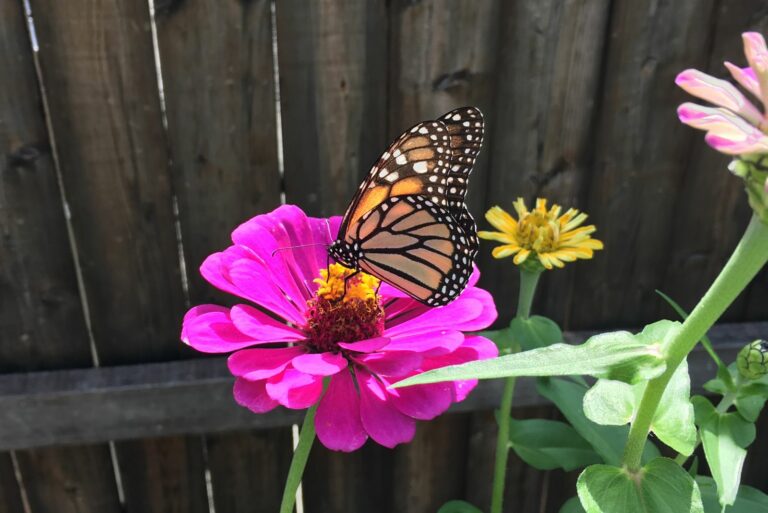
When caterpillars eat the leaves, those chemicals build up in their bodies. Birds learn that monarchs taste bad, so they leave them alone. That bright orange color is like a warning sign that says, do not eat me.
After the caterpillar is fully grown, it forms a green case called a chrysalis. About ten days later, a brand new butterfly comes out. Without milkweed, none of these steps can happen. The whole life cycle depends on it.
Texas is lucky. The state has more than 30 native milkweed species, more than most other states.
Some grow in dry Hill Country soil, while others like wet East Texas ground. That variety means almost every Texas yard can grow at least one kind.
Fun fact: milkweed got its name from the white sap inside its stems. Early settlers even used the fluffy seed hairs to stuff pillows.
Today, its best job is helping monarchs. When you plant milkweed, you are building a nursery for the next generation of butterflies.
Why Texas Matters So Much To Monarchs
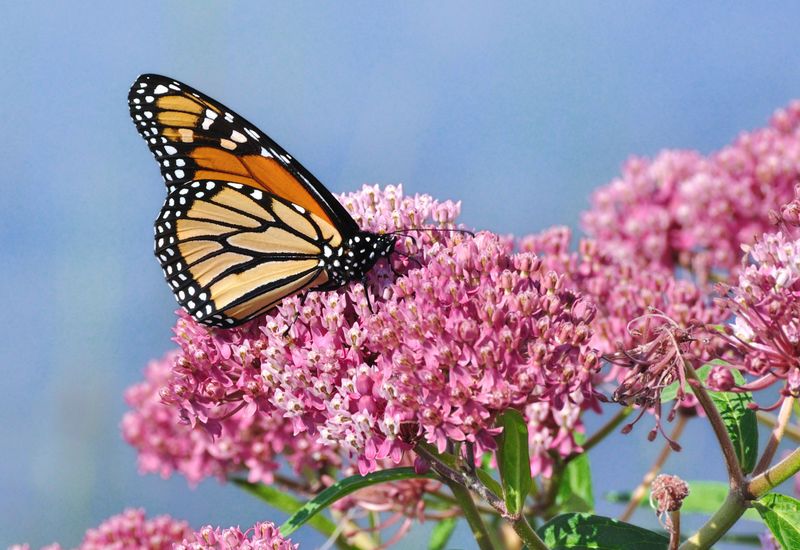
Think of Texas as the front door and the back door of the monarch migration. Butterflies pass through on their way north in spring. They come back through again in fall on their way south. Few places on the map matter more.
The story starts in the mountains of central Mexico. Millions of monarchs spend the winter there, packed together on fir trees.
Your Texas Garden Changes Every Week. Your Plan Should Too.
Gardening in Texas changes quickly throughout the season. Every Friday you’ll receive a simple weekly plan showing exactly what to plant, prune, fertilize, harvest, and protect so you never miss the right timing.
When spring arrives, they wake up and head north. Many of them cross into Texas around March.
Those travelers are tired and old by then. They have one big job left, which is to lay eggs. They look for fresh milkweed sprouting across Texas fields and yards. The caterpillars that hatch become the first new generation of the year.
That new generation keeps flying north into states like Oklahoma, Kansas, and beyond. It takes several generations to reach Canada and the northern United States.
But it all begins with Texas milkweed. If spring monarchs cannot find plants here, the whole chain gets weaker.
Fall brings the second act. A special super generation forms up north. These butterflies live much longer, up to eight months. They fly all the way back to Mexico, and most of them funnel through Texas along a path called the central flyway.
So your garden can help twice a year. In spring, it can offer milkweed for egg laying. In fall, it can offer flowers for hungry travelers.
Scientists sometimes call Texas the funnel state for this reason. A small patch of plants in Dallas, Austin, or San Antonio can help butterflies that will later visit gardens hundreds of miles away.
The Best Native Milkweeds For Texas Yards
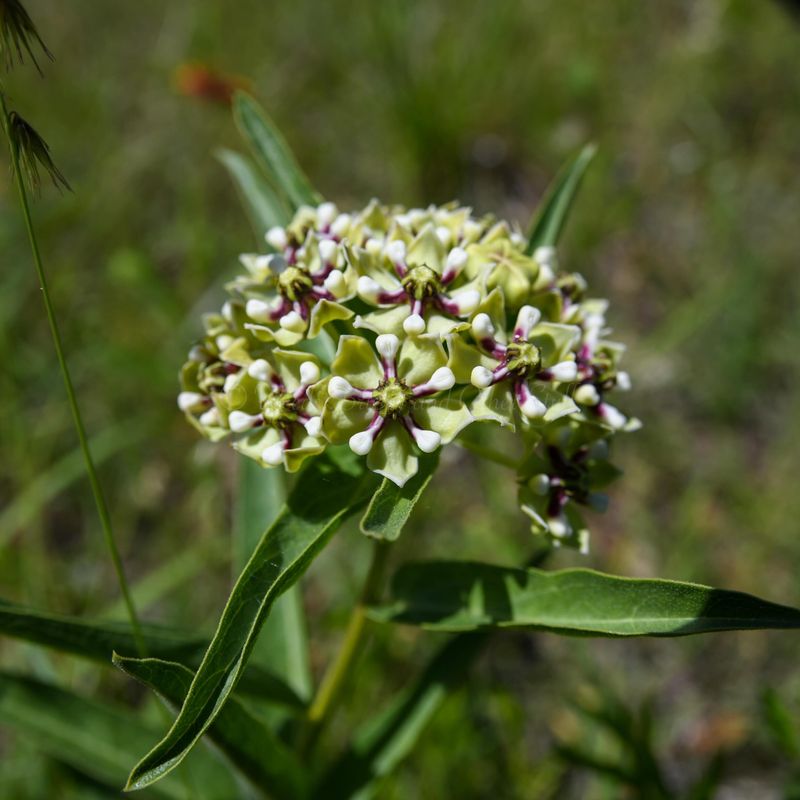
Shopping for milkweed can feel confusing at first. There are so many kinds, and they all look a little different. Let me make it simple with a few favorites that grow well in Texas.
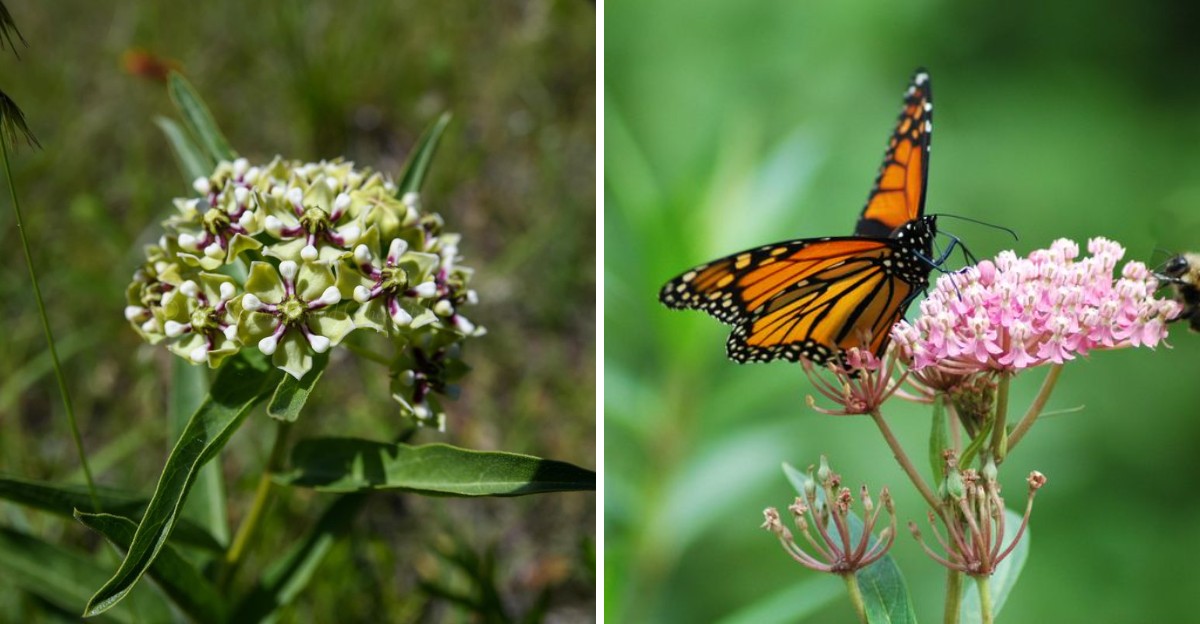
Antelope horns is the star of the show. It grows across much of the state, from West Texas to North Texas.
Its flowers form round clusters of pale green with touches of purple. The seed pods curve like little horns, which is how it got its name. It blooms early, right when spring monarchs arrive hungry for egg spots.
Green milkweed is another solid pick. It looks a lot like antelope horns but grows a bit taller. It handles clay soil and hot summers without much fuss.
Zizotes milkweed is small and tough. It stays low to the ground, so it fits nicely along borders or in rock gardens. It grows well in Central and South Texas.
Butterfly weed is the showoff. Its flowers are bright orange, and it looks great in a flower bed. Adult butterflies and bees love its nectar too.
Live in East Texas with damp soil? Try swamp milkweed. It enjoys wet spots near ponds, ditches, or low areas where rain collects. Its pink flowers smell sweet.
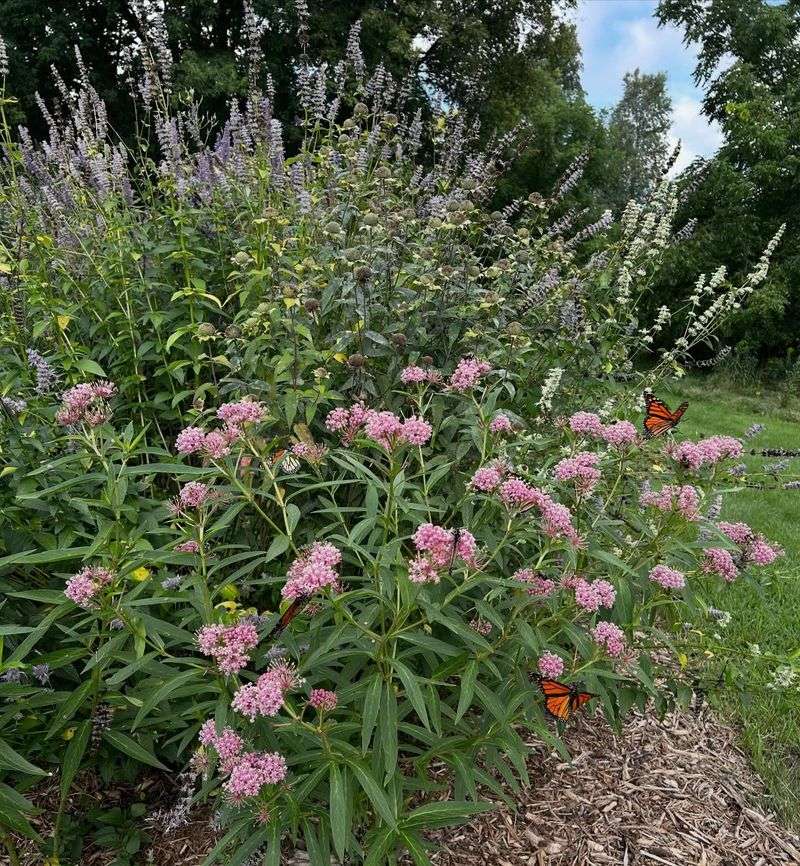
A smart tip is to plant two or three kinds together. Different types bloom at different times, so monarchs get food over a longer season.
Also check which species are native to your region. A local native plant society or extension office can tell you what grows naturally near you. Picking the right match means stronger plants and happier butterflies.
Why Native Beats Tropical Milkweed
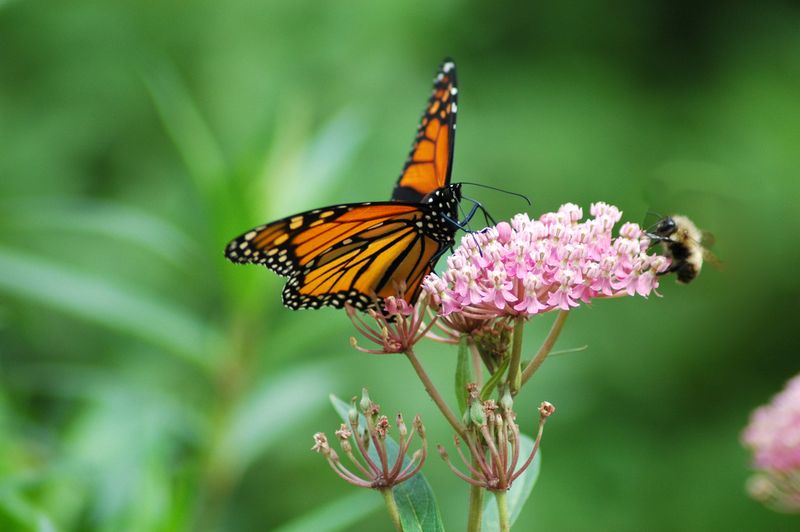
Walk into many garden centers and you will spot a pretty milkweed with red and yellow flowers. It is called tropical milkweed. It looks lovely, and monarchs do use it. But it comes with a hidden problem.
Tropical milkweed is not from Texas. It comes from warmer parts of the world. In South Texas and along the Gulf Coast, it can stay green all year long. Native milkweeds go dormant in winter, but tropical milkweed keeps growing.
Why does that matter? Monarchs follow natural signals. When milkweed dies back in fall, it helps tell them it is time to fly south.
If green plants stay around, some monarchs stick around and keep breeding through winter instead of migrating.
That leads to trouble with a tiny parasite called OE. It spreads on milkweed leaves through spores. Over time, the spores build up on plants that never go dormant.
Caterpillars that eat those leaves can grow into weak butterflies with crumpled wings that struggle to fly.
Native milkweed helps solve this. It naturally fades in cold months, which gives the parasite less chance to build up. It also keeps monarchs on their normal migration schedule.
Already have tropical milkweed? No need to panic. Experts suggest cutting it back to the ground in fall and again in winter.
Aim for October or November, and trim new growth as needed until early spring. This mimics the natural rest period.
Better yet, slowly swap it out for native kinds. Your butterflies will thank you, and native plants usually need less water too. It is an easy change with a big payoff.
How To Get Milkweed Started
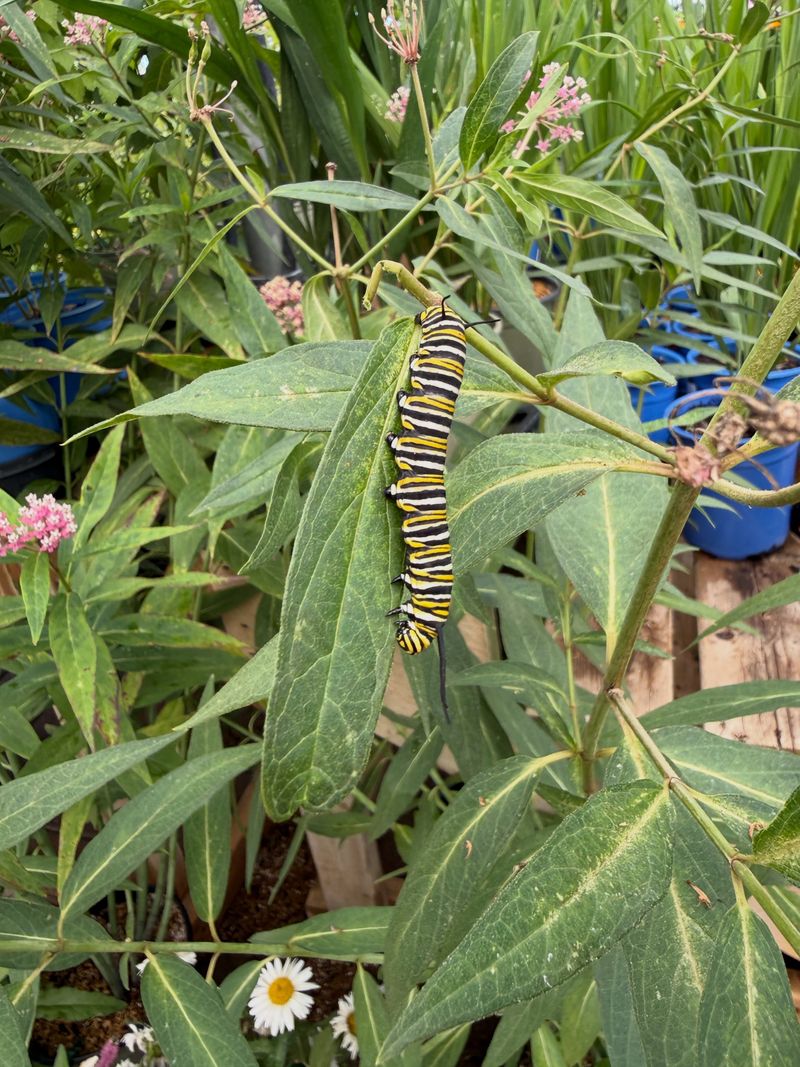
Patience is the secret ingredient with milkweed. These plants spend their first year building strong roots under the ground. You might not see much on top, but a lot is happening below.
Native milkweeds grow a long taproot. It is a thick main root that digs deep to find water. That root makes them tough, but it also makes them hard to move. Big plants often struggle after being dug up and replanted.
So start small. You have two good choices. You can grow from seed, or you can buy young plants from a native plant nursery.
Going with seeds? Many milkweed seeds need a cold period before they sprout. You can plant them outside in late fall and let winter do the work.
Or put them in a damp paper towel inside a bag in the fridge for about a month before planting in spring.
Buying plants? Look for small ones in deep pots. Plant them in spring or fall when the weather is mild. Dig a hole a bit deeper than the pot and handle the roots gently.
Location matters a lot. Most milkweeds love full sun, at least six hours a day. They also like soil that drains well. Soggy ground can rot the roots, except for swamp milkweed.
Water often during the first few weeks. After that, you can mostly leave them alone. Once settled, native milkweeds handle Texas heat and drought like champs.
One last tip: skip pesticides. Even gentle sprays can harm caterpillars. Seeing chewed leaves is actually a good sign that monarchs found your garden.
Add Nectar Plants For Fall Migrants
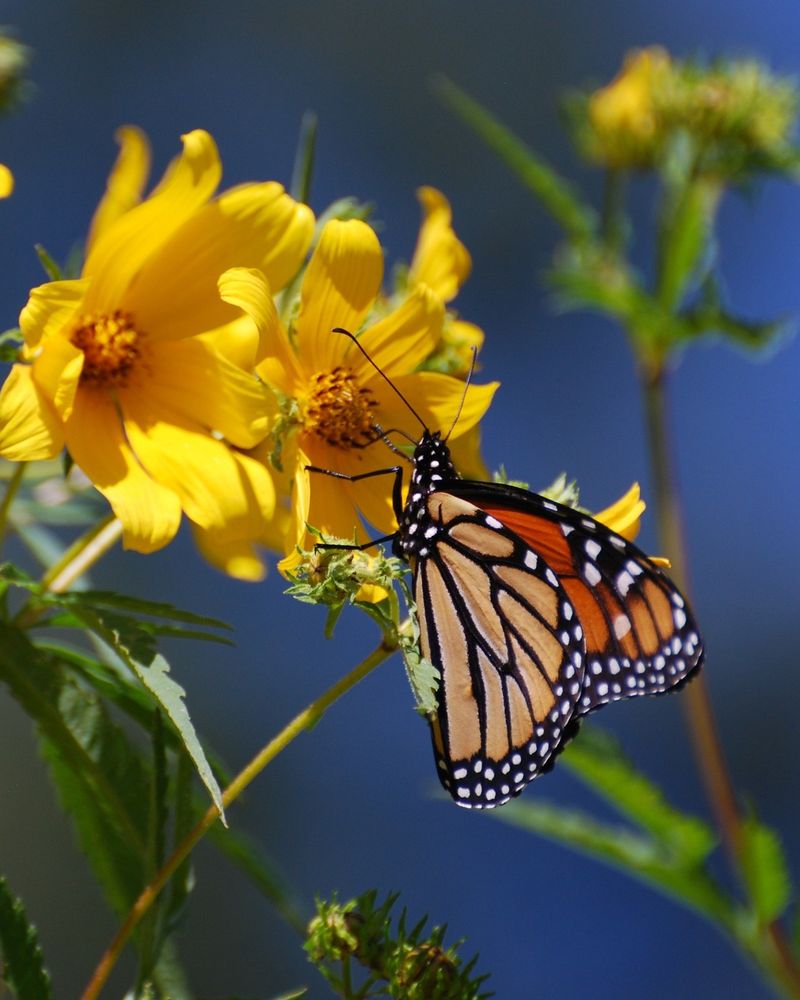
Long road trips call for snack stops, and monarchs agree. In fall, they fly up to 3,000 miles to reach Mexico. That journey burns a lot of energy, so they need plenty of flower nectar along the way.
Here is a surprise. During fall migration, monarchs are not looking for milkweed much. They are not laying eggs then.
Their main goal is to eat, store fat, and keep moving. That fat helps them get through the whole winter in Mexico.
That is why pairing milkweed with fall flowers is such a smart move. You cover both parts of the monarch story.
Frostweed is a great place to start. It grows in shady spots and has clusters of white flowers in fall. Monarchs flock to it. Fun fact: on the first freezing morning, its stems crack and push out thin ribbons of ice that look like frozen art.
Gregg’s mistflower is another winner. Its fluffy blue to purple blooms are a butterfly magnet. Some gardeners call it a monarch party plant because so many show up at once. It handles heat well and spreads to fill space.
Goldenrod adds bright yellow color in late summer and fall. It gets blamed for allergies, but that is usually ragweed. Goldenrod is a rich food source for many pollinators.
Plant flowers in groups instead of single plants. Butterflies spot big patches of color more easily from the sky. Also add a shallow dish with wet sand or pebbles for a drink.
With milkweed and nectar plants side by side, your yard becomes a full-service stop for these amazing travelers.