Top Small Texas Evergreens For Color That Never Disappears
Not every yard has room for a towering pine or a sprawling live oak. Narrow side yards, cozy patios, and flower beds by the front door call for something smaller. That’s where small evergreens shine.
These compact plants keep their leaves all year, so your landscape never goes bare when the seasons change.
While other shrubs drop their foliage after the first cold snap, evergreens hold steady through every month. Some offer glossy green leaves. Others show off silvery, purple, or golden tones.
A few even add bright berries or blooms when the rest of the garden is resting. In Texas, the right choice also needs to handle blazing heat, sudden freezes, and long dry spells.
These tough little evergreens check every box, giving your yard color that sticks around no matter what the calendar says.
1. Dwarf Texas Sage Brings Silver Shine
Old-timers in Texas call it the barometer bush. After a good summer rain, the plant seems to explode with flowers almost overnight. Dwarf forms like ‘Compacta’ give you that same magic in a smaller package.
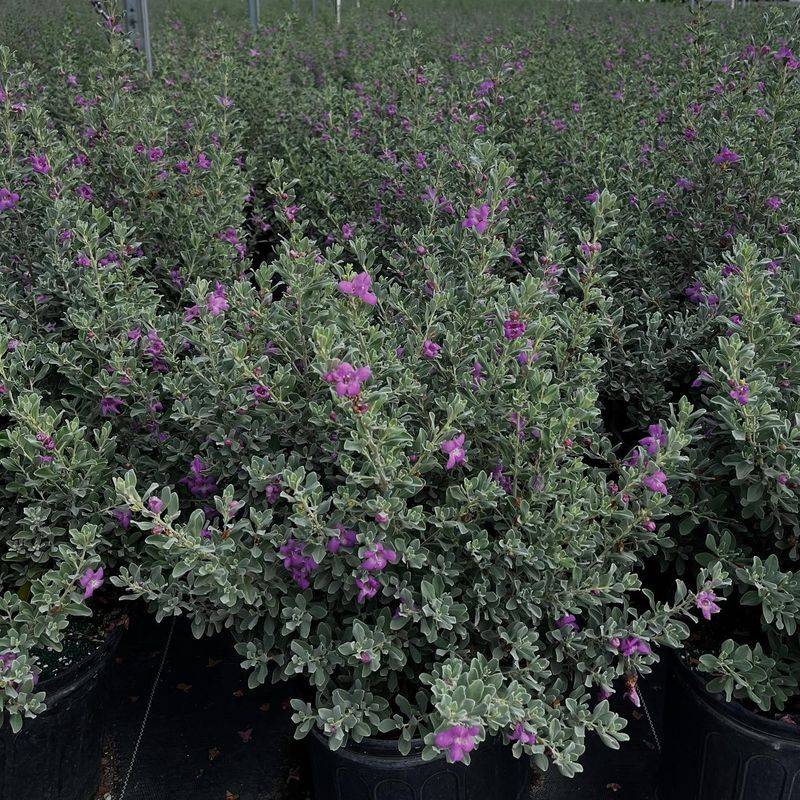
The leaves are soft, fuzzy, and silver-gray. They stay on the plant all year, so your yard never goes bare. Against a brown winter lawn, that silver glow really stands out.
Standard Texas sage can grow 6 feet tall or more. Compact types usually stay around 3 to 4 feet tall and wide. That makes them easy to tuck along a driveway, under a window, or in a small bed.
When the blooms arrive, they come in shades of lavender and purple. Bees and butterflies flock to them. The show can repeat several times between spring and fall, depending on the rain.
Full sun is a must for this shrub. Too much shade makes it leggy and thin. It also needs soil that drains fast, because soggy roots cause problems quickly.
Here is a helpful tip. Skip the fertilizer and go easy on the water once it is settled. Too much care actually makes it floppy and less likely to bloom.
Pruning is simple. Avoid shearing it into tight balls, since that cuts off future flowers. Instead, trim a few long branches in late winter to keep a natural shape.
Deer usually leave it alone, which is great news for Hill Country gardeners. It handles heat, wind, and drought like a champ. For a low-effort shrub with year-round silver color, few plants beat it.
2. ‘Bordeaux’ Dwarf Yaupon Holly Adds Wine-Colored Charm
Boxwood has ruled formal gardens for centuries. Yet in Texas heat, it often struggles and turns yellow. ‘Bordeaux’ dwarf yaupon holly steps in as a tougher, more colorful swap.
Yaupon holly is a true Texas native. It grows wild from East Texas down to the coast. Native Americans once brewed its leaves into a tea, since it is the only North American plant with natural caffeine.
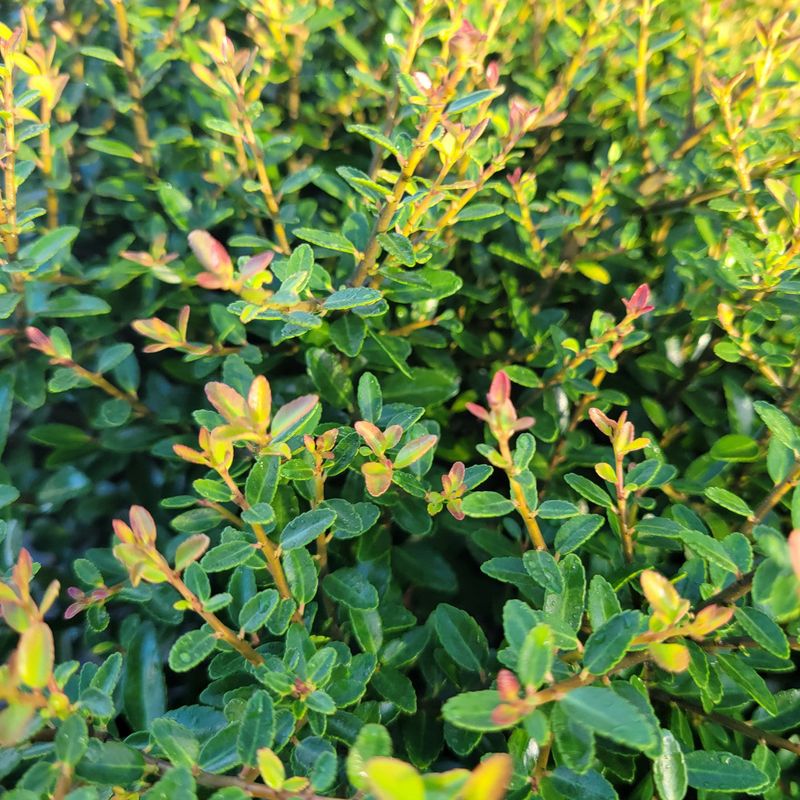
‘Bordeaux’ is a special selection with a fun twist. New leaves come out with a maroon tint. When cold weather hits, the whole shrub can turn a rich burgundy that looks like fine wine.
Your Texas Garden Changes Every Week. Your Plan Should Too.
Gardening in Texas changes quickly throughout the season. Every Friday you’ll receive a simple weekly plan showing exactly what to plant, prune, fertilize, harvest, and protect so you never miss the right timing.
Size is another big plus. It stays low and rounded, often around 3 feet tall and 4 feet wide. You rarely need to prune it to keep it tidy.
Borders and edging are where it truly shines. Plant a row along a sidewalk or patio for a neat, finished look. It also works well in containers by the front door.
Care is refreshingly simple. It grows in sun or part shade, though more sun means deeper color. It handles clay, sandy soil, and even short dry spells once established.
Water it regularly during the first summer. After that, it can mostly fend for itself. A layer of mulch helps keep roots cool and moist.
Pests and diseases rarely bother it. Deer tend to nibble less on yaupon than many other shrubs too. If you want structure with a splash of color, ‘Bordeaux’ delivers both without the fuss of boxwood.
3. Agarita Stands Tough In Blue-Gray
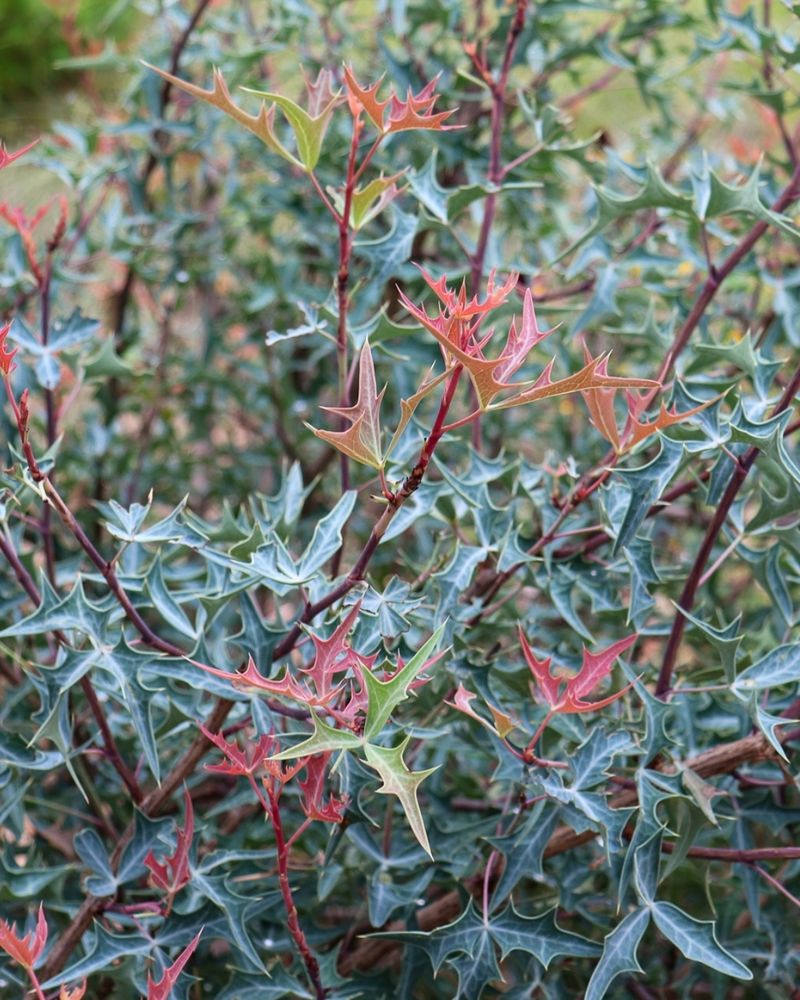
Ranchers have a love-hate story with agarita. Its spiny leaves can scratch your arms on a hike. Still, many of them grew up eating jelly made from its tart red berries.
Agarita is one of the hardiest natives in the state. It grows across rocky hills and dry pastures in Central and West Texas. Heat, cold, and drought barely slow it down.
The leaves are the main attraction. They are stiff, holly-shaped, and blue-gray in color. That cool tone stays steady through all four seasons.
Late winter brings a happy surprise. Tiny yellow flowers cover the branches when most plants are still asleep. They smell sweet and give early bees a much-needed meal.
By late spring, red berries appear. Birds love them, and so do some brave people. Folks have used them for jelly and wine for generations.
Most agarita plants grow 3 to 6 feet tall. They form a loose, natural mound. Use them as a living fence, a wildlife screen, or a tough spot plant near a property line.
Those prickly leaves also make it a smart choice under windows for home security. Keep it away from walkways where kids might brush against it though.
Plant it in full sun or light shade with good drainage. Water it during the first year, then let nature take over. Fertilizer is not needed at all.
Deer usually avoid it because of the spines. For a shrub that asks almost nothing and gives food to wildlife, agarita is hard to top.
4. Damianita Lights Up With Golden Daisies
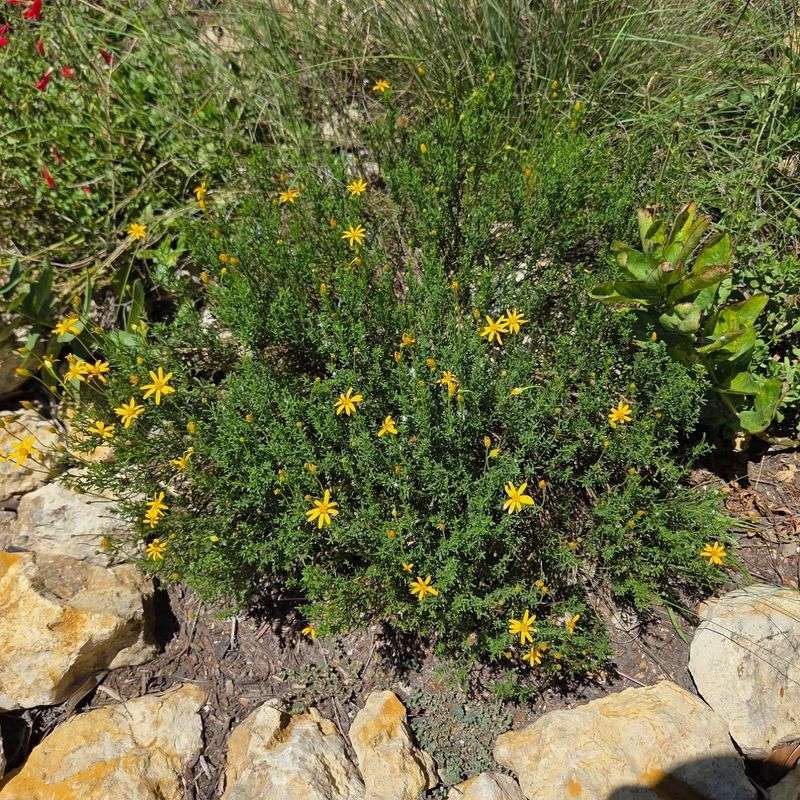
Sunshine in plant form. That is the best way to sum up damianita. When it blooms, you can barely see the leaves under all the yellow flowers.
Damianita is a small native shrub from the dry parts of Texas. It usually grows only 1 to 2 feet tall. It spreads into a tidy little mound that looks great at the front of a bed.
The leaves are tiny and needle-like. They stay green all year and have a strong, spicy scent when you brush them. Some people say it smells a bit like resin or herbs.
Spring brings the first big wave of bright yellow, daisy-like flowers. Then fall brings a second round. Butterflies and small bees enjoy every bit of it.
Drainage is the key to success. Damianita hates wet feet and heavy, soggy clay. Plant it in gravel, sandy soil, or a raised bed to keep it happy.
Full sun is just as important. Shade makes it sprawl and bloom less. Hot spots near driveways, rock walls, or south-facing slopes are perfect homes.
Watering should be light once it settles in. In fact, overwatering is the most common mistake people make. Let the soil dry out between drinks.
After the spring bloom fades, give it a light shearing. That keeps the mound neat and encourages fresh growth.
Try mixing it with blackfoot daisy or silver plants for a cheerful rock garden. With so little care required, damianita feels like a reward for gardeners who live where water is scarce.
5. Dwarf Wax Myrtle Handles Wet Or Dry
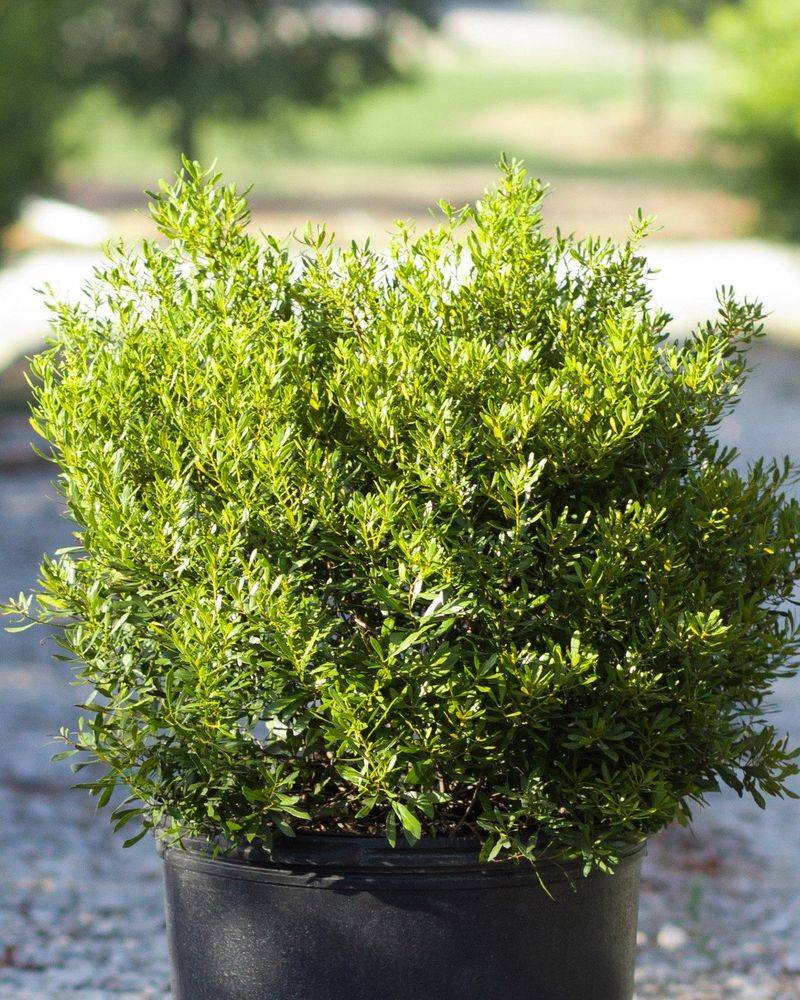
Some yards flood after every storm. Others crack and bake by July. Dwarf wax myrtle is one of the rare shrubs that can handle both.
The plant is a smaller version of the native wax myrtle found across East Texas and the Gulf Coast. It forms a thick, rounded shape about 3 to 5 feet tall. The olive-green leaves stay put all winter long.
Crush a leaf and sniff it. You will notice a clean, spicy smell. Early American colonists boiled the waxy berries of wax myrtle to make candles, which is how bayberry candles got their name.
Because it grows so dense, it makes a fantastic low hedge. You can shape it lightly or let it grow naturally. Either way, it gives you privacy around patios and air units.
Soil is rarely a problem. It grows in clay, sand, and spots that stay damp near drainage areas. Once established, it also gets by during dry spells.
Plant it in full sun or part shade. More sun keeps it thicker and fuller. In deep shade, it can get thin.
Pruning is easy and forgiving. Trim it in late winter or early spring if you want a tidier look. Remove any suckers that pop up around the base to keep it neat.
Birds use the thick branches for shelter during cold snaps. It also handles salt spray, which makes it a favorite near the coast.
For a reliable green backdrop that bounces back from almost anything, dwarf wax myrtle earns its spot in the yard.
6. Evergreen Sumac Shows Off Shiny Leaves And Red Fruit
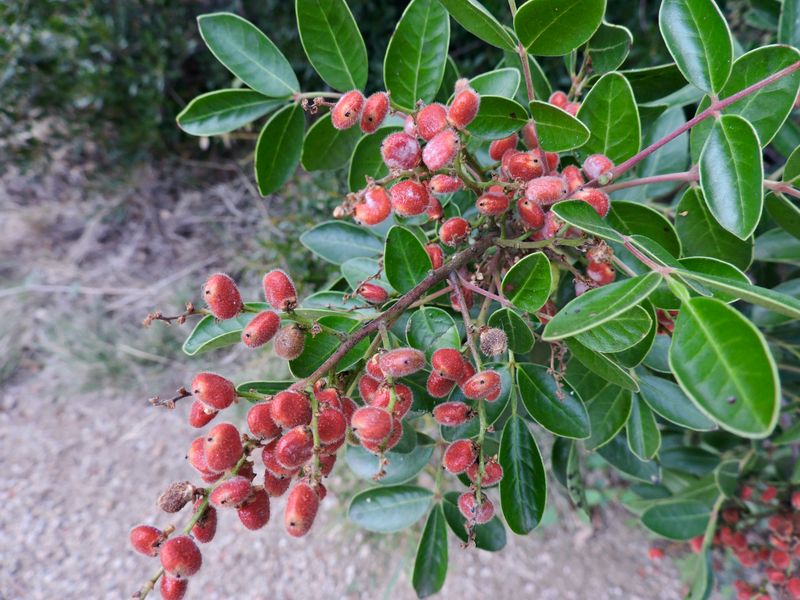
Hikers in the Hill Country often walk right past evergreen sumac without knowing its name. That is a shame, because it is one of the prettiest natives around. Once you spot those shiny leaves, you will see it everywhere.
Evergreen sumac grows wild in Central and West Texas. It thrives on rocky slopes and limestone soil. The leaves are glossy, leathery, and stay on through winter.
Cold weather adds a bonus. The leaves can pick up reddish or bronze tints when temperatures drop. It gives your yard a warm glow during gray months.
Late summer brings clusters of small white flowers. Bees buzz around them happily. Those blooms turn into fuzzy red fruit in late summer and fall.
Birds go wild for the fruit. Mockingbirds, cardinals, and other songbirds stop by for a snack. A single shrub can turn your yard into a mini bird feeder.
Fun fact. Some people soak the tangy fruit in water to make a drink that tastes a little like lemonade. Do your research first and only try it with plants you know well.
In the garden, it can grow 6 to 10 feet tall, but you can keep it smaller with pruning. It works well as a screen, a wildlife shrub, or a single standout plant.
Give it full sun or light shade and soil that drains well. It does not like heavy, wet ground. Once rooted, it rarely needs extra water. For color, wildlife value, and true Texas toughness, evergreen sumac checks every box.
7. Texas Mountain Laurel Smells Like Grape Soda
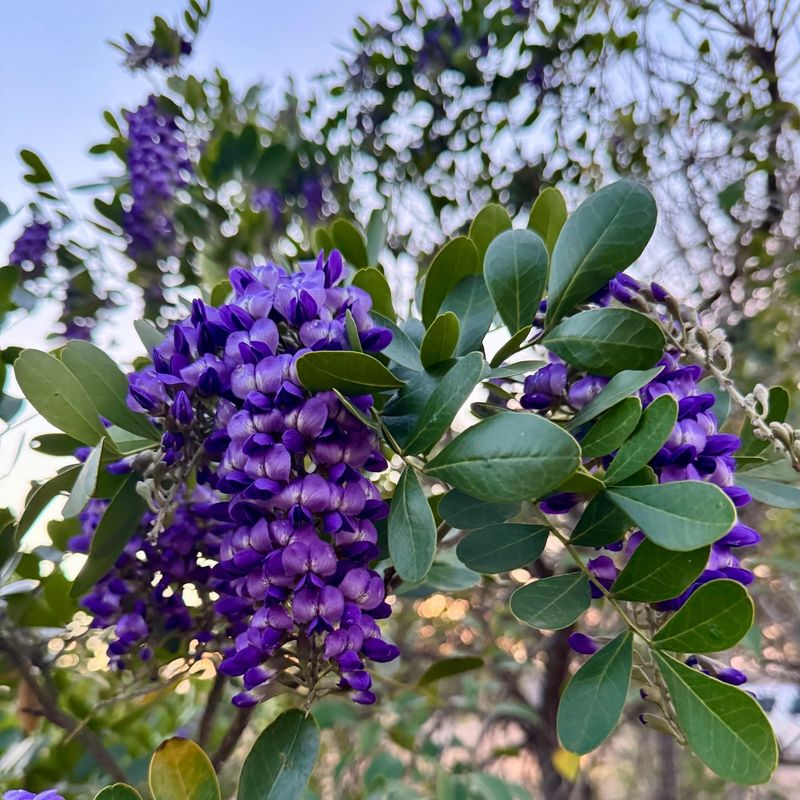
Walk past a Texas mountain laurel in early spring, and you might think someone spilled a bottle of grape soda. The scent is that strong and that sweet. Kids and adults alike stop in their tracks to sniff the flowers.
The purple blooms hang in clusters that look a lot like wisteria. They show up in late winter to early spring. For many Texans, they are one of the first true signs that spring is coming.
Even after the flowers fade, the plant stays handsome. Its leaves are glossy and dark green all year. They catch the light and keep your yard looking lush.
Patience pays off with this one. Texas mountain laurel grows slowly into a small tree, often 10 to 15 feet tall over many years. That slow pace makes it great for small yards and courtyards.
Safety matters here. The bright red seeds inside the fuzzy pods are highly toxic. Keep them away from children and pets, and pick up fallen pods if you have curious little ones.
Plant it in full sun or part shade with soil that drains well. It loves rocky, alkaline ground like you find around San Antonio and Austin. Wet soil is its biggest enemy.
Once established, it needs little water. Watch for the genista caterpillar in spring, which can chew leaves. Pick them off or use a gentle organic spray if needed.
Prune only to shape it or remove low branches. Whether you train it as a shrub or tree, Texas mountain laurel brings fragrance, shine, and history to any Texas garden.