Garden Mums Bought This Fall Can Return Next Spring In Indiana Depending On What Happens Before Freezing

Fall in Indiana smells like crunchy leaves, woodsmoke, and chilly mornings full of foggy breath. Garden centers burst with gold, rust, and purple blooms that practically beg you to take them home.
So you buy three, plant them by the porch, and feel like a decorating genius for weeks. Then winter rolls in, the ground turns hard as brick, and those cheerful plants quietly vanish.
Come April, you stare at a patch of brown twigs and wonder what went wrong out there. Plenty of Indiana gardeners know that sinking feeling, and many blame the cold right away.
Cold does play a part, but weak rooting and soggy soil often matter just as much. A few small choices made now, while the leaves still blaze orange, can change the whole story.
Dried Stems Act As A Natural Shield For The Crown

Few gardening tips reward you for doing less, but this one happily lets you put the pruners away. Once frost turns your garden mums brown and crispy, the smartest move is to leave those stems standing.
The crown is the spot where stems meet the roots, right at soil level, and it holds next year’s growth. Tiny buds wait there all winter, and they need a little cover to make it through until spring.
Old stems act like a small fence that catches falling leaves and drifting snow around the base. That trapped layer works as a cozy blanket, keeping the crown steadier when Indiana temperatures swing wildly.
Cutting stems to the ground leaves the crown bare, and winter moisture can settle right on top of it. When that moisture freezes and thaws over and over, it can harm the tender tissue below.
Some gardeners worry that brown stems look messy, especially near the front walk or the mailbox post. A light trim to tidy the tops is fine, as long as you keep about six inches standing.
Birds may even visit the patch to snack on seeds or hunt for tiny insects hiding in stems. Your lazy garden suddenly becomes a winter cafe, and the neighbors may think you planned it that way.
So when October chores pile up, cross pruning mums off the list and enjoy a few extra minutes. Those scruffy stems are quietly doing an important job, even if they will not win any beauty contests.
Florist Types Rarely Match Hardy Types For Winter Strength
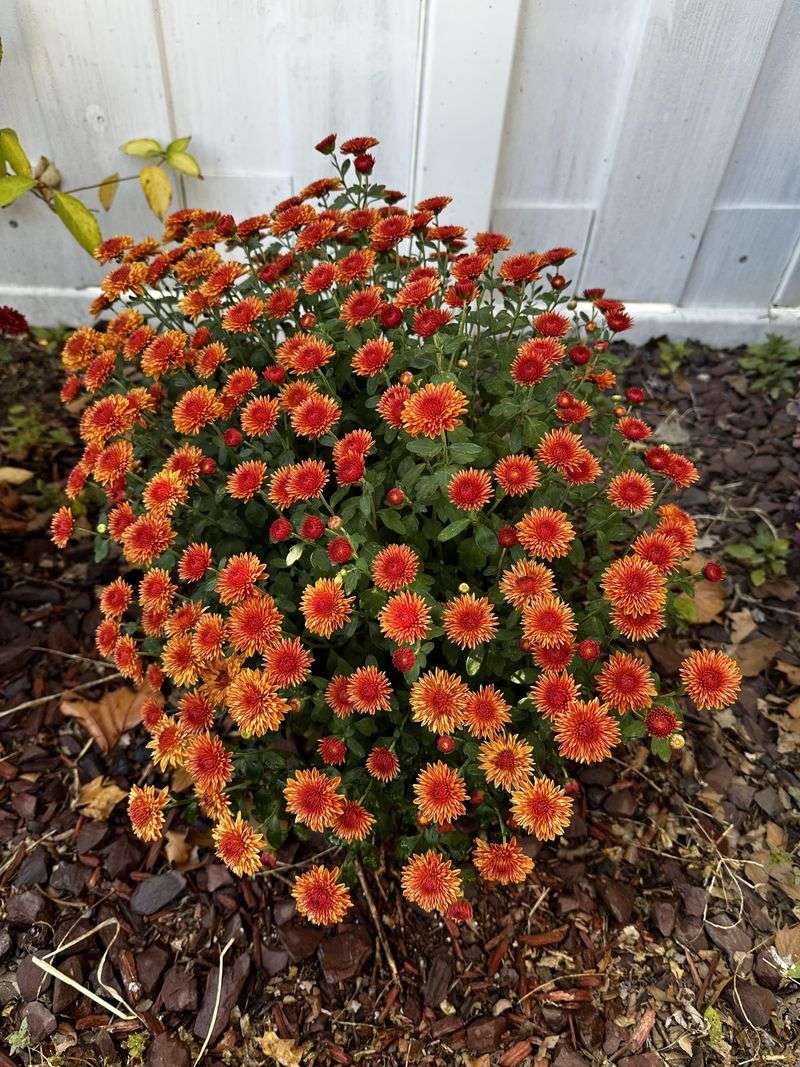
Not every pot of mums at the store is built for a long Midwest winter in the ground. Many of the round, flower-packed plants stacked near grocery doors are florist mums, grown mostly for show.
Florist types are bred for big blooms and quick color, a bit like a shiny party balloon. They often put their energy into flowers instead of roots, so they struggle once the soil freezes.
Hardy garden mums, sometimes labeled perennial mums, spread underground runners that help them return year after year. Those runners, called stolons, anchor the plant and give it a much better grip on cold Indiana soil.
Your Indiana Garden Changes Every Week. Your Plan Should Too.
Gardening in Indiana changes quickly throughout the season. Every Friday you’ll receive a simple weekly plan showing exactly what to plant, prune, fertilize, harvest, and protect so you never miss the right timing.
Reading the plant tag is the easiest clue, so look for words like hardy, perennial, or garden mum. Tags listing zone 5 or zone 6 are a nice match for most of the state’s backyards.
Local nurseries usually carry more hardy choices than big box stores, and staff can point you toward them. Varieties bred at northern programs, such as the University of Minnesota’s Minnstripes, are known for handling tough northern winters.
Fun fact: chrysanthemums have been grown in China for more than two thousand years, often as herbs. Gardeners have been picking favorite types for a very long time, so you are in good company.
If you already brought home a florist mum, enjoy its colorful show on the porch for now. Planting it anyway costs nothing extra, and a few lucky ones surprise their owners with fresh spring shoots.
Roots Need Several Warm Weeks To Settle Before The Ground Freezes
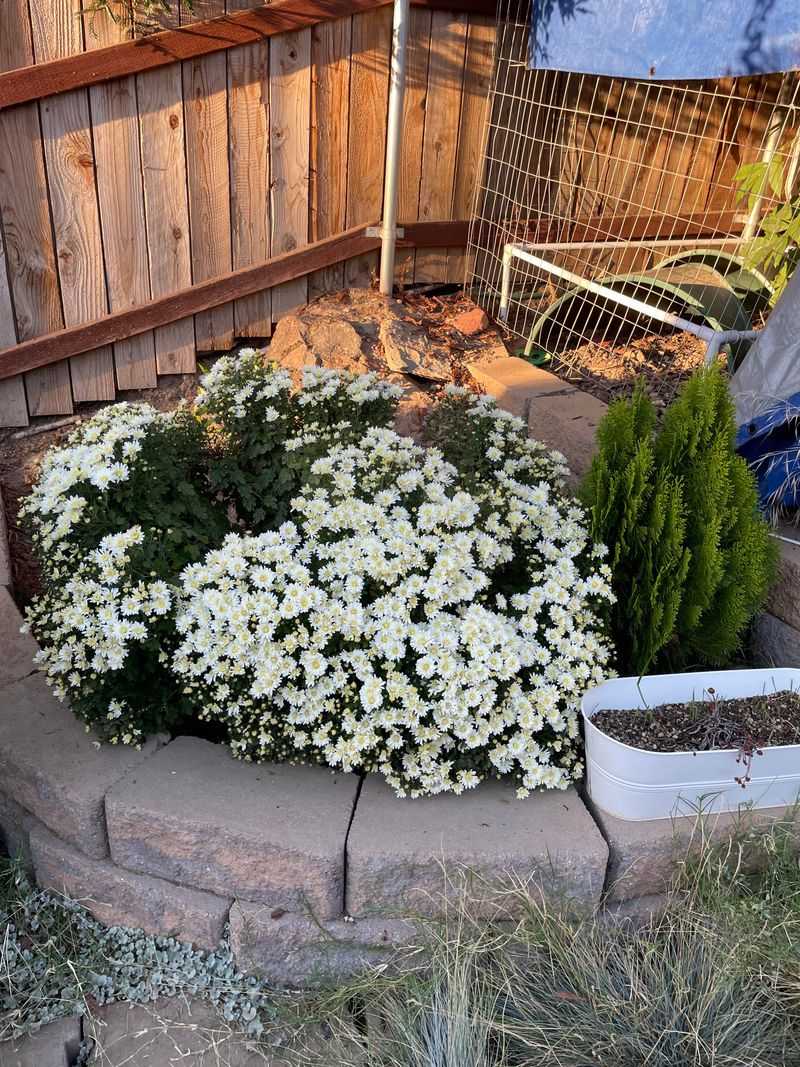
Think of early October as the final boarding call for mums that still sit in plastic nursery pots. Roots need about four to six weeks in warm soil before the ground freezes solid for winter.
In much of Indiana, the soil starts freezing in late November or December, depending on where you live. Gardeners up near Fort Wayne often get less time than folks down near Evansville along the Ohio River.
Mums planted by mid-October can push roots outward into the soil instead of circling inside their old pot. Those new roots work like anchors, helping the plant resist frost heave, when freezing ground pushes plants upward.
Before planting, gently loosen the root ball with your fingers, since tightly packed roots often stay stuck in place. Dig a hole a little wider than the pot, and set the plant at the same depth it grew.
Water deeply right after planting, then keep the soil lightly moist through the cool weeks of fall. Autumn rain helps, but dry spells in October are common enough that a watering can stays handy.
Pinching off a few faded flowers can also nudge the plant to spend energy below ground instead. You still get plenty of color, while the roots quietly build strength for the colder months ahead.
Missed the window this year, and your mums are still waiting on the patio in their pots? Sink the pots into a garden bed or tuck them into an unheated garage for winter shelter.
Frozen Ground Is The Right Signal For Adding Mulch

Timing mulch is a little like serving dessert, because putting it out too early spoils the whole plan. Most gardeners feel tempted to cover their mums in October, but patience pays off nicely here.
The goal of winter mulch is to keep the ground frozen, not to keep the plant warm. Steady cold is easier on roots than a messy cycle of freezing one week and thawing the next.
In Indiana, the top inch or two of soil usually freezes sometime in late November or early December. You can test it by poking the ground with a trowel on a chilly morning after several hard frosts.
Once the soil feels hard, spread about four to six inches of loose mulch over and around each plant. Shredded leaves, clean straw, and pine needles all work well, and many of them cost nothing at all.
Mulching too soon can trap warmth and moisture, which invites mice to move in for a snug winter. Early covers may also keep the soil soft, letting plants stay active when they should be resting.
Whole maple leaves tend to mat down into a soggy pancake, so run them over with the mower first. Chopped pieces stay fluffy and let air reach the crown, which helps prevent rot during wet spells.
Meanwhile, rake those October leaves into a pile and save them for the big moment later on. Your future self will be grateful when the mulch is ready and waiting beside the garden bed.
Winter Wind Exposure Depends On Where The Plant Sits

Anyone who has stood in an open Indiana field in January knows the wind can feel downright mean. Plants feel that bite too, and garden mums planted in wide open spots often struggle the most.
Winter wind dries out stems and soil, pulling moisture away faster than frozen roots can replace it. It also blows away protective snow, leaving the crown exposed to the harshest cold of the season.
A spot near a house wall, fence, or garage gives mums a helpful buffer from those icy gusts. Brick and stone walls soak up daytime sun and release a little warmth after dark, like a gentle heater.
South-facing and east-facing beds tend to work best, since they catch morning or midday light in winter. North and west sides often take the brunt of the coldest winds that sweep across the state.
Leave about a foot or more between the plant and the wall so rain can still reach the roots. Roof overhangs can create dry pockets, and thirsty mums do not handle winter well without some moisture.
Watch out for spots under downspouts, though, because soggy soil that stays wet can lead to root rot. Good drainage matters just as much as shelter, so pick a place where puddles fade within a day.
If your yard has no sheltered wall, a row of evergreen shrubs or a short fence can block wind nicely. Your mums will appreciate the cozy neighborhood, much like you appreciate a scarf on a blustery walk.
New Green Shoots Signal The Right Time For Cleanup

Patience might be the hardest part of growing garden mums, especially when the first warm spring day arrives. Those brown stems you left standing all winter will look shabby, and your hands will itch to tidy up.
Hold off until you spot fresh green shoots poking up from the base of the old plant. In most Indiana gardens, that happens sometime between late March and early May, depending on the weather.
Early spring often brings surprise cold snaps, and those old stems and mulch still offer helpful protection. Pulling them away too soon can leave tender new buds exposed to a hard April frost overnight.
Once green growth appears, gently pull the mulch back a few inches so sunlight can warm the soil. Then snip the old stems down close to the new shoots, taking care not to nick the fresh growth.
Some plants wake up slowly, so a mum that looks empty in April may simply need more time. Give it until late May before deciding it will not return, since mums are often slow to sprout.
Some gardeners follow an old rule of thumb and wait until the lilacs begin to leaf out before tidying the mum bed. It is a handy reminder that spring has truly settled in.
For now, while October leaves drift across the yard, simply mark your mum spots with a small stake. Come spring, you will know right where to look for those first hopeful sprouts of green.