Stink Bugs Are Slipping Into Indiana Homes Through Window Gaps As October Nights Cool Down
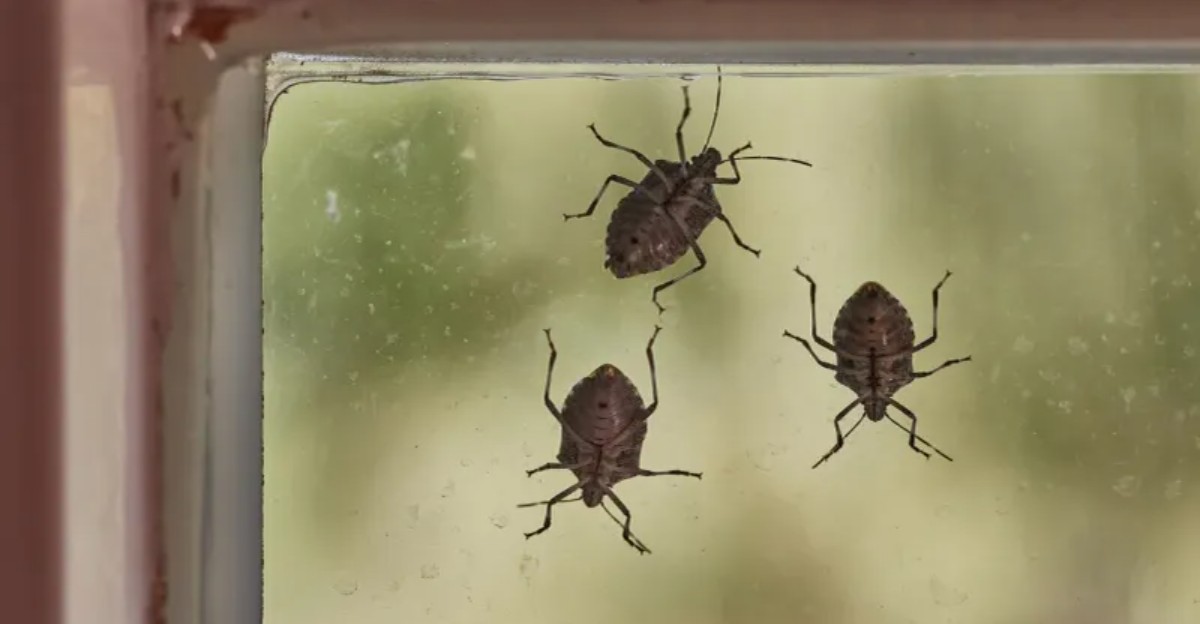
Something shield-shaped is crawling across your kitchen curtain, and it looks like it owns the place. Across Indiana, folks are spotting brown little visitors on lampshades, ceilings, and the occasional bathroom mirror.
They arrive quietly when October evenings turn crisp and porch lights glow against a chilly sky. One minute the window feels sealed, and then a tiny guest is strolling along the sill.
Bump one by accident, and your nose learns a lesson that smells like cilantro and socks. That odd scent lingers on fingers, tissues, and curtains far longer than any polite houseguest should.
Plenty of Indiana homeowners shrug at first, thinking one bug on the blinds hardly matters much. Then a second one appears, followed by a cousin, a neighbor, and a whole family reunion.
Warm Walls Pull Chilly Bugs Indoors
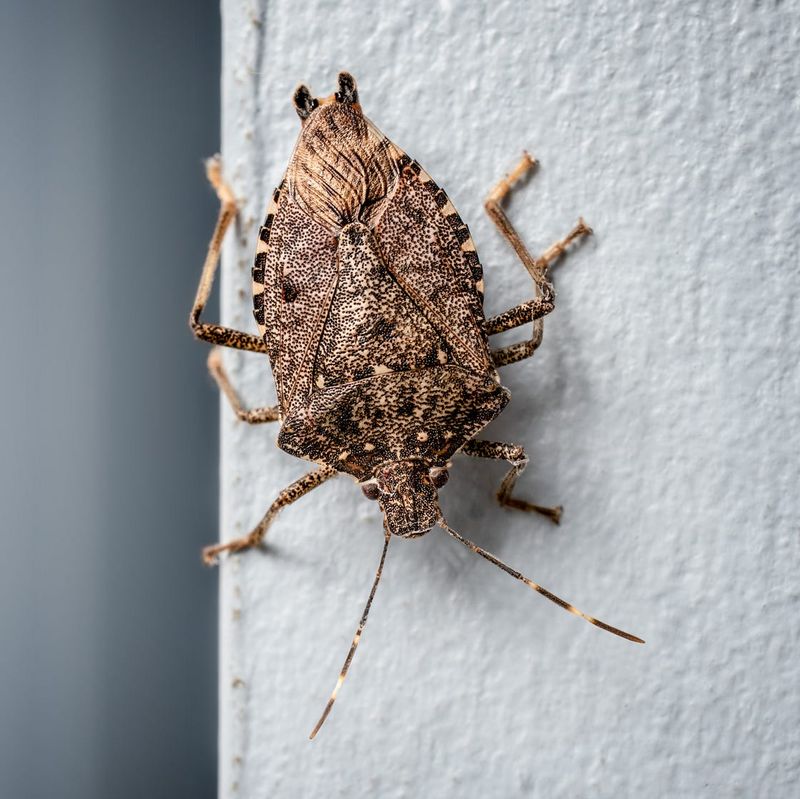
Brown marmorated stink bugs are not trying to annoy you, even though their timing feels pretty personal. As October nights drop into the forties, these insects start hunting for a sheltered spot to spend winter.
Out in nature, they would squeeze under loose tree bark or tuck themselves into cracks in rocky ledges. Your house offers a much better deal, with warm siding, cozy attics, and plenty of tiny openings.
On sunny afternoons, the south and west walls of a home soak up heat like a stovetop. Stink bugs gather there in clusters, warming up before crawling toward any gap that leads somewhere even cozier.
Window frames are a favorite entry point because wood shrinks, caulk cracks, and screens loosen over the years. A gap only about one eighth of an inch wide is enough for an adult bug to slip through.
These insects also release a scent signal that tells other stink bugs they found a good hiding place. So when one sneaks inside, it often leaves a kind of invisible welcome sign for its friends.
Indiana farm fields and backyard gardens give them plenty to eat during summer, so populations can grow large. By fall, all those well-fed bugs are looking for the same thing, which is a warm place to rest.
Knowing their motive helps you think like a bug, which makes spotting weak spots around your windows much easier. Once you see your home through their eyes, every crack starts looking like an open front door.
Early October Marks Peak Bug Season
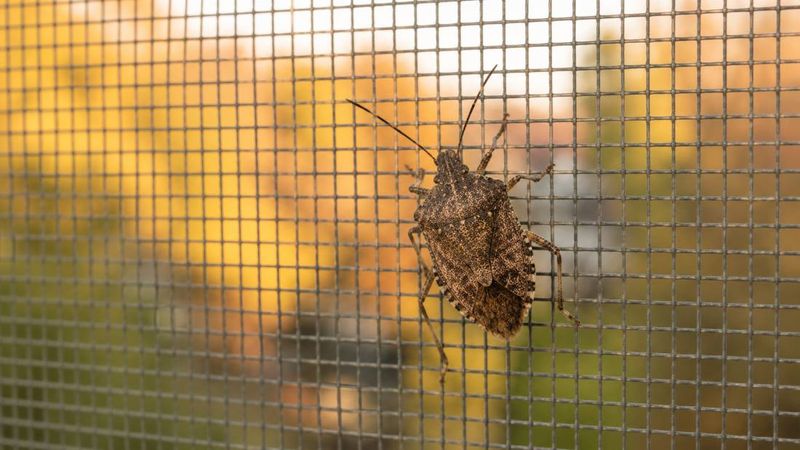
Think of early October as rush hour for stink bugs, with traffic heading straight toward your window frames. Across central Indiana, the busiest stretch often lines up with the first run of cool nights.
Daytime temperatures in the sixties or low seventies keep bugs active, while nights near forty push them indoors. That swing between warm afternoons and chilly evenings is the signal they have been waiting for.
You might notice clusters of them warming up on sunny siding in the afternoon. Late in the day, they start crawling into gaps around windows, doors, vents, and even electrical outlets.
The timing shifts from year to year and from one part of the state to another. Weather plays a big role, so a warm spell can pause the parade for several quiet days.
Your Indiana Garden Changes Every Week. Your Plan Should Too.
Gardening in Indiana changes quickly throughout the season. Every Friday you’ll receive a simple weekly plan showing exactly what to plant, prune, fertilize, harvest, and protect so you never miss the right timing.
Once a hard frost arrives, most of the outdoor action slows down, and the stragglers hide wherever possible. Many of those hidden bugs end up tucked inside walls, attics, or the space behind window trim.
Fun fact for curious readers: stink bugs first showed up in the United States in Pennsylvania during the 1990s. They hitched a ride on shipping crates from Asia and spread west, and Purdue confirmed the first one in Indiana in 2010.
Marking early September on next year’s calendar lets you seal gaps before the busiest arrival week begins. If you missed that window this year, a quick weekend of repairs in early October still helps a lot.
The Smelly Problem With Swatting
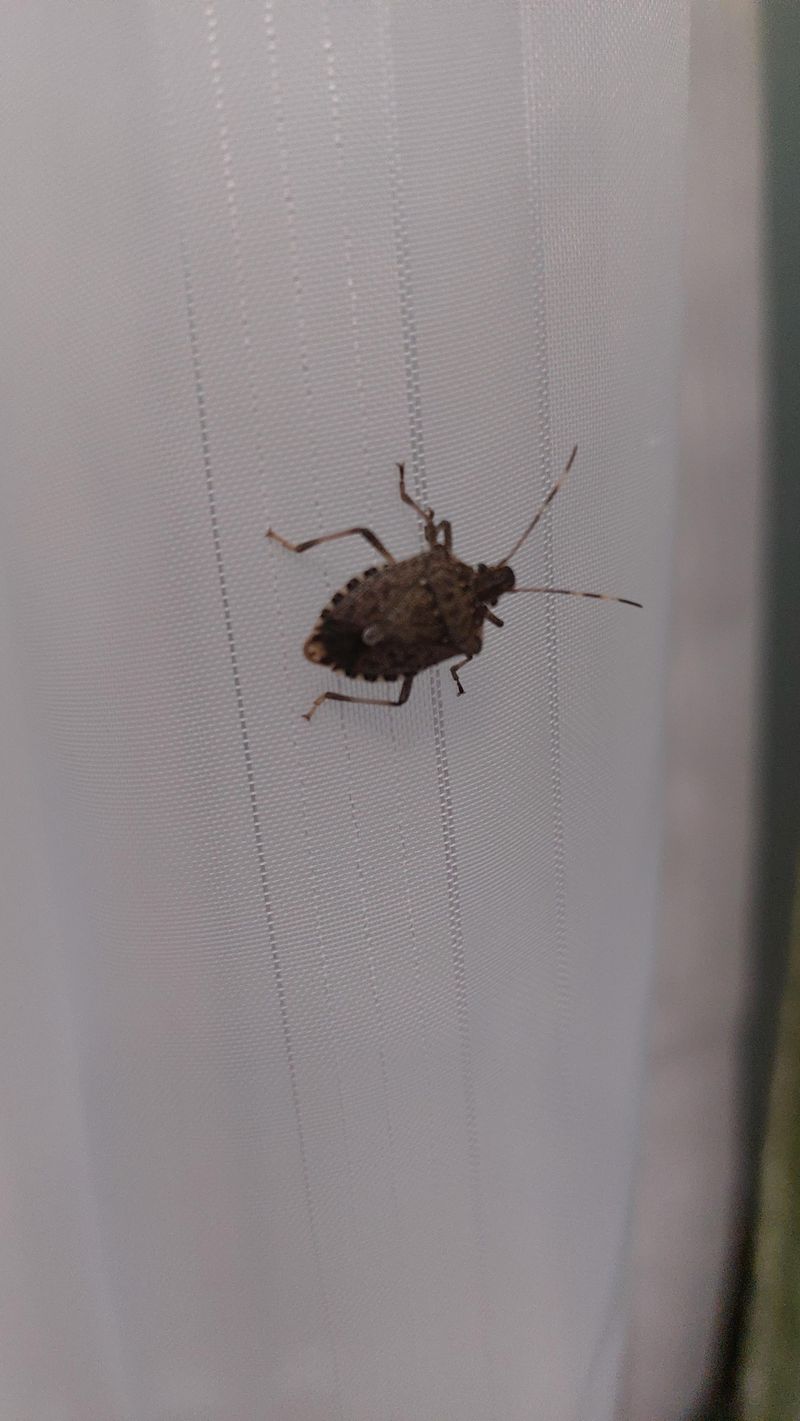
Picture this scene: a bug lands on your pillow, you grab a tissue, and you press down hard. Seconds later, the whole bedroom smells like a salad that went bad inside a gym bag.
Squashing a stink bug is a common mistake, and it often goes wrong in smelly ways. The insects release their odor from glands on their bodies whenever they feel crushed or threatened.
That smell can stain fabric, cling to carpet, and make your fingers smell funky for several hours. It can also linger on tissues and curtains long after the bug is gone.
Vacuuming seems like a smart fix, but the odor can linger inside the vacuum afterward. If you choose that route, use an old stocking over the hose and empty it outside right away.
Spraying bug spray around windows indoors is another misstep that adds chemicals to your home without much benefit. Most indoor sprays do little against bugs hiding inside walls, so the problem keeps coming back.
A calmer approach works better, like gently knocking the bug into a small jar of soapy water. The soap breaks the surface tension, so the insect sinks quickly and releases much less of its smell.
Keep a lidded jar near the windows where they show up most, and handle each visitor with patience. Your nose, your curtains, and anyone sleeping nearby will be grateful you skipped the swatting.
Simple Fixes For Leaky Window Gaps
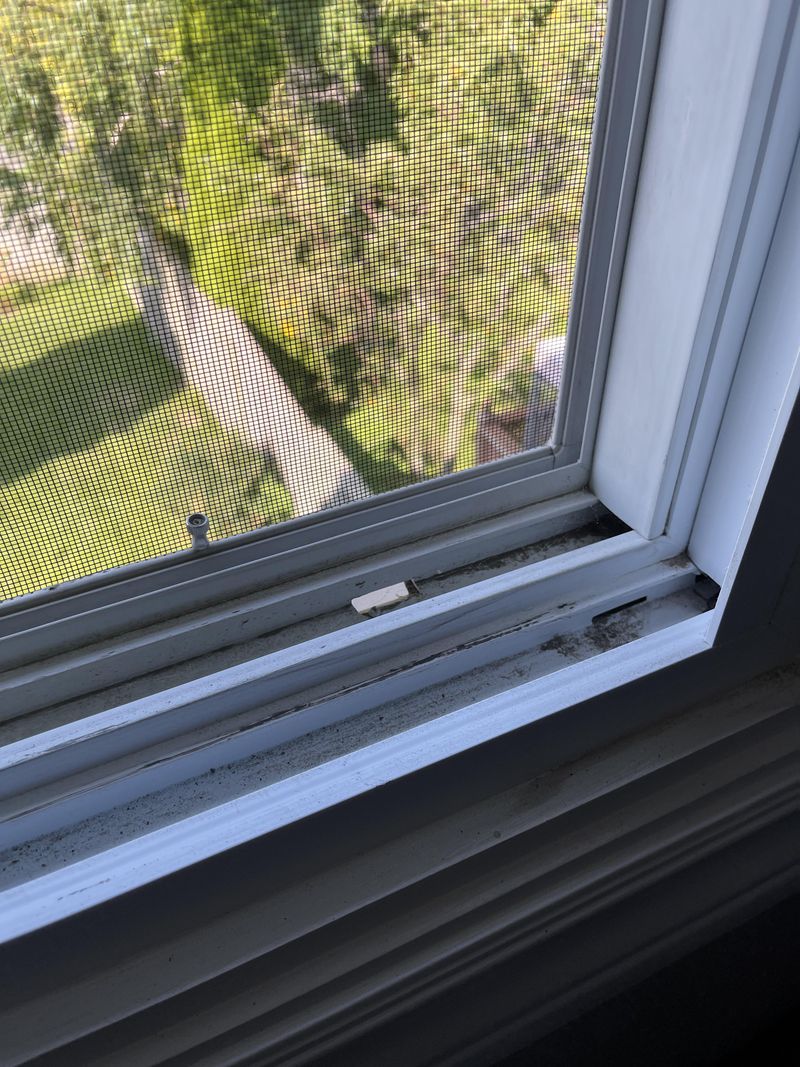
A tube of caulk is an inexpensive fix, and sealing gaps keeps far more bugs out than swatting ever will. Start by walking around your home on a sunny afternoon and noting where stink bugs gather most.
Check the edges carefully where window frames meet siding, looking for cracked, peeling, or missing caulk lines. Scrape away the old material, wipe the area clean, and let it dry before adding fresh caulk.
Silicone or siliconized acrylic caulk handles Indiana temperature swings really well and stays flexible through cold months. Try to apply it on a dry day when temperatures stay above forty degrees for the best results.
Window screens deserve a close look too, since small tears let bugs stroll right through the mesh. Patch kits from the hardware store fix minor holes, while badly worn screens may need full replacement.
Weatherstripping along the sash and sill helps close gaps that open when windows slide up and down. Foam tape or vinyl strips press on easily and can also lower your heating bill this winter.
Air conditioner units left in windows are sneaky trouble spots, because their side panels often leave openings. Pull those units out by early October, or seal the edges snugly with foam until spring returns.
Pick one side of the house each weekend, and the job feels much less overwhelming than it sounds. Small, steady repairs add up quickly, and fewer brown visitors will be climbing your curtains by Halloween.
A Calmer Winter Inside Your Home
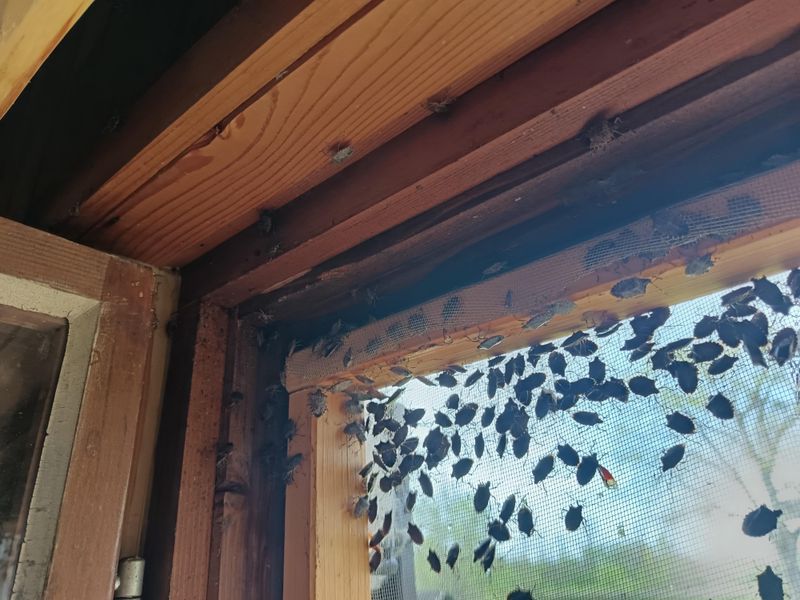
Imagine sipping hot cocoa in January without spotting a single brown bug wandering across the kitchen table. That peaceful scene is very possible when you take steps now, while October still offers mild work days.
Stink bugs that slip into walls usually stay sleepy until warm spells or furnace heat wake them. Fewer bugs inside the walls means fewer surprise appearances on sunny February afternoons near the living room windows.
Thankfully, these insects do not bite people or sting pets, and they rarely damage clothes or furniture. They also do not breed indoors during winter, so the number inside should not suddenly multiply overnight.
Even so, a quieter season means less stress, fewer stained curtains, and no smelly surprises in your laundry. Folding towels without finding a hitchhiker tucked inside is a small joy worth working toward this fall.
Sealing gaps with caulk and weatherstripping can cut drafts and help rooms hold heat. That also means your furnace may run less often, which can trim your heating costs a bit.
A handful of bugs may still appear, since older homes often have hidden gaps that are hard to reach. Treat those stragglers with your trusty soapy jar, and note where they appear for future repairs.
Over time, your home becomes a much less inviting hotel for six-legged guests looking for winter rooms. Think of each sealed crack as a polite but firm sign that says sorry, no vacancy this year.
A Yearly Prevention Plan For Hoosier Homes
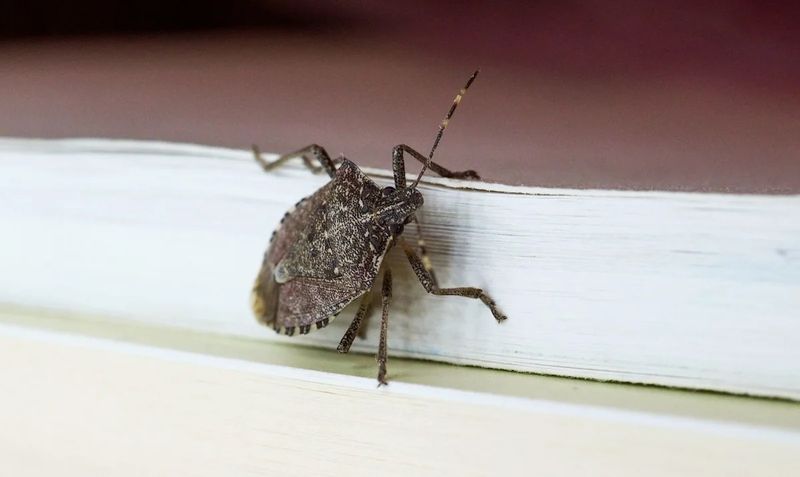
The best time to stop fall bugs is before they arrive. That means building a few simple habits into your yearly home care routine starting right now.
After the busy October rush fades, walk your property again and mark any gaps you missed earlier. A strip of painter’s tape beside each trouble spot makes it easy to find when repair day comes.
Outdoor lights near windows can attract insects at night, so switching to yellow bulbs may reduce visits. Trimming shrubs and vines away from the siding also removes handy ladders that bugs use to climb.
Check attic vents, chimney caps, and dryer vents each year, since these openings get overlooked by busy homeowners. Fine mesh screening over vents lets air flow freely while keeping uninvited insects on the outside.
Some families set out simple light traps in attics, which can catch wandering bugs during the winter months. Traps work best as a backup plan, though, and they rarely replace the value of solid sealing.
Purdue University Extension shares helpful stink bug publications online, packed with tips made for Indiana homes and farms. Local hardware stores can also point you toward caulk, screens, and tools that suit your house style.
Set a reminder on your phone for early September, giving yourself a few weeks before cool nights return. Next fall, while neighbors chase bugs across their ceilings, you can relax on the couch feeling pretty clever.