What Buffalo Grass Needs In Early Fall After A Brutal Texas Summer
The moment that thermometer finally dips below 100 degrees in Texas is genuinely one of the most satisfying feelings a homeowner can experience.
You step outside with your coffee, the air actually smells like something other than hot pavement, and for a brief moment everything feels right with the world.
Then you look down at your lawn. Crunchy, patchy, and sporting a color that can only be described as sad paper bag.
Not exactly the yard of your dreams. Here is the encouraging part though: buffalo grass is significantly tougher than it looks right now, and that beaten-up turf is quietly waiting for a little well-timed help before cooler weather fully arrives.
What you do in these next few weeks has a real and direct impact on how your lawn shows up next spring. So grab your tea and let us get into it.
1. A Deep Drink To Wake Up Texas Turf
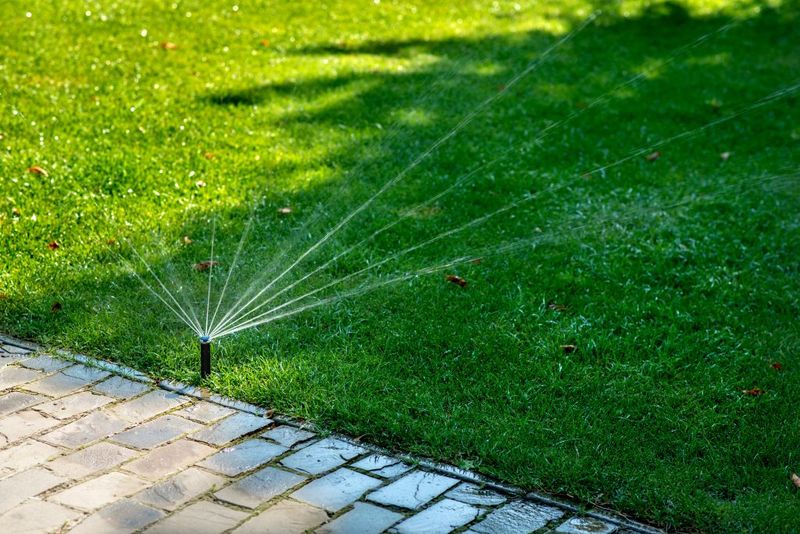
Picture a camel crossing a desert. It can go a long time without water, but it still needs a big drink at the end of the trip.
Your buffalo grass works the same way after a hot Texas summer.
Many lawns slip into a sleepy, brown state called dormancy during long dry spells. The roots are still alive, just resting.
A deep soaking in early fall can tell them it is safe to start growing again.
Aim for about one inch of water at a time. Set out an empty tuna can on the lawn while the sprinkler runs, and stop when the can is full.
That simple trick takes the guesswork out of it.
Water early in the morning, ideally before 9 a.m. Less water is lost to wind and heat, and the blades dry off fast.
Wet grass at night can invite fungus, so skip the evening watering.
After the first big soak, water only once every week or two if rain stays away. Buffalo grass prefers deep, rare drinks over quick daily sprinkles.
Shallow watering trains roots to stay near the surface, where they bake.
Watch for signs of thirst between waterings. Blades that fold up or footprints that stay pressed down are clues that it is time again.
Your lawn will thank you with a slow return of soft green color.
2. Patience Before Pushing Fertilizer
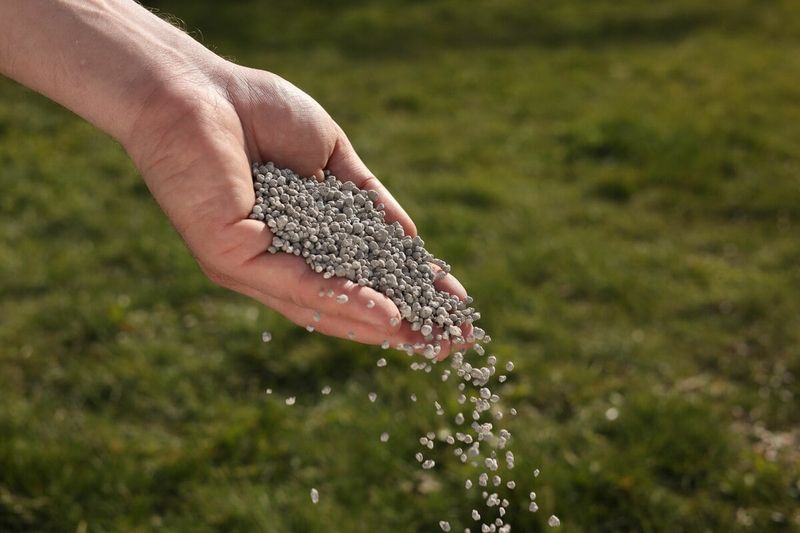
Here is a little secret that surprises many homeowners. Buffalo grass is one of the lightest eaters in the lawn world.
It grew wild on the Great Plains long before anyone owned a bag of fertilizer, thriving on nothing but rain and sunshine for thousands of years.
After a rough summer, it is tempting to pour on food to speed up recovery. Too much nitrogen, though, can actually backfire.
Weeds love the extra snack, and thick, fast growth can weaken this native grass.
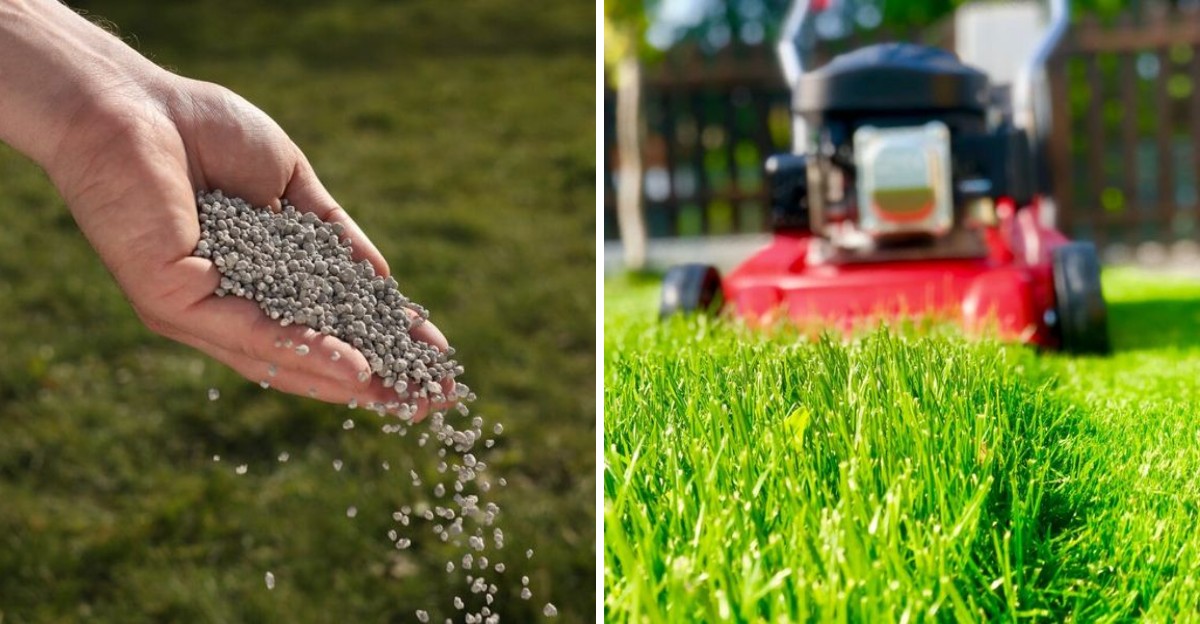
If your lawn needs feeding, early fall is a fine time for a light meal. Use about one half pound of nitrogen per 1,000 square feet.
A slow-release product works best because it feeds the soil gently over several weeks.
Your Texas Garden Changes Every Week. Your Plan Should Too.
Gardening in Texas changes quickly throughout the season. Every Friday you’ll receive a simple weekly plan showing exactly what to plant, prune, fertilize, harvest, and protect so you never miss the right timing.
Try to apply it by mid-September in North Texas and by early October farther south. Feeding too late can push tender growth right before the first cold snap.
That soft growth may get nipped by frost.
A soil test is a smart move before buying anything. Texas A&M AgriLife offers affordable kits, and the results tell you exactly what your yard lacks.
You might find you need nothing at all.
Did you know? Buffalo grass is one of the few lawn grasses that can genuinely thrive for years with little to no fertilizer at all.
That is not a gardening myth, it is just how this tough native was built. Less money spent, less work on weekends, and a lawn that asks very little in return.
Sometimes the best help really is a gentle touch.
3. Raise The Mower Blade In Texas Yards
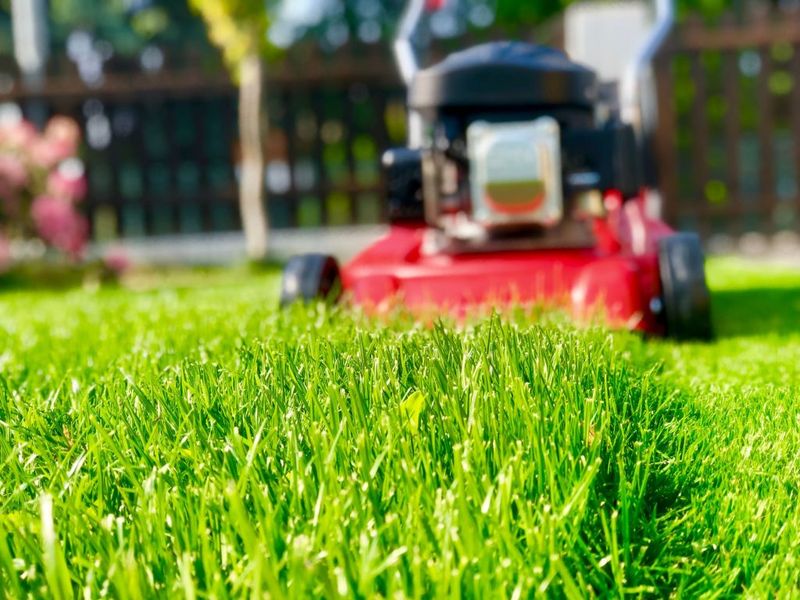
Ever had a haircut that was way too short? You probably felt a bit exposed afterward.
Grass feels the same way, especially after surviving a scorching Texas season.
Buffalo grass grows slowly, so it does not need frequent mowing. In early fall, set your mower blade high, around three to four inches.
Taller blades shade the soil, hold moisture, and help roots recover.
Follow the one-third rule. Never cut more than a third of the blade height at one time.
Chopping off too much stresses the plant and can leave brown, scalped patches.
Sharp blades matter more than most folks realize. A dull blade tears the grass instead of slicing it cleanly.
Those ragged tips turn tan and open the door for disease.
Many owners mow buffalo grass only once or twice a month in fall. Some even let it grow out for a soft, meadow look.
Unmowed, it tops out around six to eight inches and curls over gracefully.
Leave the clippings on the lawn when you can. They break down quickly and return small amounts of nutrients to the soil.
It is free food, and it saves you from bagging.
Mow when the grass is dry for a cleaner cut. Your lawn will look neat while staying strong for the cooler months ahead.
4. Spotting Sneaky Weeds Early
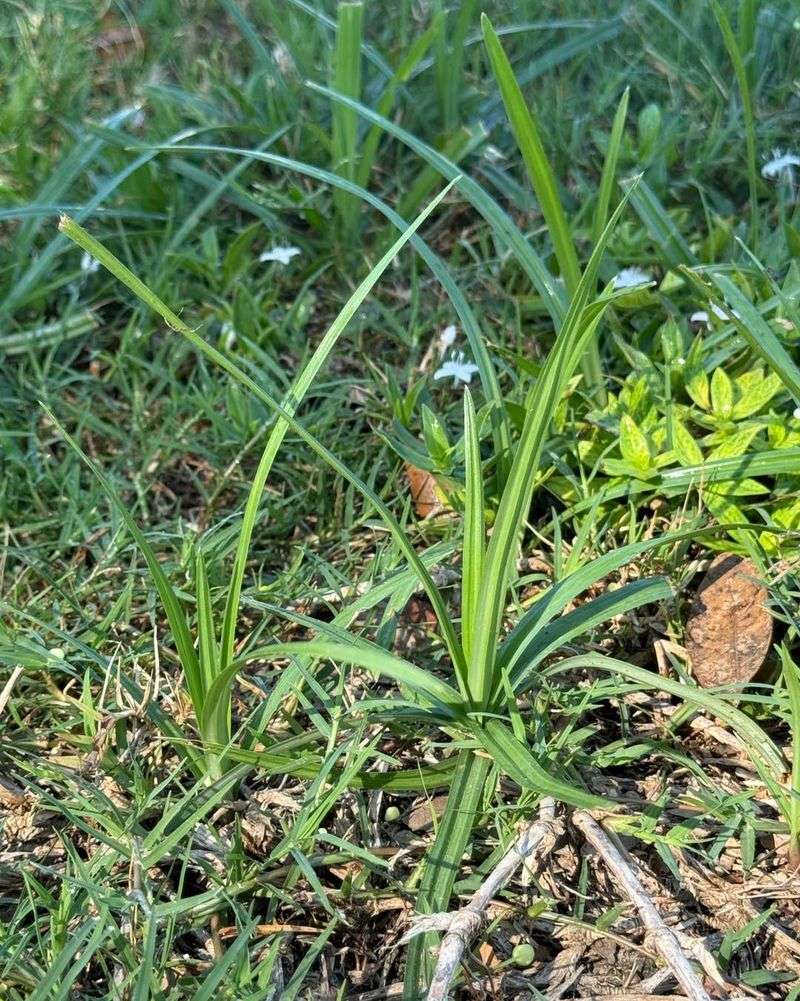
Weeds are a bit like uninvited party guests. They show up the moment you leave the door open.
A thin buffalo grass lawn after a Texas heat wave is basically an open door.
Fall is when cool-season weeds start to sprout. Henbit, chickweed, and annual bluegrass love the cooler nights.
They germinate quietly now and then explode in late winter.
A pre-emergent herbicide can stop many of them before they start. Apply it when nighttime temperatures dip into the 60s, usually from mid-September to early October.
Read the label closely, since some products are not safe for buffalo grass.
For weeds already up, hand pulling works well on small patches. Do it a day after watering when the soil is soft.
Grab low at the base so you get the root too.
Spot spraying is another choice for stubborn invaders. Pick a product labeled for warm-season native turf.
Spray on a calm day so the mist does not drift onto flower beds.
The best weed defense is thick, healthy grass. When buffalo grass fills in, it leaves little room for seeds to land.
Every step you take for the turf also helps crowd out the troublemakers.
Keep a small notebook of which weeds pop up each year. Patterns help you plan smarter next season.
5. Loosen Up Packed Soil
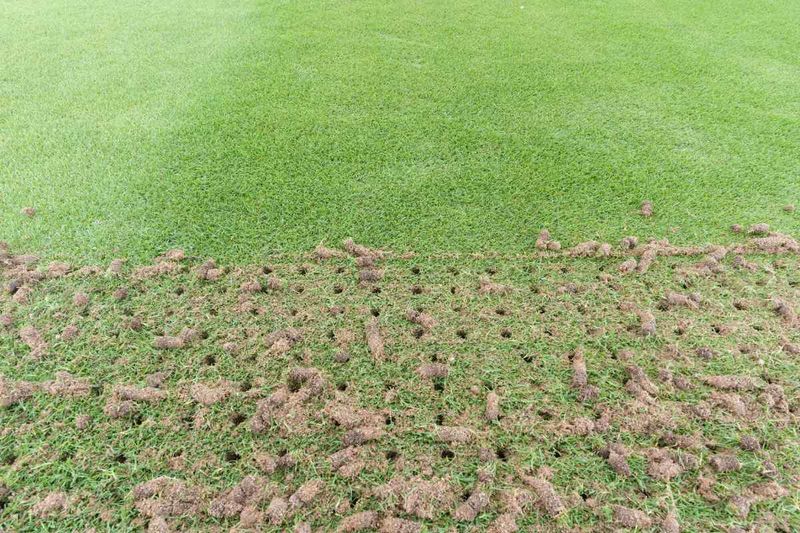
Think about the dirt in your yard after months of baking sun. Much of Texas has heavy clay soil, and summer can turn it into something close to brick.
Roots have a tough time pushing through that.
Core aeration can help. An aerator pulls small plugs of soil out of the ground.
The holes let air, water, and nutrients slip down to the roots.
Early fall is a good window for buffalo grass, as long as it is still actively growing. Water the lawn a day or two before you aerate.
Moist soil lets the machine dig deeper and pull cleaner plugs.
Leave the little soil cores on top of the lawn. They might look messy for a week or so.
Rain and mowing break them up, and they return to the ground naturally.
You can rent an aerator from most hardware stores for a few hours. Splitting the cost with a neighbor makes it even cheaper.
Some lawn services also offer it at a fair price.
Not every lawn needs aeration each year. Try the screwdriver test first.
If pushing a screwdriver into moist soil feels like stabbing a rock, aeration is worth it.
Top it off with a thin layer of compost after aerating. The organic matter fills the holes and slowly improves your soil over time.
6. Filling Bare Patches Across Texas Lawns
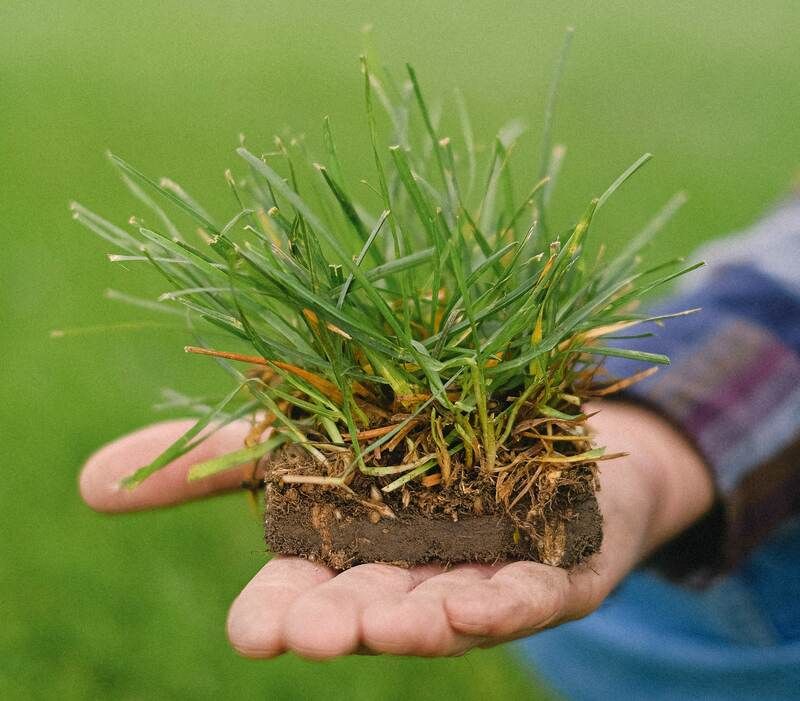
“Why is there a bald spot in my yard?” That question pops up in a lot of households every September. Heavy foot traffic, pets, and drought can all leave bare ground behind.
Buffalo grass spreads by runners called stolons. They creep across the soil and root as they go.
Given time, small gaps often fill in on their own.
Larger patches may need a boost. Plugs or sod pieces are the fastest fix in early fall.
Plant them at least six weeks before your area’s first frost so roots can settle in.
Seeding buffalo grass in fall is trickier. The seeds need warm soil, around 60 degrees or higher, to sprout well.
In most of the state, spring is the better time to seed.
Before planting, rough up the bare soil with a rake. Mix in a little compost to give new roots a soft landing.
Press plugs firmly into place so no air pockets remain.
Keep newly planted spots moist, but not soggy, for the first two weeks. After that, you can slowly cut back on watering.
Mark the area with flags so family members walk around it.
A patched lawn may look like a quilt at first. By next summer, those squares usually blend into one smooth, green carpet.
7. Watch For Texas Lawn Pests And Fungus
Good news first. Buffalo grass is famous for shrugging off most bugs and diseases.
Still, a stressed lawn after a hard summer can attract a few unwanted visitors.
White grubs are one to watch. They are C-shaped larvae that munch on roots underground.
If a patch of turf peels back like a loose rug, grubs might be the reason.
To check, cut a one-foot square of sod and lift it gently. Finding several grubs in that small area may be worth paying attention to, though treatment decisions depend on your grass type, overall lawn health, and how the turf is responding.
When in doubt, contacting your local Texas A&M AgriLife Extension office can help you decide whether action makes sense for your specific situation.
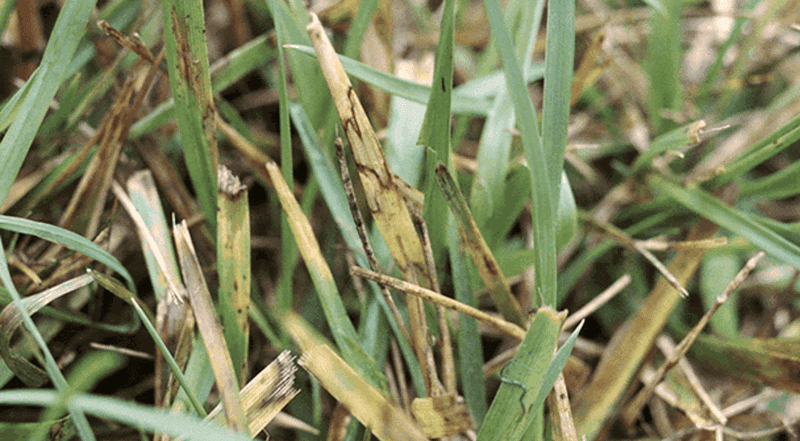
Fall also brings cooler nights and morning dew. Those conditions can spark fungus problems like brown patch or leaf spot.
Look for circles of tan grass or small dark marks on the blades.
Changing your habits often fixes fungus without any spray. Water only in the morning, and avoid heavy fertilizer.
Good airflow and drainage help the grass dry quickly.
Chinch bugs sometimes show up in sunny, dry spots too. They leave yellow patches that spread outward.
A quick tap on the grass over a white sheet can reveal these tiny black insects.
Keep an eye on your lawn during regular walks. Catching problems early means smaller fixes and less stress for you and your yard.
8. Getting Ready For A Winter Nap
Once October rolls around, your lawn starts packing its bags for winter. Buffalo grass turns a warm golden tan as it goes dormant.
In Texas, that change is normal and even pretty in its own way.
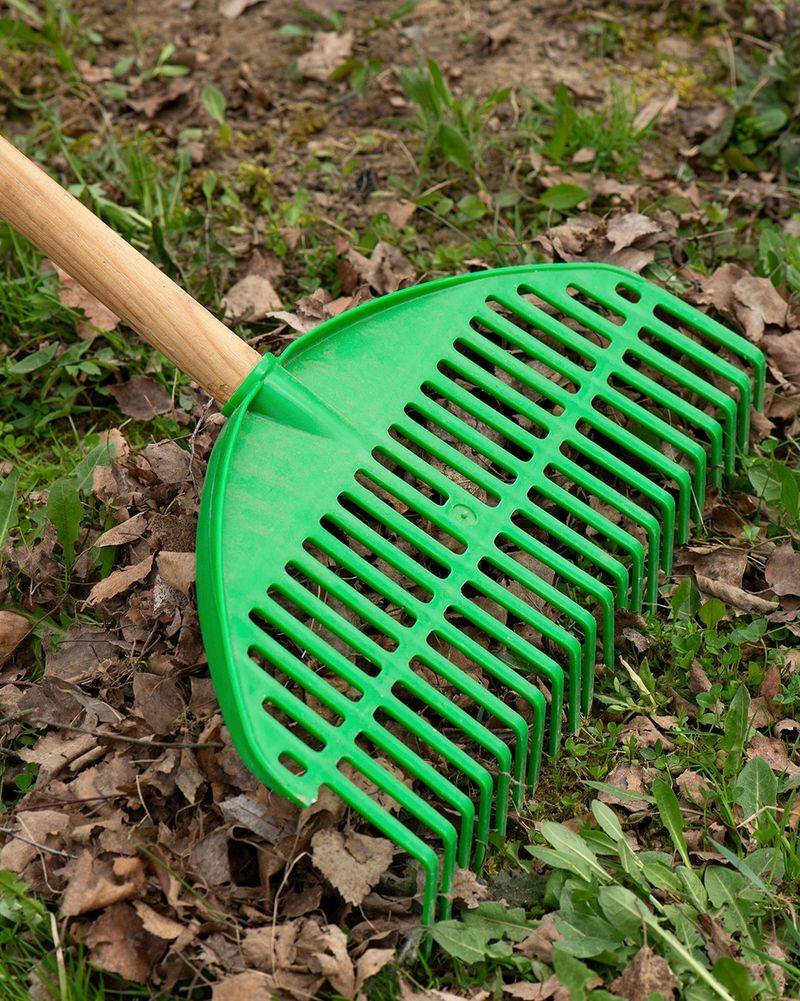
A few simple steps now set it up for a strong spring. Rake fallen leaves before they form a thick mat.
A heavy leaf layer blocks sunlight and traps moisture against the crown.
Mulching leaves with your mower is a handy option. Small leaf bits fall between the blades and feed the soil.
Just avoid leaving big, soggy piles in one spot.
Cut back on watering as the grass slows down. A dormant lawn needs very little, maybe a drink once a month during dry winters.
That small amount keeps roots from drying out.
Skip fertilizer from late fall through winter. The grass cannot use it while sleeping, and runoff can end up in creeks and lakes.
Save that effort for late spring.
Try to limit heavy foot traffic on frosty mornings. Frozen blades are brittle and can crack under shoes.
Kids and dogs might need a gentle reminder to stick to the paths.
Treat this season as a rest stop, not a finish line. With care now, your lawn wakes up refreshed when warm days return.