The Virginia Shrubs You Can Still Transplant This Fall Before Cold Snaps
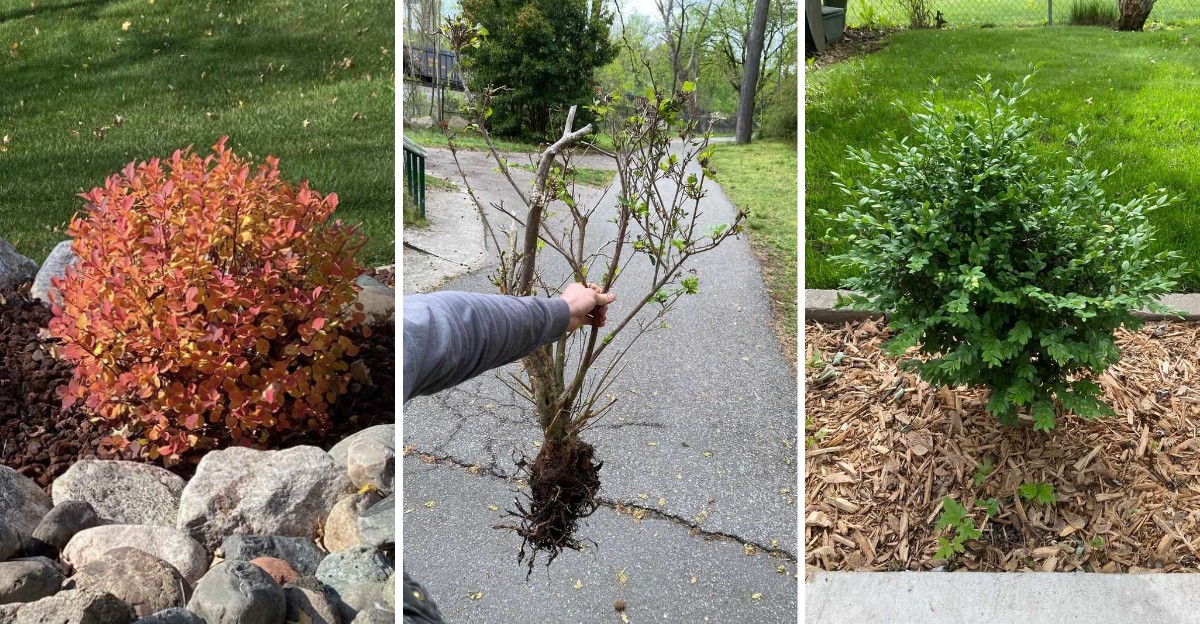
Cool air, soft soil, and a sharp shovel can make fall feel like a second chance for your garden. That overgrown shrub crowding the walkway or sulking in the wrong spot doesn’t have to stay put.
Across Virginia, many shrubs settle into new homes surprisingly well this time of year. Their leaves are slowing down, but their roots keep growing in the still-warm soil.
The trick is choosing the right plants and moving them before your local ground freezes. Timing varies widely, since mountain yards cool off weeks before coastal ones.
A few shrubs need extra care during the move, from a wider root ball to steady watering afterward. Two popular favorites, meanwhile, are better off waiting until spring.
The shrubs below handle a fall move with the least fuss. Dig carefully now, and they’ll reward you with fresh growth when the weather warms.
Hydrangeas Once Their Leaves Drop
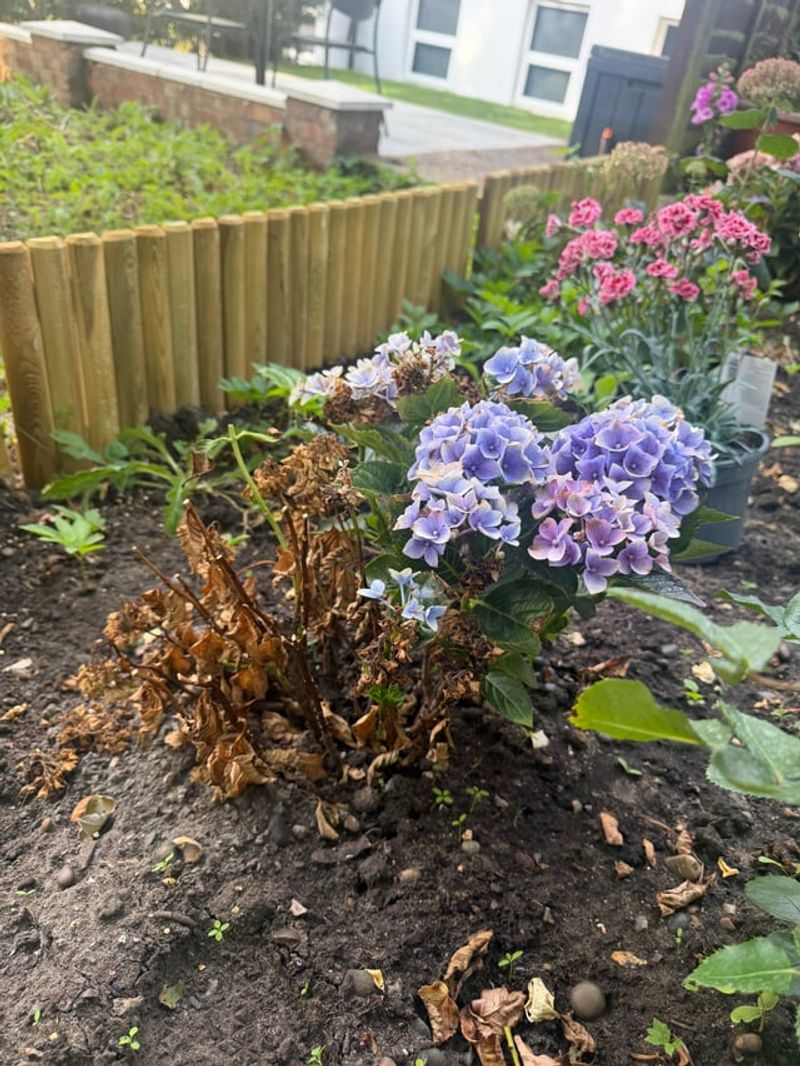
Faded hydrangea blooms may look finished, but the roots still have work to do beneath fall soil. Wait until most leaves drop before moving the shrub, then choose a mild day.
Virginia weather varies by region, so check your local frost forecast rather than relying on a calendar. Aim to finish several weeks before the ground usually freezes in your area.
Water the plant a day before digging if the soil feels dry. Damp soil holds together better around roots, making the move easier on both you and the shrub.
Prepare the new spot first, preferably where the plant gets morning sun and afternoon shade. Check that water drains away instead of collecting around the planting hole.
Dig a broad circle around the hydrangea and lift as much soil with its roots as you can. Set the root ball on a tarp for the short trip across the yard.
Make the new hole about twice as wide as the root ball, but no deeper. Set the shrub at its former soil level and gently firm the backfill.
Give it a slow, thorough drink right after planting. Later, check the soil before watering again, since rainy fall weeks may provide enough moisture.
A layer of mulch helps hold moisture, provided it stays clear of the stems. Save major pruning for another season because flower buds on some hydrangeas form on older wood.
Spirea For An Easy, Forgiving Move

Spirea is the neighbor who does not fuss when you rearrange the furniture. Its manageable size makes it a friendly choice for a first fall transplant.
Pick a cool day and water the shrub one or two days beforehand. Softer soil is easier to dig, and slightly damp roots travel better than dry ones.
Before lifting anything, dig the new hole as deep as the root ball. Make it two or three times wider so nearby soil is loose enough for growing roots.
Loose branches can snag your sleeves, so tie them gently with soft string. Dig around the shrub in a circle, keeping a useful amount of soil attached.
Your Virginia Garden Changes Every Week. Your Plan Should Too.
Gardening in Virginia changes quickly throughout the season. Every Friday you’ll receive a simple weekly plan showing exactly what to plant, prune, fertilize, harvest, and protect so you never miss the right timing.
A small spirea may lift with one shovel, but larger plants can surprise you. Ask someone to help if the root ball feels heavy or begins to break apart.
Carry the plant by its root ball, not by its branches. Place it at the same depth it grew before, then fill gaps with the soil you removed.
Water slowly until the whole root area is moist, and add mulch without piling it against stems. Skip fall fertilizer because the plant needs roots more than fresh shoots.
Check moisture during dry spells through the next growing season. Come spring, watch for new leaves, then trim only where needed to shape its naturally soft outline.
Viburnums Dug With A Generous Root Ball
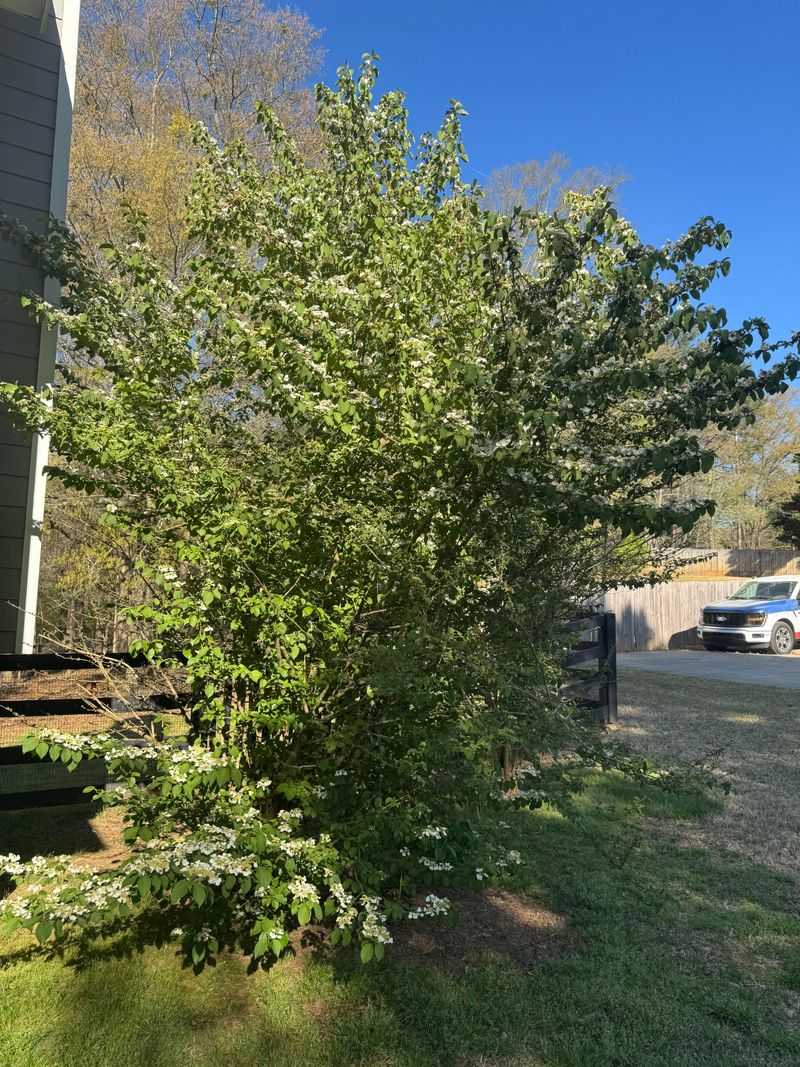
A viburnum can bring spring flowers, berries, or bright fall color to its new corner. Moving one successfully starts with protecting far more roots than you might expect.
Study the shrub before digging because viburnums come in many sizes. A mature plant with wide branches often needs a substantial root ball and an extra pair of hands.
Choose a place with room for its grown size, not just its current shape. Look up your variety’s sunlight needs, since preferences differ among viburnums.
Prepare a hole at least twice as wide as the planned root ball. Keep its depth close to the root ball’s height so the shrub does not sink.
Water beforehand, then dig a generous circle around the plant. Work carefully beneath it, preserving attached soil and as many fine roots as your shovel allows.
Burlap or a sturdy tarp can support the heavy ball during the move. Roll or carry it gently; lifting by the trunk puts strain on the plant.
Set the root ball level with, or slightly above, surrounding soil. Backfill with the original soil, water deeply, and check for air pockets as the ground settles.
In fall, a little planning beats a rushed lift before a cold snap. Add mulch over the root area and keep checking moisture until the soil freezes.
Lilacs Before The Ground Gets Hard
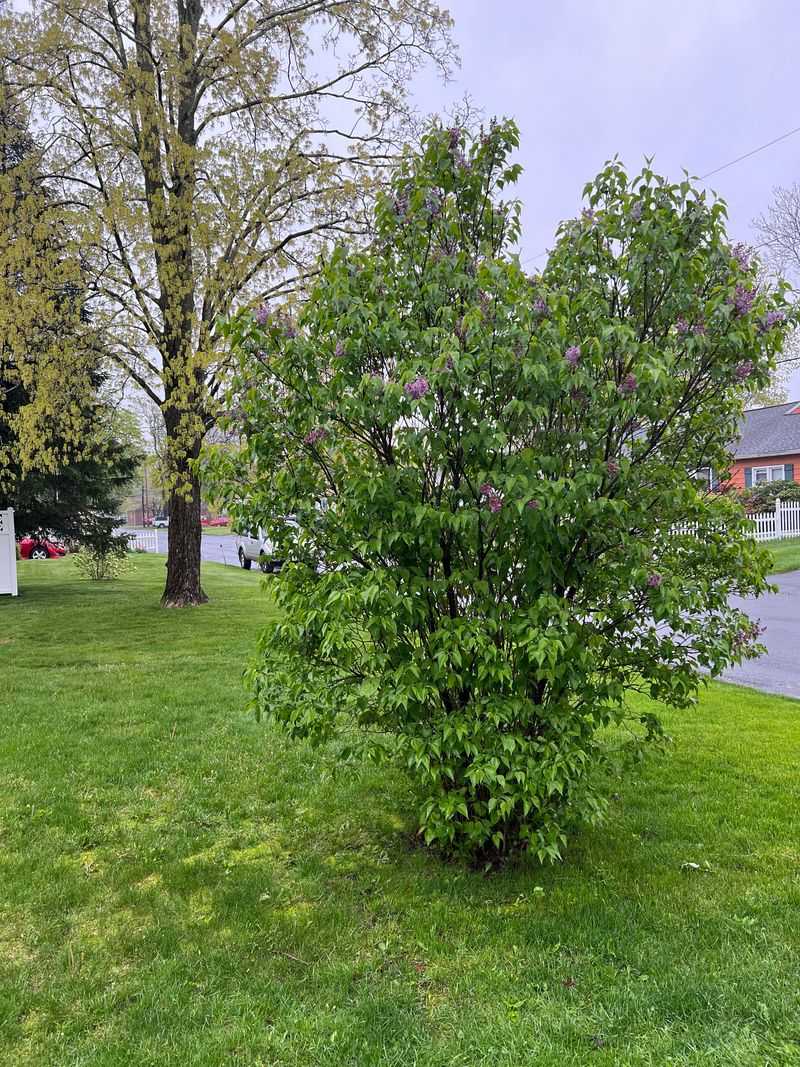
Picture next spring’s lilac scent drifting past an open window. If the shrub needs a sunnier home, fall gives you a chance to make that change.
Wait until the leaves drop, but do not wait for frozen ground. In colder parts of Virginia, that window may arrive earlier than it does near the coast.
Choose a site with plenty of sun and enough space for air to move around the branches. Lilacs prefer soil that drains well rather than staying soggy.
Dig the new hole before disturbing the plant. A wide opening lets you position the root ball quickly, which helps keep exposed roots from drying out.
Lilac roots spread outward near the surface, so start your digging circle well beyond the stems. Ease the shrub up slowly and keep the soil together.
Place the lilac near its original soil level, not deep below the surrounding ground. Fill around the roots, press lightly, and soak the area to settle loose soil.
Spread mulch across the root zone while leaving breathing room around the stems. During dry weeks, check below the mulch and water when the soil needs it.
Resist heavy pruning just to make the move look tidy. Lilacs form many flower buds earlier, so cutting branches now could mean fewer fragrant blooms next spring.
Forsythia, Which Bounces Back From Almost Anything
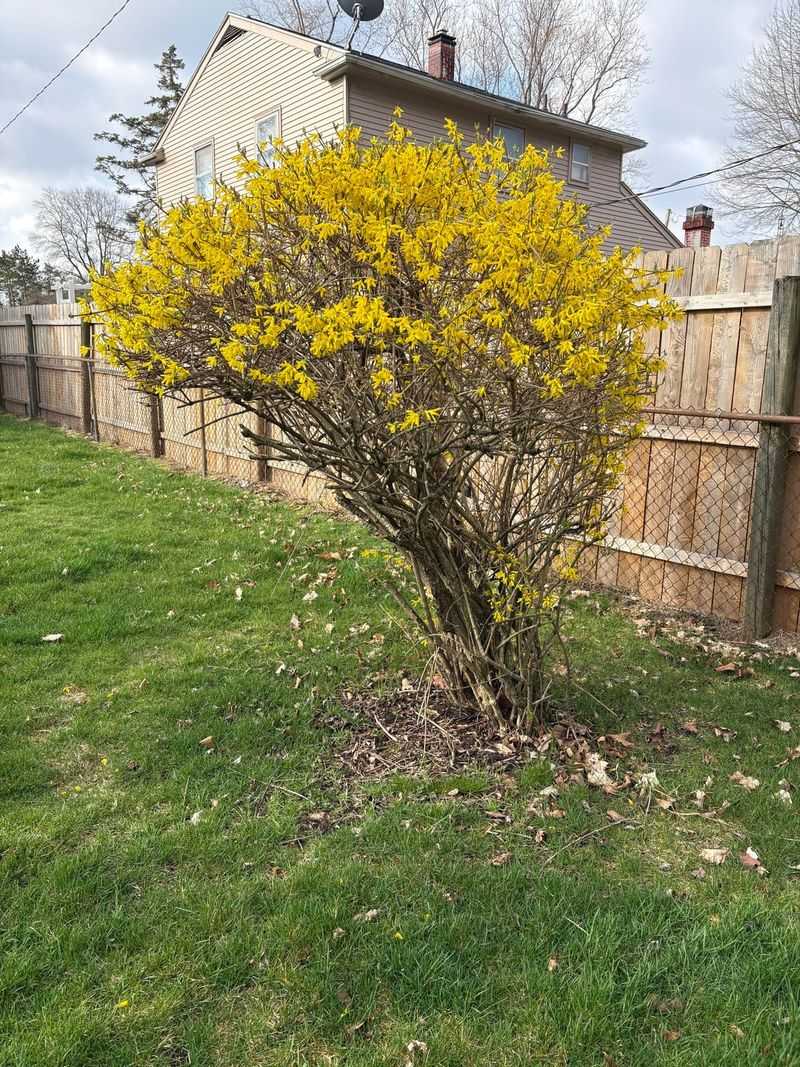
Forsythia has a spring personality that is hard to miss: bright yellow flowers before many leaves appear. Its sturdy growth also makes it a practical shrub to relocate.
Early fall is useful when there is still time for roots to settle. If that window has passed, wait for late winter rather than digging into frozen soil.
Start by choosing a sunny spot where the arching branches can spread. A cramped corner may mean extra trimming later and fewer of those cheerful blooms.
Water the plant the day before digging, especially after a dry spell. While the soil softens, prepare a hole twice as wide as the expected root ball.
Work your shovel around the shrub, then angle underneath to free its roots. Keep a good amount of soil attached, even if the branches look tough enough.
Set the top of the root ball level with the nearby ground, or slightly higher. Return the dug soil to the hole and gently close gaps around the roots.
A deep watering helps settle everything into place. Add a modest mulch ring to slow drying, but leave a clear space beside the stems.
Some drooping or sparse growth after a move is possible, so give the plant time. Watch for fresh growth in spring before deciding whether any shaping is needed.
Weigela For A Fast Recovery
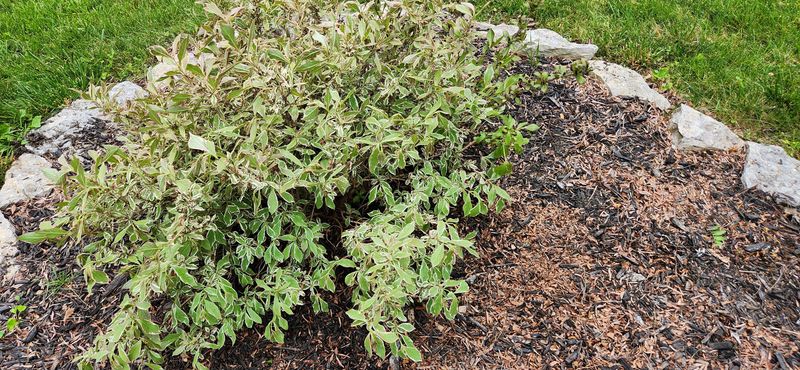
Weigela earns garden space with trumpet-shaped flowers that hummingbirds may visit. If yours sits in the wrong spot, its many small roots can help it settle after a move.
Plan the job for a cool period after the leaves fall. Give the plant several weeks before your area’s usual deep freezes whenever the forecast allows.
Look for a spot with enough sun to support good flowering. Leave room around the shrub, since weigelas can become wider than a small nursery plant suggests.
Water ahead of time and dig the replacement hole before lifting the shrub. Make the hole wider than its root ball without digging it much deeper.
Circle the plant with your spade and try to keep its fine roots wrapped in soil. Large, established shrubs can be harder to move than younger ones.
For a planned move next year, root pruning months ahead may create a more manageable ball. For today’s move, focus on gentle handling instead of cutting heavily.
Replant at the former soil depth, fill around the roots, and water thoroughly. Check for settling afterward and add soil if the root ball becomes exposed.
Mulch helps the area stay evenly moist, but keep it away from the woody stems. Hold off on fertilizer until spring and let the shrub spend fall building roots.
Azaleas Thanks To Their Shallow, Compact Roots
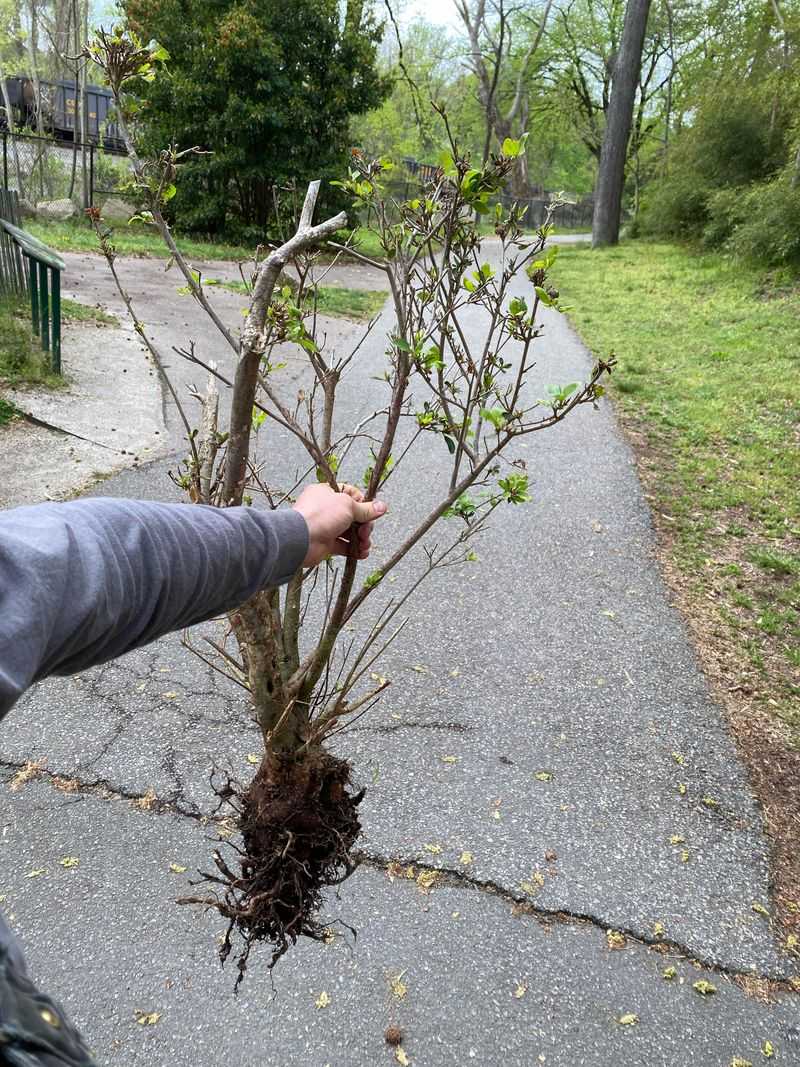
Azalea roots behave more like a wide, shallow mat than a deep anchor. That makes the shrub easier to lift, provided your shovel captures enough width.
A cool fall day can work well in Virginia, especially when no freeze is forecast immediately afterward. Avoid digging when the ground is frozen or unusually soggy.
Pick a sheltered place with filtered light and good drainage. Many azaleas appreciate acidic soil, so learn your variety’s needs before choosing its new home.
Water the plant beforehand, then mark a broad circle outside its stems. Slide the shovel beneath the shallow roots and keep their attached soil together.
Place the root ball on a tarp instead of dragging the plant by its branches. Prepare a hole about twice as wide and roughly as deep as the ball.
Set the top of the roots slightly above the surrounding soil if drainage is a concern. Backfill gently, leaving the upper root area uncovered by heavy soil.
Water slowly after planting and check moisture under the mulch during dry weather. Evergreen leaves can still lose moisture on windy winter days, even while growth slows.
A light layer of pine needles or other organic mulch protects shallow roots. Skip major pruning before the move because the leaves help support the plant as it settles.
Boxwood While The Soil Stays Warm
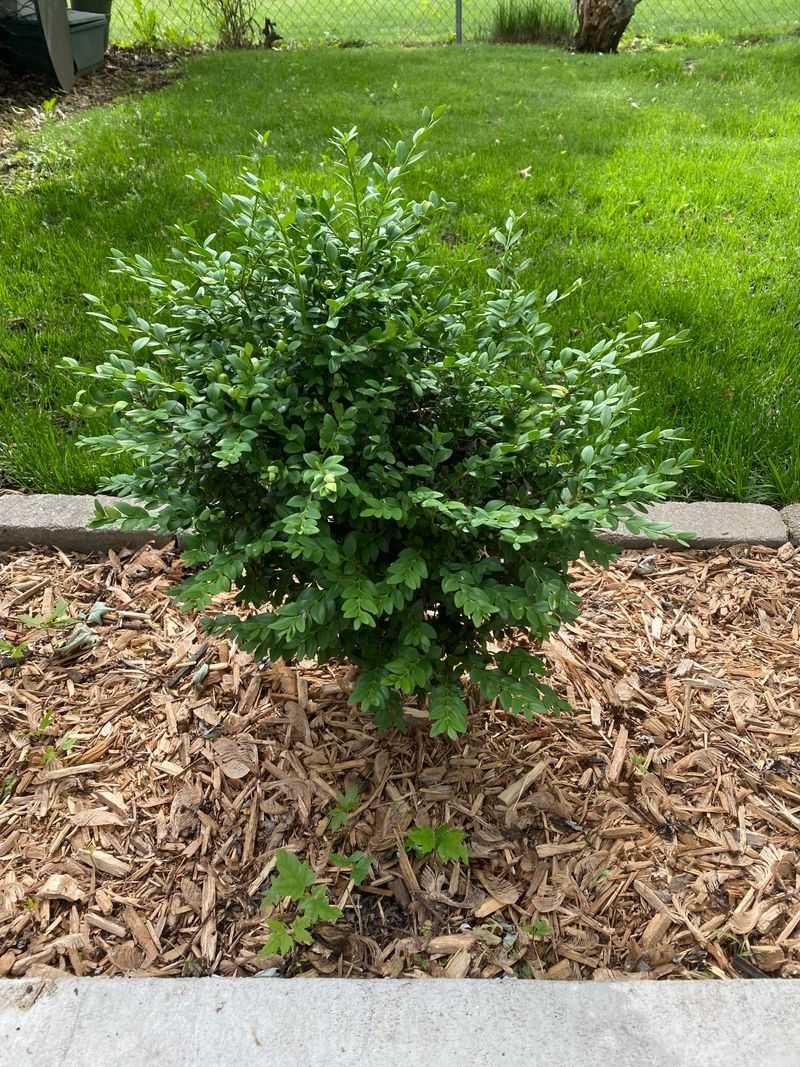
Boxwood stays green when much of the yard turns brown, so a move can feel risky. Fall’s cooler air and lingering soil warmth make the job easier to manage.
Choose a day well ahead of a hard freeze in your neighborhood. Across Virginia, mountain gardens and coastal gardens can have quite different planting windows.
Check the new site for drainage and winter wind exposure. Boxwood roots sit fairly close to the surface and can struggle in soil that remains soaked.
Water the shrub before digging, then take a wide root ball. Many of its useful roots extend beyond the outer branches, so avoid digging too close.
Prepare a hole wider than the ball and no deeper than its height. In poorly draining soil, position the ball slightly above grade rather than burying its top.
Backfill with the soil you removed and water slowly to settle it. Avoid pressing hard with your feet, which can pack the soil around shallow roots.
Spread two or three inches of mulch over the root area, clear of the stems. The layer helps hold moisture and softens quick changes in soil temperature.
Boxwood can need water during dry winter spells when the ground is workable. Feel the soil before watering, and skip extra water when rainfall has kept it moist.
Deep Watering Until The Ground Freezes

The shovel may be back in the shed, but your transplanting job is not quite finished. Newly moved shrubs need dependable moisture while their roots adjust.
Right after planting, water slowly until the whole root ball and nearby soil are damp. A quick splash on the surface will not reach many useful roots.
During dry fall weeks, check the soil a few inches below the surface. If it feels dry there, water deeply and allow time for the water to soak in.
Rainfall can change the schedule, so let the ground guide you. Soil should feel moist, not swampy, since roots also need air between soil particles.
Spread two or three inches of organic mulch across the root area. Shredded leaves, pine needles, or wood mulch can reduce drying and slow temperature swings.
Keep that mulch a few inches away from stems and trunks. A piled mound can trap moisture against bark and hide problems you might otherwise notice.
Continue checking moisture until the ground freezes, especially for evergreen shrubs during windy weather. In a mild winter, inspect the soil again when it thaws.
Finish by noting when each shrub was moved and where you planted it. That small record helps you watch its progress when spring brings fresh leaves and flowers.