10 Virginia Zone 7a Yard Tasks To Finish Before October 15
Cool mornings and crunchy leaves make October feel peaceful, but your yard still has plans. In Virginia’s Zone 7a, the days before October 15 are your best chance to finish jobs that need warm soil or protection from cold nights.
Grass seed still has time to sprout, cover crops can settle in, and tender plants can come indoors safely. Wait much longer, and those windows start closing fast.
A little work now can mean a thicker lawn, healthier plants, and more food from the garden. Keep an eye on the forecast, because some of these tasks can’t wait for the first frosty morning.
1. Finish Seeding Tall Fescue Bare Spots
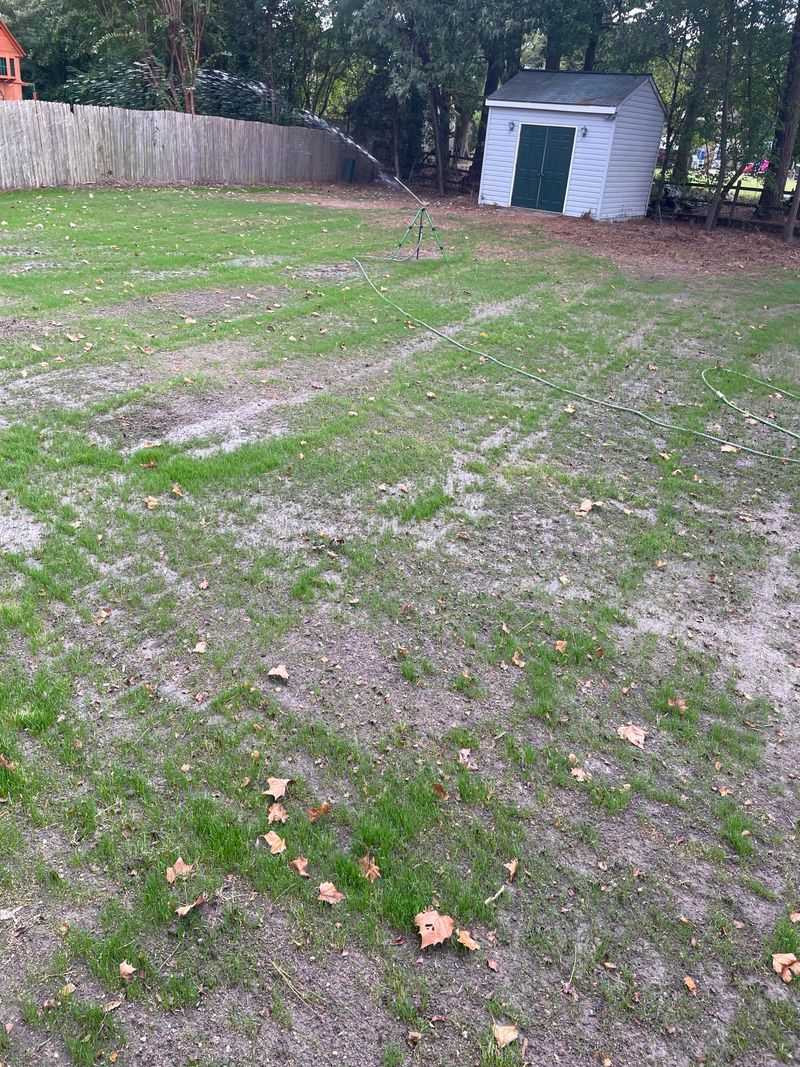
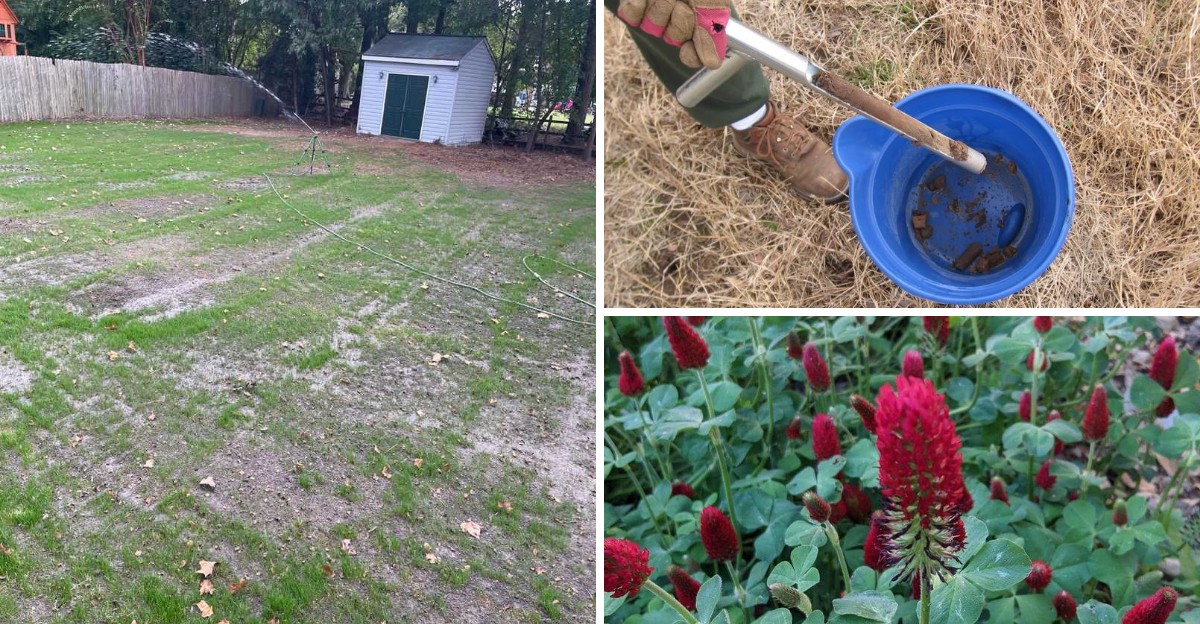
Those bare lawn spots look small until fallen leaves frame every patch of dirt. Early fall gives tall fescue a chance to sprout before cold weather slows its growth.
Across Virginia, the usual seeding window runs from late August through mid-October. Earlier is better because young grass needs several weeks to grow sturdy roots.
Start by pulling weeds and raking away leaves, sticks, and loose debris. Scratch the top layer of soil so seeds touch dirt instead of resting on thatch.
Compacted ground may benefit from core aeration before you spread any seed. Small holes let air and water reach the soil while improving seed contact.
For bare spots, follow the seed bag’s rate rather than guessing by handfuls. Choose tall fescue suited to your area, and spread seed evenly across the patch.
Rake lightly so most seeds sit near the surface, then water gently. Keep the upper soil moist during germination without washing seeds downhill or forming puddles.
A thin layer of clean straw can reduce erosion on sloped patches. Skip thick coverings that block light or make emerging seedlings struggle through a mat.
Water lightly as needed for roughly two weeks, adjusting for rain and temperature. Once grass grows taller, water less often but more deeply to encourage roots.
Hold off on mowing until new blades reach the height recommended for fescue. Check your local forecast before starting, since an early cold spell shortens the growing window.
2. Sow Crimson Clover While The Soil Is Warm
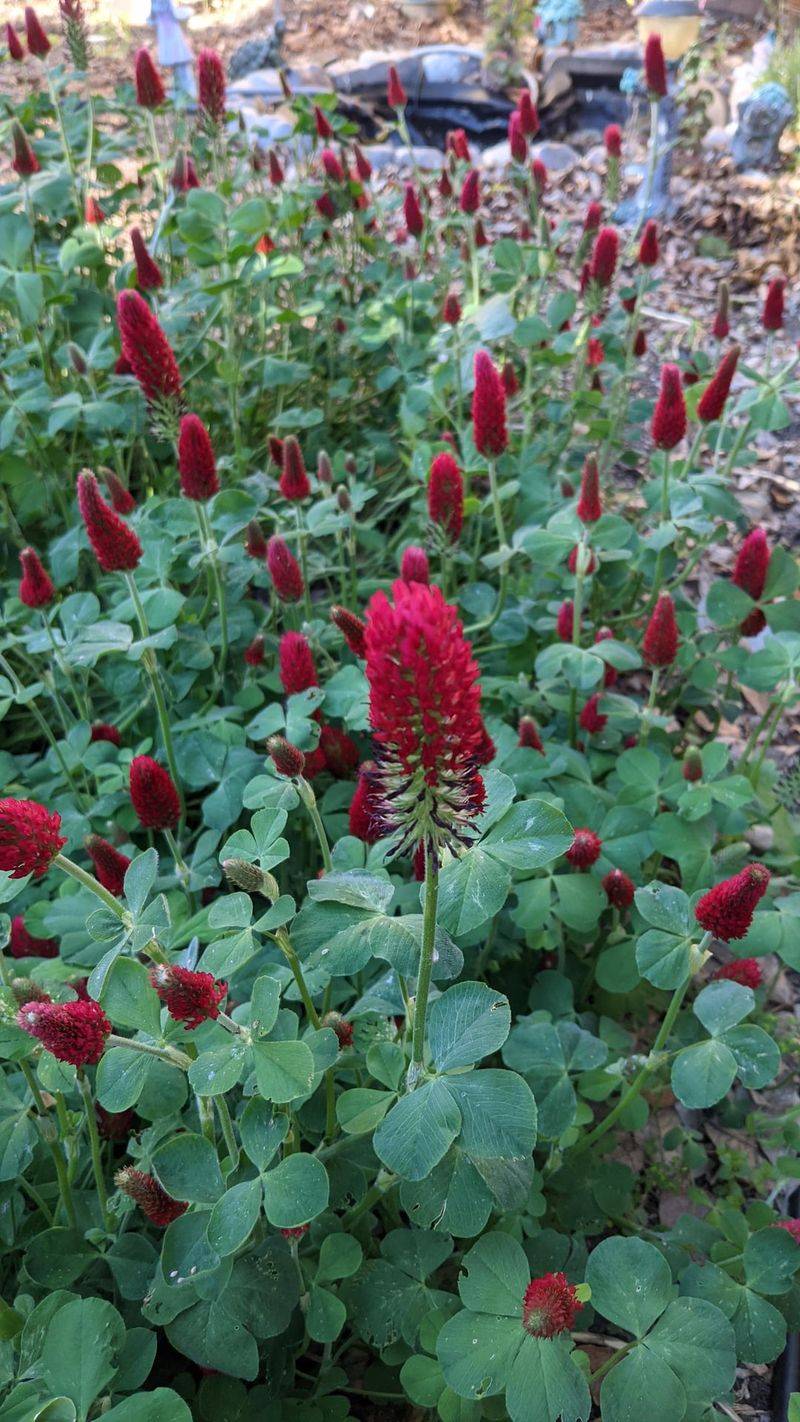
An empty vegetable bed can do more than collect leaves all winter. Crimson clover turns open soil into a living cover while the ground still holds warmth.
In Virginia Zone 7a, gardeners often sow it from late summer through mid-October. Planting sooner gives seedlings several weeks to grow before colder weather arrives.
Clear spent crops, pull large weeds, and smooth the bed with a rake. Remove thick mulch first so the tiny seeds can reach the soil.
Scatter seed according to the package directions, aiming for an even spread. Rake very lightly, then press the surface with your hand or a board.
Water with a gentle spray after planting and during dry stretches. Damp soil helps seeds sprout, but soggy ground can slow their early progress.
Clover protects exposed soil from pounding rain and helps crowd out some weeds. As a legume, it also supports soil microbes that make nitrogen available to plants.
Your Virginia Garden Changes Every Week. Your Plan Should Too.
Gardening in Virginia changes quickly throughout the season. Every Friday you’ll receive a simple weekly plan showing exactly what to plant, prune, fertilize, harvest, and protect so you never miss the right timing.
Its bright red flowers can feed visiting pollinators when spring arrives. If you want those blooms, plan your spring planting schedule around the clover.
Cut the cover crop before it sets seed if you want easier control. Leave the cut growth on the bed or work it into the soil.
Give buried material time to break down before planting vegetables there. A little planning now can make next spring’s garden bed easier to manage.
3. Bring Tropical Houseplants Back Indoors
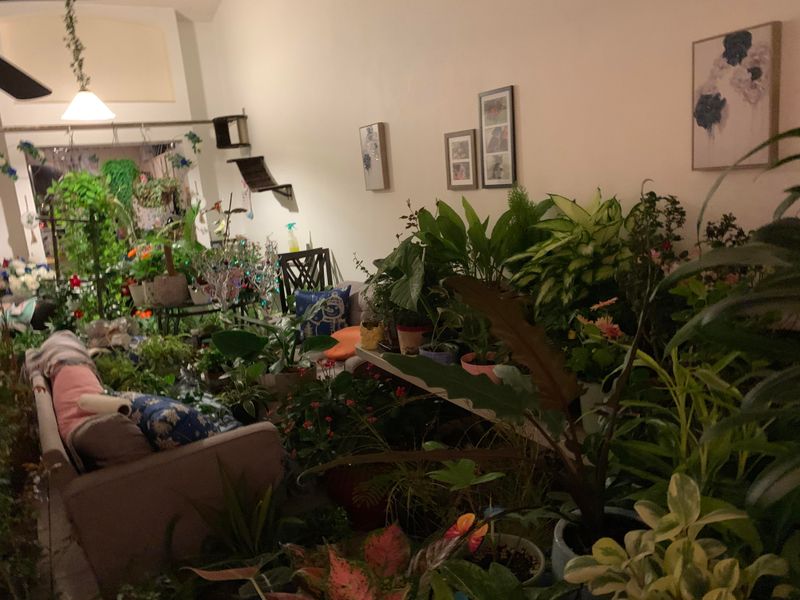
Your porch jungle may look comfortable, even when the evening air feels chilly. Tropical houseplants often notice that change before you reach for a warmer jacket.
Bring sensitive pots inside before nights approach the low forties. Frost can form with reported air temperatures near 36 degrees, depending on local conditions.
First, check leaves, stems, and drainage holes for insects or hiding guests. Inspect the undersides of leaves carefully, where tiny pests can be easy to miss.
Rinse plants outdoors, then let the leaves dry before moving them. If you spot a pest problem, isolate that pot and use a treatment labeled for indoor plants.
Give each container a wipe so soil and outdoor dirt stay outside. Set pots on saucers to protect floors, shelves, and windowsills from dripping water.
Indoor light is often weaker than outdoor shade, so choose bright locations. Avoid placing leaves against cold window glass or near blasting heat vents.
Water less often as growth slows, checking the soil before pouring. A finger pressed into the mix tells you more than a fixed calendar.
Keep newly moved plants apart from your established collection for a short inspection period. Dropped leaves can happen while plants adjust to different light and humidity.
Check the forecast rather than relying on a single frost date. Around Harrisonburg, cold nights may arrive earlier than they do near Fredericksburg.
4. Plant Or Move Evergreens So Roots Can Settle
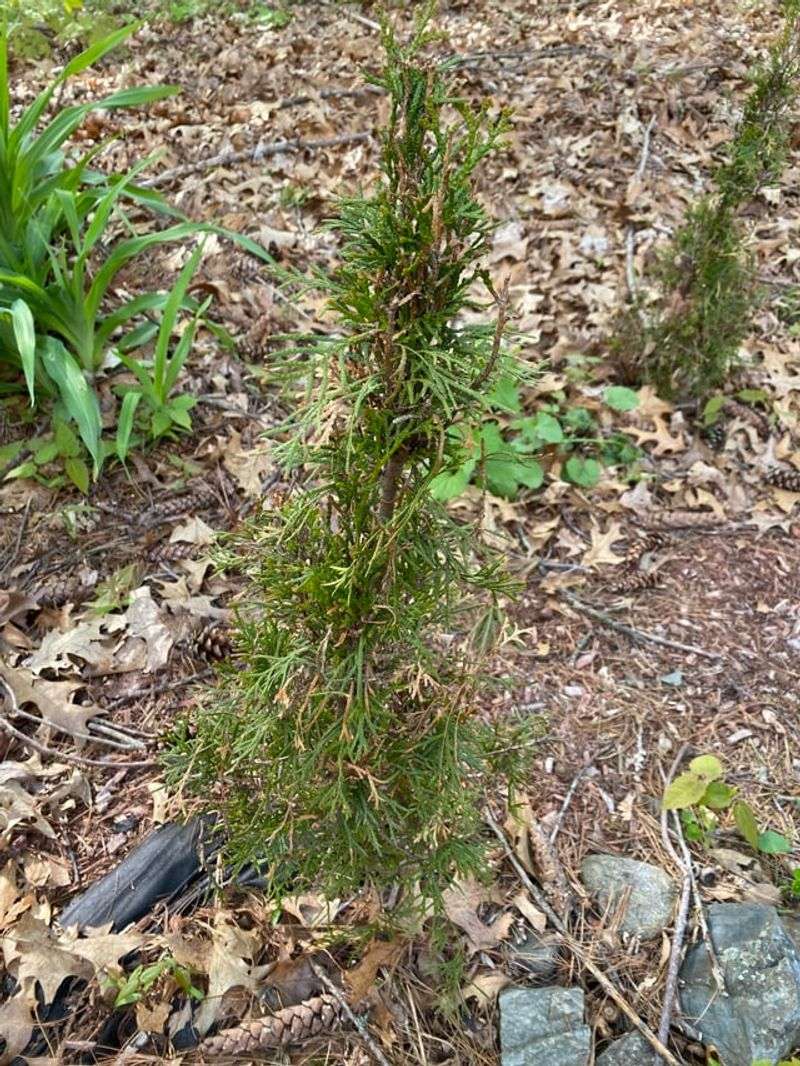
A new evergreen may look ready for winter, but its roots tell another story. Planting while soil remains warm gives those roots time to spread.
Choose a spot with enough room for the plant’s mature width. Check sunlight and drainage, since crowded branches and wet roots cause trouble later.
Dig a hole roughly twice as wide as the root ball. Keep it only as deep as the roots, with the root flare near ground level.
Slide the plant from its pot and loosen circling roots gently. For a larger shrub, move as much of its root system as practical.
Backfill with the soil you removed, pressing lightly to reduce large air pockets. Build a shallow watering ring around the outer edge of the planting hole.
Water deeply after planting so the surrounding soil settles around the roots. Add mulch over the root area, leaving space around the trunk or stems.
Evergreens keep their leaves or needles through winter and can lose moisture then. Check the soil during dry spells, watering when the ground is not frozen.
Aim to finish planting several weeks before your local hard freeze. That window varies across the state, so a nearby forecast matters more than a broad calendar date.
Resist heavy pruning right after moving the plant, unless branches are damaged. Your main job now is steady moisture and a comfortable start underground.
5. Harvest Basil Before Cold Nights Blacken It
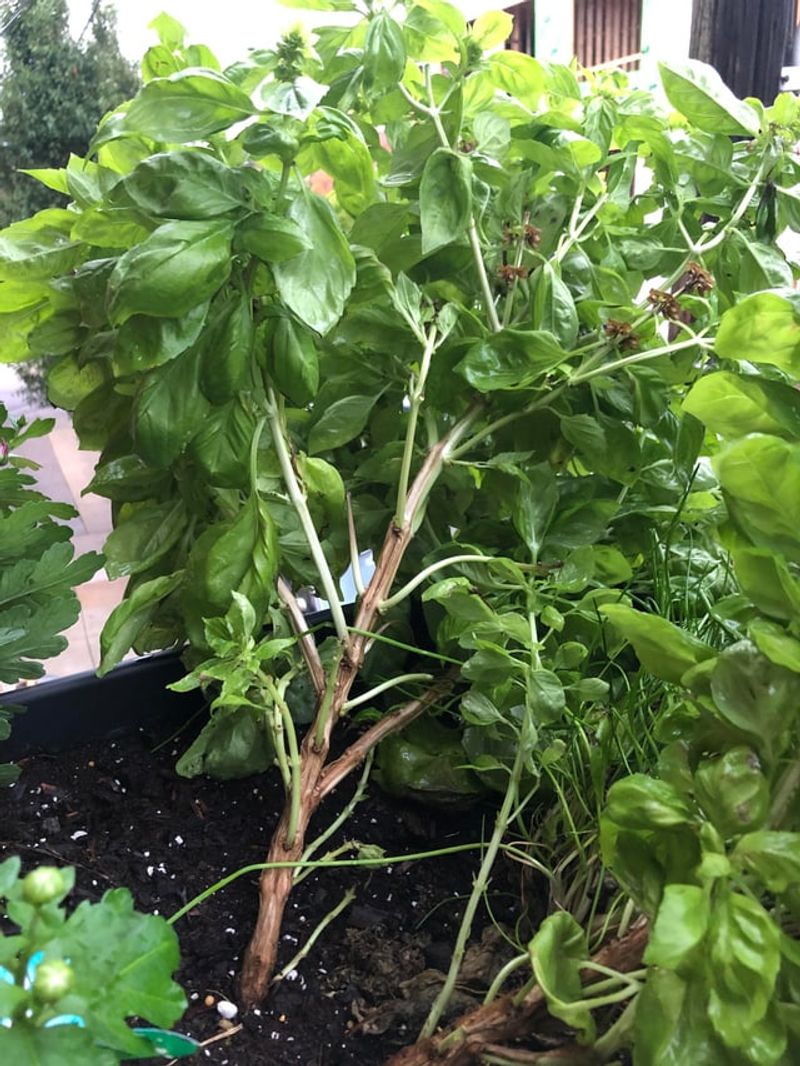
Basil can perfume the whole garden with one quick brush of your sleeve. Sadly, a chilly night can turn those fragrant leaves dark and soft.
Watch forecasts closely when nighttime temperatures begin dipping toward the upper thirties. Harvest before frost threatens, especially if your plants sit in an exposed spot.
Pick in the morning after dew dries for clean, fresh leaves. Use scissors to cut stems just above a pair of healthy leaves.
For a big final harvest, take tender stems rather than stripping every leaf individually. Sort through your basket and discard leaves that look damaged or dirty.
Rinse basil only when you are ready to use or preserve it. Pat leaves dry because extra water makes storage and freezing messier.
Fresh sprigs can stand in a glass of water on the counter. Keep them away from a cold refrigerator vent, which can spoil their texture.
Blend clean leaves with oil for freezer portions you can add to meals. Ice cube trays make handy sizes for soup, sauce, and quick pasta dinners.
Pesto offers another easy option, though recipes vary in their storage needs. Follow a tested preservation method, and refrigerate or freeze homemade mixtures promptly.
Pot-grown basil can come inside, but inspect it for pests first. Even then, indoor light may slow growth, so enjoy the outdoor harvest while it lasts.
6. Pick Green Tomatoes And Peppers Ahead Of Frost
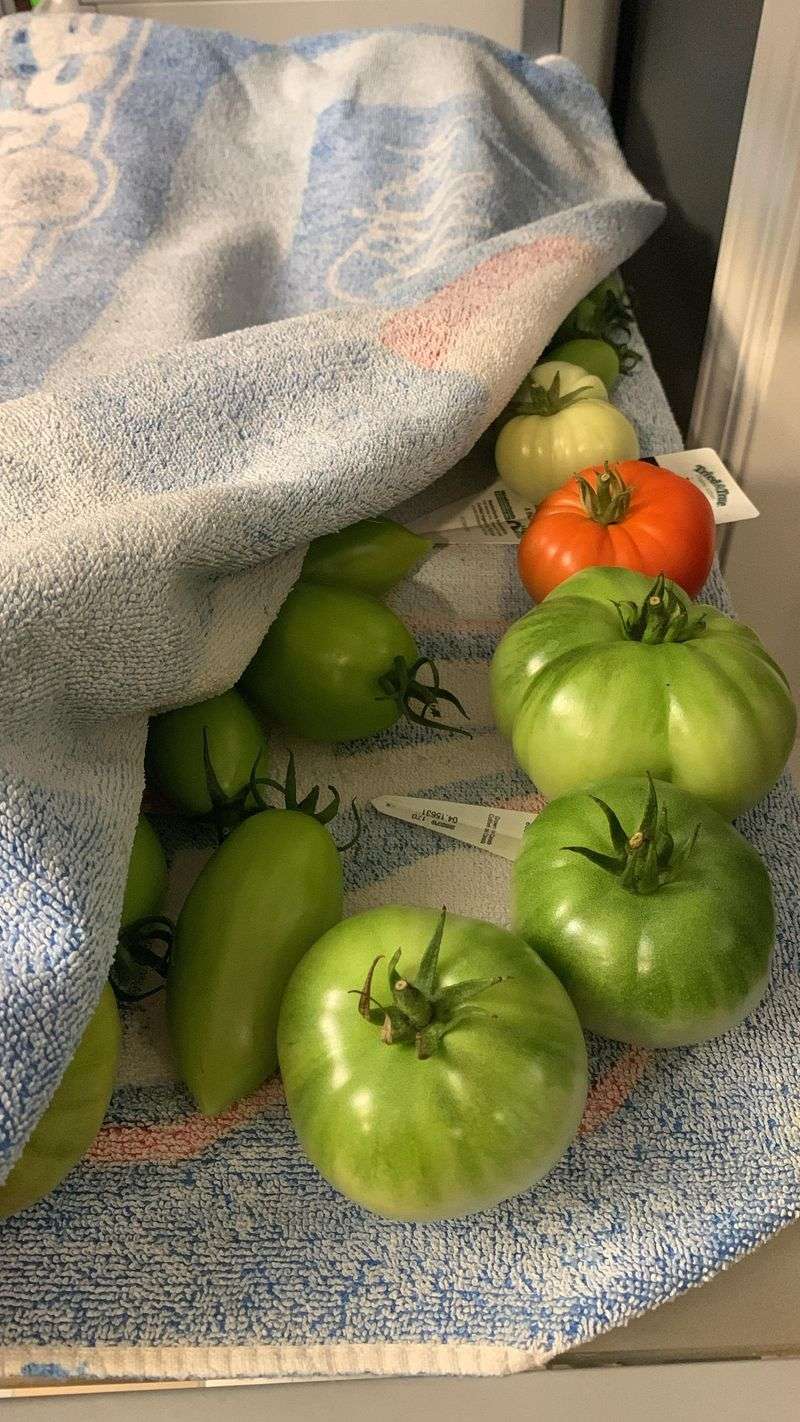
The last tomato often seems to wait until the forecast gets dramatic. Green fruit and peppers deserve a closer look before the first frosty night.
Walk the garden with a basket while the weather is still mild. Pick fruit promptly when a frost warning appears, even if October 15 has not arrived.
Choose full-sized green tomatoes with smooth skin for indoor ripening. Tiny, very firm fruit may have less chance of developing good flavor.
Keep tomatoes at room temperature, out of direct sun, and check them regularly. Place a ripe banana nearby if you want to encourage faster ripening.
Store tomatoes in a shallow layer so soft spots are easier to notice. Use any that show damage first, rather than packing them away.
Peppers can be picked green once they reach a useful size. Many will not change color as well indoors, so plan meals around their current stage.
Wash harvested produce shortly before cooking instead of before storage. Dry surfaces help reduce moisture buildup while vegetables wait in the kitchen.
Small green tomatoes can become relish, pickles, or a pan of fried slices. Extra peppers work well chopped and frozen for future soups and stir-fries.
Forecasts beat averages when deciding the final picking day in Virginia. A sheltered city garden may stay warmer than a nearby open field overnight.
7. Treat Lawn Weeds While They’re Actively Growing
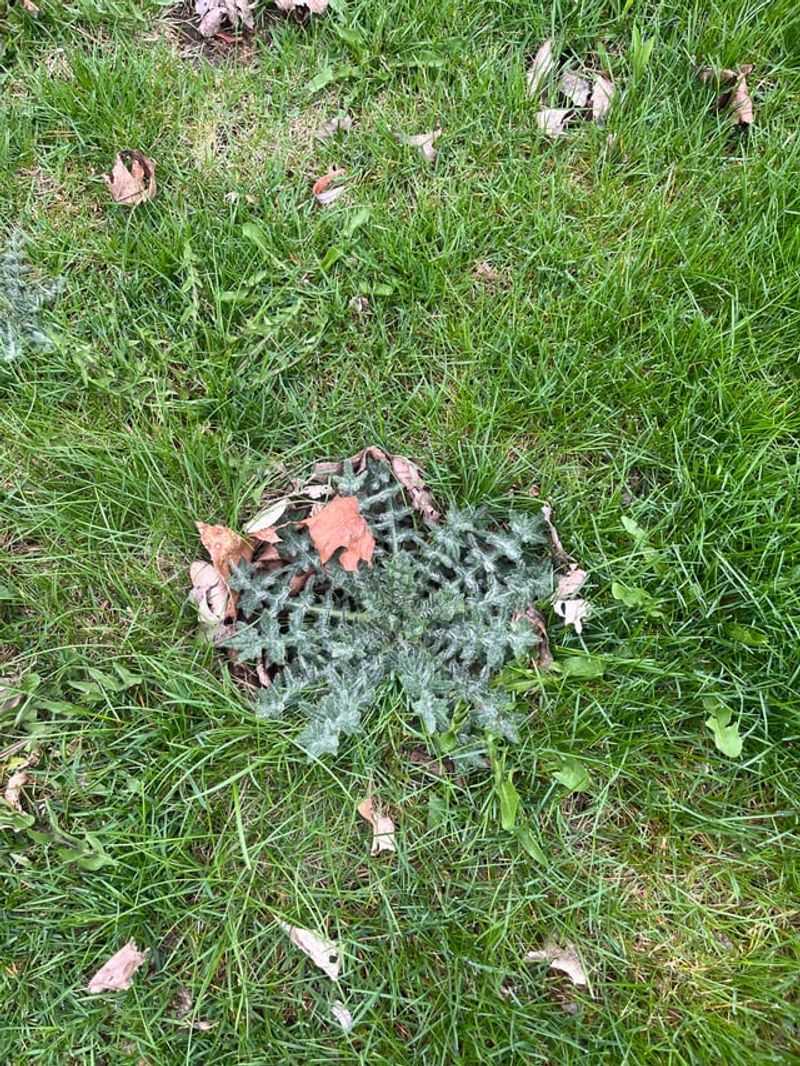
Dandelions look quiet in fall, but they are busy storing food underground. That makes autumn a useful time to tackle established broadleaf lawn weeds.
Start by identifying the weeds instead of spraying every unfamiliar leaf. Clover, dandelions, and plantain may call for different choices than grassy weeds.
For a few scattered plants, a hand tool may be enough. Lift each root carefully, then fill the opening with soil and grass seed.
If you choose an herbicide, use one labeled for your lawn grass. Read the entire label for timing, mixing, safety gear, and nearby plant warnings.
Apply only to the target area when weeds are actively growing. Calm, mild days help keep spray from drifting onto flowers or shrubs.
Check the forecast for rain and avoid treating drought-stressed lawns. Product labels explain how long the treatment needs to stay dry.
Keep children and pets away for the period stated on the label. Do not spray near drains, ponds, or vegetable beds without checking restrictions.
Freshly seeded tall fescue needs special care around weed treatments. Many products require waiting until new grass has been mowed several times.
Across the state, fall offers a broad treatment window beyond October 15. Prioritize identification and proper timing now instead of rushing an application in poor weather.
8. Test Soil So Lime Has Time To Work
A bag of lime looks helpful, but your lawn might not need it. A soil test takes the guesswork out of that heavy shopping trip.
Many Virginia soils are acidic, yet acidity varies from yard to yard. Testing shows your soil’s pH and whether lime could help your grass.
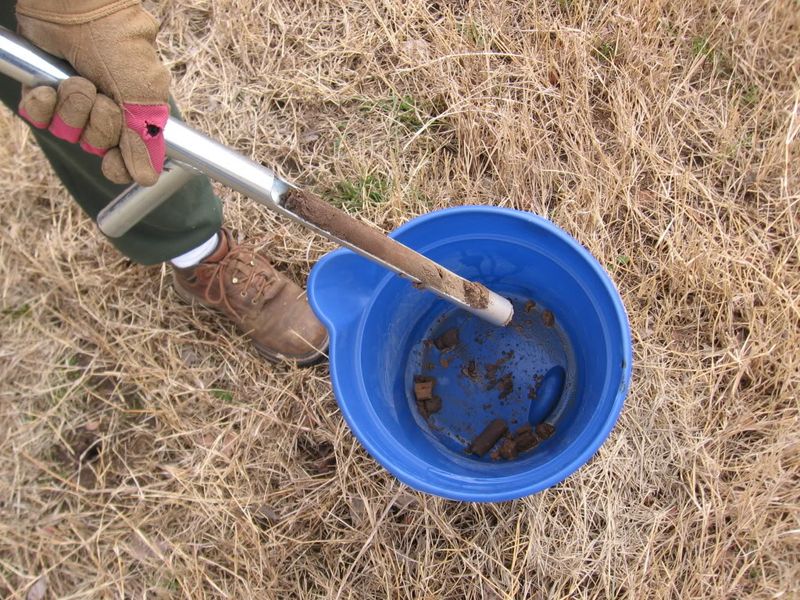
Collect small samples from several spots with similar soil and use. Mix lawn samples together in a clean bucket, keeping garden bed samples separate.
Remove leaves and grass from the surface before scooping soil. Follow your local extension office’s directions for depth, drying, packaging, and forms.
Write down where each sample came from so results make sense later. Avoid collecting soil immediately after adding fertilizer, compost, or lime.
The report may recommend a specific lime amount for your lawn’s size. Measure your area before spreading anything, and follow the report rather than guessing.
Lime changes soil pH gradually, often over several months. Fall application gives it time to work before spring growth picks up.
Spread the recommended amount evenly with a suitable lawn spreader. Sweep stray material off sidewalks and driveways so rain does not carry it away.
If the report says lime is unnecessary, save your money for another job. Better soil care begins with a number, not a hunch or a neighbor’s routine.
9. Divide Crowded Perennials While Roots Can Still Grow
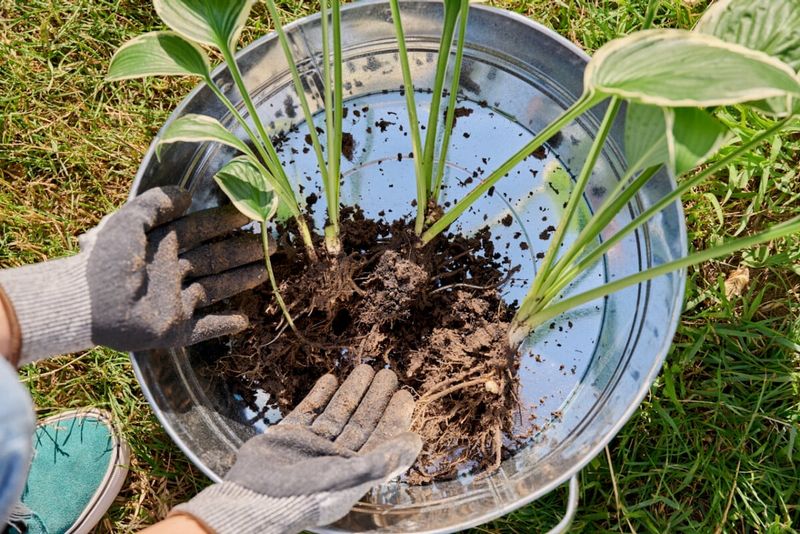
When a perennial crowds its neighbors, a shovel can feel like a rescue tool. Dividing suitable plants creates breathing room and gives you extras to share.
Early fall suits many spring and summer bloomers while soil remains warm. Wait until spring for plants that prefer division then, or check their needs first.
Water the clump a day before digging if the ground feels dry. Prepare new planting spots ahead of time so exposed roots spend less time waiting.
Lift the plant with a spade, keeping a generous section of roots. Shake off loose soil gently to see where the natural divisions lie.
Pull easy sections apart by hand or use a clean, sharp knife. Each piece needs healthy roots and several growing points to recover well.
Discard weak or badly damaged sections and replant the strongest pieces. Set each division at roughly the same depth it grew before.
Water thoroughly, then add a light mulch layer around the plants. Leave room near their crowns so mulch does not press against tender growth.
Hostas and daylilies often make good candidates for this fall project. Late bloomers may benefit from waiting until another season to avoid interrupting their show.
Share spare divisions with a neighbor, along with the plant’s name and care needs. Finish while roots still have time to settle before colder soil slows growth.
10. Set Up Frost Covers For Late Crops
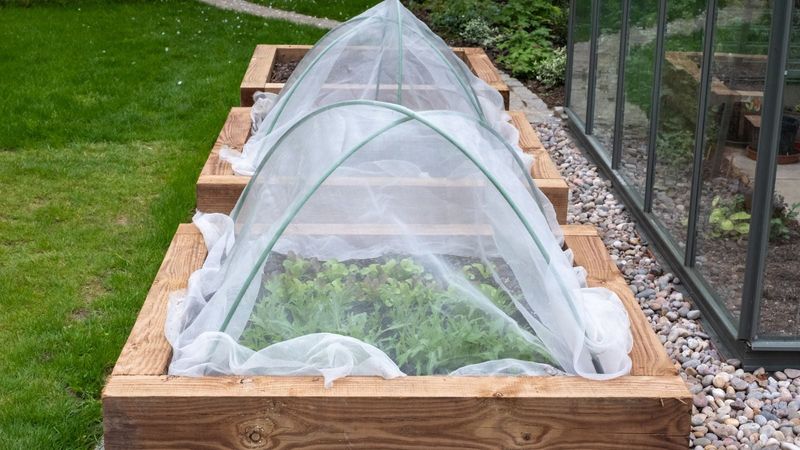
A crisp October night should not surprise your lettuce with an icy blanket. Keep proper frost covers ready before the forecast turns urgent.
Lightweight garden fabric can protect many late crops during a mild frost. Choose material sold for plant protection, or use clean sheets for a short visit.
Set hoops or sturdy supports over crops to give leaves some room. Test the setup on a calm afternoon instead of wrestling fabric in darkness.
Anchor every edge with rocks, boards, or garden staples where appropriate. Open gaps let cold air reach plants and wind tug at the cover.
Place fabric over plants before sunset when a cold night is expected. Stored warmth in the soil helps protect the space underneath.
Remove heavy sheets during the day so plants receive light and air. Breathable row cover may stay longer, depending on weather and the product directions.
Watch tender peppers differently from hardy greens, since crops tolerate different temperatures. A cover may help briefly, but it cannot promise protection through severe cold.
Keep the cloth dry when storing it, and patch holes before reuse. A nearby basket of clips makes last-minute setup much less frustrating.
Virginia Zone 7a frost dates vary by town and even by yard. Prepare early, follow your local forecast, and enjoy any extra harvest the cover provides.