The Spider Mite Mistake Destroying North Carolina Tomatoes Before October Is Over
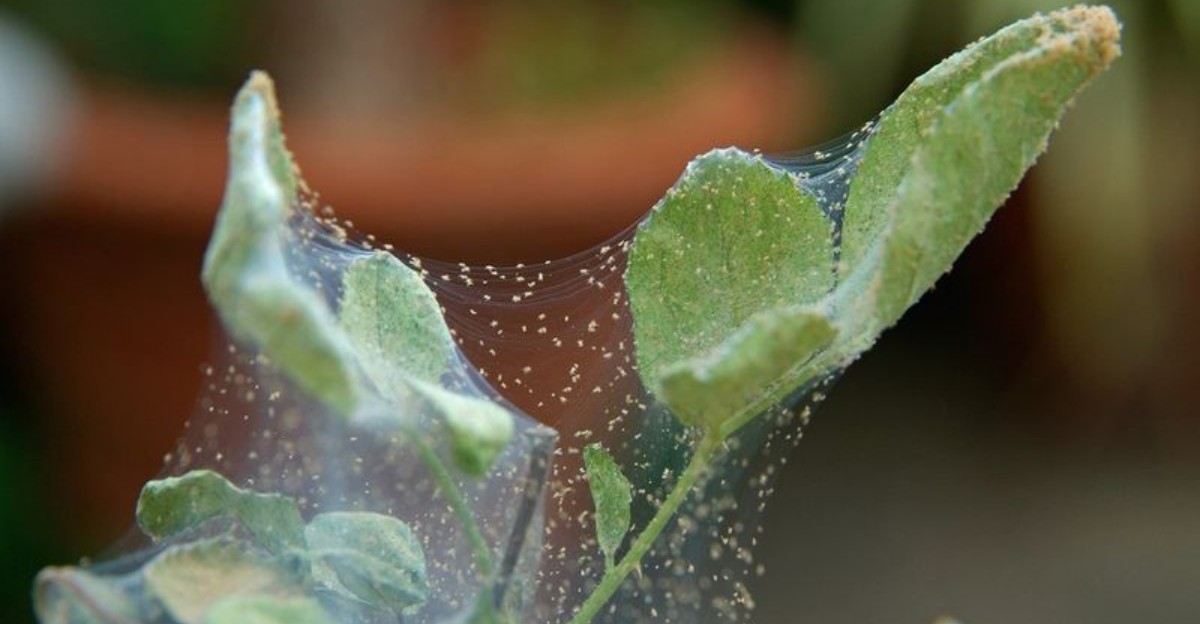
Spider mites can quietly wreck a tomato plant long before most North Carolina gardeners realize what’s happening.
These tiny pests thrive in dry, dusty conditions, and a common mistake, letting plants go too long without proper moisture, creates the exact environment they need to multiply fast.
By the time stippled, yellowing leaves become obvious, populations are often already well established and harder to control.
Because spider mites reproduce so quickly in warm, dry weather, waiting even a few extra days can let a small problem spiral out of control.
Catching early signs and adjusting watering habits can save tomato plants that still have weeks of productive growth left in them.
1. Broad-Spectrum Sprays Remove Mite Predators
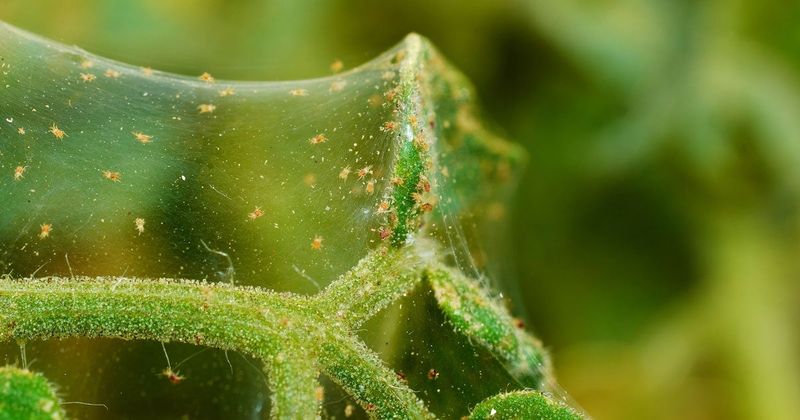
A gardener spots a hornworm munching on a tomato and grabs the strongest bug spray in the shed. Two weeks later, the whole plant looks bronzed and sickly. That surprise happens all the time, and it is the biggest spider mite mistake gardeners make.
Broad-spectrum insecticides, such as pyrethroids and carbaryl, wipe out a wide range of insects. Spider mites shrug them off, though, because these products do not work well on mites.
The real victims are the helpers, including predatory mites, lady beetles, minute pirate bugs, and lacewings that normally keep mite numbers low.
Once those good guys are gone, spider mites have no enemies left. Their population can surge quickly, sometimes growing far worse than before you sprayed. In other words, the spray solves one problem and creates a bigger one.
The smarter path starts with a simple step. Figure out exactly which pest you have before reaching for any product. A magnifying glass and a quick look under the leaves can save your whole crop.
When caterpillars like hornworms or fruitworms are the trouble, choose a targeted product such as Bacillus thuringiensis, often sold as Bt.
It works on caterpillars and leaves beneficial insects alone. Handpicking big hornworms is another easy option that costs nothing.
North Carolina gardeners face a busy pest season in late summer. Hornworms, fruitworms, and stink bugs all show up at once, and many people respond by spraying.
Sadly, that timing lines up perfectly with the season when mites are already building, so protecting your predators matters more than ever.
2. Hot, Dry Weather Lets Mites Multiply Fast
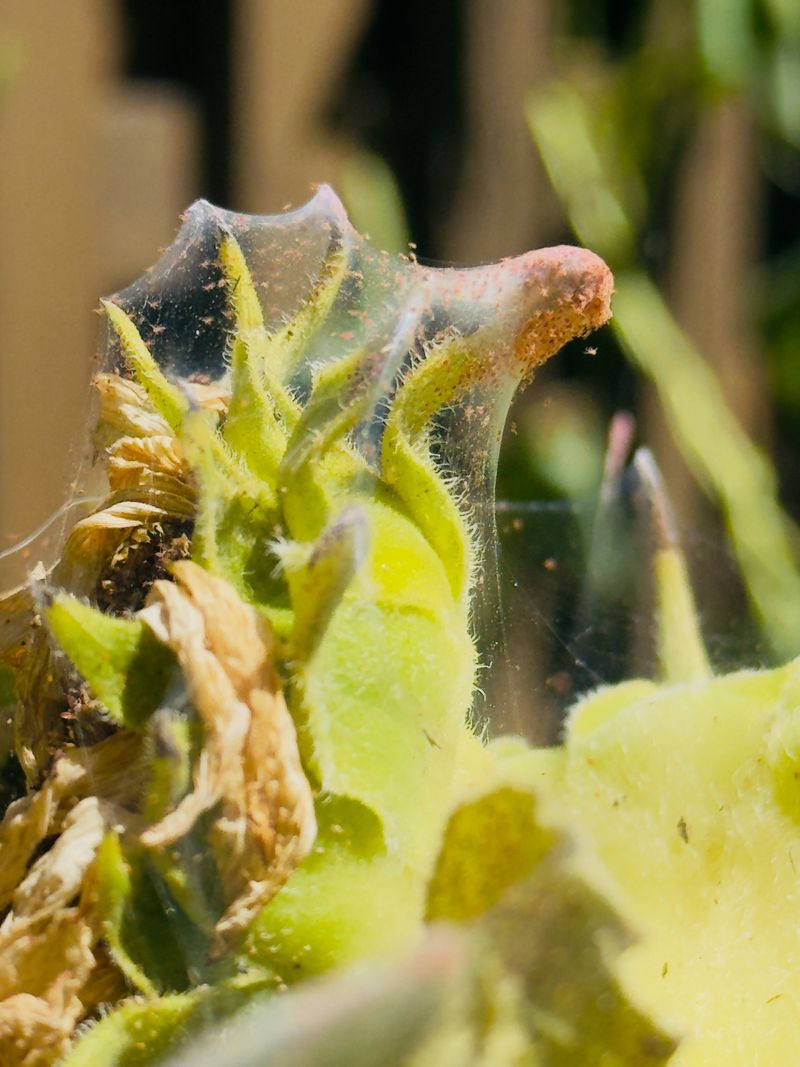
Heat is like a fast-forward button for spider mites. The two-spotted spider mite, the kind most often found on tomatoes, loves hot and dry conditions more than almost anything else.
In warm weather, a single mite can go from egg to egg-laying adult in about one to two weeks. Each female can lay many eggs during her short life. Put those numbers together, and a handful of mites can turn into thousands in just a few weeks.
Dry air helps them even more. Moist, humid conditions slow mites down and give natural diseases a chance to keep them in check. When the air turns dry and plants get dusty and stressed, mites have a clear path to take over.
Your North Carolina Garden Changes Every Week. Your Plan Should Too.
Gardening in North Carolina changes quickly throughout the season. Every Friday you’ll receive a simple weekly plan showing exactly what to plant, prune, fertilize, harvest, and protect so you never miss the right timing.
So what should you do? Pay close attention to your tomatoes during dry spells, especially in late summer and early fall. Those weeks are when outbreaks most often catch gardeners off guard.
Make a habit of flipping over a few leaves every couple of days. Look along the main veins on the undersides, since mites like to gather there. Catching a small group early is much easier than fighting a massive colony later.
Here in North Carolina, the end of summer can be tricky. Rain often becomes less regular, yet afternoon temperatures still climb into the 80s and even the 90s.
That mix of warmth and dryness gives mites everything they need to multiply quickly, so keep a watchful eye on your plants until the first cool nights arrive.
3. Drought-Stressed Plants Suffer The Most

Think about how you feel after a long, hot day without enough water. Tired, weak, and cranky, right? Tomato plants react much the same way, and spider mites love to pick on a thirsty plant.
Drought-stressed tomatoes have less energy to handle feeding damage. When mites suck the juices from leaf cells, a healthy plant can push out new growth and keep going. A struggling plant simply cannot keep up, so the damage adds up fast.
Dry conditions also make mites reproduce faster. That means a water-stressed plant gets hit twice, with weaker defenses and a growing army of pests at the same time.
The fix is steady, deep watering. Aim water at the base of the plant rather than the leaves, and soak the soil so moisture reaches the roots. A soaker hose or drip line makes this job simple and saves water too.
Mulch is your secret helper here. Spread 2 to 3 inches of straw, shredded leaves, or pine needles around each plant. It holds moisture in the soil, keeps roots cooler, and cuts down on how often you need to water.
Try not to let the soil dry out completely between waterings. Push a finger a couple of inches into the ground, and if it feels dry, give your plants a drink.
Many North Carolina gardeners are surprised to learn that October often ranks among the driest months of the year. Plants still producing fruit need steady moisture, so keep that hose handy well into fall.
4. Catch The Damage Early
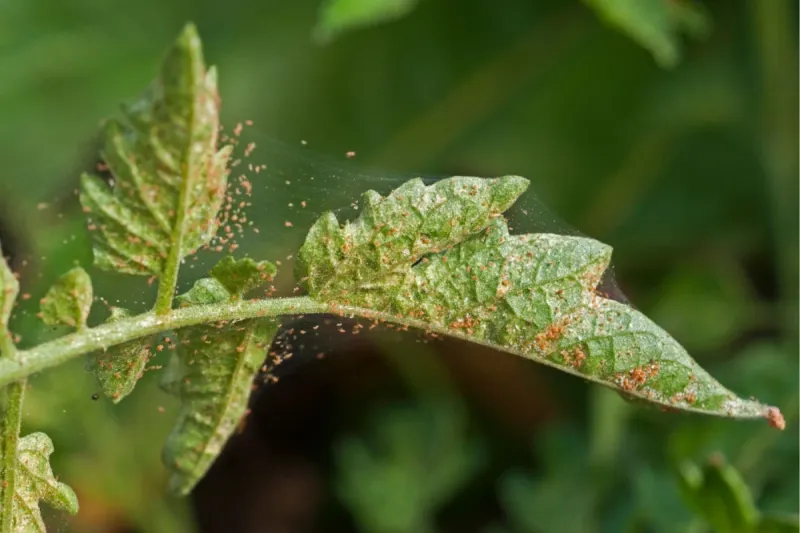
Spider mites are sneaky little creatures. Each one is about the size of a period at the end of a sentence, so most gardeners never notice them until real damage appears.
By the time leaves turn brown and fine webbing wraps the stems, the infestation has usually grown huge. At that stage, control becomes much harder and some leaves may never recover. Early detection gives you the best shot at saving your plants.
Start by looking at the tops of the leaves. Fine yellow or pale speckles, almost like tiny pinpricks, are often the first clue. As feeding continues, leaves may look bronzed, dusty, or dull instead of a fresh, healthy green.
Next, turn the leaves over. Look for thin, silky webbing on the undersides and stretched between stems. Heavy webbing means the mites have been busy for a while.
A quick paper test can confirm your suspicions. Hold a sheet of white paper under a branch and tap the leaves firmly. If tiny specks fall off and start crawling around, you have found your spider mites.
A small hand lens makes this check even easier. Some mites will show two dark spots on their bodies, which is how the two-spotted spider mite earned its name.
In North Carolina, mite damage often gets blamed on dry weather or plants simply wearing out at the end of the season. Those mix-ups give mites extra time to spread. A quick weekly leaf check can help you tell the difference and act before things get out of hand.
5. Dusty Plants Give Mites An Advantage
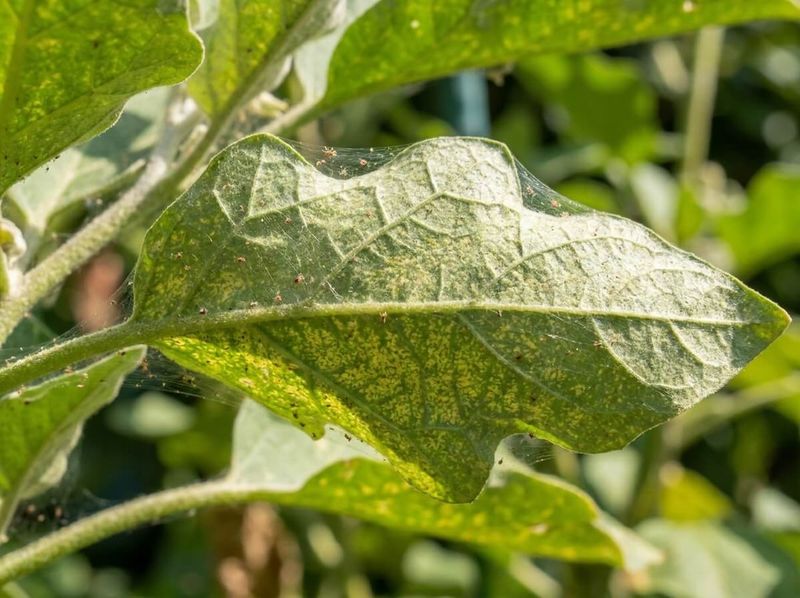
Ever notice a thin layer of dust on your tomato leaves after a dry week? It might look harmless, but that dust is rolling out a welcome mat for spider mites.
Dust gets in the way of the natural predators that hunt mites. Predatory mites and small insects have a harder time moving, searching, and feeding on coated leaves. With fewer hunters at work, spider mites can spread with little trouble.
Dusty leaves also tell a bigger story. They usually mean the weather has been hot and dry, which is exactly what mites enjoy most. So dust is both a helper for mites and a warning sign for you.
Plant placement makes a real difference. When you plan next year’s garden, try to keep tomatoes away from dusty driveways, gravel roads, and bare paths where cars or foot traffic kick up dirt.
Mulch helps here as well. Covering bare soil with straw or shredded leaves keeps dirt from splashing or blowing onto plants. That same mulch also holds moisture, giving you two benefits from one easy task.
During long dry stretches, give your leaves an occasional gentle rinse with the hose. Washing away dust helps beneficial insects do their job and makes leaves less inviting to mites.
Across North Carolina, many homes sit near gravel drives, dirt farm roads, or unpaved parking spots.
Add a dry fall, and garden plants can end up wearing a gray coat of dust within days. A little planning and a quick rinse can keep your tomatoes clean and much healthier.
6. Blast Leaf Undersides With Water
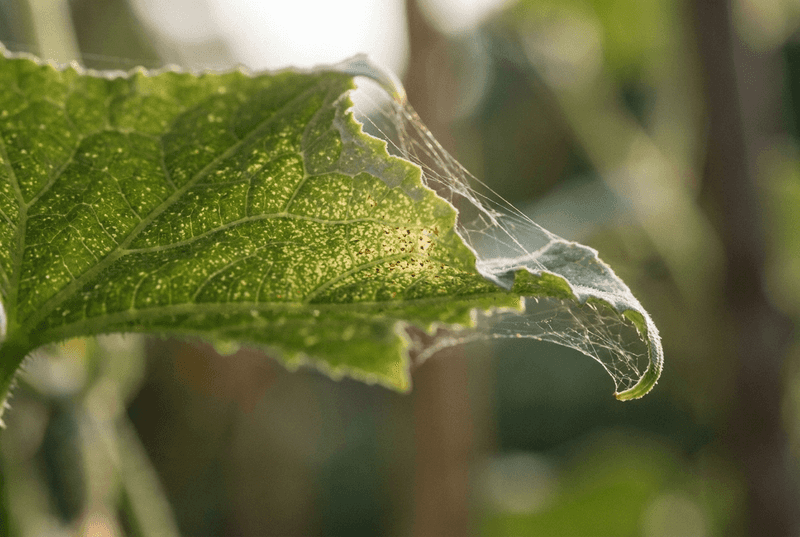
Sometimes the best pest control is already hooked up to your house. A plain garden hose can be one of the easiest tools for knocking back spider mites, and it costs almost nothing to use.
A firm stream of water blasts mites and their webbing right off the leaves. Many of them cannot climb back up, and the ones that stay behind have their feeding interrupted.
The spray also raises humidity around the plant for a while, and mites strongly dislike moist air.
Technique matters a lot. Mites hide on the undersides of leaves, so aim your nozzle upward and spray from below. A jet or firm setting works well, but keep it strong enough to move mites without tearing tender leaves.
Morning is the best time for this job. Spraying early gives leaves the whole day to dry in the sun and breeze. Wet leaves overnight can invite plant diseases, which is the last thing you want.
Focus on the worst spots first. Heavily speckled leaves and webbed areas deserve the most attention, but give the whole plant a quick pass too.
One spray rarely solves the problem. Repeat every few days while mites are active, and you should notice fewer speckles on fresh growth over time.
For North Carolina gardeners, the morning schedule brings an extra bonus. Humid nights and warm days can encourage diseases such as early blight and leaf spots.
Letting leaves dry before evening helps lower that risk while you fight mites at the same time.
7. Use Mite-Friendly Treatments
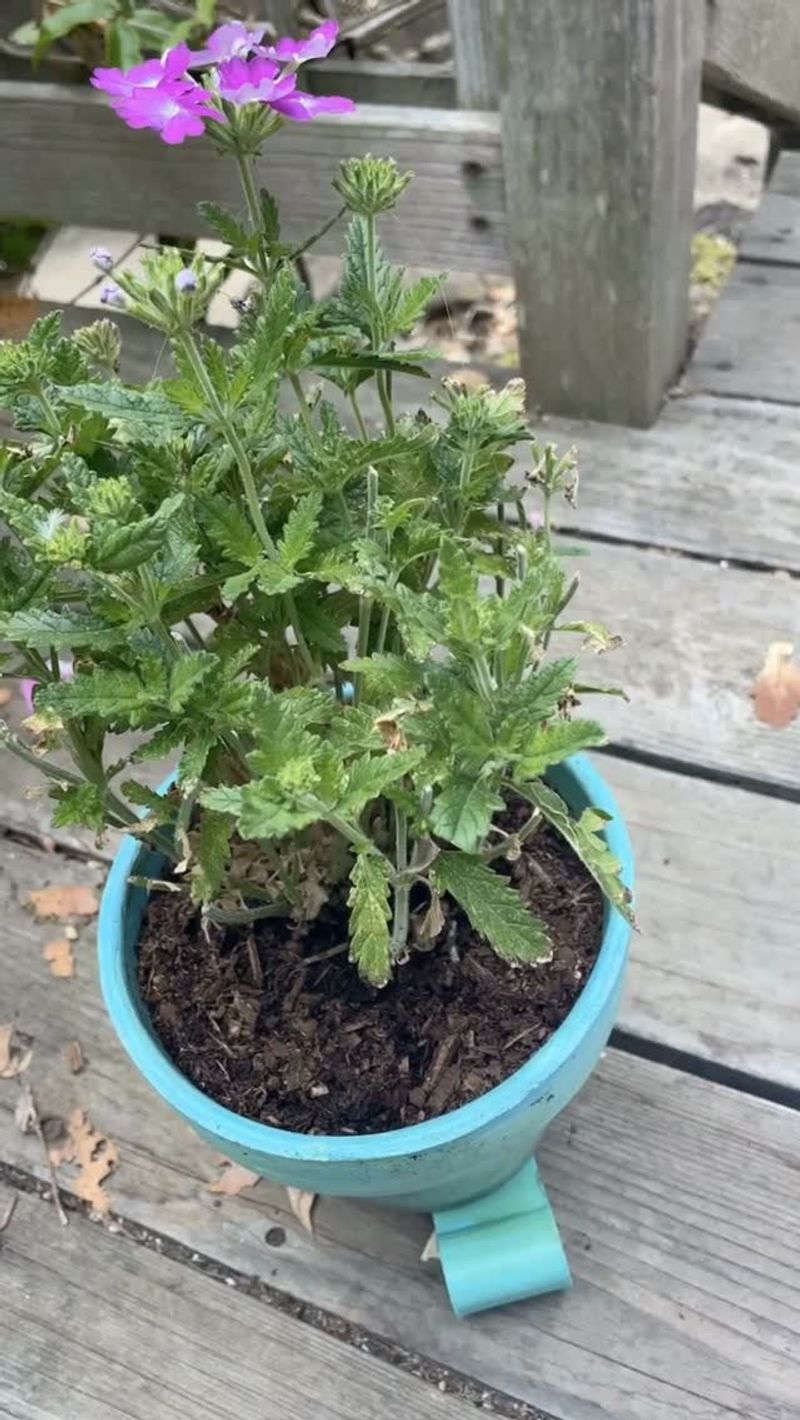
When water alone is not enough, it is time to step up your game without wrecking the helpful bugs in your garden. Insecticidal soap and horticultural oil are two smart choices that target mites while being much gentler on beneficial insects.
Both products work by contact. Soap breaks down the soft outer layer of mites, while oil coats and smothers them. After they dry, they leave very little residue behind, so predators can move back in and keep helping.
Coverage is everything with these sprays. Since they only work when they touch the mites, you need to soak the undersides of the leaves thoroughly. A quick spray on top of the plant will miss most of the pests.
Timing helps protect your plants too. Apply in the cool morning or evening when temperatures sit below about 90°F. Hot sun plus soap or oil can scorch leaves, leaving burned brown patches.
Always test a few leaves first. Spray a small area, wait a day or two, and check for any damage before treating the whole plant.
Mite eggs are not affected much by these products, so follow-up rounds matter. Repeat every 5 to 7 days, or as the label directs, until new speckling stops appearing. Reading the label carefully is a must.
North Carolina fall days can still feel like summer, with sunny afternoons pushing into the high 80s. Planning your sprays for early morning or after sunset keeps leaves safe while the treatment does its job.
8. Clean Up Infested Plants At Season’s End
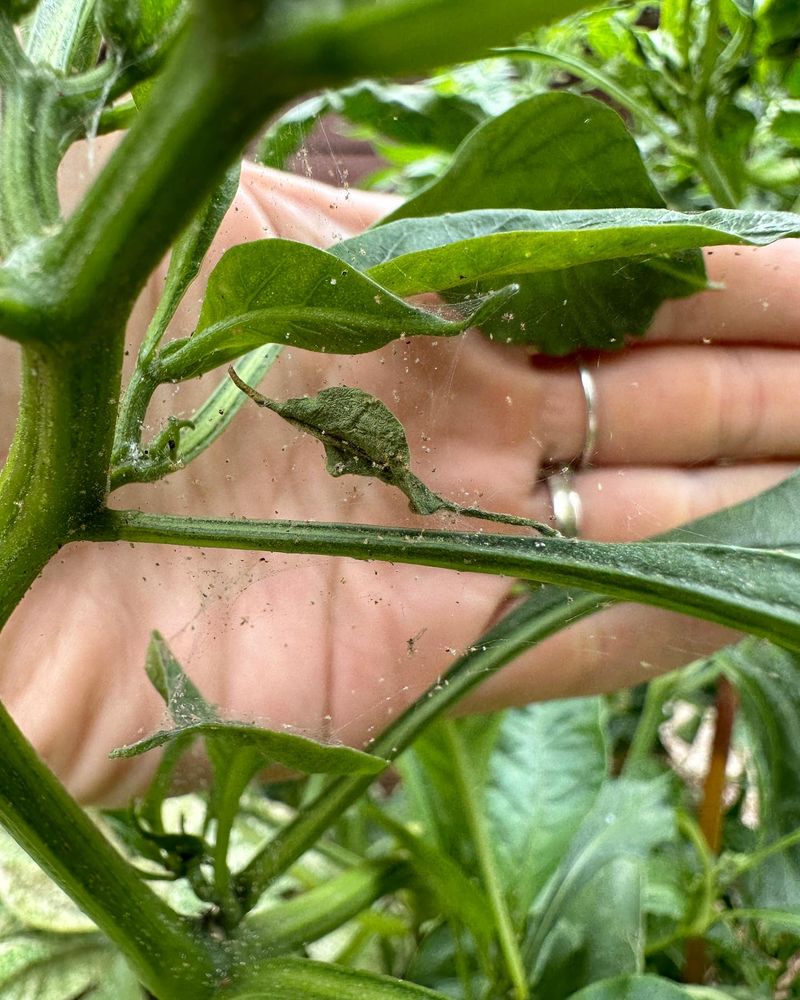
Saying goodbye to your tomato plants can feel a little sad, but a good cleanup is a gift to next year’s garden. Leaving badly infested plants in place gives spider mites a cozy home for the months ahead.
Mites and their eggs can hang on in old plant debris and nearby weeds. From there, they crawl onto other plants or wait until spring to start a fresh invasion. Removing their hiding spots breaks that cycle.
Once heavily infested tomatoes stop producing useful fruit, pull them out. Grab the roots, stems, and fallen leaves too, since mites can hide in all of them.
Skip the compost pile for this material. Most home compost piles do not get hot enough to wipe out every mite and egg. Instead, bag the plants and put them in the trash or follow your local yard waste rules.
Weeds deserve attention as well. Many common garden weeds act as backup hosts for spider mites, so clearing them around beds and fences helps a lot. A tidy border means fewer places for pests to wait out the cold months.
Next spring, plant tomatoes in a different bed if you can. Crop rotation helps reduce many pest and disease problems over time and keeps your soil healthier.
North Carolina winters are often mild, especially in the Piedmont and coastal areas. Those gentle temperatures let some mites survive on weeds and leftover debris.
A careful fall cleanup gives your garden a cleaner, stronger start when tomato season rolls around again.