The New York Vegetable Debris Hiding This Fall’s Worst Pests
Your tidy fall cleanup might be handing out free lodging to hungry strangers. Squash bugs creep beneath your wilted vines and wait out frost.
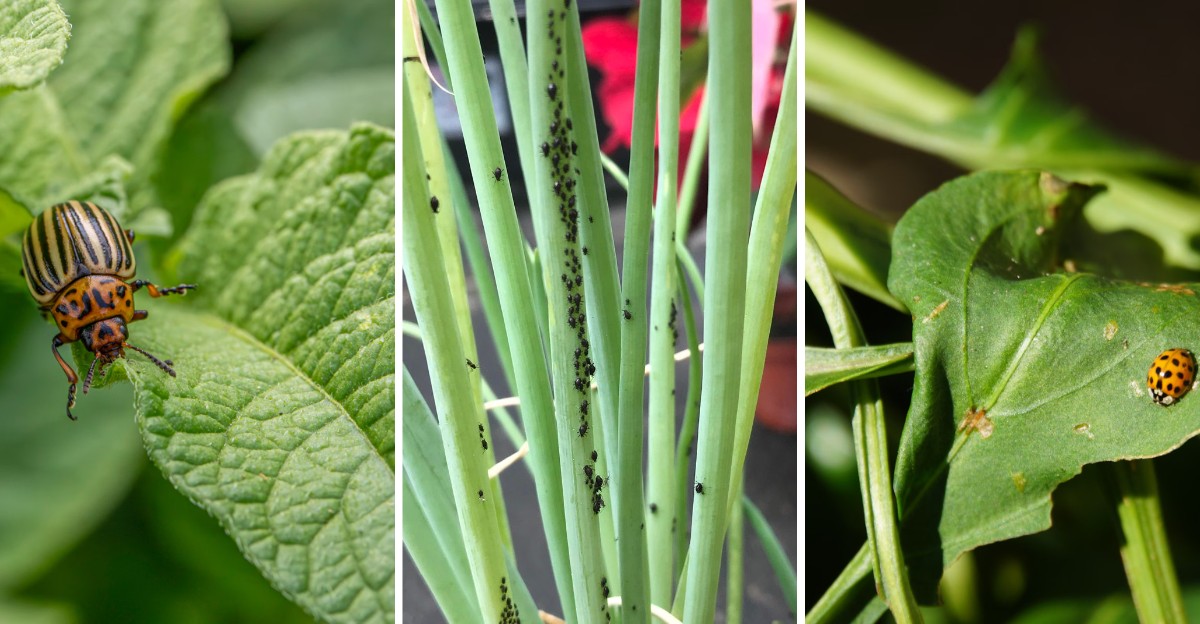
Cabbage stumps carry shiny black aphid eggs through New York winters. Colorado potato beetles burrow near forgotten tubers, ready to feast.
Corn borer caterpillars curl inside hollow stalks, snug until moths emerge. Cucumber beetles shelter in your vines and carry bacterial wilt into spring.
Slugs lay clear, pearly eggs beneath your rotting melons. These tenants emerge hungry the moment soil warms across New York.
Pull vines, stumps, and spent fruit the moment frost flattens them. Bag that debris for the trash, because cool compost shelters survivors.
Dig out tiny potatoes you missed, since they feed beetles in spring. Shred corn stalks so caterpillars lose their hiding spots. Reward your effort with crisp pickles and sweet corn.
1. Squash Bugs Settle Under Wilted Pumpkin Vines
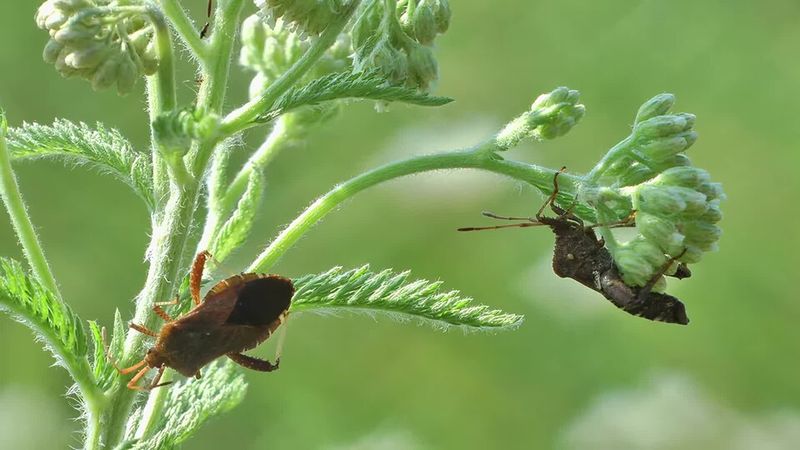
Picture a gray, shield-shaped bug wearing a tiny trench coat and looking for a winter hideout. Squash bugs act just like that when October chills hit New York gardens.
Adults crawl under wilted squash and pumpkin vines, curling up beneath crispy leaves. The tangle keeps them sheltered from wind, frost, and hungry birds until spring returns.
Once the soil warms up, they wake hungry and head straight for your new seedlings. Females lay shiny bronze eggs in neat clusters under the leaves.
Those nymphs feed on sap from stems and leaves, leaving yellow spots and wilted plants behind. A heavy crowd can badly damage a young zucchini patch within weeks.
Your best move is simple, though a little messy. Pull up every vine, stem, and rotting fruit as soon as frost flattens the plants.
Bag the debris and toss it in the trash rather than your compost pile. Home compost may stay too cool to harm these hardy bugs.
Next, check boards, bricks, and garden edging nearby, since adults love tucking under flat objects. Flip them over and knock any hiders into a bucket of soapy water.
Fun fact: squash bugs give off a foul odor when bothered. Your nose might catch them before your eyes do.
Next spring, try moving squash to a new bed, though adults can fly in from nearby. Floating row covers help too, at least until flowers open for bees.
2. Cabbage Aphids Riding Out Winter On Old Brassica Stumps
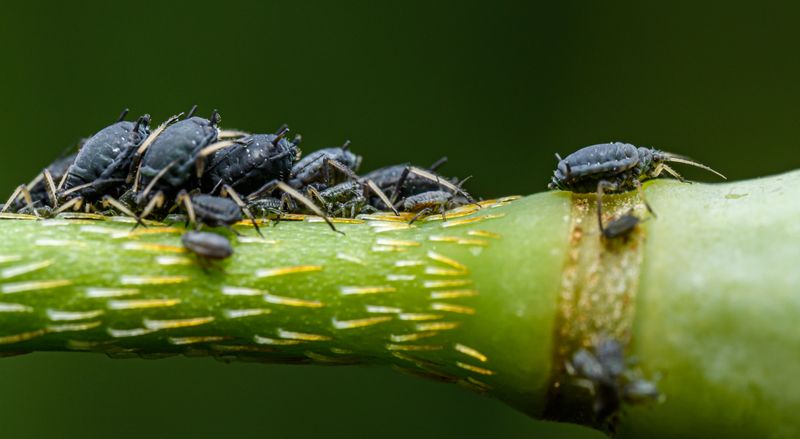
Ever notice a gray, powdery crust on old cabbage leaves in late fall? Look closer, and that crust might be thousands of cabbage aphids huddled together.
These soft little sap-feeders favor broccoli, kale, Brussels sprouts, and cabbage stumps left behind after harvest. In New York, they often survive winter as shiny black eggs on those stalks.
Come spring, the eggs hatch into wingless females that can give birth without any mates. A single aphid can start a whole colony within one to two weeks.
That speed is why ignoring old brassica stumps is such a gamble. One leftover stem can seed a whole new problem by early June.
Your New York Garden Changes Every Week. Your Plan Should Too.
Gardening in New York changes quickly throughout the season. Every Friday you’ll receive a simple weekly plan showing exactly what to plant, prune, fertilize, harvest, and protect so you never miss the right timing.
Grab a garden fork and pull the stumps, roots and all, before the ground freezes. Chop them up and send them out with your yard waste pickup.
If you love winter kale, keep it, but check the undersides of leaves weekly. A strong spray of water knocks many aphids off, though you may need to repeat it.
Ladybugs and tiny parasitic wasps are your free helpers in this fight. Planting dill, yarrow, or sweet alyssum nearby gives those good bugs a reason to stay.
Avoid heavy nitrogen fertilizer next year, since soft, leafy growth attracts aphids like candy. Slow, steady feeding keeps plants sturdy and less tempting.
Some aphids are born already pregnant, like tiny nesting dolls with legs. Clear the stumps this month, and spring seedlings start with fewer aphids.
3. Where Colorado Potato Beetles Burrow After Harvest
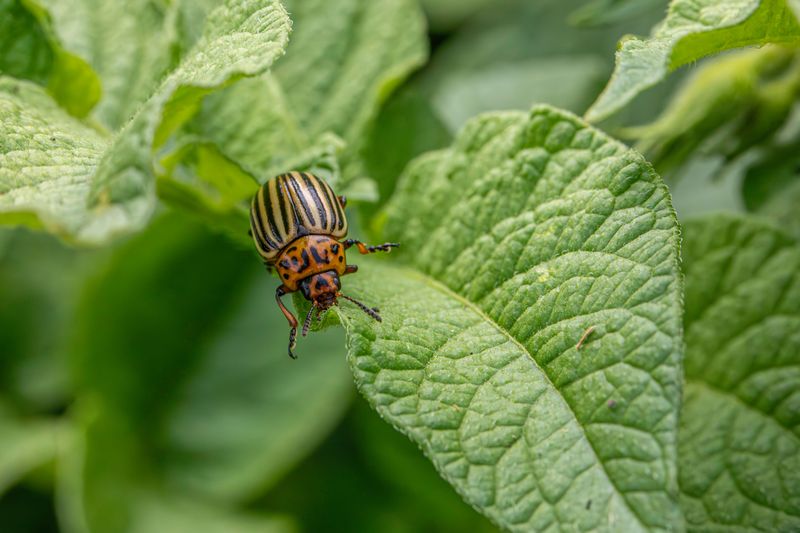
In the 1850s, this striped beetle switched from a wild weed to potato crops and spread east. It has been feasting ever since.
Colorado potato beetles spend winter as adults buried in soil near old potato plants. Leftover vines and forgotten tubers act like a welcome mat pointing them home.
Volunteer potatoes are an often-overlooked source that many New York gardeners miss. Any small spud left in the ground can sprout next spring and feed the first wave.
Adults are yellow with ten black stripes, while their chubby larvae look reddish and spotted. Both chew leaves down to bare stems surprisingly fast.
Start by digging through old potato beds carefully with a fork this October. Collect as many tiny tubers as you can find, even marble-sized ones hiding in corners.
Remove the brown vines and toss them out rather than leaving them as mulch. Rake the area lightly so fewer hiding spots remain on the surface.
Crop rotation helps a lot with this pest. Planting potatoes as far from last year’s bed as possible, ideally a quarter mile, makes waking beetles travel farther to find lunch.
Tomatoes and eggplants belong to the same plant family, so keep them out of old potato beds too. A thick straw mulch next spring can confuse beetles and slow them down.
Hand-picking works well in small gardens, especially in the cool morning. Drop beetles into soapy water, and kids often treat it like a treasure hunt.
4. European Corn Borers Curled Inside Leftover Stalks
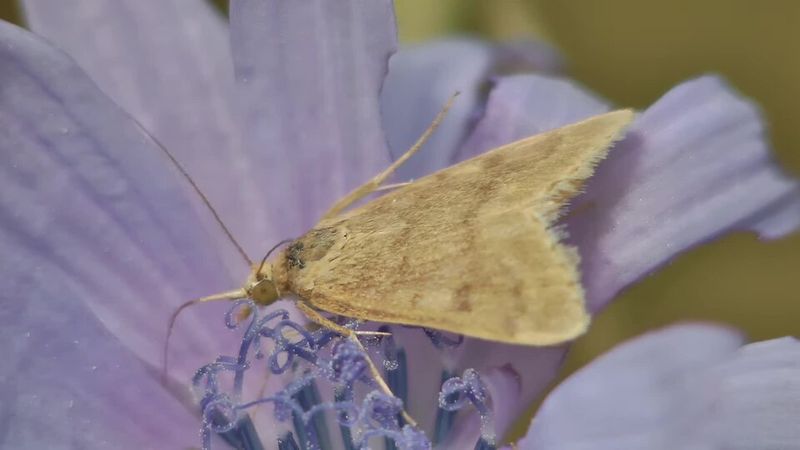
Rows of rustling corn stalks feel like pure autumn, especially next to a pile of pumpkins. Unfortunately, those cute fall decorations can hold a hungry secret inside.
European corn borer caterpillars tunnel into stalks during summer and stay put once the weather turns cold. Each one spends winter curled up inside the stalk.
In spring, they turn into moths that lay eggs on fresh corn plants. Their babies bore into ears and stems, causing broken stalks and wormy kernels.
The pest also bothers peppers, green beans, and even some flowers in New York gardens. Old stalks give it a free winter hotel right where the buffet reopens.
Look for small holes and sawdust-like crumbs on stalks as a warning sign. Split one open and you might spot a pale, spotted caterpillar resting inside.
Cut stalks close to the ground after harvest rather than leaving tall stubs standing. Shred them with a mower or chipper so the hiding spots are removed.
Tilling chopped stalks into the soil buries any remaining larvae under several inches of dirt. Plenty of them will not make it back to the surface.
Using stalks for porch decor? Toss them out by early spring, before moths have a chance to emerge and fly.
Farmers once lost huge harvests to this pest after it arrived around 1917. Careful cleanup is still one of the cheapest defenses around.
Clear the stalks before the ground freezes, and next August’s corn starts with fewer borers.
5. Cucumber Beetles Sheltering Along Weedy Edges
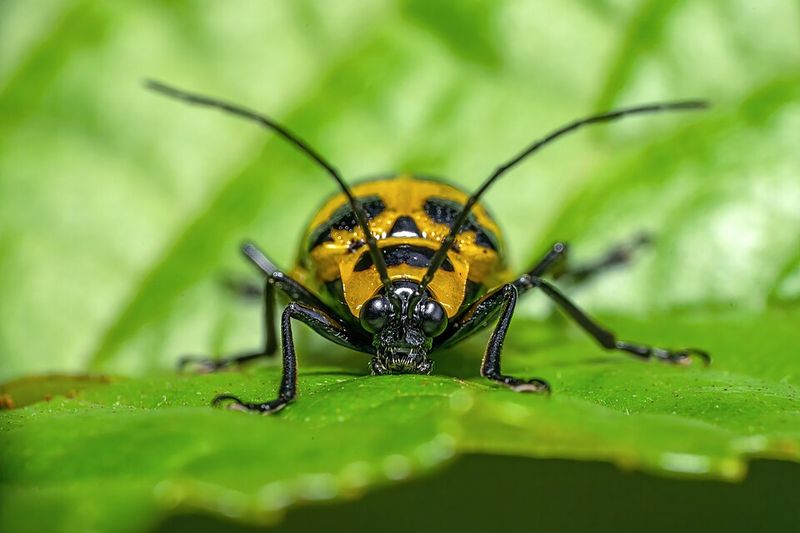
Yellow and black, cucumber beetles are common pests of vine crops. They chew leaves, scar fruit, and spread bacterial wilt too.
Striped and spotted kinds both live in New York, and striped adults spend winter tucked in garden trash. Old cucumber vines, weedy edges, and leaf piles make perfect blankets.
Bacterial wilt is the real danger they carry from plant to plant. Infected cucumbers can wilt within days and often do not recover, no matter how much you water.
Fall cleanup breaks that cycle before it starts. Remove all vines, along with melon and squash plants, once your last harvest is done.
Pull weeds along fences and garden borders too, since beetles love those messy spots. Mowing nearby grass short removes even more cozy winter shelter.
Bag wilted plants and put them in the trash, not your compost bin. The wilt bacteria overwinter inside the beetles, so removing their shelter matters most.
Next spring, plant cucumbers a little later than usual, once beetles have spread out elsewhere. Row covers keep young plants safe until blossoms show up.
Yellow sticky traps near the bed can also catch early arrivals. Some gardeners grow a few sacrificial squash plants nearby to lure beetles away.
Curious detail: these beetles are drawn to bitter compounds in cucumber leaves. Some newer varieties are bred to taste less bitter, so beetles notice them less. Remove the vines this month, and next summer’s cucumbers face fewer beetles.
6. Mexican Bean Beetles Passing Winter In Fallen Leaves
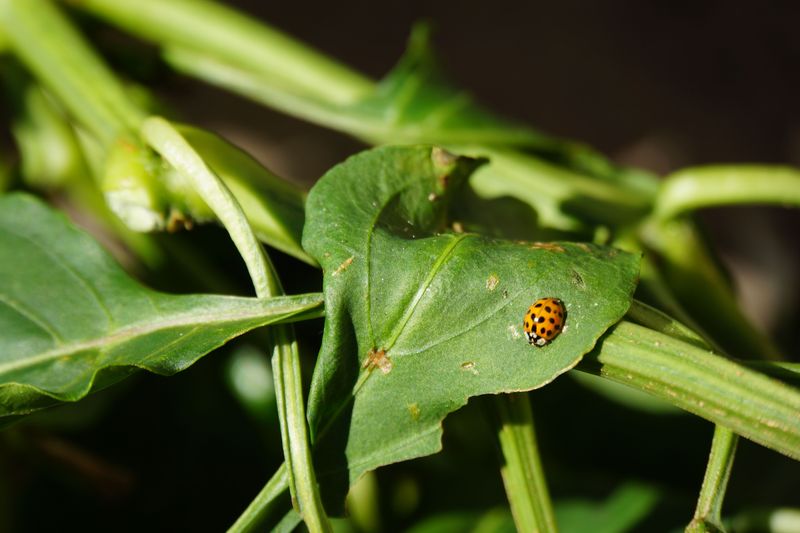
At first glance, a Mexican bean beetle looks a lot like a friendly ladybug. Look again, and you will see a coppery shell with sixteen black spots.
Unlike their helpful cousins, these beetles munch bean leaves until only lacy skeletons remain. Green beans, lima beans, and soybeans are all on the menu.
As fall arrives, adults leave the garden to hide in leaf litter and old plant debris. Bean plants left standing give them an easy place to rest nearby.
Their spiky yellow larvae feed just as hard as the adults. You will usually find them on leaf undersides, scraping away the soft green tissue.
Your fall plan starts with pulling bean plants out by the roots. Bean roots add nitrogen to soil, so some gardeners prefer cutting stems at ground level instead.
Either way, clear the leafy tops and haul them away from the garden. Rake fallen leaves along fences, where beetles like to snuggle in for winter.
In spring, plant beans in a fresh spot and watch closely in early summer. Remove yellow egg clusters from leaf undersides before they hatch into larvae.
A tiny wasp called Pediobius foveolatus can be bought to help control these beetles naturally. Some organic growers in the Northeast release it in summer.
Kids enjoy hunting for the beetles, especially once they learn the ladybug lookalike trick. It turns garden chores into a surprisingly fun spotting game.
Healthy soil and steady watering also help bean plants shrug off light damage. Strong plants simply bounce back faster after a few beetle bites.
7. Slugs Laying Pearly Eggs Under Rotting Fruit
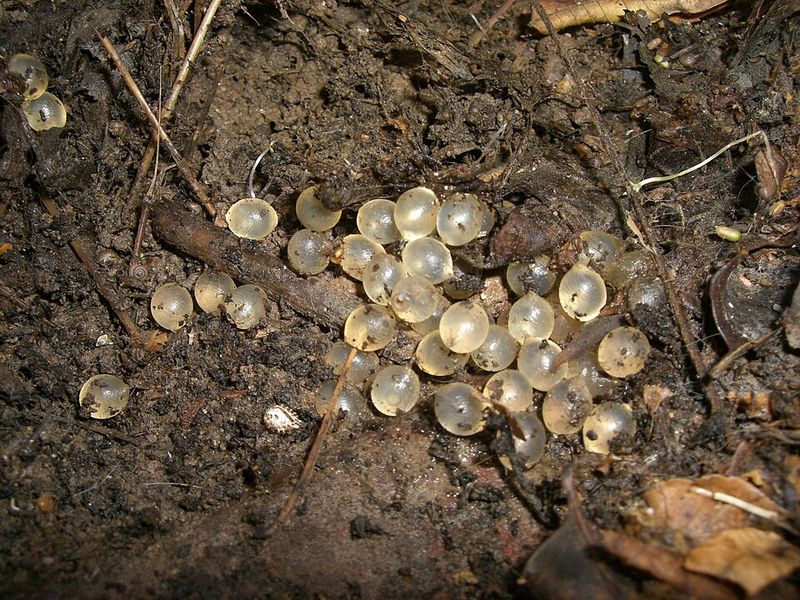
A soft, forgotten melon underfoot in October is unpleasant. Slugs, however, see that squishy mess as a five-star resort.
Rotting melons, pumpkins, and tomatoes stay moist and cool, which slugs adore. Females tuck clear, pearly egg clusters into moist soil and debris beneath that soggy fruit.
In New York, many slug eggs survive winter and hatch as soon as spring warms up. The babies come out hungry and head for lettuce, strawberries, and seedlings.
One slug can lay hundreds of eggs in a single year. Leaving rotten fruit around is like handing them a nursery with snacks included.
Grab gloves and a bucket for a quick fruit patrol. Pick up every split melon, mushy pumpkin, and fallen tomato you can find.
Check under boards, rocks, and thick mulch while you are at it. Slug eggs look like tiny clear beads, often bunched in groups of twenty or more.
Hot compost piles can handle fruit, but cool piles may just become slug daycare. When unsure, send rotting produce out with the trash.
Thin out heavy mulch near beds before winter so soil can dry a bit. Slugs dislike dry, open ground and tend to move along.
Did you know a slug’s tongue carries thousands of tiny teeth? No wonder they can damage lettuce within a night.
Next spring, try beer traps around raised beds. Results with copper tape are mixed. Ducks and chickens are also happy to help with cleanup duty.
Watering in the morning instead of evening helps too, since slugs prowl on damp nights. A drier garden at dusk means fewer slugs.
8. Onion Thrips Lurking In Dried Allium Tops
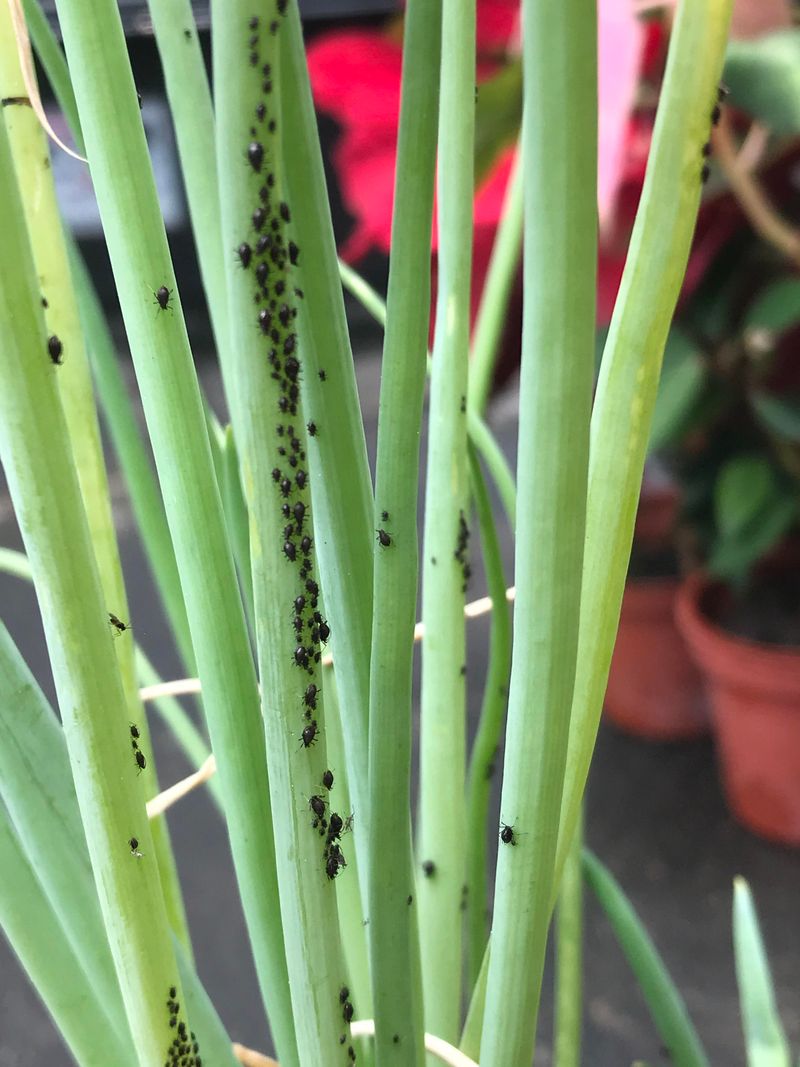
Silvery streaks on onion leaves may seem harmless, but they tell a story. Onion thrips, tiny insects smaller than a grain of rice, leave those marks behind.
Barely visible to the eye, thrips scrape leaf surfaces and drink the juices that leak out. Heavy feeding stunts bulbs and leaves plants looking pale and twisted.
When fall comes, adults hide in onion tops, garlic leaves, and weedy grass around the garden. New York winters slow them down, but plenty survive in that debris.
Thrips also feed on cabbage, cucumbers, and many flowers, so they rarely run out of food. Hot, dry summers can make their populations rise quickly.
Clear away dried onion and garlic leaves after harvest instead of leaving them on beds. Cull piles of damaged onions should go in the trash too.
Weeds near the garden edge deserve attention as well. Thrips happily overwinter in grassy borders and fly into crops once spring arrives.
Next season, a sharp spray of water helps knock thrips off leaves during dry spells. Mulching with straw may also reduce their numbers, though results vary.
Blue sticky cards are great for spotting them early. Thrips seem drawn to blue more than yellow, which surprises many gardeners.
Planting onions away from grain fields or cabbage helps break up their buffet line. Rotating beds each year helps a little, though thrips can fly between plantings.
Healthy, well-watered onions handle light damage much better. With a tidy fall garden, your bulbs can grow big, sweet, and ready for soup.