Bumpy Green Husks Piling Up Under Missouri Trees Can Turn Into Cash At Local Buying Stations
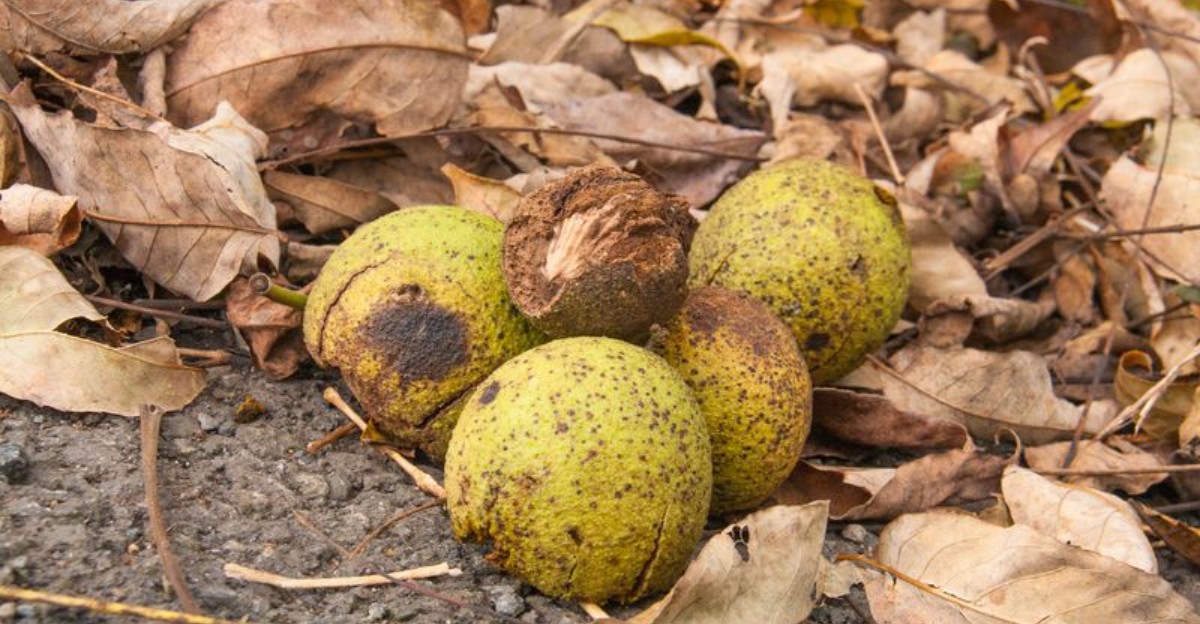
Something keeps thumping onto your Missouri lawn every October, like tennis balls dropped by a clumsy giant. They smell sharp like lemons, roll under your mower, and stain your fingers a stubborn brown.
Most people grumble, grab a rake, and toss the bumpy mess into the brush pile out back. A smaller group smiles quietly, because they know those lumpy green balls carry a price tag.
Across Missouri, small towns set up scales in busy parking lots and feed stores every fall. Families show up with buckets, feed sacks, and pickup beds sagging under their heavy backyard haul.
Kids watch the scale numbers climb while grandparents swap stories about big harvest years. The air smells earthy and spicy, like wet leaves mixed with pepper after a cool evening rain.
Hulling Stations Pay Real Dollars For Backyard Harvests
Picture a farm truck backing up to a roaring machine that spits out husks and keeps the nuts. Those bumpy green balls under your trees are black walnuts, and many Missouri buying stations pay cash for them.
Many stations work with Hammons Products, a family company in Stockton that has bought wild walnuts for decades. The company cracks, cleans, and sells the nutmeats to bakers, ice cream makers, and home cooks across the country.
At the station, workers dump your walnuts into a huller that strips the green husk in seconds. You get paid by the weight of the hulled nuts, not the heavy, soggy husks that fall away.
Prices change from year to year, and the 2026 opening price is $14 per 100 pounds after hulling, which works out to about fourteen cents per pound. That might sound small, yet a single big tree can drop hundreds of pounds in a strong year.
Some stations may offer extras for regular sellers, so ask the station owner what is available this season. Rules and prizes can shift from one season to the next.
Black walnuts grow wild across much of the state, so they rarely need any planting, spraying, or special care. That makes them a low-effort crop, because the trees handle most of the work.
Fun fact, Missouri is one of the top walnut-producing states, and the Midwest is the only place where wild black walnuts are gathered and sold on a large scale. So that messy yard chore may really be a small paycheck hiding in plain sight under the branches.
Early October Timing For Peak Harvest
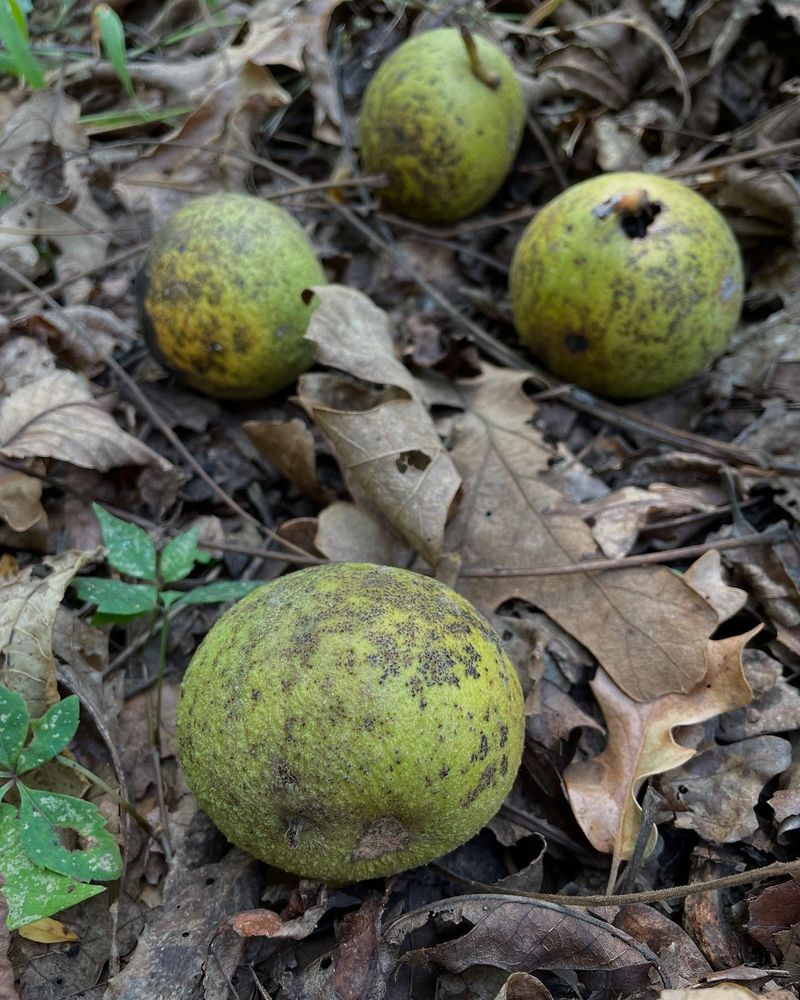
Timing matters more than most beginners expect, and early October sits right in the sweet spot for gathering. Across Missouri, the trees start dropping nuts in late September, and the heaviest falls usually come a few weeks later.
Hammons stations open October 1 and buy through November 16 this season, though hours vary by site. Dates can vary by town, so a quick phone call before loading the truck can save a wasted drive.
Ready walnuts usually let go of the branch on their own, especially after a windy night or a hard rain. Mature nuts usually have green to yellowish husks that give slightly under firm pressure.
Your Missouri Garden Changes Every Week. Your Plan Should Too.
Gardening in Missouri changes quickly throughout the season. Every Friday you’ll receive a simple weekly plan showing exactly what to plant, prune, fertilize, harvest, and protect so you never miss the right timing.
Shaking a branch with a long pole can speed things up, but keep kids and pets back. Falling walnuts are heavy, so a hat is a smart idea.
Cool mornings make the work more pleasant, with crisp air, crunchy leaves, and fewer bugs buzzing around your ears. Plan short trips outside after breakfast, then haul your full buckets to the station later in the afternoon.
Some trees produce a huge crop one year and a skimpy one the next, which is perfectly normal. Watch your neighborhood trees closely, because a light year in your yard may mean a loaded one down the road.
Gathering every few days keeps the pile fresh and helps keep squirrels from carrying off your future earnings. Those furry neighbors work fast in October, and they rarely leave a thank-you note on the porch.
Green Husks Versus Soggy Black Mush
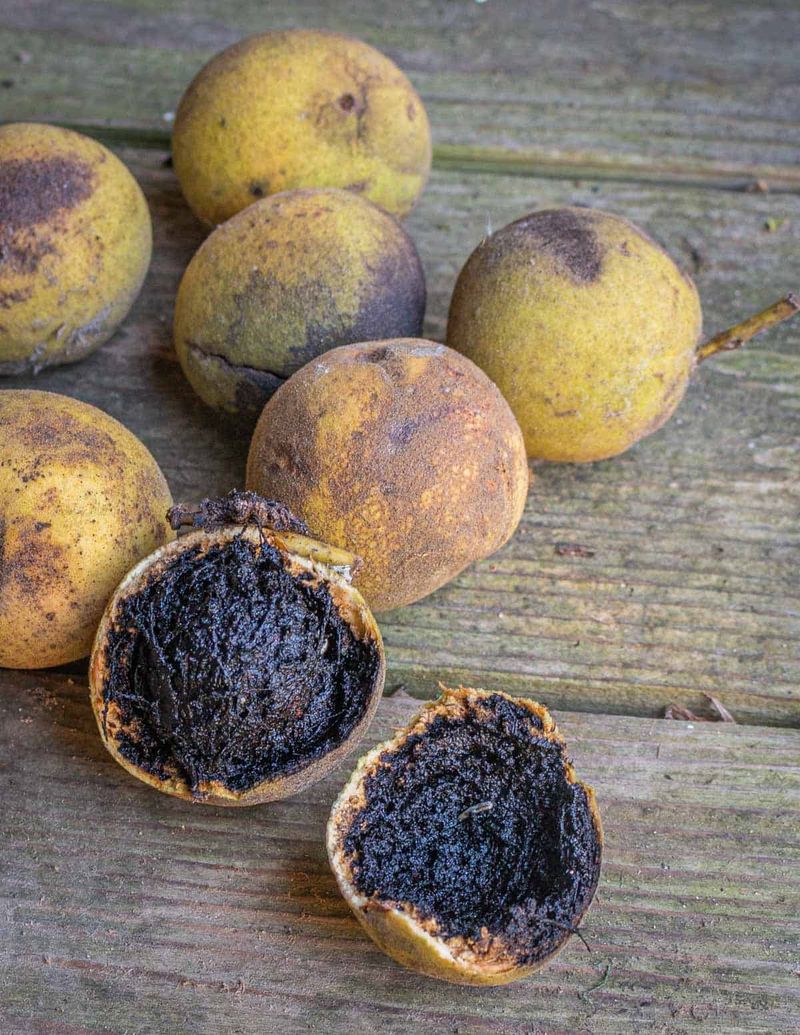
Ask any longtime seller about their biggest early mistake, and you will probably hear about forgotten piles. Walnuts left sitting for weeks turn from bright green to soft, black, and smelly in a surprisingly short time.
That dark goo seeps through the shell and can stain or damage the nutmeat hiding inside. Buyers want clean, healthy kernels, so mushy walnuts may earn less money or get turned away at the scale.
Worms are another problem, because husk fly larvae love to wiggle around inside old, soft husks. They mostly stay in the husk, but heavy damage can darken the shell and lower the quality of the nut.
Another common slip is storing walnuts in sealed plastic bags, which traps moisture and invites mold to move in. Mesh onion sacks, feed bags, or open buckets let air flow and keep your harvest much fresher.
Some folks also try to peel the husks off at home before selling, thinking it will boost their payout. Most stations prefer to hull walnuts themselves, so the extra hours of stained, sticky labor often bring no reward.
Mixing in sticks, rocks, or English walnuts from a neighbor can cause trouble when the station sorts your load. Keep your sacks clean and simple, filled only with the bumpy green black walnuts the buyers are hoping for.
A good rule of thumb is to sell within one to two days of gathering, while the husks still feel firm. Fresh nuts weigh in cleanly, hull easily, and leave everyone at the station a little happier with the deal.
Stain-Free Hands With The Right Gear
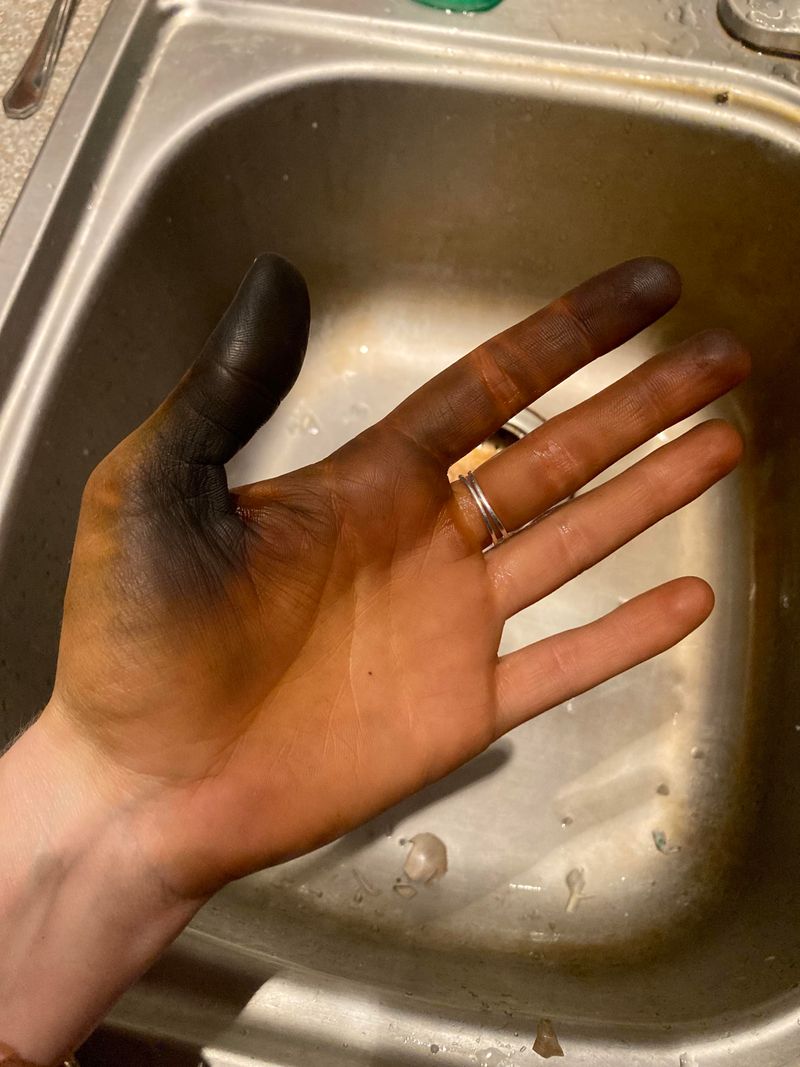
Walnut husks contain a natural dye so strong that pioneers once used it to color cloth a rich brown. Touch them bare-handed, and your fingers may look like you finished a mud wrestling match for about two weeks.
Thick rubber or nitrile gloves make the biggest difference, and a cheap box from the hardware store works fine. Cloth gloves soak up the juice quickly, so save them for raking leaves instead of handling husks.
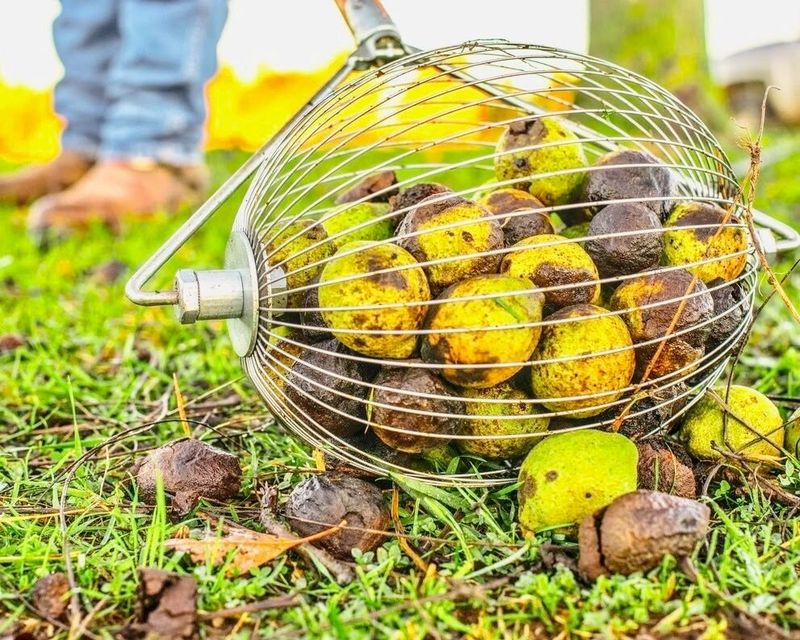
A rolling nut gatherer, the kind with a wire basket on a long handle, saves your back. Simply roll it across the grass, and the walnuts pop into the cage like popcorn jumping into a bowl.
Old clothes are a smart choice too, since stains on jeans and sneakers rarely wash out in the laundry. Pick a pair of beat-up boots and call them your official walnut shoes for the rest of the season.
Sturdy five-gallon buckets with handles make hauling easier, and each full bucket holds a surprisingly heavy load of nuts. Line them up in the truck bed or wagon so loading at the station goes quickly and smoothly.
If your skin does get stained, scrubbing with lemon juice and baking soda can lighten the marks a little. Patience works best, though, because the brown color mostly fades on its own as your skin naturally renews.
Keep a water jug and a rag in the truck for quick cleanups between trees on busy gathering days. Small habits like these keep the job fun, tidy, and much less likely to follow you to school.
A Truck Bed Full Of Pocket Money
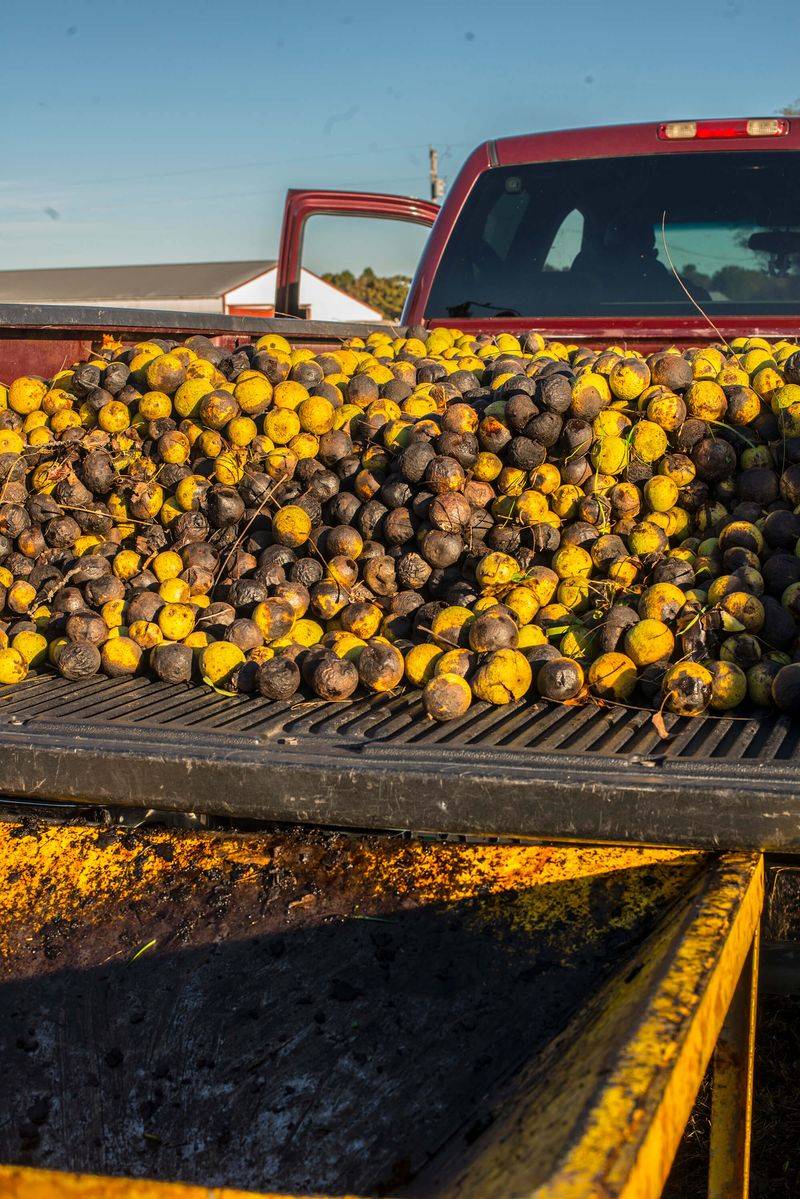
Many Ozarks farmers joke that their walnut trees are the only unpaid employees on the property. Each October, they fill a pickup bed, drive to the station, and leave with a little extra cash for the holidays.
Earnings depend on weight, and the station only pays for nuts after the green husks are stripped away. Husks make up a big share of each walnut, so a hundred pounds gathered may shrink to about half.
Say a station pays fourteen cents per pound and your family brings in eight hundred pounds of hulled nuts. That trip would earn about $112, which is a nice reward for raking up yard clutter.
Stations usually pay on the spot, often in cash, so payment rarely involves waiting. Bring a notebook to track each visit, because watching the totals climb feels surprisingly satisfying over the season.
Many families turn the harvest into a team project, with kids earning a share for every bucket they fill. Youth groups, 4-H clubs, and church teams sometimes gather walnuts together to raise money for trips or supplies.
Neighbors with walnut trees but no time to gather may happily let you collect from their yards for free. Ask politely first, and maybe offer a share of the cash or a loaf of homemade walnut bread.
Beyond the money, the trip itself becomes a fall tradition filled with chatter, sunshine, and that earthy walnut smell. Plenty of Missouri kids remember their first station visit long after the cash is spent on snacks.
Healthy Trees For Next Year’s Harvest
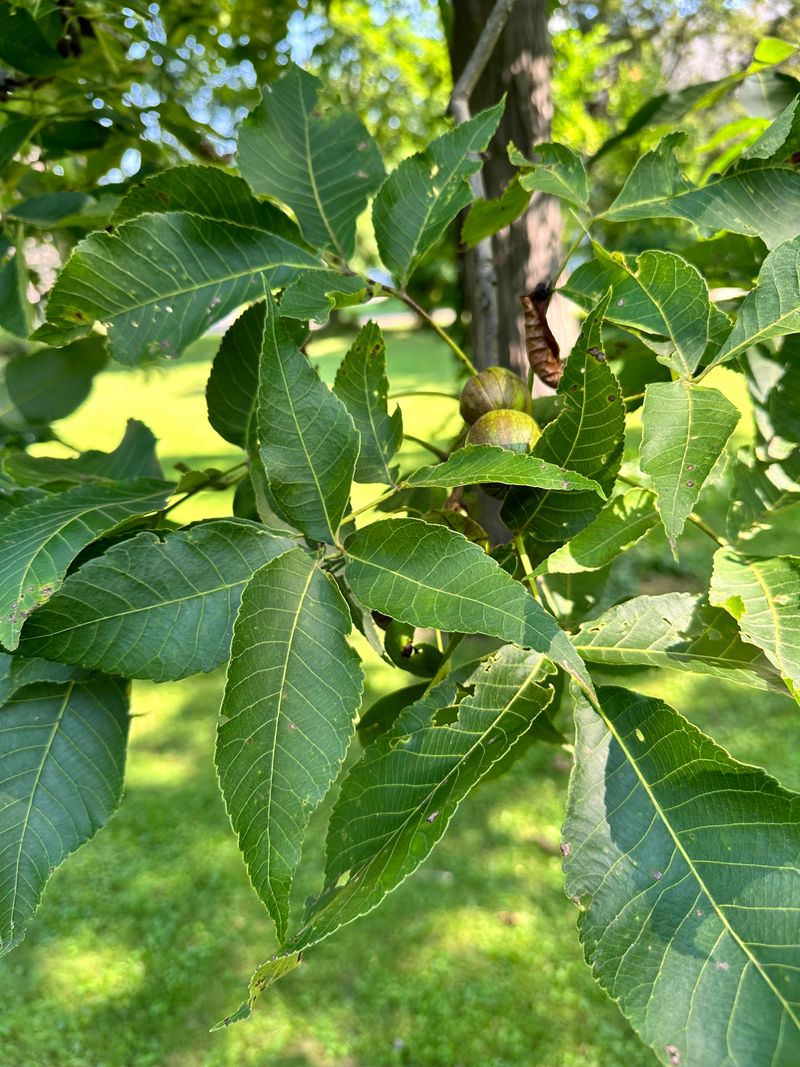
A black walnut tree can keep producing nuts for well over a hundred years with very little fuss. Giving it a bit of attention this fall helps set the stage for another generous crop next October.
Start by raking up leftover husks and fallen leaves, since they can shelter husk flies over the winter. A cleaner yard means fewer pests next year and fewer stained, wormy nuts in your buckets.
Walnut leaves and roots release a natural chemical called juglone that can bother tomatoes, peppers, and some flowers. Keep those husk piles out of your compost and away from the vegetable garden to avoid struggling plants.
Mowing carefully around the trunk protects the bark, which works like a tough jacket for the tree. A ring of mulch a few feet wide keeps weed trimmers at a safe distance and holds soil moisture.
Look over each tree for broken limbs after fall storms, because damaged branches can drop without warning. Big pruning jobs are best left for late winter, when the tree is resting and wounds heal more cleanly.
Planting a few young walnuts now can also pay off for your kids or grandkids down the road. Squirrels already do this by burying nuts and forgetting them, which explains surprise seedlings popping up in odd spots.
The Missouri Department of Conservation sells native seedlings each year, including black walnut, at fair prices. A tree planted this fall might fill buckets for a future family that has not even been born yet.