Should You Burlap Ohio Boxwoods This Winter? When It Helps And When It Hurts
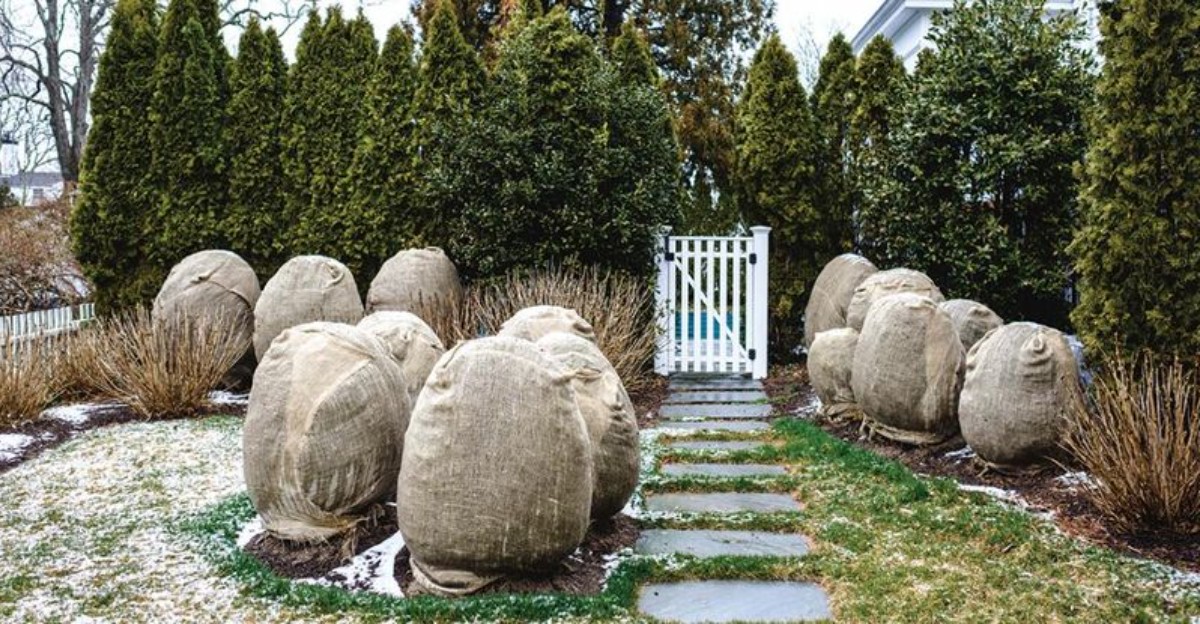
Wrap a boxwood in burlap and you feel like a good plant parent. Sometimes you are.
Sometimes you’ve just tucked in a problem.
Ohio winters throw wind, ice, and brutal sun at these shrubs, so the urge to bundle them up makes sense. Burlap can shield a hedge from some of that.
It can also trap trouble against the leaves, depending on how and when it goes on.
The answer shifts with where your boxwoods sit, which kind you planted, and how harsh the exposure gets. A hedge by the driveway plays by different rules than one tucked beside the house.
Size up your own yard before you start wrapping. The right call for the neighbor’s shrubs might be the wrong one for yours.
1. Winter Burn Starts With Frozen Ground
Picture sipping a milkshake through a straw that is frozen solid. That is roughly what a boxwood faces in January.
Evergreen leaves keep losing water all winter long. Dry air, wind, and sunshine pull moisture out, even on chilly days.
Normally, roots would send up fresh water to replace it. When the soil freezes, though, that supply line shuts down.
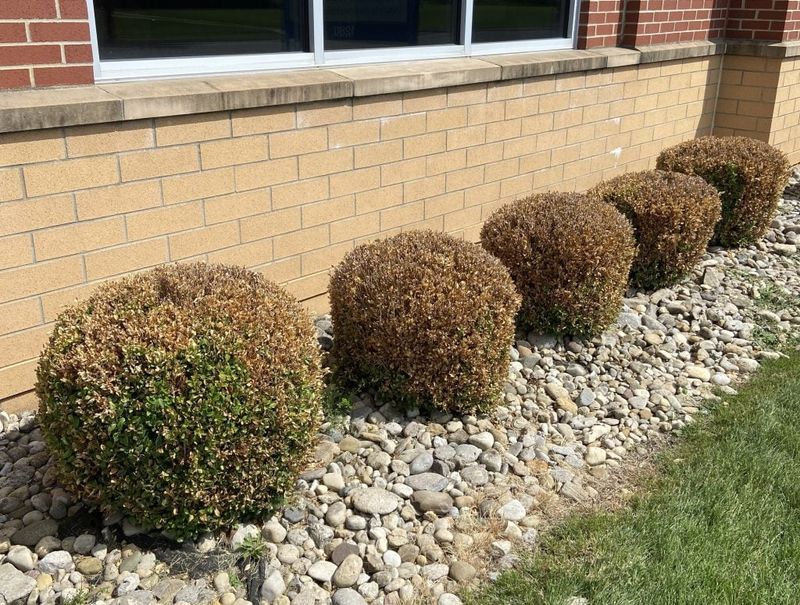
The plant ends up thirsty with no way to drink. Gardeners call the result winter burn, or desiccation injury.
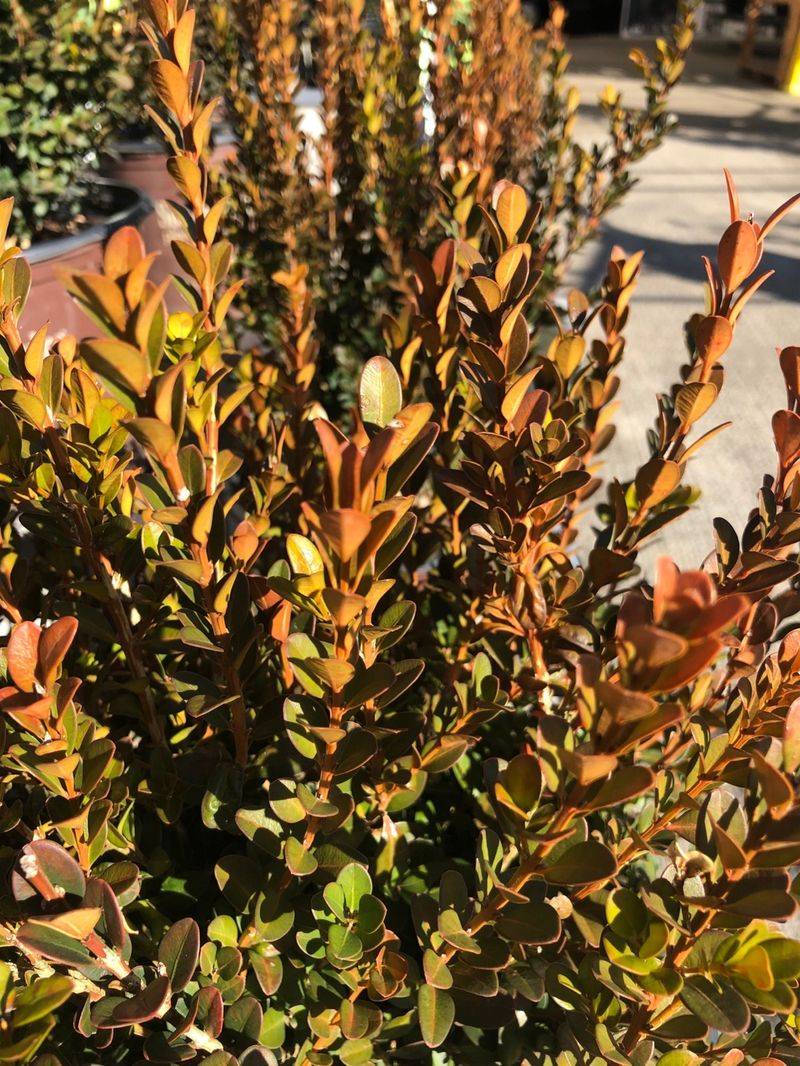
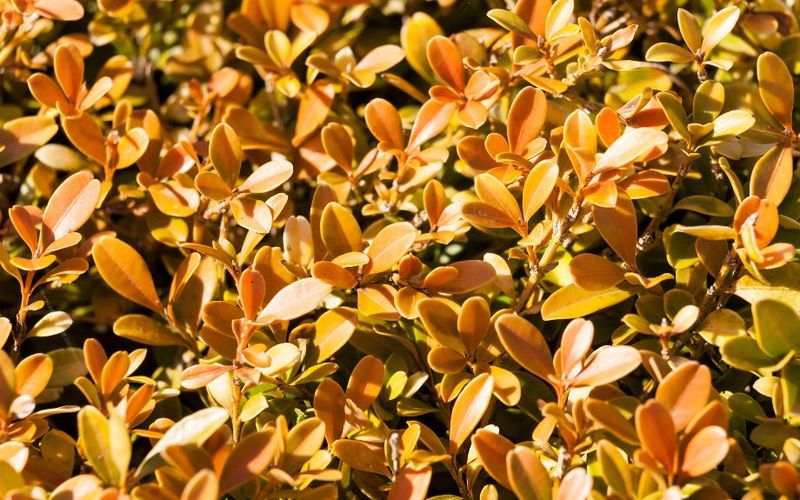
Leaves turn bronze, yellow, or a dull straw color. Sometimes whole sections of a shrub go brown at once.
Ohio has seen this happen after sharp cold snaps. One brutal week around Christmas left many local hedges looking toasted by spring.
Here is the good news for your planning. Knowing the cause helps you pick the right fix instead of guessing.
Burlap does not warm the soil or thaw the roots. Its job is to slow water loss from the leaves above ground.
So before you buy a roll, think about moisture first. A well-watered shrub with mulched roots starts winter far stronger.
Add two to three inches of shredded bark over the root zone. Keep it a few inches back from the stems so bark stays dry.
Mulch helps the ground freeze more slowly and thaw more gently. That buys the roots extra drinking time in late fall.
2. West Winds And South Sun Do The Most Damage
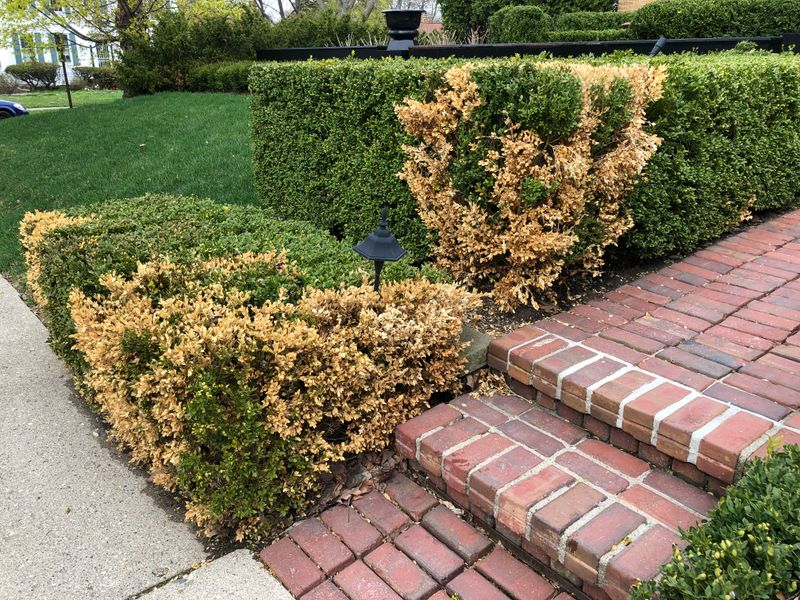
Walk around your yard in February and look closely at your shrubs. The ugliest browning usually shows up on the same sides.
In Ohio, cold winter winds tend to blow from the west and northwest. They scrape across leaves from November through March.
Every gust carries away a little more moisture. Over weeks, that steady drying adds up to real damage.
The south side has a different problem. Low winter sun hits those leaves hard, warming them on bright afternoons.
Warm leaves lose water faster, but frozen roots cannot refill them. Snow on the ground can bounce extra glare onto the plant too.
Put wind and sun together on a southwest corner, and you have trouble. Shrubs in full sun with that exposure face the highest risk.
Your Ohio Garden Changes Every Week. Your Plan Should Too.
Gardening in Ohio changes quickly throughout the season. Every Friday you’ll receive a simple weekly plan showing exactly what to plant, prune, fertilize, harvest, and protect so you never miss the right timing.
Damage often appears on the upper parts of the plant first. Lower branches hiding under snow frequently stay green.
Try a quick test this week. Stand by your boxwoods on a breezy, sunny afternoon and notice which side feels harshest.
That side is where any screen should go. You rarely need to protect all four sides of a shrub.
Buildings, fences, and slopes can change wind paths in surprising ways. A corner near a driveway might act like a wind tunnel.
Jot down notes or snap a photo for next year. Your own yard is the best teacher you will find.
3. Water Deeply Before The Ground Freezes
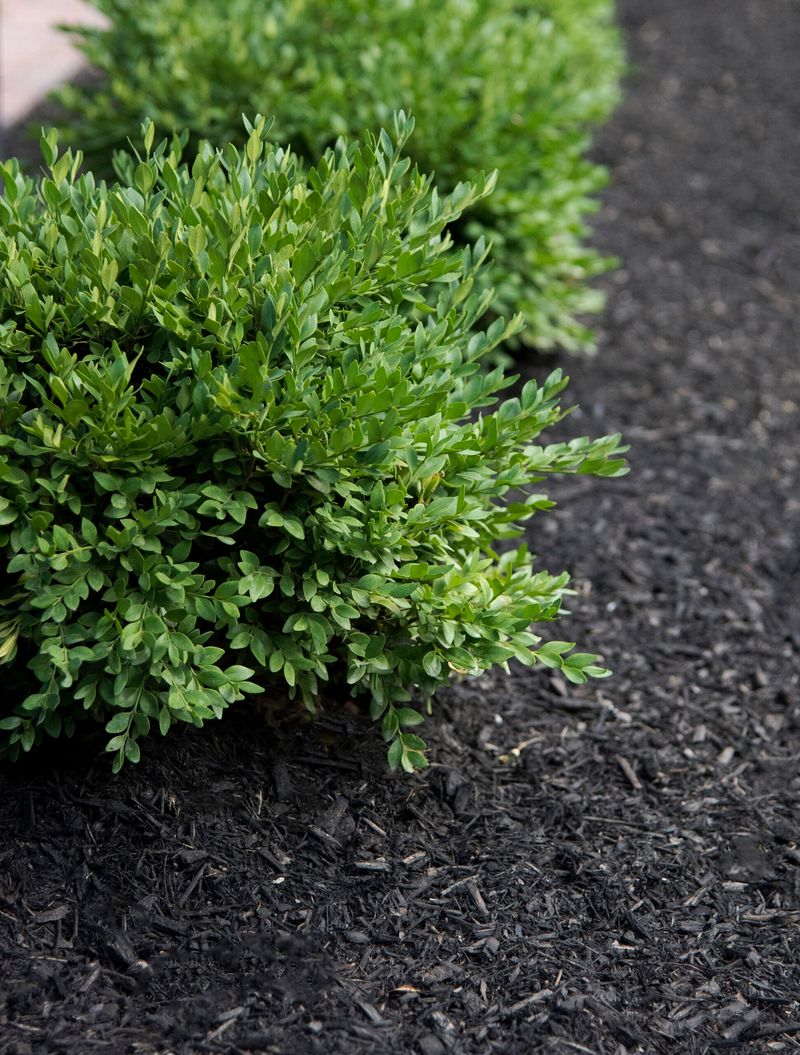
Ask any experienced gardener for their top winter tip, and many will say the same thing. Grab the hose, not the burlap.
Boxwoods have shallow roots and dislike drought. A plant that heads into winter dry is already behind before the first freeze.
Aim for about one inch of water per week during dry spells in fall. A rain gauge or tuna can in the bed makes measuring easy.
Water slowly so it soaks down instead of running off. A soaker hose or a gently trickling hose works nicely.
Keep going until the ground is reliably frozen. In much of Ohio, that means late November or into December.
Warm spells in winter offer bonus chances. If the soil thaws and the weather turns dry, give plants another drink.
Young shrubs need extra attention. Boxwoods planted in the last two or three years have not grown deep roots yet.
Shrubs near brick walls or under roof overhangs also miss rain. Check those spots with your finger before assuming they are fine.
Fun fact: water is the main ingredient in plant leaves. Well-filled cells hold up much better against drying wind.
Skip fertilizer in late fall, though. Fresh tender growth gets hurt easily once the cold arrives.
Think of fall watering as packing a lunch for a long trip. Your boxwood will snack on that stored moisture for months.
4. A Burlap Screen Helps Boxwoods In Windy Spots
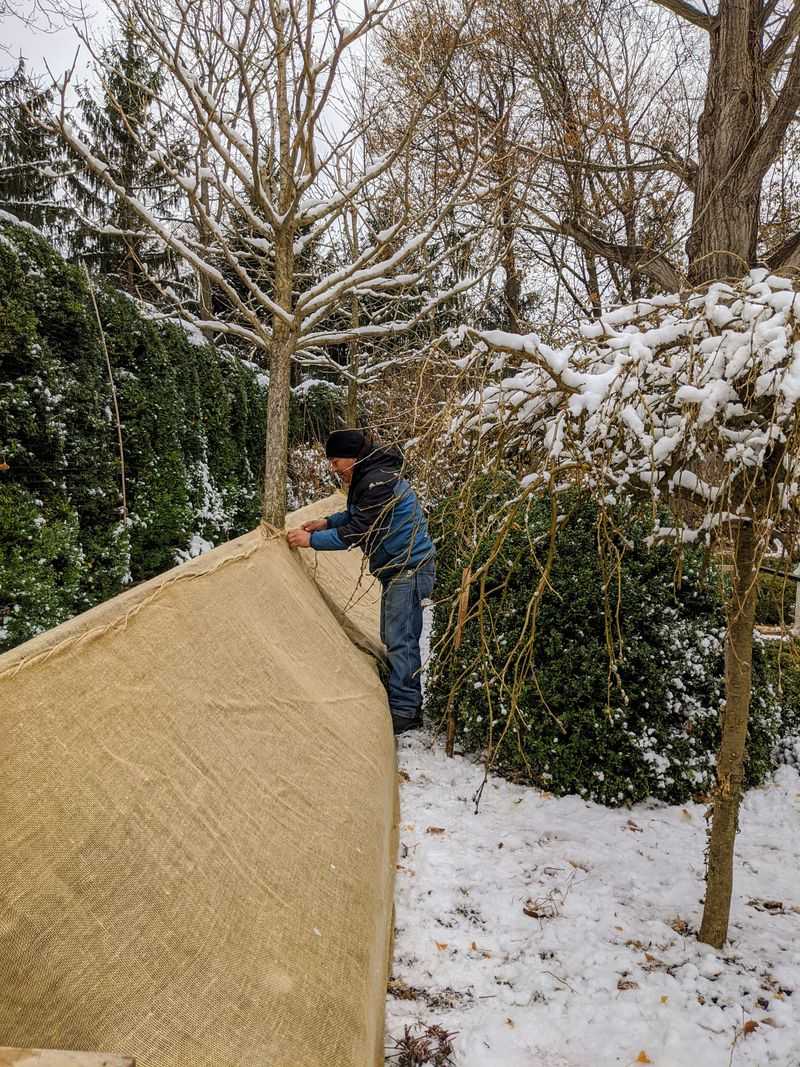
Now for the moment burlap truly shines. In an exposed, breezy spot, a simple screen can save a lot of heartache.
The trick is to build a shield, not a wrap. Burlap stands a few inches away from the plant, like a little fence.
Wind hits the cloth and slows down before reaching the leaves. The fabric also casts light shade during harsh afternoons.
Both effects reduce moisture loss and soften wild temperature swings. Less-hardy varieties benefit the most.
Here is an easy way to set one up. Pound three or four wooden stakes into the soil before it freezes.
Staple burlap to the stakes on the west and south sides. Leave the top open so light and air can reach the plant.
Keep the fabric about six inches from the branches. Touching cloth can rub leaves and trap moisture against them.
Choose natural, untreated burlap if you can. It breathes well and lets some light pass through.
Install screens in late November after plants have hardened off. Take them down in March once harsh winds calm.
For a long hedge, run one continuous strip along the windy side. Fewer stakes, less work, and the same helpful shelter.
A neat screen can even look charming, like a rustic garden decoration. Some folks add a ribbon or evergreen sprig for fun.
5. Burlap Can Block Road Salt Spray
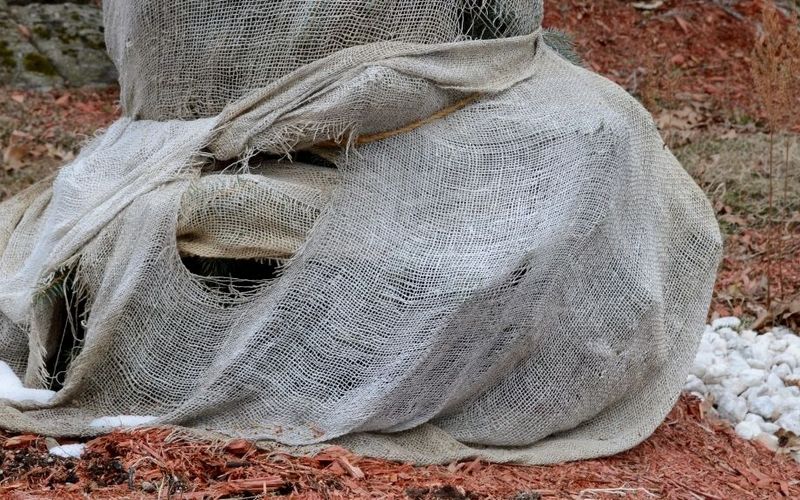
Snowplows rumble by, and a fine salty mist drifts over the front yard. Your boxwoods by the curb catch every bit of it.
Road salt is tough on many evergreens. Salt spray dries out leaf tissue and can leave tips brown and crispy.
Salt can also build up in soil along driveways and sidewalks. That makes it harder for roots to take up water.
Shrubs within about ten to fifteen feet of a busy road are most at risk. Corner lots and spots near plowed sidewalks get hit hardest.
A burlap screen works as a physical barrier here. Set it on the side facing the street to catch spray before it lands.
Make it a bit taller than the shrub for better coverage. Slushy splashes from tires can fly higher than you might expect.
Back it up with smart choices on your own property. Use calcium magnesium acetate or sand instead of rock salt near plantings.
Avoid piling salty snow on top of shrubs when shoveling. Toss it onto the lawn or another open area instead.
In spring, water the soil deeply a few times. That helps rinse leftover salt down past the root zone.
If a curbside hedge struggles each year, consider your options. A salt-tolerant shrub might be a happier fit for that spot.
6. Wrapping Too Tightly Cuts Off Sunlight
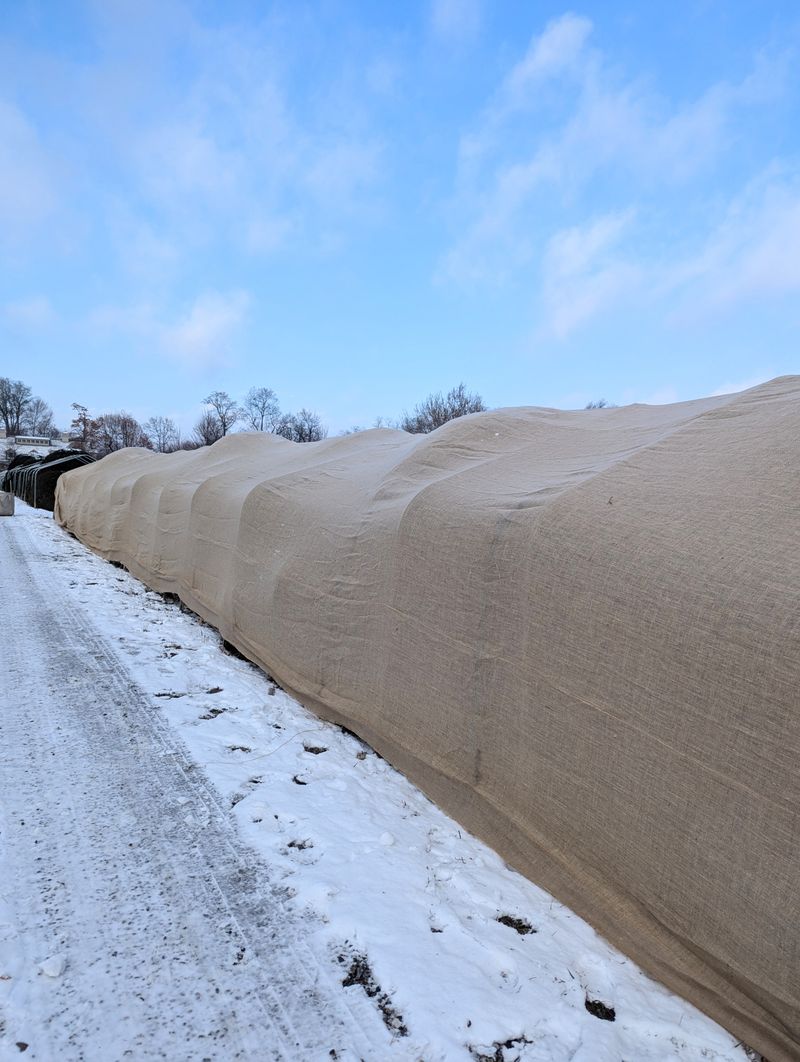
It is tempting to bundle a boxwood like a burrito. Plenty of well-meaning gardeners do it every November.
Unfortunately, a snug wrap can create new trouble. Boxwoods are evergreens, and their leaves keep working in winter.
Those green leaves still need some sunlight on mild days. Wrapped up tight, they sit in gloomy shade for months.
Leaves that live in darkness too long can turn pale or yellow. Come spring, the shrub may look weaker than when you covered it.
Tight wrapping also squeezes branches together. Snow and ice pressing on the bundle can bend or snap stems.
Airflow suffers too, which matters a lot. Still, trapped air holds humidity right against the foliage.
Another surprise is heat buildup on sunny days. A dark wrap can warm the inside, then the plant chills fast at night.
Those quick swings stress the tissue instead of protecting it. The very thing you hoped to stop can get worse.
A better plan is a loose screen with an open top. Light filters in, air moves, and wind still gets blocked.
If you must cover a small shrub fully, keep it loose and brief. Remove it on warm days or as soon as a cold snap passes.
Plastic sheeting deserves a hard pass. It traps heat and moisture far worse than breathable cloth.
7. Damp Burlap Left On Too Long Invites Fungus
Late March arrives, and the burlap still hangs there, soggy and sagging. Underneath, something unwelcome may be brewing.
Fungi love cool, damp, still air. Wet cloth pressed against leaves creates exactly that kind of hideout.
Rain, melting snow, and spring fog keep burlap soaked for days. If it touches the shrub, the foliage stays wet too.
Boxwoods already face fungal foes like Volutella blight and boxwood blight. Moist, crowded conditions can give those diseases a head start.
Timing matters more than most people think. Take burlap down once the worst winter winds settle, usually in mid to late March.
Pick a cloudy, calm day for removal. Sudden bright sun on tender leaves can cause a little scorch.
Check the fabric before storing it. Dry it fully in the sun, then fold it away somewhere dry.
Moldy or tattered burlap belongs in the trash, not the shed. Reusing dirty cloth could carry spores into next winter.
After removal, peek inside the shrub. Look for black streaks on stems, leaf spots, or a fuzzy coating.
Thin crowded branches a bit to let breezes pass through. Better airflow helps leaves dry quickly after rain.
Clean pruners with rubbing alcohol between plants. That small habit keeps problems from hopping down the hedge.
Spotted something odd? Your county Ohio State University Extension office can help identify it.
8. Boxwoods In Sheltered Spots Need Less Help
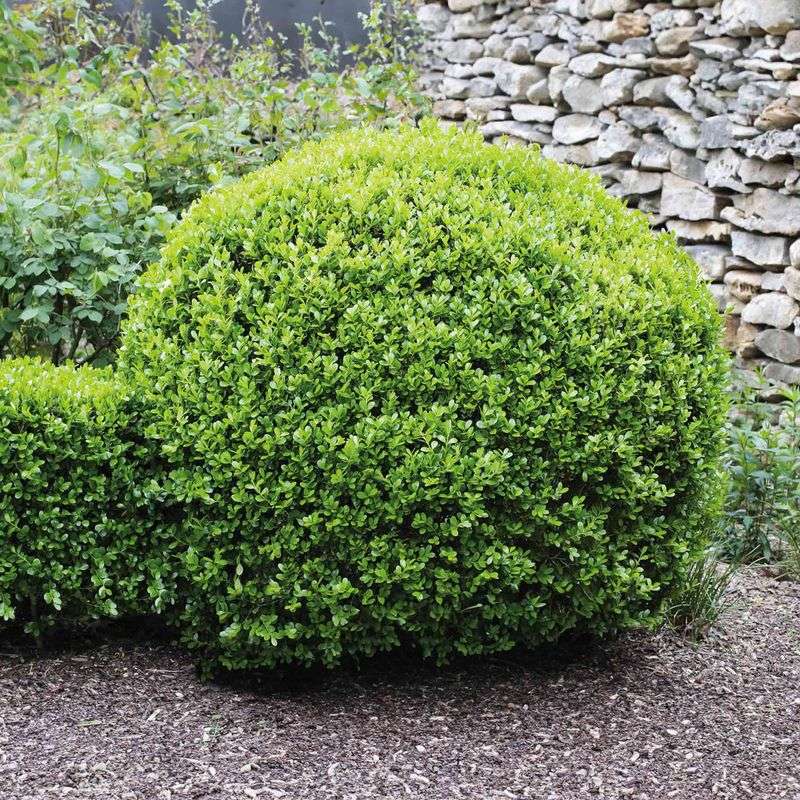
Some boxwoods live the easy life. Tucked beside a house or behind taller evergreens, they barely notice winter wind.
Plants in protected spots often need little or no burlap. Nature and nearby structures have already built their windbreak.
East-facing and north-facing beds tend to fare better. They dodge harsh afternoon sun and the strongest western gusts.
Shrubs in a courtyard or inside a fenced garden also get a break. Even a low hedge of neighbors can soften the blow.
How do you know if a spot is truly sheltered? Look at past winters for clues.
If a shrub stayed green after tough years, it probably has a cozy home. Save your time and supplies for plants that struggled.
Hardy varieties help too. Types such as Green Velvet, Green Mountain, and Chicagoland Green handle Ohio cold well.
Sheltered does not mean forgotten, though. Plants beneath roof eaves can still get very dry because rain misses them.
Give those shrubs the same fall watering as everyone else. Mulch their roots and check soil moisture during warm spells.
Skipping burlap where it is not needed has perks. Your yard looks tidier, and you avoid the risks of covering.
Planning new beds? Picking a sheltered site from the start saves years of winter fuss.
Think of burlap as medicine for specific patients. A healthy, protected shrub simply does not need the prescription.
9. Brown Leaves Aren’t Always Boxwood Blight
Spring arrives, you spot brown patches, and panic sets in. Before assuming the worst, take a slow, careful look.
Winter injury is very common in Ohio after deep cold snaps. It often shows as bronze, yellow, or straw-colored leaves on exposed sides.
Boxwood blight looks different. This fungus causes dark leaf spots, black streaks on stems, and fast leaf drop.
Blighted shrubs often look bare at the bottom first. Winter burn usually keeps its brown leaves attached for a while.
Other culprits can fool you too. Boxwood leafminer leaves blister-like bumps you can see inside the leaves.
Box tree moth caterpillars chew leaves and leave webbing behind. Volutella blight browns whole stems while the leaves stay intact.
Try the scratch test on a brown twig. Scrape it gently with a fingernail, and green tissue underneath means it is still alive.
Wait until new growth starts in late spring before pruning hard. Many winter-burned shrubs push fresh leaves and fill back in.
Trim off branches that stay brown and brittle. Cut back to green wood and clean your tools afterward.
If you see black stem streaks or sudden leaf drop, get help. Bag a sample and take it to your local Extension office.
Fast, correct answers protect the rest of your landscape. A little detective work now can save a whole hedge later.