Lenten Roses Planted This Fall Bring Winter Blooms To Shady Georgia Yards
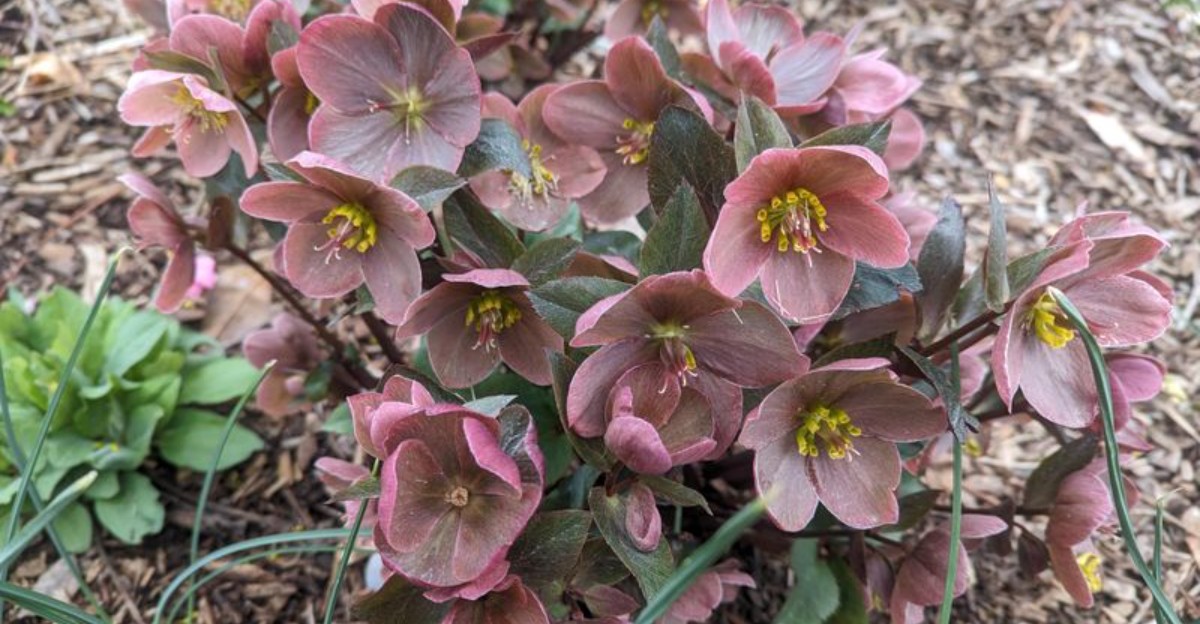
That bare patch beneath your trees does not have to stay empty once the rest of the garden settles down for winter.
Lenten roses handle shade beautifully and begin showing their value when many familiar plants are resting. Their nodding flowers can brighten otherwise quiet beds.
Fall planting gives the roots time to settle before the coldest part of the season arrives.
In Georgia, choose a shaded or partly shaded spot where water does not sit around the crown. Give each plant enough room to spread naturally.
Once established, these perennials can return for years with relatively little attention from you.
Planting them now turns a forgotten shady corner into a spot worth watching through winter. When buds begin appearing, that overlooked bed suddenly has something fresh to offer again.
1. Winter Flowers Make Lenten Roses Worth Planting Before Cold Arrives
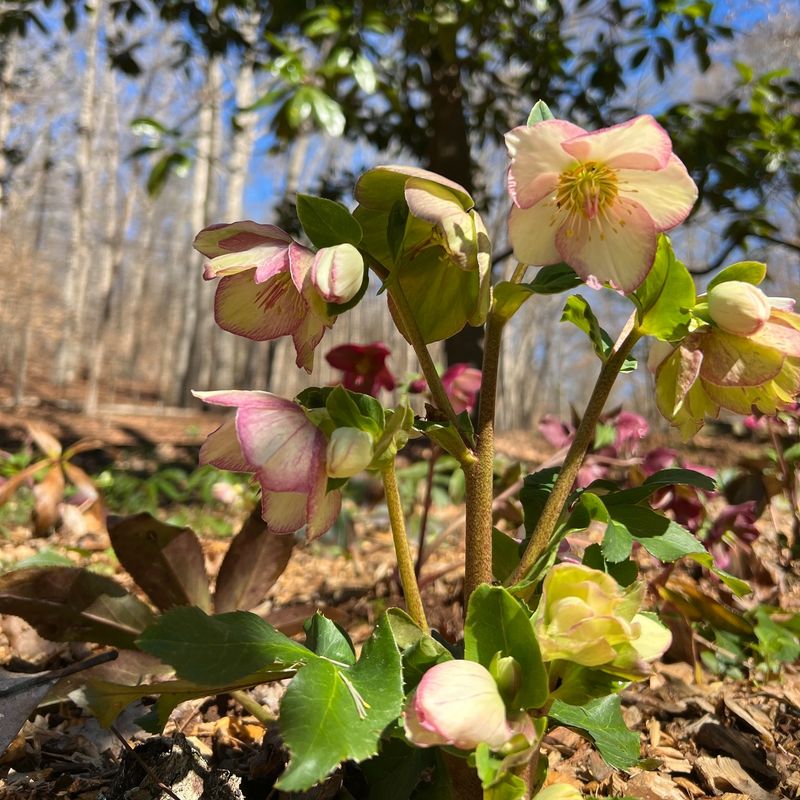
Color in February feels like a small gift. Lenten roses deliver it when most flower beds are still asleep and the lawn looks faded.
Blooms usually appear from late winter into early spring, though timing shifts with the weather and the variety you choose.
Flower shades run from creamy white and soft green to pink, plum, and deep burgundy. Some newer types have speckled petals or double blooms that look almost like tiny roses.
What makes them last so long is that the showy parts are sepals, not true petals, so they hold on for weeks.
Fall planting gives them a head start. Roots keep growing while the soil stays warm, even as the air turns crisp in much of Georgia.
Garden centers often stock potted plants in autumn, and some already show flower buds tucked near the base.
Young plants may bloom lightly their first winter or wait until the next one. Flower numbers depend on plant size, shade, soil, and how well the roots settle in.
Leaves are leathery and mostly evergreen, so the plant still adds texture after the flowers fade.
Wear gloves while handling them, since all parts of the plant are toxic if eaten. Keep that in mind if pets or small kids spend time in the garden.
2. Choose Partial Shade With Protection From Harsh Afternoon Sun
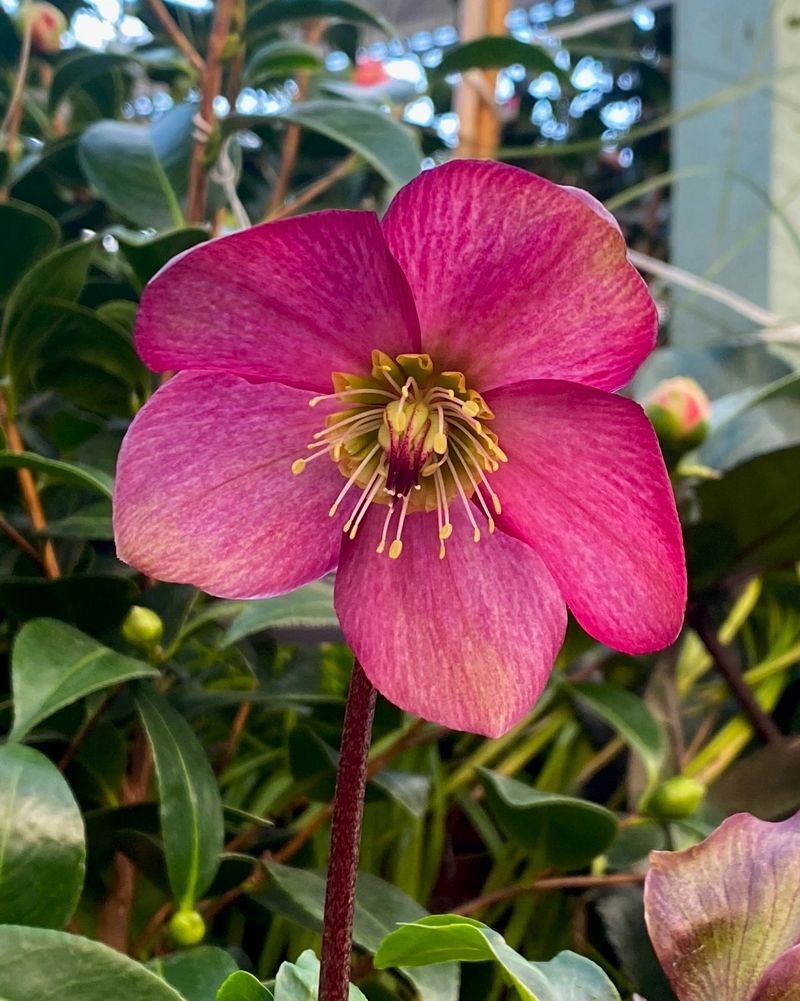
Strong summer sun is the real enemy here. Lenten roses can scorch quickly when hot afternoon light hits their leaves for hours.
Morning sun with shade later in the day suits them well in most yards.
Spots under deciduous trees often work nicely. Bare branches let winter light reach the blooms, and summer leaves shade the plants when heat peaks.
North and east sides of a house can also be good choices, as long as the area is not too dark.
Deep, dense shade may keep plants alive but cut back on flowers. Some filtered light usually helps them bloom better over time.
Watch your yard for a day before you dig, and note where sunlight lands around two or three in the afternoon.
South Georgia summers run hotter and longer than those in the mountains. Gardeners closer to Florida may want more afternoon shade than someone in Blue Ridge or Dahlonega.
Your Georgia Garden Changes Every Week. Your Plan Should Too.
Gardening in Georgia changes quickly throughout the season. Every Friday you’ll receive a simple weekly plan showing exactly what to plant, prune, fertilize, harvest, and protect so you never miss the right timing.
Heavy root competition from shallow trees like maples can make life harder for young plants.
Planting a bit away from the trunk helps. Extra water during dry spells in the first year can also make up for thirsty tree roots nearby.
3. Well-Drained Soil Helps Keep The Crown From Sitting Too Wet
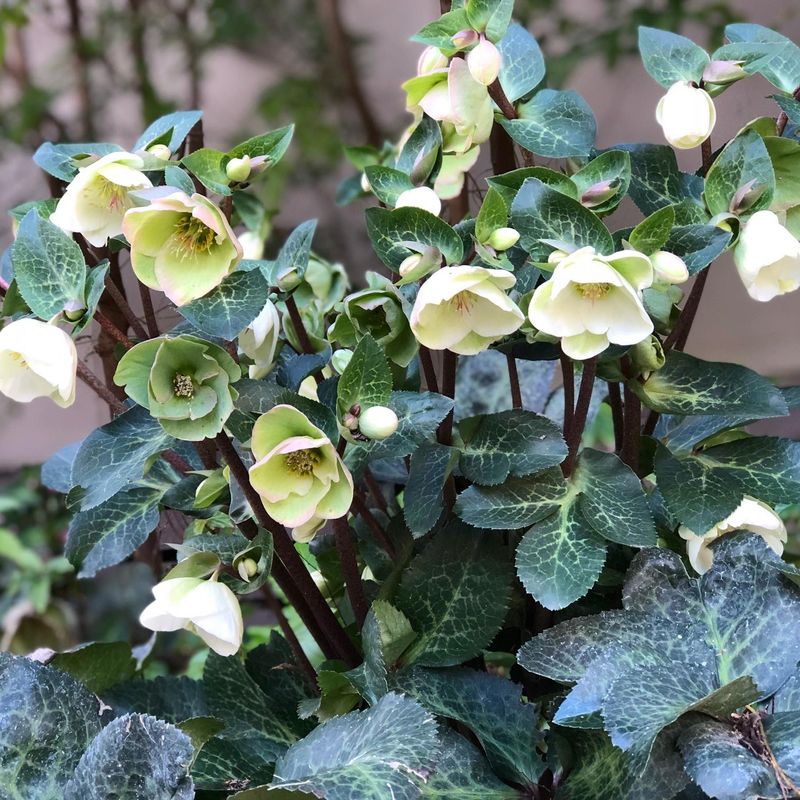
Red clay can hold water like a bowl. That is a problem for Lenten roses, which tend to rot when their crowns stay soggy for long.
Good drainage matters more than rich soil for these plants.
Try a quick test before planting. Dig a hole about a foot deep, fill it with water, and see whether it drains within several hours.
Water that lingers most of the day is a sign you should improve the spot or pick another one.
Mixing compost or finely ground pine bark into the planting area can loosen heavy Georgia clay. Work it into a wide area, not just the hole, so water does not pool around the roots.
Raised beds or gentle slopes are handy options where drainage stays poor after amending.
Hellebores generally like soil that ranges from slightly acidic to neutral. A soil test through your county extension office can show whether lime would help, so you are not guessing.
Avoid low spots where rainwater collects after storms.
Sandy soil drains fast, which is helpful, but it dries out quickly too. Adding compost there helps hold some moisture while still letting extra water move away.
4. Set The Crown Level With The Surrounding Soil When Planting
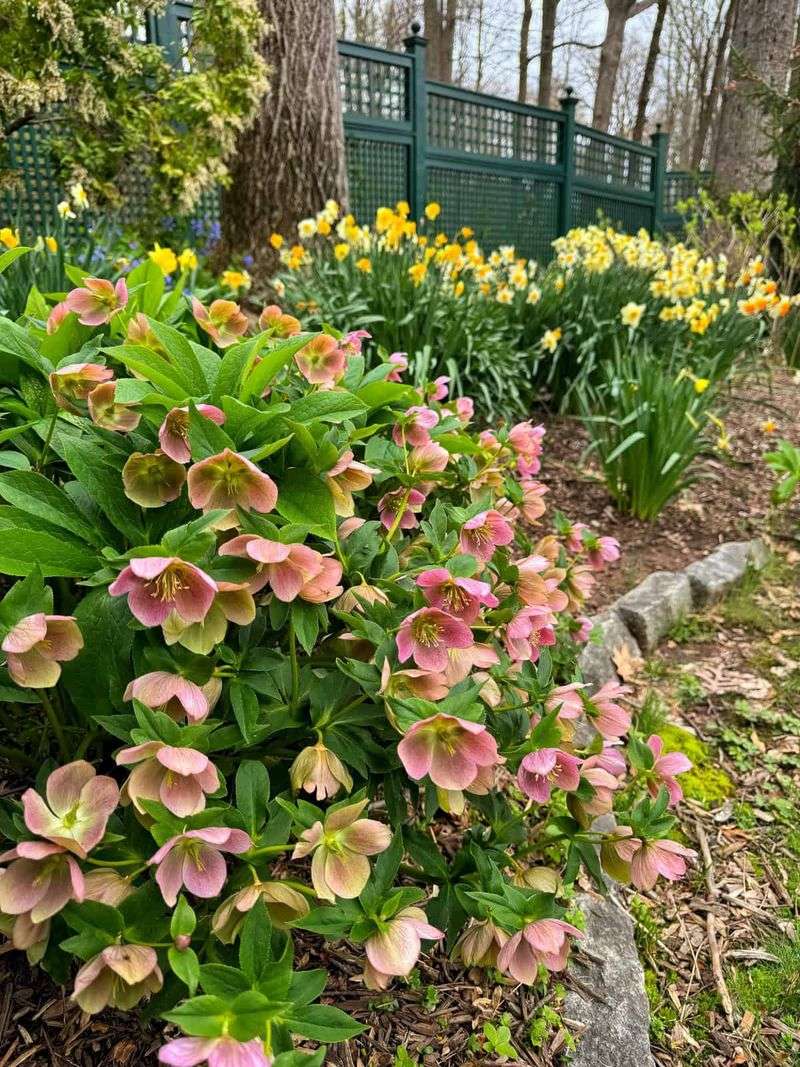
Planting too deep is a mistake that is easy to make. Burying the crown can lead to rot and fewer flowers over time.
Crown refers to the spot where stems meet the roots, right at the base of the plant.
Dig a hole about twice as wide as the pot but no deeper than the root ball. Wider holes give new roots loose soil to spread into during their first fall.
Slide the plant out gently and look at the roots before setting it in.
Roots circling the pot tightly can be teased apart with your fingers. A few small cuts with clean pruners may also help if they are badly wound.
Set the plant so the top of its soil matches the surrounding ground, or sits just a touch higher.
Fill in around the root ball with the soil you removed. Press lightly with your hands to remove big air pockets, but skip stomping it down hard.
Spacing plants about 18 to 24 inches apart gives each clump room to widen.
Plants will settle a little after watering. Check them a week later and add soil around the edges if any roots show, keeping the crown itself uncovered.
5. Water Thoroughly After Planting While The Roots Begin To Settle
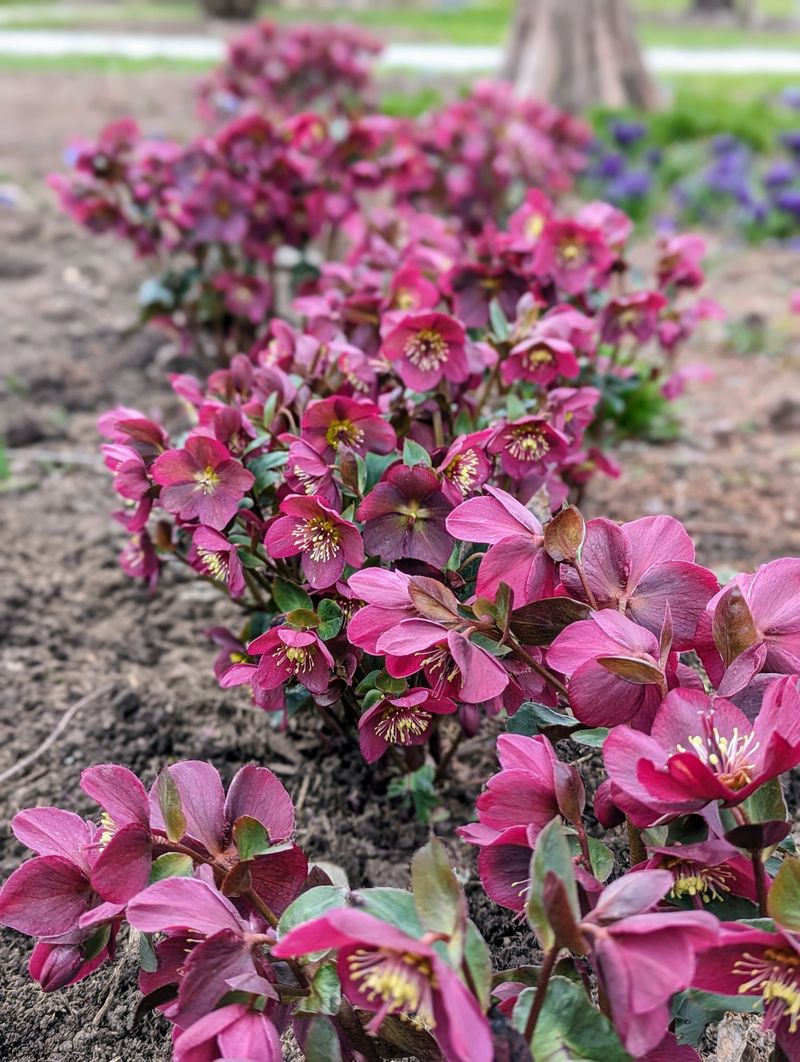
A deep soak right after planting does a lot of work. It settles soil around the roots and removes hidden air gaps.
Water slowly at the base until the ground feels moist several inches down.
Fall in Georgia can be surprisingly dry, especially in October. Some years bring weeks without much rain, and new plants feel that stress fast.
Check the soil with a finger every few days during the first month or two.
Water again when the top inch or so feels dry. In cool weather, that might mean once or twice a week, but rainfall and soil type change the schedule.
Overwatering can be just as harmful as drought. Soggy soil around the crown invites rot, which is why drainage and watering go hand in hand.
Soaker hoses or a watering can aimed at the root zone work better than overhead sprinklers.
Keep an eye on new plants through their first summer too. Established clumps handle dry spells fairly well in shade, but young ones need steady moisture until roots spread.
Morning watering lets leaves dry during the day, which may help reduce leaf spot problems.
6. A Light Mulch Helps Protect The Soil Without Burying The Crown
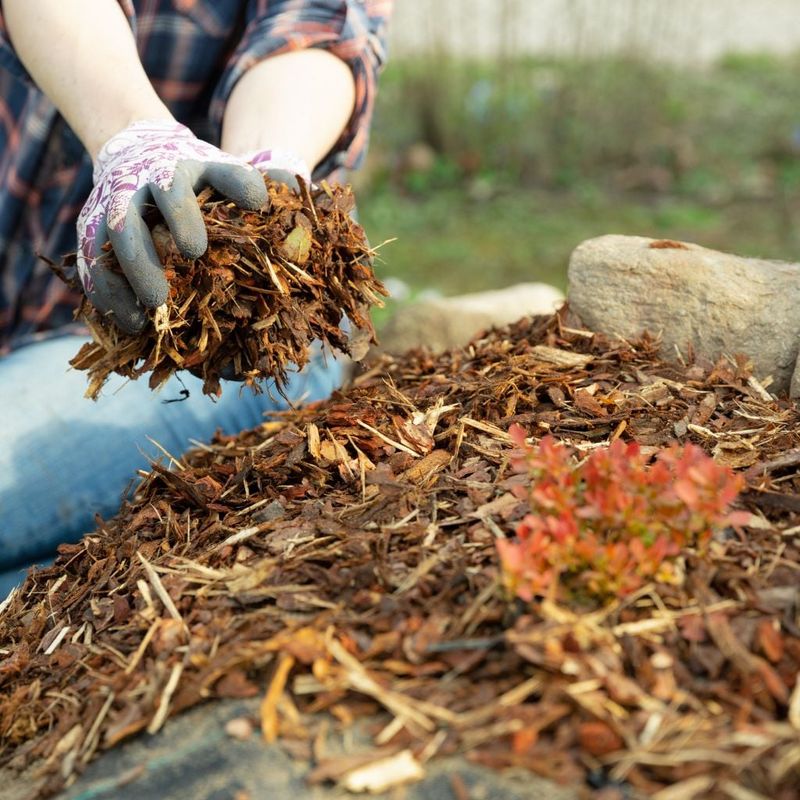
Mulch is helpful in small amounts. Piled too high, it can trap moisture right where Lenten roses dislike it most.
Spread about two inches of shredded leaves, pine straw, or fine bark around the plant.
Leave a small open ring around the crown. A gap of a few inches lets air move and keeps the base from staying damp.
Pine straw is easy to find across Georgia and tends to stay loose instead of packing down.
Mulch slows water loss during dry fall weeks. It also evens out soil temperatures when nights swing between mild and freezing.
Weeds have a harder time sprouting through a decent layer, which means less pulling around young plants.
Over time, organic mulch breaks down and adds a bit of organic matter to the soil. Freshen it once a year rather than stacking new layers on top of old ones.
Fallen tree leaves can be used too, though whole leaves sometimes mat together after rain.
Shredding them first with a mower helps them stay airy. Pull back any mulch that drifts against the stems during winter storms or heavy rain.
7. Established Clumps Return With Flowers During The Cool Season
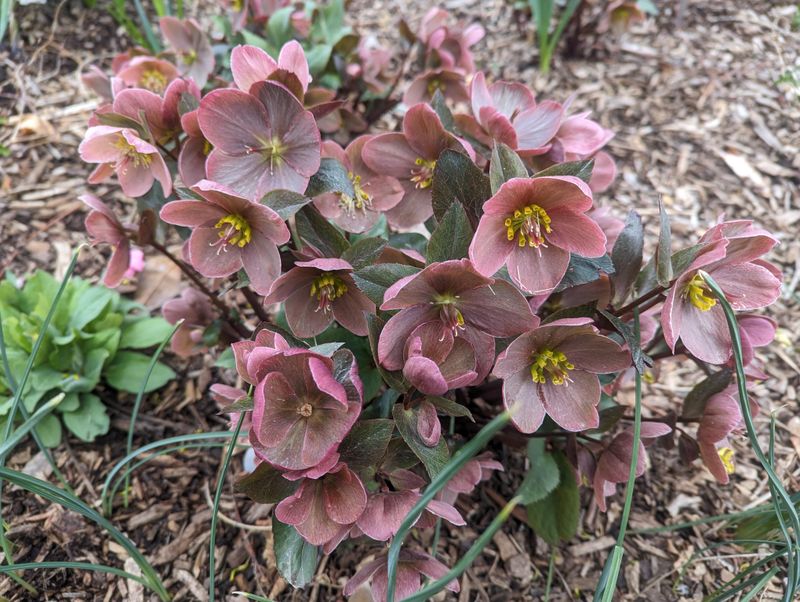
Patience pays off with these plants. After a couple of years, a small nursery pot can become a full, leafy clump covered in winter flowers.
Growth rate varies with shade, soil, and moisture, so some plants fill out faster than others.
Late winter is a good time to tidy up. Cutting old, ragged leaves at the base lets new flowers stand out and may reduce leaf spot.
Fresh foliage usually follows soon after the blooms appear.
Feeding needs are modest. A light dose of balanced, slow-release fertilizer or a top dressing of compost in early spring is often enough in Georgia gardens.
Seedlings may pop up around older plants since flowers can drop seed.
Those babies might not look exactly like the parent plant. Some gardeners enjoy the surprise, while others pull them to keep beds neat.
Dividing hellebores is possible, but many plants resent being disturbed and may skip a bloom season afterward.
Leaving healthy clumps in place often works best. With decent drainage and shade, they can keep coming back for many years and brighten the cool season.