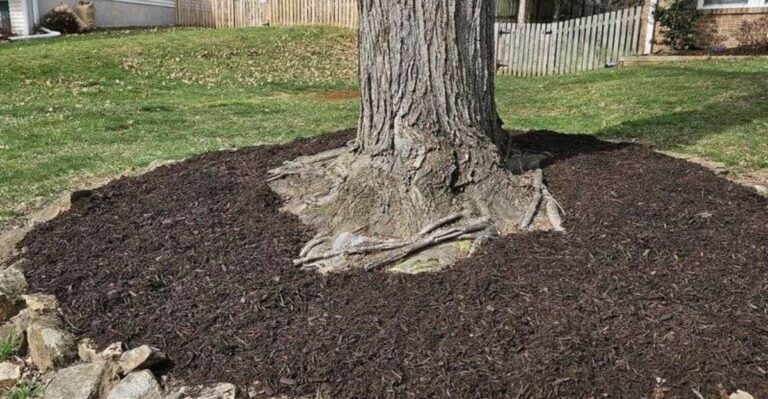
Sweetgum Balls Are Covering Georgia Lawns Again And Here’s What To Do
Those spiky balls scattered through the grass can turn a quick walk across the yard into an annoying fall chore.
Sweetgum trees drop their distinctive seed pods as they mature. Once they start collecting, regular cleanup can keep them from piling up around busy areas.
In Georgia yards, the pods may gather beneath trees, along walkways, and anywhere wind pushes them together.
Rake or collect them while they are easy to reach instead of waiting for a thick layer to build. Focus first on paths and spots where you regularly walk.
You can also gather the pods before mowing so they are not scattered farther through the lawn.
Sweetgum balls are a normal part of having these trees nearby. Staying ahead of the buildup makes the seasonal cleanup far more manageable.
1. Those Spiky Balls Are Fruit From The Sweetgum Overhead
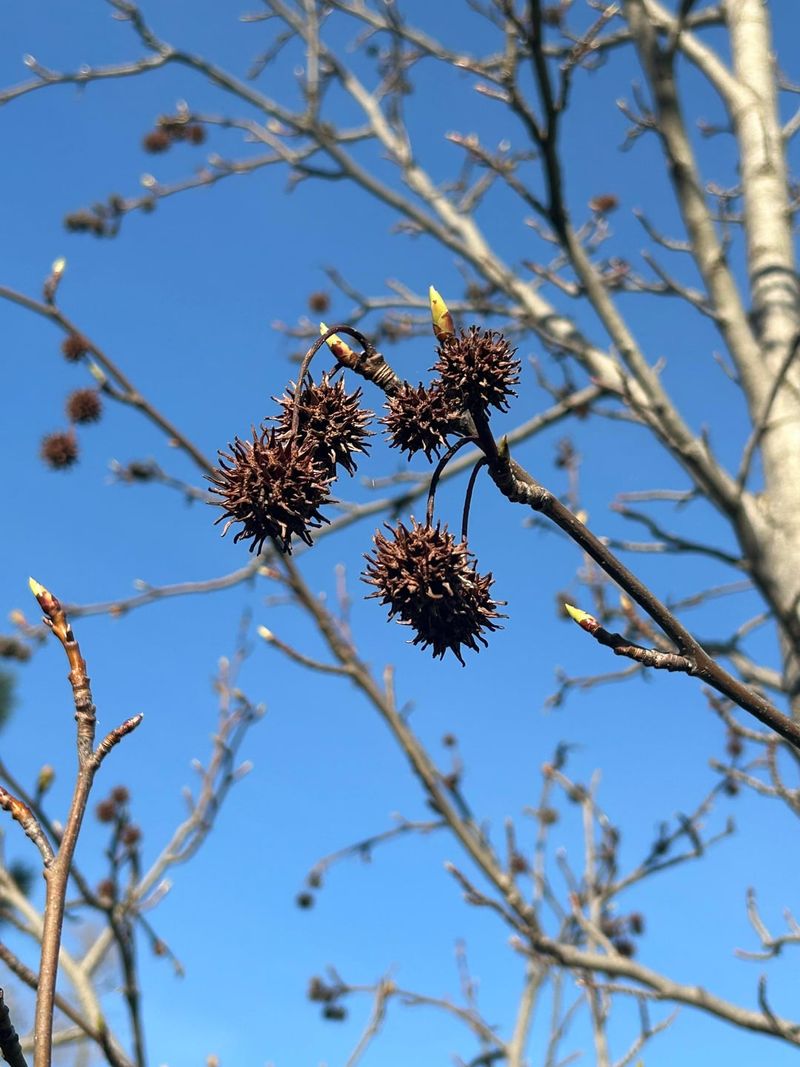
Look up, and the culprit is usually standing right above you. Sweetgum trees produce those spiky brown balls as their fruit, and each one holds small seeds inside.
Each ball starts out green and soft during the growing season before slowly turning brown and hard.
Once they dry out, the balls loosen from the branches and fall over a long stretch of time. Some drop in fall, while plenty hang on and come down through winter and into early spring.
Sweetgum is a native tree that grows naturally across much of Georgia, from the coastal plain up into the Piedmont.
You can usually spot one by its star-shaped leaves, which have five or more pointed lobes. In autumn those leaves often turn bright shades of red, orange, yellow, or purple.
Knowing the tree helps you plan your cleanup, since the balls tend to land within reach of the branches.
Some homeowners like the shade and fall color but dislike the mess underneath. That tradeoff is worth weighing before you plant one or decide what to do with an older tree.
A few fruitless varieties, such as Rotundiloba, exist for people who want the look without the pods.
Checking with a local nursery or your county extension office can help you learn which options suit your yard and soil.
2. Heavy Drops Can Quickly Turn Lawn Cleanup Into A Chore
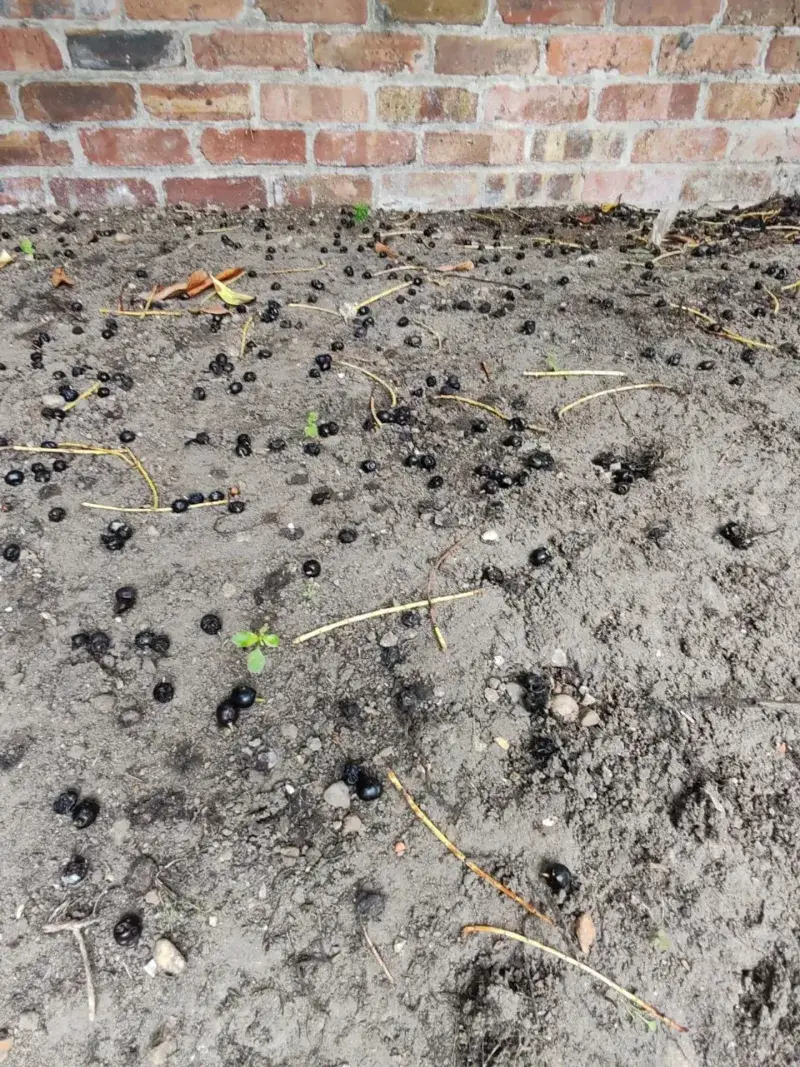
One windy night can change everything. You might walk outside to find hundreds of sweetgum balls where the grass looked clean the day before.
A large, mature tree can produce a huge crop in some years and a lighter one in others.
Weather plays a big part in how fast they come down. Strong winds, cold snaps, and winter storms often shake loose a big batch all at once.
Spread across a yard, those balls are more than just an eyesore.
They can roll under your shoes on steps and walkways, which raises the chance of a slip. Kids and pets playing in the yard may also find them uncomfortable to step on.
Homeowners in Georgia often notice the worst buildup under trees that sit near driveways or patios, where the balls bounce and scatter.
Your Georgia Garden Changes Every Week. Your Plan Should Too.
Gardening in Georgia changes quickly throughout the season. Every Friday you’ll receive a simple weekly plan showing exactly what to plant, prune, fertilize, harvest, and protect so you never miss the right timing.
Hard surfaces make the problem easy to see, but grass hides them well. You may not realize how many have collected until you start raking.
Getting a sense of your own tree’s timing can help a lot.
Jot down when the first heavy drop happens each season, and you will have a better idea of when to start planning cleanup next year.
3. Raking Works Best Before The Balls Settle Deep Into Grass
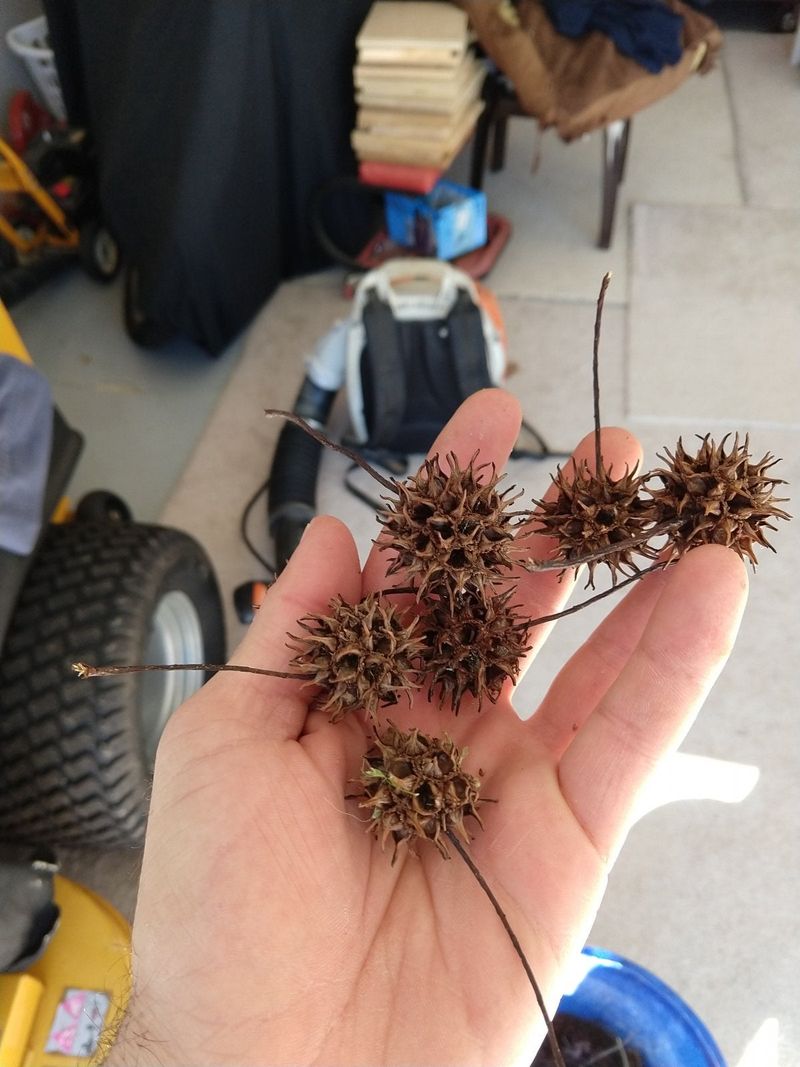
Timing beats muscle when it comes to raking. Fresh drops sit on top of the grass, so they come up much easier than balls that have been there for weeks.
Over time, foot traffic and rain can push the balls down into the turf, where they get tangled in the blades.
A sturdy rake with stiff tines tends to do a better job than a soft leaf rake. Flexible plastic rakes can slide right over the balls without grabbing them.
Try raking when the lawn is dry, since wet grass and soggy pods are heavier and harder to move.
Short, firm strokes usually gather more than long sweeping ones. Working in small sections also keeps the job from feeling overwhelming.
Bermuda and zoysia lawns, which are common in Georgia, can trap balls in their dense mat if you wait too long.
Go gently around the roots of the tree and any soft spots in the yard. Digging too hard can tear up grass, especially during cooler months when warm-season turf is dormant.
Gloves are a smart idea because the spiky points can poke your hands.
A small hand rake or dustpan also helps when you scoop up the piles at the end.
4. A Lawn Sweeper Can Save Time Under Larger Trees
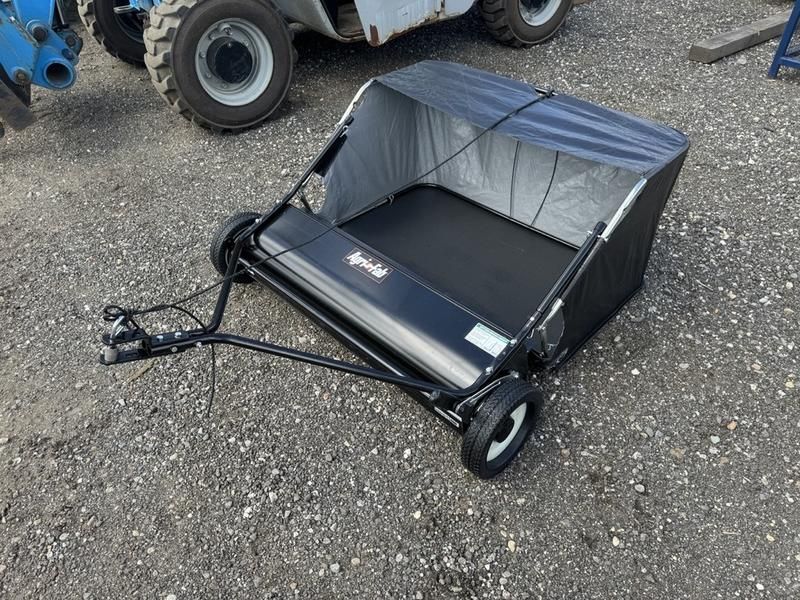
Big trees call for bigger tools. If you have more than one sweetgum or a yard that seems to fill up every week, a lawn sweeper might be worth a look.
Push models and tow-behind models both use spinning brushes to flip debris into a collection bag.
Results can vary depending on your grass type, how tall it is, and how many balls are present. Some sweepers handle sweetgum balls well, while others may leave a few behind.
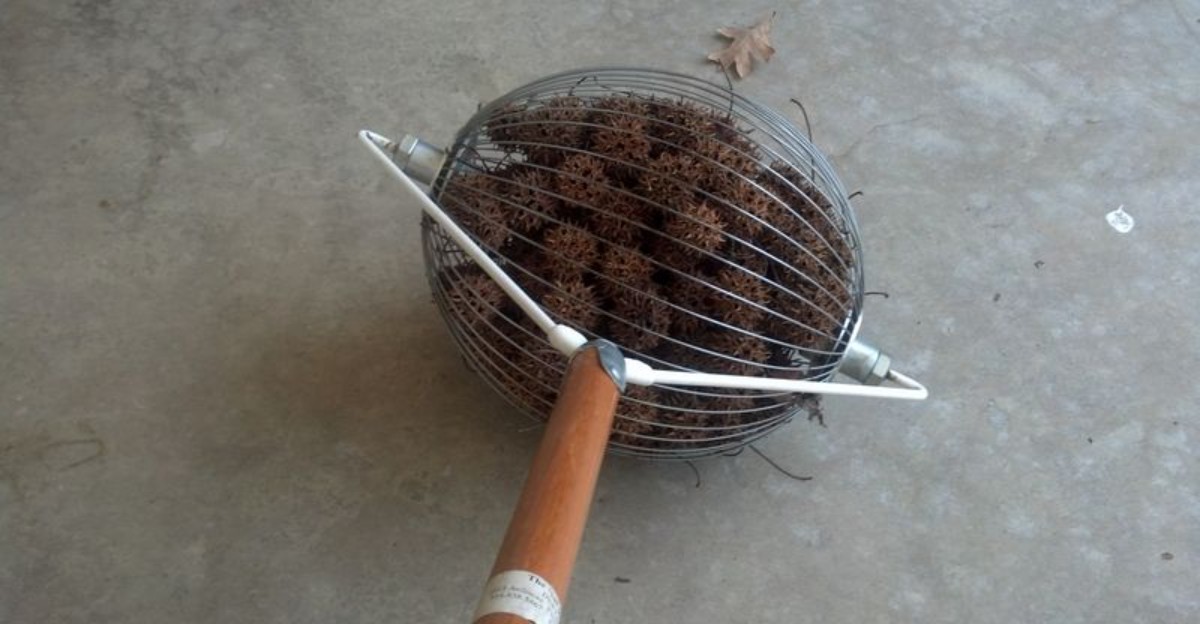
Another option is a rolling nut gatherer, which uses a wire cage to pick up round objects as you roll it along.
Plenty of Georgia homeowners use these for pecans and sweetgum balls alike. They tend to work best on fairly even ground with shorter grass.
Before buying, think about how much ground you actually need to cover.
A small yard with one tree may not need anything more than a good rake. For a wide lawn under several mature trees, a sweeper or gatherer can cut down on the back strain.
Read product reviews and check the brush height settings before you commit.
Borrowing one from a neighbor first is a handy way to see if it suits your yard.
5. Clear The Mowing Area Before Starting Up The Mower
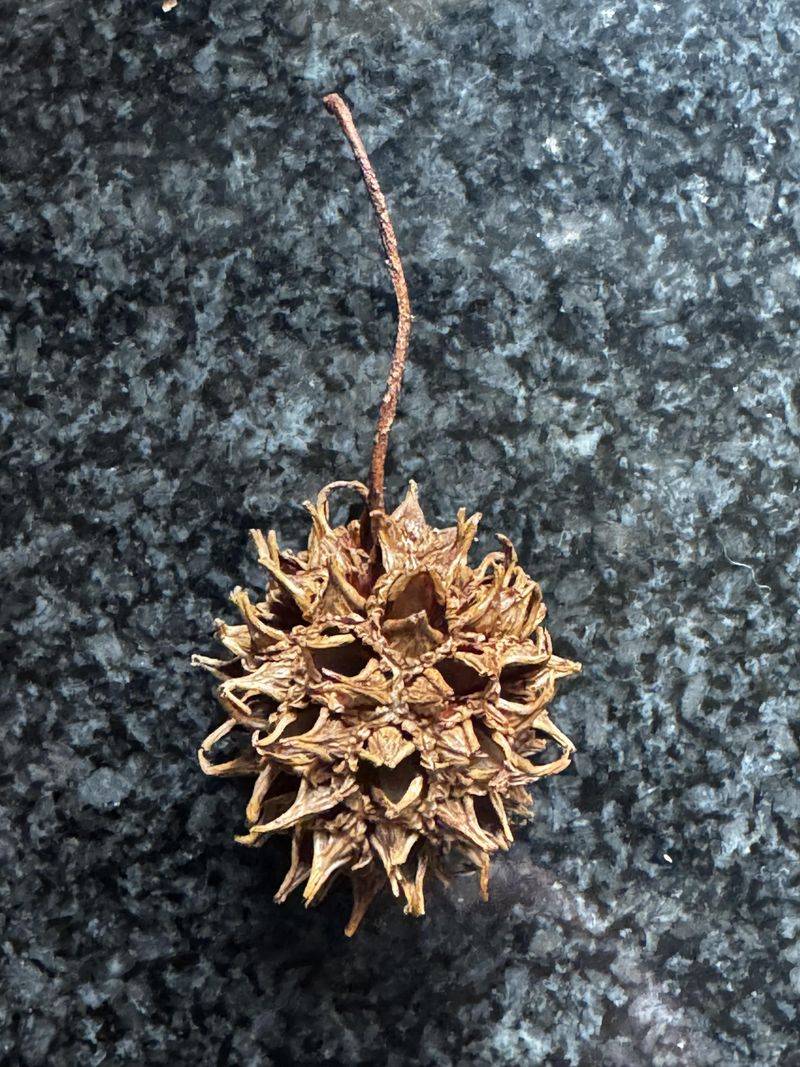
Mowers and sweetgum balls do not get along. The hard pods can be thrown out from under the deck with surprising force when a blade strikes them.
Anyone standing nearby, along with windows and parked cars, could be in the path.
A quick walk around the yard before you mow helps lower that risk. Picking up the balls first also cuts down on wear to your mower blades.
Some people try to mulch sweetgum balls with the mower, but results are mixed.
The pods are tough and woody, so they may not break down cleanly. Pieces can also jam the discharge chute or bounce around inside the deck.
In Georgia, mowing slows down in winter when warm-season grasses go dormant, which gives you a window to clear the yard before spring growth starts.
Wear closed-toe shoes and safety glasses whenever you mow near trees. Keep kids and pets indoors or well away from the area until you are finished.
After mowing, check under the deck for any stuck pieces once the engine is off and the blade has stopped.
Following your mower’s manual for safe cleaning steps is the best way to handle that part.
6. Collected Sweetgum Balls Can Go Into Yard Waste
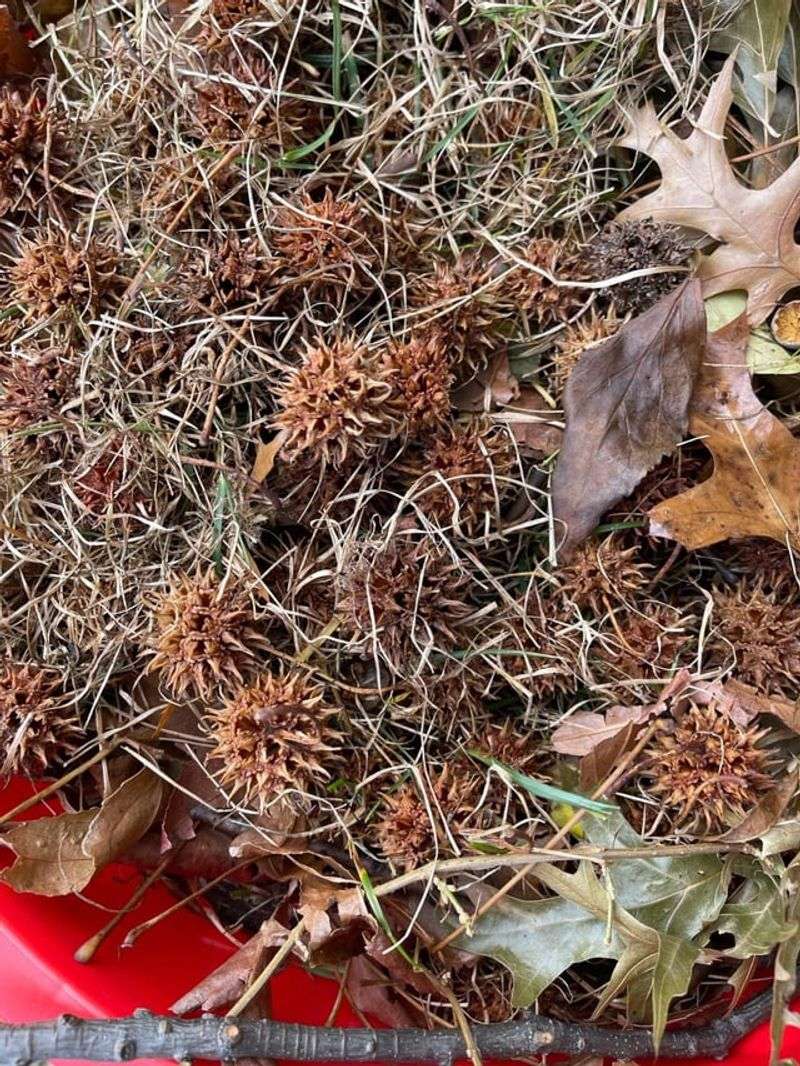
So you have a pile. Now what?
Most local yard waste programs accept sweetgum balls along with leaves, twigs, and other plant debris.
Rules differ from one city or county to the next, so check with your local waste service first.
Some areas in Georgia ask residents to use paper yard bags instead of plastic ones. Others may provide a separate cart or set certain pickup days for yard debris.
Composting at home is another choice, though sweetgum balls break down slowly.
Their woody structure can take a long time to soften in a backyard pile. Mixing them with greener material and turning the pile now and then may help speed things along.
Gardeners sometimes spread the balls along paths or around plants as a rough mulch. Some people also believe the spikes may discourage pets or digging critters, but that is not a sure thing.
Crafters use them for wreaths, ornaments, and holiday decorations, so a few may be worth saving.
Whatever you choose, keep the balls out of storm drains and ditches. Clogged drains can cause water to back up during heavy rain.
7. Regular Cleanup Keeps The Next Drop From Piling Up
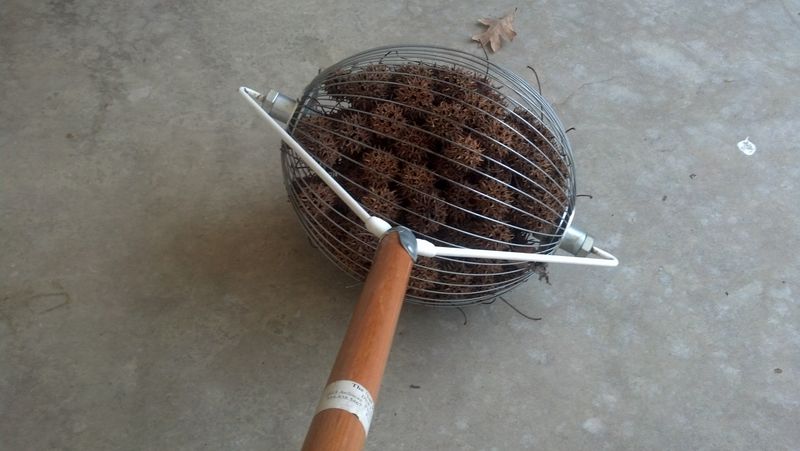
Small jobs stay small when you keep up with them. A short cleanup once a week can feel far easier than a full afternoon battle at the end of winter.
Ten or fifteen minutes with a rake might be all it takes during lighter drop periods.
Picking a regular day, like before trash pickup, can help turn the task into a habit. You can also step up the pace after storms or windy weekends.
Focus first on spots where people walk, such as steps, sidewalks, and the driveway.
Clearing high-traffic areas lowers the chance of rolling an ankle. The rest of the lawn can wait a bit if time is short.
Some Georgia families split the work so no one gets stuck with the whole yard.
Kids can collect balls in a bucket, while adults handle raking and bagging. Turning it into a quick group task makes it feel lighter for everyone.
Keep tools close by so you are more likely to use them.
Over time, you will notice the yard stays cleaner between drops, and spring mowing season will start with far less hassle.