Why Waterlogged October Soil Is The Wrong Place For Bulbs In North Carolina
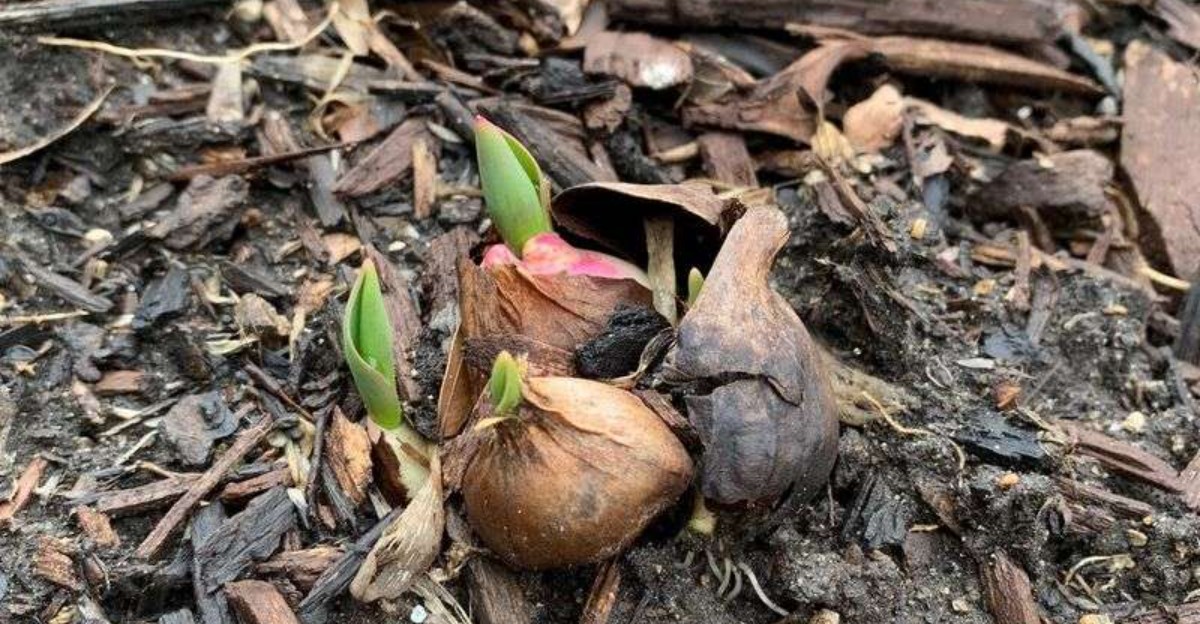
Bulb planting season arrives just as October rain can turn garden beds into sponges. It is tempting to plant anyway. The bulbs are sitting in the garage, and the calendar says it’s time.
But a bulb in saturated soil is in trouble. Bulbs need air around them as much as water. Soggy ground cuts off that air and invites rot before roots can even form.
Next spring’s flowers depend on what happens now, underground, where you can’t see it. Waiting a week or two feels wrong but often works better. Learning to read your soil first can save you from digging up mushy bulbs in spring.
A simple squeeze test tells you a lot about whether the ground is ready. North Carolina clay makes this even more important.
1. Bulbs Rot When They Sit In Soggy Soil
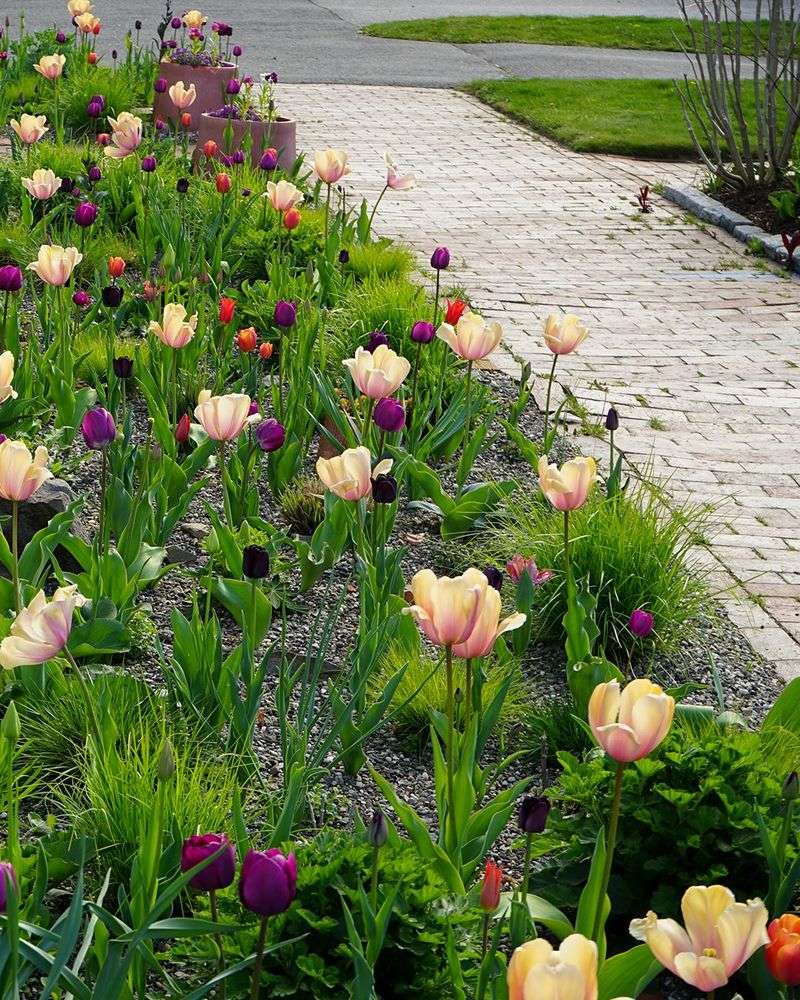
Every bulb is basically a little lunchbox. Packed inside are moisture and stored food that the plant will use to push up leaves and flowers next spring. That stored treasure is exactly what makes bulbs so tempting to the tiny organisms living in wet soil.
When a bulb sits in saturated ground, fungi and bacteria move in fast. They start breaking down the papery outer layers, then work their way inward. Before long, a firm, healthy bulb turns mushy and can no longer grow at all.
The good news is that you can stop most of this trouble before it starts. Plant bulbs only in spots that drain within a few hours after a heavy rain. A simple test helps here: after a big storm, walk around your yard and note where water stands in puddles.
Those places are not bulb territory. Checking the bulbs themselves matters too. Give each one a gentle squeeze before planting. A good bulb feels firm, a lot like a fresh onion from the grocery store.
If it feels soft, smells sour, or shows fuzzy blue or gray mold, toss it out instead of planting it. One bad bulb can spread problems to its neighbors.
North Carolina gardeners have extra reason to be careful. Fall often brings tropical storms and remnants of hurricanes that dump inches of rain in a single day. Low spots in yards can stay soggy for days afterward, sometimes even a week.
Choosing higher, well-drained ground gives your bulbs a real shot at making it to spring and rewarding you with color.
2. Roots Can’t Breathe In Waterlogged Ground
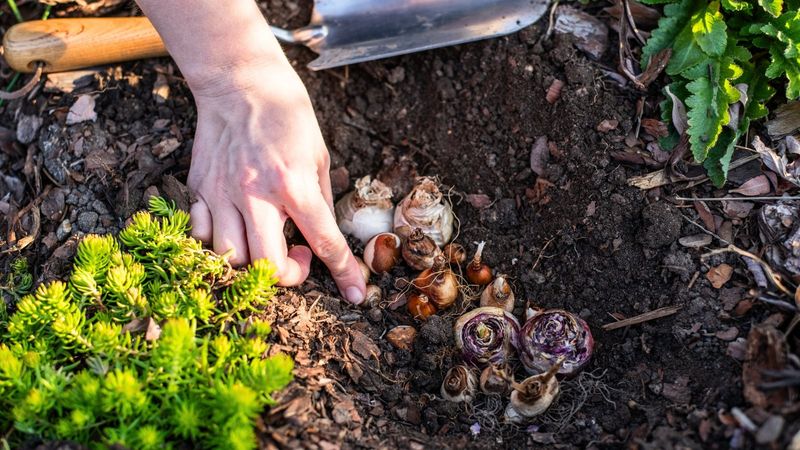
Most people think plants only need air above the ground. Roots need it too, and they get it from the soil. Healthy soil is full of tiny pockets between its particles, and those pockets hold oxygen that roots soak up as they grow.
Soggy soil changes everything. Water fills those little spaces and pushes the air right out. New roots struggle to form, and the roots that already exist begin to weaken and break down.
A bulb without good roots is like a car without wheels, full of potential but going nowhere. Fixing drainage before you plant makes a huge difference. Spread a few inches of compost over a wide area of the bed and work it into the top eight to ten inches of soil.
Your North Carolina Garden Changes Every Week. Your Plan Should Too.
Gardening in North Carolina changes quickly throughout the season. Every Friday you’ll receive a simple weekly plan showing exactly what to plant, prune, fertilize, harvest, and protect so you never miss the right timing.
Mixing compost into just the planting hole is a common mistake, because water rushes into that soft pocket and gets trapped there. Improving the whole bed lets water move away evenly.
Soil texture gives you clues, too. Look for spots where the earth feels loose and crumbly when you dig, almost like chocolate cake crumbs. Dense, sticky soil that clumps in heavy chunks will need more work before it can support bulbs.
Timing makes all of this matter even more in North Carolina. Fall-planted bulbs spend the cool months building a strong root system underground while the tops stay quiet. Those roots are what fuel the big spring show.
If roots can’t breathe during those critical weeks, the bulb enters spring weak and underprepared, and your garden pays the price.
3. Warm, Wet October Soil Encourages Disease
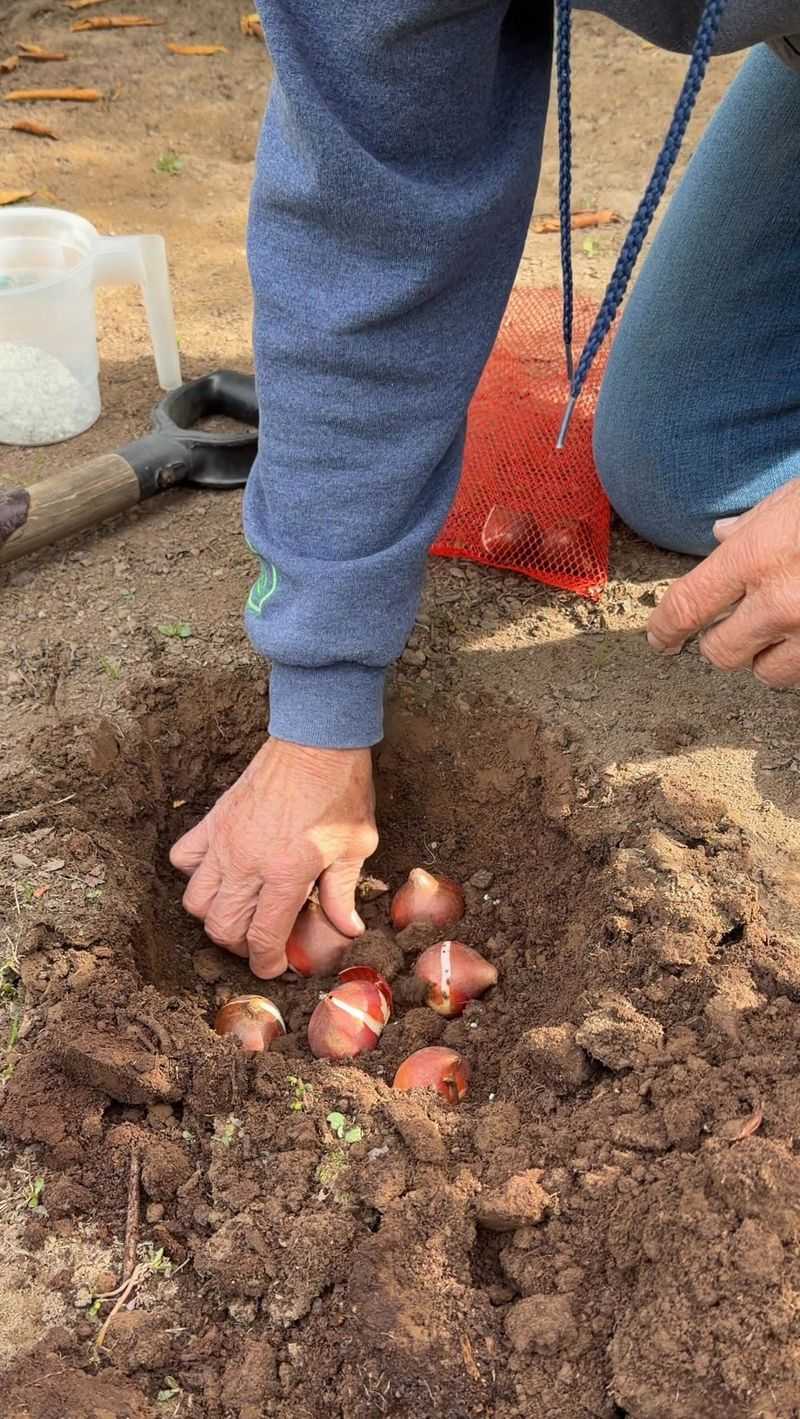
Here is a tricky combo many gardeners never think about: warm plus wet. On its own, either one is manageable. Put them together in October, and you have created a spa day for the fungi that ruin bulbs.
Soil-borne fungi, including the ones behind basal rot in tulips, daffodils, and other bulbs, are most active when soil is both warm and moist.
Basal rot attacks the bottom plate of the bulb, where roots grow from. Plant a tulip into soggy, still-warm ground, and you are handing those fungi ideal conditions to get to work.
Patience is your secret weapon. Wait for two things before planting tulips and other rot-prone bulbs: cooler soil and drier conditions. A cheap soil thermometer helps a lot.
Many experts suggest waiting until soil at planting depth drops to around 60 degrees Fahrenheit or lower. In much of North Carolina, that means planting tulips in November or even early December.
Bulb quality counts as well. Buy from trusted sellers, and plant only bulbs that feel firm and heavy for their size. Skip any with dark, sunken spots near the base or cracked, moldy skin.
Starting with clean, healthy stock removes a lot of risk. Our state’s climate is the reason this tip carries so much weight.
October soil often stays surprisingly warm here, especially in the Piedmont and Coastal Plain, where sunny fall afternoons can feel like late summer.
Mountain gardeners may cool down sooner, but folks in Raleigh, Charlotte, or Wilmington usually benefit from holding off a few extra weeks.
4. Digging Wet Clay Creates A Bathtub Around Bulbs
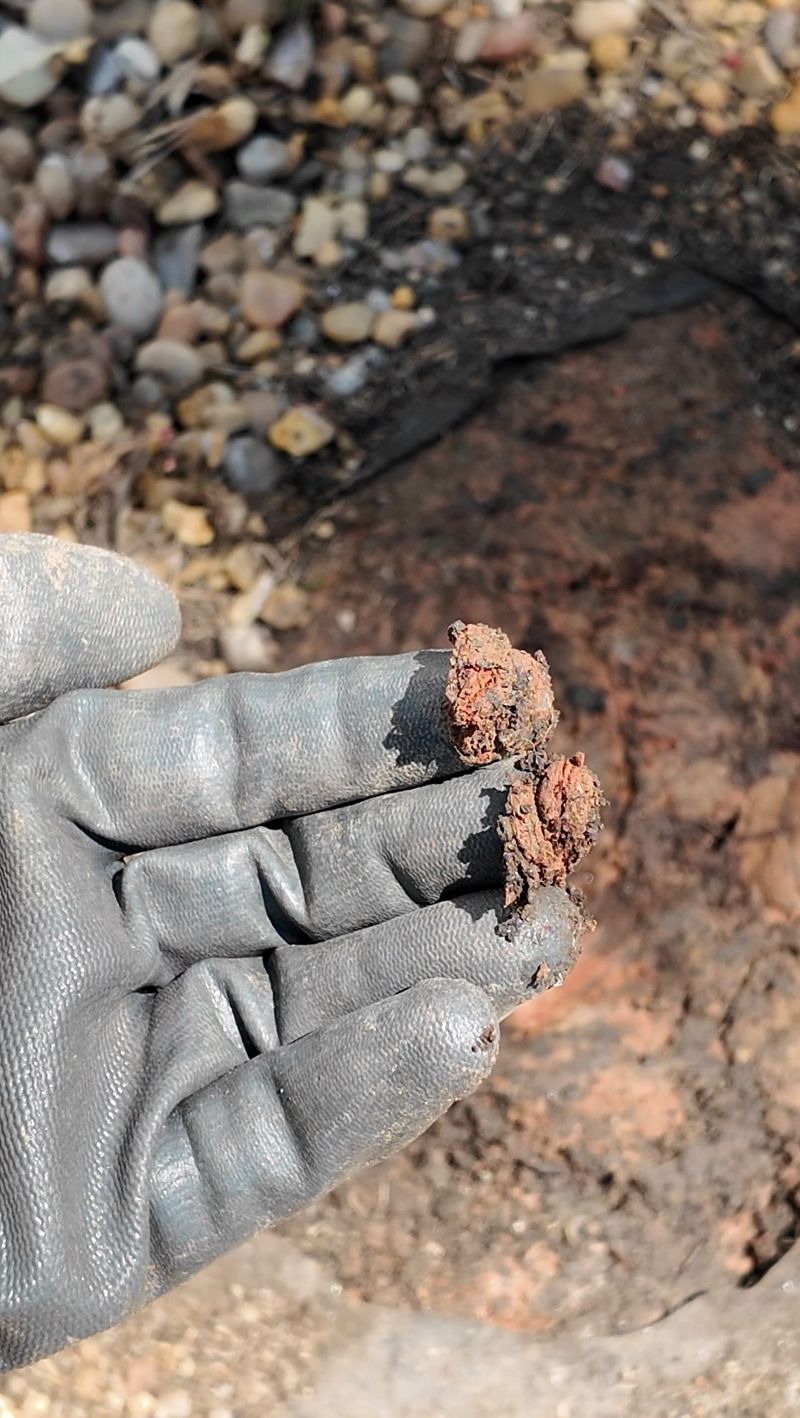
Ever sculpted with modeling clay in art class? Wet garden clay behaves in a very similar way. Press it, smooth it, and it turns into a slick, solid surface that holds its shape.
Digging a planting hole in soggy clay does exactly that. Your shovel or trowel smears and squeezes the sides of the hole, creating a smooth, dense wall.
Water can’t pass through that wall easily, so rain pours into the loose soil inside the hole and just sits there. Your bulb ends up soaking in its own little bathtub for weeks.
Avoiding this mess starts with a simple squeeze test. Grab a handful of soil and press it in your fist. If it forms a sticky, shiny ball that keeps its shape, the ground is too wet, so give it a few more dry days.
If it crumbles apart when you poke it, you are ready to dig. Your digging approach matters too. Instead of drilling single deep holes into heavy clay, loosen the soil across the entire bed.
Work in compost or fine pine bark, then plant bulbs in groups within that improved area. Water can spread out and drain instead of collecting in one pit.
Gardeners in North Carolina know this struggle well. Heavy red clay covers much of the Piedmont, from Greensboro to Charlotte, and it stains shoes, tools, and pretty much everything else.
Treated right, though, that clay holds nutrients nicely and can grow gorgeous bulbs. Treated wrong while wet, it becomes a trap.
5. Struggling Bulbs Bloom Poorly In Spring
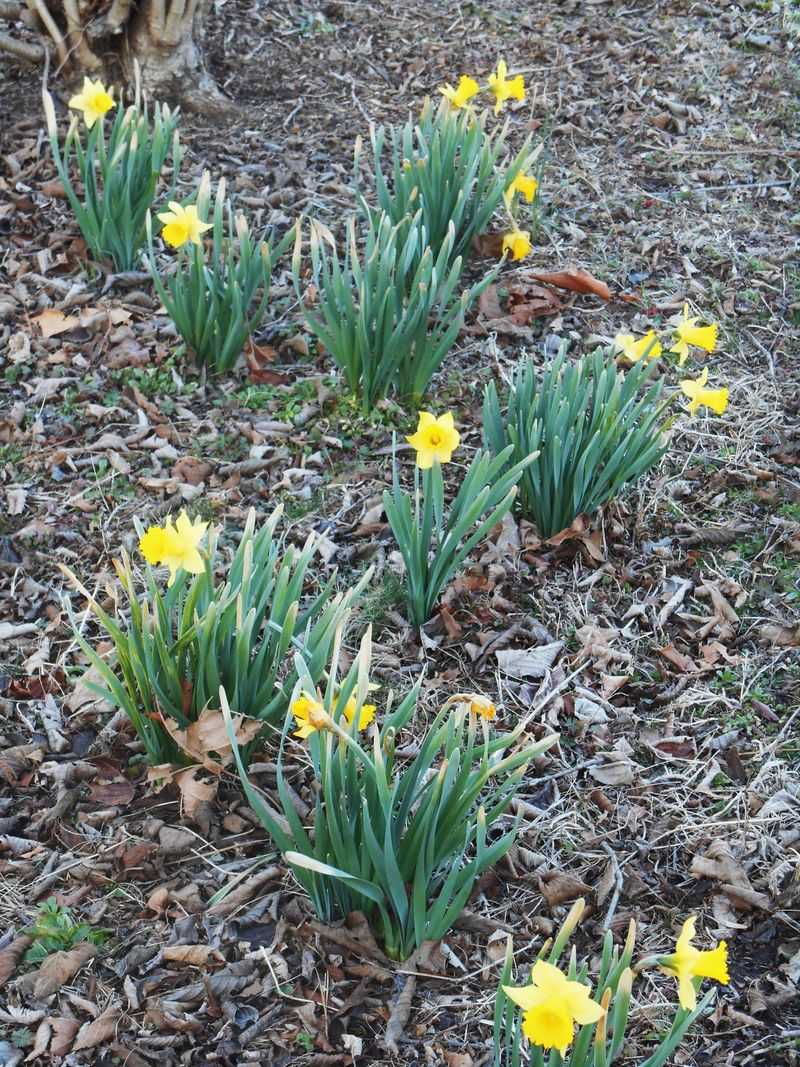
Sometimes a bulb survives soggy soil, and that feels like a win. Then spring shows up, and the results are a letdown. Short stems, tiny flowers, or a clump of leaves with no blooms at all can leave you scratching your head.
Wet soil is often the hidden culprit. Bulbs stressed by soggy conditions grow weak or limited roots over the winter. Without a solid root system, they simply can’t pull up enough water and nutrients to support strong leaves and flowers.
The plant does its best with what it has, but the show comes up short. Setting bulbs up for success begins on planting day.
Choose well-drained soil from the start, since no amount of fertilizer can fix a waterlogged root zone. Plant at the correct depth, which is usually about two to three times as deep as the bulb is tall.
Too shallow or too deep can add even more stress. After flowering, resist the urge to tidy up too soon. Let the leaves stay until they turn yellow and flop over, which often takes about six weeks.
Those leaves act like solar panels, making food that refills the bulb for next year. Braiding or cutting them early robs the bulb of that energy.
For North Carolina gardeners, this matters because many bulbs are planted with hopes of a comeback year after year.
Daffodils especially can return for decades in our region when they get good drainage. A healthy start means a garden that keeps getting better each spring.
6. Winter Rain Keeps The Problem Going
Think of October as a preview. If a patch of ground is soggy now, it will probably stay that way all winter long. That soggy spot will not magically dry out once the weather turns cold.
Winter brings frequent rain, and cooler temperatures mean much less evaporation. The sun sits lower in the sky, days are shorter, and many plants are resting instead of drinking up water.
Poorly drained soil can stay saturated for weeks at a time, which gives rot organisms months to chew through bulbs before spring ever arrives.
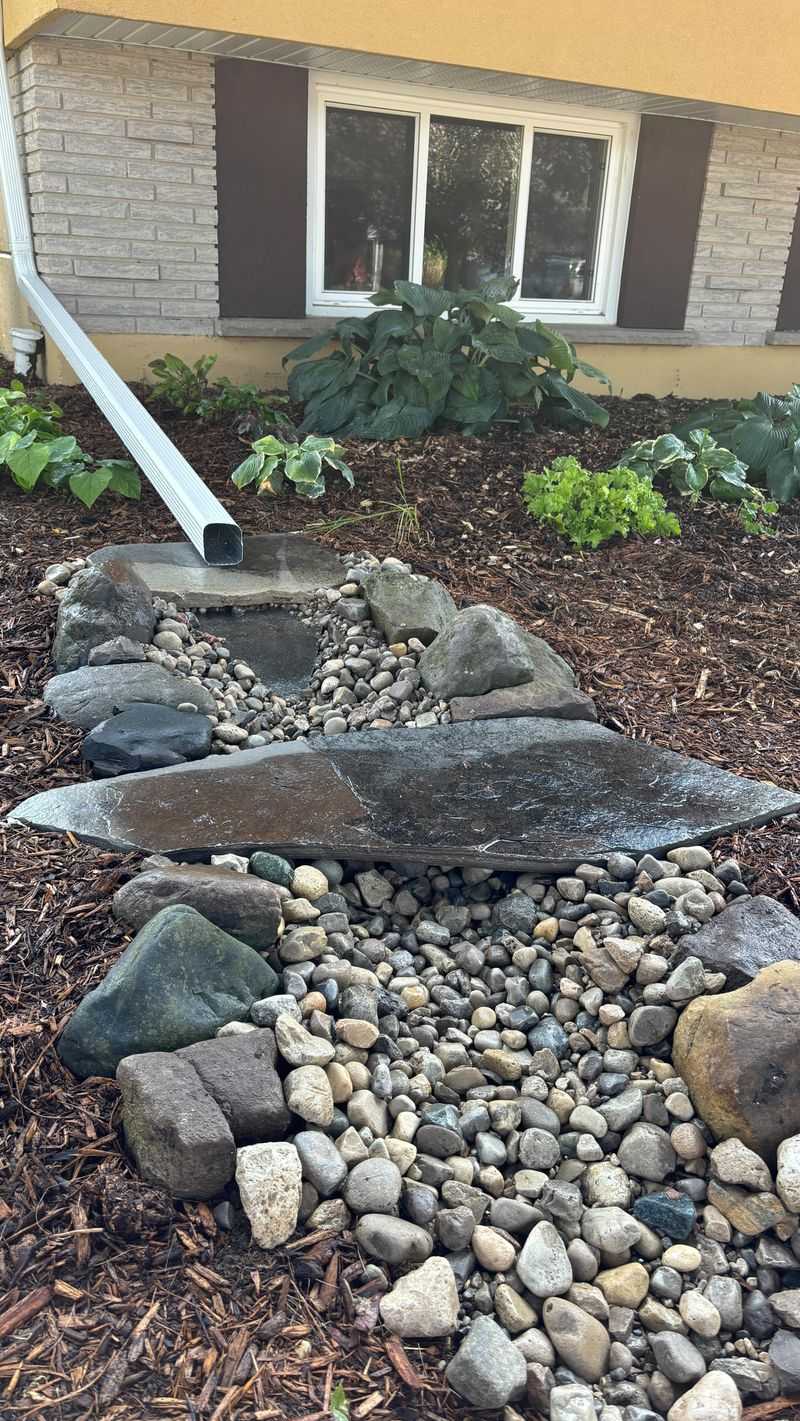
Luckily, gardeners have plenty of clever workarounds. Raised beds lift bulbs above soggy ground and let extra water drain away. Berms, which are gentle mounds of improved soil, do a similar job and look natural in a landscape.
Containers work wonderfully too, as long as they have drainage holes and use a quality potting mix.
Water sources around your home also deserve a look. Downspouts can pour huge amounts of roof runoff into one area during a storm. Add an extension or splash block to send that water away from bulb beds.
Avoid low spots where water collects, even if they seem like a handy place for flowers. North Carolina winters are rarely bone dry.
Rain falls fairly evenly across the year, and many parts of the state see soggy stretches from December through February. Soils often stay damp until spring warms things up, so smart placement in fall is the best protection your bulbs can get.
7. Most Popular Bulbs Need Good Drainage
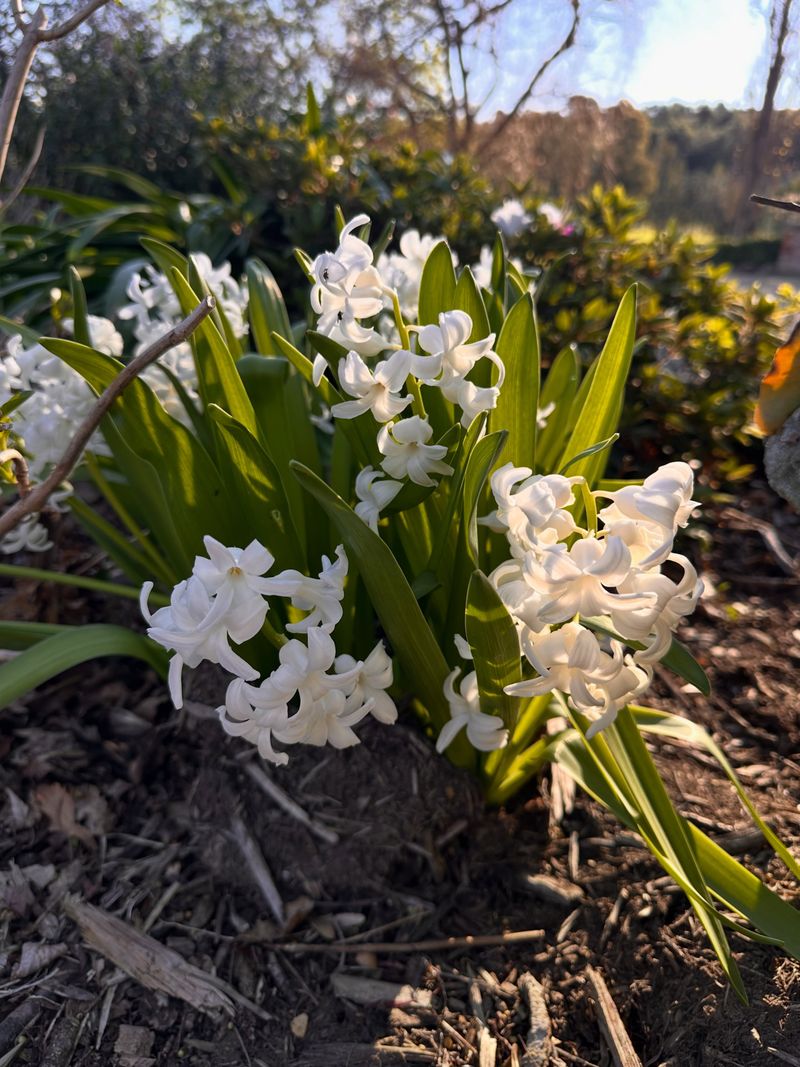
Walk into any garden center in fall, and the bulb bins look like a candy store. Tulips, hyacinths, crocus, alliums, and little reticulated iris are among the top sellers. Nearly all of them share one big preference: well-drained soil.
Those favorites are especially prone to rot when their roots sit in wet ground. Tulips and alliums trace their roots to dry, rocky regions of Central Asia and the Mediterranean, where summers are hot and dry. Soggy soil simply goes against their nature.
Only a handful of bulbs, like summer snowflake (Leucojum aestivum) and camassia, actually handle moist conditions well.
Matching the bulb to the spot is the key to success. Save your driest, sunniest areas for drainage-sensitive bulbs like tulips and crocus. Slopes, raised beds, and spots near the house foundation that stay dry often make great homes for them.
Have a naturally wet corner you can’t fix? Turn it into an advantage. Choose bulbs known to tolerate moisture, and that tricky area might become a favorite part of your yard.
Camassia sends up tall spikes of blue or white star-shaped flowers, and summer snowflake offers dainty white bells tipped with green dots.
Summer snowflake deserves special praise in North Carolina. Despite its name, it usually blooms in early to mid spring here, and it shrugs off damp soil and our warm climate.
It also naturalizes well in many gardens, slowly spreading into bigger clumps each year. Even deer and voles tend to leave it alone, which makes it a dependable choice.