The Plants Texas Gardeners Don’t Need To Cover During The First Frost
Why would a chilly night make your kale taste sweeter? Texas mornings swing from summer warmth to frosted rooftops within days.
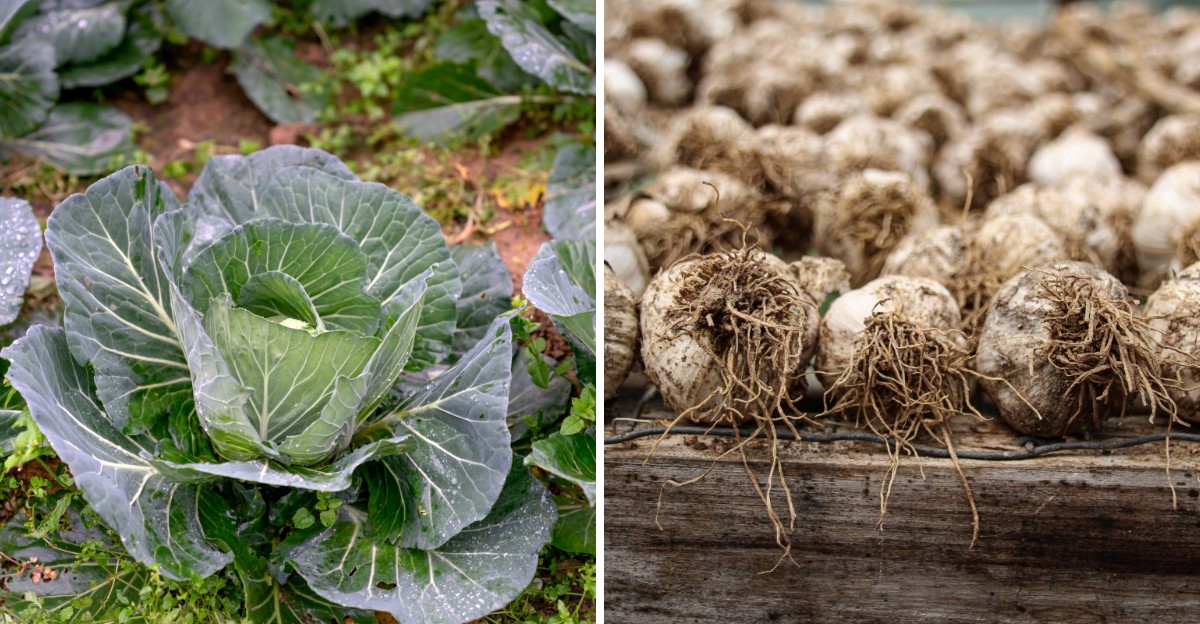
You can relax when a light frost arrives. Kale, collards, spinach, and carrots turn sweeter after cold touches them.
Chilly air signals those leaves to convert starch into sugar. Pansies, snapdragons, and rosemary handle cold snaps without help from you.
Basil, peppers, and tomatoes deserve your attention instead. Cover them when forecasts predict frost.
Lay a bedsheet over each plant at sunset, then lift it after sunrise. Soil warmth stays beneath the fabric and protects those leaves overnight.
Across Texas, you protect delicate crops and save your harvest. Sort your plants into hardy and delicate groups before evening arrives.
Gather the sweetest greens after the coldest morning for peak flavor. Your reward arrives on a plate, crisp and sugary.
1. Kale Keeps Its Cool
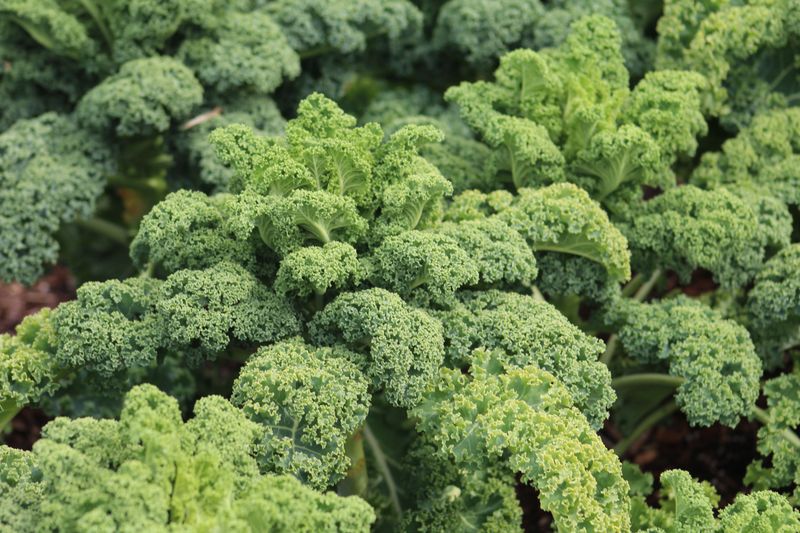
Picture a plant that treats a frosty morning like a free spa day. Kale is that plant, and it handles temperatures down into the low 20s Fahrenheit without fuss.
Cold weather actually helps kale taste better. When frost hits, the leaves turn some of their starch into sugar, which works like a natural antifreeze.
Many Texas gardeners say kale picked after a chilly night tastes sweeter and less bitter. Kids who wrinkle their noses at summer kale might even ask for seconds.
Plant kale about a month before your first frost so its roots can settle in well. Strong roots and full-sized leaves make the plant much better at shrugging off the cold.
Curly types like Winterbor and flat types like Lacinato both handle Texas winters well. Lacinato is sometimes called dinosaur kale because its bumpy leaves look like reptile skin.
Water your kale a day or two before a cold front arrives. Moist soil holds heat better than dry soil, giving roots a cozy blanket from below.
Keep harvesting the outer leaves while letting the center keep growing. One healthy plant can keep producing leaves from fall until the warm days of spring.
Pair your harvest with garlic and olive oil in a hot skillet. The leaves crisp at the edges and turn sweet, earning second helpings.
A prolonged hard freeze in single digits is a different story, so watch forecasts closely. For a normal first frost, though, your kale can stay uncovered and happy.
2. Collard Greens Grow Sweeter
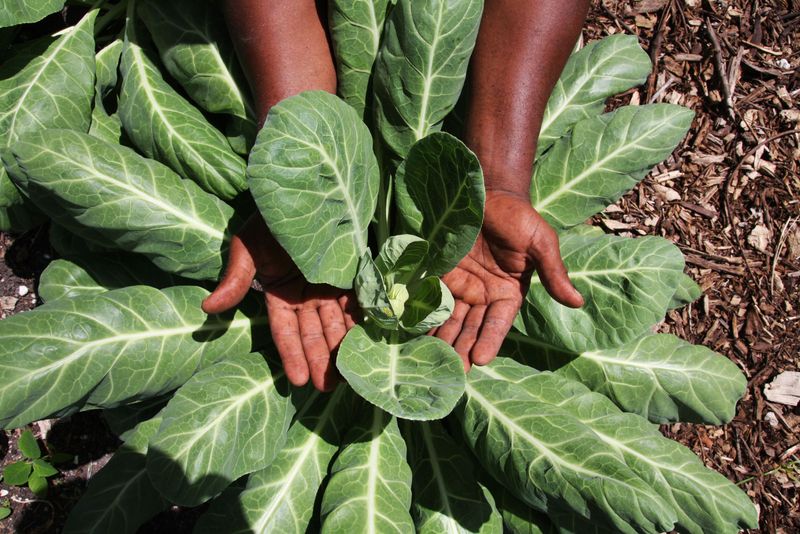
Ask experienced Southern cooks, and they will tell you collards are best after the first frost. That kitchen wisdom has real science behind it, and your garden can prove it.
Collard greens handle temperatures dipping to around 20 degrees Fahrenheit. Their thick, waxy leaves act like a raincoat, protecting the plant from frost injury.
Frost triggers the same sugar trick that kale uses. The leaves lose some bitterness and pick up a mild, almost buttery flavor that tastes great with cornbread.
Collards have been grown in the South for hundreds of years. Families depended on them because they kept producing food when most gardens went quiet.
Your Texas Garden Changes Every Week. Your Plan Should Too.
Gardening in Texas changes quickly throughout the season. Every Friday you’ll receive a simple weekly plan showing exactly what to plant, prune, fertilize, harvest, and protect so you never miss the right timing.
For October planting in Texas, set out young transplants instead of seeds. Transplants grow faster and build up strength before chilly nights roll in.
Give your collards a sunny spot with at least six hours of light each day. Rich soil with some compost mixed in will help the leaves grow big and sturdy.
Watch for cabbage worms, which are small green caterpillars that chew holes in leaves. Picking them off by hand works well for small gardens, and kids often enjoy the hunt.
Slice the leaves into ribbons and simmer them slowly with smoked turkey and onion. Patient cooking turns sturdy greens silky, tender, and richly flavored.
When a light frost is forecast, simply let your collards be. They will greet you the next morning sparkling with ice and ready for a pot of greens.
3. Cabbage Holds Its Ground
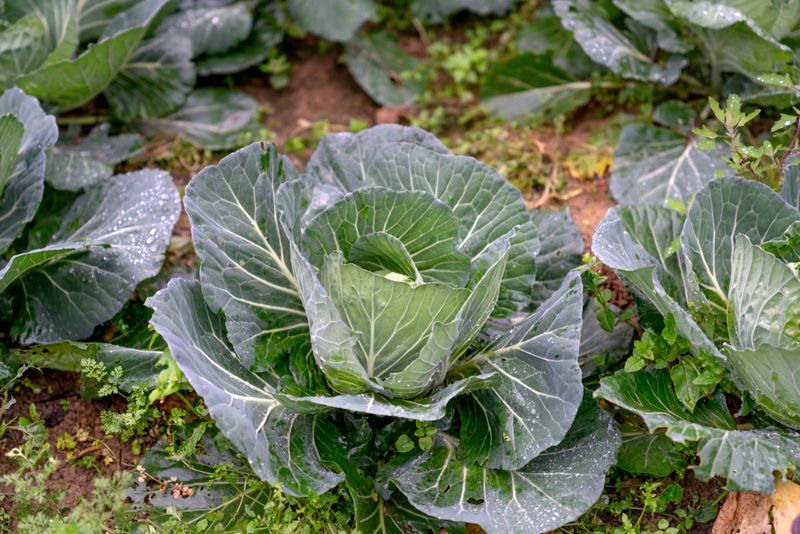
Round, heavy, and stubborn as a mule, cabbage sits in the garden like it owns the place. A little frost hardly bothers this leafy bowling ball.
Mature cabbage plants handle temperatures into the low to mid 20s Fahrenheit. The tightly packed leaves protect the tender center, much like layers of a winter coat.
Here is something surprising about cabbage history. Sailors once carried sauerkraut on long voyages because the fermented cabbage helped prevent a sickness called scurvy.
In much of Texas, October is a great month to plant cabbage transplants outdoors. Varieties like Golden Acre and Early Jersey Wakefield grow quickly and handle cool weather well.
Young cabbage plants are a bit more sensitive than grown ones. If your transplants are only a week old, a light row cover on the coldest night is a smart move.
Once they settle in, let them face the chill on their own. Frost helps cabbage develop a crisp texture and a sweeter taste that shines in coleslaw.
Feed your plants with a nitrogen-rich fertilizer every few weeks. Cabbage is a hungry crop, and steady meals help it form firm, heavy heads.
Shred a fresh head into a bowl with carrots and a splash of vinegar. Homegrown cabbage tastes much juicier and brighter than store-bought heads.
Check for splitting heads after heavy rain following a dry spell. Harvest those right away, and enjoy the crunch of homegrown cabbage on a cool fall evening.
4. Spinach Stays Busy
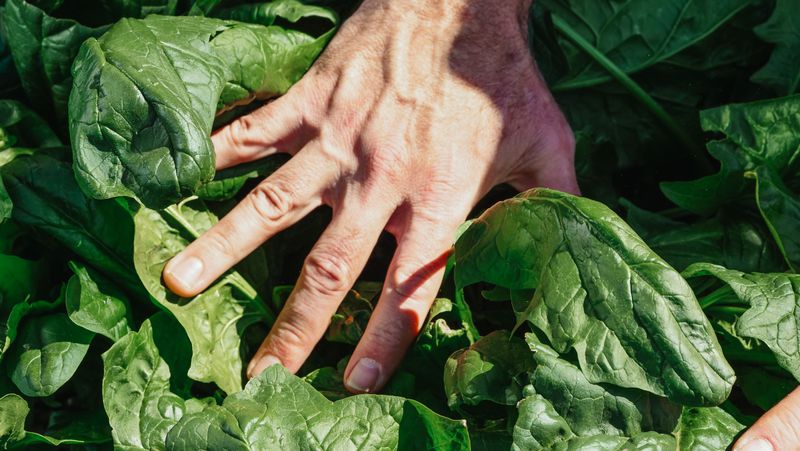
Round, heavy, and sturdy as a boulder, cabbage sits in the garden like it owns the place. A little frost hardly bothers this leafy bowling ball.
Mature cabbage plants can handle temperatures into the low to mid 20s°F. The tightly packed leaves protect the tender center, much like layers of a winter coat.
Here is something surprising about cabbage history. Sailors once carried sauerkraut on long voyages because it helped prevent a vitamin C deficiency called scurvy.
In Texas, October is a great month to get cabbage transplants into the ground. Varieties like Golden Acre and Early Jersey Wakefield grow quickly and handle cool weather well.
Young cabbage plants are a bit more sensitive than grown ones. If your transplants are only a week old, a light row cover on the coldest night is a smart move.
Once they settle in, let them face the chill on their own. Frost helps cabbage develop a crisp texture and a sweeter taste that shines in coleslaw.
Feed your plants with a nitrogen-rich fertilizer every few weeks. Cabbage is a hungry crop, and steady meals help it form firm, heavy heads.
Shred a fresh head into a bowl with carrots and a splash of vinegar. Homegrown cabbage often tastes juicier and brighter than store-bought heads.
Check for splitting heads after heavy rain following a dry spell. Harvest those right away, and enjoy the crunch of homegrown cabbage on a cool fall evening.
5. Carrots Hide Underground
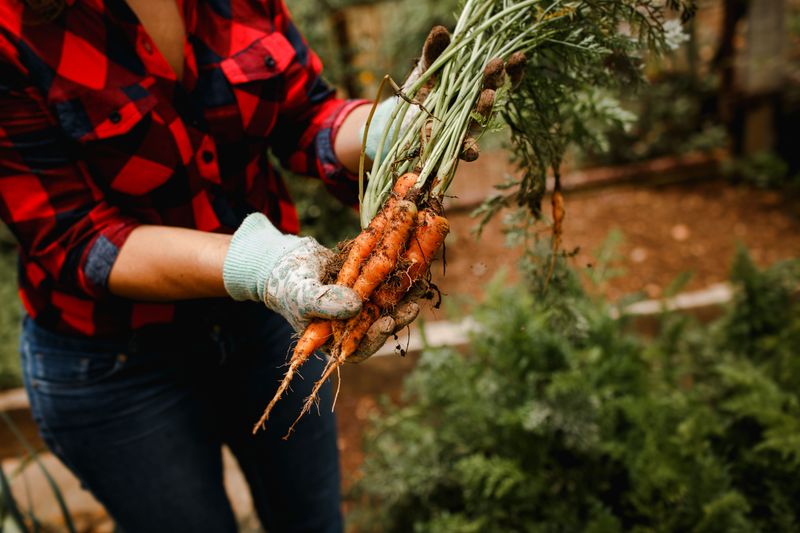
While frost sparkles on the garden, carrots are snug beneath the soil like kids under a thick quilt. Their clever hiding spot is the secret to their cold-weather success.
Soil holds warmth much longer than the air above it. So even when frost coats the feathery tops, the orange roots below stay safe and sound.
Cold nights also make carrots taste sweeter. The roots store extra sugar to protect themselves, and that sugar ends up in your crunchy snack.
Plant carrot seeds in early fall in loose, sandy soil. Rocky or clay soil can make carrots grow twisted, forked, or stubby.
Carrot seeds are tiny and slow to sprout, sometimes taking up to three weeks. Keep the soil damp, and be patient while you wait for those first green threads.
Thin your seedlings so each plant has about two inches of space. Crowded carrots stay small and skinny, which is no fun at harvest time.
Long ago, carrots were purple or yellow instead of orange. Dutch farmers in the 1600s helped make orange carrots popular around the world.
Pull one carrot on a cold morning and rinse it under the hose. The first bite snaps loudly and tastes surprisingly sweet and fresh.
If a hard freeze is coming, add a layer of straw or mulch over the bed. For a typical first frost, though, carrots can handle it just fine on their own.
6. Garlic Sleeps Soundly
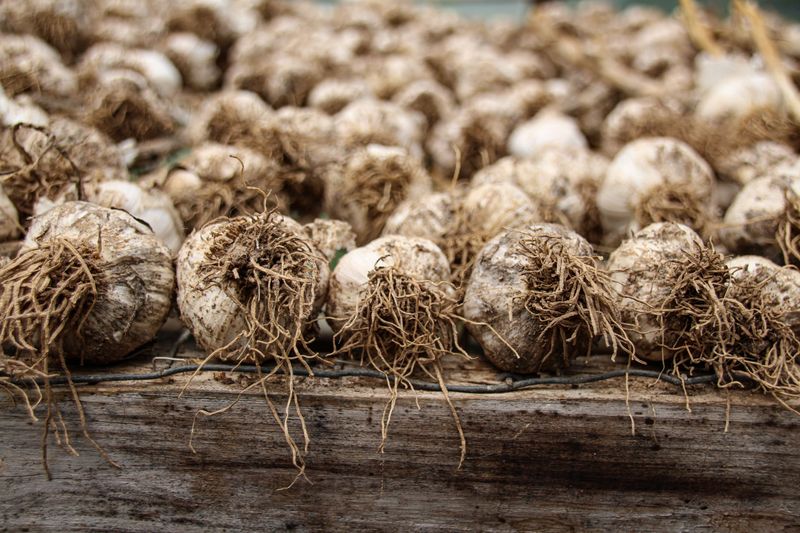
Garlic might be the most patient plant in your whole garden. You tuck it in during October and wait until late spring to see what it has been up to.
Frost does not bother garlic at all. In fact, garlic needs a stretch of cold weather to form the plump bulbs you find at the grocery store.
Gardeners call this chilly period vernalization. Without enough cold, garlic may grow one big round bulb instead of separate cloves.
In most of Texas, mid to late October is the sweet spot for planting. Push each clove into the soil about two inches deep with the pointy end facing up.
Softneck garlic types handle the mild Texas climate better than hardneck types. Varieties like Inchelium Red and California Early are popular picks for Lone Star gardens.
Spread a few inches of straw mulch over your garlic bed after planting. Mulch keeps weeds down and helps the soil hold onto moisture.
Green shoots might pop up before winter, and that is perfectly normal. Even if frost nips the tips, the bulb underground keeps growing strong.
Cure harvested bulbs in a shaded, airy spot for several weeks. Dried garlic stores well through summer and brings bold flavor to winter cooking.
Ancient Greek historians wrote that garlic fed the workers who built the pyramids. Your harvest next May might not build pyramids, but it will power up plenty of spaghetti dinners.
7. Pansies Smile Through Frost
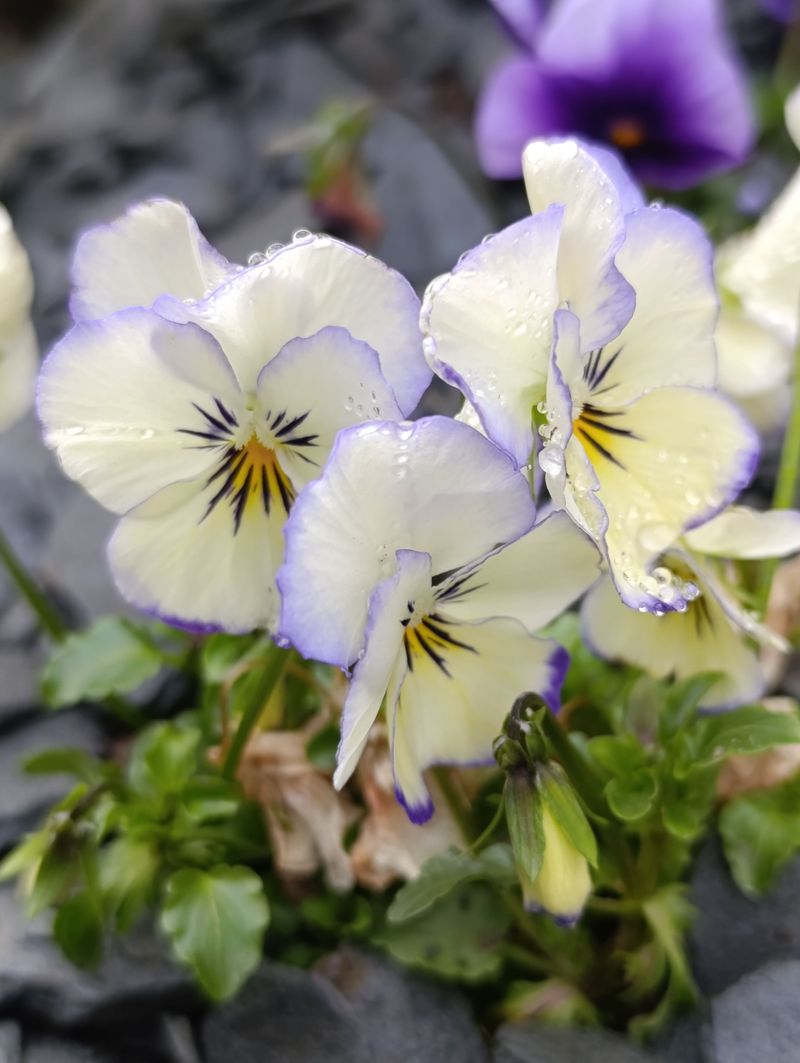
With their cheerful little faces, pansies look like they are grinning at the cold. These flowers bring a burst of color when most of the yard turns brown.
Pansies handle temperatures down into the teens Fahrenheit once their roots are established. After a frosty night, they might droop, but they bounce back by lunchtime.
The name pansy comes from the French word pensee, which means thought. People once believed the flower looked like a face deep in thought.
October is the ideal time to plant pansies across Texas. Cooler soil helps them settle in and grow strong roots before winter arrives.
Choose a sunny spot that gets at least six hours of light. Pansies planted in too much shade tend to grow leggy and produce fewer blooms.
Water them in the morning so the leaves dry before nightfall. Wet leaves on a freezing night are more likely to get damaged.
Pick off faded blooms every few days to keep new flowers coming. Gardeners call this trimming, and pansies reward it with long-lasting color.
Tuck pansies into pots near your front door for instant welcome. Their velvety petals come in purple, yellow, blue, and white, brightening gray days.
Pansy petals are also edible and make salads look extra fancy. Just be sure your plants were not sprayed with chemicals before you take a nibble.
8. Snapdragons Stand Tall
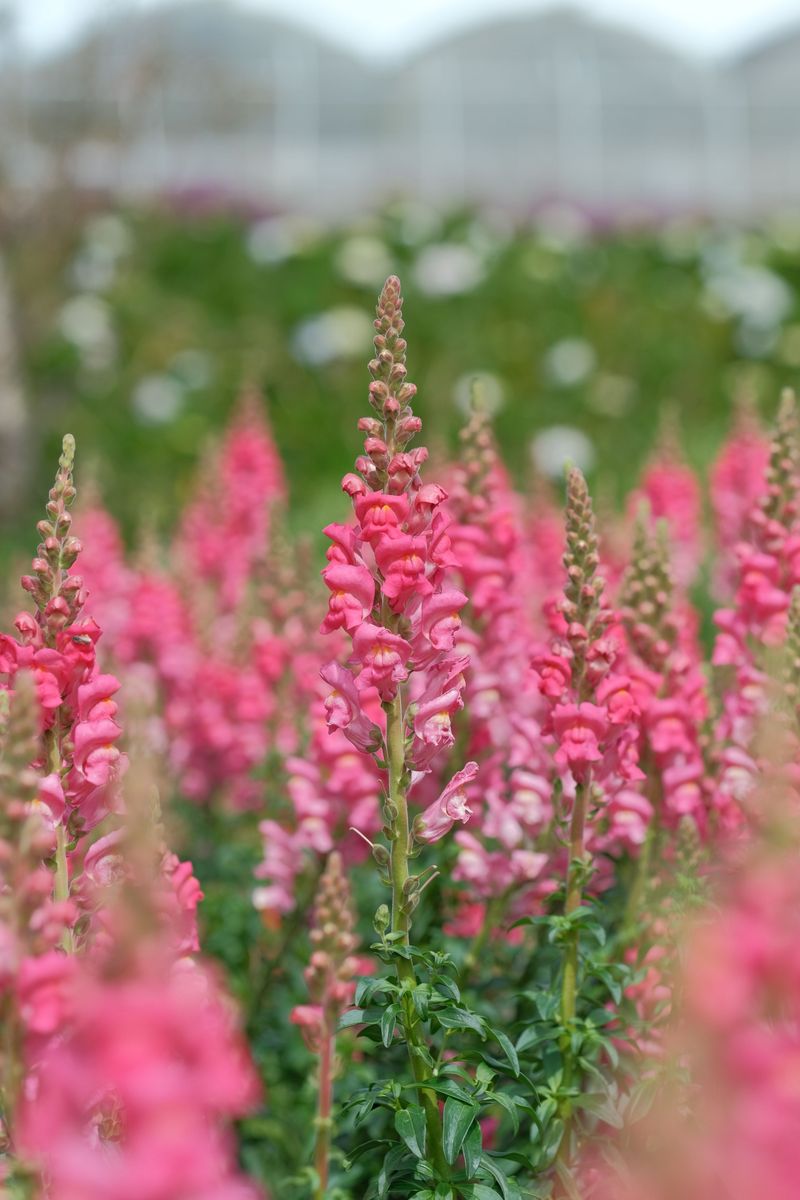
Gently squeeze a snapdragon bloom, and it opens and closes like a tiny dragon mouth. That playful trick has made these flowers a favorite with kids for generations.
Snapdragons are also surprisingly tough in cool weather. They handle light frosts with ease and take temperatures in the mid 20s Fahrenheit.
In much of Texas, snapdragons are planted in fall and bloom through winter and spring. Summer heat is actually harder on them than a frosty October night.
Plant transplants in October in a sunny bed with well-drained soil. Space them about eight to twelve inches apart so air can flow between the stems.
Tall varieties like Rocket can reach three feet and make great cut flowers. Shorter types like Montego work nicely along borders and in containers.
Pinch off the top of young plants when they are a few inches tall. This simple step encourages more branches, which means more flower spikes later.
Cut a few spikes for the table once the lower blooms open. Fresh stems last about a week in water and perfume the room.
Bees love snapdragons, but only big bumblebees are heavy enough to pry open the blooms. Watching one squeeze inside is like a little nature show in your backyard.
When the first frost arrives, leave your snapdragons uncovered and let them shine. By spring, they will reward you with towers of pink, gold, red, and white.