The California Herb That Keeps Spiders Away From Porch Lights
Porch lights turn on at dusk, and within minutes the fixture becomes the busiest spot on the block. Moths bump against the glass, and fresh webs seem to appear overnight.
Many Californians keep a favorite herb near the door for exactly this reason. One fragrant plant in particular has built a loyal following for its reputation with spiders.
Its strong scent may lend a helping hand, especially alongside a few simple changes.
Understanding why spiders gather near lights in the first place makes a big difference.
A smart mix of fragrance, lighting choices, and easy cleaning habits can turn a spider-friendly porch into a far less tempting spot.
Spiders Follow The Insects To Your Lights
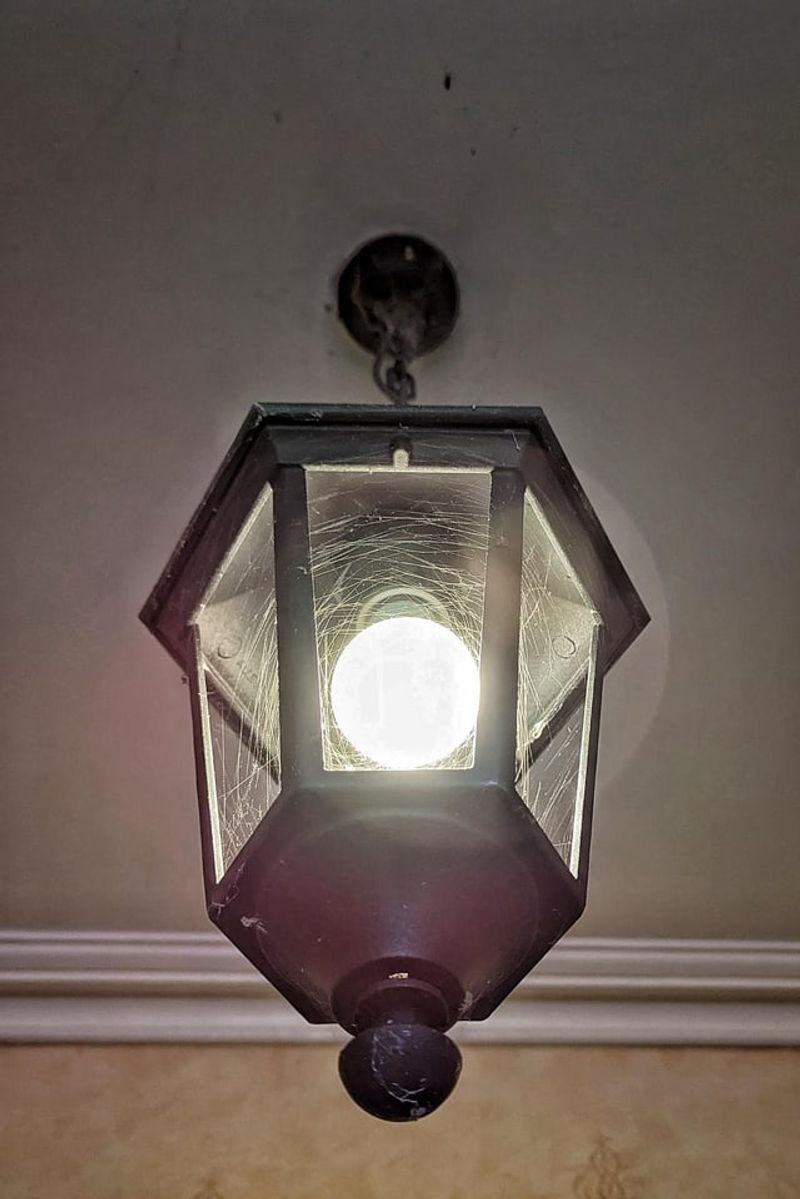
A porch light works a lot like a busy diner that only opens after sunset, and spiders are the regulars who grab the best booths. They aren’t drawn to the brightness itself.
Most spiders care very little about light. What they care about is food, and a glowing bulb gathers moths, gnats, beetles, and midges into one small space.
A spider that builds a web near the fixture enjoys a steady stream of meals with almost no effort. Well-fed spiders tend to stay put and lay eggs nearby.
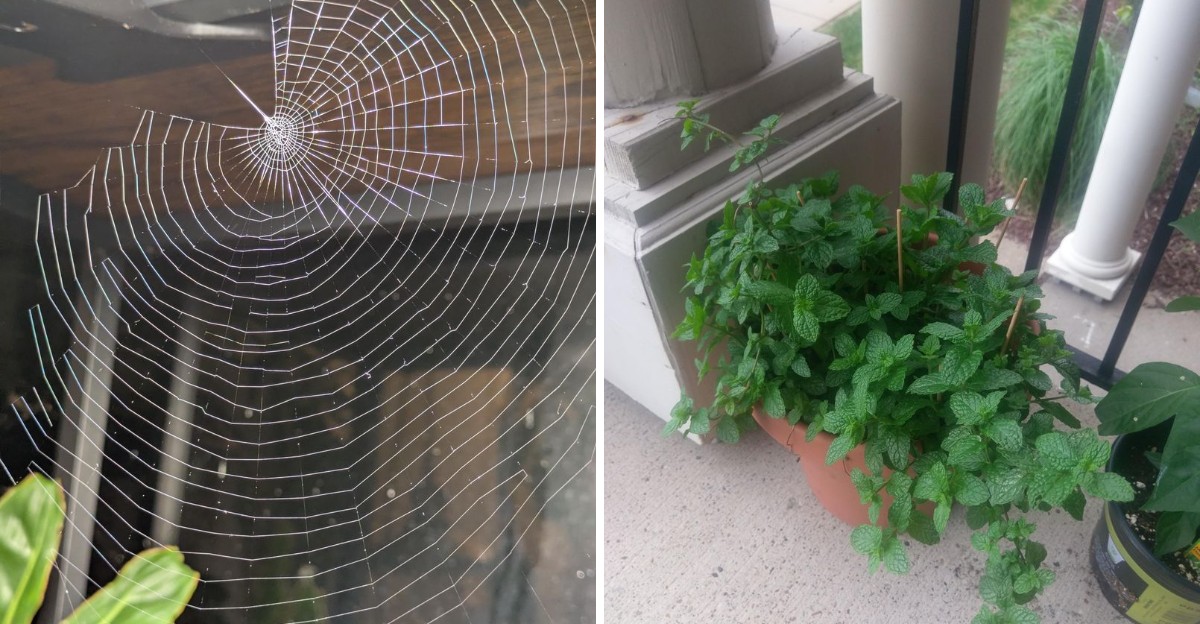
Orb weavers are common culprits around California porches. They spin round, wheel-shaped webs in the evening, often between the light and a wall or eave.
Cobweb spiders, including the house spider, prefer messy tangles in corners near the fixture. Both kinds pick spots where insects bump around the most.
Understanding the menu changes the whole approach to porch pests. Fewer flying insects mean fewer reasons for spiders to camp out by the door.
UC Statewide IPM, the University of California pest program, points to this same idea. Its spider guidance suggests reducing outdoor lighting near doors and windows because lights attract the insects spiders feed on.
Fragrant plants can help round out the effort, and they work best alongside smarter lighting. Fewer snacks, plus a less welcoming scent, add up to fewer hungry hunters waiting at the front step.
Porch Lights Draw Moths And Midges
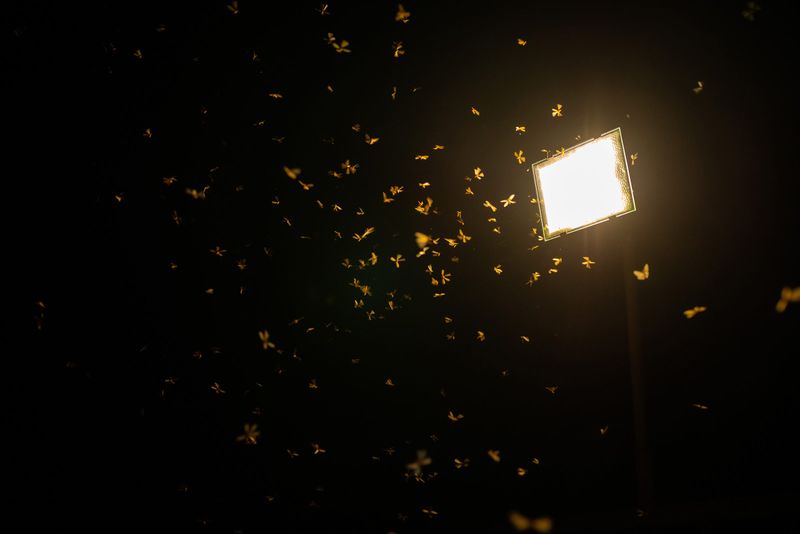
An outdoor bulb switched on during a warm July night gets busy fast. Tiny wings flash in the glow, circling and diving as though stuck in a loop.
Entomologists have studied this curious habit for a long time. Many night-flying insects use light from the sky to stay oriented in flight.
Recent research suggests they tilt their backs toward the brightest light they see, which normally keeps them level. A nearby bulb confuses that system, so they spiral, stall, and flutter around it instead of flying straight past.
Moths are the famous visitors, but they usually bring plenty of company. Midges, small flies, crane flies, lacewings, and beetles all show up on summer evenings.
In coastal and valley areas of California, warm nights after irrigation or rain can bring especially big crowds. Some insects spend the whole night trapped near a light.
They tire out, land on walls, and become easy targets for predators. Spiders take full advantage, and so do geckos, toads, and bats in some neighborhoods.
Your California Garden Changes Every Week. Your Plan Should Too.
Gardening in California changes quickly throughout the season. Every Friday you’ll receive a simple weekly plan showing exactly what to plant, prune, fertilize, harvest, and protect so you never miss the right timing.
Bulb type matters, too. Lights that give off more blue and ultraviolet light tend to attract more insects, which explains why old bug zappers glow purple.
A bright, cool white lamp left on all night works like a neon sign advertising free food. Knowing how that pull works makes smarter lighting choices much easier, as later sections show.
Peppermint Brings A Scent Spiders May Dislike
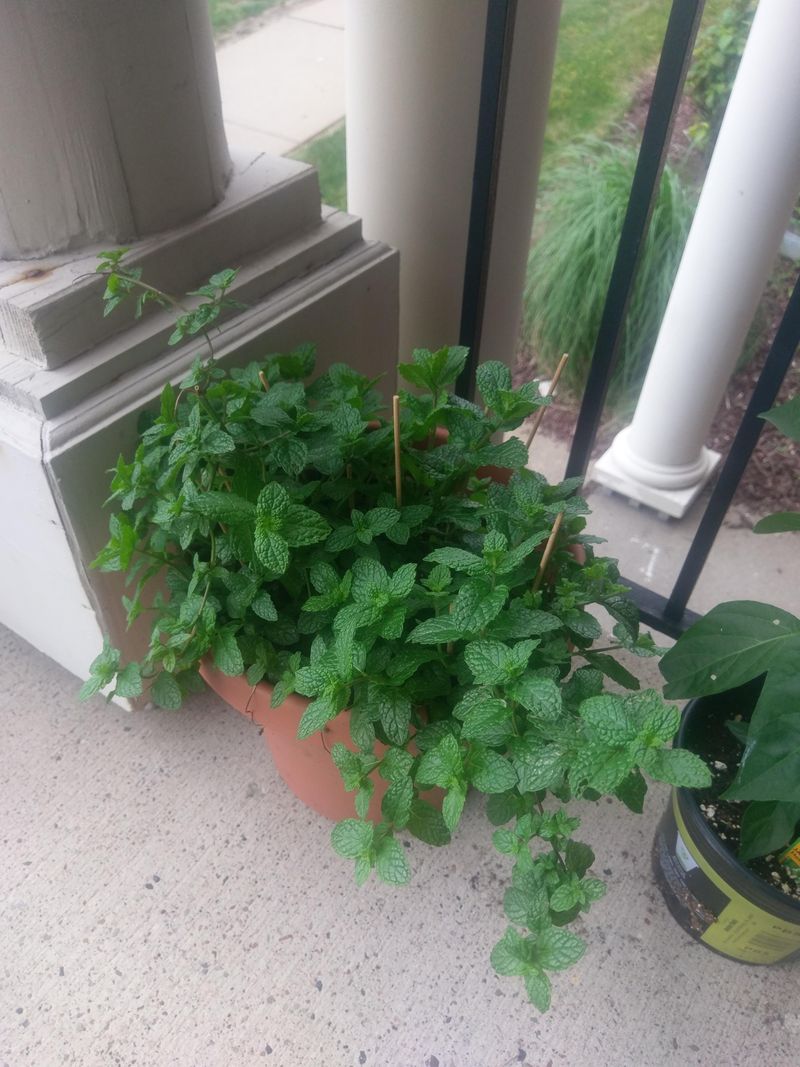
Rubbing a single leaf between the fingers releases a sharp, cool smell strong enough to make eyes water. That punchy scent explains why peppermint became the star of spider folklore and remains the most popular herb for the job.
Peppermint oil is rich in menthol, a compound that can irritate some small creatures. Several lab studies have tested peppermint oil on spiders, with some suggesting spiders may steer away from treated areas.
Many gardeners also report fewer webs near doors lined with fresh mint. Those results, along with the herb’s easy care, keep it in steady demand.
A potted plant gives off less scent than concentrated oil, so placement matters. Pots set right beside the door and near the light fixture keep the fragrance closest to where webs tend to form.
Brushing or lightly crushing leaves releases more aroma. A few drops of diluted peppermint oil wiped along frames and fixtures can boost the effect.
The oil fades within hours, though, so it needs regular reapplying.
Mint spreads aggressively through underground runners, so a container works far better than a flower bed. Morning sun, regular water, and afternoon shade in hot inland areas keep it lush.
Peppermint is a natural cross between watermint and spearmint, so it rarely produces good seed. Gardeners spread it with cuttings instead.
It also makes a fine cup of tea. Any spider-discouraging effect comes as a fresh, minty bonus on top of flavor and fragrance.
Warm-Toned Bulbs Attract Fewer Insects
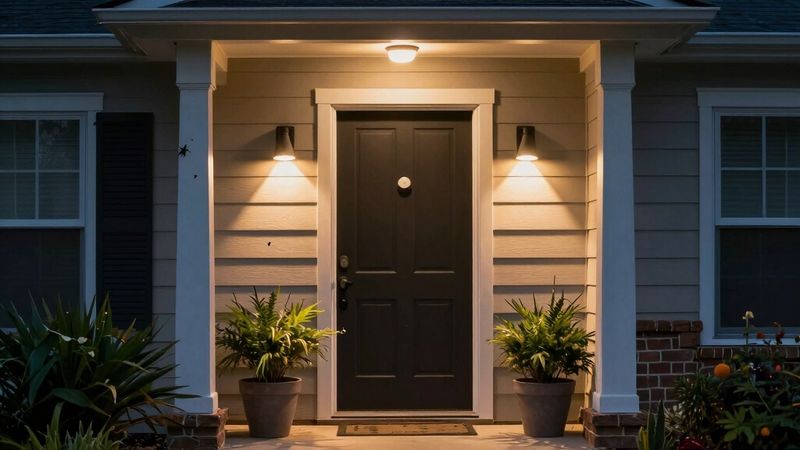
One bulb swap can turn a porch from bug party to quiet evening. Bulb color ranks among the easiest fixes most people never try, costing a few dollars and about a minute of effort.
Many insects see blue and ultraviolet light far better than reds and yellows. University entomology research, along with UC Statewide IPM guidance, notes that yellow and warm-colored lights tend to draw fewer flying insects than cool white or bluish ones.
Fewer insects at the fixture mean fewer reasons for spiders to build there. That pairs nicely with fragrant pots of peppermint and lavender nearby.
LED bulbs labeled warm white, around 2700K or lower, make a strong choice. Amber or yellow bug-light LEDs go even warmer and often perform best.
Old-fashioned yellow incandescent bug bulbs work too, though LEDs use less power and run cooler. Either option beats a bright, bluish lamp.
Realistic expectations help. Warm bulbs reduce insect visits without erasing them entirely.
Results vary by region, season, and brightness, so a dimmer warm bulb usually beats a blazing one.
Placement matters as well. A light mounted away from the door, shining toward the entry, pulls bugs away from the spot people walk through.
Shielded fixtures that point light downward spill less glow into the night sky, which also helps nearby wildlife. Brighter ideas, it turns out, often mean dimmer and warmer bulbs.
Turn Lights Off When You Do Not Need Them
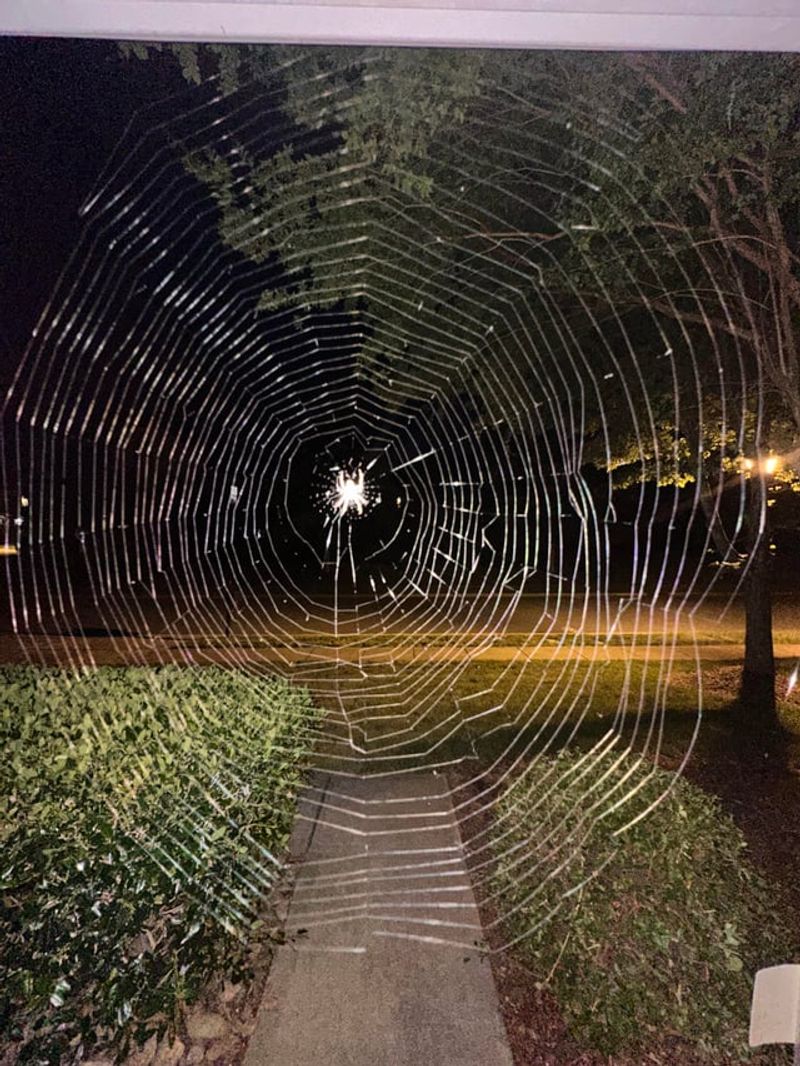
A porch light that snaps on at sunset and burns until breakfast offers insects a full night shift. Spiders notice that steady supply quickly.
Cutting light hours is the simplest way to shrink the buffet. With the bulb off, insects scatter back into the yard, and webs near the door catch far less.
Spiders that go hungry often move to better hunting grounds within days or weeks. That shift happens naturally without sprays.
Motion sensor lights offer a smart middle ground. They stay dark most of the night and flash on only when someone approaches, keeping the porch safe and welcoming.
Timers work well too, letting the light glow during evening visits and switch off by bedtime. Either option trims hours without sacrificing convenience.
Indoor lights matter more than many people expect. Bright rooms behind uncovered windows draw insects to the glass, and spiders follow them there.
Closing blinds or curtains at night cuts that glow and keeps window frames from turning into web central. Fragrant pots on nearby sills or ledges add another small layer of help.
Less outdoor lighting also trims electric bills and reduces light pollution, which helps moths, birds, and bats that rely on dark skies.
California hosts many night pollinators, so a darker porch quietly supports the whole garden. The off switch becomes the cheapest pest tool already on hand.
Sweep Webs Often So Spiders Move On
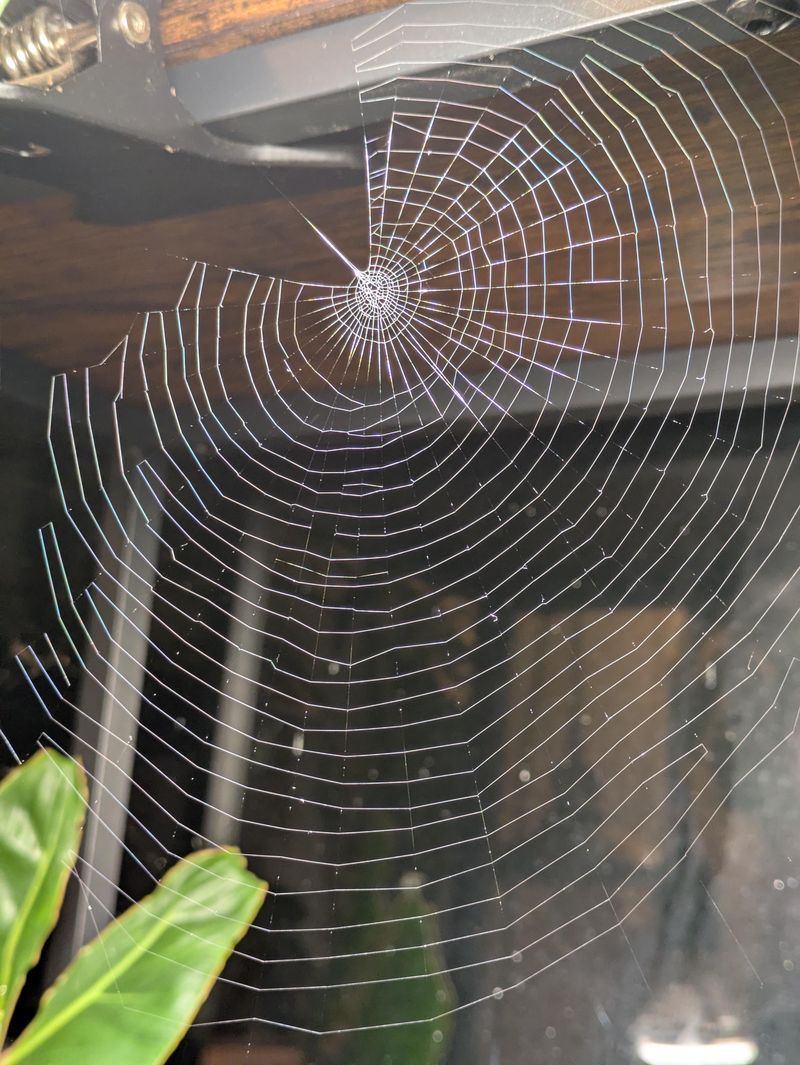
A broom on Saturday morning can undo a whole week of spider construction in about five minutes. Web removal sounds almost too basic, yet UC Statewide IPM lists it among the most useful steps homeowners can take.
Spinning silk costs a spider energy and protein. Each cleared web means starting over, and many spiders abandon spots that keep getting swept.
Sweeping also removes egg sacs, which can each hold dozens or even hundreds of future spiderlings. That keeps the next generation from settling in.
A long-handled cobweb brush or extendable duster makes the job easy. Good targets include the light fixture, eaves, door corners, and window frames.
A vacuum with a hose attachment handles corners and sacs nicely, with the bag or canister emptied outside afterward.
Orb weavers often rebuild in the evening, so morning sweeps catch webs before they snag the night’s insects.
Once or twice a week works well during late summer and fall, when California spider activity usually peaks. Consistency matters more than intensity.
A little tidying adds to the effect. Trimming plants and vines that touch the house, moving firewood and clutter away from the entry, and sealing gaps around the fixture with caulk all help.
Gloves are smart when reaching into hidden spots. A fresh wipe of diluted peppermint oil along cleaned frames finishes the job nicely.
Steady, simple chores soon convince spiders the porch is more hassle than it’s worth.
Most Porch Spiders Are Harmless Helpers
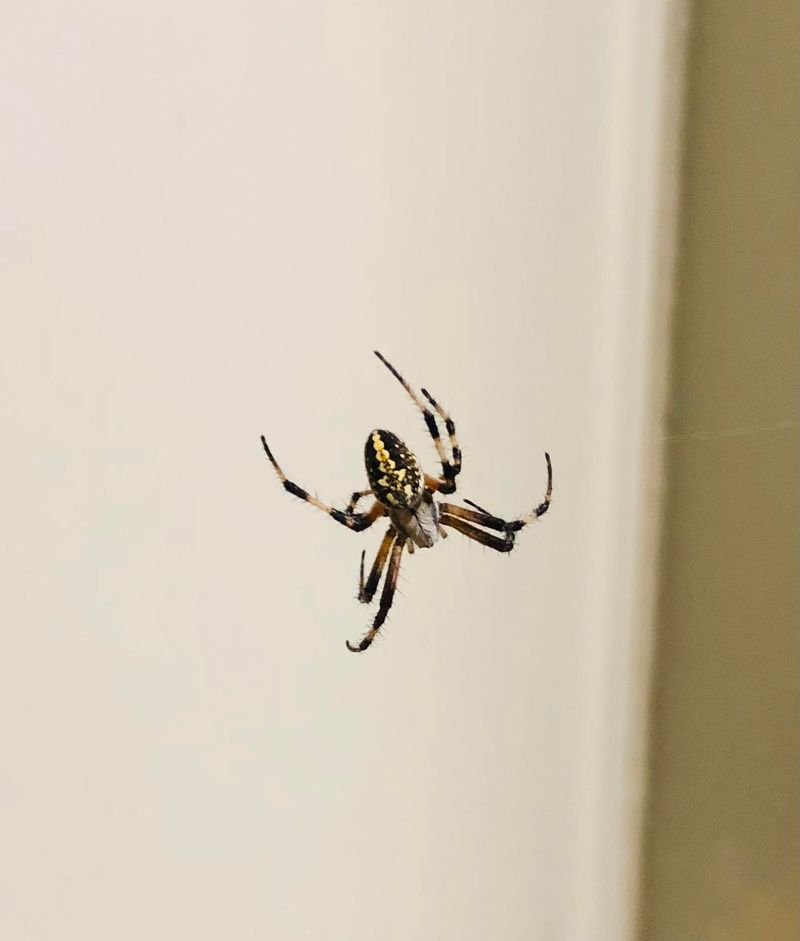
Every eight-legged neighbor deserves a fair hearing before getting evicted. That orb weaver by the light may catch dozens of mosquitoes, flies, and moths in a single week.
That’s free pest control that’s hard to beat.
Most spiders in California are harmless to people. UC Statewide IPM notes that spiders are beneficial because they feed on insects, including many garden and household pests.
Their fangs are usually too small or weak to break human skin. They would much rather run and hide than bite.
One spider does deserve caution. The western black widow is glossy black with a red hourglass under its round belly.
It favors dark, sheltered spots like woodpiles, meter boxes, and corners under outdoor furniture.
Handling one is best avoided. Gloves help when cleaning such places, and any bite calls for prompt medical care.
Brown recluse spiders, despite many rumors, aren’t established in California. Bites blamed on them usually turn out to be something else, so a worsening wound deserves a doctor’s visit rather than a guess.
A balanced approach works best. Clearing webs from doorways and fixtures, while letting spiders keep working in garden beds and shrubs, keeps everyone reasonably happy.
Warm bulbs, fewer light hours, and regular sweeping keep the porch tidy. Peppermint and lavender add pleasant fragrance and a little extra help, while spiders handle bug patrol out in the yard where nobody walks.