The Virginia Tree Signs That Signal Last Summer’s Drought Damage Will Show Up By Spring
Summer left a signature on your trees, and you probably missed it. Virginia’s hot August asked your maples to ration water.
Leaves curled along their margins and dropped weeks ahead of schedule. You can still read those signs before the canopy thins.
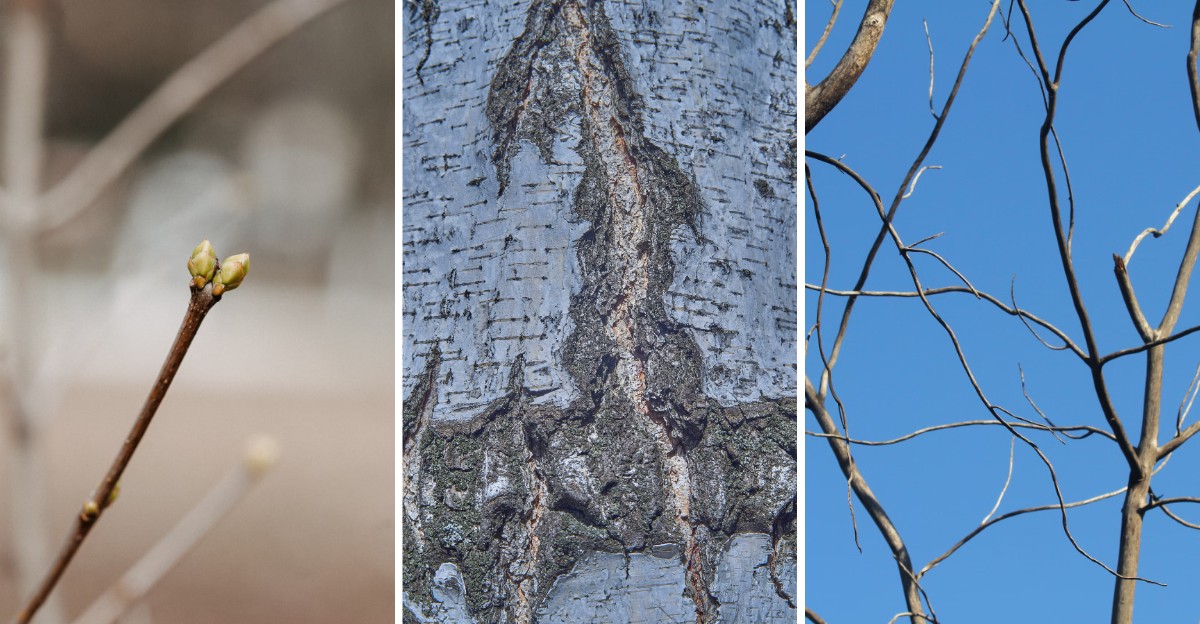
Check your trunks for vertical seams and flat, recessed patches of bark. Inspect twigs near the crown; stiff tips part with a dry, hollow pop.
Tiny exit holes in your bark signal beetles tunneling through stressed wood. Winters across Virginia test thirsty trees, so fall care matters more than you think.
Water deeply now, before the ground firms up for winter. Mulch a wide ring, but keep it away from the trunk.
Photograph the worrying spots so you can compare them in April. Spring growth will reveal whether your timing worked. Your trees will notice what you did.
1. Early Fall Color And Leaf Drop
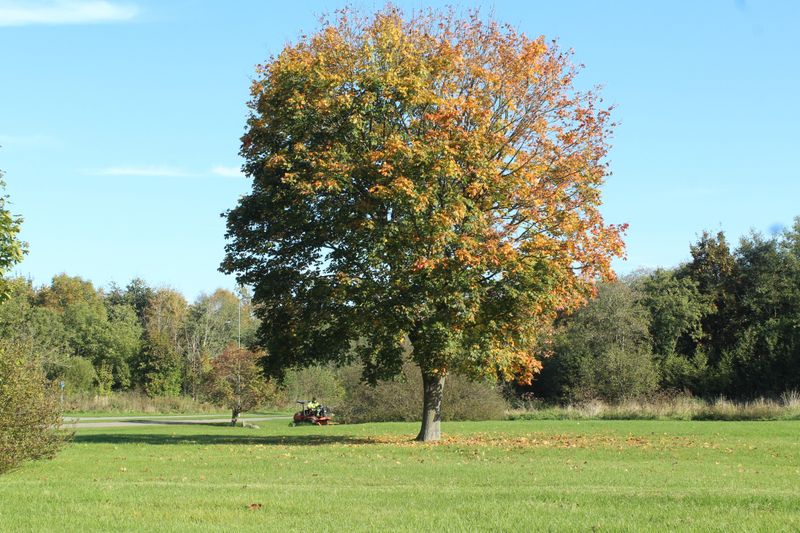
Picture a red maple glowing scarlet in late August while its neighbors stay green. Pretty, sure, but that early show is often a sign of stress.
Trees short on water start shutting down their leaves ahead of schedule to save energy. They pull back nutrients and let the green chlorophyll fade weeks before it normally should.
In Virginia, most native trees reach peak color between mid-October and early November. Any tree that turned color or dropped leaves in August or September deserves a closer look.
Dogwoods, tulip poplars, and red maples tend to react first during hot, dry stretches. Tulip poplars may even shed yellow leaves in midsummer, which homeowners often mistake for early autumn.
Grab a notebook or your phone and jot down which trees changed early this year. Snap a photo too, so you can compare their leaf-out next spring.
Early color is not a sign of lasting decline, but it does mean the tree spent less time making food, so its energy reserves run low.
Help it now with a slow, deep soak once a week until the ground freezes. Aim for about ten gallons per inch of trunk width, spread around the drip line.
Add a ring of mulch two to three inches deep, keeping it away from the bark. Consistent care can support a fuller canopy by May.
Skip the fertilizer for now, since it can push weak growth at the wrong time. Water first, then let a spring soil test guide any feeding plans.
2. Crispy, Brown Leaf Edges
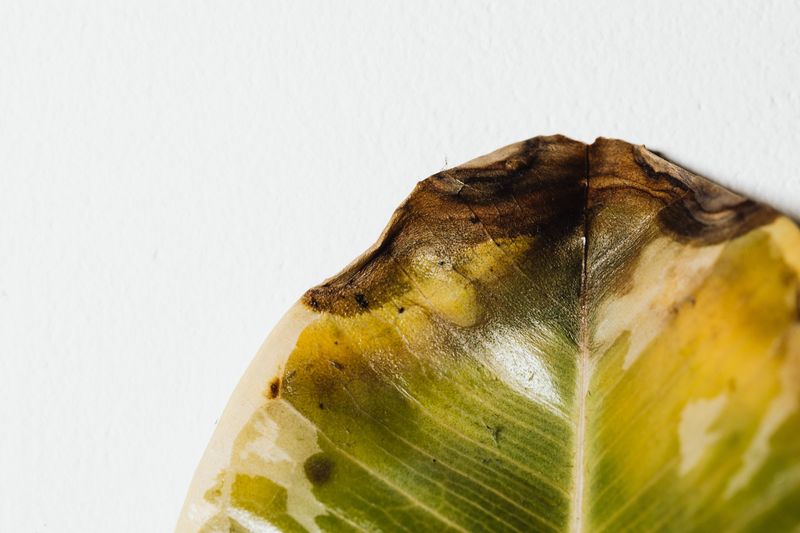
Run your fingers along a leaf and feel it crackle like old paper. That crispy brown border has a name, and arborists call it leaf scorch.
Scorch happens when roots cannot pull up water as fast as leaves lose it. The edges and tips dry out first because they sit farthest from the veins.
Hot, dry summers in Virginia can make scorch common on maples, dogwoods, and Japanese maples. Young trees planted in the past three years are often more affected.
Look closely at how the browning spreads across each leaf. Drought scorch usually starts at the edges and moves inward, but some diseases can look similar, so ask an arborist if you are unsure.
Your Virginia Garden Changes Every Week. Your Plan Should Too.
Gardening in Virginia changes quickly throughout the season. Every Friday you’ll receive a simple weekly plan showing exactly what to plant, prune, fertilize, harvest, and protect so you never miss the right timing.
Check which side of the tree took the worst damage. South and west sides receive the strongest afternoon sun, so scorch there points toward heat and dryness.
Scorched leaves cannot make much food, so the tree heads into winter with fewer energy reserves. That shortfall can show up as smaller leaves or slower growth next spring.
Rake fallen leaves if you prefer a tidy yard, or leave them in garden beds, away from the trunk. Then give the roots a deep drink during any dry October or November weeks.
A soaker hose left running at a trickle for several hours helps water reach the deeper roots. Water early in the day so moisture sinks in before cold nights arrive.
Keep an eye on scorched trees during next year’s first hot spell. Repeat scorch two summers in a row is a sign to call a certified arborist.
3. Thinning Canopies Overhead
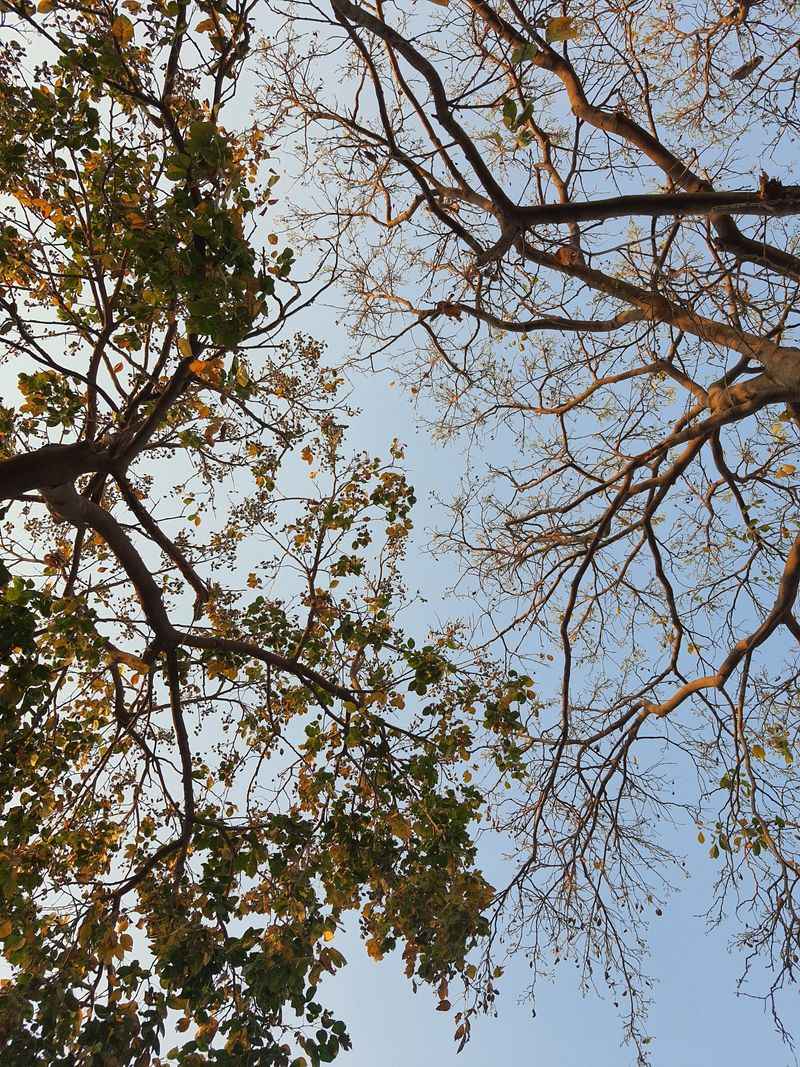
Stand under your oak at noon and look straight up. If you can count clouds through the branches, your tree might be low on stored energy.
For most species, a healthy canopy blocks much of the sky, though some trees are naturally open. Thin crowns let sunlight pour through gaps that were not there a year or two ago.
Drought-stressed trees often drop some leaves early to cut down on water loss. Others simply grow smaller leaves, which makes the whole crown look see-through and tired.
White oaks, red oaks, and hickories across the Piedmont can show this thinning after a dry summer. Even big, old trees can struggle when rain stays away for weeks, since most roots sit in the top foot or two of soil.
Compare your tree to an old photo, if you have one handy. Family snapshots from past summers make surprisingly good before-and-after records.
A thinner canopy means fewer leaves making food for the roots and trunk. Next spring, the tree may leaf out late or produce even sparser growth.
Protect the root zone from foot traffic, parked cars, and heavy equipment. Packed soil squeezes out air and water, making recovery much harder.
Spread mulch wide, out toward the drip line if your yard allows it. Think donut shape, not volcano, with a gap of a few inches around the trunk.
Water deeply on mild fall days when rain skips a week or more. Slow, steady moisture helps roots store energy for the big spring push.
Mark your calendar to check the canopy again in late May. If it still looks thin, ask an arborist to examine the roots and trunk.
4. Leafless Twigs At The Top
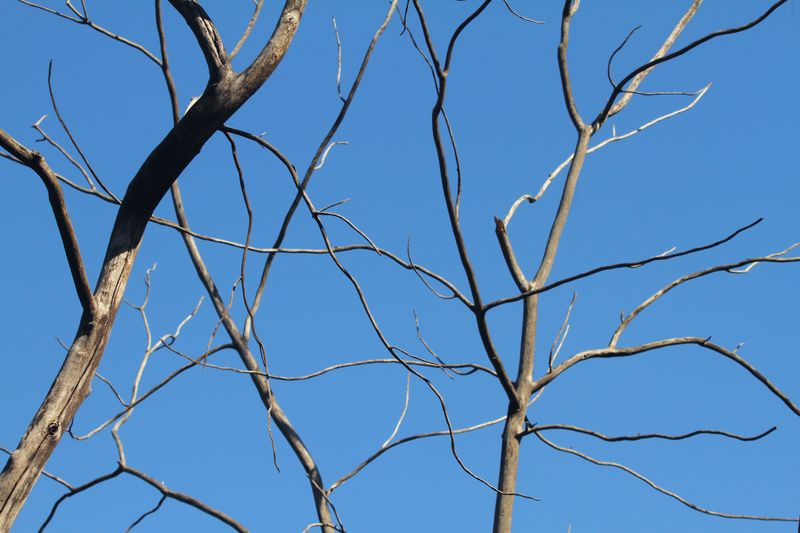
A tulip poplar can look like a bad haircut after a dry summer. The top branches may look leafless and gray while the lower limbs still hold green leaves.
Arborists see this pattern often in Virginia. The highest twigs are the hardest for the tree to supply with water.
When moisture runs short, the tree stops supplying those far-off tips and protects its main trunk. It is a smart survival move, but it leaves the crown looking uneven.
Try a simple scratch test on any suspicious twig you can reach safely. Green tissue under the bark means the twig is alive, while brown and dry means that section is no longer living.
Bend the twig gently, too, and listen for a clean snap. Living wood flexes, but wood that is no longer living breaks quickly like a pretzel stick. Leafless top branches often stay leafless when spring arrives, so plan ahead.
Late fall and winter are good times to prune most trees, since the tree is resting. Wait until after bloom for spring-flowering trees.
Cut small twigs yourself with clean, sharp pruners just past the branch collar. Leave high or heavy limbs to a certified arborist with proper gear and insurance.
Keep watering through the fall whenever the soil feels dry two inches down. Healthy roots this winter mean the tree can push fresh growth lower in the crown. A poplar that gets a trim and steady watering in fall often leafs out more evenly in spring.
5. Bark That Cracks Or Peels
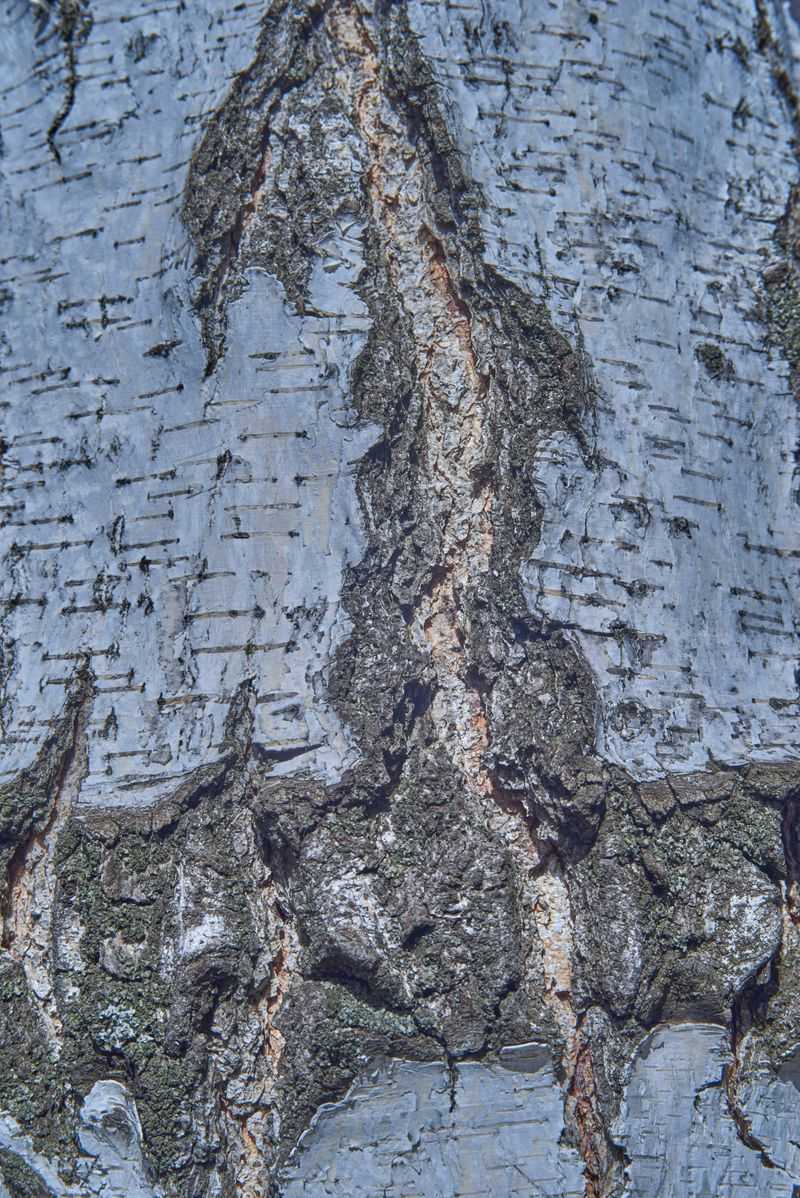
Bark works like skin, stretching and shielding everything tender underneath. When it splits or peels in odd places, something may be affecting the tree.
Drought can cause the wood beneath the bark to shrink as it loses moisture. Cracks may follow when growth resumes or temperatures swing.
Thin-barked trees like beech, maple, and cherry show this damage most clearly. Young trees with smooth bark are also easy targets during long hot spells.
Some trees naturally peel, so do not panic over every flake. River birch and sycamore shed bark as part of normal growth, and that is perfectly fine.
Worry more about cracks that ooze, smell sour, or show exposed wood underneath. Loose bark that sounds hollow when tapped is another warning worth noting.
Frost cracks can also form this winter, whether or not a tree was stressed this summer. Cold nights after sunny days can make bark split with an audible crack.
Wrap thin-barked young trees with a light-colored tree guard from November through March. Remove the wrap in spring so moisture and insects do not hide underneath.
Skip the old trick of painting wounds with tar or sealant. University extension guidance says trees heal better on their own by growing callus tissue around injuries.
Measure any large cracks with a ruler and write the date down. Growing cracks or new splits by spring mean it is time for a professional checkup.
Deep fall watering helps the tree rehydrate and supports natural healing. A well-hydrated trunk heading into winter gives the tree its best start for spring.
6. Buds That Look Small Or Missing
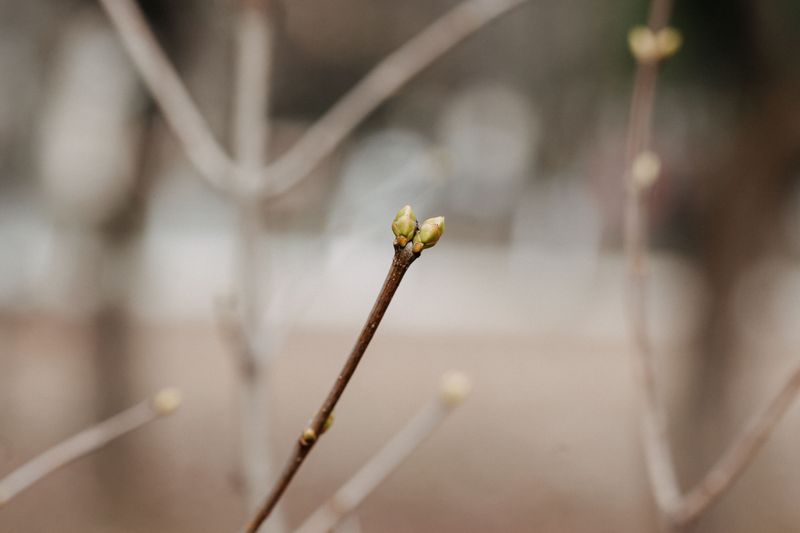
Ever notice how a tree packs its lunch for spring months in advance? Those packed lunches are buds, and they form during the summer before.
Most leaves and flowers you see next April started as tiny buds last summer. When water ran short in July and August, many trees made fewer or weaker buds.
Late fall is a great time to check, since buds are easy to spot once leaves fall. Look at the tips of branches and along the twigs where leaves were attached.
Healthy buds look plump, firm, and evenly spaced along the twig. Stressed buds may look shriveled, tiny, or be missing in spots where they should appear.
Flowering trees like dogwoods and cherries show this sign most clearly. Fewer flower buds now often means a skimpy bloom display next spring.
Use a sharp knife to slice one bud open. Green tissue inside means a healthy bud, while brown or hollow tissue means it likely will not open.
Count the buds on a few branches and compare them to a healthy tree nearby. Even a rough count helps you judge how much stress your tree carried.
Buds cannot be fixed once they are set, but you can still help. Deep watering this fall supports the tree’s overall health going into winter.
Hold off on pruning flowering trees until after they bloom next spring. Cutting now removes buds that the tree worked hard to build during a stressful summer.
Next year, water during dry spells from June through August. That is when the tree builds its spring wardrobe, one bud at a time.
7. Sap Seepage And Borer Holes
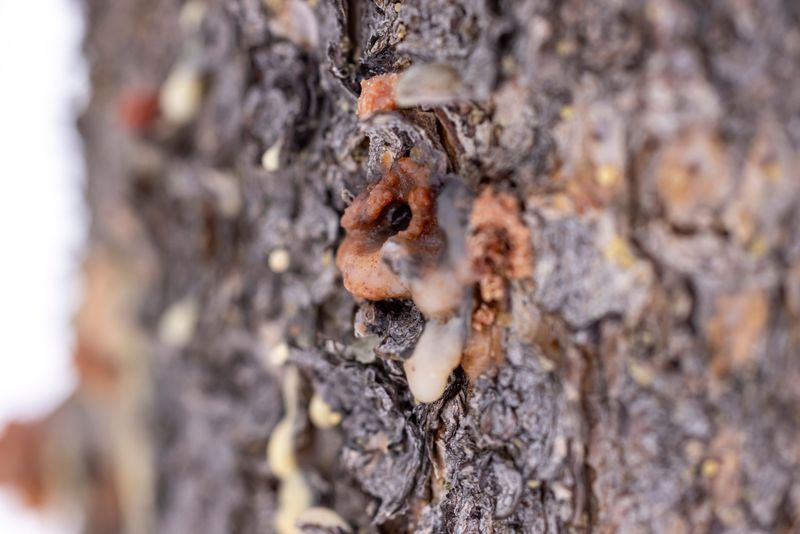
Stressed trees are more attractive to insects. After a dry summer, borers and bark beetles move in looking for an easy meal.
Many healthy trees, especially conifers, fight insects by pushing out sticky sap to trap them. Thirsty trees make less sap, so their defenses weaken.
Walk around your trunk slowly and look for tiny round or D-shaped holes. D-shaped holes on ash trees can signal emerald ash borer, which has been found across much of Virginia.
Watch for sawdust-like powder, called frass, piled at the base or stuck in bark cracks. Pine trees may show small blobs of pitch that look like popcorn on the bark.
Weeping dark sap from oak or cherry trunks deserves attention too. It can mean insects or infection are taking advantage of a tired tree.
Woodpeckers can be helpful detectives in this hunt. Heavy pecking on one trunk can mean they found insect larvae under the bark, though sapsuckers peck for sap instead.
Take clear photos of any holes, frass, or sap and note the date. Your local Virginia Cooperative Extension office can often help identify the culprit, and many services are free.
Avoid spraying random insecticides, which can harm bees and helpful insects. Treatments work best when matched to the exact pest and timed correctly.
Buy firewood locally and burn it nearby. Moving firewood across counties is a major way borers spread.
Most of all, keep watering and mulching to rebuild the tree’s natural defenses. A well-watered, well-mulched tree pushes back against bugs far better than a thirsty one.
8. Mushrooms Near The Base
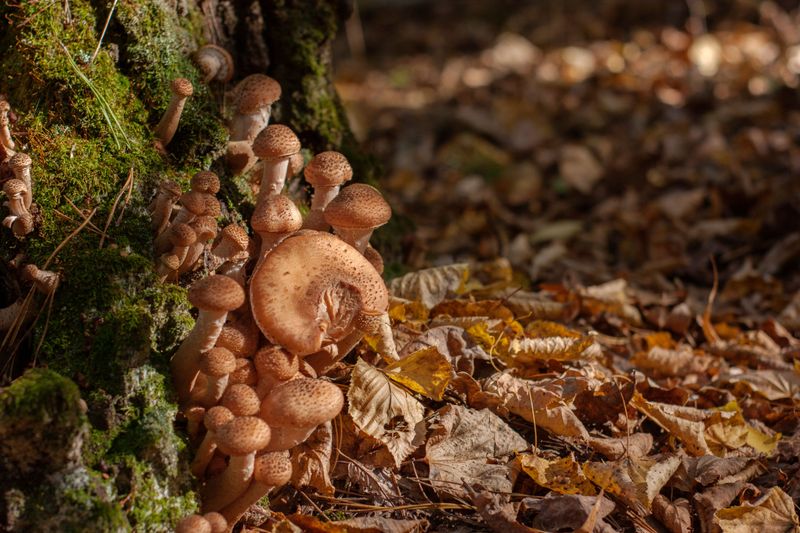
Mushrooms popping up after fall rains can look like a tiny fairy village. Charming, yes, but clusters hugging a tree trunk can carry a less cheerful message.
Many fungi feed on decaying wood or weakened roots. When they sprout right at the base, they may be breaking down tissue inside the tree.
Drought stress makes roots more open to rot because damaged roots cannot defend themselves well. Fall rains then give fungi the moisture they need to show up above ground.
Look for shelf-like brackets growing from the trunk or large roots. Honey mushrooms, which are golden clusters common in Virginia, are a known root rot warning.
Not every mushroom in the yard means trouble, so look at location. Mushrooms scattered across the lawn usually feed on old mulch or buried wood, or partner with roots in helpful ways, rather than harming your tree.
Press gently on the bark near the fungus to check for soft spots. Spongy wood or a hollow sound suggests decay that a professional should inspect.
Pull mulch back from the trunk so the root flare can breathe and dry out. Excess moisture piled against bark makes a cozy home for rot.
Trees with root rot can look fine until a strong storm brings them down. If the tree stands near your house or driveway, schedule an arborist visit soon.
A quick check this fall can help you catch hazards near your house or driveway early. Mushrooms at the base of a tree are worth a professional look.