How To Keep Stink Bugs From Spending The Winter In Your Ohio Home
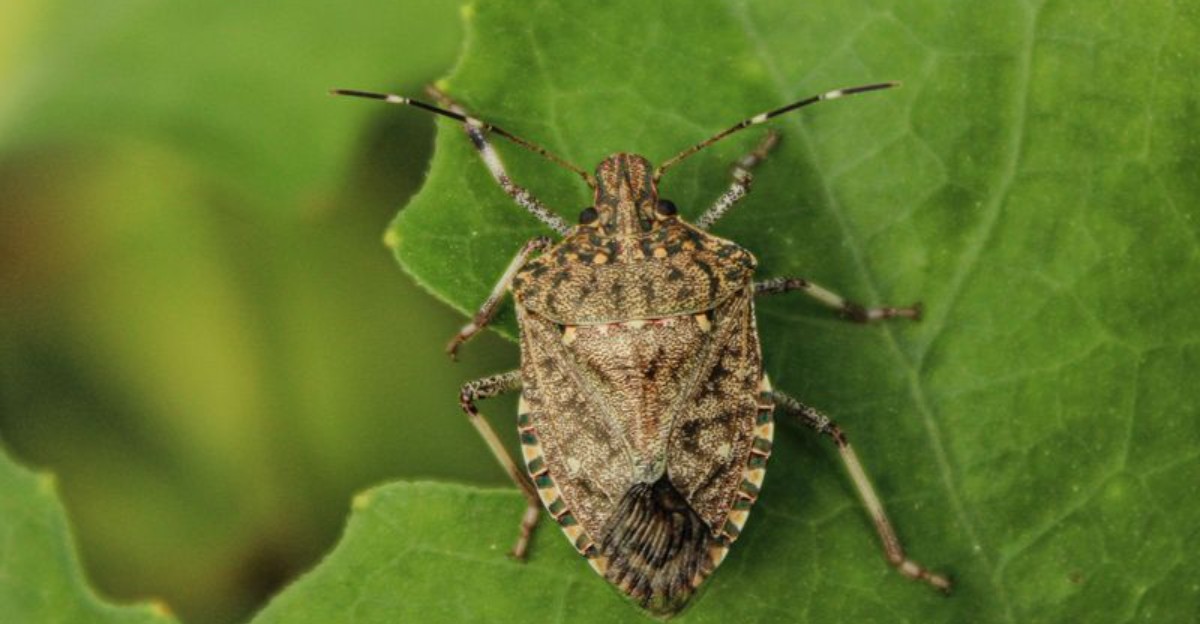
Stink bugs don’t break in. They stroll in through doors you left wide open and never knew about.
Every fall they hunt for a warm spot to wait out winter. Your house fits the bill, and the cracks you’ve ignored for years work like a welcome mat.
Once they settle behind a wall, they’re in for the long haul.
Seal up the wrong spots, or the right ones at the wrong time, and you’ve trapped the problem inside with you. Timing matters as much as technique here.
Get ahead of this in Ohio before the cold pushes them toward your siding. A little work this month beats a spring full of surprises.
1. Stink Bugs Head For Buildings, Not Garden Beds
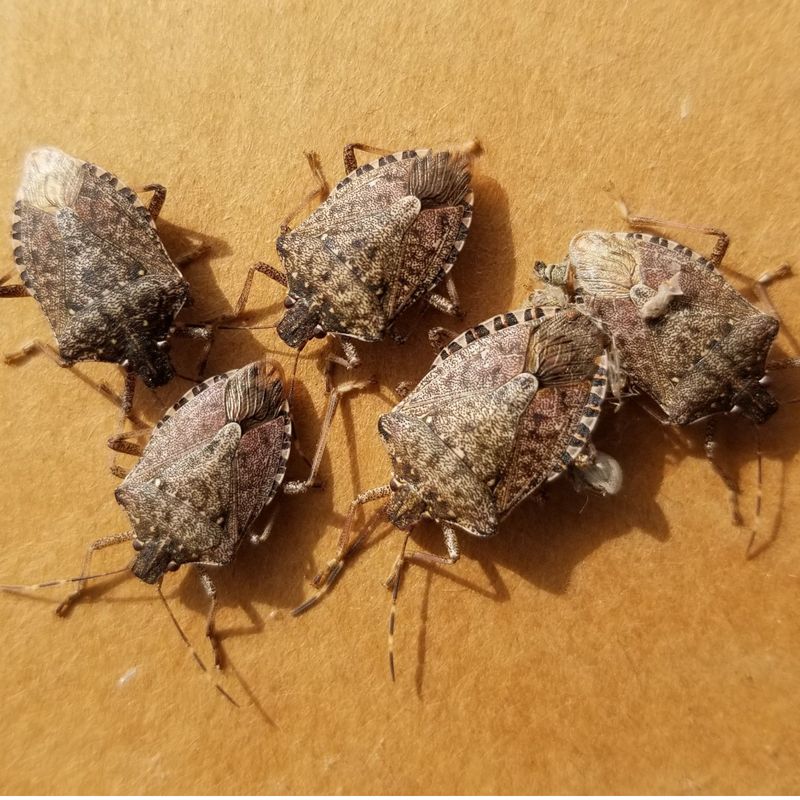
Once the maple leaves turn orange across Ohio, a quiet migration begins. Stink bugs stop munching on crops and start shopping for a winter home.
Out in nature, these insects would normally hide under loose tree bark, in rock cracks, or inside piles of dry plant litter. Those spots work fine, but your house offers something even better.
Walls, barns, and woodpiles give them steady shelter from wind, snow, and freezing nights.
Sunny walls are a big draw. On a cool fall afternoon, the south and west sides of a house soak up heat like a stone by a campfire.
Stink bugs land there, warm up, and then go looking for a crack to crawl into.
Food also plays a role. As tomatoes, apples, soybeans, and other plants fade in autumn, the bugs lose their meals.
With nothing left to eat, finding a cozy hideout becomes their top goal.
So if you see a crowd of them sunbathing on your siding in late September, take it as a warning sign. They are scouting for a place to stay, and your home is on the list.
Knowing this timing helps you plan. Getting your sealing and repairs done in late summer puts you a step ahead of the crowd.
Think of it as locking the door before the guests even ring the bell.
2. They Squeeze Into Walls, Window Casings And Attics
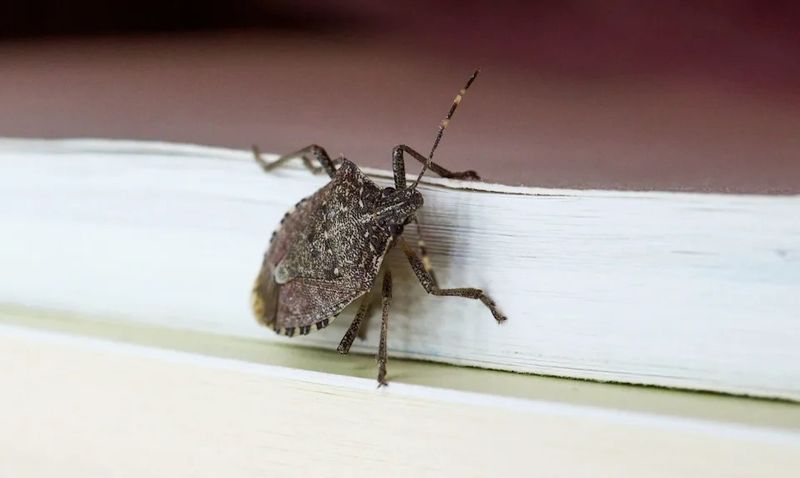
Ever tried sliding a credit card into a door frame? A stink bug can slip through a crack about that thin with surprising ease.
Their flat, shield-shaped bodies are built for squeezing. Common entry spots include gaps around window and door trim, loose baseboards, and the edges of ceiling light fixtures.
Exhaust fans and window air conditioners give them easy side doors too.
Outside, they hunt for weak spots in siding or brickwork. Chimneys, gaps around cable and utility lines, and torn or loose screens are open invitations.
Openings along the roofline lead straight into the attic.
Once inside, they look for quiet places where nobody bothers them. Wall voids, attics, basements, and crawl spaces top their list.
They pile together in dark corners and settle in for the long, cold months.
Here is a fun fact. Stink bugs release a scent that can attract more of their friends to the same hiding spot.
Your Ohio Garden Changes Every Week. Your Plan Should Too.
Gardening in Ohio changes quickly throughout the season. Every Friday you’ll receive a simple weekly plan showing exactly what to plant, prune, fertilize, harvest, and protect so you never miss the right timing.
That means one easy entry point can turn into a busy hotel.
Try walking around your house with a flashlight on a sunny fall day. Look closely at corners, trim, and anywhere pipes or wires go through the wall.
Every gap you spot is a possible front door, so jot it down on a list for sealing later.
3. They Won’t Breed Inside Your House
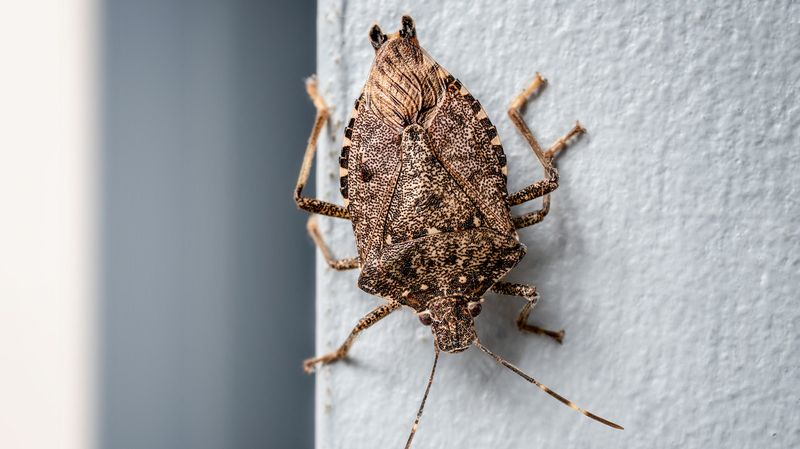
Take a deep breath, because here is some calming news. The stink bugs hiding in your walls are not raising families in there.
Their eggs and young, called nymphs, need living outdoor plants to grow. Females lay small clusters of eggs on the underside of leaves in spring and summer.
Without fresh plants to feed on, babies simply cannot develop indoors.
That means the number of bugs in your house in January is roughly the number that snuck in back in the fall. You will not wake up to a sudden explosion of new ones.
What you see is what you have.
There is more good news. Stink bugs do not bite people or pets.
They do not carry diseases, and they will not chew through wood, wiring, or drywall.
Your sweaters and cereal boxes are safe too. These insects have zero interest in clothing or pantry food.
They are just quiet squatters waiting out the cold.
So why bother keeping them out? Mostly for comfort and peace.
Nobody enjoys a bug buzzing around the lamp at night or that sharp smell when one gets squished.
Knowing they are harmless can help you stay calm. You can handle the problem with simple steps instead of panic or harsh chemicals.
4. Warm Homes Burn Through Their Fat Reserves
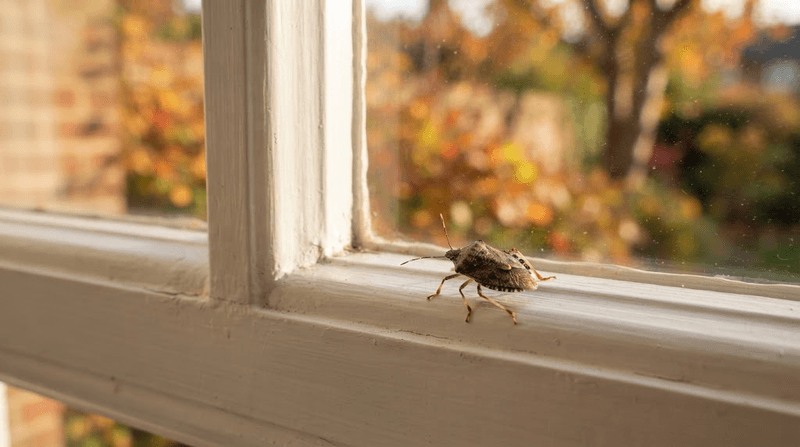
Think of a stink bug in fall like a bear stocking up before a long nap. All summer, it feeds on crops and stores up fat for the winter ahead.
That fat fuels a special resting state called diapause. It works a lot like hibernation.
Their bodies slow way down, they stop eating, and they quietly wait for spring.
Here is where your cozy house changes things. When your furnace kicks on, the warm air can trick the bugs into waking up early.
Suddenly they are crawling across ceilings and buzzing near lamps in the middle of January.
Being awake costs energy. Since there is no real food inside your home, they start using up the fat they saved.
It is like running a phone on low battery with no charger nearby.
That is why the bugs you spot indoors during winter often seem slow and clumsy. Their energy stores are running thin, and they are weaker than they were in the fall.
This explains those random winter sightings that puzzle so many Ohio families. A bug on the windowsill in February is not a new arrival.
It is a fall guest that woke up too soon.
Keeping them out in the first place spares you these surprise visits altogether.
5. Caulk Gaps Around Windows And Doors
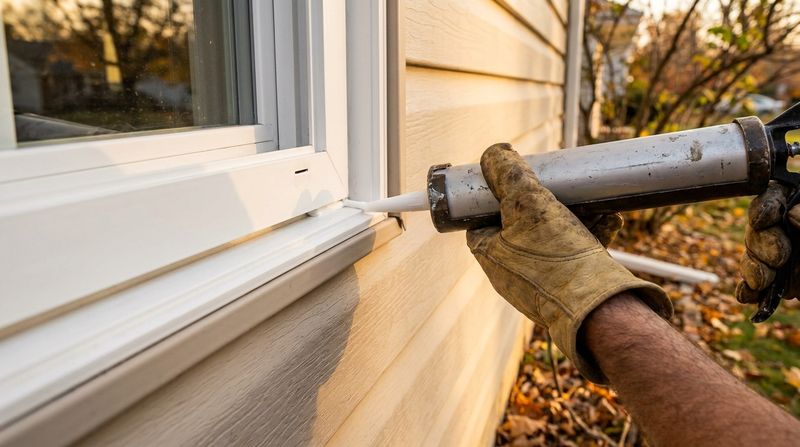
A tube of caulk costs a few dollars, and it may be the best bug defense you own. Sealing gaps is the number one way to keep stink bugs on the outside.
Start with the windows. Run a bead of caulk along cracks where the frame meets the siding.
Check doors the same way, along with any spots where your foundation meets the wall.
Doors need extra help at the bottom. A door sweep is a strip of rubber or bristles that closes the gap under the door.
Weatherstripping around the sides and top makes a snug seal that bugs struggle to beat.
Screens matter too. Even a small tear is a wide-open gate for a stink bug.
Patch kits are cheap and easy, or you can replace the whole screen if it is badly damaged.
Window air conditioners are another sneaky entry. Take them out before fall arrives, and close the window tightly behind them.
Here is a pro tip. Do this work in late August or early September, before the bugs start hunting for shelter.
Pick a dry day above 50 degrees so the caulk sets well.
Bonus perk: these same fixes cut drafts and can lower your heating bill all winter long.
6. Repair Openings In Attic Soffits
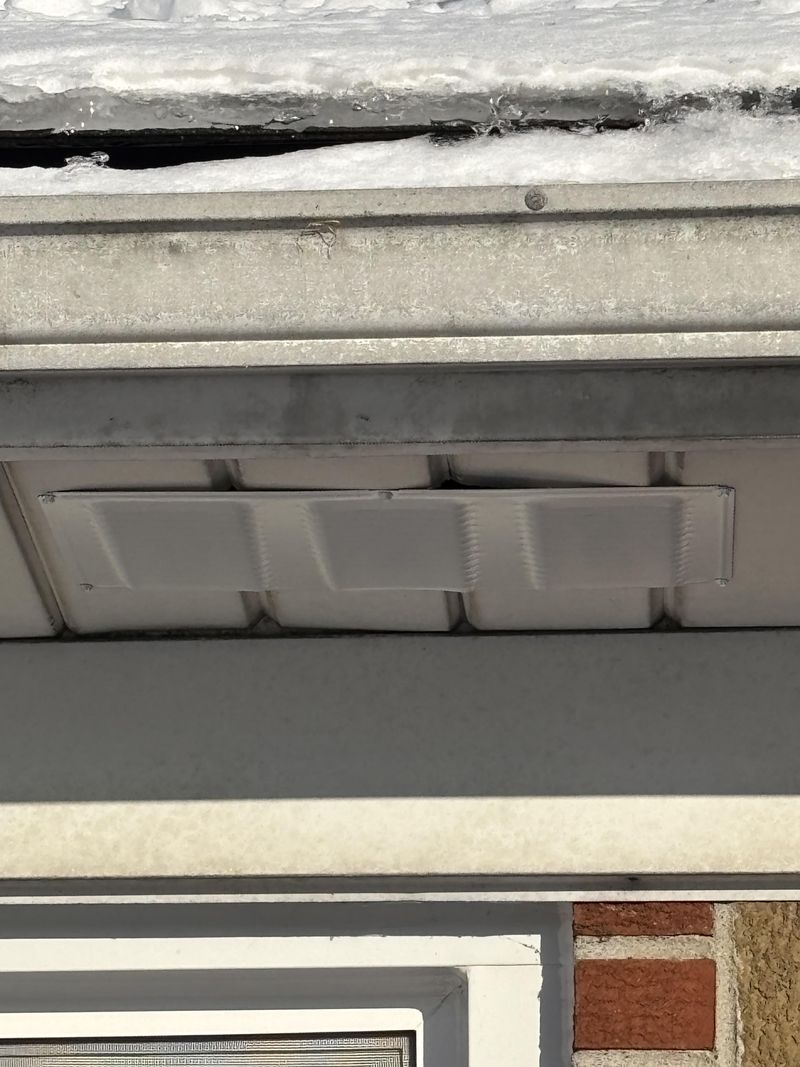
Look up. The roofline of your home might be the busiest bug highway you never noticed.
Soffits are the panels under the edge of your roof. Over time, they can crack, sag, or pull loose.
Squirrels and woodpeckers sometimes make holes there too, and stink bugs happily use them as a doorway into the attic.
Attic vents are another weak point. They need airflow to keep your roof healthy, so you cannot just seal them shut.
The answer is to cover them with fine mesh screening that lets air pass but blocks bugs.
While you are up there, check the chimney and the siding near the top of the house. Gaps where the chimney meets the roof are easy for bugs to find.
Loose siding pieces near the attic can also hide openings.
Safety first, though. Working on a tall ladder is risky, so ask a friend to hold it steady.
If your roof is high or steep, calling a handyman or roofer is a smart choice.
Binoculars can help you spot trouble from the ground. Scan the eaves on a sunny day and watch where bugs gather.
Fixing these upper openings means fewer surprise visitors dropping out of your ceiling lights come winter.
7. Rig A Vacuum With A Nylon Stocking
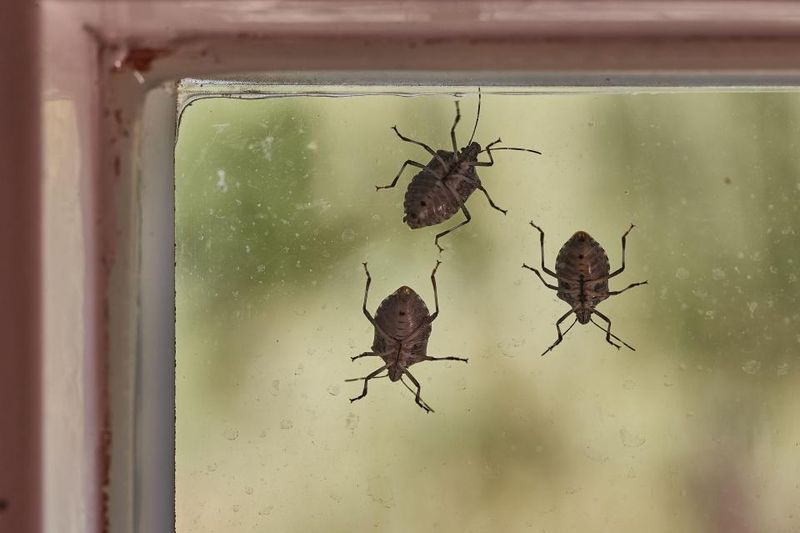
Squish one stink bug with a tissue, and you will learn a smelly lesson fast. Luckily, there is a clever trick that keeps your fingers and nose happy.
Grab a knee-high nylon stocking and your vacuum hose. Stretch the open end of the stocking over the end of the tube, then push the toe part down inside the hose.
Wrap a rubber band around the outside to hold it in place.
Now you are ready to hunt. Suck up the bugs from walls, windows, and ceilings.
They get trapped in the stocking instead of landing in your vacuum bag or filter.
When you are done, slowly pull the stocking out. Pinch the open end closed so nobody escapes.
Tie a knot and toss it in an outdoor trash can right away.
Why go through all this? Stink bugs release their odor when they feel threatened.
If they end up inside your vacuum, that scent can linger every time you clean for weeks.
No nylons in the drawer? A shop vacuum or a vacuum with a disposable bag works too.
Just empty it outside into a sealed bag or a bucket of soapy water.
Keep your rigged vacuum handy all winter for quick cleanups.
8. Skip The Bug Bombs
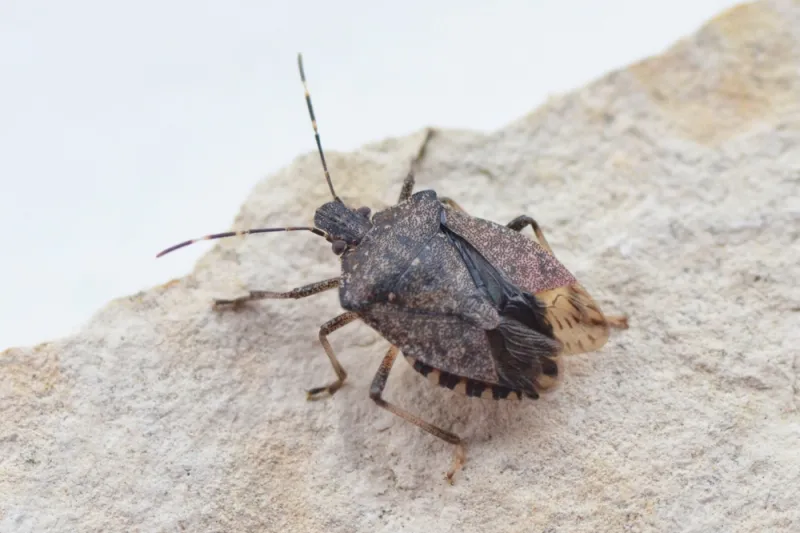
It is tempting, we get it. You spot a dozen stink bugs on the curtains and want to fog the whole house.
Hold off on that idea. Store-bought foggers, often called bug bombs, rarely reach the places where stink bugs actually hide.
The bugs are tucked deep inside wall voids and attic corners, far from the mist.
Indoor sprays have the same problem. They might take care of the few bugs you can see, but the hidden crowd stays put.
Worse, they do nothing to stop new bugs from slipping in.
There is also your family to think about. Spraying chemicals indoors exposes kids, pets, and you to pesticides.
Cats and dogs that lick their paws are especially at risk.
Bug bombs come with other headaches. You often have to leave your home for hours, cover food, and air out every room afterward.
Some foggers have even sparked fires near pilot lights.
A better plan is simple. Seal up gaps before fall, vacuum the bugs you find, and be patient.
When spring arrives, the survivors will head back outdoors on their own.
If you truly have a huge problem, call a licensed pest pro. They can treat the outside of your home safely before bugs move in.
9. Nature Is Helping Keep Their Numbers Down
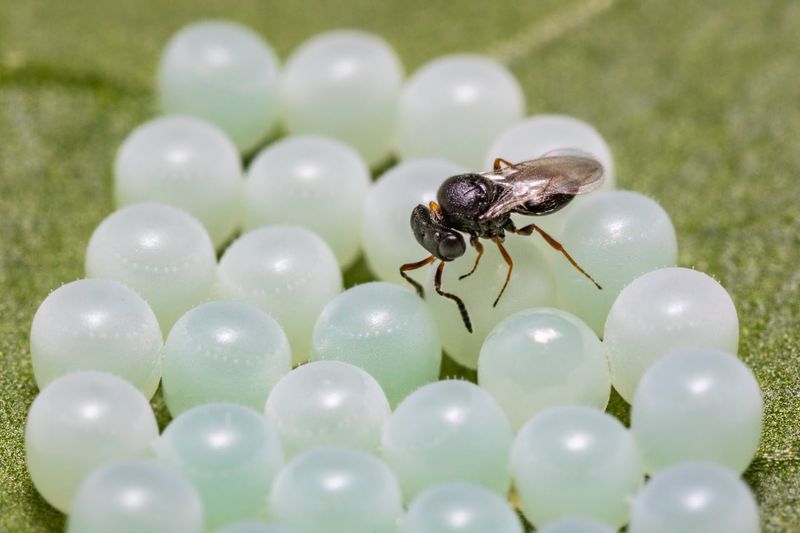
Meet the samurai wasp, a hero smaller than a sesame seed. This tiny insect is one of the best friends Ohio homeowners never knew they had.
The brown marmorated stink bug came from Asia, and for years it had few natural enemies here. Native bugs and birds did not slow it down much.
Populations grew fast, and farmers and families felt the impact.
Then the samurai wasp showed up on its own. It also comes from Asia, and it was first found in Ohio in 2017.
The wasp lays its eggs inside stink bug eggs, so a wasp hatches instead of a stink bug.
Fear not, this wasp does not sting people. It only cares about stink bug eggs, which makes it a perfect garden ally.
Other helpers are joining the effort too. Birds, bats, spiders, and assassin bugs all snack on stink bugs at different stages of life.
Some natural fungi and tiny worms called nematodes can also infect them outdoors.
You can support these helpers by going easy on garden sprays. Planting flowers like dill, yarrow, and alyssum gives good insects food and shelter.
Over time, nature may bring stink bug numbers into better balance. Until then, your sealed home gives you a solid head start.