The Meaning Behind Seeing Cedar Waxwings Arrive In Your Texas Yard
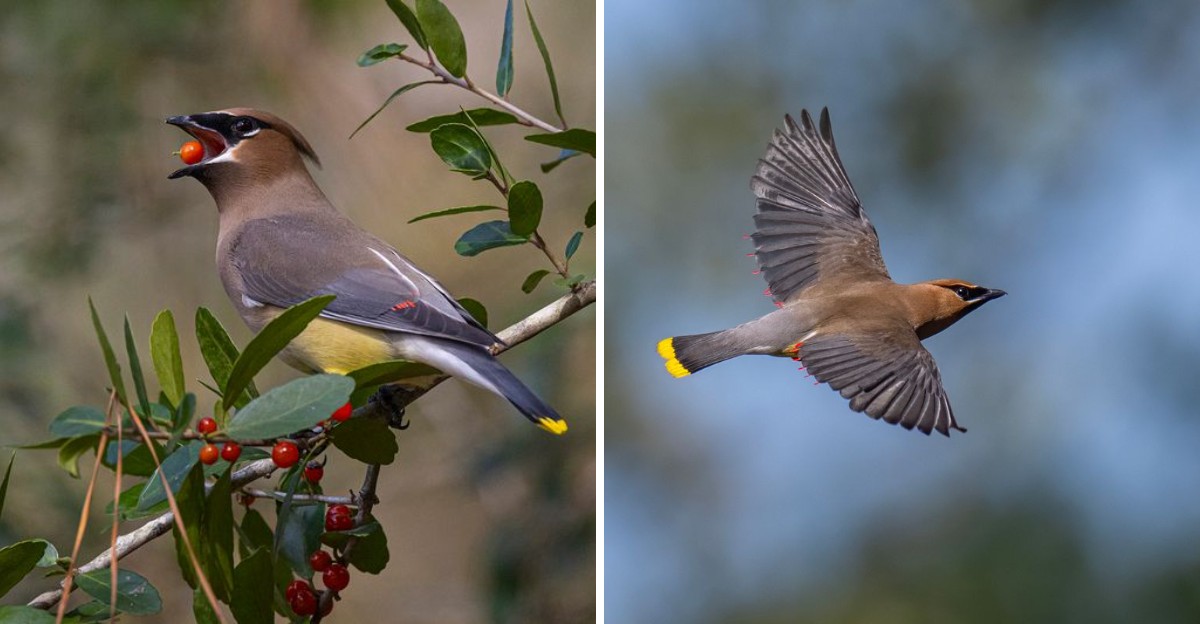
Cedar waxwings have a habit that seems almost too sweet to be real. Sitting side by side on a branch, they’ll pass a single berry back and forth, beak to beak, until one finally swallows it.
These sleek, silky birds are hard to miss once you know what to look for. They wear a soft tan crest, a black mask, and tiny red tips on their wings that look like drops of wax.
They also rarely travel alone. Waxwings move in flocks, sometimes dozens strong, filling the air with thin, high-pitched whistles.
In Texas, their arrival usually means winter is settling in. These birds wander wherever berries are plentiful, and they can strip a loaded shrub in a single afternoon.
When a flock drops into your yard, it’s telling you something about the season and the plants growing around you.
1. Winter Is Coming
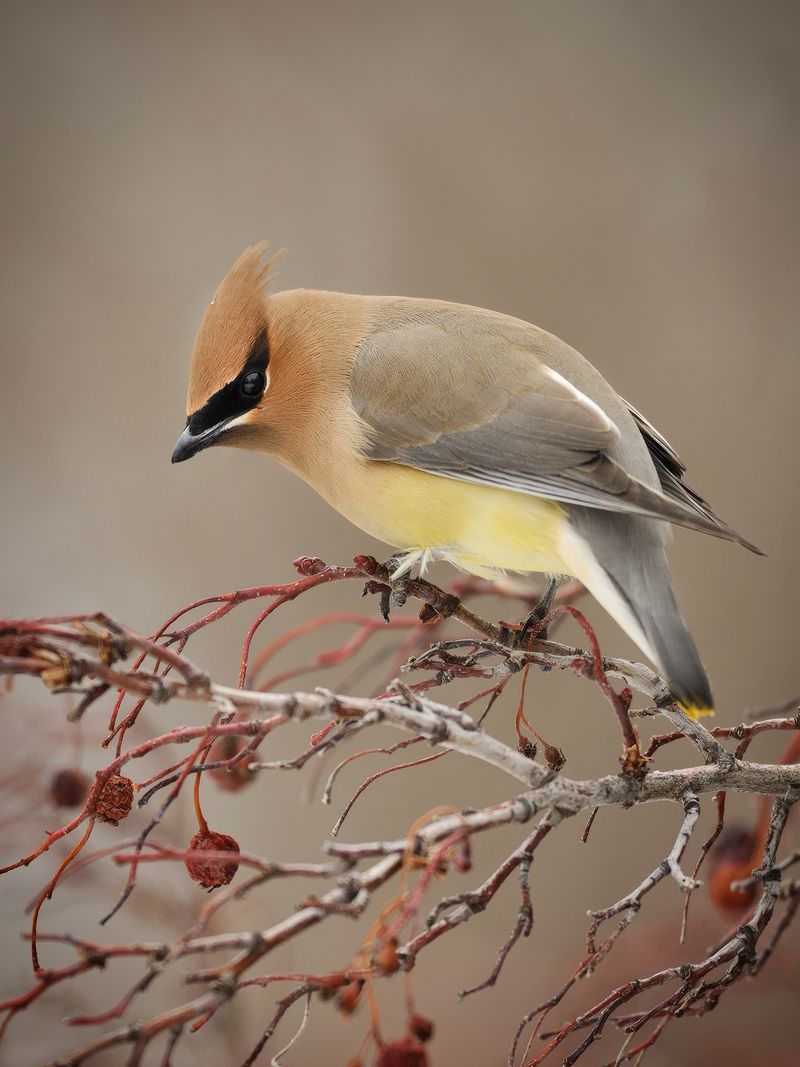
Far up north, in places like Canada and the northern United States, cedar waxwings spend their summers raising babies.
When the cold starts to bite and food gets hard to find, many of them pack up and head south. Texas is one of their favorite winter getaways.
So when a flock lands in your yard, you are seeing a living weather report. Their arrival tells you colder air has pushed through the regions where they nest.
Most Texans start spotting them in bigger numbers from late fall into the heart of winter, often around November through January.
Timing can shift a little each year. A mild autumn up north might mean the birds show up later. A sudden cold snap can send waves of them south almost overnight.
Did you know? Unlike many songbirds, cedar waxwings do not follow a strict travel calendar.
Experts call them nomadic, which means they wander based on conditions instead of a fixed schedule. That makes every winter a little bit of a surprise.
Want to track their return? Try keeping a simple yard journal. Write down the date you first see waxwings each year, plus the weather that week. After a few seasons, you may notice a pattern that helps you guess when they will come back.
You can also share your sightings with programs like eBird or Project FeederWatch. Scientists use reports from regular people to learn how bird travel changes over time.
Your notes could help researchers understand how weather shifts affect these birds.
Next time you hear their soft, high whistles on a cool morning, take it as nature’s friendly reminder. Sweater season has officially begun in Texas.
2. Your Yard Has Ripe Berries
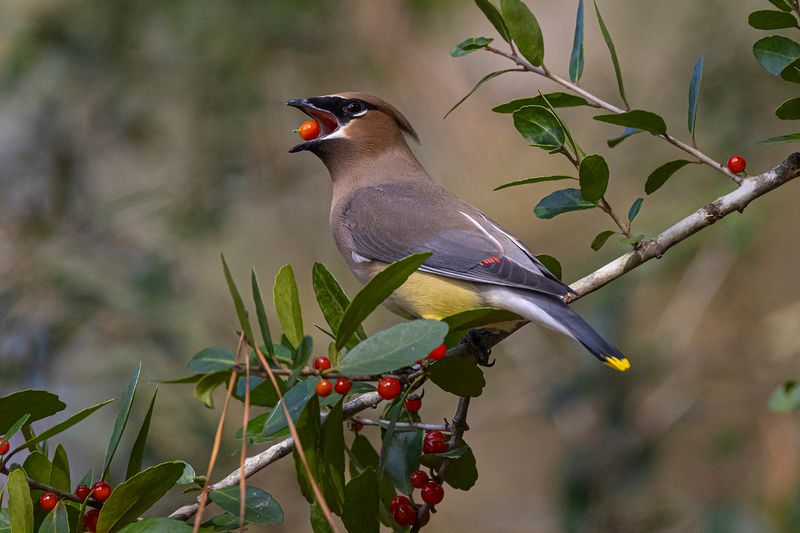
Here is a fun compliment from nature. If waxwings choose your yard, you probably have some tasty fruit growing nearby. During winter, these birds eat mostly berries, and they can spot a good crop from far away.
Favorite Texas snacks include yaupon holly, possumhaw, juniper berries, and hackberries. They also enjoy chinaberry, pyracantha, and fruit from mulberry trees.
A flock can strip a loaded bush in a single afternoon, so your yard might look like a busy diner for a while.
Your Texas Garden Changes Every Week. Your Plan Should Too.
Gardening in Texas changes quickly throughout the season. Every Friday you’ll receive a simple weekly plan showing exactly what to plant, prune, fertilize, harvest, and protect so you never miss the right timing.
Waxwings swallow berries whole. Their bodies process fruit quickly, sometimes in less than an hour. That fast digestion means they need lots of berries to stay full and warm on chilly days.
Want to bring them in on purpose? Planting native shrubs is the smartest move. Yaupon holly is a great pick because it stays green all year and holds its red berries well into winter. Possumhaw drops its leaves, which makes its bright fruit easy for birds to see.
Eastern red cedar is another winner. In fact, the cedar waxwing gets its name from its love of cedar berries.
Just remember that only female holly and cedar plants make fruit, so ask your nursery for berry-producing types. A few tips can help your plants feed more birds:
Skip heavy pruning in fall, since that can cut off next season’s fruit. Avoid spraying chemicals on fruiting plants. Plant in groups so the birds see a bigger target.
When the flock moves in, you can feel proud. Your yard is offering real food to hungry travelers, and that is something worth celebrating.
3. They’re Following Food Across The Landscape
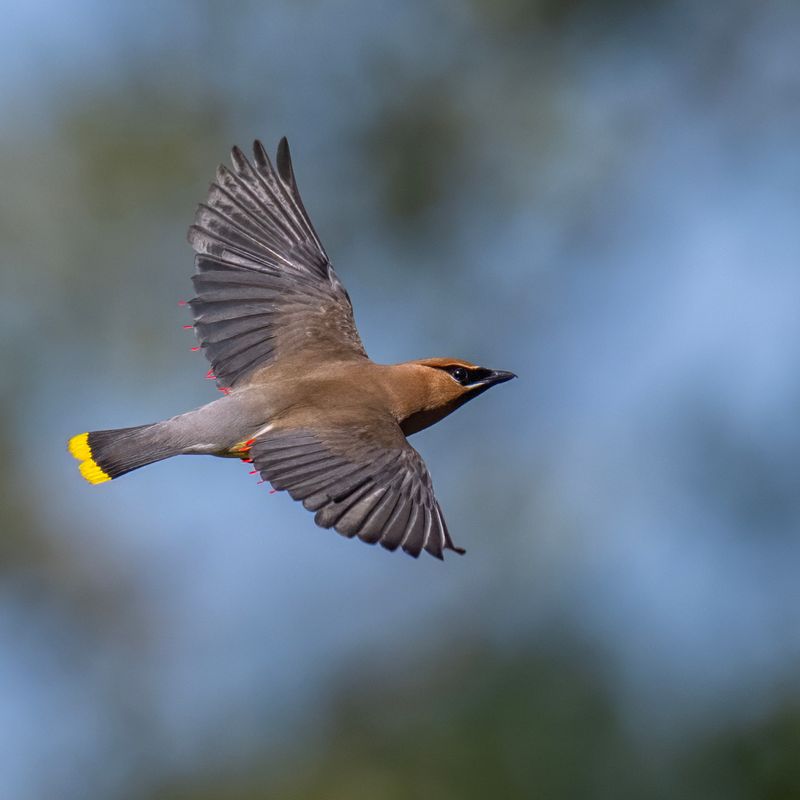
Monday, your hackberry tree is packed with fifty chattering birds. Tuesday, not a single one is in sight. Sound familiar? Plenty of Texans have scratched their heads over that disappearing act.
Cedar waxwings do not claim a home territory the way cardinals or mockingbirds do. Instead, they roam.
A flock travels from place to place, eating its fill and then moving on once the berries run low. Think of them as a traveling crew always searching for the next good meal.
That wandering style explains why sightings feel so random. One neighborhood might host hundreds of waxwings for a week, while another town nearby sees none at all. It all depends on where the fruit is ripe.
Fun fact: flocks sometimes return to the same area later in winter. If a tree held back some berries, or another plant ripened late, the birds may swing by for round two.
So what can you do if you want them to stick around longer? Variety helps a lot. Different plants ripen at different times.
By growing several fruiting shrubs and trees, you create a longer buffet. When one runs out, another may be ready.
Here is a handy combo for many Texas yards. Hackberries and junipers often ripen earlier, while yaupon and possumhaw can hold fruit deep into winter. Adding a mulberry gives a spring treat too.
Do not feel sad when the flock leaves. Their quick exits are a normal part of how they survive.
Their constant movement also spreads seeds across the land, helping new plants grow in fresh spots. Your berries might help plant a tree miles away.
4. They’re Highly Social Birds
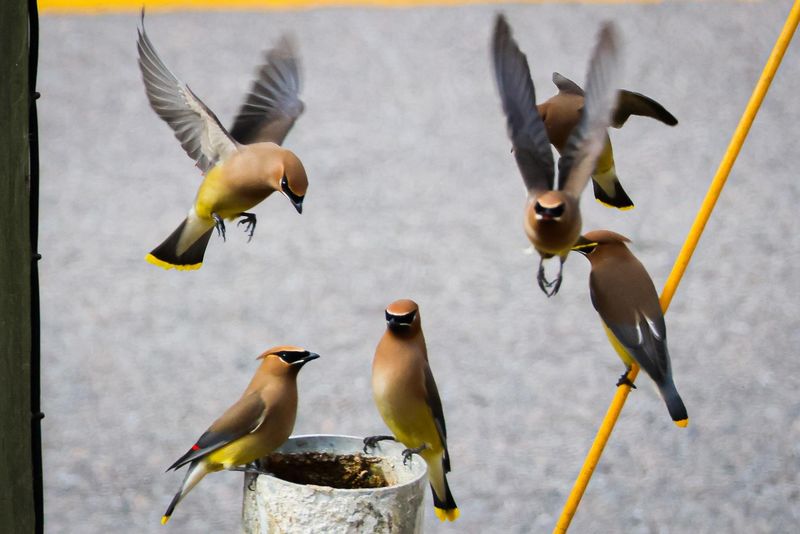
Talk about best friends. Cedar waxwings almost never do anything alone. They travel, eat, and rest together in tight flocks that can number from a dozen to a few hundred birds.
Look closely when they settle on a branch. You will often see them lined up shoulder to shoulder, like kids waiting in a lunch line. It is one of the cutest sights in the bird world, and it makes for amazing photos.
Now for the really sweet part. Waxwings are known to pass berries down a row from one bird to the next.
One bird picks a berry, hands it to its neighbor, and so on. Sometimes the berry travels back and forth before someone finally eats it. Scientists believe this sharing helps build bonds between birds, especially between mates.
Listen carefully, too. Their call is a thin, high whistle that sounds a little like a squeaky wheel. Some people can barely hear it because the pitch is so high.
These tiny sounds help the group stay together as they zip from tree to tree. Want to enjoy their social side? Try these tips:
Sit quietly near a fruiting tree with binoculars. Move slowly so you do not scare the group. Listen for their soft whistles before you even spot them.
Kids especially love watching for berry passing. Make it a game to see who spots it first. You could even keep a tally chart on the fridge.
Being social also keeps waxwings safer. More eyes mean predators like hawks are easier to spot. When one bird sounds the alarm, the whole crew takes off together.
5. They’re Looking For Water
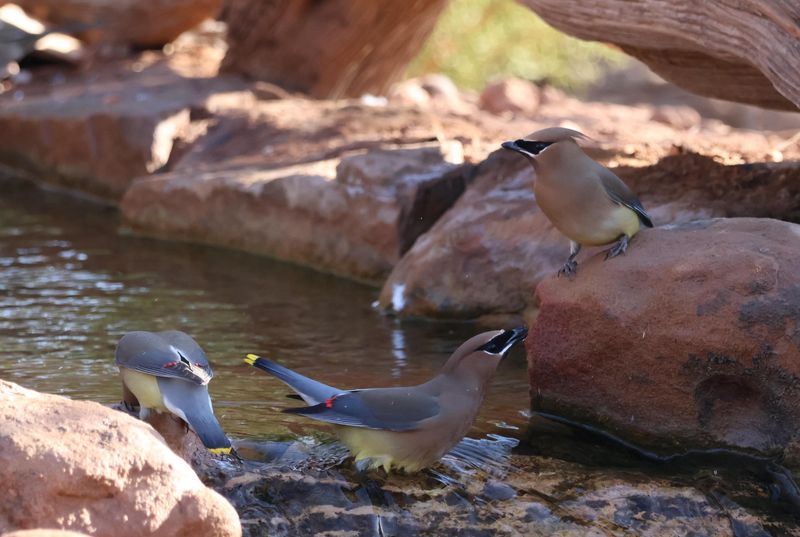
All that fruit makes a bird thirsty. Berries can be sugary and dry once they shrivel on the branch, so waxwings often stop for a drink after a big meal. Birdbaths, ponds, creeks, and even rain puddles all make great pit stops.
Watching a flock bathe is pure joy. They hop in, splash, flutter their wings, and then line up on a nearby branch to fluff and preen. A few minutes later, they might jump right back in for another round.
Here is the good news. Adding water is one of the easiest ways to get waxwings to stay longer.
Even if you do not have many berries, a nearby fruit tree plus a birdbath can be a winning pair. Keep these tips in mind when setting up a water spot:
Go shallow. Birds like water about one to two inches deep. Add a few flat stones if your bath is deeper. Keep it clean by scrubbing it every few days and refilling with fresh water. Dirty water can spread germs between birds.
Placement matters too. Set the bath near shrubs or trees so birds have a quick escape route. Just do not put it right under thick bushes where cats can hide.
Texas winters can surprise us with freezing nights. A heated birdbath or a small floating de-icer keeps water open during cold snaps. Birds really appreciate it when puddles turn to ice.
Moving water works like a magnet. A small dripper or bubbler makes sparkling ripples that catch a bird’s eye from far away. It is a simple upgrade that can turn your yard into a waxwing hangout.
6. They May Stay Into Late Spring
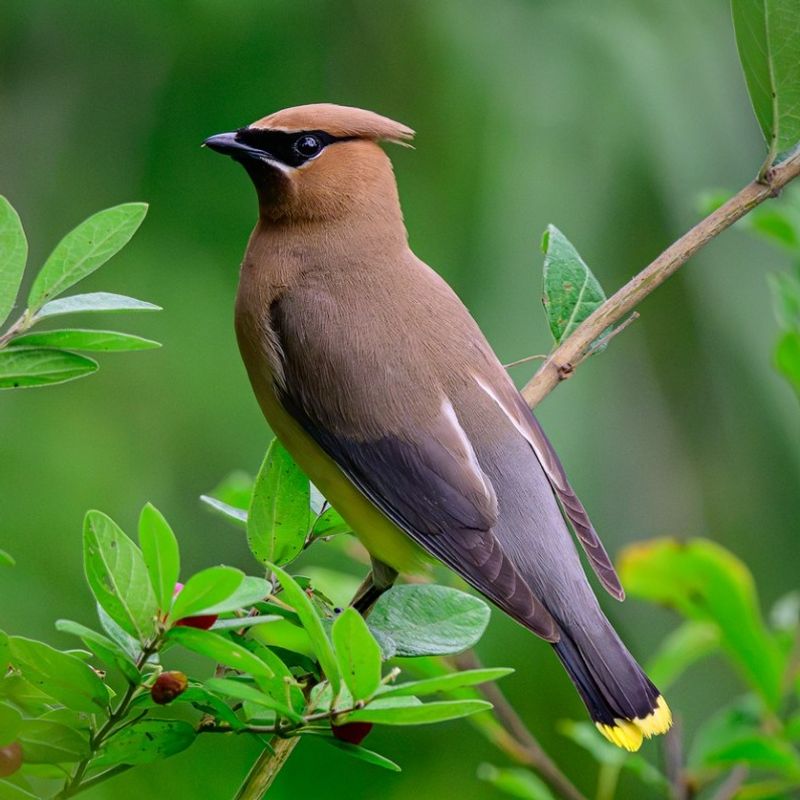
Bluebonnets are blooming, the air is warm, and most winter birds are long gone. Yet there, in your mulberry tree, sits a flock of cedar waxwings. Surprised? Many Texans are.
Waxwings are famous for being late leavers. While birds like juncos and many sparrows head north by early spring, waxwings often stick around until late April or even May. Some years, people spot them into early June.
Why the long stay? It comes back to food. Waxwings nest later in the year than most songbirds.
Their breeding season lines up with summer fruit up north, so there is no rush to leave. As long as Texas trees offer berries, they are happy to hang out.
Spring fruit is a big draw. Mulberries ripen in many Texas yards around April, and waxwings go wild for them. Loquats and early wild cherries can also keep a flock busy.
Here is something cool to watch for. In spring, waxwings sometimes eat flower petals and sap too. You might see them nibbling on blossoms in a fruit tree.
Love having them around? Plant a mulberry if you have space. Pick a fruiting variety and place it away from driveways, since the purple berries can stain. Waxwings will happily clean up the fruit you cannot reach.
Spring sightings are also great for photos. Fresh green leaves and blue skies make their silky colors pop. Look for the yellow tips on their tails and the glossy red spots on their wings.
When they finally leave, you will know summer is nearly here. It is a bittersweet goodbye until next winter.
7. It’s Time To Watch For Window Strikes
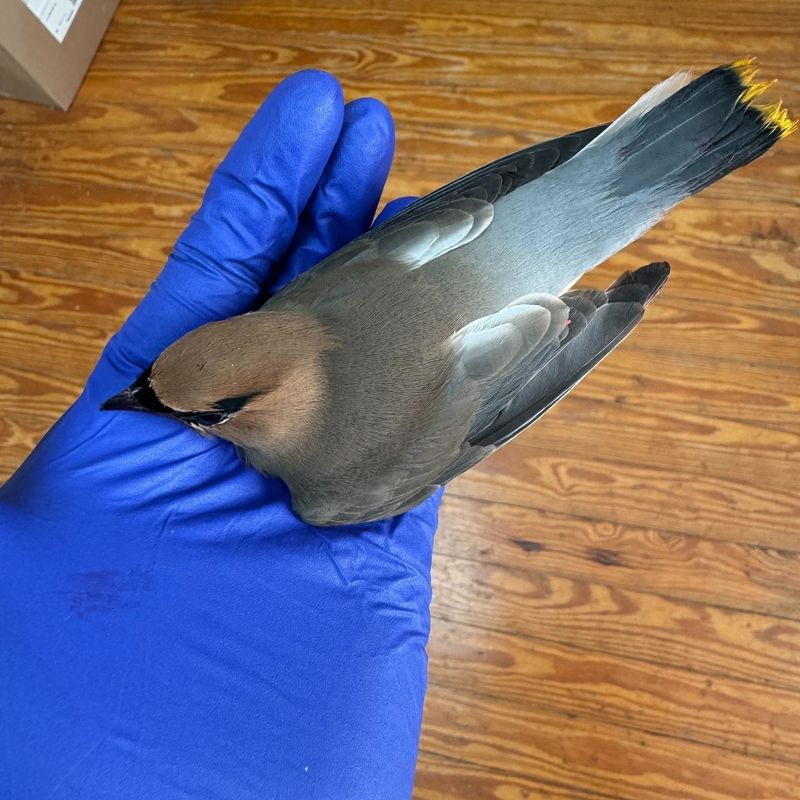
Thud. That sound against your window is one no bird lover wants to hear. Sadly, cedar waxwings are more likely than many birds to hit glass, especially during their winter visits.
The reason is simple. Waxwings fly fast and in tight groups. When a flock suddenly takes off from a fruit tree, they may not see a window in their path. Glass often reflects sky and trees, so it looks like open space to a bird.
Fruit trees close to your house raise the risk. If your yaupon or holly sits right outside a big window, the flock could be zooming past glass all day. Luckily, you can help a lot with a few easy fixes:
Add window decals or dot patterns spaced about two inches apart. Birds see the pattern and avoid it. Install outside screens, which soften any bumps.
Hang paracord strands or ribbons in front of windows to break up reflections. Close blinds partly during busy feeding times.
If a bird does hit, stay calm. Gently place it in a small box with air holes and keep it in a quiet, dark spot. Many stunned birds recover within an hour.
Then let it go outside near shelter. If it does not improve, call a local wildlife rehabber.
There is one more quirky thing to know. Sometimes berries get overripe and ferment, which can make birds act wobbly or confused.
A disoriented waxwing may perch low or fly clumsily. Give it space and keep pets inside until it recovers.
A little window care keeps your visitors safe. That way, the flock can keep coming back to brighten your Texas winters.