Raised Ridges Snaking Across Indiana Lawns Lead Back To One Tunneler
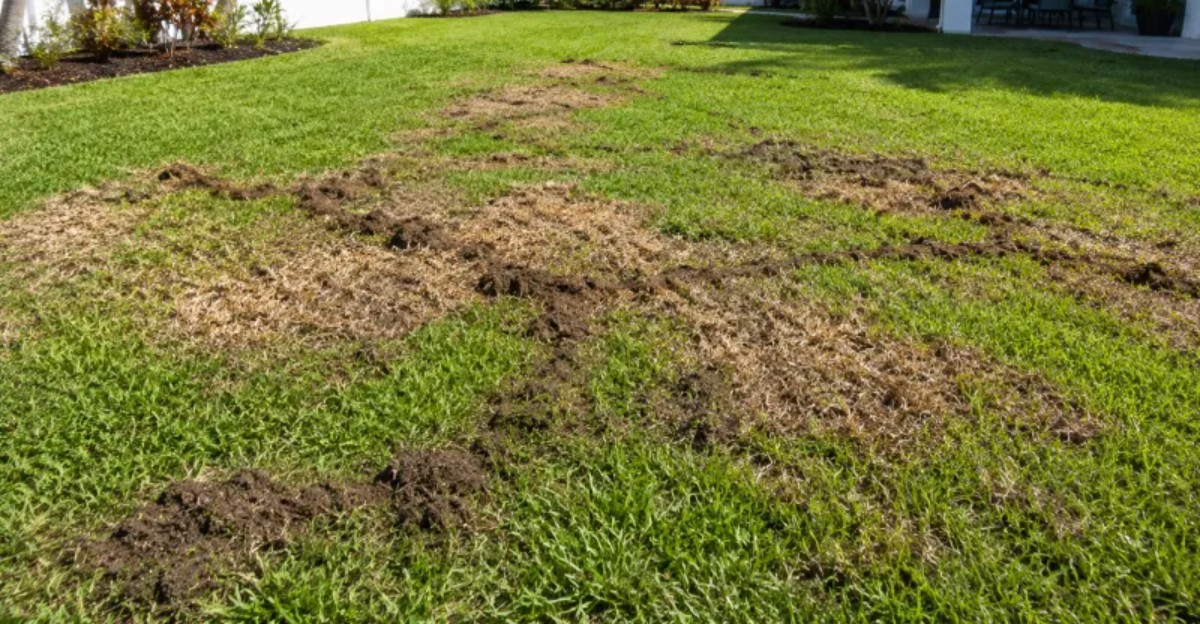
Something sneaky has been redesigning your yard overnight, and it did not ask for your permission first. You step outside with your morning coffee and feel the grass squish and sink beneath your slippers.
Across Indiana, homeowners are spotting wiggly raised lines that look like someone drew on the lawn with a crayon. The ridges twist past flower beds, loop around trees, and sometimes vanish right under the sidewalk edge.
Early October brings cool mornings, damp soil, and a burst of underground activity that many people overlook. The culprit works quietly in the dark, eating constantly and pushing dirt upward with surprising strength.
Neighbors often blame each other’s pets, the weather, or even buried pipes for the strange bumpy trails. Yet the real answer is one small digger with velvet fur, tiny eyes, and enormous paddle-shaped front feet.
Plenty of Indiana yards share this mystery, so you are far from alone. The culprit has likely been dodging blame for years, and it has no plans to apologize.
The Small Digger Behind Every Ridge
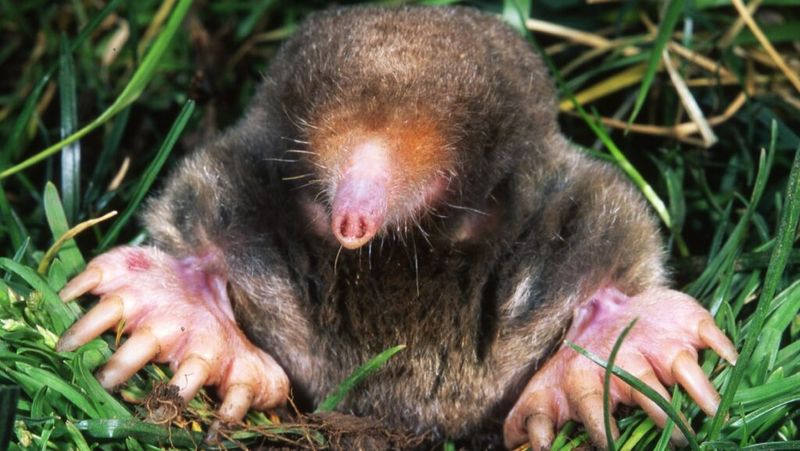
Picture a creature about the size of a baked potato, swimming through soil the way you paddle through water. In Indiana, that digger is the eastern mole, and it builds nearly every raised ridge you see.
Eastern moles have wide front feet that turn outward like shovels, letting them push dirt aside with each stroke. Their fur lies flat in any direction, so they slide forward or backward through tunnels without getting snagged.
The ridges you notice are shallow feeding tunnels, usually just an inch or two below the grass roots. Moles dig them while hunting, then often abandon many of those paths after a single trip through.
Deeper tunnels sit around ten inches down, and those serve as highways connecting nesting rooms to feeding zones. Soil from those deeper passages gets shoved upward, creating the volcano-shaped mounds that pop up near ridges.
A single mole can dig about eighteen feet of surface tunnel in one hour, which adds up quickly. So that maze across your yard may belong to just one or two busy animals, not a crowd.
Voles sometimes get blamed, but voles leave open surface runways with visible holes. Raised, spongy ridges with no open holes point straight back to the eastern mole as the tunneler.
Knowing your digger matters, because the right identification saves money on products that target the wrong animal. Take a minute to press a ridge flat, then check tomorrow to see if it rises again.
Early Fall Digging Season In Indiana

Ever notice how the ridges seem to multiply right after a soaking October rain shower rolls through town? Moist, cool soil is easier to push through, and moles take full advantage of those soft conditions.
During hot, dry stretches in late summer, moles mostly stay deep where the earth holds onto moisture. Once early fall cools things down, earthworms and grubs move closer to the surface, and moles follow them upward.
That shift explains why Indiana lawns can look fine in August, then suddenly sprout winding lines by October. Moles also stay very active in fall, since worms and grubs are plentiful near the surface.
Your Indiana Garden Changes Every Week. Your Plan Should Too.
Gardening in Indiana changes quickly throughout the season. Every Friday you’ll receive a simple weekly plan showing exactly what to plant, prune, fertilize, harvest, and protect so you never miss the right timing.
An adult mole can eat up to its own body weight in food each day, which keeps it busy. No hibernation happens here, so digging continues through winter, just much deeper below the chilly frost line.
Many homeowners find that early fall is the ideal window to notice activity and take action quickly. Fresh ridges are easy to spot in the morning, especially when dew sparkles along the raised edges.
Watch for patterns, since moles often hug fences, driveways, and garden borders where soil stays loose and moist. Those edges become main travel lanes, and they are often the busiest spots in the whole yard.
Keeping a simple notebook of where ridges appear each week can reveal which tunnels get used repeatedly. That small habit pays off later, when you decide where to focus your control efforts this fall.
The Grub Myth Many Homeowners Believe
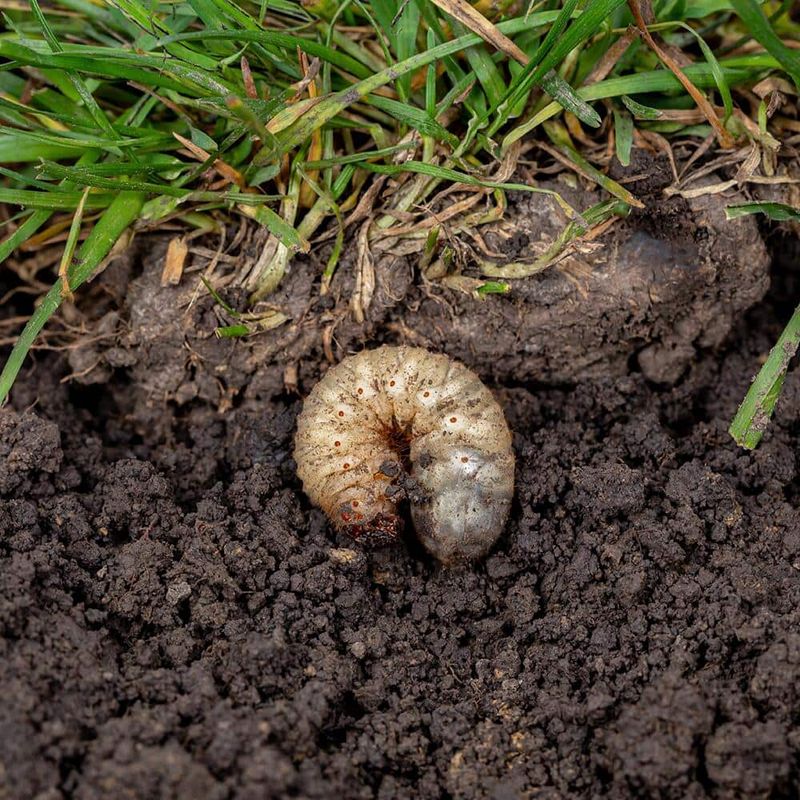
Walk into almost any garden center this time of year, and someone will suggest grub treatment for mole trouble. It sounds logical, since moles eat grubs, but the plan usually falls flat in real backyards.
Earthworms make up most of a mole diet, and no lawn product will remove every worm from your soil. Even if grubs disappear, moles simply keep hunting worms, beetles, and other tiny creatures living underground.
Some people notice no change in ridges after grub treatment, which feels confusing and a little unfair. Moles keep digging because worms and other soil creatures remain plentiful.
Another common mistake is flooding tunnels with a garden hose, hoping the water will chase the digger away. Moles often just move to drier sections, and the soggy soil makes fresh tunneling even easier later.
Chewing gum, mothballs, and broken glass show up in old folk tips, but they rarely work. Mothballs can also harm pets, children, and nearby plants, so they create more problems than they solve.
Sonic spikes and vibrating stakes get plenty of buzz online, yet studies show mixed results at best. Moles live surrounded by noise from roots, rain, and footsteps, so they often adjust to those gadgets quickly.
Fun fact for skeptics, Purdue University experts have long pointed out that grub control alone rarely solves mole issues. Saving that money for proven methods makes far more sense for your lawn and your wallet.
Trapping As The Most Reliable Fix
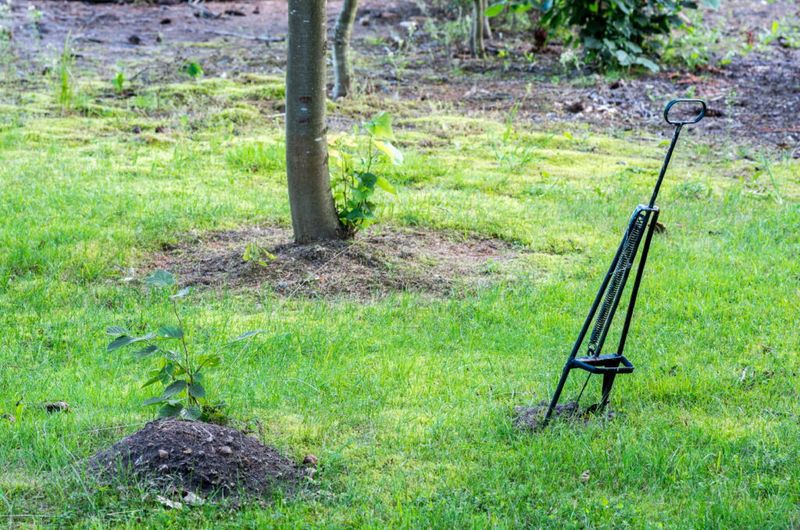
Ask any seasoned Indiana groundskeeper about mole control, and the answer usually comes back with one word, traps. Trapping removes the actual animal, which is the most direct way to stop new ridges from forming.
Start by finding an active tunnel, since setting a trap in an abandoned path wastes time and patience. Step down lightly on a few ridges, mark them with flags, and check which ones rise overnight.
Straight runs that connect two areas, such as a fence line and a mound, often work best. Several trap styles are sold at garden centers, so choose one that feels easy to set.
Read the instructions carefully and wear gloves, because moles can detect unfamiliar scents on fresh metal parts. Gently pack loose soil around the trap so light does not leak into the tunnel and spook the mole.
Check traps daily, and if nothing happens after two or three days, move them to another active run. Early October is a smart time for this work, since moles stay busy near the surface right now.
Indiana treats moles as nuisance wildlife, and homeowners may generally trap them on their own property without a permit. Still, checking current Department of Natural Resources rules first is a smart habit before you begin.
Keep children and pets away from set traps, and mark each spot clearly with a bright flag. If the job feels overwhelming, a licensed wildlife control operator can handle the setup for a fee.
Lawn Repair After The Tunnels Settle
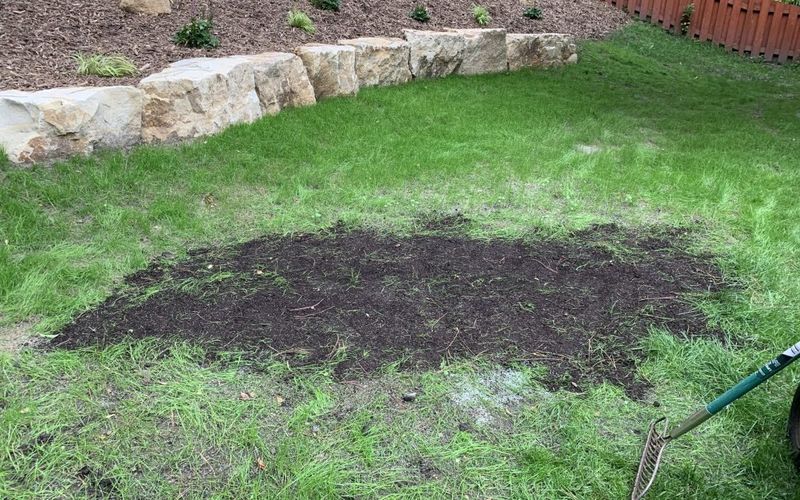
Once the digging stops, your yard might look like a rumpled bedsheet that nobody bothered to smooth out. Thankfully, mole ridges rarely harm grass roots badly, and most lawns bounce back with a little care.
Begin by pressing raised ridges down with your foot or a lawn roller after a light rain. Slightly damp soil settles nicely, while bone-dry soil can crumble and leave gaps beneath the turf.
Mounds need a different approach, so rake the loose dirt out evenly instead of scraping it away. That soil is actually rich and crumbly, which makes it handy for filling low spots elsewhere in the lawn.
Bare patches benefit from overseeding, and early fall is one of the best times to do it in Indiana. Cool nights and warm soil help tall fescue and Kentucky bluegrass sprout quickly before cold weather arrives.
Scatter seed over loosened soil, press it in gently, and keep the area lightly moist until seedlings are established, usually three to four weeks. Early October seeding still works in central and southern Indiana, though northern areas should finish a bit sooner.
Mow carefully over repaired areas, since mower wheels can sink into soft spots and scalp the new grass. Raising the cutting height a notch gives fresh seedlings a gentler start during their first few weeks.
By next spring, most homeowners struggle to find any trace of the old ridges under thick green turf. Patience pays off here, because healthy grass knits itself back together far better than people expect.
Long Term Prevention For Healthy Turf
Moles are a bit like uninvited houseguests who remember exactly where the snacks are kept in your kitchen. Even after trapping, new moles may wander into empty tunnels, so a little ongoing attention goes a long way.
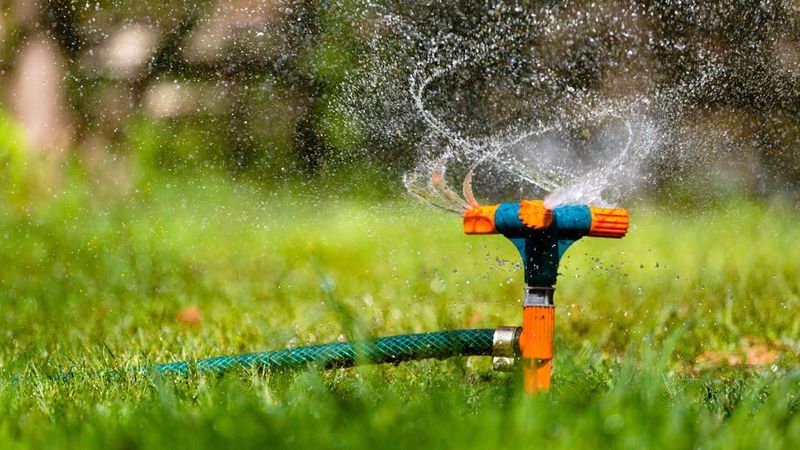
Avoid overwatering your lawn, because constantly soggy soil draws earthworms upward and makes digging easy work for moles. Most Indiana lawns need about one inch of water per week, including rainfall, during the growing season.
For prized flower beds, a buried barrier of hardware cloth can block tunnels from reaching delicate plants. Dig a trench about two feet deep, then set the mesh upright with a few inches showing above ground.
Castor oil repellents can nudge moles toward other areas for a while, especially after a fresh application. Results vary, though, and rain washes the product away, so reapply on a regular schedule if you try it.
Walking your yard every week or two this fall helps you catch fresh ridges before they spread widely. Quick action on one new tunnel is far easier than repairing a whole maze come next spring.
Remember that moles also bring some benefits, since their tunnels loosen packed soil and let air reach roots. They gobble plenty of lawn pests too, so a few ridges in a back corner may be worth tolerating.
Balance is the real goal, with a lawn that looks tidy while still supporting healthy life underground. Thick, well-fed grass recovers quickly from small disturbances, which makes occasional mole visits far less stressful.