Ruffled Gray Clumps At The Base Of Missouri Oaks Are A Prized Fungus
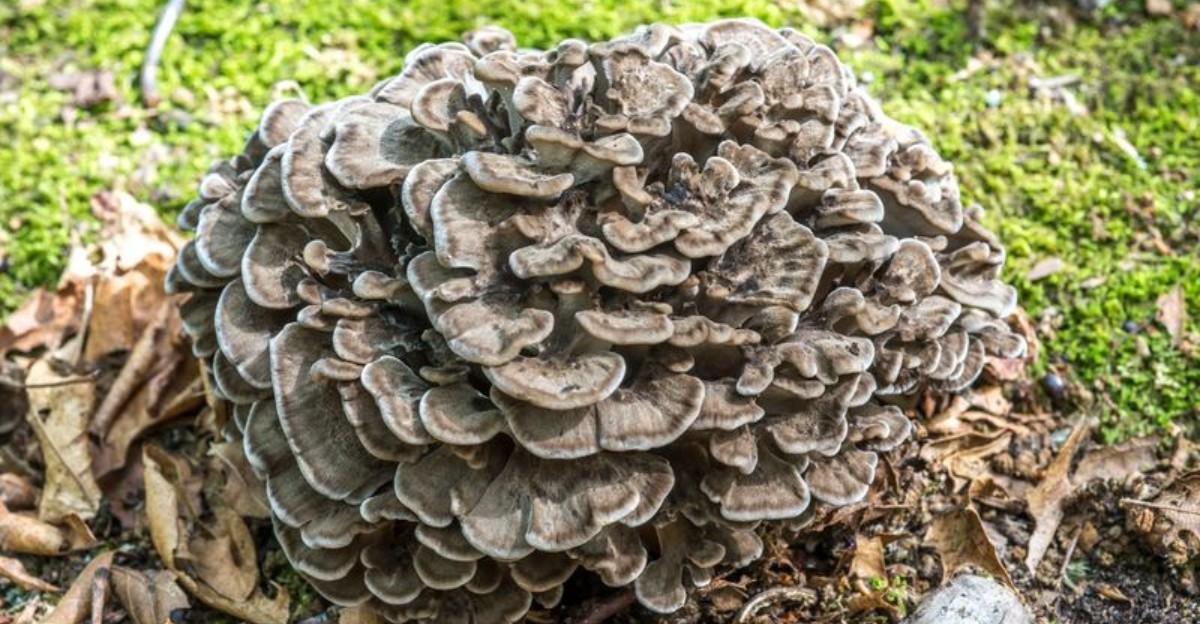
Picture a cool October morning in a Missouri woodland, with crunchy leaves underfoot and an earthy smell in the air. Near the foot of a big old oak, something gray and frilly sits quietly like a pile of feathers.
At first glance, it can look like a tangle of leaves tucked in among the roots. Look closer, and you will see dozens of soft, curled caps stacked together in a tidy, ruffled bouquet.
Foragers across Missouri get excited about this find, and some guard their secret spots like family recipes. A single clump can weigh several pounds, enough for multiple meals.
Chefs praise its rich, woodsy flavor, and it often sells at a premium in stores. Yet it can pop up in backyards and woodlands if you know where to look.
The Frilly Gray Rosettes Have A Funny Name
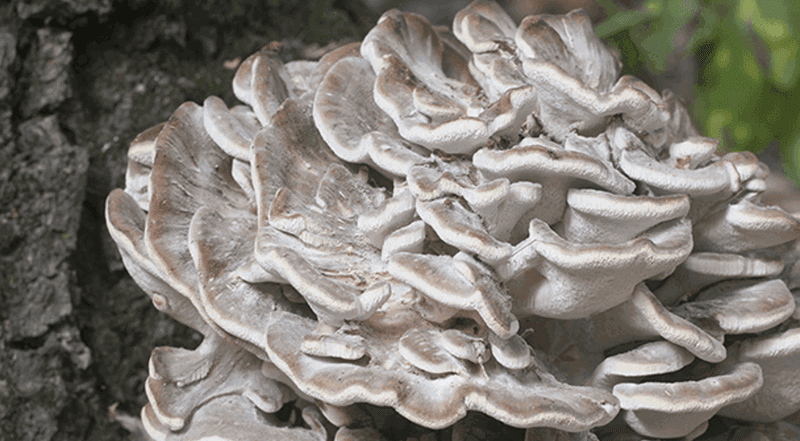
Those frilly gray rosettes have a funny name, and most Missouri foragers call them hen of the woods. The nickname comes from the way the clump looks like a fluffy chicken settling down on her nest.
Scientists know it as Grifola frondosa, while Japanese cooks call it maitake, which roughly means dancing mushroom. According to folklore, foragers danced with joy after finding one because it was worth its weight in silver.
Each clump grows from a single thick base that branches out into dozens of small, overlapping, spoon-shaped caps. The tops range from smoky gray to brownish tan, and the edges often curl like crinkled paper.
Flip a cap over, and you will notice tiny pores underneath instead of the thin gills found on many mushrooms. The underside looks white or cream colored, almost like the surface of a fine kitchen sponge.
Size is part of the fun, since an average clump spans about the width of a basketball. Exceptionally large clumps can top thirty pounds.
The texture feels firm but slightly flexible, a bit like a stack of soft leather scraps pressed together. Fresh specimens smell pleasantly earthy, with a faint hint of spice that grows stronger once you start cooking.
If you have spotted one at the base of an oak, take a photo before touching anything. Pictures can help experienced foragers or local mushroom clubs offer guidance, but a photo alone is not a reliable identification.
Oak Roots Feed The Hidden Fungus
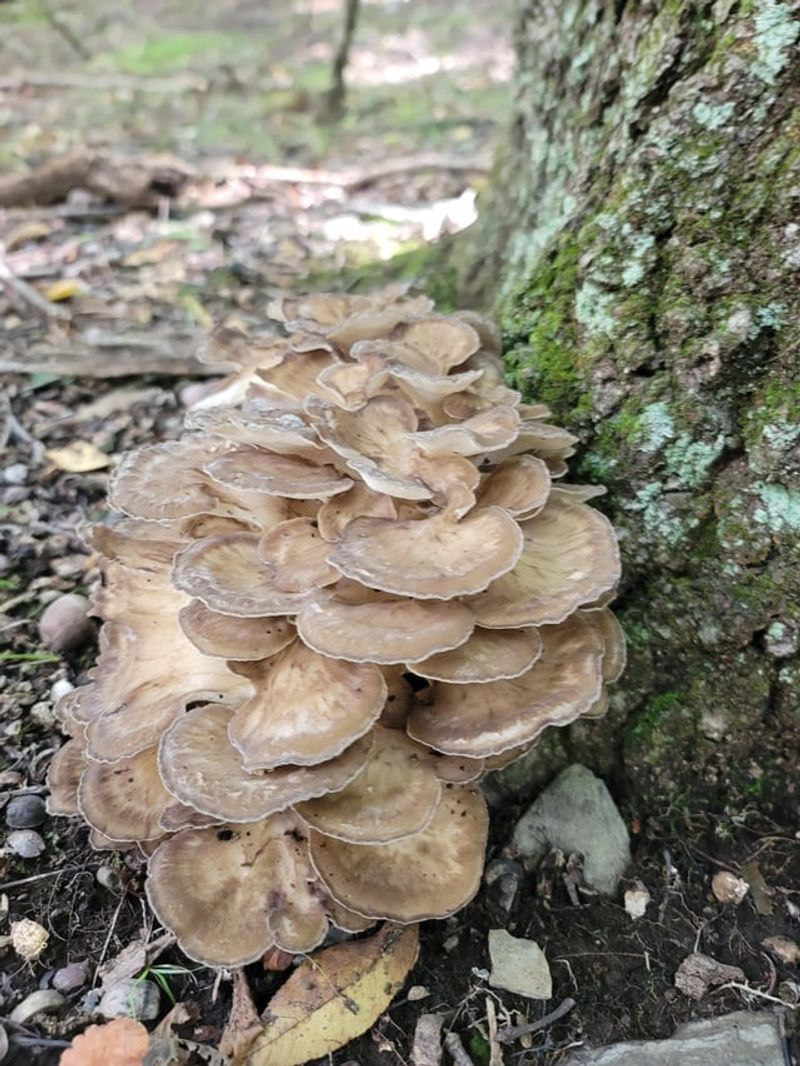
Underneath that pretty clump lies a hidden network of threads that stretches deep into the soil and roots. The part you see above ground is only the fruit, much like an apple hanging from a tree.
Hen of the woods feeds mostly on oak wood, slowly breaking down roots and the lower part of trunks. Missouri has plenty of white oaks, red oaks, and post oaks, so the fungus finds lots of meals here.
It is often found on older oaks that have reached a large size over many decades. Stressed trees with old wounds, soil damage, or root injuries also give the fungus an easy doorway inside.
Scientists describe it as a weak parasite, which means it usually works slowly rather than causing sudden trouble. Some host oaks survive for years while the fungus slowly breaks down wood at their base.
Your Missouri Garden Changes Every Week. Your Plan Should Too.
Gardening in Missouri changes quickly throughout the season. Every Friday you’ll receive a simple weekly plan showing exactly what to plant, prune, fertilize, harvest, and protect so you never miss the right timing.
Over time, the rot can weaken roots, so trees with yearly clumps may become less stable in storms. Homeowners who find one in the yard might ask a certified arborist to check the tree’s overall health.
The fungus also plays an important role as a recycler, turning tough old wood back into rich forest soil. Without decomposers like it, fallen branches and stumps would pile up across Missouri woodlands for a very long time.
Once a tree hosts the fungus, it often produces clumps in the same spot year after year. Mark that oak on a map, because it may reward you again for several autumns to come.
Early Fall Brings The Best Harvest Window
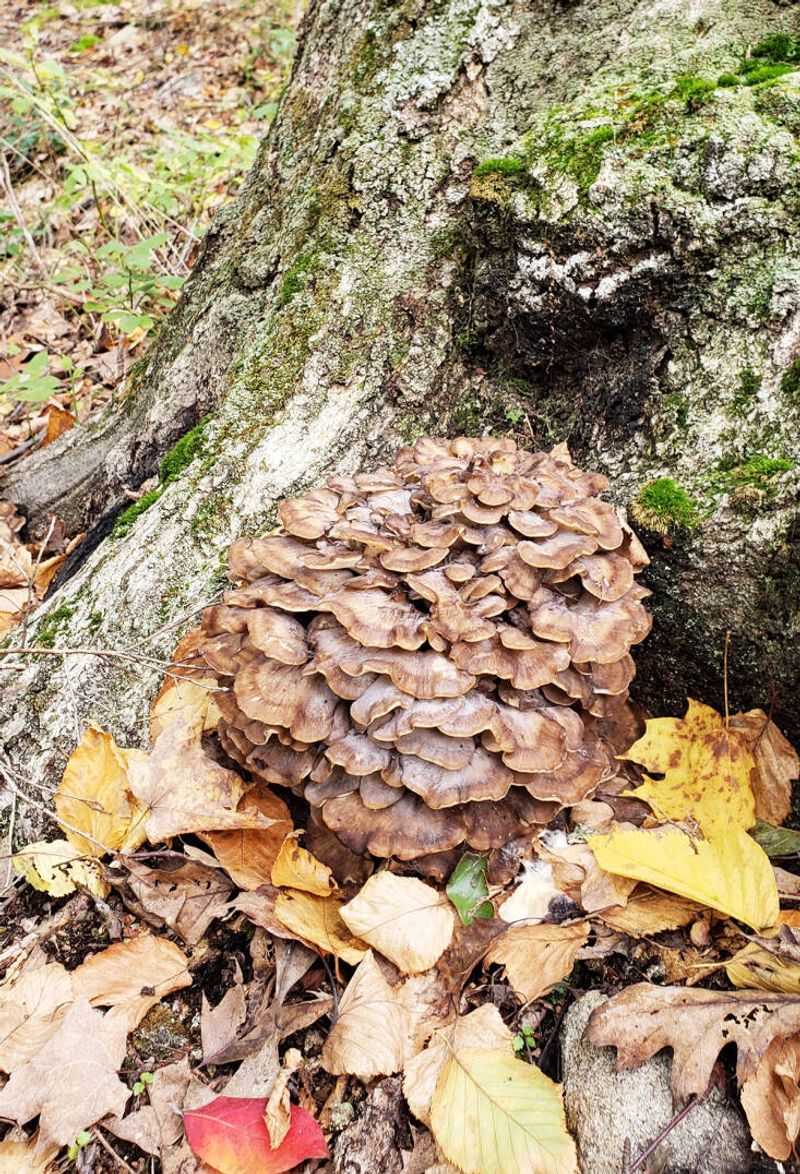
Ask any seasoned forager in Missouri about timing, and you will likely hear one answer with a grin. Late September through October is prime time, when cool nights follow warm afternoons and gentle rain soaks the ground.
The fungus seems to respond to that seasonal shift, pushing up clumps after a good soaking shower. Many hunters check their favorite oaks within several days after a solid rainfall in early fall.
Young clumps can grow quickly when the weather stays mild. Checking back every few days helps you catch them at their tender, tasty best before bugs move in.
A perfect clump has firm, crisp edges and caps that still curl slightly inward at the tips. Older ones turn soft, crumbly, and darker, and they may smell sour instead of pleasantly earthy.
Timing can vary by region and weather from year to year. A sudden hard frost usually signals the end, so plan your search trips before November arrives.
Morning walks work well, since the cooler hours are comfortable and the gray caps stand out against brown leaf litter. Bring a mesh bag or basket, which lets tiny spores drift out while you continue walking through the woods.
Patience pays off, because some years are dry and quiet while others bring a flood of fat clumps. Keep notes on rainfall and dates, and you may start to spot patterns from year to year.
Look-Alikes Can Trick New Foragers
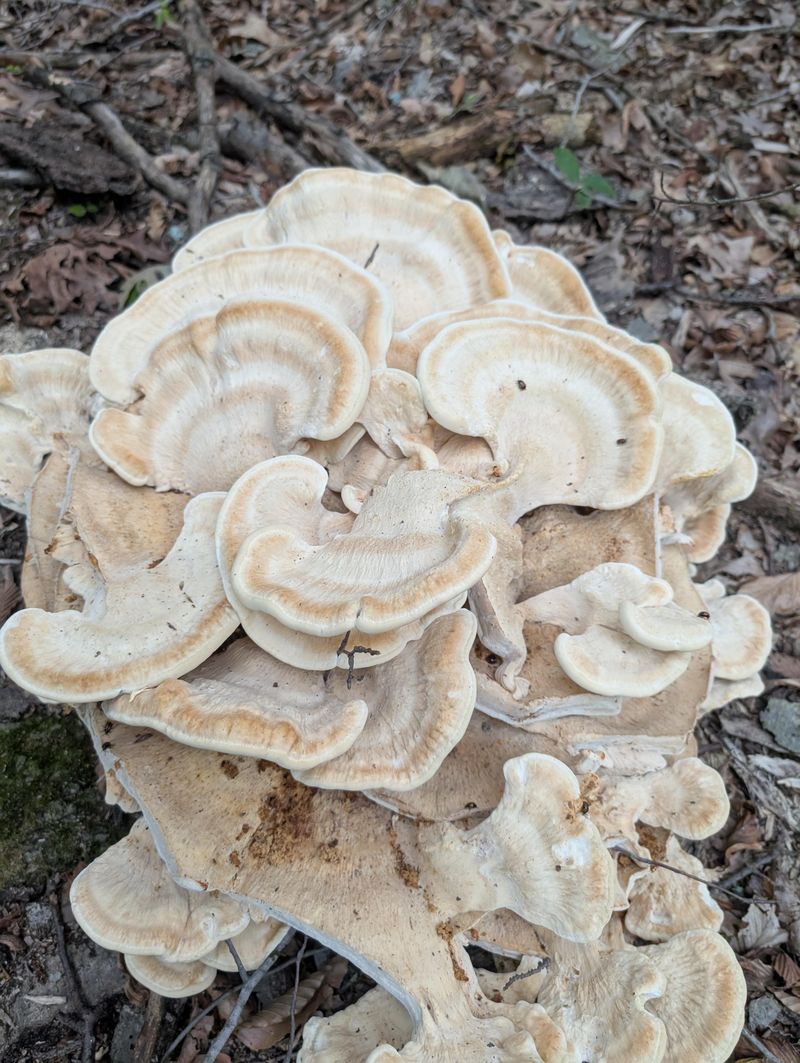
Mix-ups are common, and a big brown clump can turn out to be something else. That risk is a good reason to slow down and double-check every mushroom before it reaches the kitchen.
The most common look-alike is the black-staining polypore, which also grows in large, ruffled clusters near hardwoods. Its caps are usually wider and paler, and the surface turns black wherever you press or bruise it.
That polypore is generally considered edible when young, though most people find it tough and less tasty, and some people report stomach upset. Another lookalike, the Berkeley’s polypore, grows in Missouri too and has much larger, creamy caps with thick flesh.
Hen of the woods has smaller, grayish caps, a white pore surface underneath, and a branching, cauliflower-like core. Learning those three clues gives beginners a solid starting point, but expert confirmation is still the smartest move.
The Missouri Mycological Society hosts forays and identification sessions where members happily share knowledge with curious newcomers. Field guides with clear photos also help, especially ones written for the Midwest and its common woodland species.
Phone apps can offer quick guesses, yet they sometimes make mistakes, so treat their answers as rough hints. Compare several features yourself, including color, smell, pore surface, texture, and the type of tree nearby.
A simple rule is to eat only mushrooms you have positively identified, ideally confirmed by an expert. When doubt creeps in, leave the clump in place and enjoy it as a beautiful part of the forest.
A Clean Cut Keeps The Patch Coming Back
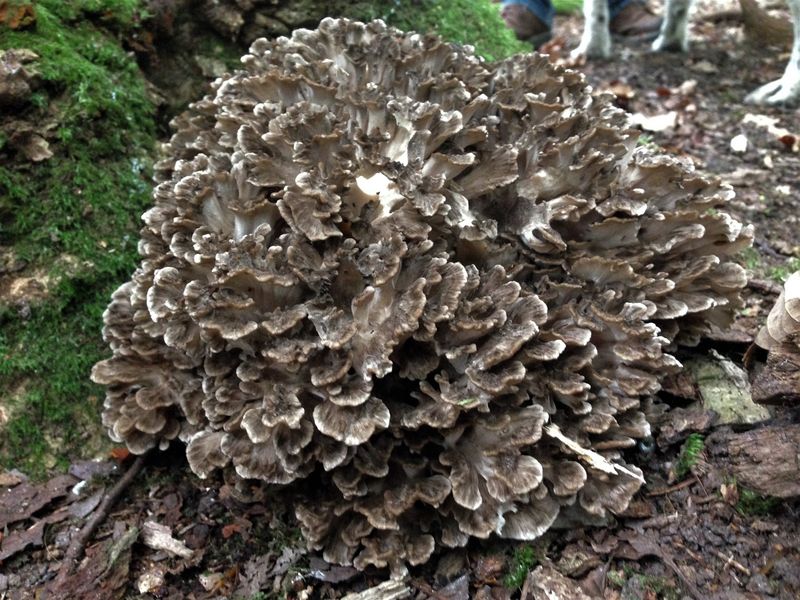
Pulling a clump straight out of the ground might feel satisfying, but it may harm the patch underneath. A sharp knife makes a much kinder tool, leaving the base and hidden threads safely tucked in the soil.
Slice the clump about an inch above the ground, cutting cleanly through the thick central stem. That small stub helps protect the living network below, giving the fungus a good chance to fruit again.
Brush off loose dirt and leaves right away, because grit tends to work its way deep into the folds. A soft mushroom brush or clean paintbrush works wonders, and it saves plenty of scrubbing time at home.
Consider leaving smaller clumps alone for a few days so they can grow larger and release their spores. Sharing the forest with wildlife matters too, since squirrels, deer, and insects enjoy these fall treats as well.
Rules matter just as much as manners, and Missouri has specific guidelines for gathering mushrooms on public land. Most Missouri Department of Conservation areas allow collecting for personal use only, but nature centers and some other areas prohibit it, so check current rules first.
Private property is a different story, so ask permission before wandering into a neighbor’s wooded backyard. Most landowners appreciate a polite knock, and some might even trade access for a share of your harvest.
Avoid trees near busy roads or sprayed lawns, because mushrooms can soak up pollutants from their surroundings. Clean woods give you cleaner food, and that peace of mind makes every bite taste a little better.
From Forest Floor To Dinner Plate
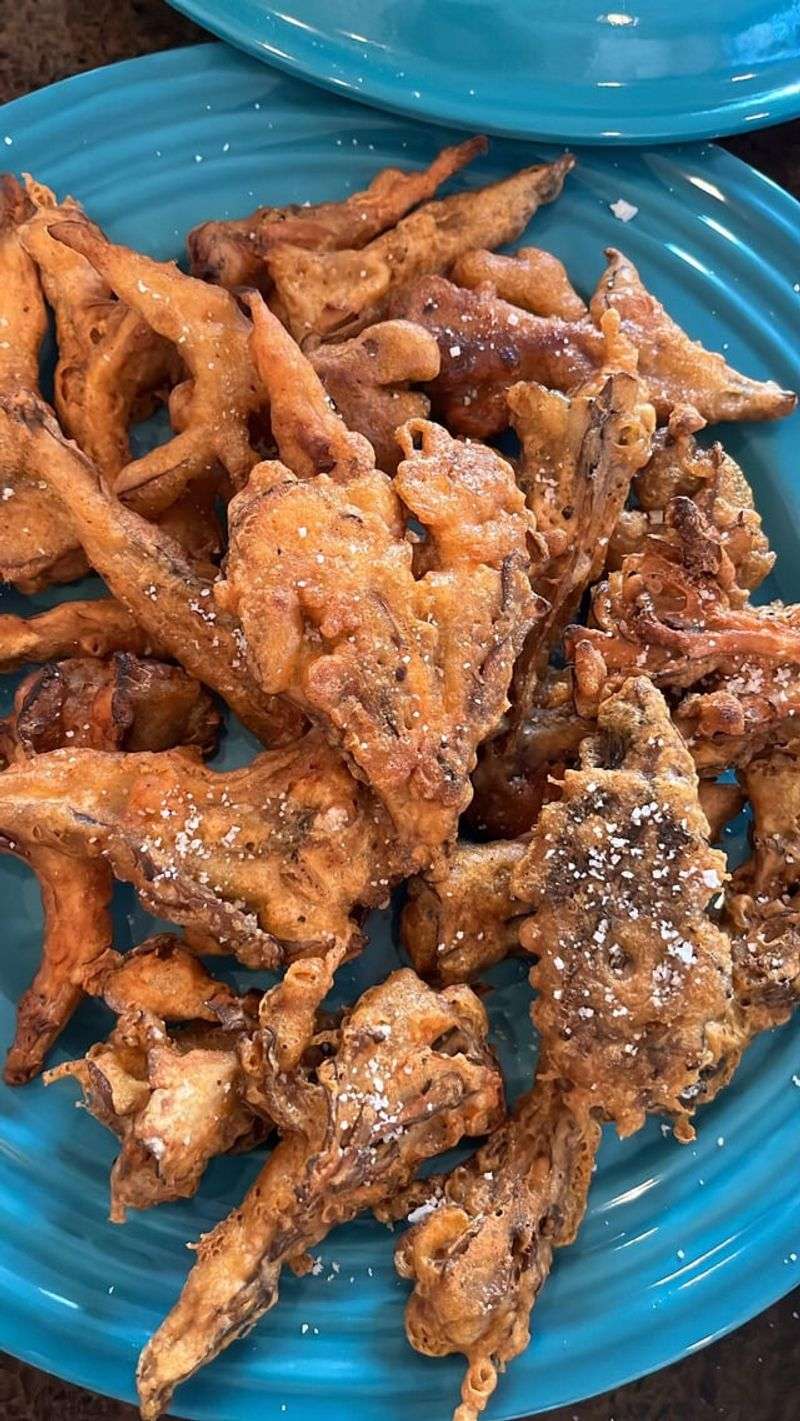
Few smells beat a skillet of hen of the woods sizzling in butter on a crisp October evening. The edges turn golden and crunchy, while the thicker parts stay tender, juicy, and wonderfully savory.
Start by tearing the clump into bite-sized pieces with your hands, which keeps the natural ruffled shape intact. Rinse quickly only if needed, then pat everything dry with a towel so the pieces brown nicely.
Cook it thoroughly every time, since raw wild mushrooms can upset stomachs even when they are edible types. Try a small portion the first time, because a few people react poorly to foods that others enjoy.
Roasting works beautifully, too, with olive oil, salt, and pepper on a sheet pan at high heat. Many home cooks also toss the pieces into soups, stir fries, pasta, or a hearty bowl of creamy risotto.
A big harvest can feel overwhelming, but the mushroom freezes well after a quick sauté in a little oil. Pack cooled portions into labeled freezer bags, and you can enjoy autumn flavor during snowy winter nights.
Fresh clumps keep for about a week in the refrigerator when wrapped loosely in a paper bag. Plastic traps moisture and turns the caps slimy, so skip those sealed containers for short-term storage.
Researchers have studied maitake for possible health benefits, though the evidence is still limited. Even without health perks, sharing a homemade meal from your own Missouri oak feels like a true reward.