The Tiny Spots On Lawn Blades That Can Explain A California Lawn’s October Decline
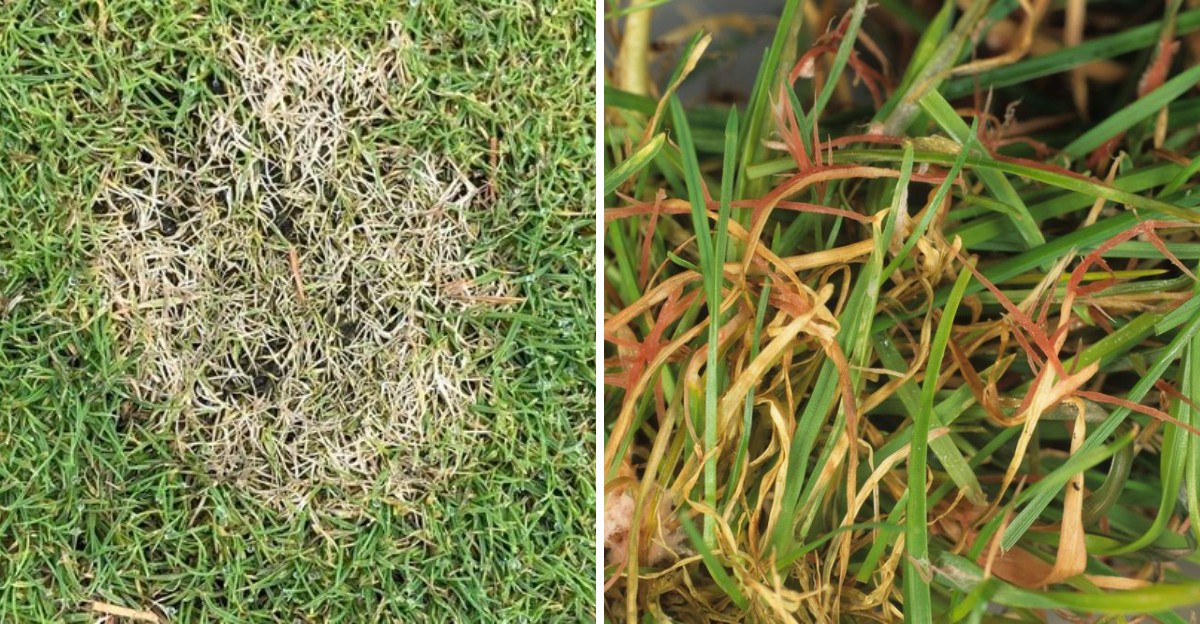
A California lawn that looks thin and tired in October often hides its story in plain sight. From standing height, the grass may simply seem worn out after a long summer.
Up close, though, individual blades can carry tiny marks, each with its own color, shape, and meaning.
Fall brings shorter days, cooler nights, and heavier morning dew. Those shifts slow grass growth and open the door to some quiet changes.
Reading those small clues correctly can save time, money, and frustration, since the right response rarely comes from a bottle.
Guidance from UC IPM helps explain what the spots reveal, what fuels them, and which simple habits help a struggling lawn recover before winter.
Orange Dust Signals Rust Fungus
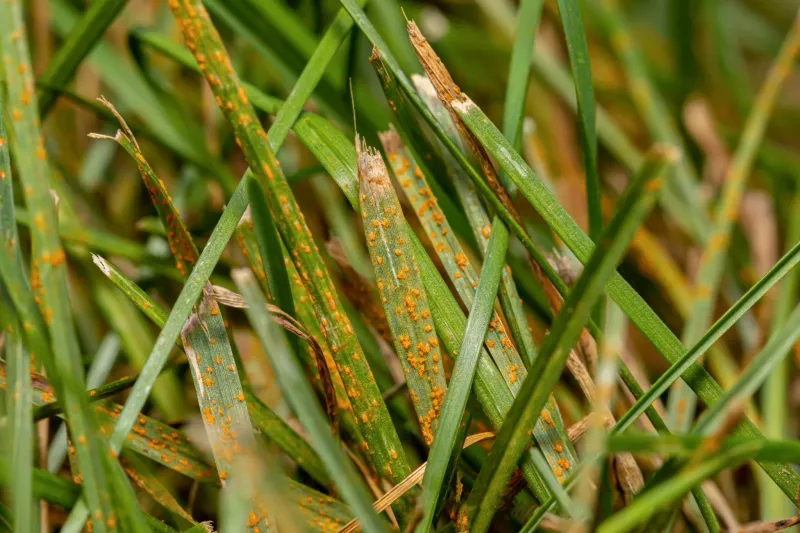
A walk across the lawn in white sneakers can leave the toes tinted orange. That color offers a big hint about what’s happening on the blades.
Rust fungus forms tiny raised bumps on grass leaves. Those bumps burst open and release powdery orange or yellow-orange spores.
A simple finger test helps confirm it. Rubbing a blade between thumb and finger often leaves an orange smear when rust is present.
Leaf spot and dollar spot leave no powdery residue, so this quick check separates them fast. From a distance, a rusty lawn looks yellowish or faintly orange, especially in patches.
Blades may thin out and feel a bit weak. Perennial ryegrass and Kentucky bluegrass are common hosts in California, though other grasses can be affected too.
Spores travel easily on wind, shoes, mowers, and even pet paws. Timing offers another useful clue.
Rust tends to appear in late summer and fall when grass grows slowly. UC IPM notes that lawns low in nitrogen or under drought stress are more likely to show heavy rust.
A hungry lawn, in other words, wears the orange coat more often. Feeding and watering deserve attention before any product.
A light, well-timed nitrogen application helps grass grow faster, and new growth can be mowed away along with spotted tips. Bagging clippings while rust is active reduces spore spread.
A quick rinse of shoes and mower decks keeps the rusty dust from touring the neighborhood.
Small Tan Spots With Dark Rims Suggest Leaf Spot
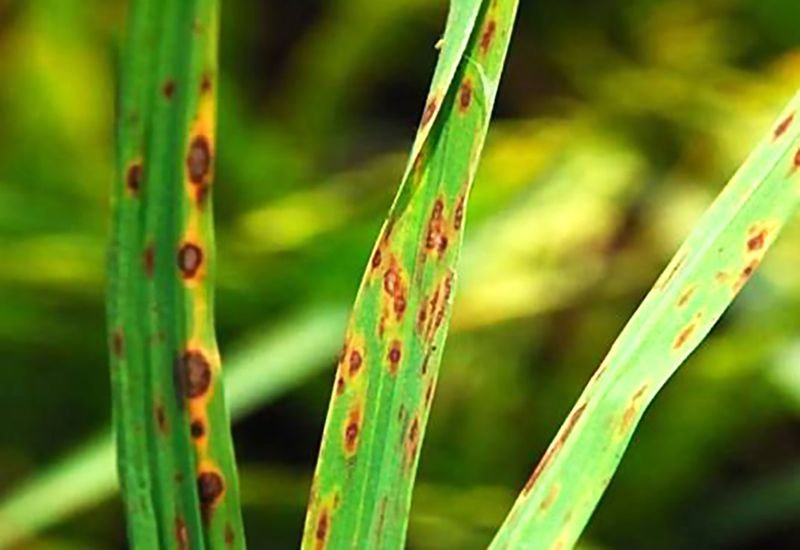
A tiny bullseye on a grass blade can be surprisingly easy to spot with a close look. The center is tan or light brown, ringed by a darker brown or purplish edge.
That neat little target is the classic look of leaf spot. Several related fungi cause it, and UC IPM groups it with a later stage called melting-out.
At first, the spots stay on the blades. Later, the disease can creep down to crowns and roots, thinning the lawn in irregular patches.
That second stage is the one that deserves the most attention. A careful look helps avoid confusion with other problems.
Rust leaves orange powder, but leaf spot leaves nothing on the fingers. Dollar spot lesions look bleached and often hourglass shaped, while leaf spot lesions resemble round or oval eyes with dark rims.
Your California Garden Changes Every Week. Your Plan Should Too.
Gardening in California changes quickly throughout the season. Every Friday you’ll receive a simple weekly plan showing exactly what to plant, prune, fertilize, harvest, and protect so you never miss the right timing.
Kentucky bluegrass, fescues, and ryegrass can all develop leaf spot. Cool, wet weather encourages it, and so does mowing too short.
Scalped grass has less leaf area to make food, so it struggles to fight back. Raising the mower a notch or two helps cool-season lawns.
Heavy nitrogen during peak disease periods is best avoided, since lush, soft growth can feed the problem. Moderate, balanced feeding works better.
Deep, less frequent watering early in the morning also helps. Removing excess thatch matters, too, because thick thatch holds moisture and shelters fungal spores like a cozy hotel.
Bleached Straw Spots Point To Dollar Spot
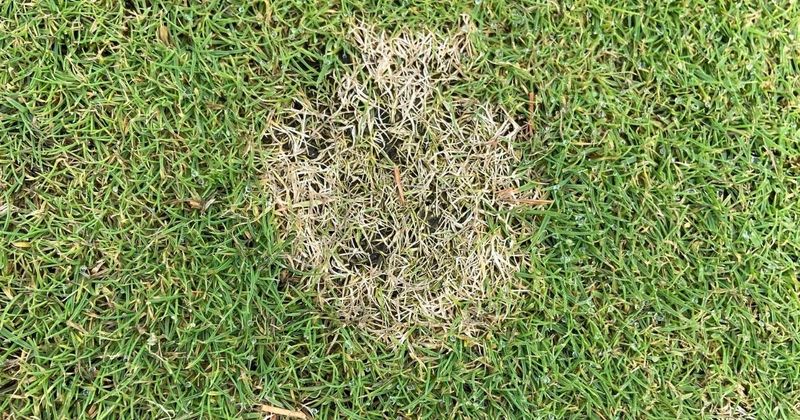
Silver dollars scattered across the grass would make a nice surprise. Silver dollar-sized faded spots, not so much.
Dollar spot earns its name from small, round, bleached patches about two to three inches wide on closely mowed turf. On home lawns mowed higher, the patches can look larger and less tidy.
Up close, each affected blade shows a straw-colored or whitish lesion. It often has reddish-brown edges and stretches across the blade in an hourglass shape.
Early mornings may reveal fine, cobweb-like threads in the dew. Those threads vanish as the grass dries.
Red thread looks different, with pink or reddish strands sticking out from blade tips, especially on ryegrass and fine fescue. Dollar spot threads stay white and fleeting.
UC IPM links dollar spot to low nitrogen, dry soil, and long periods of leaf wetness. That combination is common in fall, when lawns are underfed and dew lingers.
Bermudagrass, kikuyugrass, bentgrass, and ryegrass can all be affected, so few California lawns are fully off the hook. Recovery starts with food.
A modest nitrogen feeding helps grass outgrow the damage. Deep watering keeps soil evenly moist, while evening sprinkler runs are best skipped.
Dragging a hose across the lawn to knock off morning dew can also help. Many lawns bounce back without chemical help once growing conditions improve.
That patience often pays off as fall growth steadies.
Cool Damp Nights Fuel Fall Lawn Disease
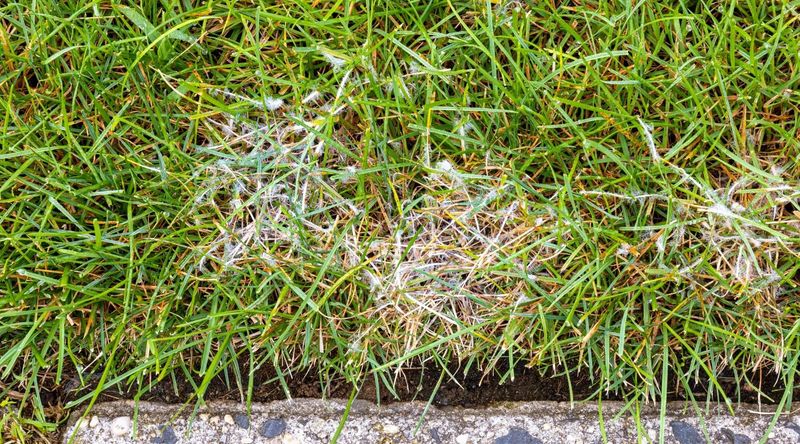
A 7 a.m. stroll across an October lawn can soak shoes within seconds. That heavy dew looks lovely at sunrise, yet to a fungus it reads like a dinner invitation.
Most lawn fungi need water sitting on the blades to infect them. Spores land, soak up moisture, and send tiny threads into the leaf.
The longer blades stay wet, the more chances those spores get. In fall, long nights and cool air mean dew forms early and burns off late.
Blades may stay damp for 10 hours or more on calm nights. Temperature matters, too.
Many fall diseases thrive in mild, cool conditions rather than summer heat. Red thread favors cool, damp weather, and leaf spot gets going during cool, wet spells.
Coastal California lawns, with their foggy mornings, can be especially prone. Inland valleys get their turn once nights turn crisp.
Shade adds another layer of trouble. Lawns under trees or beside tall fences dry slowly and receive less sunlight to fuel growth.
Trimming low branches to let in light and air can make a real difference. Weather stays out of anyone’s hands, but sprinklers do not.
Extra water at night on top of natural dew is best avoided. Better airflow and thinner thatch help the grass canopy dry faster.
Small steps that shorten wet hours add up quickly when fungi are on the prowl.
Slow Growth Lets Rust Linger
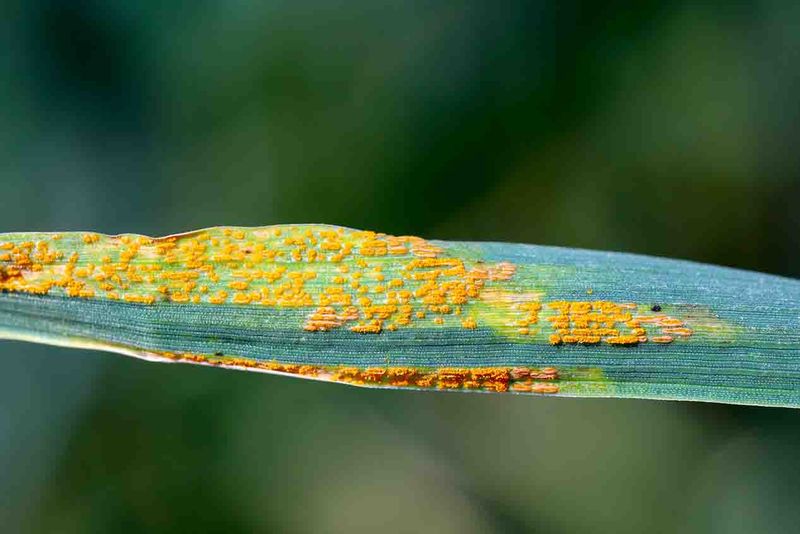
June often brings weekly mowing as grass races to keep up. By October, a skipped week may barely show.
That slowdown suits weekend plans nicely, but it also hands rust an advantage. The fungus needs a little time to finish its life cycle on a blade.
Spores land, infect, and produce new orange pustules in about one to two weeks. Fast-growing grass gets its infected tips mowed off before the cycle finishes.
Slow growth leaves those same blades in place long enough for rust to multiply. UC IPM points out that rust is most common on slow-growing turf.
Low nitrogen, dry soil, compacted ground, and shade all slow growth. Combined in fall, they let rust hang on for weeks like a houseguest who missed every hint.
Nudging growth back up makes the smartest move. A moderate amount of nitrogen fertilizer suited to the grass type helps restart steady growth.
Cool-season grasses like tall fescue and ryegrass respond well to fall feeding. Warm-season grasses like bermudagrass are slowing for winter, so checking timing before heavy feeding pays off.
Deep, thorough watering helps prevent drought stress that slows growth even further. Regular mowing at the proper height, with clippings bagged while rust is active, removes spore-loaded tips.
Each cut chips away at the problem. With steady growth, the orange tint often fades without any spray at all.
Check Blades With A Hand Lens
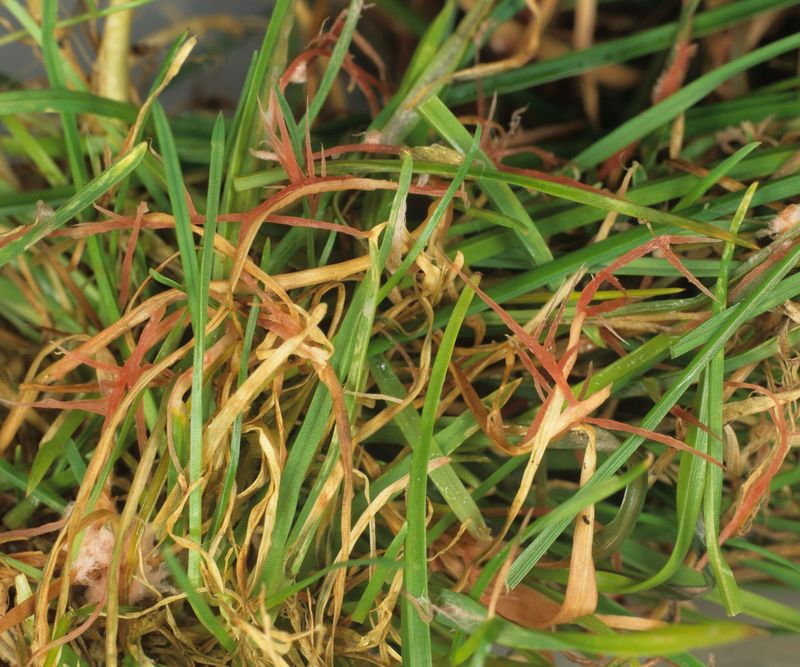
Guessing ranks among the priciest lawn care habits around. Brown patches often lead to a quick product purchase and a lot of hoping.
A simple hand lens, about 10x power, can save money and plenty of frustration. The edge of a damaged area makes the best starting point.
That border is where disease is most active and clues are freshest. A few blades pulled and held in good daylight reveal far more than a glance.
Orange or yellow powder that rubs onto fingers points to rust. Small tan or brown spots with darker rims suggest leaf spot.
Bleached, straw-colored lesions, sometimes hourglass shaped, hint at dollar spot. Pink or red threads poking from blade tips signal red thread.
Checking several blades from more than one area gives a clearer picture. Several diseases can show up together, and some damage has nothing to do with fungi.
Dog urine, dull mower blades, insects, and sprinkler gaps can all make grass look unhealthy. Shredded tips usually mean the mower needs sharpening.
Patches that pull up easily may point to grubs instead. A few close-up phone photos help track whether spots spread or fade after watering and feeding changes.
UC IPM Pest Notes offer clear photos for comparison, and a local nursery can often help with a sample. A clear diagnosis turns a vague worry into a simple plan.