Missouri Ginseng Season Ends December 31 With A Permit Required
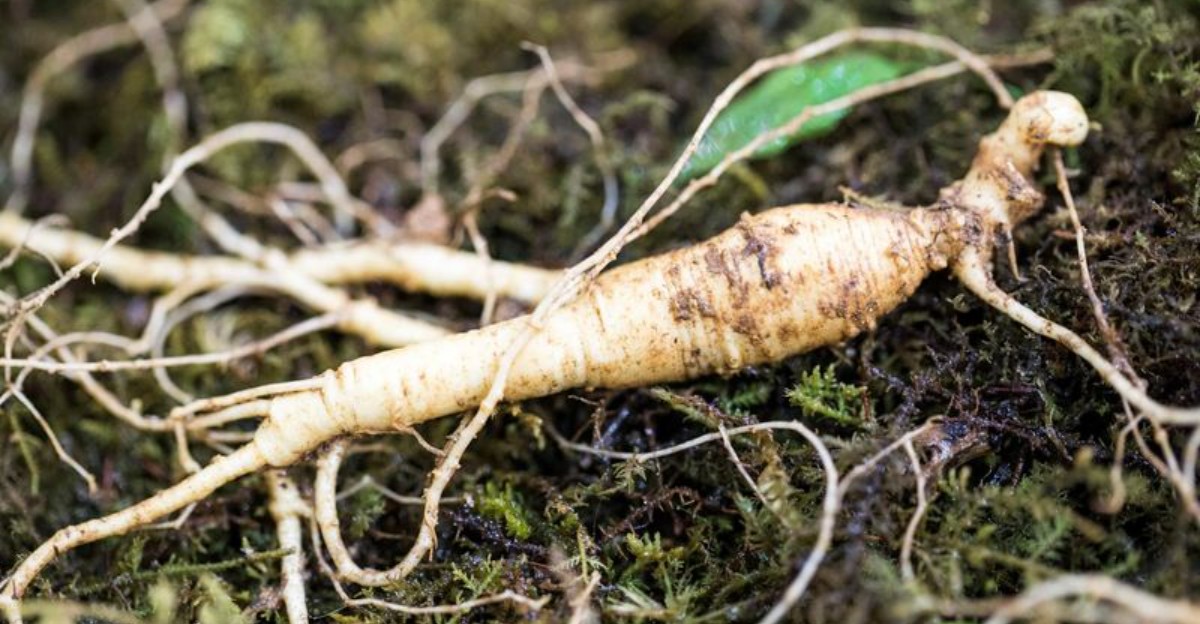
Somewhere in a shady Missouri hollow, a small plant with red berries hides under fallen leaves. Its knobby root has drawn treasure hunters into these woods for centuries, and folks guard spots fiercely.
Prices for these roots can climb into hundreds of dollars per pound, sparking quiet excitement each fall. Crunchy leaves underfoot and cool October air make the hunt feel like an old adventure story.
Still, digging up a wild plant is not a free-for-all, even on a lazy sunny afternoon. Missouri has clear rules about harvest dates, which plants qualify, and who needs special official paperwork.
Breaking those rules can bring fines, and it can leave favorite patches thin for many years. Following them protects a woodland plant that grows slowly and takes real patience to reach full size.
Think of it as a scavenger hunt with a rulebook and a calendar. The trees are turning gold, and this year’s harvest window is closing day by day.
Year-End Deadline For Wild Root Digging
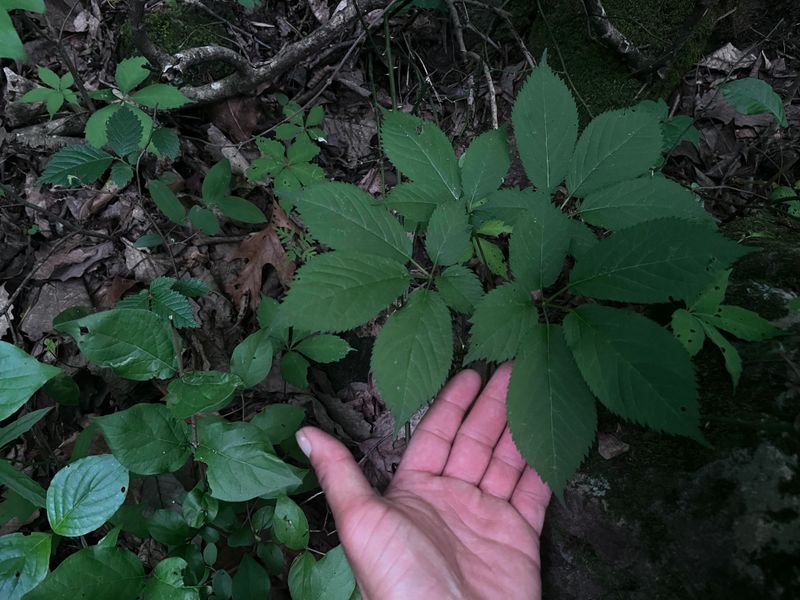
Mark your calendar with a big red circle, because December 31 is the final legal day to dig. Missouri opens ginseng harvest on September 1, giving diggers about four months in the autumn woods.
After the New Year arrives, digging wild roots becomes illegal until the next season opens in September. That window covers the stretch when berries are ripe on the plants.
Anyone who digs, possesses, or transports ginseng in Missouri needs a ginseng harvester permit, which costs $20 for residents and $150 for nonresidents. Dealers who buy roots for resale also need their own permit from the Missouri Department of Conservation.
Land permission matters just as much, since digging is allowed only on private property with the owner’s permission. Ginseng harvest is banned on all land owned or managed by the Department of Conservation, and most other public land is off limits too.
Many families treat the season like a fall tradition, packing snacks and heading out after school or work. Knowing the end date helps you plan trips wisely instead of rushing out during a cold December week.
Rules can shift from year to year, so reading the latest Department of Conservation ginseng rules is a smart habit. The ginseng page lists permit costs, harvest dates, and certification steps that keep your harvest above board.
Think of December 31 as the closing bell on a long, leafy treasure hunt through the Ozark hills. Respecting that bell keeps you legal, keeps landowners happy, and gives the plants a fair chance to recover.
Early October Timing In The Woods
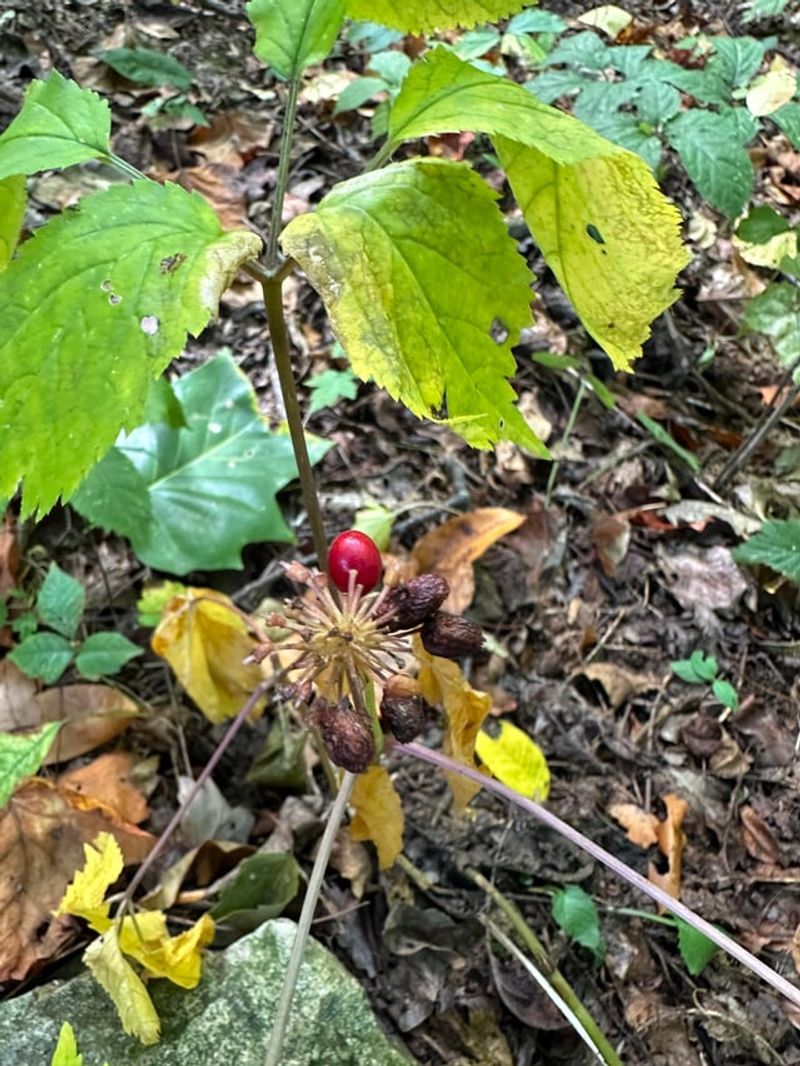
Early October might be the sweetest spot of the whole digging season, at least according to many longtime hunters. Leaves are still hanging on, so the plant’s golden-yellow foliage glows like a tiny lamp on the forest floor.
Once November winds strip the canopy, those leaves often drop, and spotting plants gets a lot trickier. Some diggers wait too long and end up crawling through brown leaf litter with nothing to show for it.
Red berries are another clue, since ripe berries hold the seeds that must be replanted after digging. By early fall, most berries have turned a shiny crimson, which signals the seeds inside are ready.
Your Missouri Garden Changes Every Week. Your Plan Should Too.
Gardening in Missouri changes quickly throughout the season. Every Friday you’ll receive a simple weekly plan showing exactly what to plant, prune, fertilize, harvest, and protect so you never miss the right timing.
Weather plays a part too, because soft, damp soil after an autumn rain lets roots slide out gently. Rock-hard ground from a dry spell often snaps the delicate root hairs, which lowers the value buyers offer.
Cooler temperatures also mean fewer chiggers and less sweat dripping into your eyes on steep hillsides, though ticks can still be active. Wear bright orange during October, since deer and turkey hunters share the same Missouri woods.
Plan outings for midmorning, when sunlight slants through the trees and makes yellow leaves easier to spot. Bring a small trowel or digging stick, a cloth bag, and a snack for those long uphill walks.
Getting out early in the fall gives you breathing room before the December 31 deadline comes knocking. Your future self, wrapped in a winter coat by the fireplace, will thank you for the head start.
Costly Mistake Of Digging Young Plants
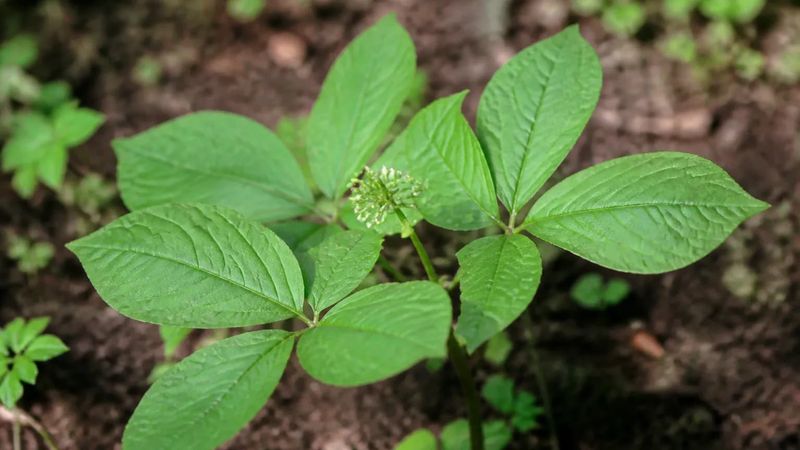
Picture a hiker who spots a cute little plant with two leaf clusters and digs it up proudly. Sadly, that root was far too young, and that patch just lost a future seed producer.
Missouri law says a plant must have at least three prongs, which are the leaf stalks branching from the stem. Each prong usually holds five leaflets, so a legal plant looks fuller and taller than its younger neighbors.
Age matters too, since a ginseng plant does not produce seeds until it is about five years old. You can estimate age by counting the small scars on the root neck, which form one per year.
Buyers often look at those scars, since older roots with more rings tend to bring better prices. Young roots also weigh very little, so digging them brings almost no money for a lot of effort.
Another common slip is digging before the berries turn red, since only ripe berries hold seeds ready to plant. Missouri requires the seeds from each harvested plant to be replanted within 100 feet of it.
Careless shovel work causes trouble too, because a sliced or broken root loses much of its market value. Start digging several inches away from the stem, then loosen the soil slowly with your fingers or a stick.
A quick prong count before you kneel down takes only seconds, yet it protects patches for many seasons. Leaving the small ones alone is like planting money in the ground and letting it grow for you.
Permit Paperwork For Selling Roots
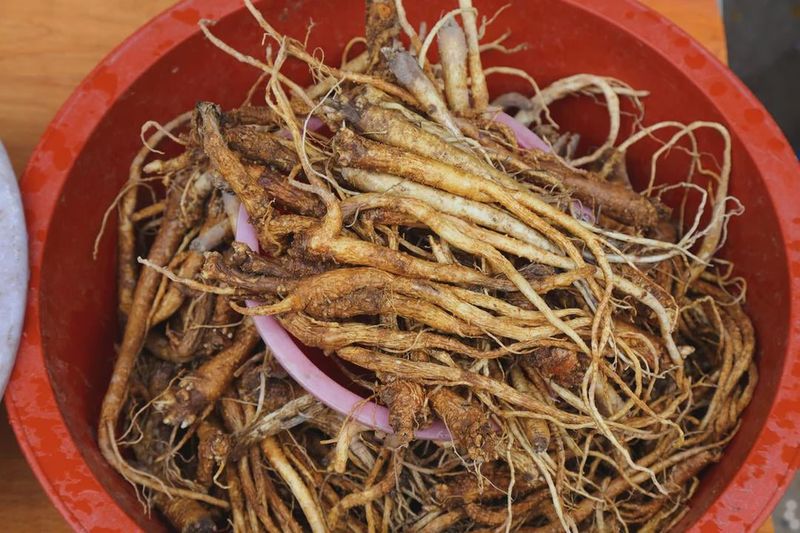
Paperwork rarely sounds exciting, but it can be the difference between a fair sale and a hefty fine. Wild ginseng is regulated under international trade rules, so sales leave a paper trail.
In Missouri, anyone who buys roots to resell must hold a ginseng dealer permit from the Department of Conservation. Dealers must also follow state recordkeeping rules for the roots they buy.
Diggers selling inside the state should sell only to permitted dealers, who can show their permit on request. Asking to see that permit is polite and smart, much like checking a price tag before buying shoes.
Anyone shipping roots out of Missouri must first get them certified by a Department of Conservation agent, which requires a $25 certification authorization. The certificate of origin documents the weight and origin of those roots.
Dealers face deadlines of their own, including reporting purchases and holding unsold roots under specific state rules. Those rules help officials track how much wild root leaves the state each year, which guides future protections.
Keep a simple notebook of your own, listing dig dates, locations, landowner names, and dried weights. Notes like these answer questions quickly if a conservation agent stops to chat on a back road.
Rules and fees can change, so calling your regional conservation office each fall is a wise first step. A few minutes on the phone beats a surprise citation, and staff members are usually happy to help.
Payoff Of Careful Harvest Habits
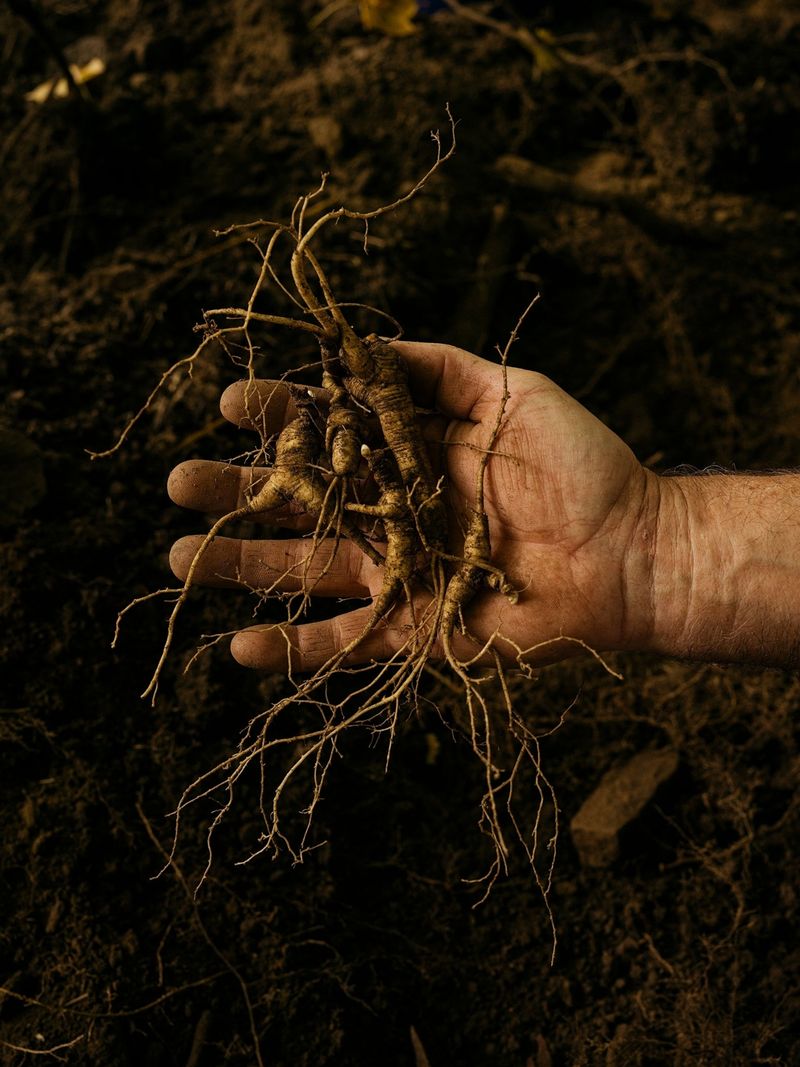
Old-timers in the Ozarks like to say the woods remember how you treat them, and they might be right. Careful diggers often return to the same shady slopes for decades and find healthy patches waiting each fall.
Mature roots tend to bring better prices, and dried wild roots have sold for several hundred dollars per pound. Older roots with many rings and an interesting shape tend to catch a buyer’s eye more than skinny ones.
Drying matters as much as digging, so rinse roots gently with water but avoid scrubbing off the dirt. Lay them on a screen in a cool room with good airflow for a few weeks until they snap.
Ovens and dehydrators can crack roots or darken them, which often lowers the price a dealer offers. Slow air drying keeps the natural tan color and wrinkled rings that experienced buyers look for.
Money is only part of the reward, since many families pass down secret spots like treasured recipes. Grandparents teach grandkids to spot red berries, count prongs, and tuck seeds back into the soft soil.
Those shared afternoons build memories that smell like damp leaves, wood smoke, and cool autumn air. A landowner who trusts you is also more likely to welcome you back for many seasons to come.
Following the rules keeps your harvest legal and your reputation solid with landowners and dealers. In the end, patience in the woods can return to you in more ways than a paycheck.
Protecting Patches For Future Seasons
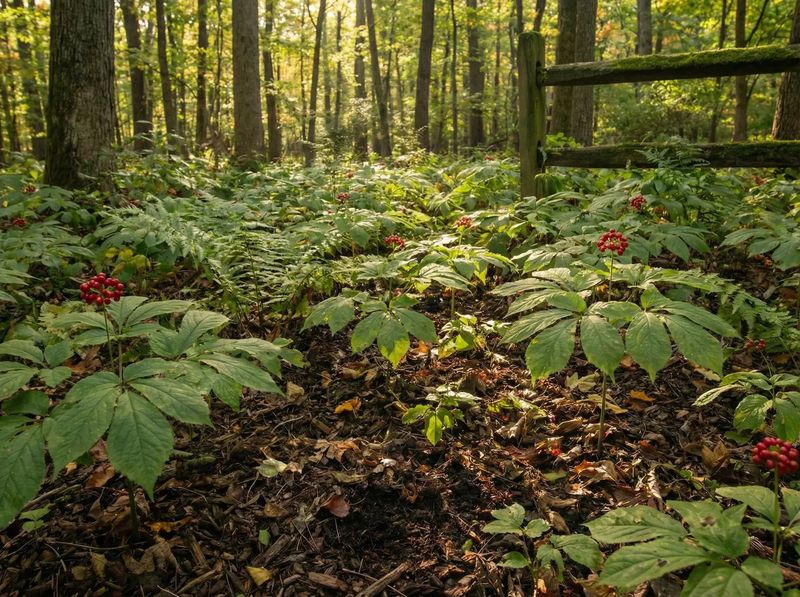
Fun fact for your next campfire chat, wild ginseng seeds can take about eighteen months to sprout. That slow start explains why Missouri requires diggers to plant the seeds from each harvested plant within 100 feet of it.
Squeeze the seeds out of the red berries and press them into the soil near the spot where the parent plant grew. Shade, moisture, and rich leaf litter there already suit young plants, which gives seedlings a strong start.
Spread seeds out a few inches apart instead of dumping them in one pile, so they share nutrients better. Cover them lightly with leaves, which act like a cozy blanket during the chilly Missouri winter months.
Leaving some mature plants untouched is another smart move, since they keep producing berries year after year. Many careful diggers take only part of a patch and leave the rest to grow larger and stronger.
Fill each hole after digging, because open pits dry out nearby roots and invite erosion on steep slopes. Smoothing the soil also hides your spot from passersby who may notice freshly disturbed ground.
Overbrowsing deer and spreading invasive plants can also crowd out patches, so report big changes to conservation staff. Some landowners even grow woods-cultivated roots under their trees, which eases pressure on truly wild plants.
Small habits like these turn one fall outing into a gift for diggers who come after you. A spring or two from now, those tucked-away seeds may start pushing tiny green leaves up through the forest floor.