New Fescue Seed In Kansas City Lawns Needs Water Until The Ground Freezes
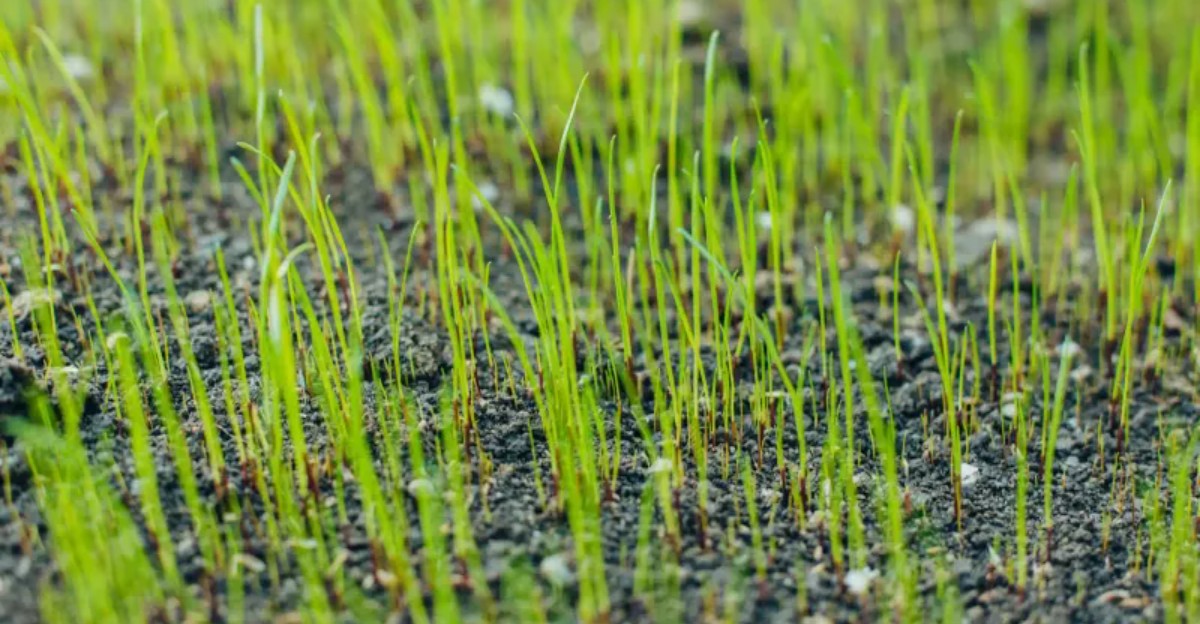
Kansas City yards in early October smell like crisp leaves, warm pavement, and the faint sweetness of cut grass. Somewhere under that cool morning dew, a fresh patch of tiny green blades is quietly hoping you remember it.
Plenty of homeowners on both the Kansas and Missouri sides relax as soon as the summer heat finally breaks. The hose gets coiled, the sprinkler gets stored, and everyone heads inside for soup and football.
Those young sprouts look sturdy enough, standing tall and bright like a fuzzy carpet across the yard. Underneath the soil, though, their roots are thin as thread and still very shallow.
Missouri weather loves surprises, tossing breezy dry spells and chilly sunny afternoons at lawns all autumn long. Those sneaky conditions pull moisture out of the ground faster than most people would ever guess.
A little attention right now can decide whether next year brings a thick green yard or bare patches. Your tiny green tenants are counting on you, even if they cannot say thank you out loud.
Steady Moisture Until Hard Frost
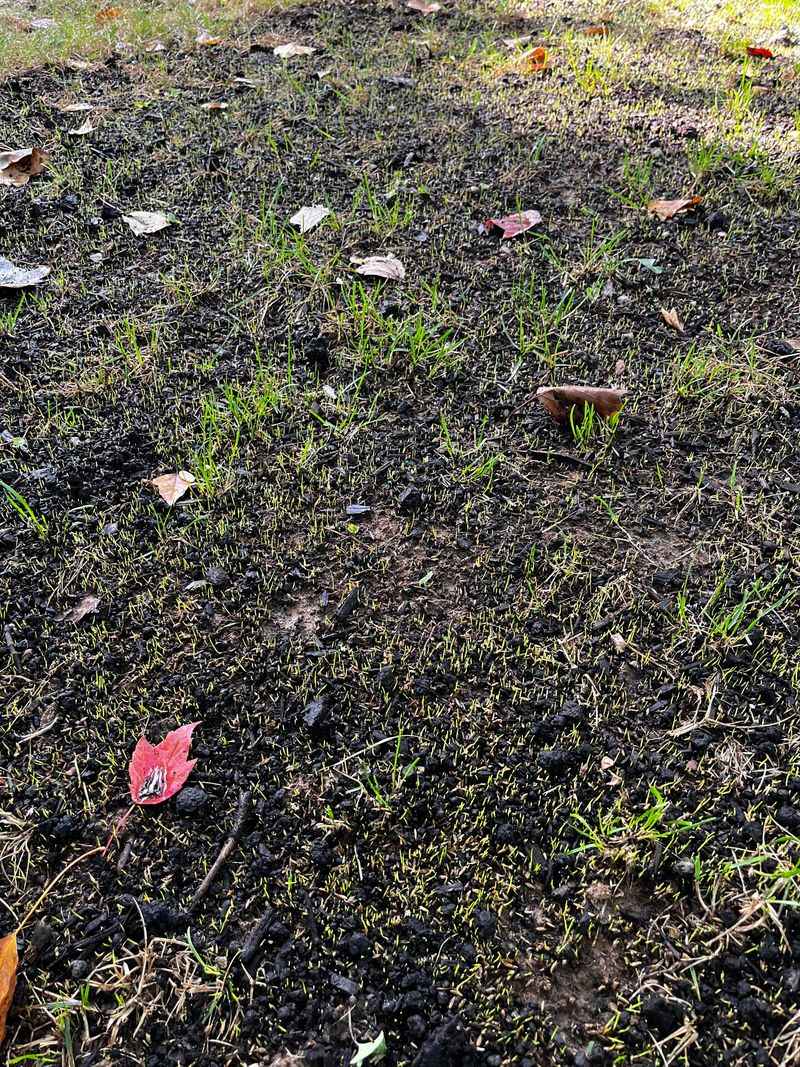
Picture a toddler learning to walk, wobbly and eager, who still needs a hand to hold for balance. Newly sprouted fescue in a Kansas City, Missouri lawn is in that same shaky stage through October and November.
The short answer is simple: keep the soil around those seedlings evenly moist until the ground freezes solid. Cooler air slows evaporation, but it does not stop the grass from needing a steady drink.
Young blades keep building roots as long as the soil stays above roughly forty degrees in the fall. That underground growth is the real goal, since deeper roots help the lawn handle winter cold later.
Most new fescue needs about one inch of water each week, counting both rainfall and your sprinkler. A cheap rain gauge pushed into the turf makes tracking that number much easier and less stressful.
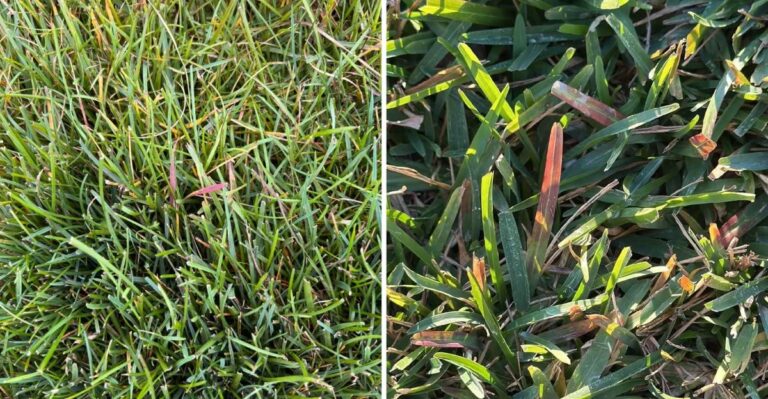
Kansas City often sees dry, windy stretches in October that quietly suck moisture out of the topsoil. Brown edges or a dull bluish color on the blades usually signal that the seedlings want more water.
Stopping too soon is one of the most common reasons fall seeding projects struggle by next spring. Patience through those last chilly weeks often pays off with a fuller, greener yard come April or May.
Think of each watering session as a small deposit into a savings account for your lawn’s future. Once the soil turns hard and frosty for good, you can finally roll up the hose for winter.
Shallow Roots Under Cool Skies
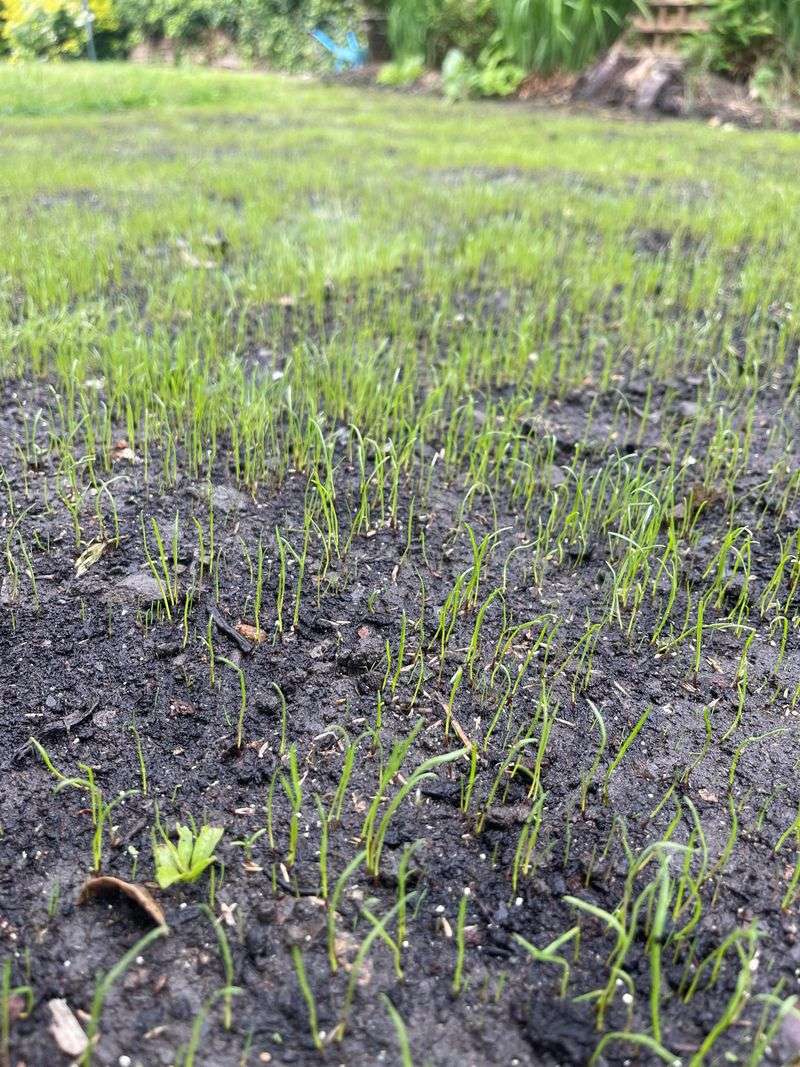
Did you know a fescue seedling only six weeks old may have roots just a couple of inches long? Mature tall fescue can send roots a foot or more down, but the baby plants are still working near the surface.
That shallow root system is the main reason new seed depends so heavily on you for moisture. The top inch of soil dries out first, and that thin layer is right where the young roots live.
Your Missouri Garden Changes Every Week. Your Plan Should Too.
Gardening in Missouri changes quickly throughout the season. Every Friday you’ll receive a simple weekly plan showing exactly what to plant, prune, fertilize, harvest, and protect so you never miss the right timing.
Clay soil across Kansas City and much of western Missouri adds another twist, because it holds water deep down but crusts over on top. A crusty surface can leave seedlings thirsty even when the soil a few inches lower feels damp.
Fall sunshine might feel mild on your face, yet it still warms the ground and pulls water upward. Breezy afternoons speed up that drying, so a lawn can look fine at breakfast but droopy by dinner.
Every bit of root growth this month gives the grass a better grip before winter arrives in force. Freezing and thawing cycles can push weak seedlings right out of the ground, a problem called frost heaving.
Strong roots anchor the plants so they stay put when the soil swells and shrinks through cold snaps. Steady moisture keeps those roots stretching downward instead of stalling out in dry, hard dirt this season.
A simple screwdriver test helps here, since it slides easily into moist soil but resists dry ground. Poke a few spots around the yard each week to see how deep the moisture really reaches.
Early October Moisture Targets
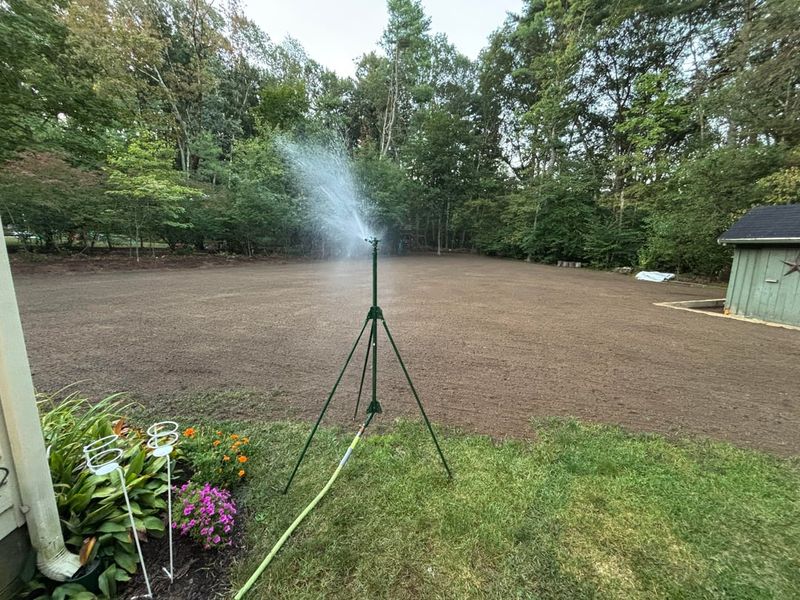
Morning is the sweet spot for watering new fescue, ideally between five and ten o’clock before the breeze picks up. Early watering lets the blades dry by afternoon, which helps keep fungal problems in check.
In early October, freshly sprouted seed usually does best with light watering once or twice each day. The goal is to keep the top inch damp, like a wrung-out sponge rather than a soggy puddle.
As the grass reaches mowing height, shift toward deeper soakings two or three times per week instead. Longer, less frequent sessions encourage roots to chase the water further down into the cool soil.
By late October and November, many Kansas City lawns need water only once a week or so. Cooler temperatures mean less evaporation, so the soil holds onto each drink a little longer than in September.
Rain changes the math, of course, so check the forecast before you set the timer each week. A soaking half-inch shower might cover your needs for several days without any help from the hose.
Evening watering sounds relaxing, but damp grass sitting overnight in chilly air invites disease to settle in. Sticking with mornings gives the sun a full day to dry the leaves while the roots soak up moisture.
Writing your schedule on a calendar or phone reminder makes it much easier to stay consistent. A routine that adjusts with the weather keeps young grass happy without wasting water or money.
The Sprinkler Shutoff Mistake
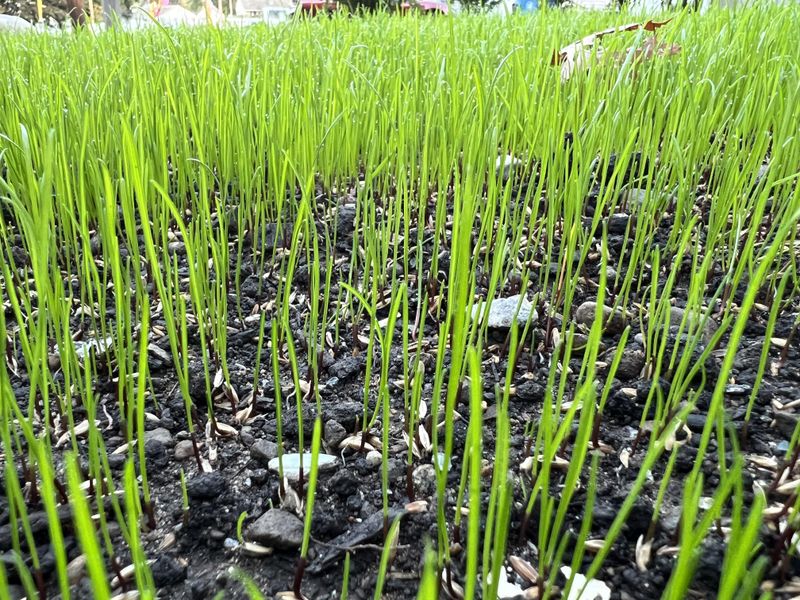
Each fall, a neighbor somewhere in Overland Park or Lee’s Summit, Missouri winterizes the sprinkler system on the first cool weekend of October. It feels responsible and tidy, yet that early shutoff can leave freshly seeded areas thirsty for weeks.
Many people assume cool weather means grass stops growing, so they figure watering no longer matters much. In reality, fescue keeps building roots through crisp autumn days, as long as the soil stays above roughly forty degrees.
Blowing out irrigation lines too early also removes your easiest tool for handling those surprise dry spells. Kansas City and the rest of western Missouri can go two or three weeks without meaningful rain in some Octobers, which stresses tender seedlings.
If the system must be winterized on a set date, keep a hose and portable sprinkler handy. An oscillating sprinkler on a simple timer covers small patches nicely without much fuss or cost in the yard.
Another sneaky slipup is trusting a light, passing drizzle to handle the job for the whole week. A gray, misty morning might only add a tenth of an inch, which barely dampens the surface.
Fallen leaves create trouble too, since a thick layer blocks sunlight and traps soggy patches underneath the pile. Rake or mulch them gently every few days so the young blades can breathe and soak up water.
Waiting a little longer to put away the hoses might feel odd while neighbors are carving pumpkins. Your lawn will reward that extra effort with thicker growth once the weather warms up again next spring.
Frost Timing For The Final Soak
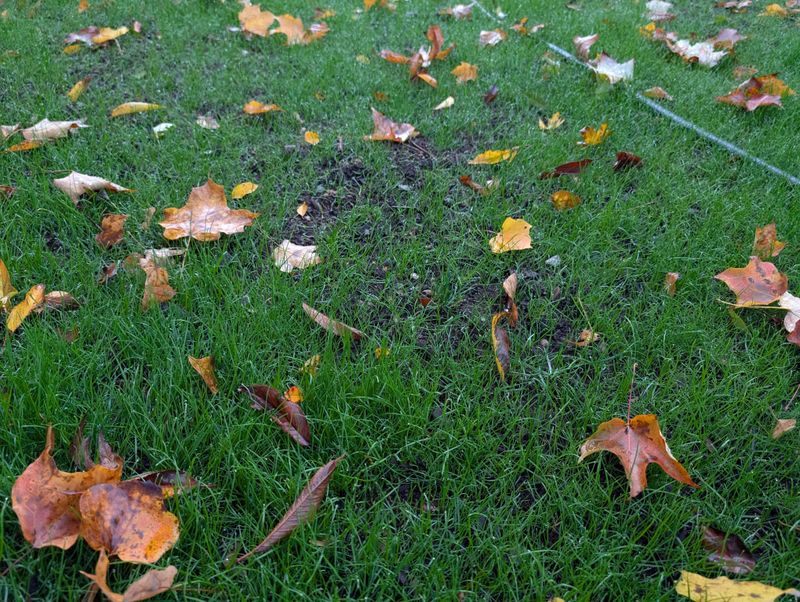
Old-timers around Kansas City like to say the ground tells you when it is done, not the calendar. That folksy advice holds up well, because a light frost on the grass is different from frozen soil.
The first frosty mornings usually arrive in late October, painting rooftops and lawns with a sparkly white coat. Those chilly starts rarely freeze the ground itself, so roots below the surface keep sipping and growing.
A hard, lasting freeze in the Kansas City area often shows up sometime in December, though years vary. Once a shovel struggles to break through the top few inches, the watering season is basically over.
Before that happens, plan one deep, generous soaking during a mild afternoon when temperatures sit above freezing. Moist soil holds heat better than dry soil, which gives tender roots a little extra winter protection.
Skip watering when nighttime lows will dip well below freezing, since puddles can turn into slick ice. Icy patches on the lawn can damage seedlings and create slippery spots on sidewalks for your family.
Remember to drain and store garden hoses after that final soak so they do not crack in January. Disconnecting them from outdoor faucets also helps prevent frozen pipes inside the house during cold snaps.
Some winters bring warm spells with dry winds, and new grass may appreciate a drink even in January. If the soil thaws and feels dusty during a sunny week, a quick watering can help seedlings cope.
Winter Readiness For A Thicker Spring Lawn
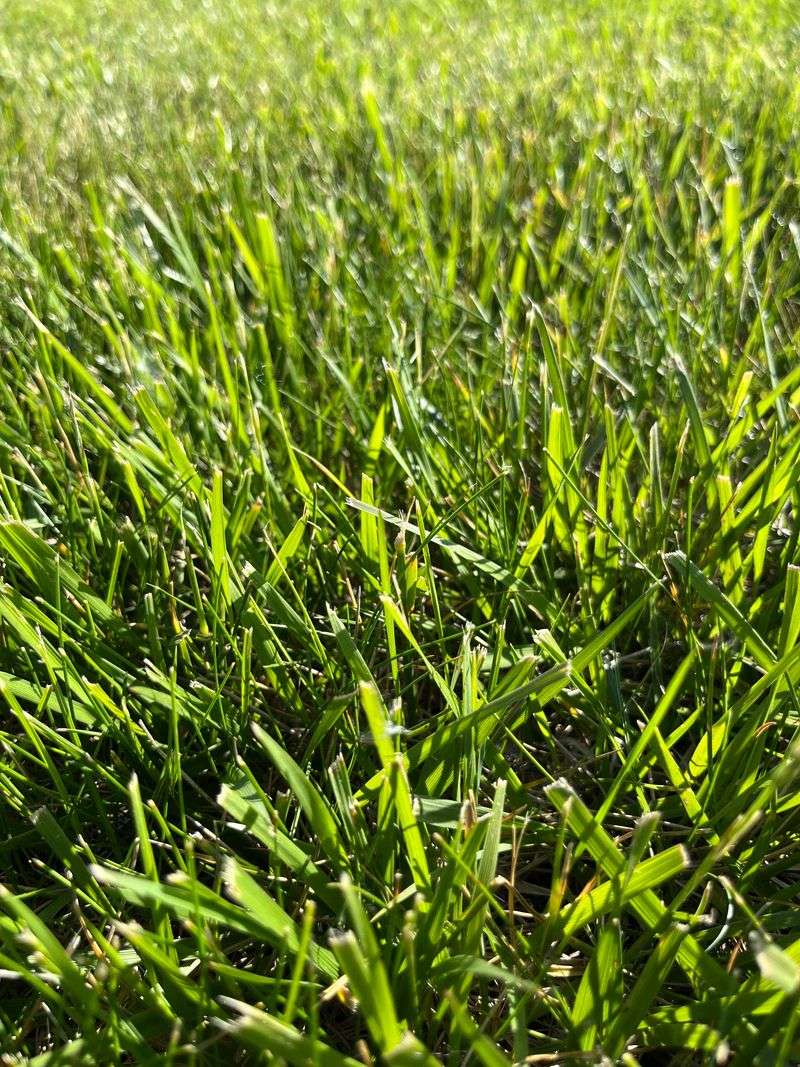
Fast forward to a bright April morning, coffee in hand, staring at a lawn that looks lush and even. That happy picture usually starts with the small choices you make during these crisp October weeks.
Keep mowing new fescue at about three to three and a half inches until growth slows down. Taller blades shade the soil, hold moisture longer, and feed the roots with extra energy from sunlight.
A light dose of fall fertilizer about six weeks after seeding gives young grass a helpful boost. Follow the bag directions closely, since too much product can burn tender blades and wash into storm drains.
Try to limit foot traffic on newly seeded areas, especially when frost coats the grass in the morning. Frozen blades snap easily under shoes and paws, leaving footprint-shaped brown spots that linger for weeks.
Keeping notes on which spots dried out fastest this fall helps you plan smarter watering next year. Slopes, sunny corners near driveways, and areas under big trees often need the most attention in Kansas City yards.
Thin patches that show up in early spring can be overseeded lightly, though fall remains the better window. Fescue planted in September or early October usually outperforms spring seed because it skips summer heat stress.
Consistent care now builds a lawn that can handle crabgrass pressure and hot July days much better. A few extra minutes with the hose this autumn can save hours of patching and reseeding later on.