The Unheated Garage Trick Alabama Gardeners Use To Save Potted Perennials This Winter
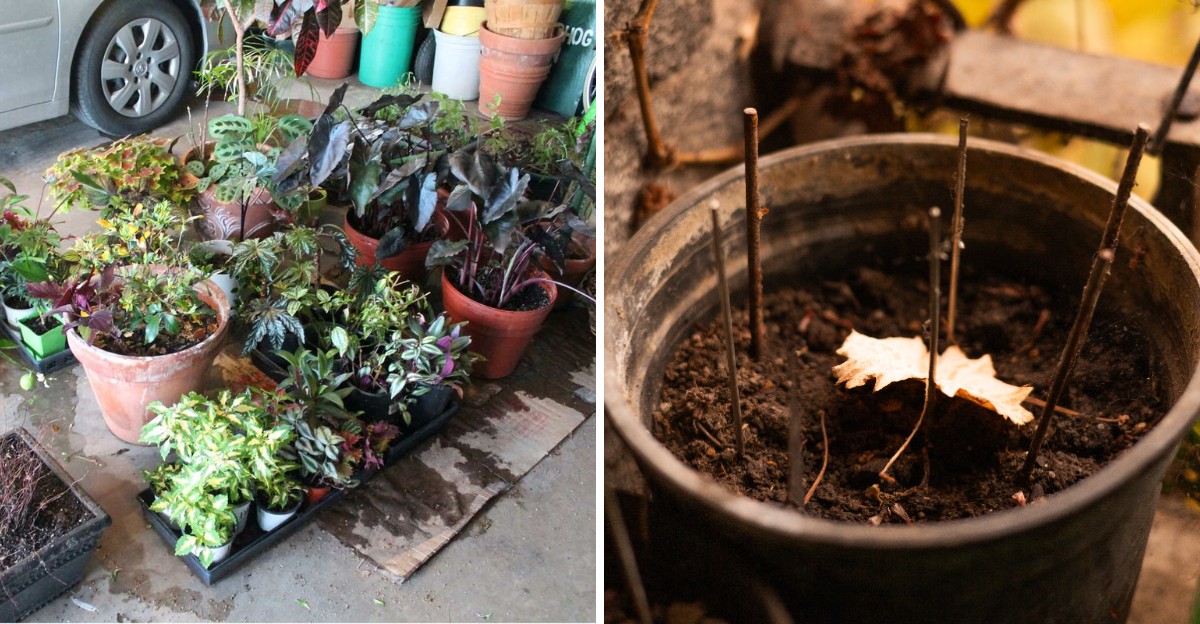
Potted roots take freezing wind from all sides, and you may not realize it. Alabama winters swing from balmy afternoons to sharp freezes that stress wet roots.
Your unheated garage offers a smarter shelter. Temperatures often stay cold yet mild enough to spare roots from hard freezes.
Daylilies, salvia, coneflowers, lantana, and heuchera tolerate that chill well. Light matters little for dormant plants because stored root energy sustains them.
Water becomes a major risk, since soggy soil weakens roots that you meant to protect. Saucers hold that water, so you should lift pots onto bricks.
Choose plastic or resin containers, because thin terra cotta struggles in frost. Timing matters, so move pots once cool nights yellow the leaves.
Gardeners across Alabama who master this trick save pricey plants and reclaim indoor space. You set the stage for fuller spring blooms.
A Chilly Garage Becomes A Winter Bedroom For Potted Perennials
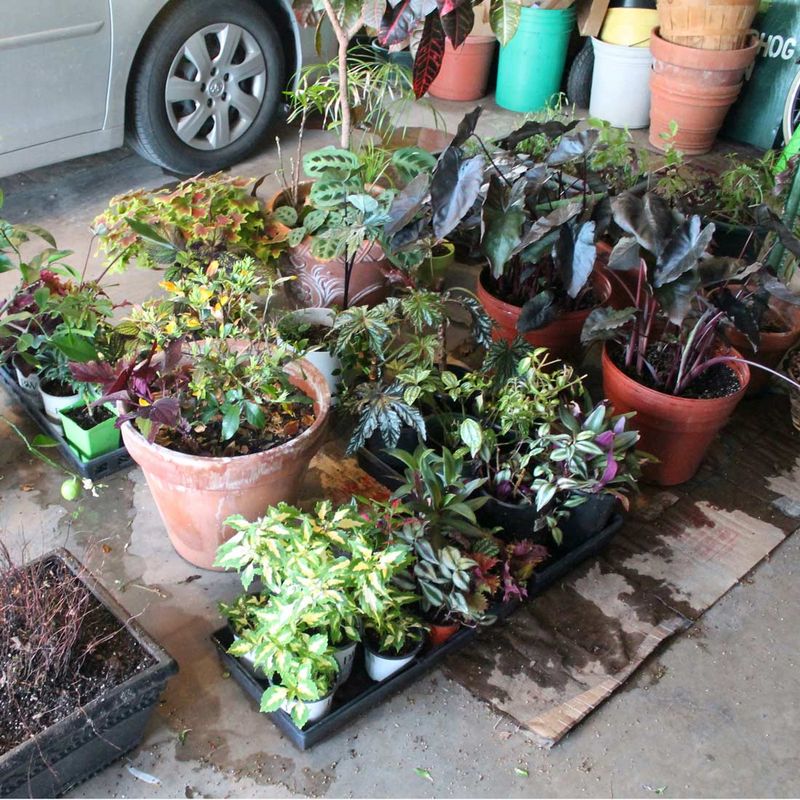
Picture a hosta pot resting quietly in a shed corner, saving its energy for spring. That sleepy state is called dormancy, and an unheated garage is a fine place for it.
Plants in the ground have soil hugging their roots for warmth. Pots sit up in the open air, so freezing wind can chill roots on every side.
Alabama winters are tricky because they bounce between balmy afternoons and sharp overnight freezes. Those swings confuse plants and stress roots that stay wet and exposed.
Attached garages often stay between 30 and 45 degrees, but detached ones track outdoor lows. Within that range, roots stay safe from hard freezes while the plant still rests.
Perennials like daylilies, salvia, coneflowers, lantana, and heuchera handle this shelter quite well. Even sturdy favorites, such as hardy hibiscus in small pots, can ride out winter there.
Dormant plants need little light, though evergreen heuchera wants some. Top growth fades back, and the plant lives quietly off energy stored in its roots.
Think of the garage as a cozy coat for the container rather than a greenhouse. Your goal is steady cold, not warmth or new leaves.
Many Alabama gardeners rely on this trick because it costs little and frees up indoor space. A few shelves and a little planning go a long way.
Gardeners across the South have long sheltered tender geraniums in enclosed garages and basements. The method is old, simple, and still works beautifully today.
Late Fall Timing For The Big Pot Move
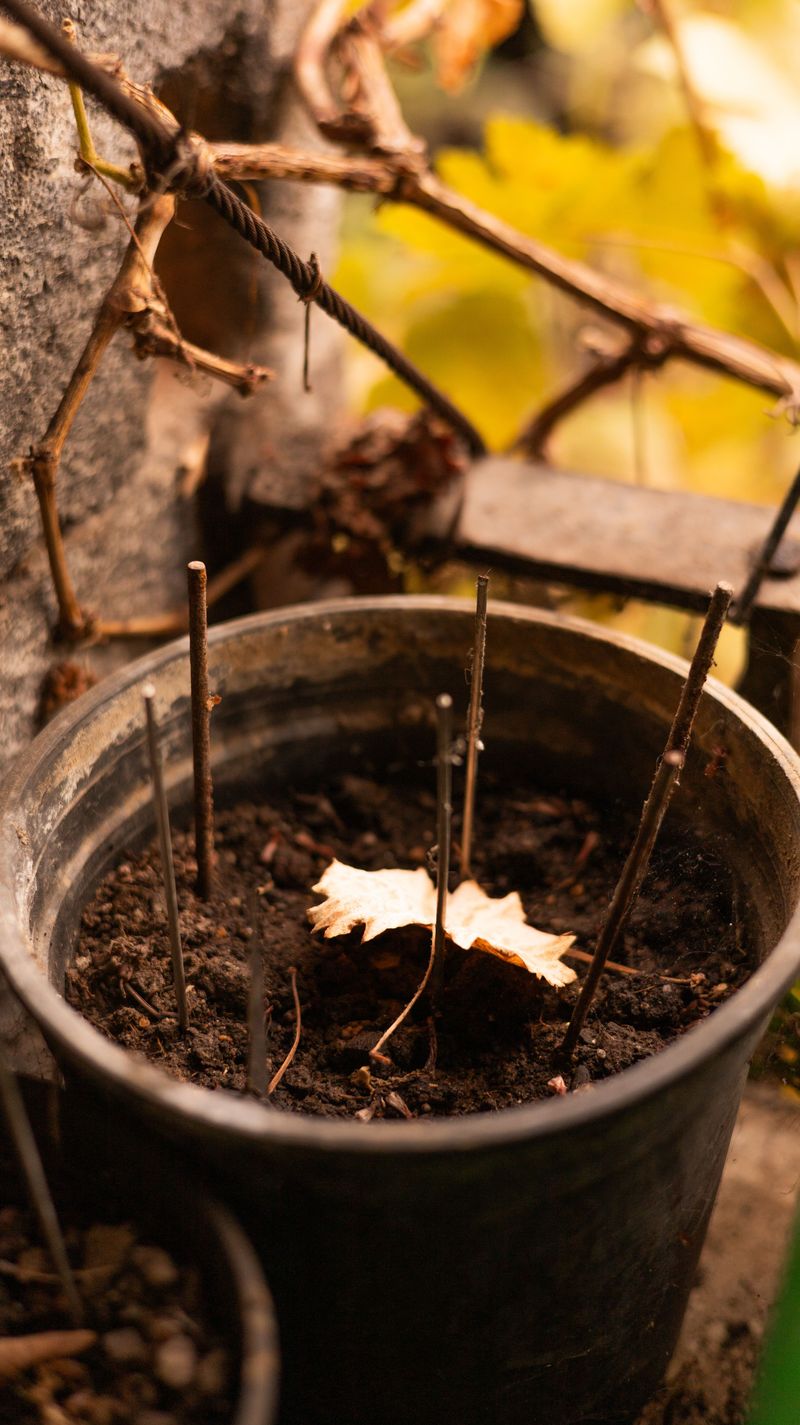
Timing matters greatly, and the calendar tells only half the story. Your plants will drop hints long before the forecast mentions frost.
In north Alabama, the first frost often arrives in late October or early November. Gardeners near the Gulf may wait until late November or even December.
The sweet spot is after the plant has felt a few cool nights. Those chilly evenings signal the roots to slow down and store energy.
Moving pots in too early, while days still reach the eighties, can trick plants into growing. Soft new shoots inside a dim garage turn pale and weak.
Your Alabama Garden Changes Every Week. Your Plan Should Too.
Gardening in Alabama changes quickly throughout the season. Every Friday you’ll receive a simple weekly plan showing exactly what to plant, prune, fertilize, harvest, and protect so you never miss the right timing.
Watch for leaves yellowing, flowers fading, and stems flopping over. Those signs mean the plant is ready to rest.
A light frost that browns the leaves will not hurt most hardy perennials. A hard freeze below 28 degrees is the real threat to roots in pots.
Keep a weather app handy during the second half of October. When the seven-day forecast shows lows in the upper twenties, start hauling.
Before the move, trim browned foliage down to a few inches above the soil. Check under leaves and pot rims for slugs, spiders, and hitchhiking ants.
A rolling plant caddy or a sturdy wagon saves your back on moving day. Your knees will thank you when the heavy ceramic pots come inside.
Do the work on a dry afternoon so the soil is not soggy. Lighter pots and less mess make the whole job much easier.
The Soggy Soil Mistake That Harms Sleeping Roots
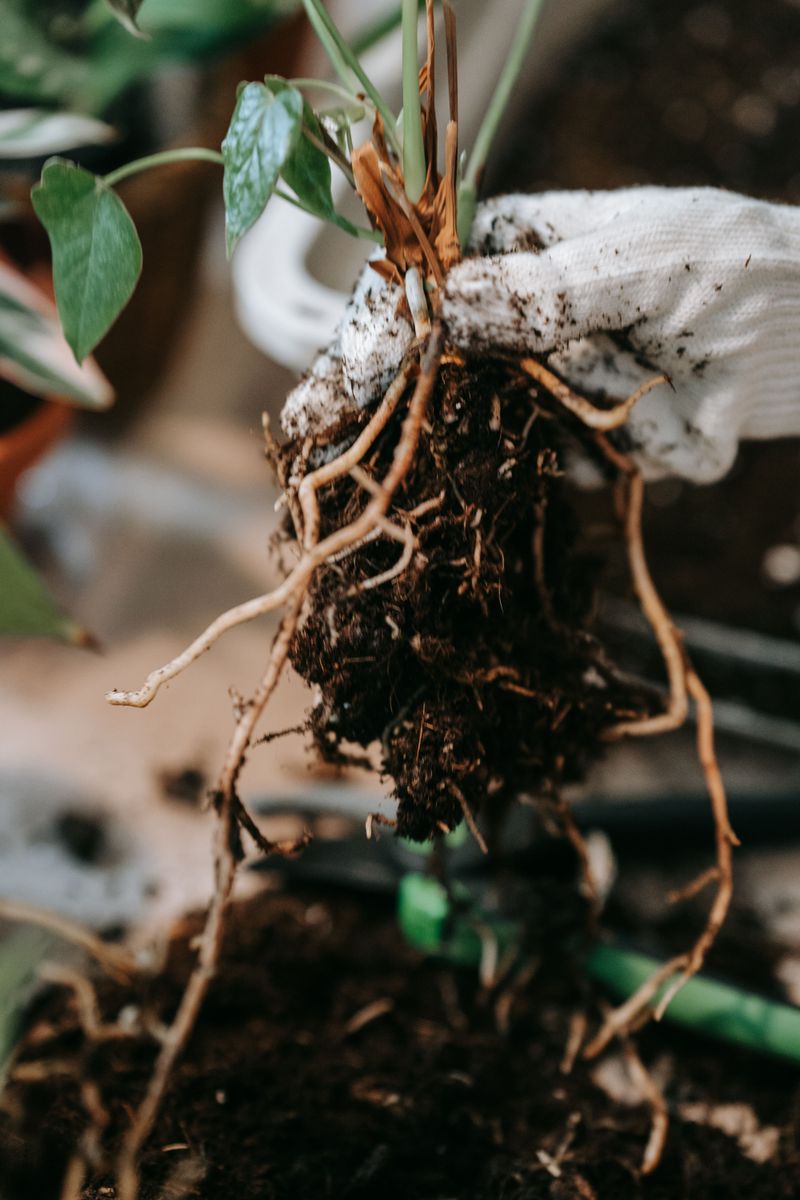
Ask any veteran grower about losing plants in the garage, and soggy soil comes up fast. Overwatering can often harm a perennial more than cold does.
Dormant plants drink very little because they are not making leaves or flowers. Extra water just sits in the pot, and roots begin to weaken.
Cold, wet soil encourages fungus and root rot in pots. Once roots turn mushy and brown, the plant has a hard time bouncing back.
Try the finger test about once every three or four weeks. Push a finger two inches into the soil and feel for moisture.
If the soil feels dry, give a small drink, just enough to dampen it. Pour slowly and let any extra drain out before setting the pot back.
Saucers under the pots can quietly cause big trouble for dormant plants. Water collects there and keeps the bottom roots soaking all winter long.
Swap saucers for bricks, pot feet, or a wooden pallet to lift containers off the concrete. Bare concrete can draw warmth from pots on frosty nights.
Another slip is forgetting the plants for months at a time. Bone-dry soil can harm roots too, so mark watering dates on a calendar.
Picture it as checking on a resting plant instead of feeding an active one. A quick peek and a tiny sip are plenty.
Water on a mild day, when the garage is above freezing. Icy water in cold soil can stress roots that are trying to rest.
Quick Fixes For Warm Spells And Hard Freezes
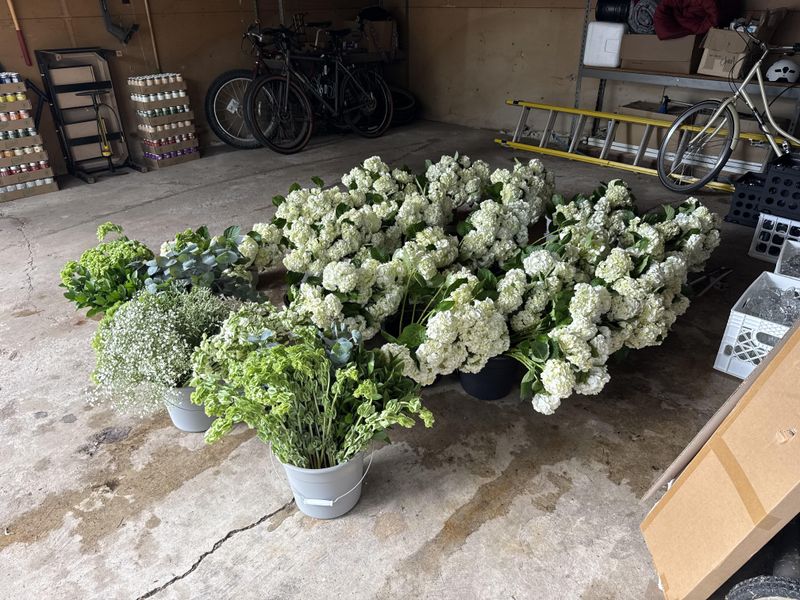
Alabama weather loves a plot twist, like seventy degrees on Tuesday and nineteen on Friday. Your garage shelter needs a few tricks for both extremes.
During a warm stretch, crack the garage door a foot or so in the afternoon. Fresh air keeps things cool and stops plants from waking up early.
Close the door again before evening so cold air does not sneak in overnight. A cheap thermometer on a shelf shows exactly what your plants feel.
When a hard freeze is coming, cluster the pots tightly together. Grouped containers share warmth and shield each other’s roots from cold air.
Wrap the outside of the group with old blankets, burlap, or bubble wrap. Pine straw or shredded leaves packed between pots add a snug layer too.
Move the most tender plants away from the big door, where drafts are worst. A spot against the wall shared with the house stays a bit warmer.
Some gardeners set a few jugs of water among the pots. Water releases stored heat slowly at night and softens sudden temperature drops.
Skip space heaters unless the forecast looks unusually severe for several nights. Too much heat wakes plants up, and running heaters near clutter can be risky.
If new pale shoots appear anyway, take it easy. Pinch them off or move the pot somewhere cooler, and the plant will settle down.
A little attention during wild weather keeps the whole collection steady. Ten minutes of fussing beats replacing plants in spring.
The Spring Payoff Of Well Rested Plants
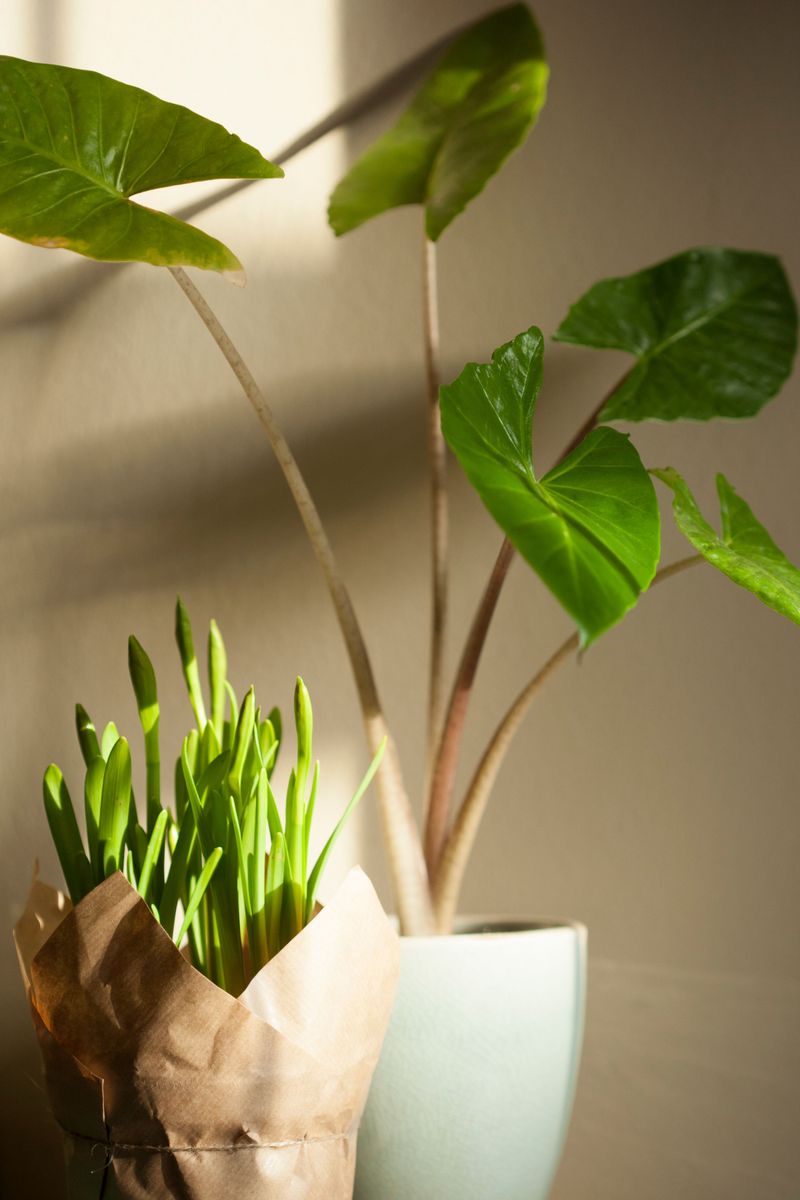
There is a special joy in spotting green tips poking up from a pot you nearly forgot. That small moment in March feels like finding money in an old coat.
Around mid to late February, start checking your sleeping pots more often. In south Alabama, new growth may show up even sooner.
Once you see fresh shoots, give the plants some gentle light near a window or open door. Begin watering a bit more as leaves start to unfold.
Rushing them straight into full sun can scorch tender leaves. Ease them outside over one to two weeks, starting with a shady porch.
Bring the pots back in on chilly nights until frost danger passes. For much of the state, that is around late March or early April.
Plants that rested well often come back fuller and bloom more heavily. Their roots spent winter storing energy instead of fighting freezes.
Spring is also a smart time to refresh tired potting soil. Scratch in some compost or a slow-release fertilizer once growth gets going.
Crowded plants may need a bigger pot or a quick division. Daylilies and hostas split easily, giving you free plants to share with neighbors.
Saving pots this way also saves real money at the garden center. A five-gallon perennial can cost twenty dollars or more to replace.
Watching a plant you protected burst into bloom feels like a personal victory. Your patio gets its color back, and your care clearly shows.
Smart Garage Prep For Next October
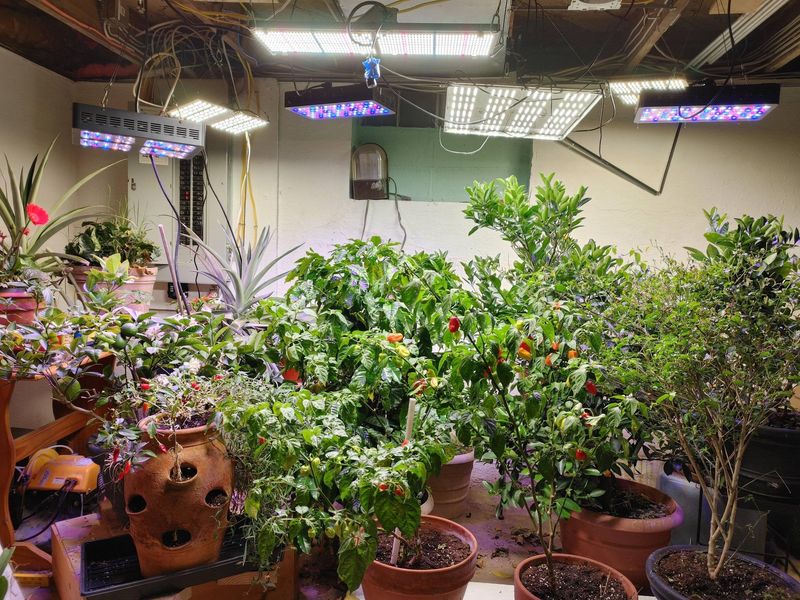
A little planning now makes next fall feel like a breeze instead of a scramble. Future you will be grateful for every small step.
Start by choosing pots that can handle cold without cracking. Plastic, fiberglass, and thick resin hold up better than thin terra cotta or glazed clay.
Lighter containers are easier to move, especially for bigger plants. Some gardeners keep their heavy pots on wheeled bases all year long.
Clear a dedicated corner of the garage before the leaves start falling. Sturdy metal shelves keep pots off the cold floor and away from car exhaust.
Keep pots away from fertilizer bags, gas cans, and pool chemicals. Fumes and spills can harm plants that are trying to rest.
Mice sometimes nibble roots and bulbs during long, quiet winters. A few traps or tightly sealed bins for birdseed can keep them away.
Use well-draining potting mix with bark or perlite when you repot in spring. Better drainage means fewer soggy roots when winter comes around again.
Write down what worked this year in a small garden notebook. Note move-in dates, watering days, and which plants came back strongest.
Label each pot with the plant name and a care tip. Dormant pots look alike, and it is easy to forget what is sleeping inside.
Choosing hardier perennials for containers also lightens the load. Plants rated for zone 7 or colder usually handle Alabama winters with very little help.
With good habits in place, your garage becomes a trusty winter hotel for plants. Checkout time is spring, and healthy guests leave ready to bloom.