Why Your New York Christmas Cactus Is Dropping Buds Right Before Holiday Bloom
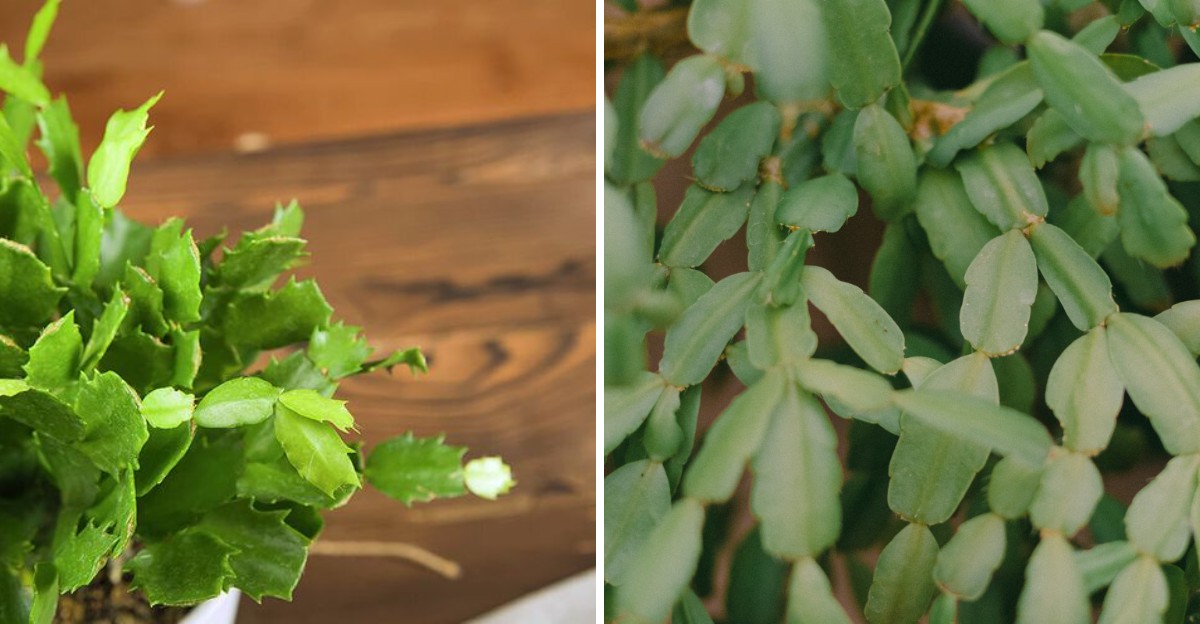
Your Christmas cactus starts to shed its buds long before you spot trouble. You find pink buds scattered across the windowsill, and the sight disappoints.
Radiators in your New York apartment release dry heat that stresses tender stems. Drafts slipping through old New York windows chill your cactus roots overnight.
Sudden temperature swings tell your cactus that conditions changed, so it sheds buds. Even a slight turn toward the lamp may trigger a drop.
Blame your watering can later, because soggy soil and thirsty soil both cause trouble. Watch the buds closely, because they signal stress long before they fall.
Cool nights and long darkness set the bloom schedule, and you control both. Stable placement saves the buds still clinging to your stems.
Mark the pot’s spot with tape, then leave it. Steady conditions can support vivid blooms by December.
1. Chilly Drafts From Leaky Windows
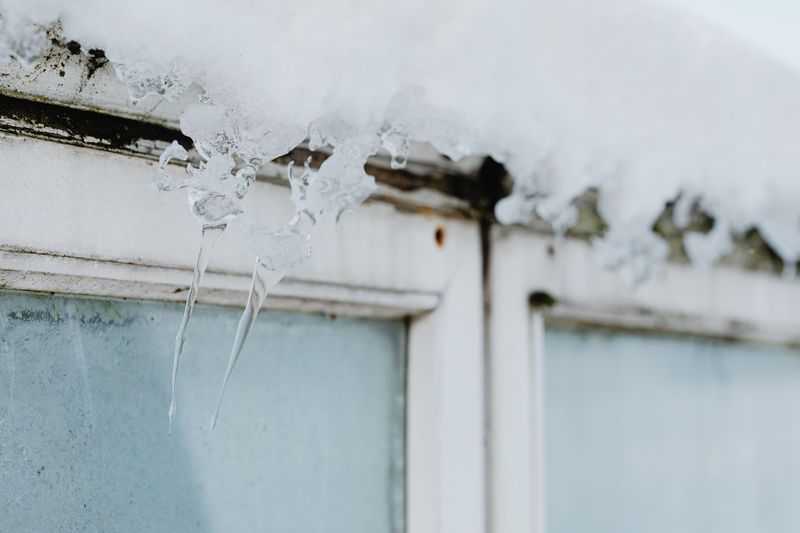
Imagine standing in a T-shirt by a cracked window in late October. Your plant feels that same shiver, and its buds react by letting go.
New York homes are full of temperature surprises this time of year. Old windows let in cold air, while radiators release heat at irregular hours.
Buds respond poorly to large temperature swings. A sudden jump of several degrees can make them loosen and drop.
The sweet spot sits between 60 and 70°F during the daytime hours. At night, a slightly cooler 55 to 60°F helps keep buds firm.
Start by walking around your home with your hand held out near windowsills. If you feel a chill or a hot blast, that spot is trouble.
Move the pot a few feet away from radiators, heating vents, and drafty doors. A plant stand near a bright, sealed window works nicely.
Watch out for the trip home too if you carry plants in from a store. A quick walk in freezing wind can shock buds before you notice.
Wrap new plants in a paper bag for the trip from shop to apartment. Steady conditions give your buds a better chance to open by December.
Some growers tape a cheap thermometer to the windowsill for a week. It tells you the real story when you are asleep or at work.
2. Sudden Moves To New Spots
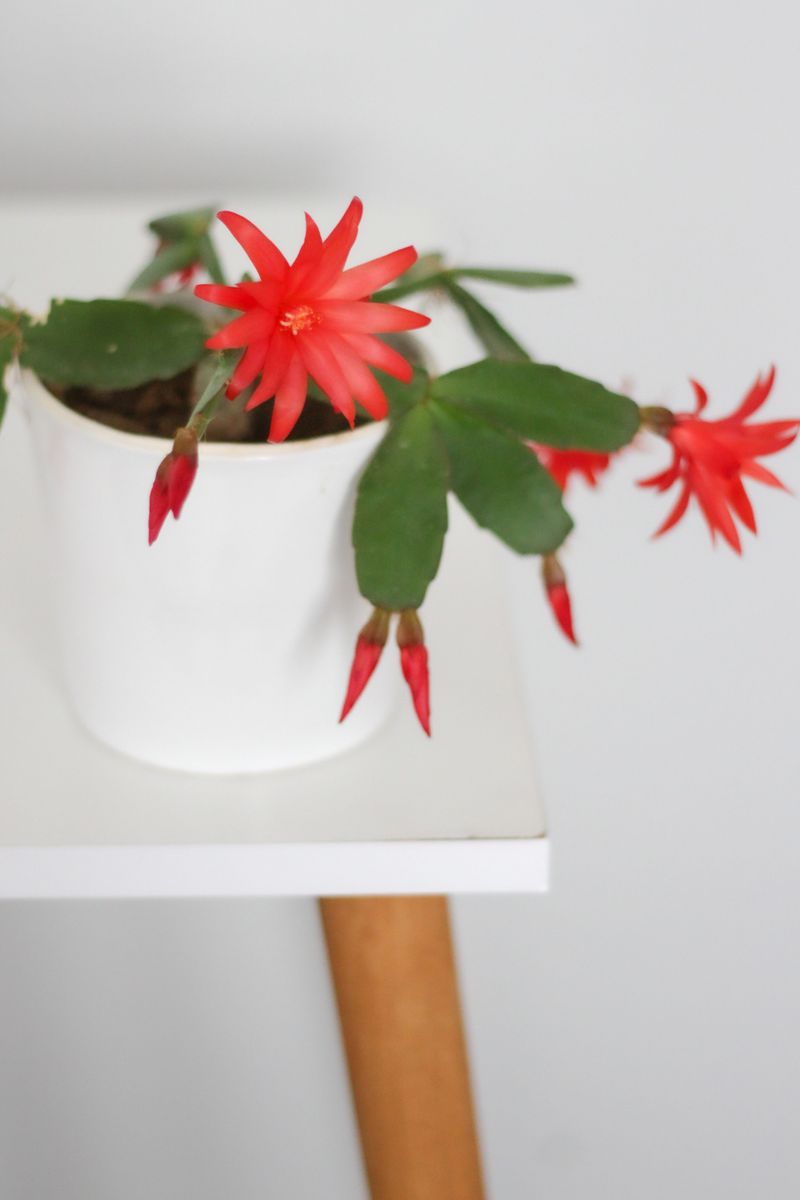
Plants with flower buds act a bit like cats, because they like their spot and stay put. Once buds form, even a small turn of the pot can upset them.
Buds grow toward the light, slowly angling themselves to face the brightest window. When you rotate or relocate the plant, they may need to adjust all over again.
That extra effort stresses the plant during its most delicate stage. Many buds drop rather than readjust.
October is often when people start shuffling furniture for holiday decorating. It is tempting to move the plant onto the coffee table or a festive shelf.
Try to pick its final display spot before buds appear in early fall. Then leave it there through blooming, even if the corner looks a little plain.
Your New York Garden Changes Every Week. Your Plan Should Too.
Gardening in New York changes quickly throughout the season. Every Friday you’ll receive a simple weekly plan showing exactly what to plant, prune, fertilize, harvest, and protect so you never miss the right timing.
Mark the front of the pot with a small piece of tape. That way, if you must lift it for cleaning, you can return it facing the same direction.
Gifts bought from a florist face this problem too, since they travel through stores and taxis. Expect a few dropped buds and give them a steady home quickly.
Patience often works better than added products here. Let the plant settle, and it will usually hold on to the remaining buds.
Think of it as giving your plant a quiet room before a big performance. Plants perform poorly after last-minute moves.
3. Soggy Soil From Overwatering
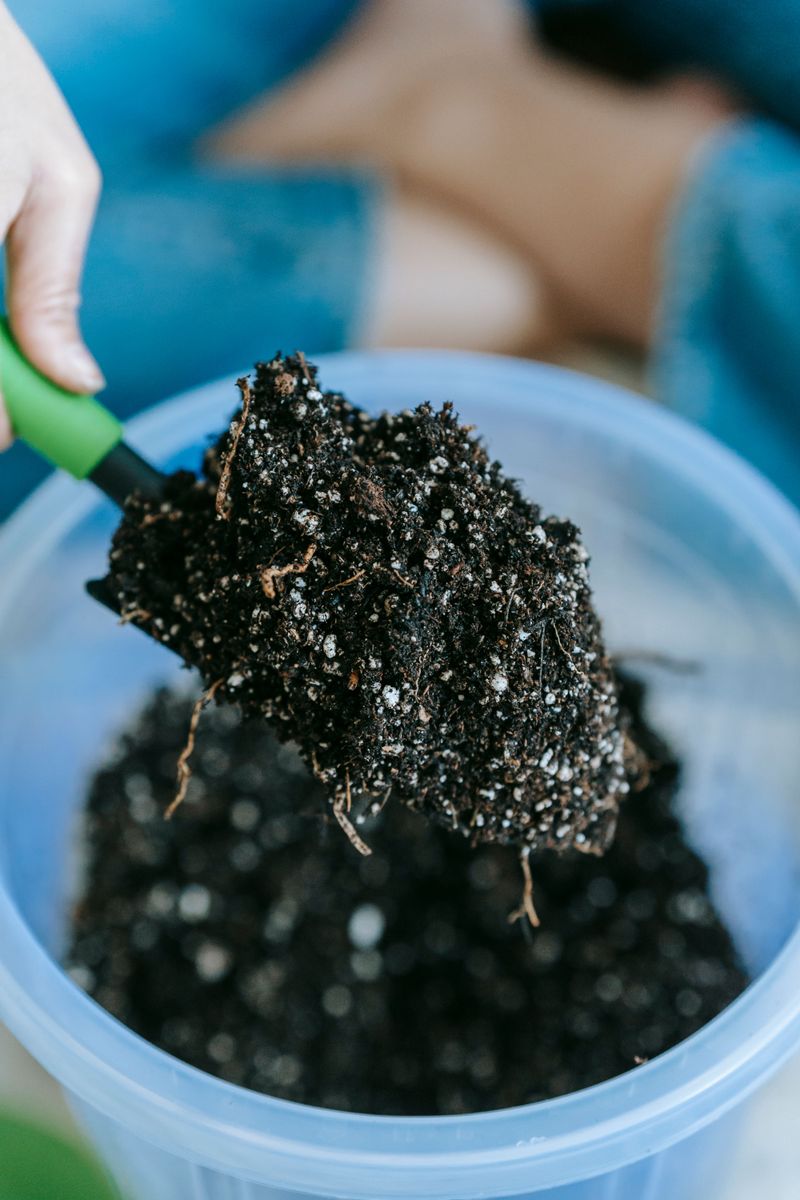
Overwatering can harm a plant as quickly as underwatering, and many caring owners learn this the hard way. These jungle natives grow on tree branches, not in muddy puddles.
In the wild, their roots cling to bark and moss where rain drains away quickly. Soggy potting soil limits oxygen to the roots and can lead to rot.
When roots struggle, the plant cuts its losses by dropping buds first. It saves energy for staying alive instead of putting on a flower show.
Check the soil by pushing your finger about an inch deep. Water only when that top inch feels dry, which may take a week or more.
Make sure the pot has drainage holes at the bottom. A pretty ceramic cover without holes can trap water like a bathtub.
Empty saucers about fifteen minutes after watering so roots are not sitting in a pool. Cool apartments dry out slower than summer ones, but heated apartments can dry soil fast, so check before each watering.
Look for warning signs like limp, wrinkled stems or a sour smell from the soil. Mushy brown spots near the base suggest root trouble that needs prompt attention.
If the soil stays wet for days, gently slide the plant out and inspect the roots. Healthy ones look white or tan, while unhealthy ones turn brown and soft.
Repot into fresh, fast-draining mix with perlite only as a rescue move, since repotting during bud season is otherwise best avoided. A drier routine afterward gives the remaining buds a better chance.
4. Thirsty Roots From Underwatering
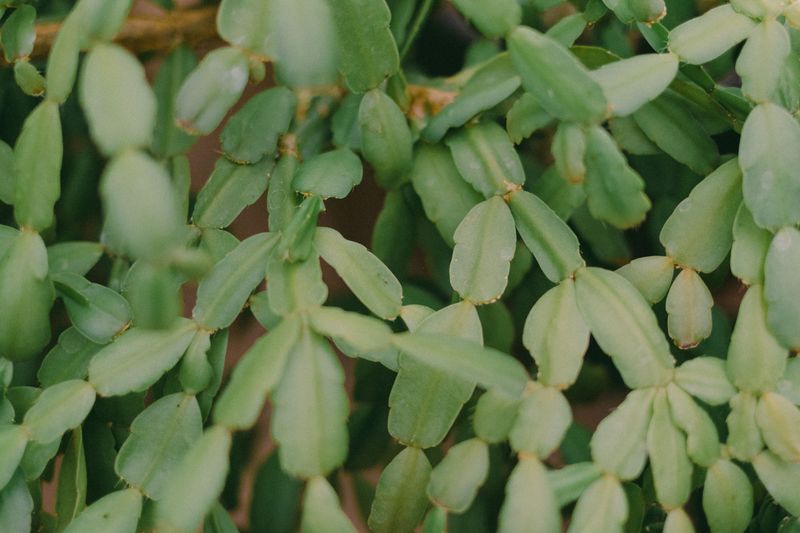
Here’s the tricky part, because the opposite mistake causes the very same bud drop. A very dry pot leaves buds without the moisture they need to swell and open.
Busy fall schedules make it easy to forget a quiet plant on the sill. Radiator heat in city apartments can dry soil much faster than you expect.
Developing buds hold a lot of water, so they shrink quickly in dry conditions. The plant drops a few to protect the leaves and stems it already has.
Feel the soil a couple of times each week while buds are forming. Water thoroughly when the top inch is dry, letting extra drain out the bottom.
Avoid tiny sips of water every single day, since that only wets the surface. Deep, even soakings reach the whole root ball and keep moisture steady.
Lift the pot after watering to learn how heavy it feels. Later, a noticeably lighter pot tells you it is time for another drink.
Leaves offer clues too, so pay attention to their texture. Thin or wrinkly segments often mean the plant has gone thirsty too long, but reddish ones can come from strong light or cold, so check the soil first.
Room-temperature water is a gentle choice, since very cold water may stress sensitive roots. Fill a jug the night before so it warms up on the counter.
Set a phone reminder labeled with a silly name if you tend to forget. Consistency matters more than perfection, and steady habits keep buds plump until December.
Vacation coming up soon? Ask a neighbor to check the soil instead of guessing.
5. Dry Air From Steam Heat
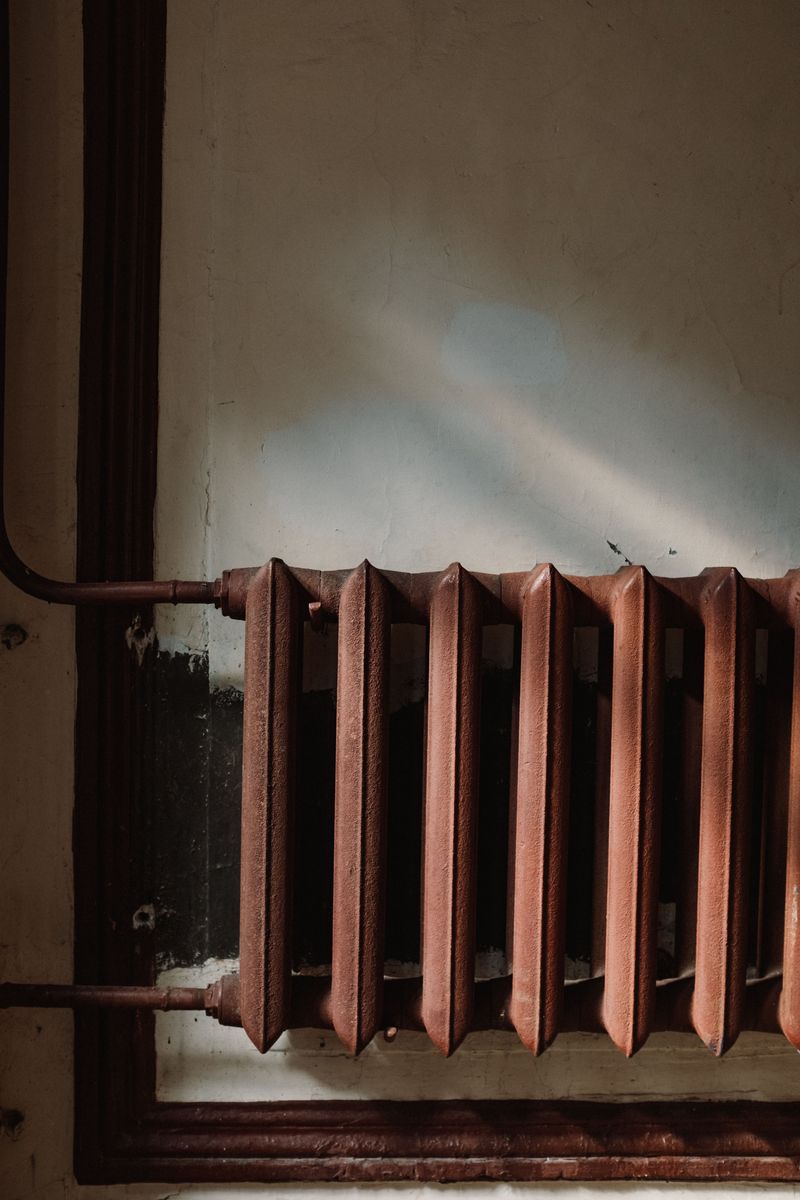
Ever wake up in a heated apartment with a scratchy throat and crackly skin? Your plant deals with that same very dry air, just more quietly.
Steam heat usually switches on in October across many city buildings. Humidity indoors can fall below 30 percent, which is uncomfortable for a plant adapted to humid forests.
These plants come from misty mountain forests in Brazil, where moist air wraps around them daily. Dry rooms pull water from buds faster than roots can replace it.
Shriveled buds that turn papery before dropping are a strong clue. Crispy edges on the stem segments point to the same problem.
A pebble tray is an easy first step, though its effect is small. Fill a shallow dish with pebbles and water, then set the pot on top.
Keep the water level below the pot bottom so roots stay dry. As the water evaporates, it raises humidity slightly around the leaves.
Grouping plants together helps too, since they share humidity like friends sharing a blanket. A small humidifier nearby works even better if you have one.
Misting feels helpful, but the effect lasts only a few minutes. Wet buds can also develop spots, so trays and humidifiers are smarter choices.
Bathrooms and kitchens often hold more moisture than living rooms. If one has a bright window, your plant might enjoy a holiday stay there.
A cheap humidity gauge from a hardware store takes the guessing out of this. Aim for around 50 percent to help your buds stay plump.
6. Stray Light From Lamps At Night
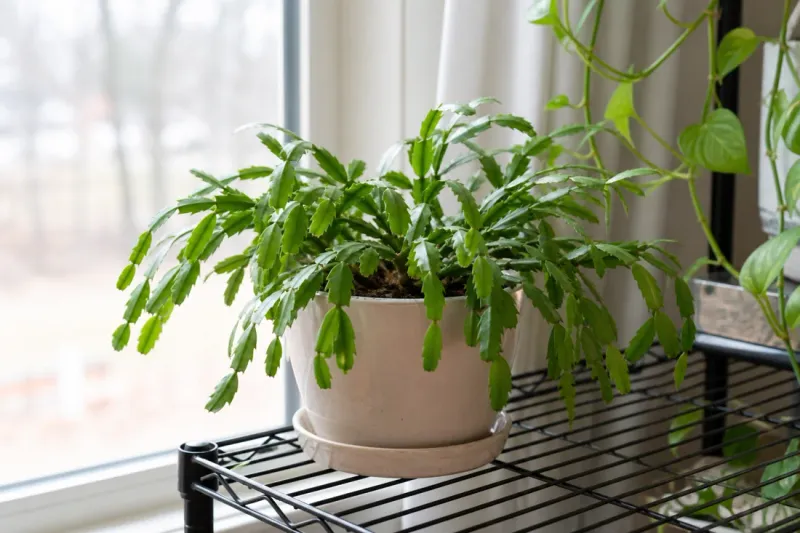
Believe it or not, your reading lamp could be the culprit. Flower buds depend on long, dark nights, and extra light confuses their internal clock.
These plants set buds when nights stretch to about 12 to 14 hours. Gardeners call this a short-day plant, though it really responds to darkness.
In a busy apartment, lights stay on late for homework, TV, and dinner. Streetlights and neon signs outside can also pour through city windows all night.
Once buds form, the plant needs that rhythm to stay steady. Sudden bright evenings can signal the wrong season, causing it to drop buds.
Look at where the plant sits after sunset. If a lamp shines on it nightly, move it to a quieter room or corner.
Spare bedrooms make wonderful hideouts, especially ones that stay dark from evening until morning. Close the blinds at dusk to block out glowing street signs.
Some owners cover their plant with a cardboard box from early evening until breakfast. Just remember to uncover it, because daytime light still matters for strong growth.
A plug-in timer for nearby lamps can help families who stay up late. A dim nightlight across the room is often fine, but keep it away from the plant.
The plant responds best when it gets regular darkness for several weeks in fall. Keep that routine through bloom, and it rewards you with bright color.
Think of it like bedtime for a toddler who melts down without sleep. A steady, dark schedule keeps everyone calm, including your favorite windowsill star.
7. Dim Light From Shaded Windows
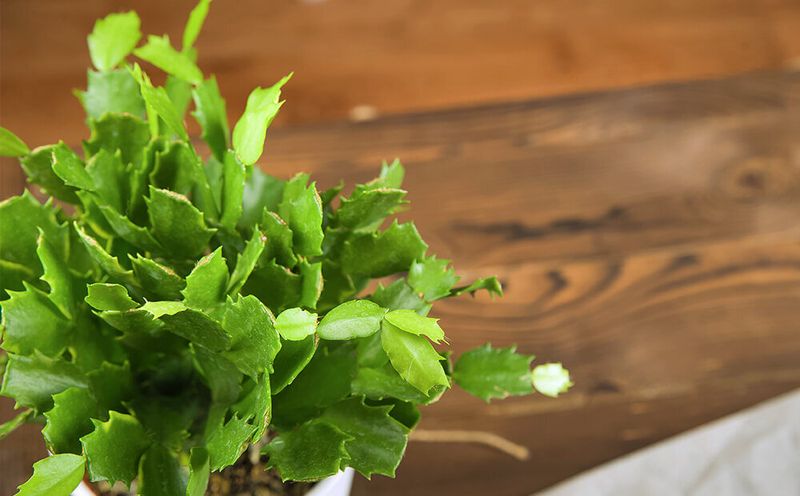
October sunshine in New York fades fast, and by Thanksgiving the sun sets around four-thirty. Darkness at night helps buds form, but daytime brightness still feeds them.
Buds need plenty of energy to open. Without enough daylight, the plant cannot make food, so it drops extra buds.
Tall buildings make the problem worse in many city neighborhoods. A window facing a brick wall may get very little direct light.
The ideal spot gets bright, indirect light for most of the day. East-facing windows are great, and south windows work if sheer curtains soften the glare.
Direct afternoon sun can damage the leaves, so avoid harsh, hot glass. You want the plant bright and cheerful, not sunburned.
If your windows are gloomy, a small LED grow light can save the season. Follow the fixture’s instructions for distance, and run it for about eight to ten hours daily.
Turn the light off in the evening so nights stay long and dark. A simple outlet timer makes this easy, even on hectic school mornings.
Pale or stretched stems can signal that the plant is short on light, though yellowing can also come from watering or nutrient problems. Fixing light early in fall gives buds time to fill out properly.
Clean your windows, too, because city grime blocks more sunshine than you might think. A quick wipe can noticeably brighten things.
Pull back heavy drapes during the day to let in more sunshine. Small changes like these can support fuller, longer-lasting December blooms.
8. Extra Fertilizer At Bud Time
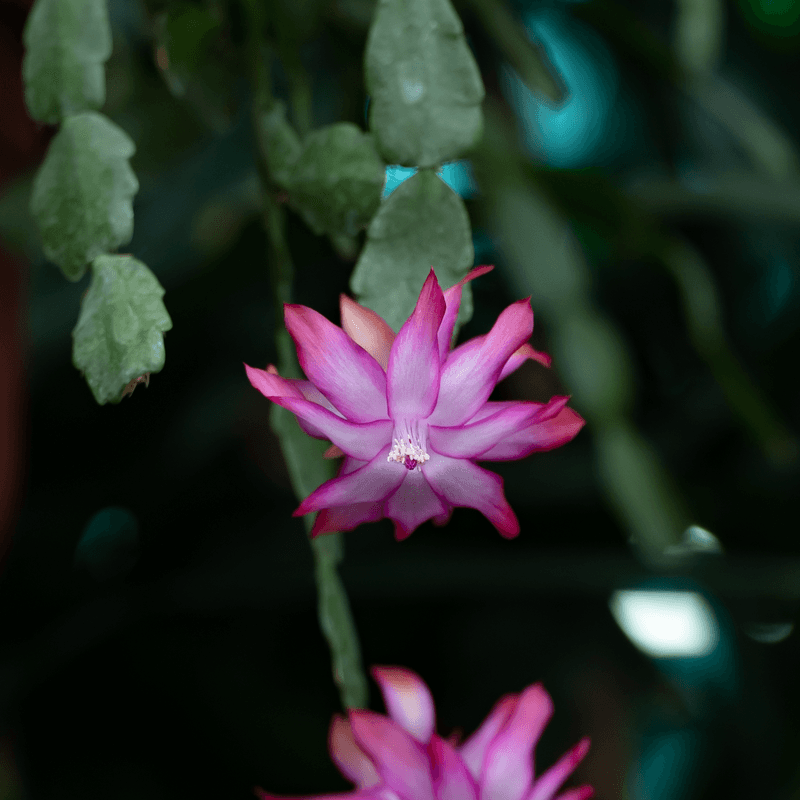
Feeding a plant seems like the kindest thing you can do, right? Surprisingly, too much food at the wrong time can push buds right off the stems.
These plants need regular nutrients during their busy spring and summer growth. By fall, they shift energy away from leaves and toward building flower buds.
Heavy feeding in October can spark leafy growth instead of blooms. The plant gets mixed messages and may drop buds it already started.
Salt buildup from fertilizer also damages tender roots over time. White crust on the soil or pot rim is a common warning sign.
Stop feeding around late September or early October for best results. Pick it back up after flowering ends, once new growth appears in late winter.
If you fed recently, flush the soil by running plain water through it slowly. Let it drain fully so extra salts wash out the bottom holes.
Root problems matter here too, especially in cramped pots. A plant stuffed into the same container for years may lack fresh nutrients altogether.
Still, wait until after blooming to repot, since moving roots now causes stress. These plants actually enjoy being a little snug, which encourages flowers.
A balanced, half-strength fertilizer works well during the growing months. Some growers add a small amount of diluted Epsom salt, following the package directions, though the evidence for its benefit is limited.
Think of fall as a rest period rather than a feast. Your plant has already eaten its fill and now just needs calm, steady care.