The California Garden Defense Checklist For Santa Ana Wind Season
Early October in California can feel like someone left a hair dryer running across the hills. Leaves crackle, the sky turns hazy gold, and your vegetable beds suddenly look a little nervous.
Warm, dry gusts roll in from inland deserts and can dry out the top layer of soil within hours. Branches creak, pots wobble, and the faint smell of dust drifts through every open window nearby.
Gardeners across Southern California know this season can leave a yard looking parched and battered within days. Still, a little planning often makes the difference between mild stress and a long cleanup weekend.
Think of your garden as a friend heading into a rough patch who needs extra support. Steps taken now can help roots, stems, and leaves stay steady when the air turns wild.
You do not need fancy tools, a budget, or a plant science degree to get ready.
1. Water Deeply Ahead Of The Dry Spell
Picture a rose bush watered every evening that still droops the moment the desert winds show up. Short, shallow sprinkles keep the top inch damp, but roots hiding deeper underground stay thirsty and weak.
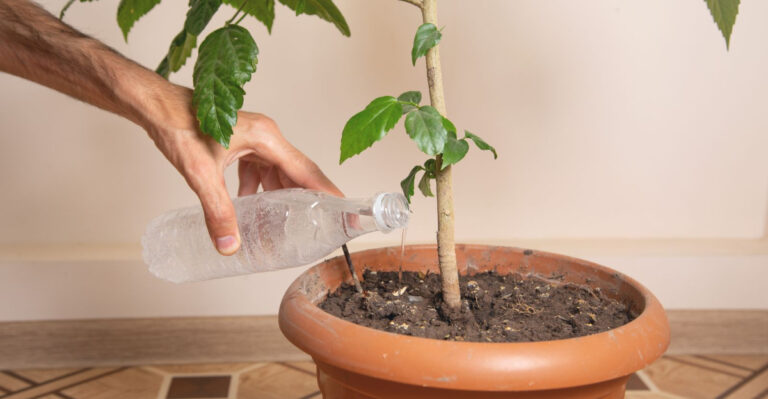
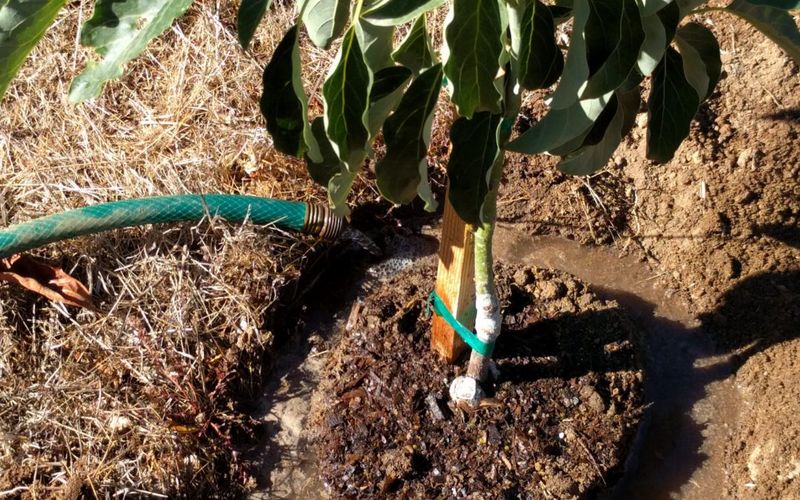
Deep watering means letting water soak slowly until it reaches about twelve to eighteen inches below the surface. Roots follow moisture, so a deep soak trains them to grow down where the soil stays cool longer.
Plan your soak two or three days before forecasters predict the gusts, giving plants time to drink up. Early October forecasts often flag these events, so keep an eye on your local weather app each morning.
A soaker hose or drip line works better than a spray nozzle because less water floats away as mist. Let it run slowly for an hour or more around trees, shrubs, and your most valued perennials.
To check your work, push a long screwdriver into the soil and notice how easily it slides downward. If it stops after a few inches, the ground underneath is still dry and needs another slow drink.
Watering in the early morning helps too, since cooler air means less moisture escapes before roots can absorb it. Many California cities also have watering schedules, so check your local rules before turning on the hose.
A well-hydrated plant holds its leaves firmly and bounces back faster once the hot, dry air finally moves along. Think of that deep soak as packing a big lunch before a long hike through the hills.
2. Stake Young Trees Before Gusts Arrive
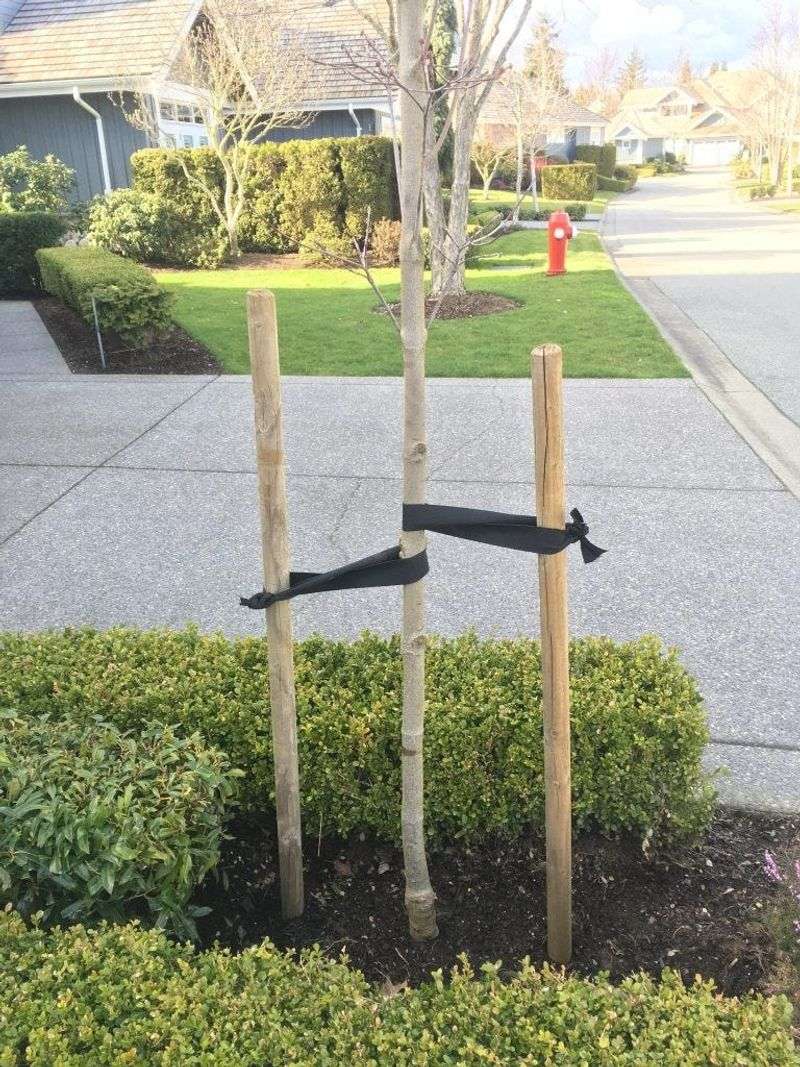
Picture a skinny new citrus tree swaying like a dancer at a backyard party during a strong October gust. Fun to watch for a moment, yet all that rocking can loosen fragile roots below the soil line.
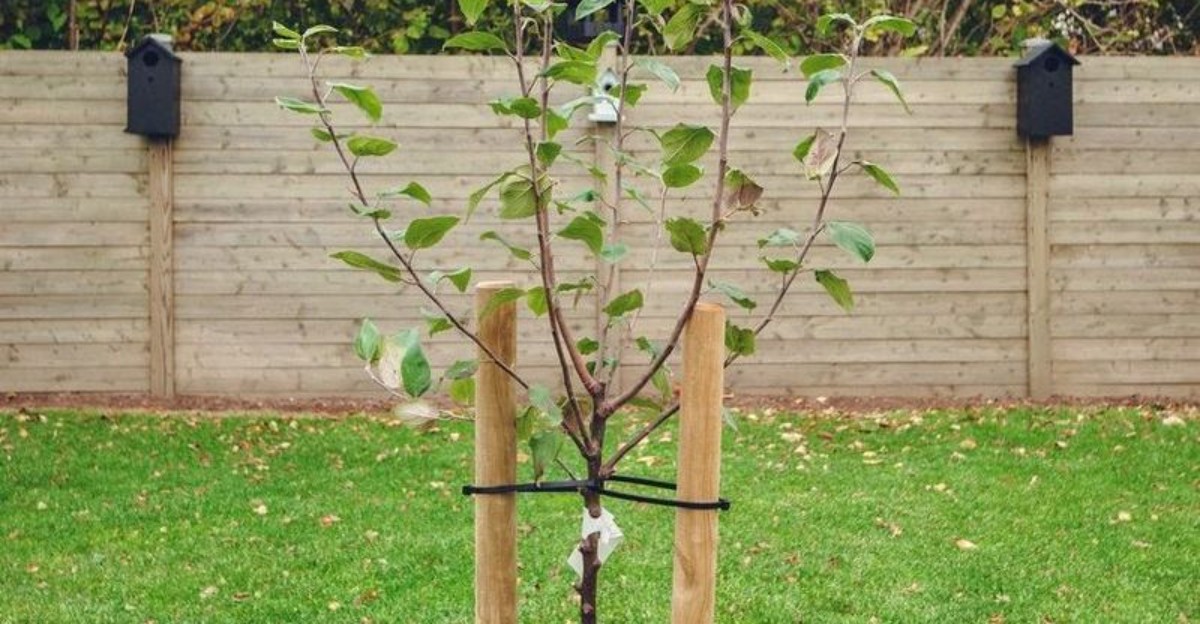
Trees planted within the last year or two usually lack the deep anchor roots that hold mature trees steady. A simple staking system gives them a helping hand until their own roots spread out and grip firmly.
Drive two sturdy wooden stakes into the ground on opposite sides of the trunk, about a foot away. Place them so one faces the direction the wind usually blows, which is often from the northeast here.
Your California Garden Changes Every Week. Your Plan Should Too.
Gardening in California changes quickly throughout the season. Every Friday you’ll receive a simple weekly plan showing exactly what to plant, prune, fertilize, harvest, and protect so you never miss the right timing.
Connect each stake to the trunk with soft, flexible ties, like rubber tree straps or strips of old bike tube. Skip wire or thin string, since those can cut into the bark as the tree grows wider.
Leave a little slack in the ties so the trunk can still sway gently in a breeze. Believe it or not, that small movement helps the tree build a thicker, stronger trunk over time.
Tie the straps about one-third of the way up the trunk, rather than near the top branches. Higher ties can make the canopy act like a sail, catching more wind instead of less.
Once the wind season calms down in late winter, check whether the tree stands firm without any help. Most young trees need staking for only one to two years, and leaving stakes too long can slow natural strength.
3. Spread Fresh Mulch Around Thirsty Roots
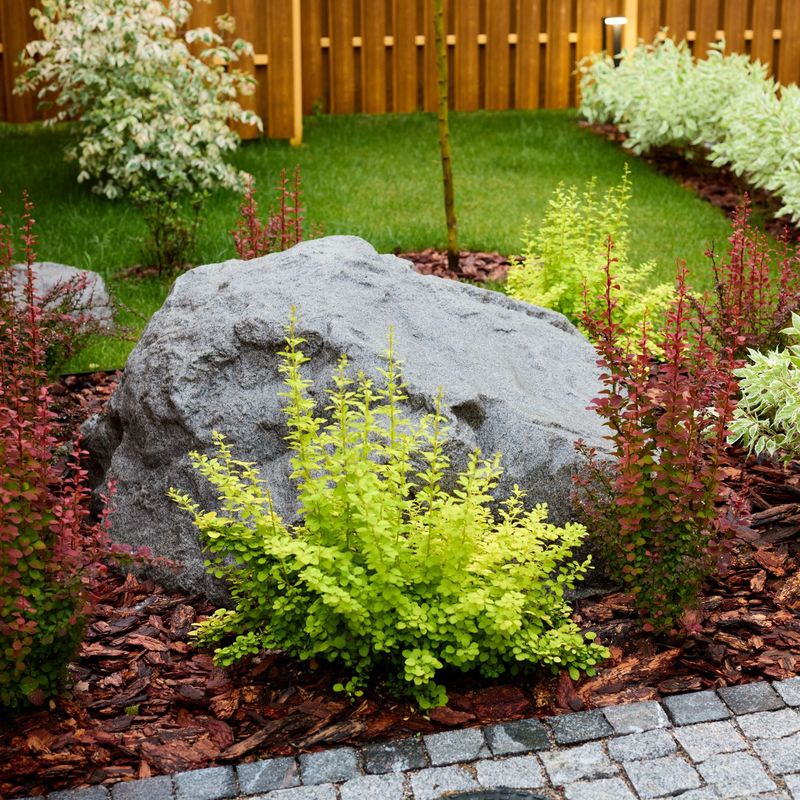
Bare soil in October behaves a bit like an uncovered bowl of soup left out on a sunny counter. Moisture escapes fast, and dry winds speed up the process until the top layer cracks and crumbles.
A fresh layer of mulch works like a cozy blanket that keeps water in and blocks harsh air out. University extension programs report that mulch can reduce how much water evaporates from soil.
Shredded bark, wood chips, and chunky compost all work well, especially around trees, shrubs, and flower beds. Heavier pieces tend to stay put better in strong gusts than light materials like straw or dry leaves.
Spread the mulch about two to four inches deep, covering the soil all the way out to the drip line. The drip line is the outer edge of the branches, where many hungry feeder roots like to gather.
Keep the mulch a few inches away from trunks and stems, leaving a small donut-shaped gap around each one. Piling it right against the bark can trap moisture and invite rot, which nobody wants in their yard.
Water the soil well before mulching, then give the fresh layer a light sprinkle to help it settle. Damp mulch clumps together and resists blowing away much better than a loose, bone-dry pile does.
As a bonus, organic mulch slowly breaks down over the cooler months and feeds the soil with nutrients. Earthworms love it too, and their tiny tunnels help rainwater sink deeper once the winter storms arrive.
4. Clear Dry Debris From Beds Close To The House
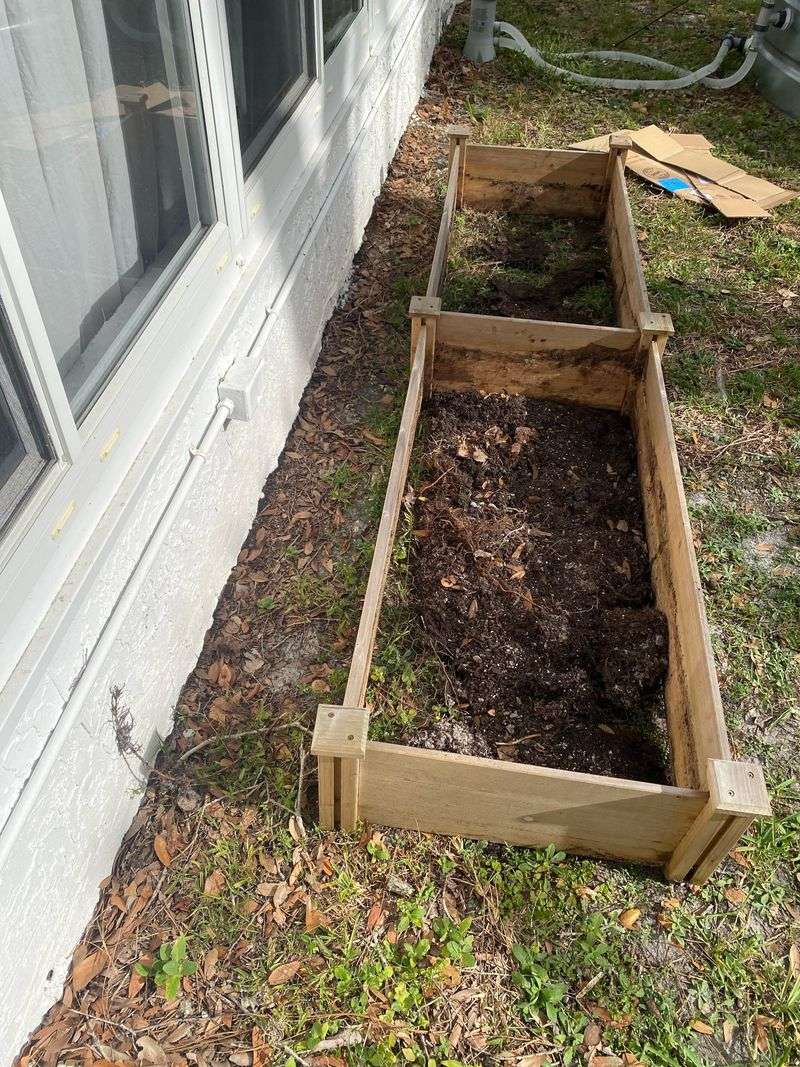
Fire experts in Southern California have a name for the area right around your home: Zone Zero. It covers the first five feet out from your walls, and keeping it tidy matters during windy weeks.
Strong winds can carry glowing embers a long way from their source, landing in surprising places. Dry leaves, brittle twigs, and crispy old plants piled near siding are easy places for embers to settle.
Grab a rake, a sturdy bag, and some gloves, then walk slowly around the outside of your house. Scoop up fallen leaves, faded annuals, and spent flower stalks from beds that sit near walls and windows.
Peek under decks, behind shrubs, and along fence lines where wind loves to stash crunchy little piles. Gutters deserve a quick check too, since pine needles and leaves collect there and dry out quickly.
Inside that five-foot zone, many fire agencies suggest swapping wood mulch for gravel, pavers, or decorative stones. Save the bark mulch for beds farther out, where it can help plants without sitting against your walls.
Dried-out plants that look crispy and brown can be cut back or removed and tossed into the green bin. Your compost pile is also worth moving if it currently sits right up against the garage or porch.
A tidy strip around the house may not win any garden awards, yet it offers real peace of mind. Spending one afternoon on this chore each fall can make your home far less inviting to stray embers.
5. Move Container Plants To Sheltered Corners
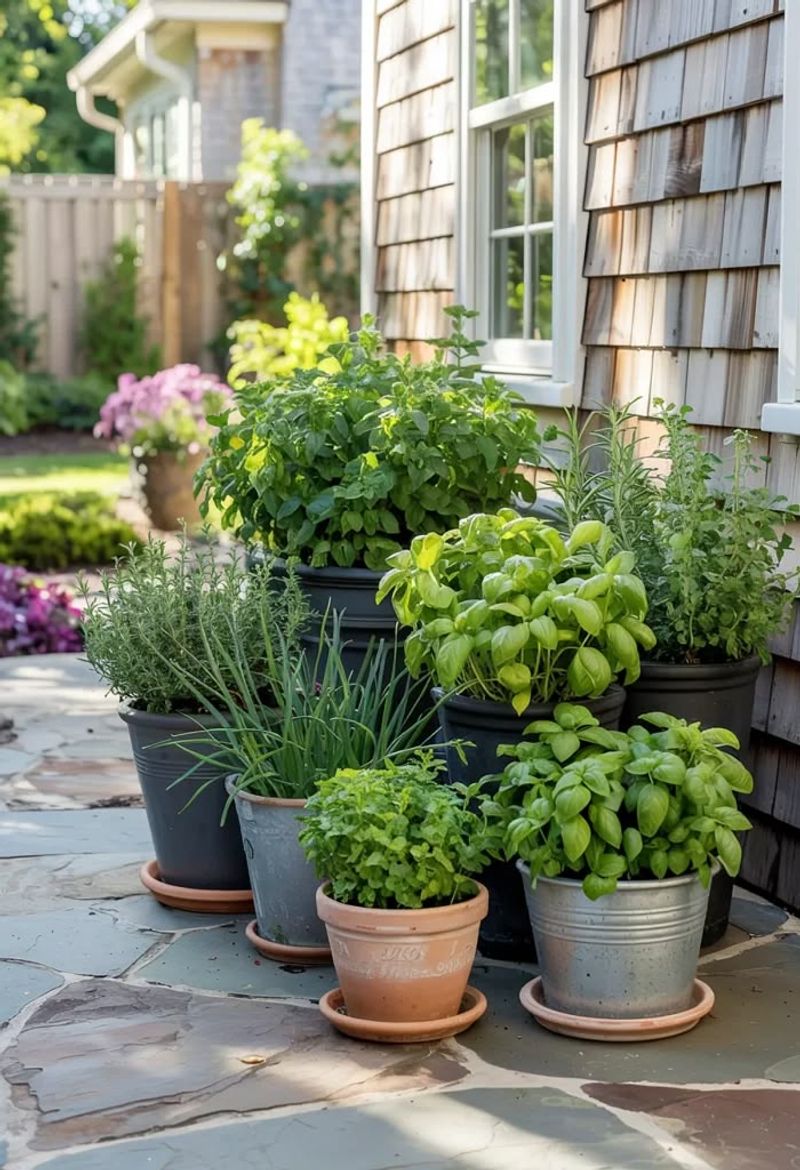
Few sounds startle a gardener quite like the crash of a terracotta pot tipping over at midnight. Potted plants are easy pushovers for strong gusts because they sit high, stand alone, and dry out fast.
Unlike plants in the ground, container roots have only a small amount of soil to hold moisture. Hot, dry wind can pull water from that soil in hours, leaving leaves limp and edges crispy brown.
Before the gusts show up, scout your yard for a calm spot that blocks wind from the northeast. The west or south side of a house, a covered patio, or a nook beside a fence often works.
Group pots close together once they arrive, because plants huddled side by side create a little pocket of humidity. Place taller pots in the back and shorter ones in front, like arranging friends for a group photo.
Heavy pots that refuse to budge can sit on a rolling plant caddy, which saves your back a lot. For pots that must stay put, tuck a few bricks around the base to keep them from tipping.
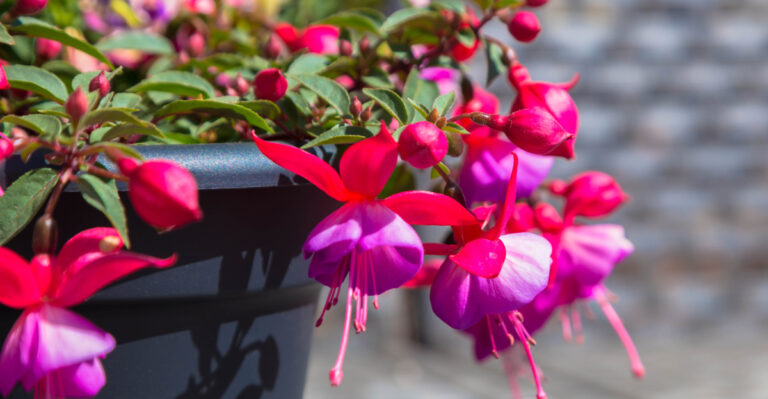
Hanging baskets deserve special attention, since they swing wildly and can smack into windows or walls. Take them down and set them on the ground in a shady corner until the weather settles again.
Give every container a good drink after moving it, and check the soil daily while the dry spell lasts. Once calm weather returns, your potted plants can roll back to their sunny spots looking fresh again.
6. Prune Weak Branches Before They Snap
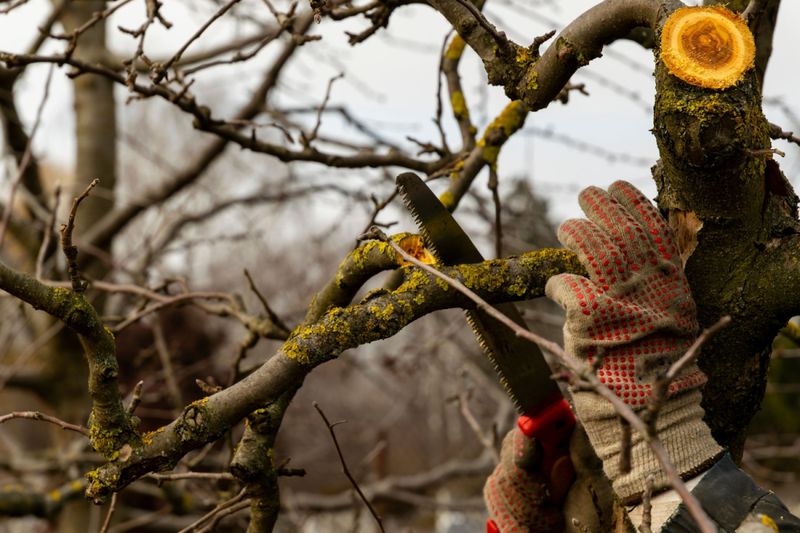
Santa Ana gusts can top sixty miles per hour in canyons and passes, according to the National Weather Service. That kind of force can turn a cracked limb into a flying hazard for roofs, cars, and fences.
Start by walking around each tree and looking up slowly, the way you might study clouds on a lazy afternoon. Watch for branches with cracks, peeling bark, hollow spots, or leaves that turned brown long before fall.
Limbs that cross and rub against each other also deserve attention, since the friction wears down protective bark. Narrow V-shaped joints between branches tend to split more easily under pressure than wide, U-shaped connections do.
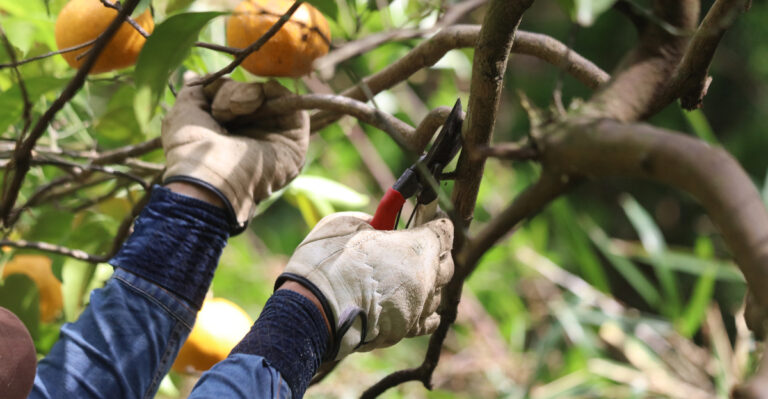
Use clean, sharp pruning shears for small twigs and a pruning saw for limbs thicker than your thumb. Cut just outside the branch collar, which is the slightly swollen ring where a branch meets the trunk.
Leaving that collar in place helps the tree seal the wound naturally, much like a scab forming on skin. Skip the wound paint, since arborists say it can trap moisture and slow the healing process instead.
Thinning a dense canopy a little also lets wind pass through rather than pushing against a solid wall of leaves. Try to remove no more than about one quarter of the leafy growth in a single season.
Large branches high up or near power lines belong to a certified arborist, not a weekend ladder adventure. Calling a pro costs a bit more, yet it keeps you safe and protects the tree’s long-term health.
7. Anchor Trellises Against Sudden Gusts
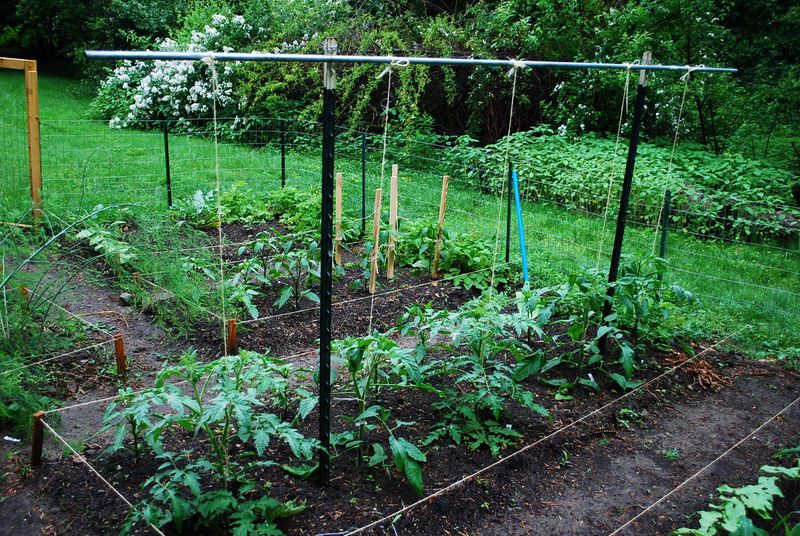
Ever seen a trellis cartwheel across a yard with a tangle of bean vines still hanging on? It looks almost comical until you realize a whole season of careful training just flopped into the dirt.
Trellises covered in leafy vines catch wind like kites, especially in early fall when growth is still thick. Climbing roses, passion fruit, late tomatoes, and cool-season peas all add weight and surface area to support structures.
Begin by giving each trellis a gentle shake to test how firmly it sits in the ground. Any wobble now can turn into a serious lean once a strong gust slams into all that greenery.
Metal T-posts or rebar stakes driven at least eighteen inches deep make excellent backup anchors for freestanding frames. Attach the trellis to each post with heavy zip ties or coated wire, wrapping it several times for strength.
Trellises mounted on walls or fences need a closer look at their screws, brackets, and wooden supports. Tighten anything loose, and replace rusty hardware before the wind finds the weakest point for you.
Trimming back extra leafy growth reduces the load, letting air slip through gaps instead of shoving the frame over. Secure loose vines to the trellis with soft plant ties so they stay put rather than whipping around.
Gardeners in older neighborhoods sometimes use repurposed iron fence pieces as trellises, and those tend to stay put well. Whatever style you own, ten minutes of anchoring now can save hours of untangling and replanting later.
8. Cover Tender Seedlings With Breathable Fabric
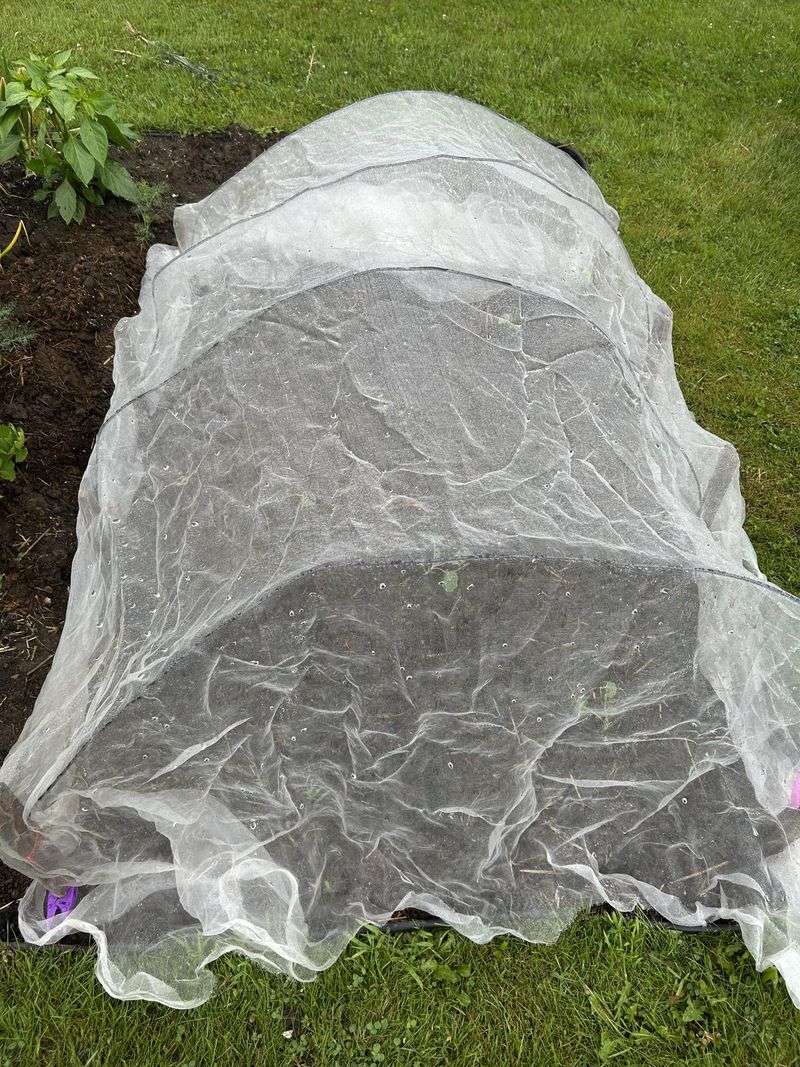
Fall planting season in California feels exciting, with tiny lettuce, kale, and carrot sprouts popping up in neat rows. Those baby greens are adorable, but their soft leaves can scorch and shrivel when hot, dry gusts blow through.
Floating row cover, a lightweight white fabric sold at most garden centers, offers a simple layer of protection. It lets sunlight, air, and water pass through while blocking the harshest wind and slowing moisture loss.
Avoid plastic sheeting for this job, because it traps heat and can overheat delicate seedlings on a sunny afternoon. Breathable fabric keeps temperatures more even, which helps young roots settle in without extra stress during windy days.
Bend a few flexible hoops made from PVC pipe or thick wire over the bed to hold the fabric up. Leaving space above the plants prevents the cloth from rubbing against tender leaves when it flaps around.
Weigh down the edges with bricks, rocks, or landscape pins pushed firmly into the soil every couple of feet. Loose edges are the weak spot, since a single strong gust can lift the whole cover into the neighbor’s yard.
Water the seedlings right through the fabric, which softens the spray and keeps the soil from crusting over. Peek underneath every day or two to check moisture and look for curious snails hiding in the shade.
Once the winds calm and cooler, damp weather settles in, remove the cover so plants can soak up full sunlight. Fold it neatly and store it in the garage, since it will come in handy again next season.