How To Protect A California Garden From Sudden Santa Ana Wind Damage
Southern California’s most dramatic fall weather often arrives with clear skies and very little warning. Within hours, a calm afternoon can turn gusty, dry, and surprisingly rough on everything growing outside.
Leaves crisp at the edges, potted plants tumble, and loose patio gear starts to wander. Soil that felt damp in the morning can turn to dust by evening.
The good news is that forecasts usually offer a day or two of notice.
Some of the smartest protective steps take just minutes, while others work best weeks ahead of the first big gust.
A little preparation, done in the right order, can mean the difference between a battered yard and one that barely notices the wind passed through.
Water Plants The Day Before Wind Arrives
A sponge left on a hot windowsill turns stiff and dry within hours. Santa Ana winds do the same thing to garden soil and leaves, pulling water out faster than roots can replace it.
The best defense starts a day ahead. When the National Weather Service issues a wind advisory or Red Flag Warning, a deep watering moves to the top of the list.
Deep means slow and long, so water soaks several inches down where roots actually live. A quick sprinkle only wets the surface, and the wind steals that moisture in no time.
Watering during the gusts works poorly. Sprinkler spray blows away, evaporates, or lands on the sidewalk instead of the roots.
UC ANR notes that well-watered plants handle drying winds far better than thirsty ones. Moist soil also helps anchor roots, so trees are less likely to tip.
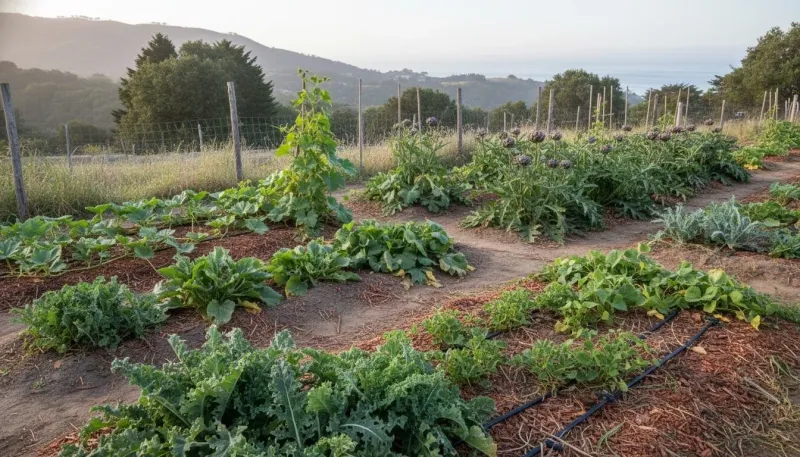
Drip lines and soaker hoses handle this job best. They deliver water right at the base and waste very little.
Young trees, new transplants, vegetables, and potted plants deserve first attention, since they dry out fastest. Established natives usually cope with less.
Local water agency rules still apply. Many cities set specific watering days and limits, especially during drought or fire weather.
A quick check of the water district’s website keeps plants supplied and households on the right side of the rules. That small step makes the whole routine smoother.
Mulch To Slow Soil Drying
Bare soil offers an open invitation to thirsty wind. Without cover, the top few inches can turn to dust after one gusty afternoon.
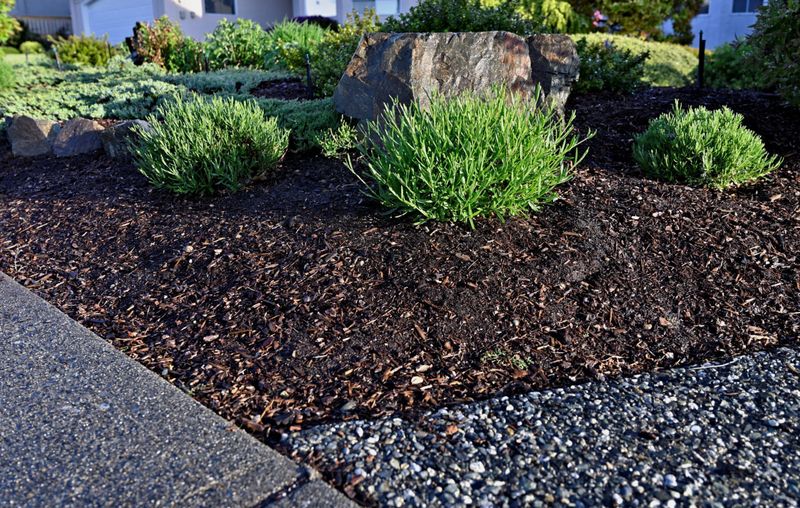
A good layer of mulch works like a blanket that keeps moisture tucked in. It shades the soil and blocks airflow at the surface, slowing evaporation.
UC ANR guidance often suggests a layer about two to four inches deep. Coarse wood chips make a popular pick because they stay put better than fine, fluffy material.
Light materials like shredded paper or loose straw can blow around in strong gusts. Heavier mulch holds its ground.
Fire safety changes the picture near the house, though. CAL FIRE recommends keeping the zone within about five feet of a home free of flammable materials.
Gravel, rock, or other noncombustible cover works well in that close area. Bark and chips belong in beds farther out.
Your California Garden Changes Every Week. Your Plan Should Too.
Gardening in California changes quickly throughout the season. Every Friday you’ll receive a simple weekly plan showing exactly what to plant, prune, fertilize, harvest, and protect so you never miss the right timing.
Early fall makes the best time to spread mulch, before windy season begins. Watering the bed well first, then adding mulch on top, traps that moisture underneath.
Mulch works best pulled back a few inches from tree trunks and plant stems. Piled against bark, it can hold too much dampness and invite rot or pests.
Each wind event deserves a quick follow-up check. Gusts can thin the layer or push it into piles.
A quick rake spreads it back out, tucking the garden in again.
Stake Young Trees And Tall Perennials
A newly planted tree needs some support at first, yet too much help keeps it from building its own strength. Smart staking finds that balance.
Young trees with small root systems are the most likely to lean or topple in strong gusts. UC ANR advice notes that many trees need no staking at all, though newly planted ones in windy spots often do.
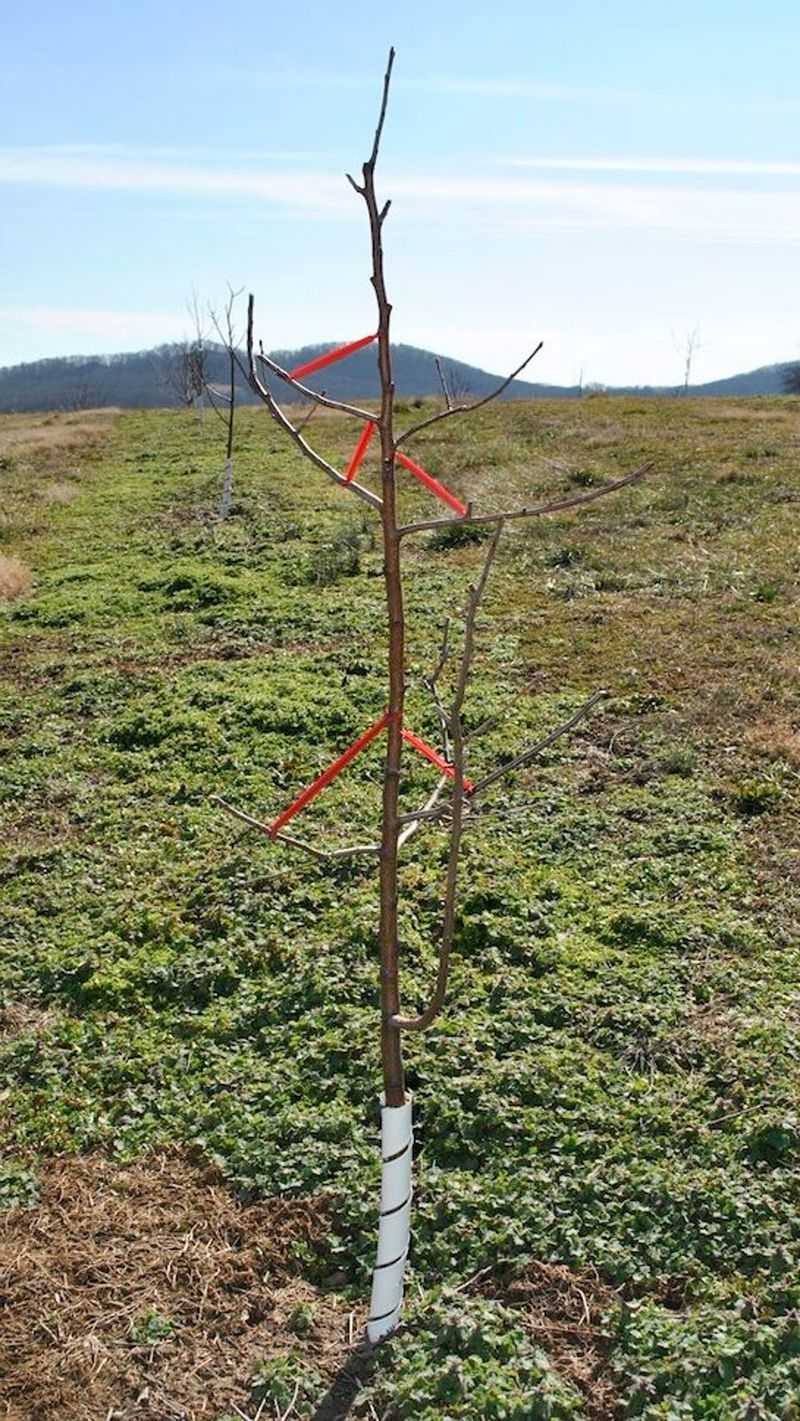
Two or three stakes placed outside the root ball, rather than driven through it, work best. Stakes on opposite sides steady the tree from more than one direction.
Ties matter as much as stakes. Wide, flexible material like rubber straps or tree tie tape protects the bark.
Thin wire or string can cut into bark as the trunk sways. Ties attached as low as possible, while still holding the tree upright, should leave a little slack.
A trunk that moves slightly grows thicker and stronger over time. That gentle sway builds natural wind resistance.
Tall perennials need their own kind of help. Delphiniums, sunflowers, dahlias, and tomato plants can snap at the stem.
Bamboo canes, metal hoops, or tomato cages keep them standing through a windy night. Setting supports early avoids damaging roots later.
Tree stakes work best removed after about one year, once roots have grown in. Left too long, they can weaken the trunk or girdle the bark, so a phone reminder helps those supports avoid overstaying their welcome.
Move Containers To Sheltered Spots
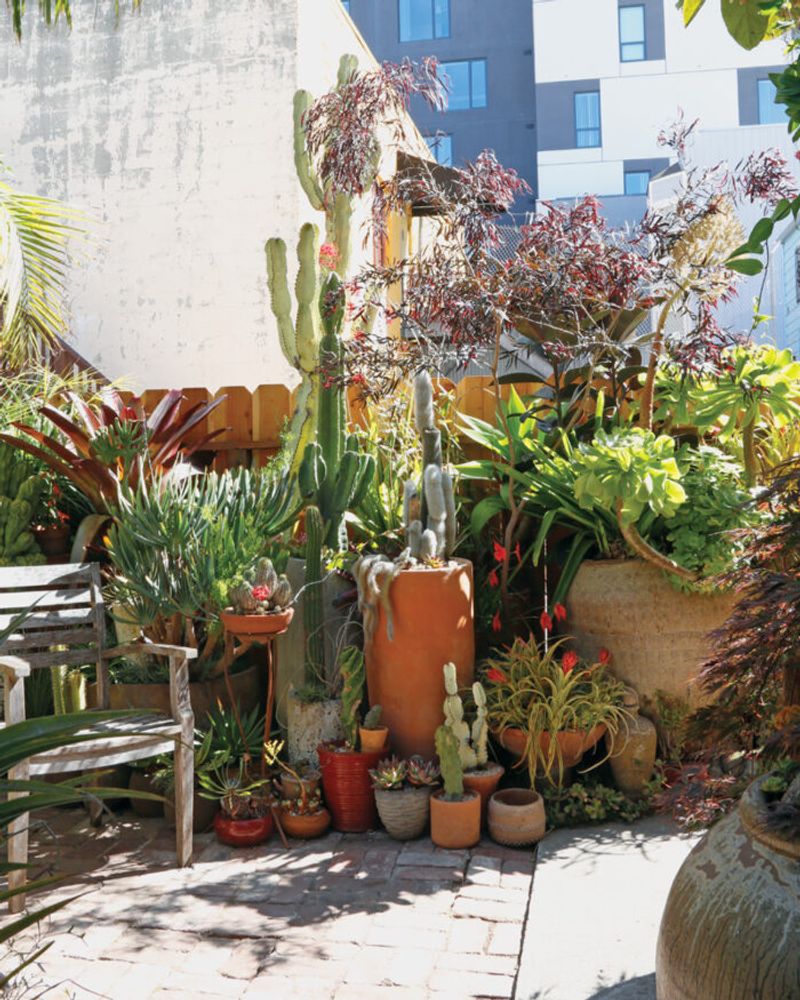
A crash at 2 a.m. usually means a potted plant has met the patio. Containers sit above ground with small soil volumes, so wind knocks them over and dries them out faster than plants in the ground.
Moving pots into calmer areas before the gusts arrive helps most. The side of the house facing away from the wind often works well.
Santa Anas blow from the northeast deserts toward the coast, so the southwest side of walls and fences may offer more shelter. A garage or covered porch suits smaller pots.
Grouping pots together helps, too. Clustered containers shade each other and create a pocket of slightly calmer, more humid air.
Taller, sturdier pots belong on the outside, with delicate ones tucked in the middle. Hanging baskets are best taken down entirely, since they swing wildly and can smash windows.
Heavy pots that won’t budge have options. Laying tall pots on their sides in a safe spot or wedging them against a wall keeps them steady.
Some gardeners add bricks around the base for extra stability. Lightweight plastic pots tip easily, so they deserve first attention.
Watering containers well the day before the wind, within local rules, helps because potting soil dries out quickly. A finger test afterward checks moisture again.
Pots can lose a surprising amount of water in one blustery day. A little extra care keeps a patio garden from getting blown away, quite literally.
Trim Weak Branches Before Peak Season
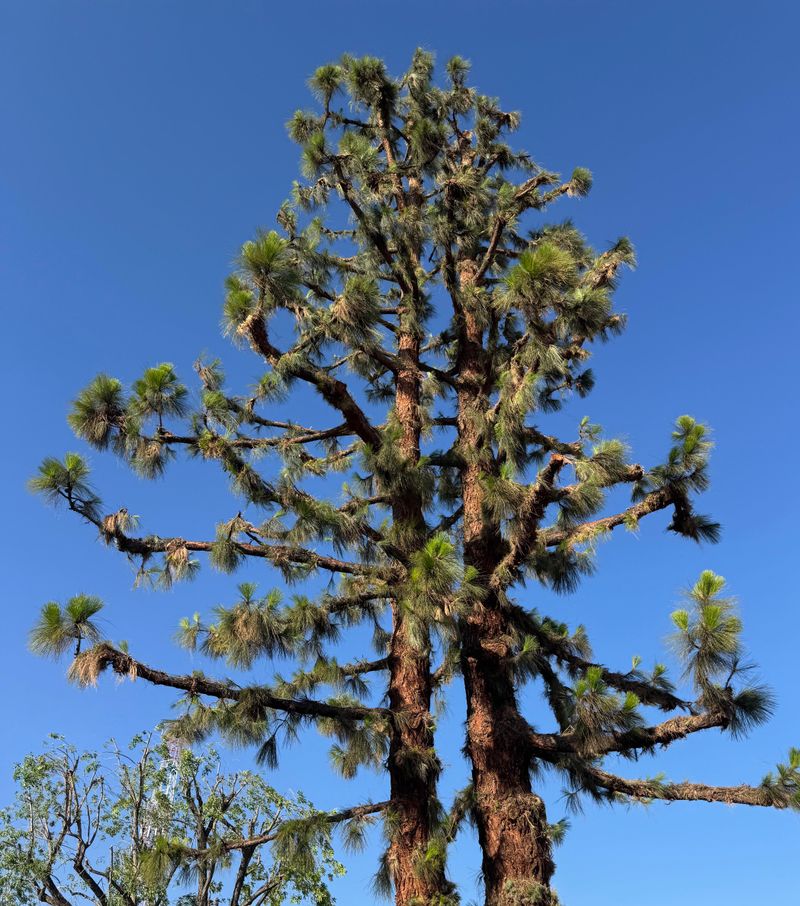
Late summer quietly offers the best window for fall wind prep. Most Santa Ana events hit between October and March, so a careful look at trees in August or September pays off.
Weak branches are much easier to remove on a calm day than after they crash onto a roof. A slow walk around each tree, with eyes turned upward, reveals most problems.
Bare, brittle branches without leaves deserve attention first. Cracks in the wood and limbs rubbing against each other also signal trouble.
Branches attached in a tight V shape are often weaker than those joined at a wider angle. UC ANR also flags limbs hanging over the house, driveway, or power lines.
Clean cuts just outside the branch collar, the slightly swollen ring where a branch meets the trunk, heal best. Stubs and cuts flush against the trunk both slow healing.
Topping a tree by chopping off its main leader is best avoided. It creates weak regrowth that breaks easily later.
Big jobs belong to the pros. Anything high, heavy, or near power lines calls for a certified arborist, and the utility company handles branches touching electrical wires.
Climbing a ladder with a chainsaw makes a poor weekend hobby.
Light thinning of a dense canopy can let wind pass through instead of pushing the whole tree like a sail. Modest cuts work best, since removing too much foliage at once stresses the tree and invites sunburn.
Build A Windbreak With Layered Plantings
A row of hedges can make a backyard feel noticeably calmer. A windbreak works the same way on a bigger scale, slowing wind rather than blocking it completely.
That gentle approach actually reduces the damaging swirls that form behind solid barriers. Layered plantings handle the job best.
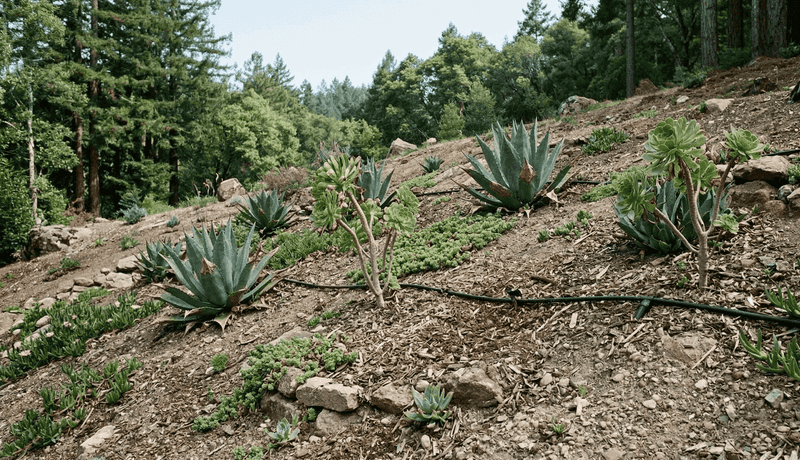
Tall trees in back, medium shrubs in the middle, and low plants up front form a slope that lifts wind up and over the garden. A windbreak that lets some air filter through often protects a wider area than a solid wall.
Placement is where fire safety enters the picture. CAL FIRE guidance stresses that plants near a home shouldn’t become fuel.
Windbreaks belong well away from structures, outside the closest defensible space zones. Spacing plants so flames can’t easily jump from one to the next adds protection.
Regular watering and removal of spent growth keep the planting healthy and less flammable. Species choice matters, too.
Plants with high moisture in their leaves and little dry growth make the best picks. Local options often include certain succulents, lemonade berry, toyon, and other plants on UC ANR and fire-safe garden lists.
Plants loaded with oils or resins, like juniper and many conifers, are best kept far from anything valuable. They can ignite quickly in fire weather.
Patience comes with the territory, since windbreaks take several years to reach full strength. Fall planting, with cooler weather and occasional rain, helps roots settle in before the next breezy season.
Secure Furniture And Garden Gear
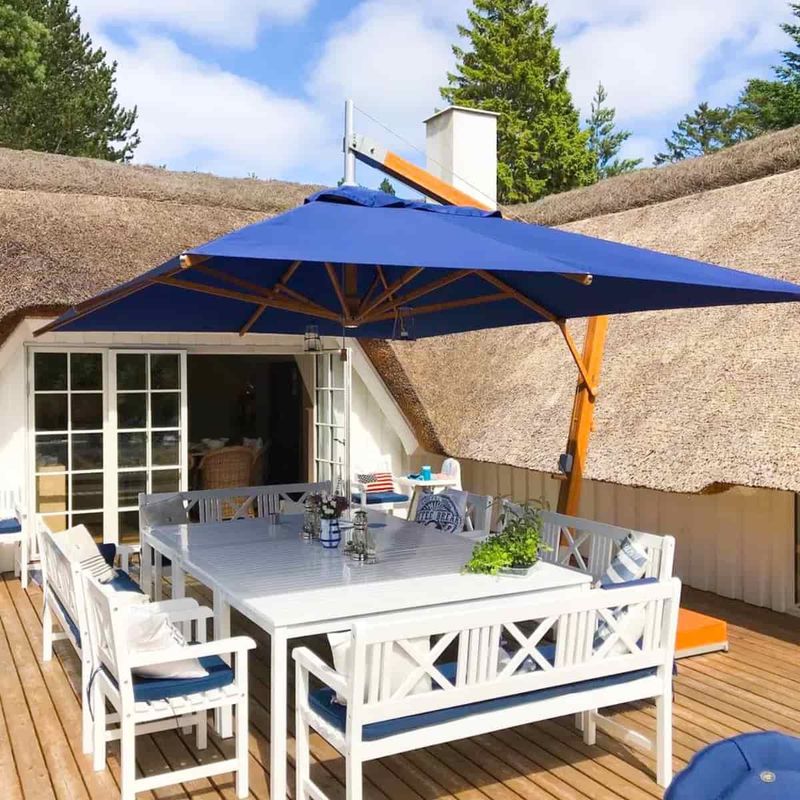
Patio umbrellas are basically kites in disguise. During strong Santa Ana gusts, the National Weather Service warns that loose objects can become flying hazards.
A plastic chair sailing into a greenhouse isn’t the kind of fall decor anyone wants. A quick sweep of the yard before the wind arrives prevents most surprises.
Umbrellas work best closed, taken down, and stored in the garage. Lightweight chairs can be stacked and brought inside or tied to something solid.
Cushions, pillows, and tablecloths belong indoors, too. Garden gear needs the same attention.
Rakes, hoses, buckets, and trellises can tumble into plants or windows. Coiled hoses and tools locked in a shed stay out of trouble.
Trash and recycling bins can roll down the street, so setting them against a wall or strapping them to a fence keeps them home. Bigger items deserve a look as well.
Shade sails, lightweight greenhouses, and pop-up canopies can tear loose or pull out their posts. Sails are best taken down when strong winds appear in the forecast.
Sandbags or ground stakes anchor small greenhouse frames. Bird feeders, wind chimes, and decorative signs may seem small, but they swing hard and can break.
Bringing them in takes just minutes. Once everything is tucked away, the yard becomes a much calmer place.
Neighbors also appreciate not finding a stray lawn gnome floating in their pool.