This Invasive Tree Is Taking Over Texas Yards Faster Than Fire Ants
Plenty of Texans grew up with this tree in the backyard. It shaded old farmhouses, lined country roads, and filled spring evenings with the sweet scent of lavender blooms.
Back in the 1800s, people planted it on purpose. It grew fast, handled heat, and offered quick shade. What nobody realized was how hard it would be to stop.
Today, this foreign import is one of the most aggressive invaders in Texas. Birds eat its golden, marble-sized fruit and drop the seeds far and wide.
New saplings pop up along fence lines, in flower beds, and across empty lots. Cut one down, and fresh shoots often spring up from the roots.
That pretty fruit is also toxic to people and pets. Before it spreads any further, it’s worth learning how to spot it and keep it in check.
The Invasive Tree Hiding In Plain Sight
Back in the 1800s, chinaberry was the hot new tree everyone wanted. Settlers loved how fast it grew and how much shade it gave. Folks planted it near homes, barns, and schoolyards all over the South.
The tree first came from Asia. It also grows naturally in parts of Australia. People brought it to America because it was tough, pretty, and easy to grow in hot places like Texas.
For a while, it seemed like a perfect fit. Families sat under its wide branches on summer days. Kids even used the hard seeds as beads for necklaces.
Over time, though, the tree started showing up where no one planted it. It slipped into empty lots, ditches, and the edges of woods. Today it grows in most parts of Texas, from the Piney Woods in the east to the Hill Country.
Experts now call it one of the most widespread invasive trees in the state. An invasive plant is one that comes from somewhere else and spreads so much that it causes harm. Chinaberry fits that label well.
Part of the problem is that many people still think of it as a normal yard tree. Some older homes have big chinaberries that have stood for decades. Because they look familiar, nobody gives them a second thought.
So what can you do right now? Walk around your yard and look along fences and under other trees. Make a note of any fast-growing trees you cannot name.
You may also want to check with your neighbors. Chinaberry rarely stays in one yard. Working together makes it much easier to keep the tree from coming back year after year.
How To Recognize It
Spotting chinaberry is a lot like learning a friend’s face. Once you know it, you will see it everywhere. The trick is knowing which clues to look for during each season.
Start with the leaves. They are big and feathery, often over a foot long. Each leaf is made of many small leaflets with tiny teeth along the edges. From a distance, the tree can look soft and lacy, almost like a fern.
Your Texas Garden Changes Every Week. Your Plan Should Too.
Gardening in Texas changes quickly throughout the season. Every Friday you’ll receive a simple weekly plan showing exactly what to plant, prune, fertilize, harvest, and protect so you never miss the right timing.
Spring brings the easiest clue. The tree bursts into clusters of small, lilac-colored flowers. They smell sweet, kind of like perfume, and you might notice the scent before you even see the tree.
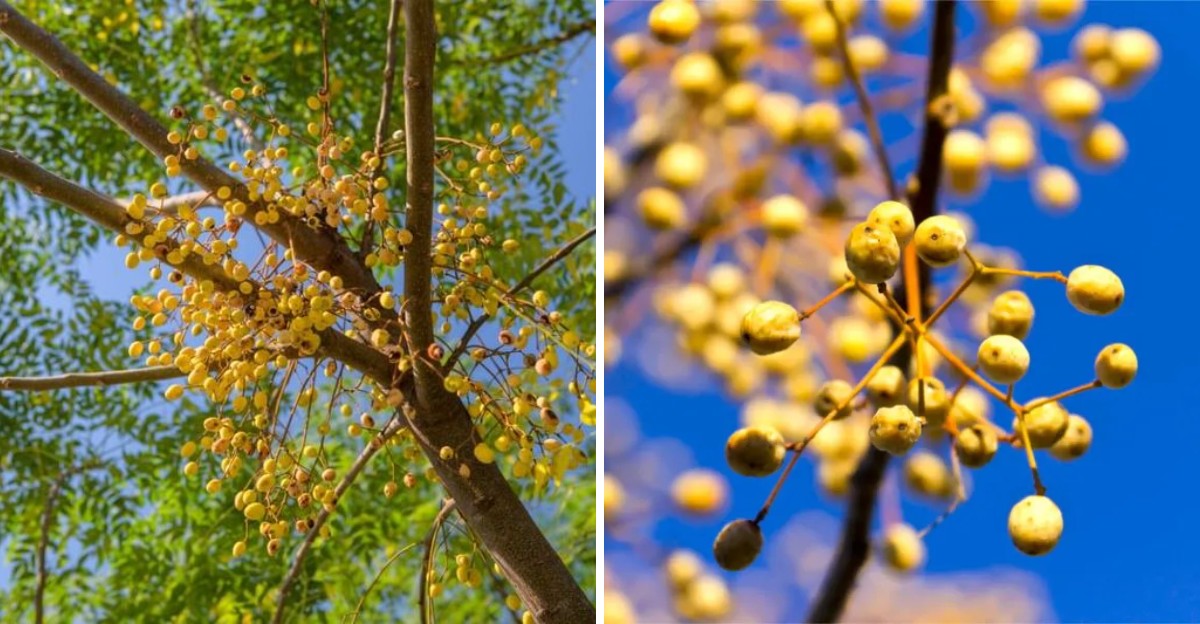
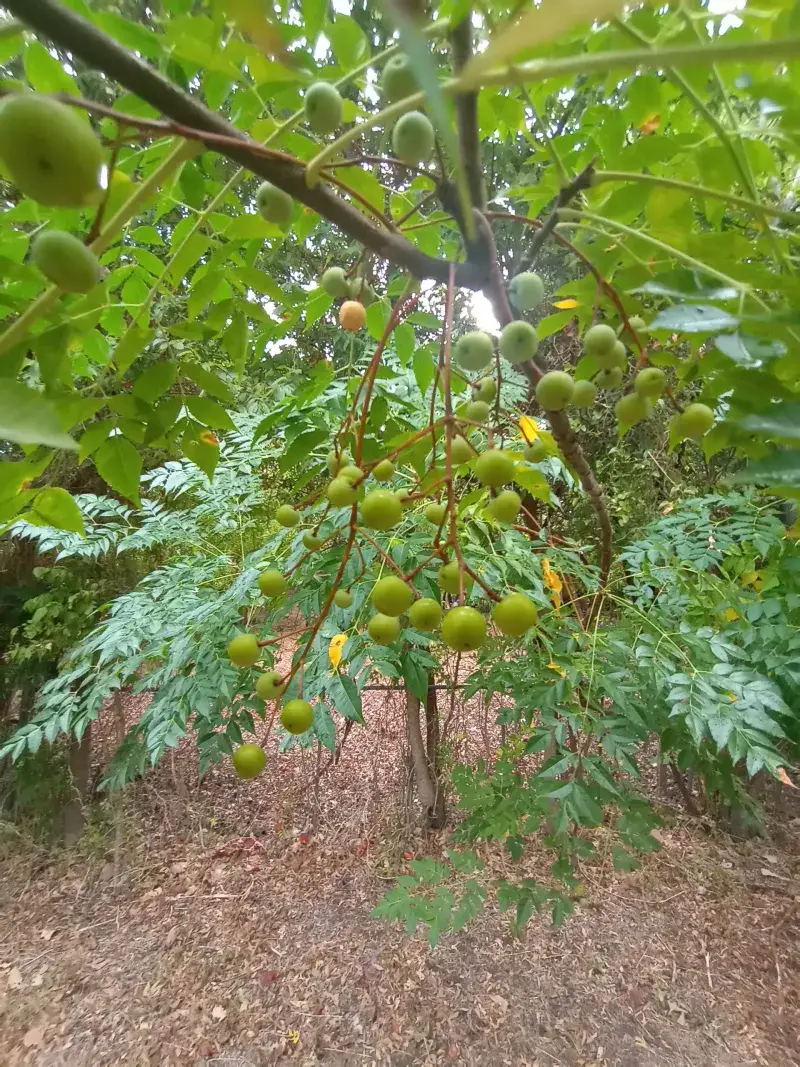
After the flowers fade, little green berries appear. By fall, they turn a creamy yellow color. They are round, smooth, and about the size of a marble.
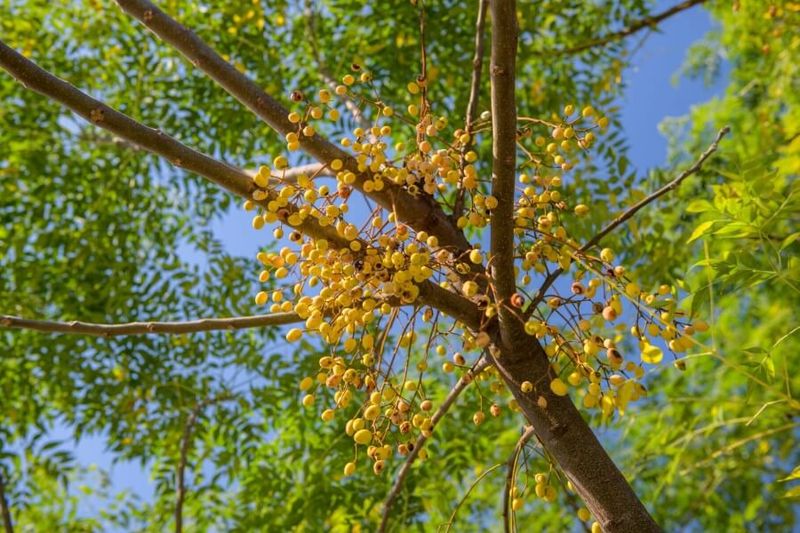
Winter is when chinaberry really stands out. The leaves drop, but the yellow berries often keep hanging on the bare branches. A leafless tree covered in golden balls is a pretty sure sign you have found one.
The bark gives another hint. On young trees it is smooth and brown. Older trees have darker bark with shallow grooves running up and down the trunk.
Here is a handy tip. Snap a photo of any tree you are unsure about and use a free plant app to check it. You can also send pictures to your local county extension office for help.
Be careful not to mix it up with native trees like soapberry, which also has yellowish berries. Look closely at the leaves and flowers before you take action. A few extra minutes of checking can save a good tree.
Why It Spreads So Quickly
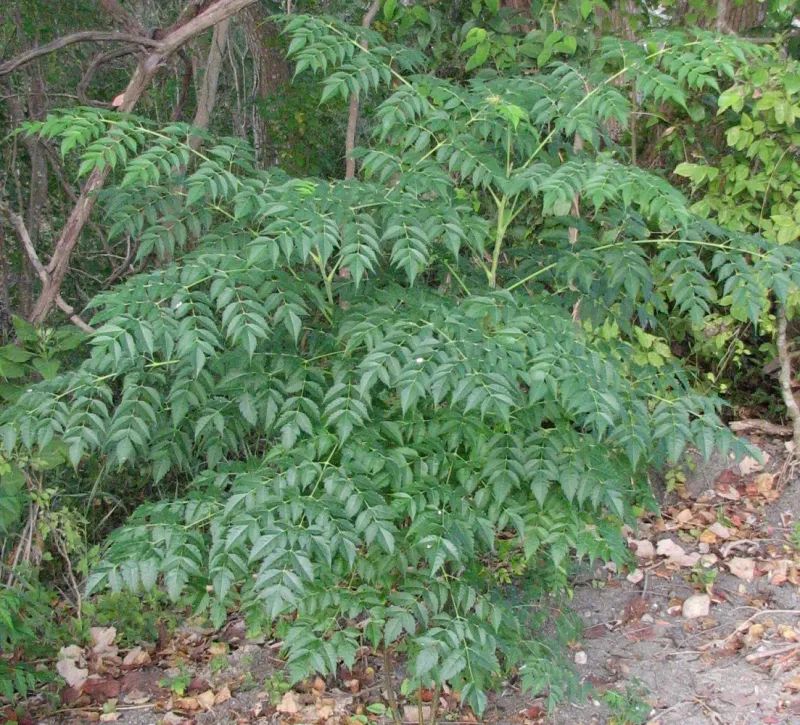
Ever notice a row of young trees popping up along a fence? There is a good chance birds planted them. Chinaberry has some sneaky helpers, and they have feathers.
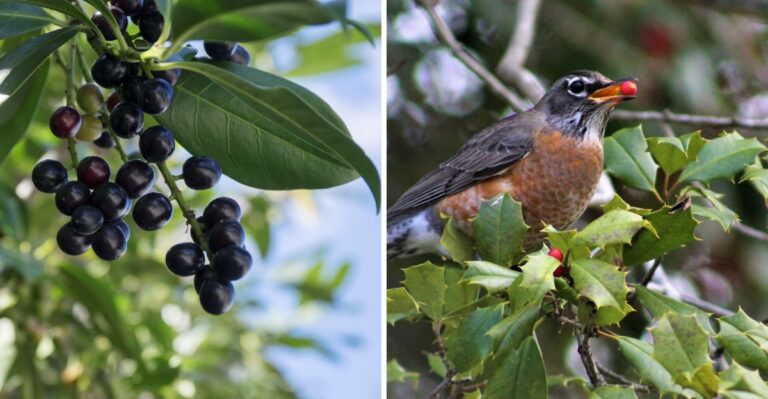
Birds like robins and cedar waxwings love the berries, especially in late winter when other food is hard to find. They gobble them down and fly off. Later, they drop the seeds wherever they rest.
That is why chinaberry often shows up in straight lines. Fences, power lines, and tree branches are favorite bird perches. Seeds land right below, and new trees sprout in a few weeks.
Fun fact: some birds act a little silly after eating too many old, fermented chinaberries. People have seen them wobble around as if they were dizzy.
Birds are only half the story. Chinaberry can also spread underground. Its roots send up new shoots, called root sprouts, some distance from the main trunk.
Over the years, one tree can turn into a whole crowd. These thick groups are called thickets. They become hard to walk through and even harder to clear out.
The tree also grows very fast. A seedling can shoot up several feet in a single year. It handles drought, poor soil, and heat with ease, which makes Texas a great home for it.
So what helps? Check your fence lines and the ground under big trees at least twice a year. Spring and fall are good times.
Pull any tiny seedlings you find right away. The younger they are, the easier they come out. Staying on top of it now saves you hours of hard work later.
Its Berries Are Toxic
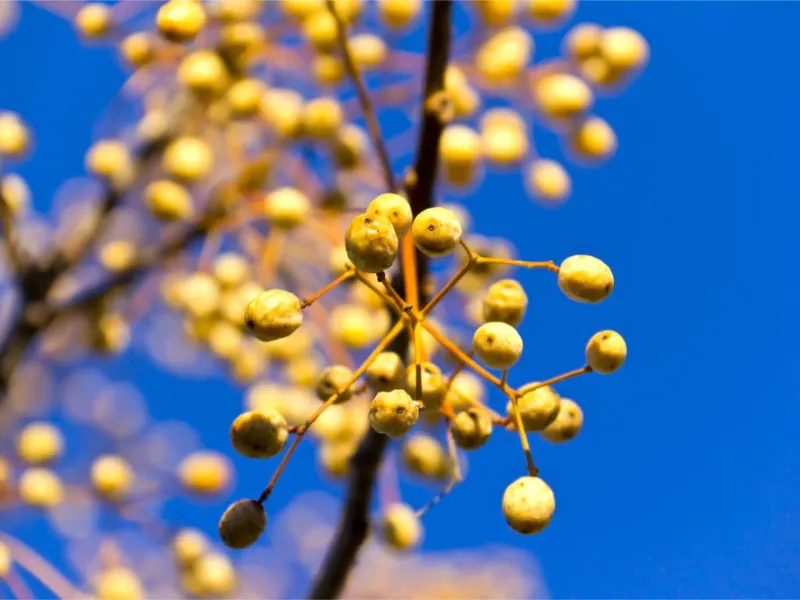
Those golden berries may look like a tasty snack, but they are anything but. Every part of the chinaberry has toxins, and the berries pack the most. For families with kids and pets, that is a big deal.
When eaten, the berries can upset the stomach fast. Common signs include vomiting, diarrhea, and stomach pain. Some people and animals also feel weak, sleepy, or shaky.
In severe cases, the illness can get much more serious. It may affect breathing or cause seizures. That is why doctors and vets take chinaberry poisoning seriously.
Dogs are often at risk because they like to chew things they find on the ground. Fallen berries can pile up under a tree, making an easy target. Livestock like pigs and sheep can also get sick if they eat them.
Young children are curious too. A bright yellow berry can look like candy to a toddler. Teaching kids never to eat wild berries is a smart rule for every family.
So how do you stay safe? Rake up fallen berries often, especially in fall and winter. Bag them and toss them in the trash instead of the compost pile.
If your dog or child might have eaten some, act quickly. Call the Poison Control Center at 1-800-222-1222 or reach out to your vet right away. Do not wait for signs to show up.
Keep a photo of the berries on your phone. It can help doctors know what was eaten. Better yet, removing the tree from play areas takes the worry off the table for good.
The Damage It Causes
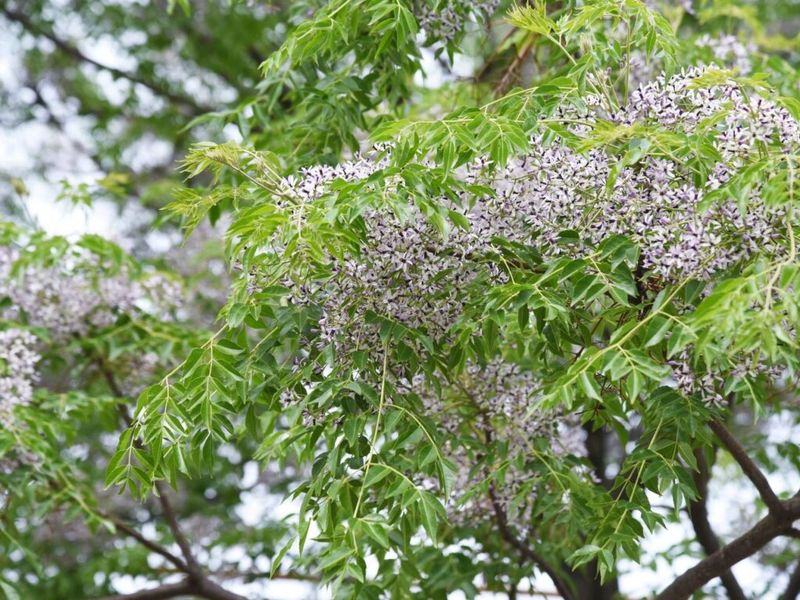
Think of chinaberry as the bully of the backyard. It shows up, grabs the best spot, and pushes everyone else out. Native plants simply cannot keep up with its speed.
The tree grows tall in just a few years. Its wide crown of leaves throws heavy shade on the ground below. Many native wildflowers and grasses need sunlight, so they slowly fade away.
Native shrubs and young trees have a hard time too. Chinaberry soaks up water and nutrients from the soil. That leaves less for plants that have lived in Texas for thousands of years.
Some scientists also think the fallen leaves may release chemicals that make it harder for other plants to grow nearby. That gives chinaberry an even bigger edge.
The problem grows worse along fencerows and creek banks. These spots are like highways for wildlife. Birds, butterflies, and small animals use them for food and shelter.
When chinaberry takes over, those helpful native plants disappear. Bees and butterflies lose flowers they depend on. Birds lose native berries that are better for them and safe to eat.
Homeowners feel the effects too. Thickets can crowd fences, block views, and clog drainage ditches. Branches are also fairly brittle and may snap during strong Texas storms.
Here is a helpful way to look at it. Every chinaberry you remove opens up space for something better. Native plants support far more local wildlife and usually need less water once settled in.
Start small with one corner of your property. Clear it, then watch what comes back. You might be surprised how quickly native life returns.
How To Get Rid Of It
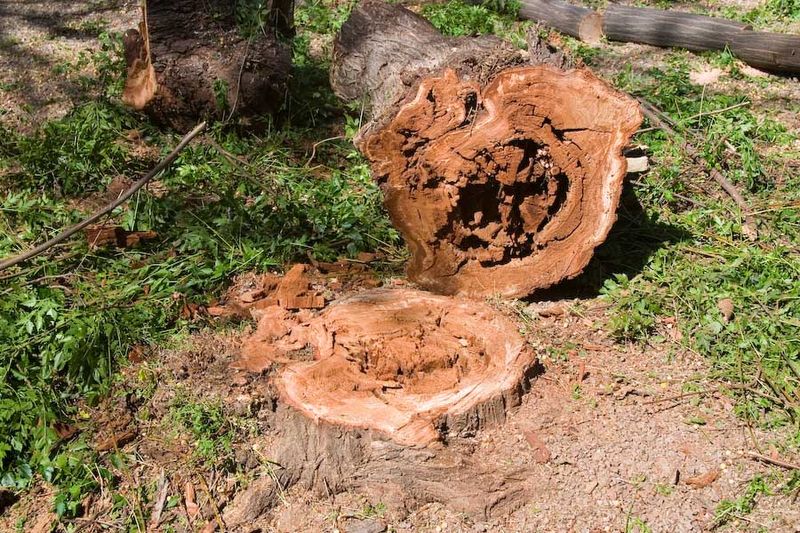
Good news first: you can beat this tree. It takes some patience, but plenty of Texans have cleared their yards and kept them clear. The method you use depends on the size of the tree.
Small seedlings are the easiest. Pull them by hand, ideally after a good rain when the soil is soft. Grab the stem low and pull slowly so the whole root comes out.
If even a bit of root stays behind, the plant may come back. Wear gloves while you work. A garden fork or weed puller can help loosen stubborn roots.
Bigger trees are trickier. Cutting them down alone usually does not work. They send up lots of new sprouts from the stump and roots.
That is why most experts suggest a cut-stump treatment. Right after cutting, paint or spray an herbicide on the fresh stump. Products with triclopyr or glyphosate are common choices.
Always read and follow the label carefully. Treat the stump within a few minutes of cutting so it soaks in. For very large trees, it is smart to hire a licensed tree service.
Keep an eye on the area for a year or two. Pull or treat any new sprouts you see. Steady follow-up is what really wins the battle.
Last, fill the empty space with native trees. Cedar elm handles drought and heat like a champ. Mexican plum offers white spring blossoms, and Texas redbud bursts with pink flowers.
These natives feed local wildlife and shade out new chinaberry seedlings. Your local nursery or county extension office can help you pick the best match for your yard.