A Non-Native Mantis Can Prey On Hummingbirds At Alabama Feeders
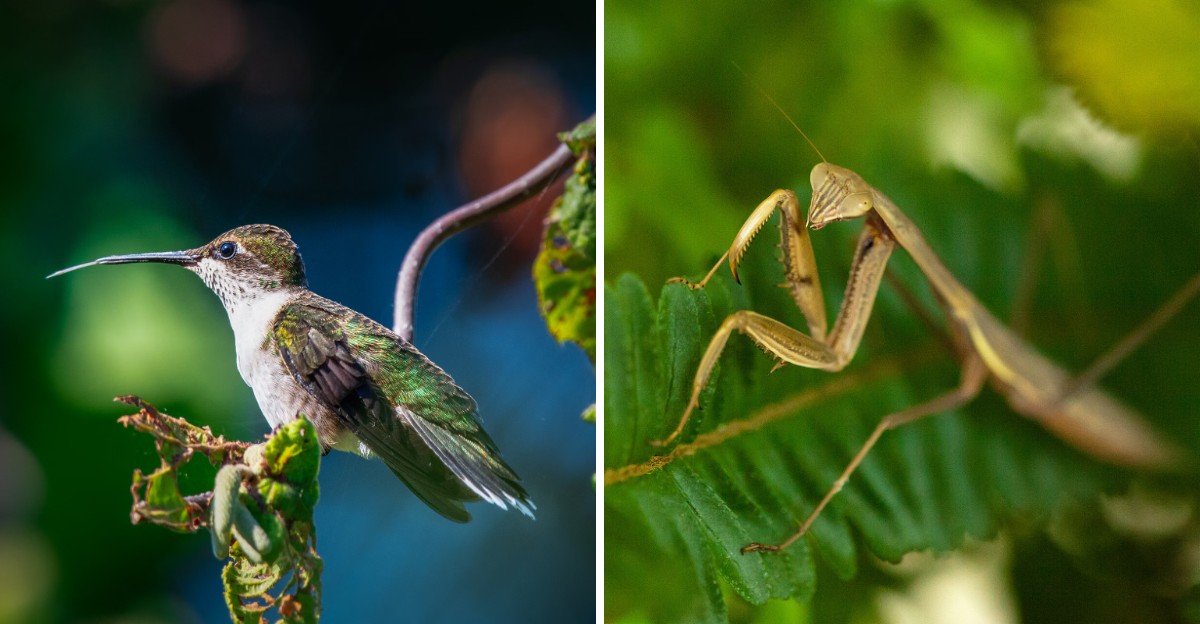
That twig on your hummingbird feeder turned its head toward you. Sticks lack eyes, yet you feel stared at.
Welcome to an Alabama afternoon in October, where a praying mantis sits on your feeder. Mantises can hunt hummingbirds, and you may watch the ambush unfold.
Chinese mantises grow longer than your finger and strike in a blink. Spiny forelegs snap shut before you finish a breath.
Then you see the trick: this hunter freezes for hours. Hummingbirds dart in for the sugar you mixed and miss the danger.
On backyard forums, you can find Alabama photos of these ambushes. Watchers post striking shots of mantises clinging to perches with wings flared.
You can spot them by triangular heads that swivel toward movement. Check your feeder ports and perches before you refill. Scan twigs by your feeder, because they might scan you.
A Large Non-Native Insect That Occasionally Eats Birds
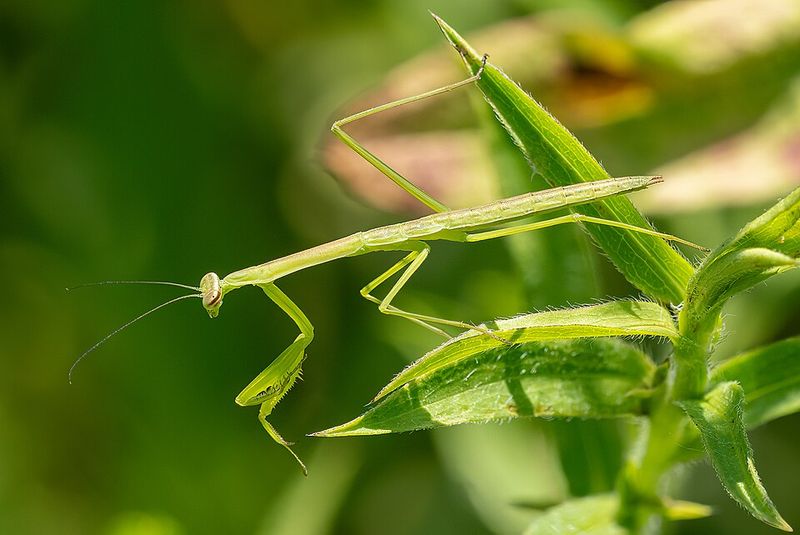
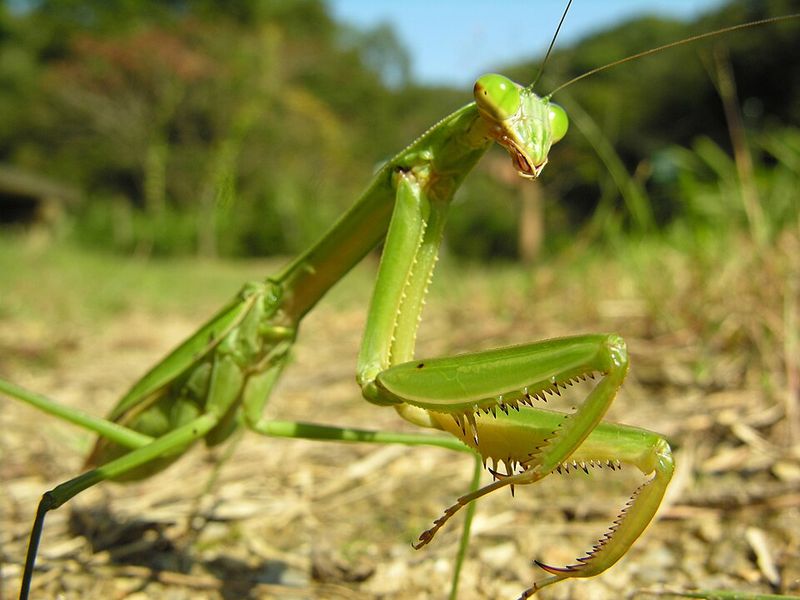
Long, green, and patient, the Chinese mantis is the species behind those documented feeder photos. It can grow up to five inches long, which makes it one of the biggest mantises in North America.
It was brought to the United States from Asia around 1896. The hope was that it would eat crop pests and protect plants.
Instead, the big insect spread across much of the country, including Alabama. It now lives in gardens, fields, and backyard shrubs in many parts of the state.
Size gives this mantis a real advantage over smaller native species. Its strong front legs have sharp spikes that grip prey like a pair of tiny claws.
Most of its meals are insects such as crickets, flies, bees, and moths. Hummingbirds weigh only about three to four grams, so they fall within its reach.
A scientific review of published reports found mantises catching birds in many countries. The United States had the most reports, and the Chinese mantis appeared often among them.
Alabama sits along a busy route for ruby-throated hummingbirds. Those tiny travelers visit feeders where a hungry mantis may already be waiting.
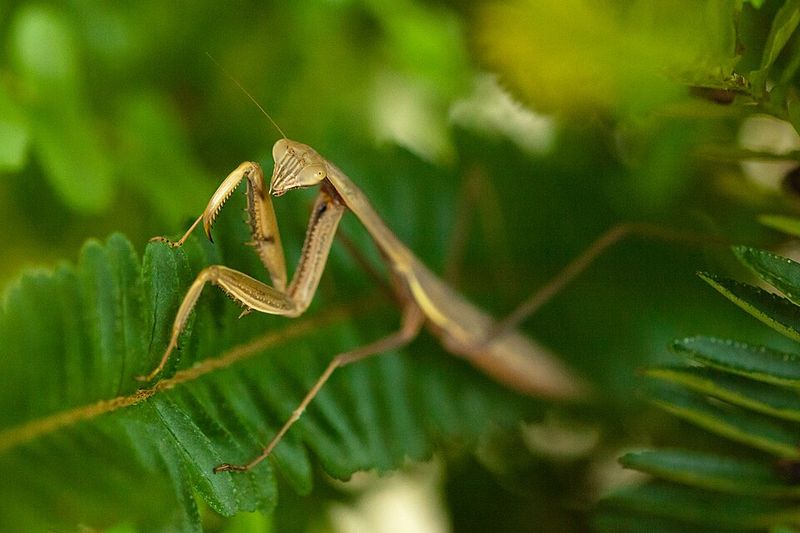
Spotting one is easier once you know its look. Watch for a triangle-shaped head, bulging eyes, and folded front legs held up like praying hands.
A pale green stripe along the edge of its wings often helps tell it apart. Native Carolina mantises are smaller, grayer, and usually under three inches long. Learning these details turns a confusing twig into a creature you can name with confidence.
Feeder Ambush Tactics Of A Patient Hunter
Imagine standing perfectly still for hours just to grab one snack. That kind of patience is everyday life for a Chinese mantis.
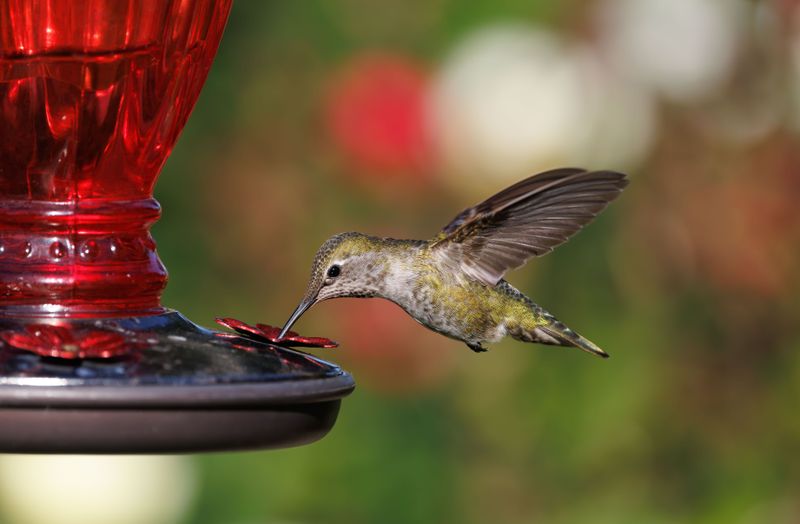
Sugar water draws insects like bees, wasps, and flies to feeders. Those insects draw the mantis, which climbs up and settles in for a long wait.
Red plastic flowers on feeders can serve as hiding spots. The mantis tucks itself beside a feeding port, right where a bird will poke its beak.
Camouflage does much of the work for this insect. Its green and brown colors blend with leaves, stems, and even the feeder hanger.
Your Alabama Garden Changes Every Week. Your Plan Should Too.
Gardening in Alabama changes quickly throughout the season. Every Friday you’ll receive a simple weekly plan showing exactly what to plant, prune, fertilize, harvest, and protect so you never miss the right timing.
Some mantises also rock side to side very slowly. That swaying may mimic a plant moving in the wind, which could keep birds from noticing anything unusual.
Once a hummingbird hovers close, the strike happens faster than you can blink. Spiny front legs snap shut and hold the bird tightly.
Mantises often go for the head or neck area first. Escape is difficult once that grip is secured.
Flowers in your garden can hide hunters too. Bee balm, salvia, and trumpet vine are hummingbird favorites, and mantises like those spots as well.
Watching closely gives you a big edge. Take a quick peek at feeder ports and nearby blooms each morning while you sip your breakfast drink. A two-minute check can reveal a mantis before any bird arrives.
Why Late Summer And October May Carry Higher Risk
Calendar timing may help explain these feeder encounters. Late summer into October is when the risk is likely highest in Alabama yards.
Chinese mantises hatch in spring as tiny nymphs, roughly a third of an inch long. They eat and grow all summer, shedding their skin several times.
By August and September, they reach full adult size. Big bodies need big meals, so they start chasing larger prey.
Meanwhile, hummingbirds are getting ready for their long fall trip. Many fly south to Mexico and Central America, crossing the Gulf of Mexico.
Before that journey, the birds fill up on sugar water and nectar. Feeders become busy fuel stations, packed with hungry visitors all day long.
Put those two schedules together and you get an overlap. Fully grown mantises meet crowds of hummingbirds at the very same spots.
October is a tricky month for bird lovers in the South. Some hummingbirds linger, and female mantises are often carrying eggs and feeding more.
Cooler nights slow mantises down, but warm Alabama afternoons keep them active. That means mantis activity can continue well into mid-autumn.
Keeping feeders up in fall still helps late travelers, including rare western species. Just pair that kindness with a little extra watchfulness.
Once the first hard frost arrives, adult mantises fade away for the year. Their eggs, however, wait quietly through winter to start the cycle again.
Mail-Order Mantis Egg Cases Are Not Recommended
Many kind gardeners have done it with the best intentions. They order mantis egg cases online, hoping for free and natural pest control.
Most of those egg cases contain Chinese mantises. Each case can release roughly one hundred to several hundred nymphs into your yard.
Mantises feed on beneficial insects as well as pests. They eat bees, butterflies, and native insects along with aphids.
Young mantises even eat each other when food runs short. That makes them a poor tool for protecting a vegetable patch.
Releasing them also adds pressure on native mantis species. The larger Chinese mantis can prey on the smaller Carolina mantis and may outcompete it.
Pollinators already face many challenges in the South. Adding a large non-native predator adds further pressure on bees and butterflies.
Better pest control options exist for home gardens. Ladybugs that live naturally nearby, native plants, and hand-picking pests work well together.
Native wildflowers attract helpful insects such as lacewings and tiny wasps. Those helpers target garden pests without bothering hummingbirds.
Store shelves and websites may still sell mantis cases each spring. Reading labels carefully helps you avoid bringing non-native species home.
Skipping that purchase is one of the simplest ways to protect backyard birds. Sometimes the simplest option is to leave the egg case in the shopping cart.
Safe Rescue Steps For A Trapped Hummingbird
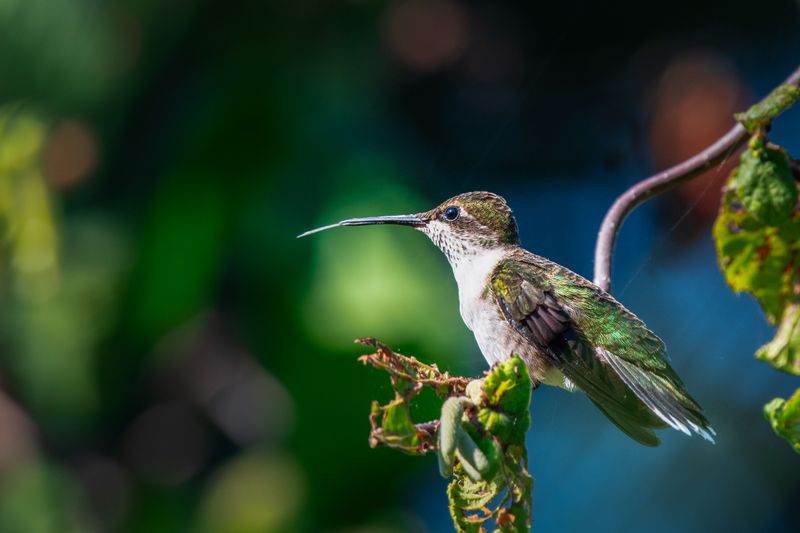
Spotting a hummingbird in a mantis grip can make your heart race. Staying calm helps you act quickly and carefully.
Hummingbirds are federally protected, so call a licensed wildlife rehabilitator before handling one, if you can.
First, grab a small twig, pencil, or chopstick. Avoid using bare fingers, since mantis spines can pinch and scratch.
Gently nudge the mantis legs until they loosen. Some mantises may release prey when gently nudged, but others hold on tightly. If the mantis will not let go, call a licensed wildlife rehabilitator right away.
If the bird flies away right away, that is a great sign. Some rescued hummingbirds recover after a short rest in a quiet tree.
Sometimes a bird stays still or seems stunned. Place it in a small box with air holes and soft paper towels inside.
Keep the box in a dark, quiet room away from pets. Darkness helps tiny birds settle and lowers their stress.
Do not try to feed it lots of sugar water yourself. Instead, contact a licensed wildlife rehabilitator near you for expert advice.
Alabama has licensed wildlife rehabilitators who help injured birds. A quick online search for local wildlife rescue can connect you within minutes.
As for the mantis, relocate it far from feeders. Carry it on a stick to a weedy field or wooded edge well away from your feeders.
Preparation improves the outcome of a rescue. Keeping a twig and a small box near your back door makes quick help possible.
Smart Feeder Habits For A Safer Yard
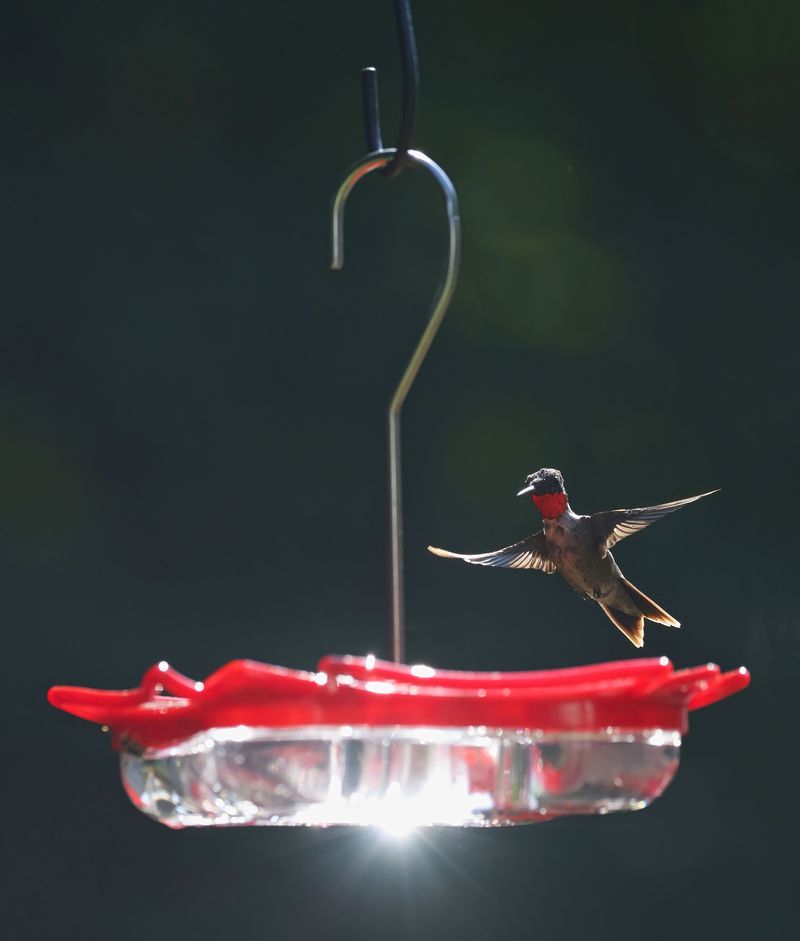
Good habits work like a friendly security system for tiny birds. A few easy changes can lower mantis visits all season long.
Hang feeders on thin metal poles or wires away from shrubs. Mantises usually climb up from plants, so open space may slow them down.
Bee guards and ant moats help too. Fewer insects around feeders means fewer reasons for a mantis to show up.
Clean feeders every few days with hot water. Fresh nectar attracts birds while sticky messes attract the bugs mantises love to eat.
Winter offers a great chance to get ahead of next year. Look for tan, foamy egg cases about the size of a walnut on twigs and fences.
Chinese mantis cases are rounder and puffier than native ones. Carolina mantis cases look long, narrow, and smoother by comparison.
If you are confident an egg case belongs to a Chinese mantis, snip it off and seal it in a bag. When in doubt, leave it, since native Carolina mantis cases can look similar.
Dropping confirmed cases into the trash keeps hundreds of new mantises from hatching in spring.
Planting native flowers also builds a healthier backyard. Native insects and birds thrive together when the garden matches local wildlife needs.
Sharing your photos with neighbors spreads helpful knowledge. Community apps and bird groups often welcome mantis sightings near feeders.
With steady attention, your yard can stay a cozy stop for hummingbirds. Those buzzing little visitors will keep returning for many seasons to come.