How To Keep Squirrels Away From Freshly Planted Bulbs In North Carolina
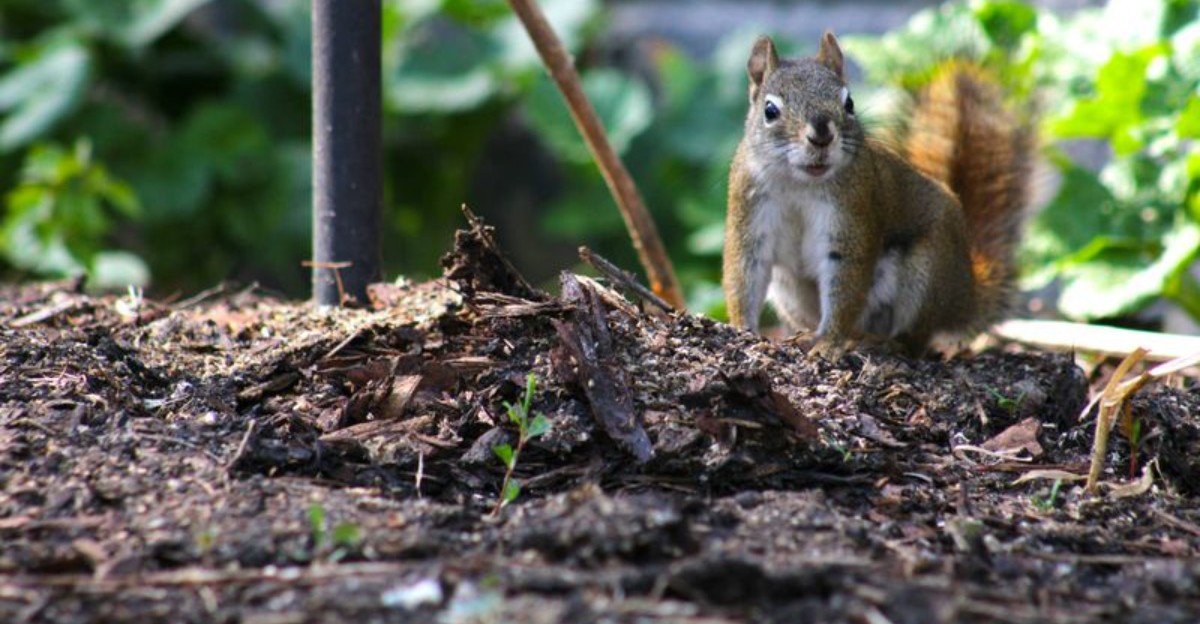
You plant fifty tulip bulbs on Saturday. By Monday, the bed looks like a tiny construction site. Squirrels have been busy again.
North Carolina has plenty of them, and fall is their busiest season. They dig for food and hide their own treasures in loose, freshly turned soil. Your bulbs are an easy target, and the digging can also tear up roots and flatten the bed.
The good news is that you have several ways to fight back. Some work by blocking, some by confusing, and some by choosing different bulbs altogether. A few tricks sound clever but fail in practice.
Learning which methods hold up saves you from replanting in spring. Protect the bed now, and you will see the flowers you paid for.
1. Choose Bulbs Squirrels Usually Leave Alone
Sometimes the easiest fix starts at the garden center. Squirrels are picky eaters, and some bulbs taste like candy to them while others taste awful. Pick the right ones, and half your battle is already won.
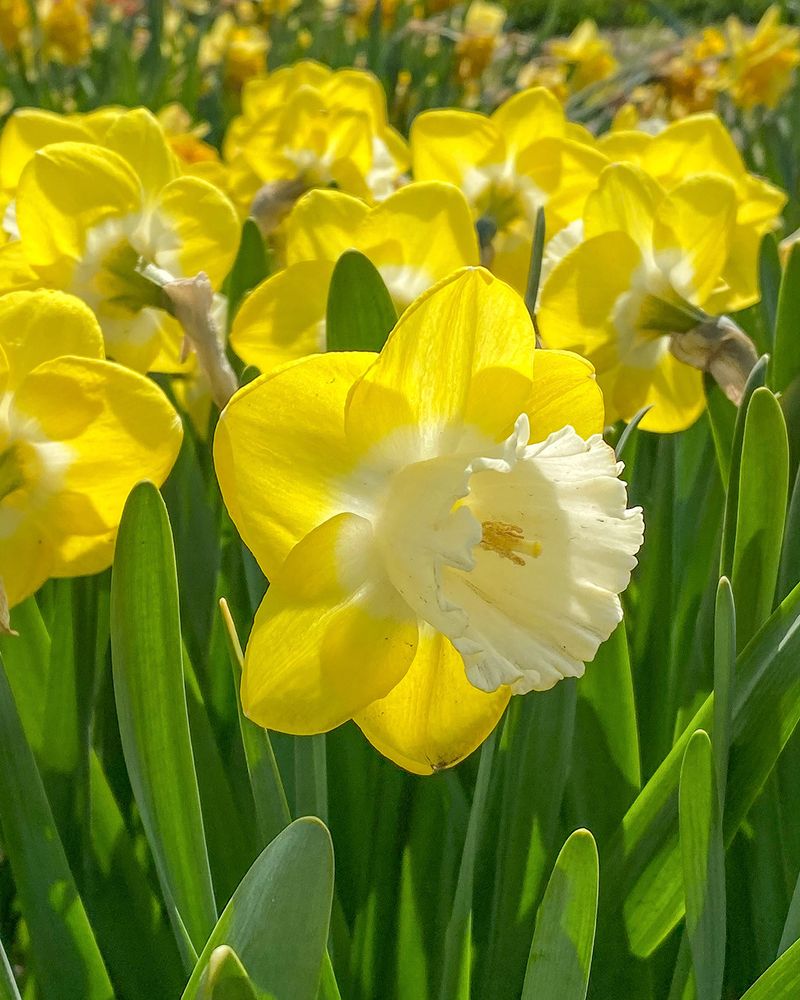
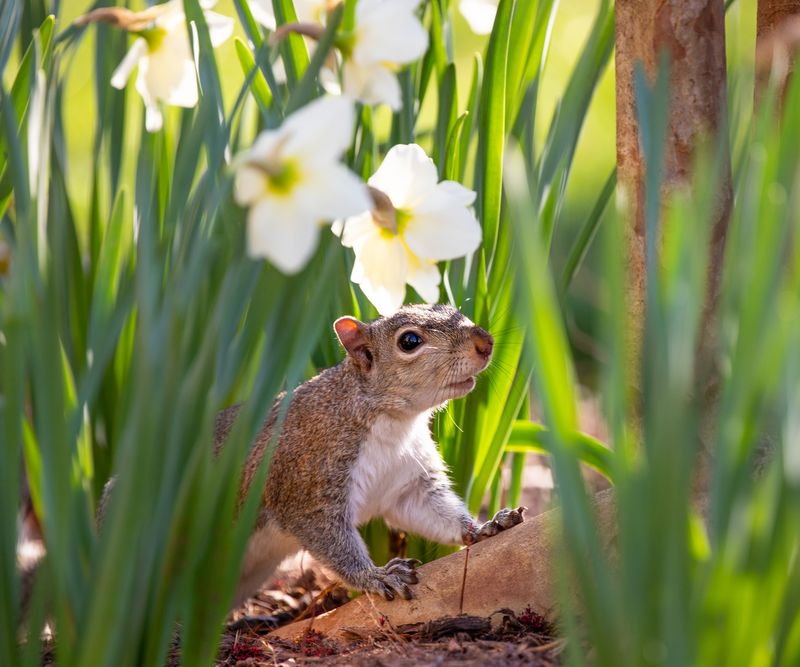
Tulips and crocus sit at the top of the squirrel menu. Chipmunks love them too, so these bulbs often vanish within days of planting. Daffodils are a whole different story, because they contain a bitter, toxic compound called lycorine that animals learn to avoid.
Ornamental alliums belong to the onion family, and their strong smell turns squirrels away fast. Snowdrops and fritillarias also carry compounds or odors that make them unappealing.
Crown imperial fritillarias even have a musky scent some gardeners compare to a skunk, which is great news for your flower bed.
So how should you plan? Make daffodils and alliums the backbone of your spring display, since they can fill large areas without much worry. Daffodils also come back year after year, giving you more color over time.
Love tulips too much to give them up? Keep them in protected beds or containers where you can guard them closely. Snow crocus, the smaller early-blooming type, tends to get bothered less than the big Dutch crocus, so it makes a smart swap.
Gray squirrels thrive across North Carolina, from busy Charlotte neighborhoods to quiet mountain towns and coastal yards.
Oak and hickory trees give them plenty of shelter, which means most gardens have a squirrel or two nearby. Choosing bulbs they skip saves you time, money, and plenty of frustration, and your spring garden will look just as stunning.
2. Clean Up Bulb Skins And Debris
Squirrels are a lot like detectives. They follow clues, and the best clue you can give them is a pile of papery bulb skins lying on top of the soil. Those thin brown wrappers carry the scent of the bulb, and a curious squirrel will notice right away.
Once a squirrel finds a skin, it starts digging nearby. It figures more tasty treats must be hiding under the dirt, and it is usually right. A few scraps can lead straight to your newly planted bulbs.
Luckily, cleaning up takes only a few minutes. Open your bulb bags away from the planting area, like on a patio table or in the garage. That way, most loose skins fall far from the bed.
Your North Carolina Garden Changes Every Week. Your Plan Should Too.
Gardening in North Carolina changes quickly throughout the season. Every Friday you’ll receive a simple weekly plan showing exactly what to plant, prune, fertilize, harvest, and protect so you never miss the right timing.
While you plant, keep a small bucket close by. Drop in any skins, broken bits, or damaged bulbs as you go. Never leave open bulb bags sitting on the ground, because the smell alone can draw attention.
Before you call it a day, take one last walk around the bed. Look for anything papery or crumbly on the surface and pick it up. Toss the debris in a covered trash can or compost bin far from your flowers.
Fall is prime time for squirrels in North Carolina. They spend these cool weeks gathering acorns and burying food for winter, so their noses are working overtime. Any extra scent in your garden stands out to them.
A tidy planting area keeps your bed looking boring to squirrels, and boring is exactly what you want.
3. Plant At Full Depth And Firm The Soil
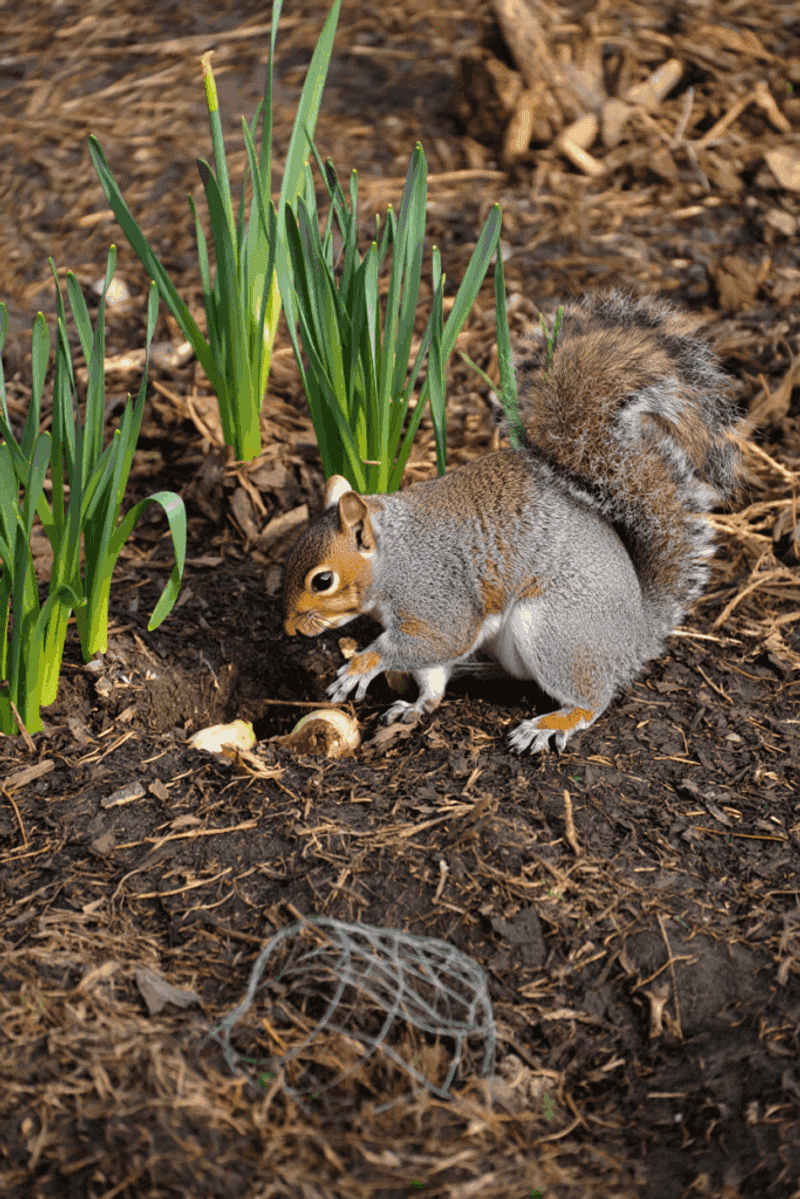
Think about how a squirrel hunts. It looks for soft, fresh dirt that is easy to scratch through. A bulb sitting just under the surface is like a snack left on the counter.
Shallow planting is one of the most common mistakes gardeners make. When bulbs are too close to the top, squirrels can smell them and reach them with a few quick paw strokes. Loose, freshly turned soil makes the job even easier, so they head straight for it.
A good rule is to plant bulbs two to three times as deep as they are tall. For tulips and daffodils, that means about 6 to 8 inches down. Smaller bulbs like crocus need less depth, around 3 to 4 inches.
After setting the bulbs in place, fill the hole and press the soil down firmly with your hands or the back of a rake. Then give the bed a good drink of water. Watering helps the soil settle and removes air pockets that make digging simple.
Finish by spreading a layer of mulch, such as shredded leaves or pine straw. Mulch hides the fresh dirt and makes the bed blend in with the rest of the yard. Pine straw is easy to find across North Carolina and looks neat too.
Many gardeners in the state notice holes popping up within hours of planting. Squirrels watch yards closely, and new digging grabs their attention fast.
Planting deep, firming the soil, and covering it up gives your bulbs a much better shot at blooming next spring.
4. Lay Wire Mesh Over The Bed
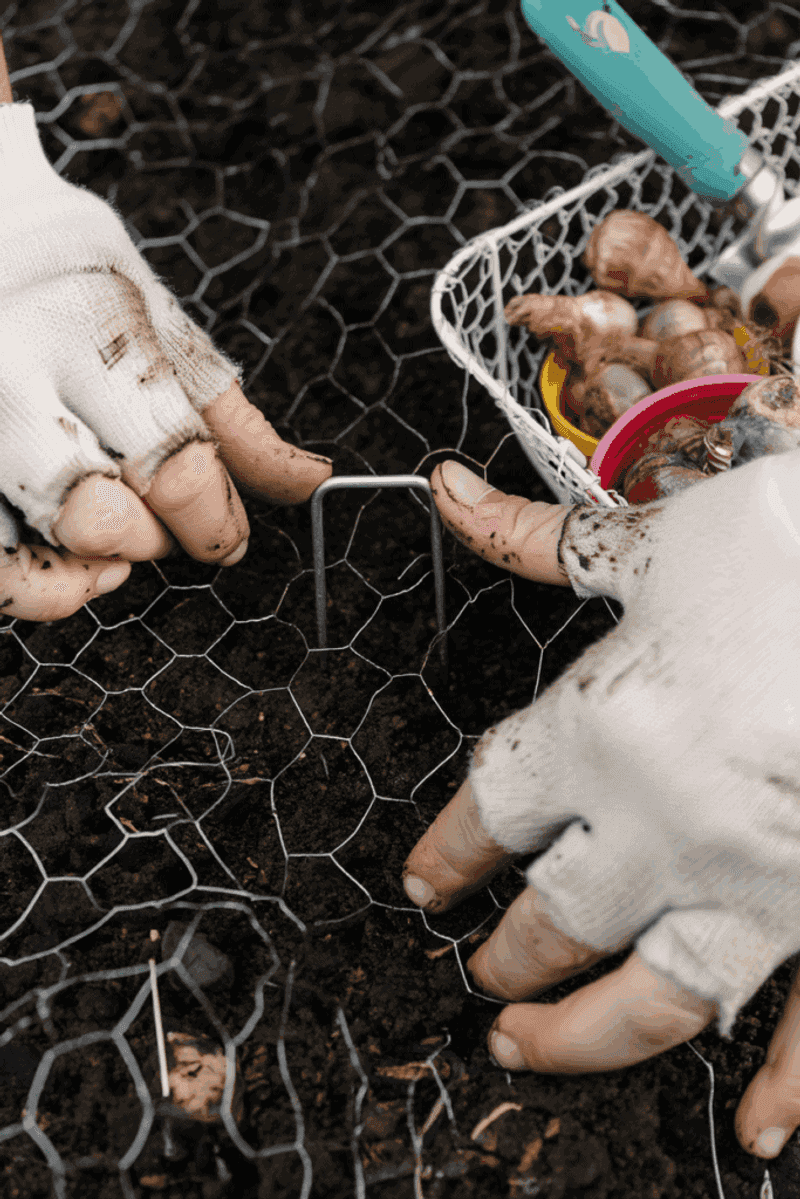
Here is a trick that frustrates even the boldest squirrel. Lay a sheet of wire over your bulb bed, and those busy little paws hit a wall. Most squirrels scratch a bit, give up, and wander off to find an easier meal.
Chicken wire and hardware cloth both work well. They block digging but still let water, air, and sunlight reach the soil. Shoots can also push through, depending on the size of the openings.
Start by planting your bulbs as usual. Next, lay the wire flat over the soil, making sure it reaches a few inches past the edges of the bed. Pin it down with landscape staples or set rocks around the sides so it stays put.
Now cover the wire with mulch. A layer of shredded leaves or pine straw hides the mesh and keeps your garden looking natural. No one walking by will even know it is there.
Timing matters when spring gets close. If you used small-hole mesh, remove it in late winter before the shoots grow large.
Another option is choosing chicken wire with openings wide enough for shoots to grow through, which means you can leave it in place.
In North Carolina, fall-planted bulbs sit in the ground for months before they sprout. That is a long time for squirrels to keep checking your beds, especially during mild winter days when they stay active.
A simple wire layer guards your bulbs the whole time. It costs little, takes about fifteen minutes, and works better than almost anything else.
5. Use Bulb Cages For Prized Bulbs
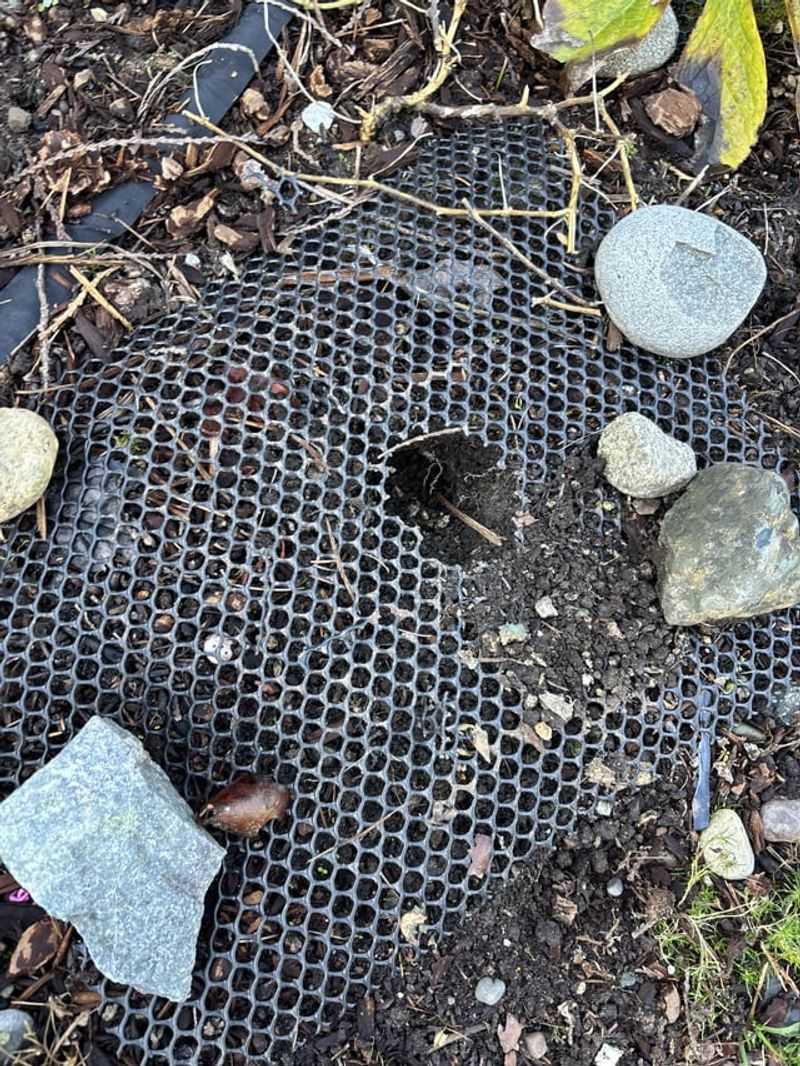
Every gardener has that one special bulb. Maybe it is a rare tulip, a pricey heirloom, or a gift from a friend. When a bulb means that much to you, it deserves a little extra armor.
Bulb cages are wire baskets that wrap around your bulbs underground. They block squirrels and chipmunks from digging in from the top or the sides. Because the cage also has a bottom, it can help keep voles from tunneling up and nibbling from below.
You can buy ready-made cages at garden stores or online. Building your own is easy too. Cut hardware cloth with half-inch openings, fold it into a box shape, and secure the edges with wire or zip ties.
Dig a hole deep enough for the cage and set it inside. Place your bulbs in the cage at the correct planting depth, pointy side up. Cover them with soil, then close the top with mesh that has openings wide enough for shoots to grow through.
Bury the whole thing and add mulch on top. Mark the spot with a small stake so you remember where your treasures are hiding. A cage can last several seasons, which makes it a smart investment.
North Carolina gardens face more than just squirrels. Eastern chipmunks are common in the Piedmont and mountains, and pine voles quietly damage roots and bulbs in many yards across the state.
A cage protects against all three troublemakers at once. For your favorite bulbs, that peace of mind is worth every bit of effort.
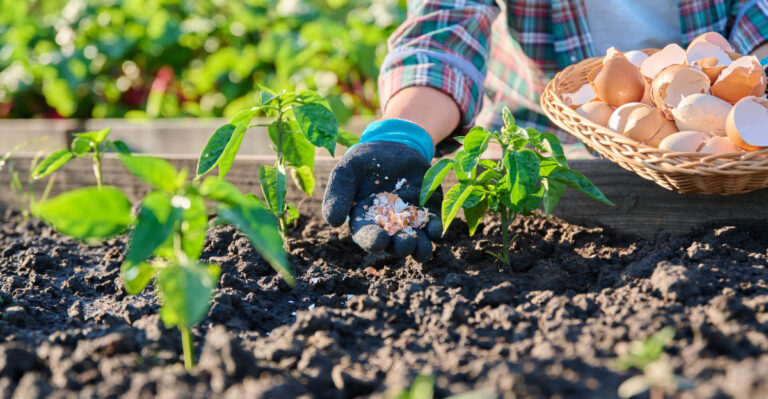
6. Skip Bone Meal And Other Smelly Amendments
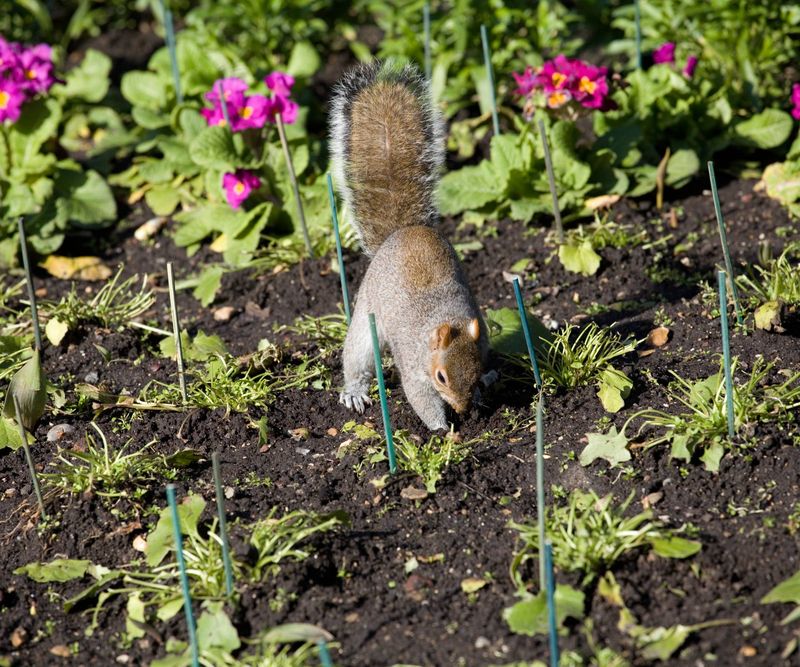
Old gardening books often say to toss a scoop of bone meal into every planting hole. It sounds helpful, but it can backfire in a big way. That powder smells like a buffet to many hungry animals.
Bone meal and blood meal both have strong odors. Squirrels may come sniffing, and so can dogs, raccoons, and skunks. Some of these visitors dig much bigger holes than squirrels ever do, tossing your bulbs around the yard.
So what should you use instead? Try mixing compost into your soil before planting. Compost improves drainage, adds gentle nutrients, and does not send out a strong smell that calls animals over.
Healthy bulbs also come packed with their own food. Each one stores enough energy to power its first spring bloom, so extra fertilizer at planting is usually not needed. You can feed them later, after they sprout, if your soil needs it.
Before adding any fertilizer, test your soil. The North Carolina Department of Agriculture offers soil testing, and kits are available through local Cooperative Extension offices. The results show exactly what your soil has and what it lacks, so you never guess.
Fall is a busy season for wildlife in North Carolina. Squirrels are stocking up for winter, while raccoons and skunks roam yards searching for grubs and other food.
A smelly planting bed stands out like a flashing sign. Keeping things simple and scent-free helps your bulbs stay hidden and safe until spring.
7. Use Repellents As A Short-Term Extra
Spicy food is not every creature’s favorite, and squirrels are no exception. Repellents made with capsaicin, the compound that gives hot peppers their kick, can make your garden bed feel unwelcoming.
Other products use strong odors to send squirrels looking elsewhere. These sprays and granules can help, but they are not magic.
Rain washes them away, and a hungry, determined squirrel may keep digging anyway. That is why repellents work best as a backup, not your only defense.
Choose a product labeled for squirrels. After planting, apply it to the soil surface over your bulb bed, following the directions on the package. Wear gloves, and keep pepper-based sprays away from your eyes and face.
Reapplying is the key to success. Check the label to see how often it needs a fresh coat, especially after rain. Setting a reminder on your phone makes this easy to remember.
For the strongest protection, team repellents with other steps from this list. Lay wire mesh over the bed, clean up bulb skins, and plant at the right depth. Each layer adds another roadblock, and together they make your garden a very hard target.
North Carolina gets plenty of rain in fall and winter, sometimes several soaking storms in a single month. Repellents can disappear quickly under those conditions.
Treat them as a helpful extra while your physical barriers do the heavy lifting. Come spring, you will be rewarded with bright blooms instead of empty holes.