That Sweet Fall Fragrance In Georgia Yards May Be Hiding An Invasive Problem
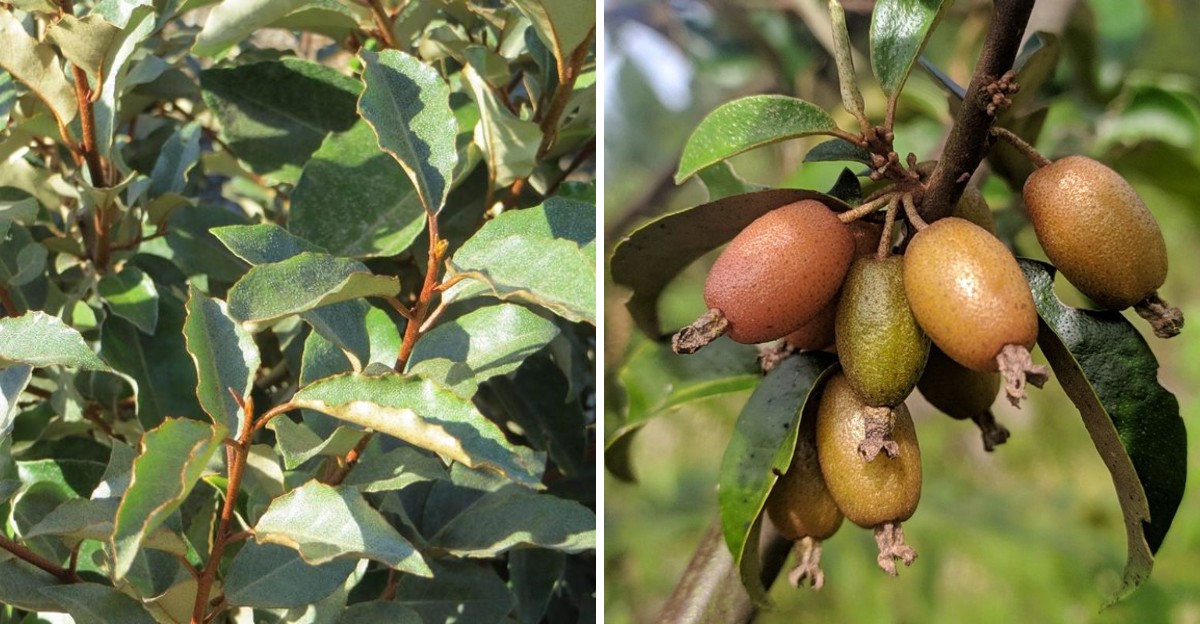
Sweet fragrance drifting through your yard can seem like one of fall’s nicest surprises, but the shrub behind it deserves a closer look.
Small, strongly scented flowers can fill the air while staying almost hidden among dense evergreen leaves.
That pleasant scent can make the plant seem harmless, even as it spreads beyond the place where it was originally planted.
If you notice the fragrance, check the leaves, flowers, and growth habit before deciding what is growing nearby. Correct identification should come before any removal.
One invasive shrub found in Georgia can form dense growth that crowds out native vegetation.
Finding a small plant early gives you more options for dealing with it. Pay attention to nearby seedlings too, since an established shrub can lead to additional growth around the property.
1. Some Of Autumn’s Sweetest Scents Come From Unwanted Shrubs
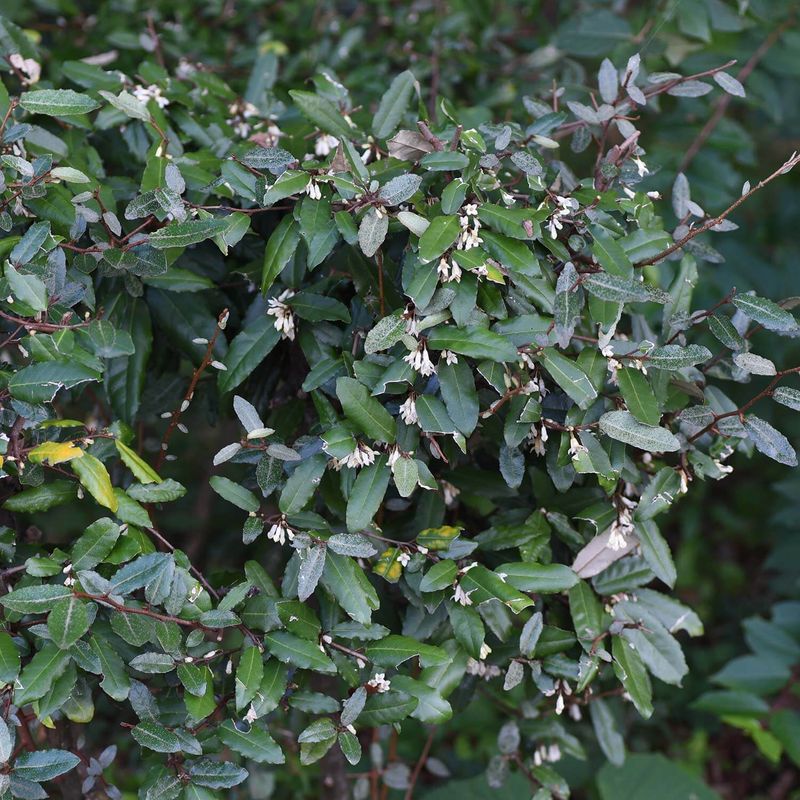
Sweet fall air in the South has a surprising source. Thorny olive, known by the scientific name Elaeagnus pungens, is an invasive shrub that blooms in fall.
Native to Asia, it came to the United States as an ornamental plant and was sold widely for hedges and screens.
Homeowners liked it because it grows fast and handles tough spots. It shrugs off heat, poor soil, and dry spells that would stress many other shrubs.
Across Georgia, you can find it in older neighborhoods, highway plantings, and along the edges of shopping centers.
Its fragrance often shows up from about October into early winter, depending on the weather that year. People sometimes compare the smell to gardenia or clove, though noses differ.
Here is the catch. A plant that thrives anywhere can also escape anywhere, and that is exactly what has happened in many parts of the Southeast.
State and regional invasive plant groups list thorny olive as a problem species in the region.
If you notice that scent and cannot find the flowers, start checking dense evergreen hedges nearby. A sniff test will not confirm the plant, but it gives you a useful place to begin looking.
2. Its Tiny, Tubular Flowers Tuck Under Silvery Leaves
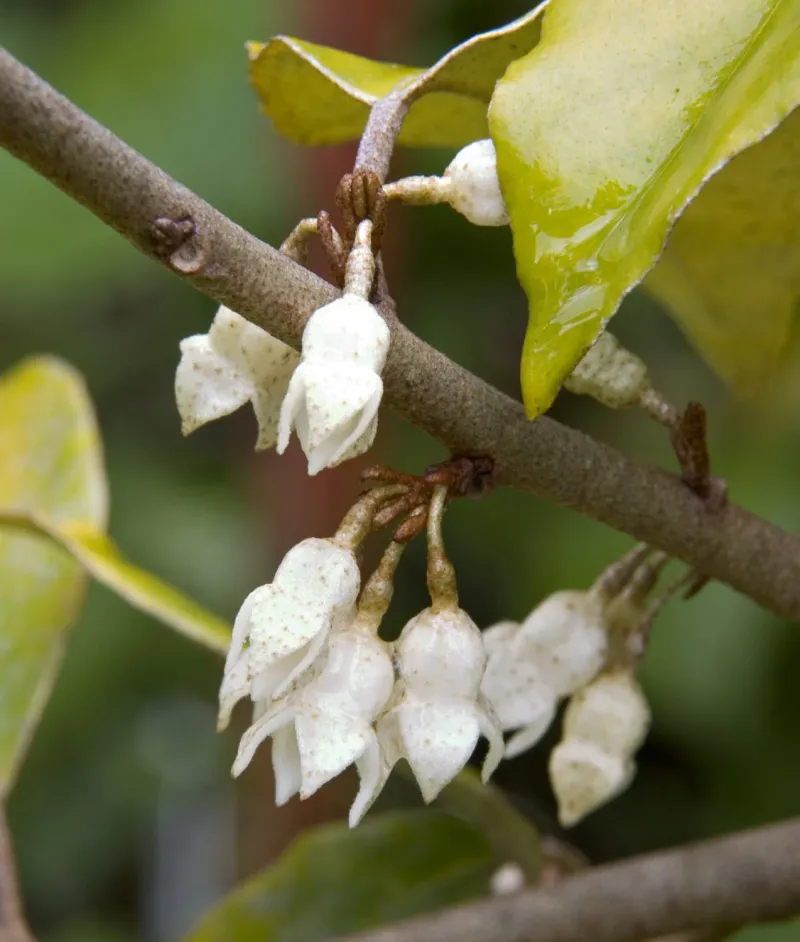
Blink and you will miss them. Thorny olive flowers are small, often less than half an inch long, and they hang down from the stems.
Each bloom is shaped like a little tube that flares open at the end into four points.
Their color is usually creamy white to pale tan, with a dusty, silvery look. That muted shade blends right into the foliage, which is why so many people smell the plant before they see it.
To find them, you usually need to bend down and lift a branch.
Clusters tend to sit in the leaf joints along the stems, tucked beneath the leaves rather than on top. From a distance, the shrub just looks like a solid wall of green.
Fall is the easiest time to confirm what you have in a Georgia yard, since few other common hedges bloom then.
Bring a small flashlight or your phone light if the hedge is thick. A clear photo of the flowers and leaves together can help a county Extension office confirm your guess.
Your Georgia Garden Changes Every Week. Your Plan Should Too.
Gardening in Georgia changes quickly throughout the season. Every Friday you’ll receive a simple weekly plan showing exactly what to plant, prune, fertilize, harvest, and protect so you never miss the right timing.
Gentle handling matters here, because the branches can scratch. Gloves and long sleeves make the job more comfortable.
3. Brown Speckles On Leaf Undersides Make It Easier To Identify
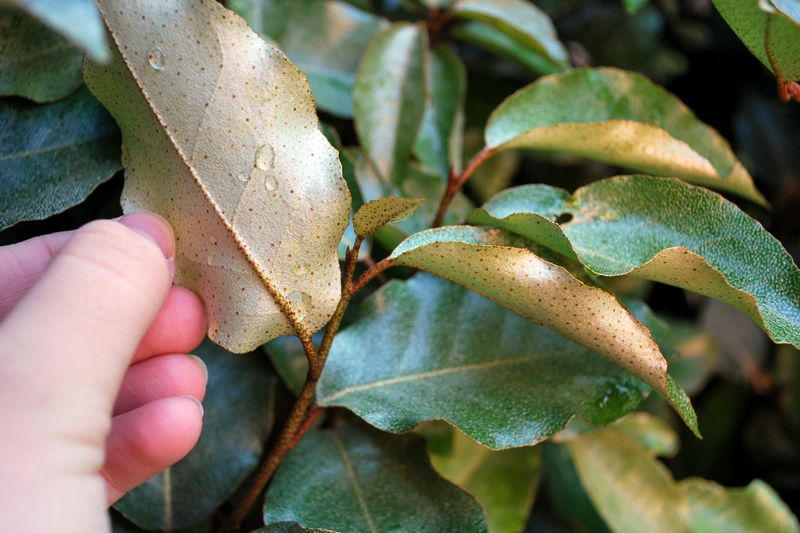
Flip a leaf over, and the mystery usually clears up fast.
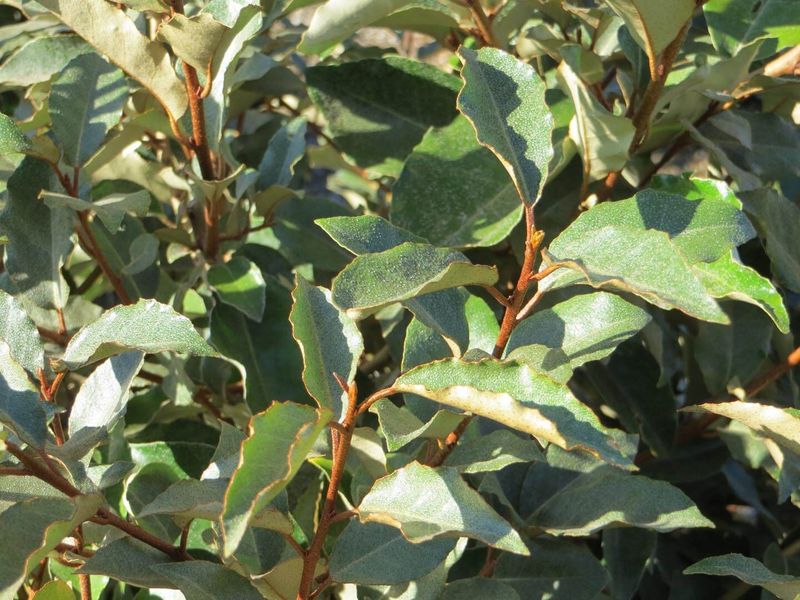
Thorny olive leaves are glossy green on top, but the undersides look silvery and are covered with tiny rusty brown dots. Those dots are actually small scales, and they give the leaf a speckled, almost metallic look.
No other common hedge in local yards has quite that same pattern.
Leaves are oval, about two to four inches long, with edges that often look slightly wavy. Young stems also carry those same brown scales, so they can look a bit rusty too.
Gardeners in Georgia sometimes mix it up with Russian olive or autumn olive, which are related invasive plants.
Autumn olive drops its leaves in winter, while thorny olive stays green all year. Russian olive has narrow, willow-like leaves, so shape helps you tell them apart.
A quick checklist can save time when you walk your property.
Look for evergreen leaves, silvery speckled undersides, and long arching shoots that stick out from the shrub. When all three show up together, there is a good chance you are looking at thorny olive.
A local Extension agent can confirm it if you still feel unsure.
4. Birds Spread The Seeds After Fruit Ripens In Spring
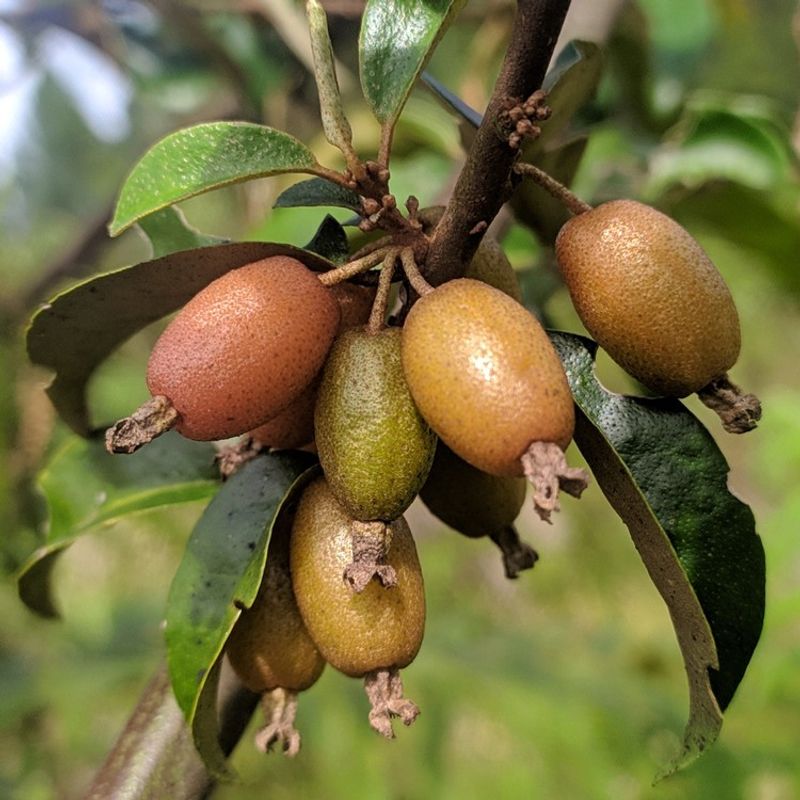
Fall flowers lead to a spring problem.
After blooming, thorny olive slowly forms small oval fruits over the winter. By spring, often around March or April in Georgia, they ripen to a reddish color with silvery or brown speckles.
Birds notice right away. Mockingbirds, robins, and cedar waxwings are among the birds that may feast on the fruit.
Seeds pass through the birds and land wherever they perch next.
That might be a fence line, a forest edge, or a stream bank miles away from the original hedge. Your tidy yard planting can end up seeding a patch of woods you have never seen.
Seedlings handle shade fairly well, so they can sprout under tree canopies where many weedy plants struggle.
Once established, they compete with native shrubs and young trees for light and space. Over years, that can change how a woodland looks and which wildlife uses it.
Keep an eye on the ground around your shrub and along nearby edges each spring.
Small seedlings pull out easily when the soil is moist, especially after a good rain. Catching them while they are a few inches tall takes minutes, while waiting a few years can mean digging out woody roots.
5. Sharp Thorns And Fast Growth Can Create Dense Thickets
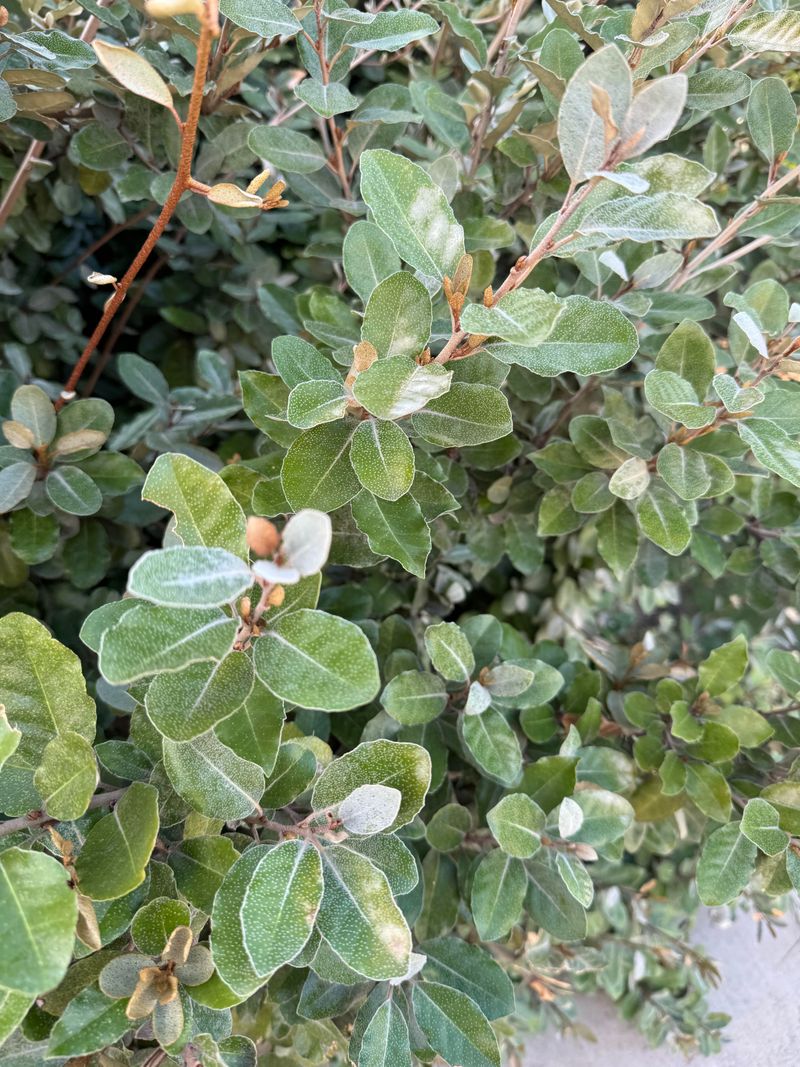
Ignore one shrub for a few seasons, and it may swallow the corner of your yard.
Thorny olive grows quickly, and it sends out long whip-like shoots that arch over and tangle with other plants. Left alone, a single plant can reach 10 to 15 feet tall and about as wide.
Those shoots sometimes climb into nearby trees, using them for support like a loose vine.
Thorns add another headache. Not every branch has them, but stiff, sharp spurs often appear along older stems.
Pruning an overgrown hedge without gloves is a lesson most people learn once.
Out in the woods, these thickets can become hard for people to walk through. They also shade the ground heavily, which leaves less room for native wildflowers and seedlings to grow.
Frequent trimming keeps the plant smaller, though it may not stop flowering or fruiting entirely.
If you plan to keep an existing hedge for now, trim the long shoots regularly. Wear thick gloves, safety glasses, and long sleeves, and use sharp loppers for cleaner cuts.
Bagging the trimmings is a smart idea if any fruit is present, since seeds can still spread.
6. Removing Shrubs Before Spring Fruit Ripens Slows Its Spread
Timing matters more than muscle with this job.
Removing thorny olive in fall or winter, before the fruit ripens in spring, stops that year’s seeds from reaching birds. In Georgia, late winter is often a comfortable time for yard work anyway.
Small plants can usually be pulled or dug out by hand. Try to get as much of the root as you can, since leftover roots may resprout.
Larger shrubs are tougher, and they often grow back from the stump after cutting.
Extension services commonly suggest cutting the stem low, then treating the fresh stump with a labeled herbicide right away. Products containing glyphosate or triclopyr are often mentioned for this approach.
Read and follow the label every time, because rules and rates vary by product.
Results depend on plant size, weather, and how quickly the stump is treated. Some stumps still send up sprouts, so plan to check the area for a season or two.
Wear gloves and eye protection while cutting, since thorns and flying wood chips can cause injuries.
For very large thickets, a licensed landscaper or local invasive plant group may be worth contacting. They can suggest options suited to your property and nearby waterways.
7. Native Wax Myrtle Or Yaupon Can Take Its Place In Hedges
Pulling out a hedge leaves a gap, but it also opens up a better option.
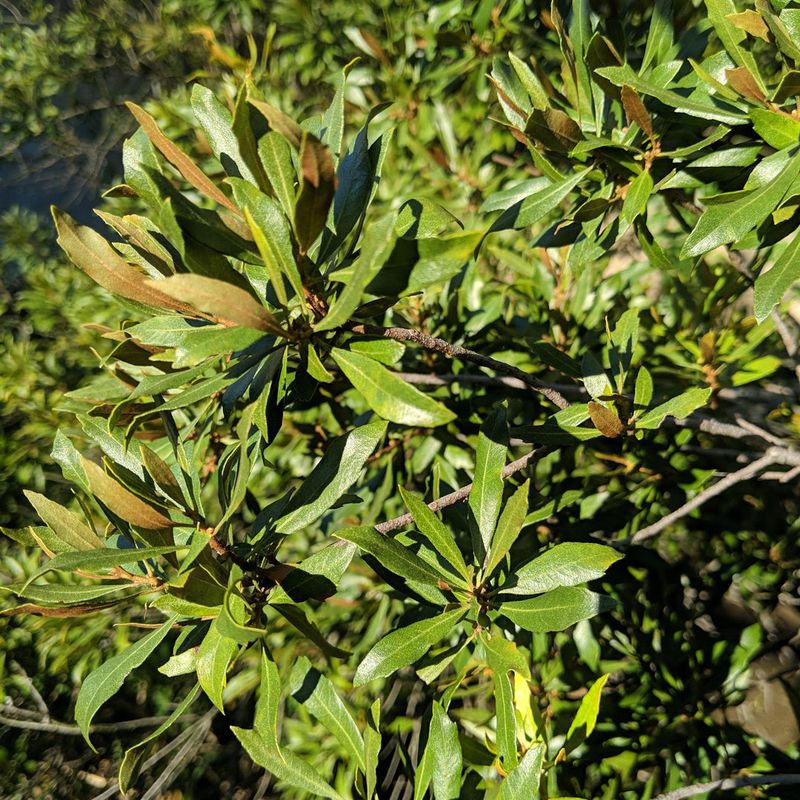
Wax myrtle is a native evergreen shrub that grows fast and makes a solid privacy screen. Its leaves have a pleasant spicy scent when crushed, and female plants produce small waxy berries birds enjoy.
Yaupon holly is another strong choice that is native to much of Georgia.
Female yaupon plants carry bright red berries through fall and winter, adding color when many yards look plain. Dwarf types work well for low borders, while taller forms can fill out a screen.
Both shrubs generally handle heat and humidity well once established.
Wax myrtle often tolerates wet spots, while yaupon can handle drier soil, so look at your site before choosing. Growth rates still depend on sun, water, and soil conditions in your yard.
Water new plantings regularly during their first summer to help roots settle in.
Fall and early winter are good planting times in much of the South, since cooler weather eases stress on young shrubs. Local native plant nurseries can point you toward varieties that suit your area.
Swapping just one hedge can give birds better food and keep invasive seeds out of nearby woods.