Don’t Cut Down These New York Trees Unless You Want A Fine
That chainsaw buzz can sound like an expensive mistake. Across New York, plenty of trees come with legal strings attached, even on your own property.
Some belong to the city, some sit near protected wetlands, and some shelter tiny tenants with wings. One wrong cut can bring fines into the thousands.
The rules shift from Brooklyn sidewalks to Long Island villages to state forest land upstate. A tree that’s fair game in one town can be off-limits in the next.
Knowing the basics can save you money, stress, and maybe a beloved old oak. A few minutes now beats a court date later.
1. Street Trees In New York City
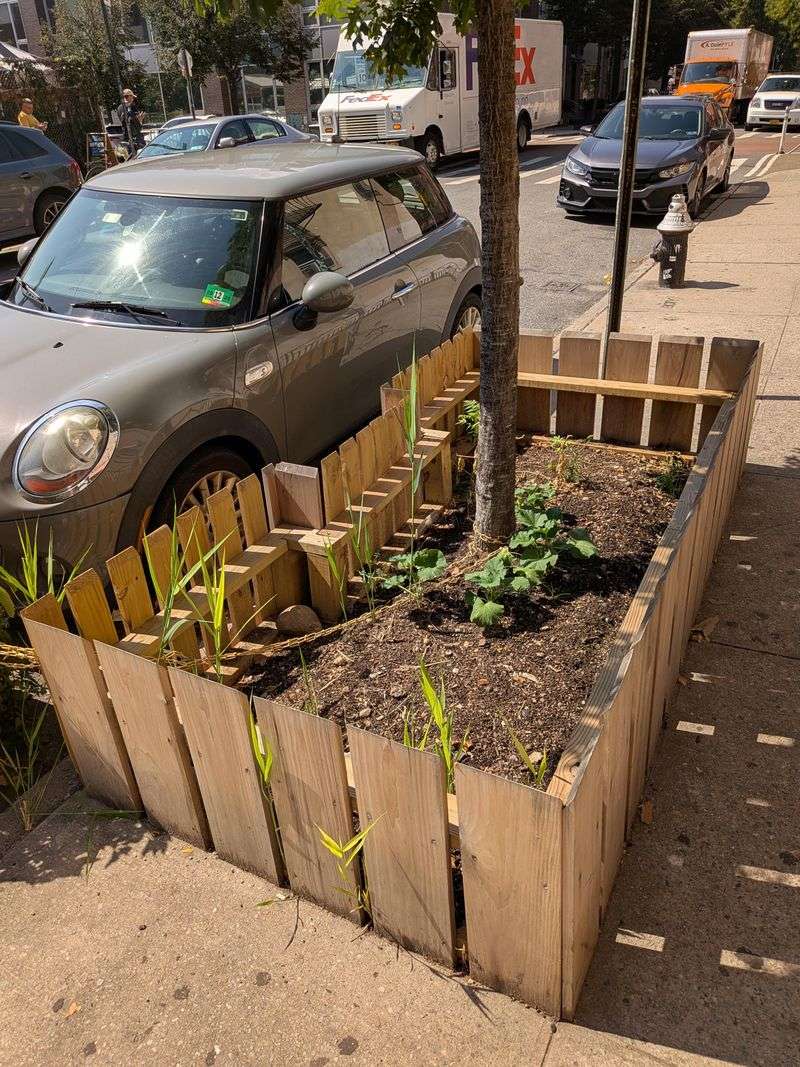
Picture a leafy London plane shading your Brooklyn stoop on a hot July afternoon. It feels like yours, but legally it belongs to the city.
NYC Parks owns every street tree, including those between the curb and sidewalk. You cannot prune, fertilize, or remove one without a Parks permit.
Plenty of homeowners learn this the hard way after hiring a crew. Skipping the permit for work near a city tree can bring fines up to $1,000.
Jail time is possible too, with up to 90 days on the table. Most people are shocked that a simple trim carries such weight.
Removing a street tree or badly harming it is a far bigger deal. Penalties can reach $15,000 plus up to one year behind bars.
Some illegal removals in New York City have led to fines as high as $150,000. A single trunk can cost more than a new car.
Got a branch scraping your window or roots lifting the sidewalk? Call 311 or file a service request on the NYC Parks website instead.
City foresters inspect trees and handle pruning at no charge to you. Waiting can feel slow, but it beats a court date by a mile.
Here is a handy tip for contractors and renovators alike. Ask Parks about tree protection rules before any sidewalk, curb, or construction job begins.
Fencing off the tree pit and keeping heavy equipment away protects roots. Your block keeps its shade, and your wallet stays nice and full.
2. Park Trees Owned By The City
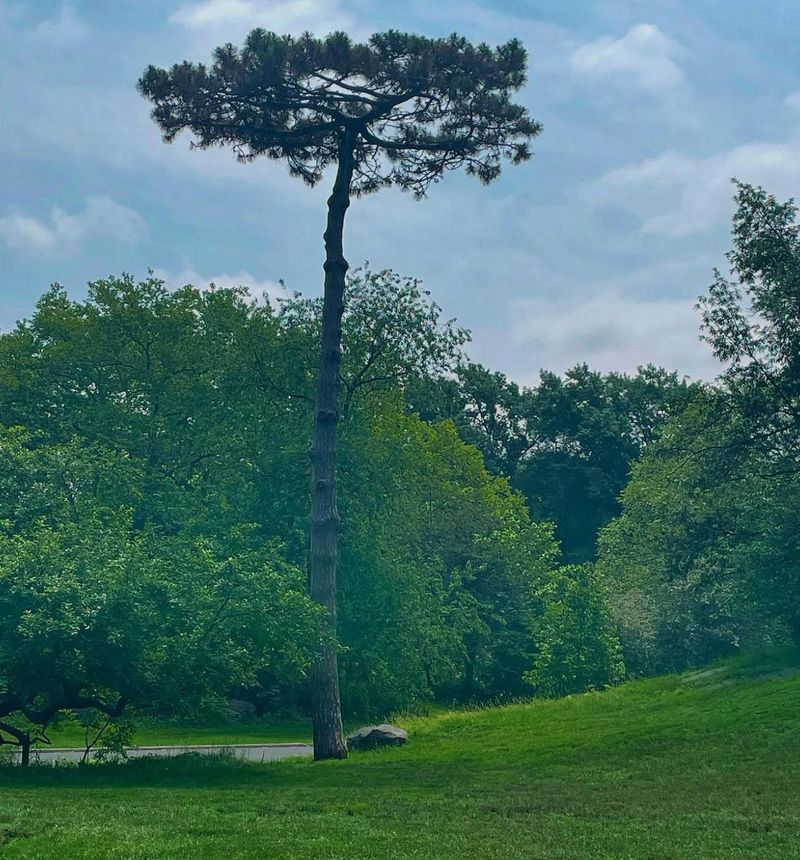
Central Park’s elms have watched over picnics, proposals, and pickup games for generations. Every one of them carries serious legal protection.
Trees under NYC Parks jurisdiction are shielded from all forms of damage. Cutting, removing, or harming them requires direct permission from the Parks Commissioner.
Breaking that rule counts as a misdemeanor in the eyes of the law. Offenders can face up to six months in jail or a $15,000 fine.
Both penalties can land at once, which stings even more. Judges take park trees seriously because so many people share and enjoy them.
Here is the surprising part that trips up many visitors. The legal meaning of destroy includes carving initials, snapping limbs, or pruning without approval.
So that heart with two names etched into bark? Technically, it could count as damaging city property and lead to a hefty penalty.
Your New York Garden Changes Every Week. Your Plan Should Too.
Gardening in New York changes quickly throughout the season. Every Friday you’ll receive a simple weekly plan showing exactly what to plant, prune, fertilize, harvest, and protect so you never miss the right timing.
Neighbors next to parks sometimes want to trim branches hanging over fences. Contact NYC Parks first, since those limbs still belong to the city.
Event planners should also be careful with lights, banners, and stakes. Nailing or tying items to trunks can wound bark and invite costly trouble.
Fun fact for history fans who love a good park stroll. Central Park holds one of the largest remaining stands of American elms in the country.
Many of those giants survived Dutch elm disease thanks to careful city care. Treat them gently, and they will shade future visitors for decades more.
3. Trees Over A Set Diameter In Many Long Island Villages
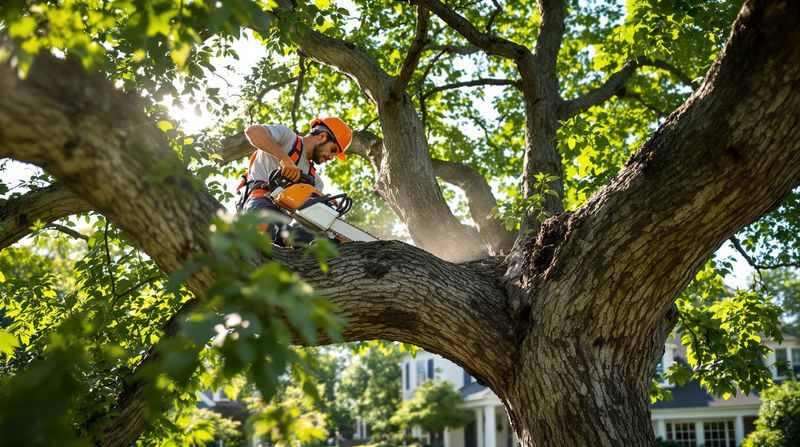
Grab a tape measure before you grab a saw on Long Island. That trunk might be bigger than the law allows you to remove freely.
Rules here change from county to town to village with no single standard. Your neighbor across the village line might follow totally different rules.
Many Nassau County villages require a permit for trees six inches or wider. Measurement happens at breast height, about four and a half feet up.
Arborists call this number DBH, short for diameter at breast height. A six-inch trunk is only about the width of a dinner plate.
Skipping the permit can bring fines up to $10,000 in some places. Stop-work orders can also freeze your whole project while costs keep climbing.
Valley Stream offers one real example of local enforcement. Violators there may face a $250 fine or up to 15 days in jail.
Want an easy way to stay safe? Call your village hall and ask which trees need a permit before booking a tree service.
Many villages post applications online, and some require replacement plantings. Planting a new sapling often satisfies the board and freshens up your yard.
Here is one extra pro tip worth remembering. Ask your tree company whether it pulls permits, then request a copy for your records.
Reputable crews know local codes and will not cut without paperwork. Any company shrugging off permits is waving a bright red flag.
4. Trees Along Certain Town Highways
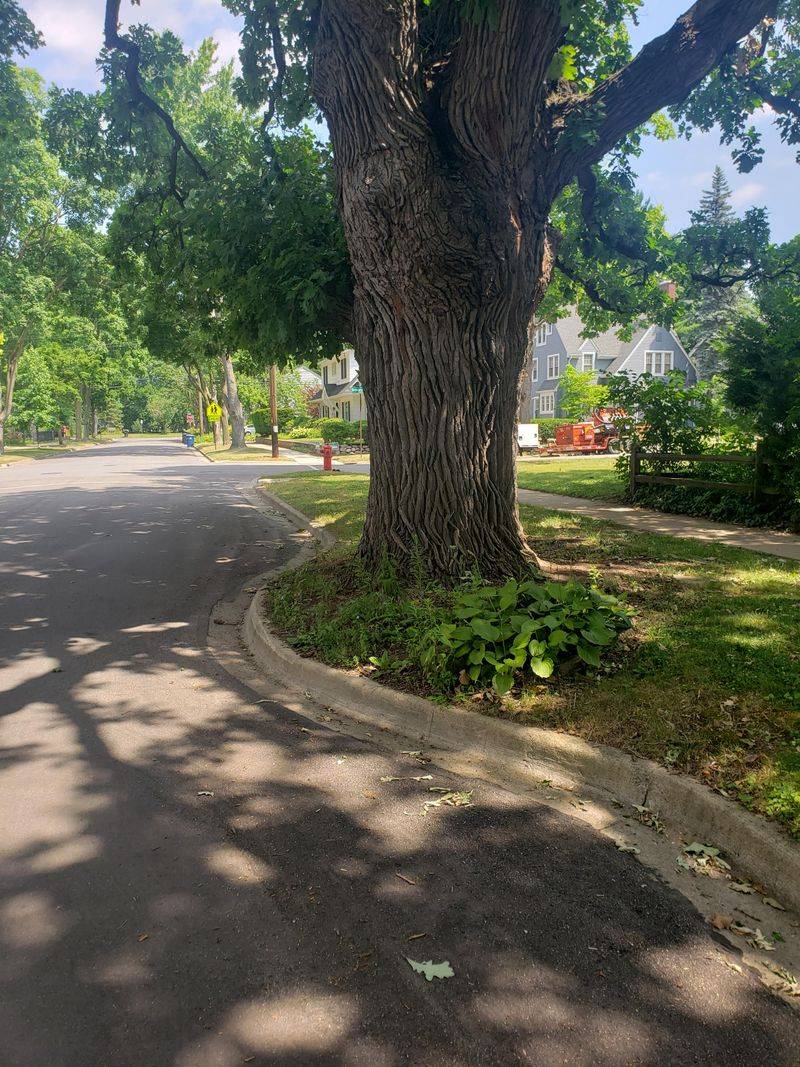
Old roadside maples have greeted drivers on country lanes for over a century. Even if they grow near your mailbox, you may not cut them alone.
New York Highway Law covers trees within highway boundaries. Generally, the adjacent landowner can make proper use of those trees and their shade.
Removing a growing tree is another story, though. Written consent from the right authority is required before any trunk comes down.
Who signs off depends on the type of road out front. State highways need approval from the Commissioner of Transportation.
County roads require the county superintendent’s consent instead. Town highways call for the town superintendent’s written approval.
Many people do not realize the highway boundary extends past the pavement. It often stretches well into what looks like your front lawn.
Here is a practical first step for any roadside project. Check your property survey to see where the right-of-way actually ends.
Next, call your town highway department and explain your plans. Ask for consent in writing, and keep that letter somewhere safe.
Leaning trees or hanging limbs can threaten cars and power lines. Report hazards to the road authority, which may handle removal itself.
Patience pays off with roadside trees. A short phone call can prevent penalties and keep your country road beautifully shaded.
5. Trees Inside Wetland Buffers
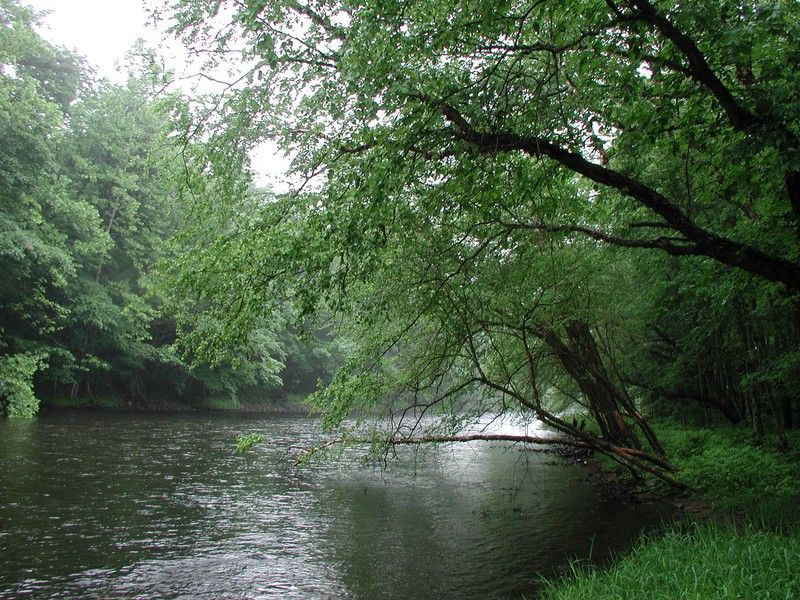
Frogs croak, herons glide, and red maples soak up marsh water. Wetland edges look peaceful, yet they hide some of the strictest tree rules around.
Homes within 100 feet of wetlands often need environmental review for tree removal. Long Island properties near ponds, creeks, and bays frequently fall into this zone.
Trees in these buffers act like natural sponges and filters. Roots hold soil in place and slow runoff before it reaches the water.
Pull them out, and erosion and pollution can quickly follow. Lawmakers protect them because healthy wetlands help prevent floods for everyone nearby.
Certain designated wetlands across the state require a state permit for any work. The Department of Environmental Conservation oversees these mapped areas.
Local towns may add their own layer of rules. Brookhaven, for example, has regulations governing timber harvesting inside wetland buffers.
Not sure whether your yard qualifies? Check the DEC Environmental Resource Mapper online, which shows regulated wetlands and their approximate boundaries.
Give your town’s environmental office a quick call as well. Staff can explain local buffer widths and whether a review is needed.
Planning a view clearing toward the water? Ask about selective pruning, which officials often approve more readily than full removal.
Planting native shrubs can earn goodwill with regulators too. You keep your view while wildlife keeps its home, which feels like a fair trade.
6. Trees Protected By Conservation Easements
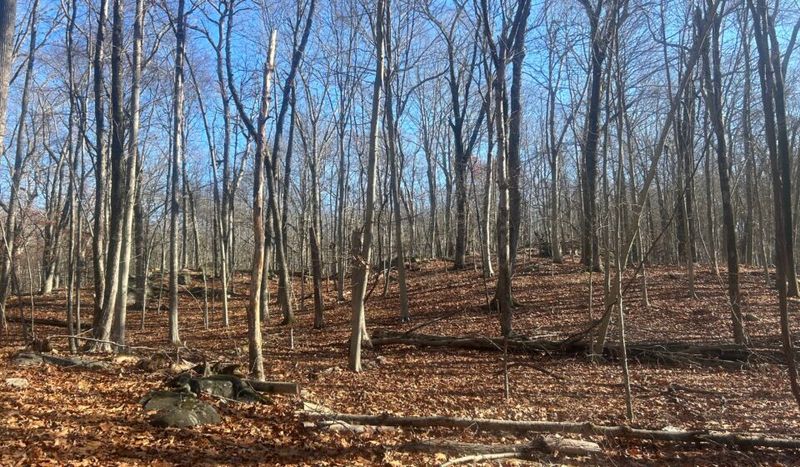
Buying land with towering oaks feels like a dream come true. Then you find a conservation easement buried in the deed paperwork.
Easements legally protect land, including its trees, from certain changes or development. They stay attached to the property even after it sells.
Many landowners place easements with land trusts to preserve open space. Some receive tax benefits for promising to keep forests intact.
Future owners inherit those promises, whether they love them or not. Ignoring the terms can spark legal action from the land trust or agency.
Courts may order costly restoration, like replanting trees and repairing soil. Significant financial penalties can follow as well, depending on the case.
Exact fines vary based on the easement agreement and later court rulings. No standard price tag exists, which makes the risk hard to predict.
Here is your best defense before any chainsaw work. Read the easement document carefully, focusing on sections about forestry, clearing, and building areas.
Some easements allow firewood cutting or approved forest management plans. Others limit activity to small zones near the house.
Call the easement holder directly with your questions. Land trusts usually prefer friendly conversations over courtrooms, and many offer helpful advice.
Thinking of buying rural land in the Hudson Valley or Finger Lakes? Ask your attorney to flag any easements before closing day arrives.
7. Boundary Trees Shared With A Neighbor
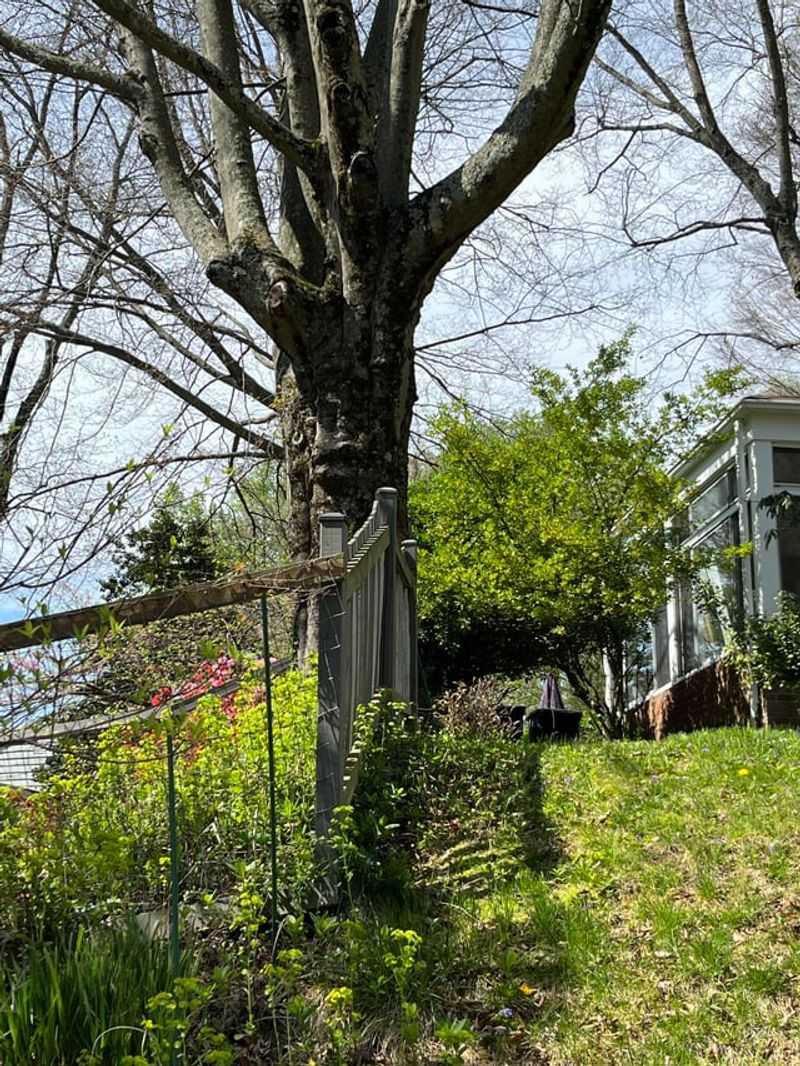
Some friendships survive everything except a disputed oak tree. When a trunk straddles the property line, emotions can climb as high as the branches.
New York treats a tree whose trunk sits on the line as jointly owned. Both neighbors share it, like a leafy timeshare nobody signed up for.
Trimming or removing that tree requires consent from both owners. Acting alone could invite a lawsuit and a chilly backyard relationship.
Cutting trees on someone else’s land carries real money risks. Liability can reach triple the stumpage value or $250 per tree.
Restoration expenses can be added on top of that amount. A quick cleanup job could turn into a surprisingly large bill.
Overhanging branches have their own rules worth knowing. You may trim limbs and roots back to your property line.
However, you cannot step onto your neighbor’s land to do it. Damage that harms the tree or causes decline could cost three times its value.
Here is a friendly approach that usually works best. Knock on your neighbor’s door, share your concerns, and listen to theirs.
Hiring a certified arborist can settle debates about health and safety. Splitting the cost often feels fair and keeps things calm.
Put any agreement in writing, even a simple signed note. Clear records protect everyone if property sells or memories fade later.
8. Trees On HOA Or Rental Properties
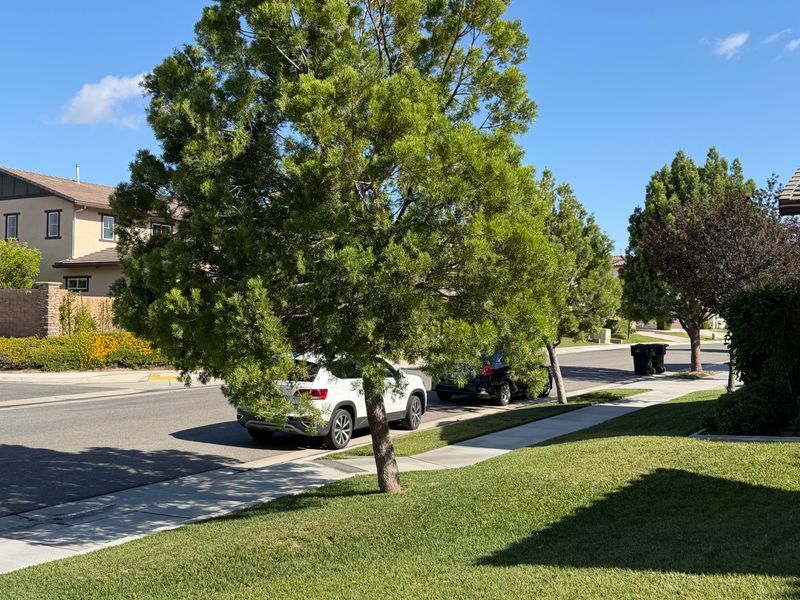
Renting a cute townhouse with a shady backyard sounds perfect. Just do not assume that backyard tree is yours to remove.
New York State law has few specific statutes about trees on HOA or rental properties. Instead, private agreements usually set the rules.
Homeowners’ associations spell out tree policies in their bylaws and covenants. Many require board approval before any removal or major pruning.
Breaking those rules can lead to association fines or forced replacement. Some HOAs even place liens on homes when penalties go unpaid.
Renters face a different set of risks entirely. Lease agreements often say landscaping belongs to the landlord, not the tenant.
Cutting a tree without permission could cost your security deposit. It might also break your lease, which creates a far bigger headache.
Here is a smart move before you touch anything. Pull out your lease or HOA documents and search for words like landscaping or trees.
Email your landlord or board to request written approval. A paper trail protects you if anyone questions the work later.
Local ordinances still apply on top of private rules. A village permit might be needed even after your HOA gives the green light.
Worried about a hazardous limb near your bedroom window? Report it in writing right away, since landlords often handle safety repairs themselves.
9. Trees On State Forest Preserve Land
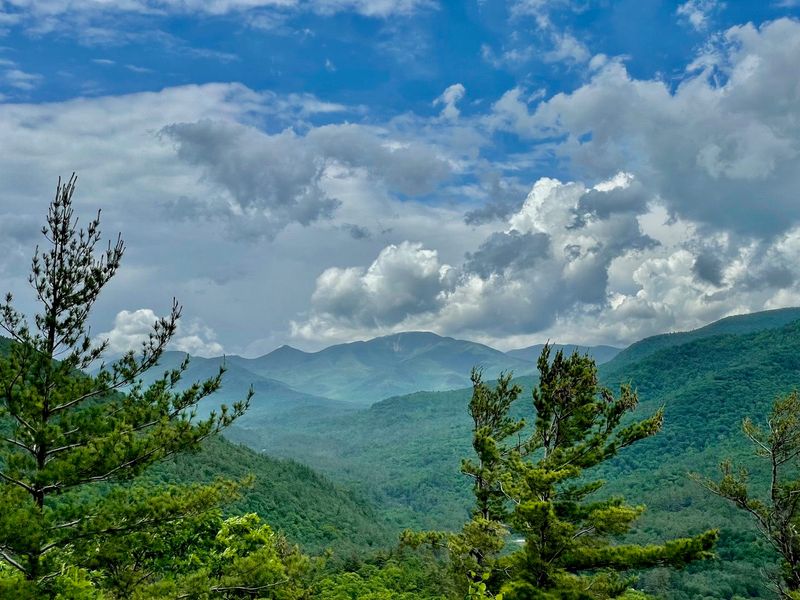
Forever wild is more than a catchy slogan in the Adirondacks. It is written right into the New York State Constitution.
That 1894 promise protects millions of acres in the Adirondack and Catskill Forest Preserves. Few places in the country guard their woods so fiercely.
State Environmental Conservation Law forbids cutting, removing, or injuring trees there. Even small saplings get legal protection under these rules.
Unauthorized cutting of live trees is explicitly prohibited for visitors. Building new trails without approval is banned too, which surprises some hikers.
Campers often want fresh branches for fires or shelters. Gather only decaying and down wood instead, and leave standing trees untouched.
Neighbors next to preserve land should know where boundaries sit. Yellow state land signs mark the edges, so watch for them carefully.
Permits come into play for certain nearby activities as well. Crossing classified streams or working in designated wetlands within these areas needs approval.
General timber harvesting elsewhere may not need a state permit. Preserve land, however, stays off-limits to logging altogether.
Planning a trip with scouts or friends? Review DEC camping rules ahead of time and pack a small camp stove.
Stoves reduce the temptation to hack at branches for fuel. Your campsite stays tidy, and the forest stays wild for the next adventurers.
10. Trees Where Bats Or Nesting Birds Live
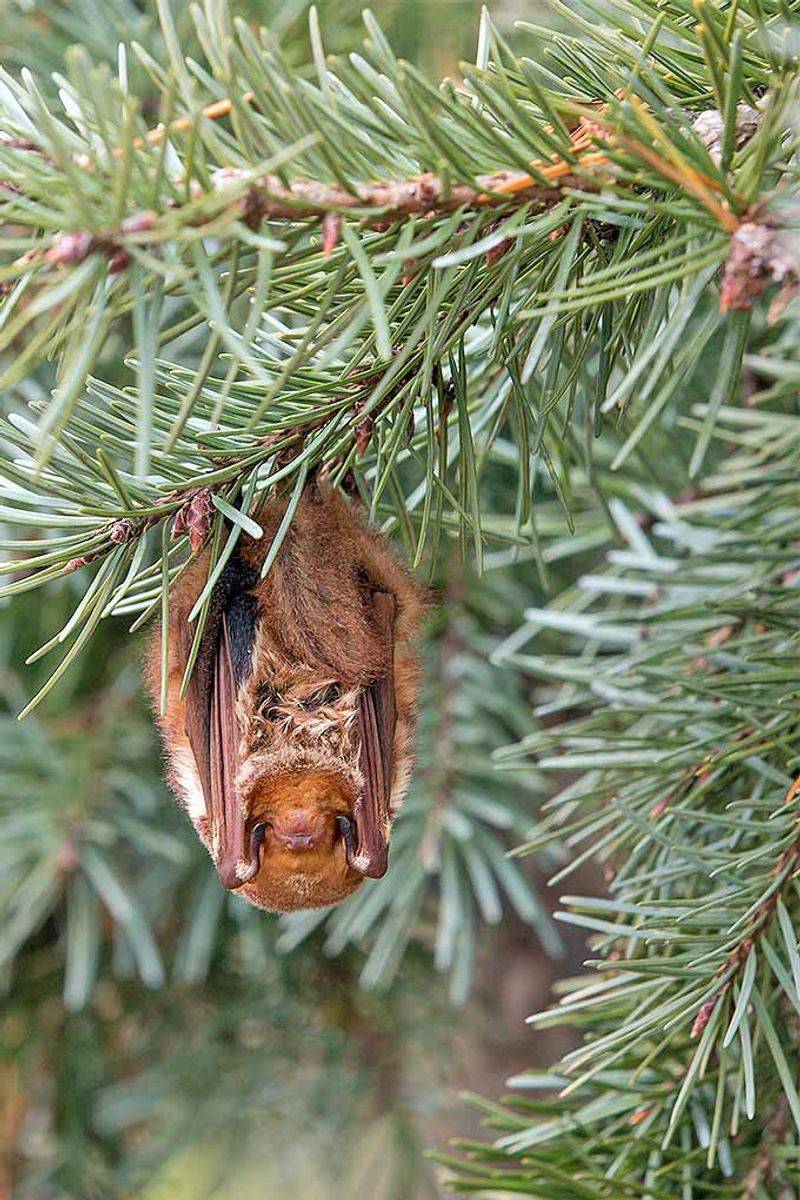
Tiny squeaks at dusk or chirping chicks in spring might be your warning signal. Wildlife tenants can turn an ordinary tree into a legally protected home.
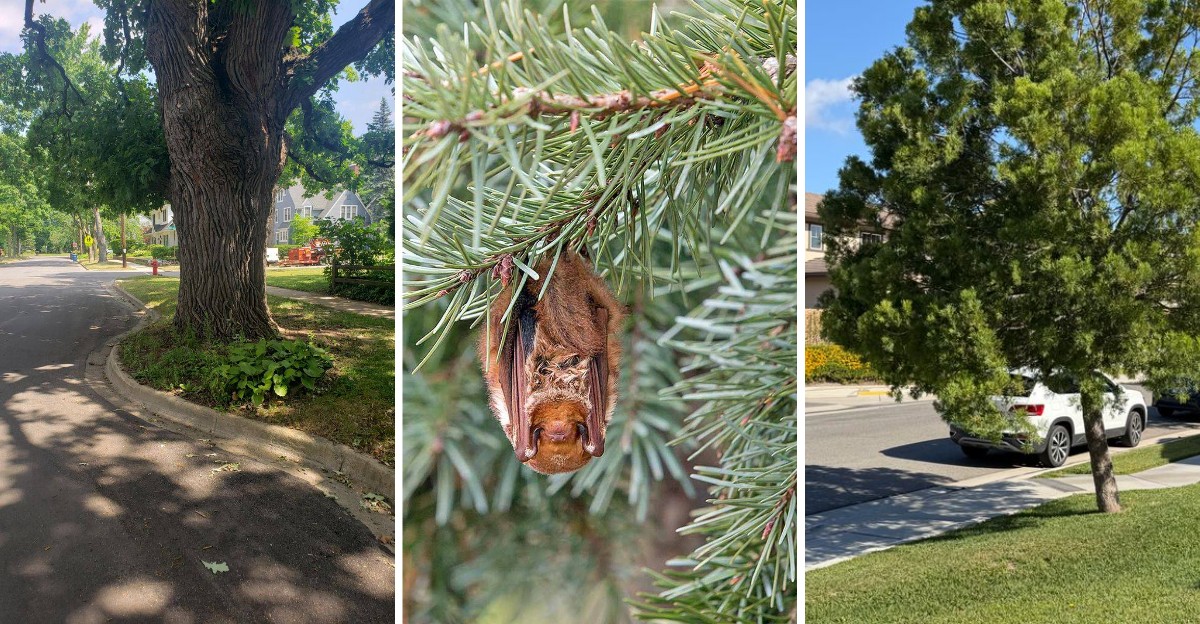
The Northern long-eared bat is federally listed and protected throughout the state. State and federal laws both regulate cutting where these bats roost.
Rules restrict tree cutting near known hibernation sites, which are often caves or old mines. Limits also apply near documented roost trees, especially during the summer pup season, so check with DEC before clearing trees where these bats live.
Harming these bats can bring huge penalties under the Endangered Species Act. Civil fines can reach $61,982, while criminal cases risk jail time.
Birds get strong protection too, thanks to the Migratory Bird Treaty Act. Active nests with eggs or chicks cannot be disturbed without a federal permit.
Misdemeanor violations can cost up to $15,000 under that law. Felony cases carry even steeper fines and up to two years in prison.
Here is the simplest strategy for avoiding trouble. Schedule tree work in late fall or winter, when nests sit empty and bats hibernate.
Before cutting, scan branches and cavities carefully with binoculars. Hire an arborist who checks for wildlife as part of the job.
Spot an active nest? Wait a few weeks until the babies fledge, then move forward with a clear conscience.