Sow These Texas Wildflower Seeds This Fall For A Colorful Spring
You decide April’s color in October, months before a single petal appears. Scatter Texas bluebonnet seed across bare soil, and the clock starts. Roots settle into the dark while you focus on other plans.
Cold rain softens the seed coats, and you gain a head start. Planting by early November often gives you sturdy March seedlings.
Expect scarlet paintbrush and bluebonnets in spring, then golden coreopsis by summer. Bees often find your blooms within days. Butterflies follow, and you may spot hummingbirds hovering at dawn.
Drivers may pause, and you may hear camera shutters clicking. Neighbors may ask what you planted.
Texas winters reward you for sowing early with deeper roots. Clear the bed so seed touches bare soil directly. Press the seed in gently, then water lightly. Pick a sunny patch, and strangers may slow down for your mailbox.
1. Texas Bluebonnet For Classic Blue Fields
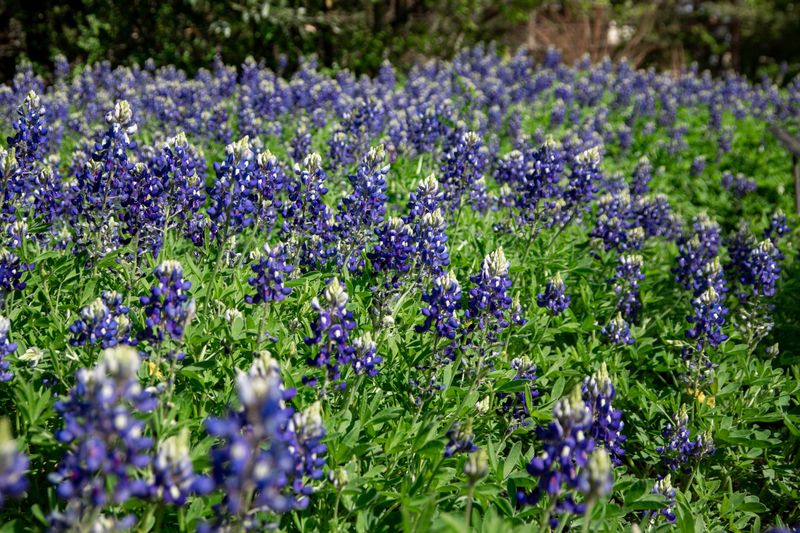
Ask any Texan to name a spring flower, and plenty will say bluebonnet right away. This beloved state flower can turn highways into rivers of blue each spring across Texas.
Bluebonnets have a hard, tough seed coat, so they need time in the soil before sprouting. Sowing them in October, or a bit earlier in south Texas and later in the north, gives them a full winter to soften up.
Pick a sunny spot with soil that drains quickly after a heavy rain. These plants dislike waterlogged soil, so skip any low corner where puddles sit for days.
Before planting, you can scratch the seeds lightly with sandpaper to help water get inside. Some gardeners also soak them overnight in warm water, though fall sowing often makes this unnecessary.
Scatter the seeds on bare, raked ground, then press them down firmly with your feet. Good contact with the soil matters much more than burying them deep under a thick layer.
Over the cool winter months, you will see small, fuzzy leaves forming flat rosettes near the ground. Leave them alone, because those little green stars are building strong roots.
Water lightly if fall turns dry, but try not to fuss over them. Bluebonnets bloom best in lean, rocky soil without heavy fertilizer. The seeds are toxic if eaten, so keep them away from kids and pets.
After blooming ends, let the fuzzy seed pods dry and pop open on their own. That way, next spring’s blue carpet can plant itself with little extra work from you, as long as you skip early mowing.
2. Texas Paintbrush For Fiery Red Tips
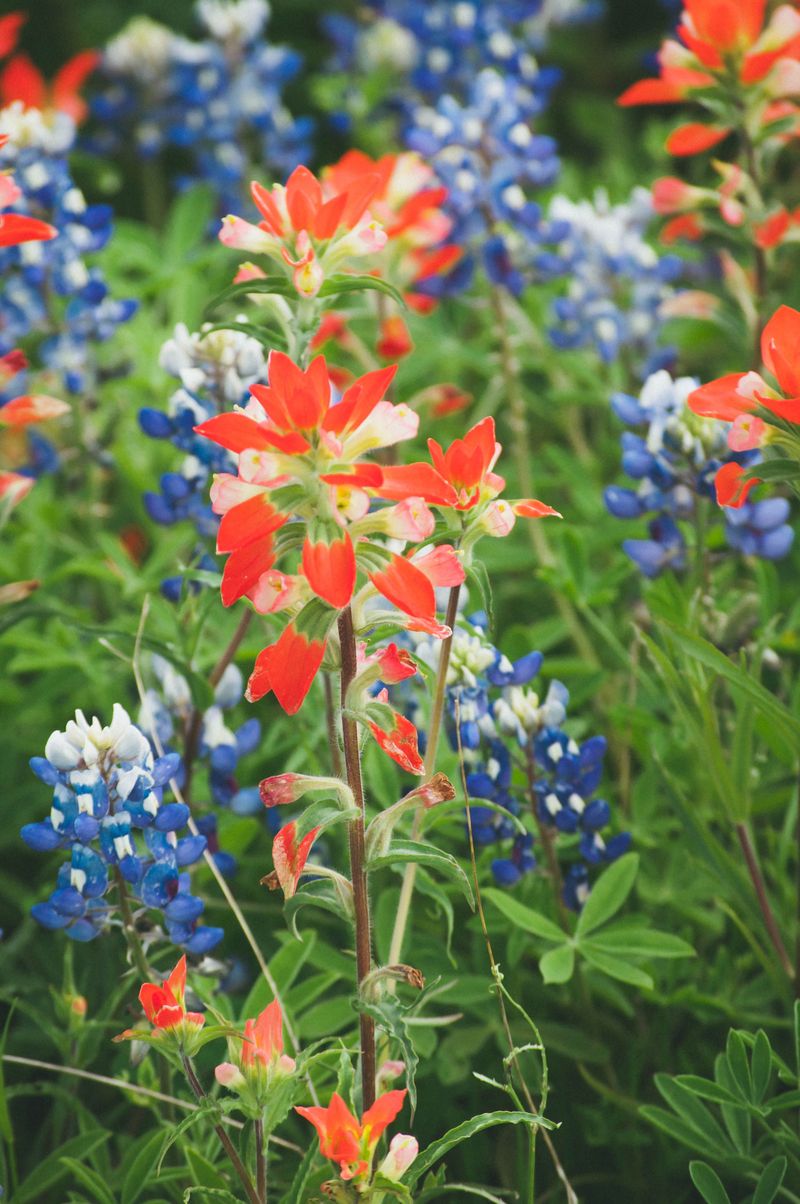
One legend says a young artist painted a sunset, and his brushes sprouted into these flowers. Paintbrush still looks like someone dipped green stems into bright orange-red paint.
The colorful parts are not petals at all, but special leaves called bracts. The real flowers hide inside them and are small, pale, and easy to miss.
The quirky part is how it borrows from its neighbors. Its roots tap into nearby grasses and bluebonnets and take some of their water and nutrients.
Your Texas Garden Changes Every Week. Your Plan Should Too.
Gardening in Texas changes quickly throughout the season. Every Friday you’ll receive a simple weekly plan showing exactly what to plant, prune, fertilize, harvest, and protect so you never miss the right timing.
Because of that habit, sow paintbrush seeds mixed with bluebonnets or native grasses. Planting them alone often leads to weak plants, and even paired seed can be slow to establish.
The seeds are tiny, almost like dust, so mix them with sand before scattering. That trick helps you spread them evenly instead of dumping them in one clump.
Do not cover the seeds with soil, because they need light to sprout. Just press them gently onto the surface and let fall rains handle the rest.
Full sun and well-drained ground make paintbrush happiest, much like many Texas natives. Expect blooms from March into May, often right alongside your blue flowers.
Paintbrush is a reseeding annual, so patience pays off over a few seasons. Red patches can grow bigger over the years as the plants reseed across your yard.
Hummingbirds are drawn to the bright red color and visit in early spring. Keep a chair nearby, because the show is worth watching with a glass of lemonade.
3. Firewheel For Bold Sunset Colors
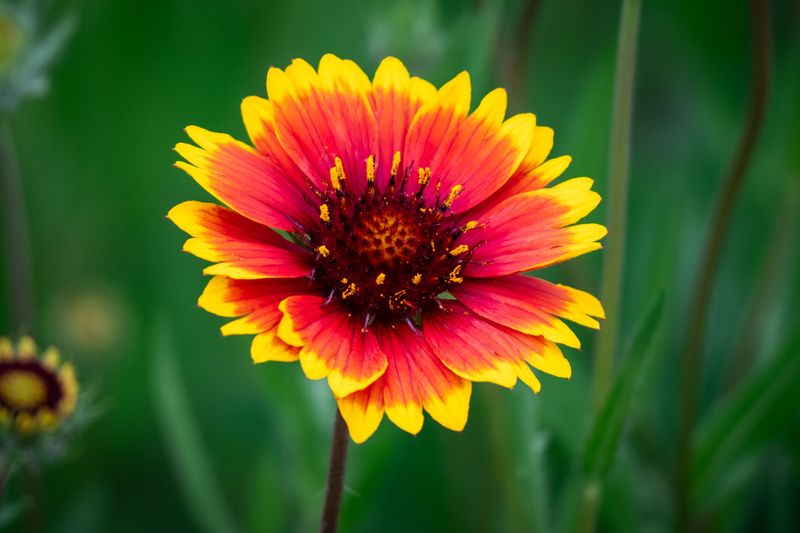
Picture a summer sunset folded into a single flower, and you have firewheel. Its deep red centers fade into sunny yellow tips, like a tiny striped quilt.
Folks also know it as Indian blanket, though firewheel fits its spinning look perfectly. Oklahoma even liked it enough to name it their official state wildflower.
This flower is among the toughest Texas plants. It shrugs off heat, drought, and sandy soil that would make other blooms wilt.
Sow seeds in October or early November on loose, sunny ground. Rake the soil lightly first so the seeds can nestle into small, shallow grooves.
Cover them with only a thin dusting of soil, about an eighth of an inch. Then water gently and let nature take over through the cool months.
Blooms usually show up in late spring and keep going strong well into hot summer. Some years, the flowers keep popping up until the first fall chill arrives.
Butterflies and bees visit these blooms often. Cutting a few for a vase also encourages the plant to make even more.
Avoid rich soil and heavy fertilizer, since pampered plants get floppy and bloom less. A little neglect keeps them short, sturdy, and bursting with color.
Plant them near a sidewalk or mailbox where passersby can enjoy the display. Kids often love counting the colorful stripes on each petal during evening walks.
4. Pink Evening Primrose For Soft Pink Carpets
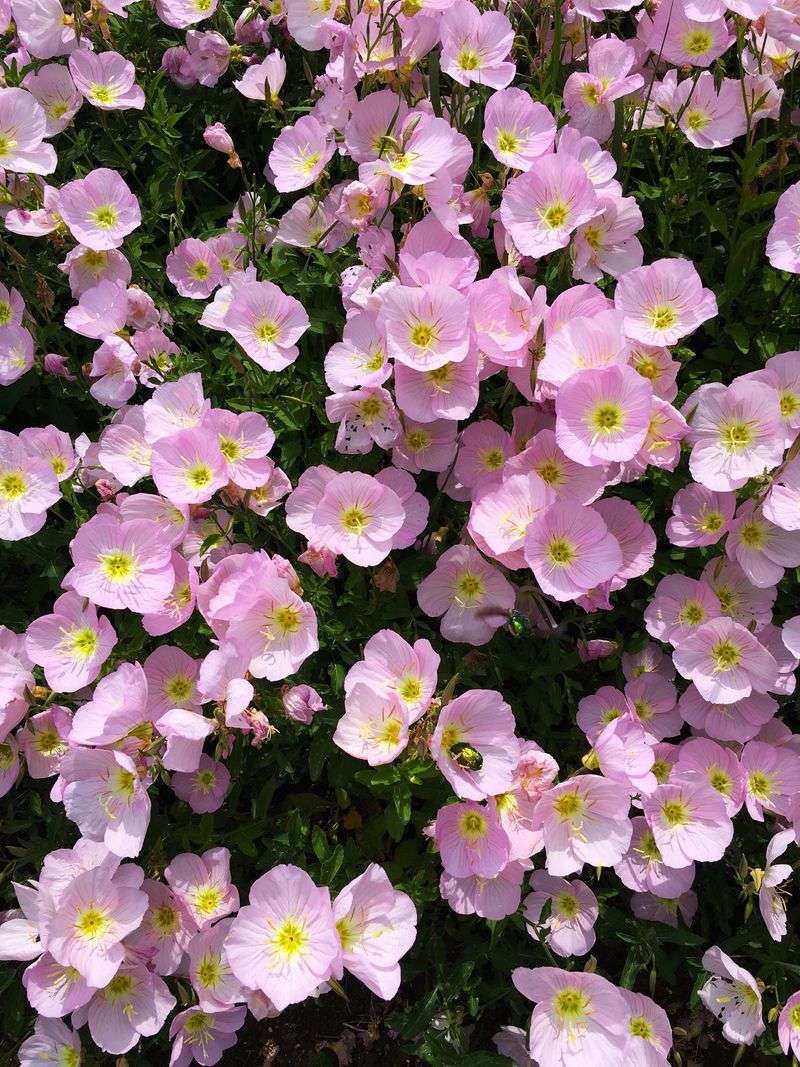
Plenty of Texans call them buttercups, though they are pink and not true buttercups. Many grew up picking these soft blooms along country roads.
Pink evening primrose opens wide, cup-shaped flowers in shades of blush, rose, and white. Each petal has delicate veins that look painted on with a fine brush.
Kids often sniff the yellow center, then laugh at the pollen on their noses. That dusty nose is a springtime memory for many Texas families.
Sow the seeds in fall on dry, sunny ground with poor or rocky soil. These plants thrive where fancy garden flowers would sulk and quickly give up.
The seeds are small, so sprinkle them on top and rake in lightly. A light sprinkle of water afterward helps them settle without washing away.
Once established, primrose spreads quickly through sneaky underground runners and dropped seeds. That makes it perfect for filling bare slopes, ditches, or tough corners of the yard.
Keep it away from tidy flower beds, though, because it loves to wander. Think of it as a friendly guest who sometimes stays a little too long.
Blooms appear from March or April through June, depending on region, with a faint, sweet scent. Despite the name, pink evening primrose stays open during the day for everyone to enjoy.
Extra water is needed only during long dry spells once the plants settle in. Otherwise, sit back and let the pink carpet roll out each spring.
5. Lemon Mint For Pollinator Parties
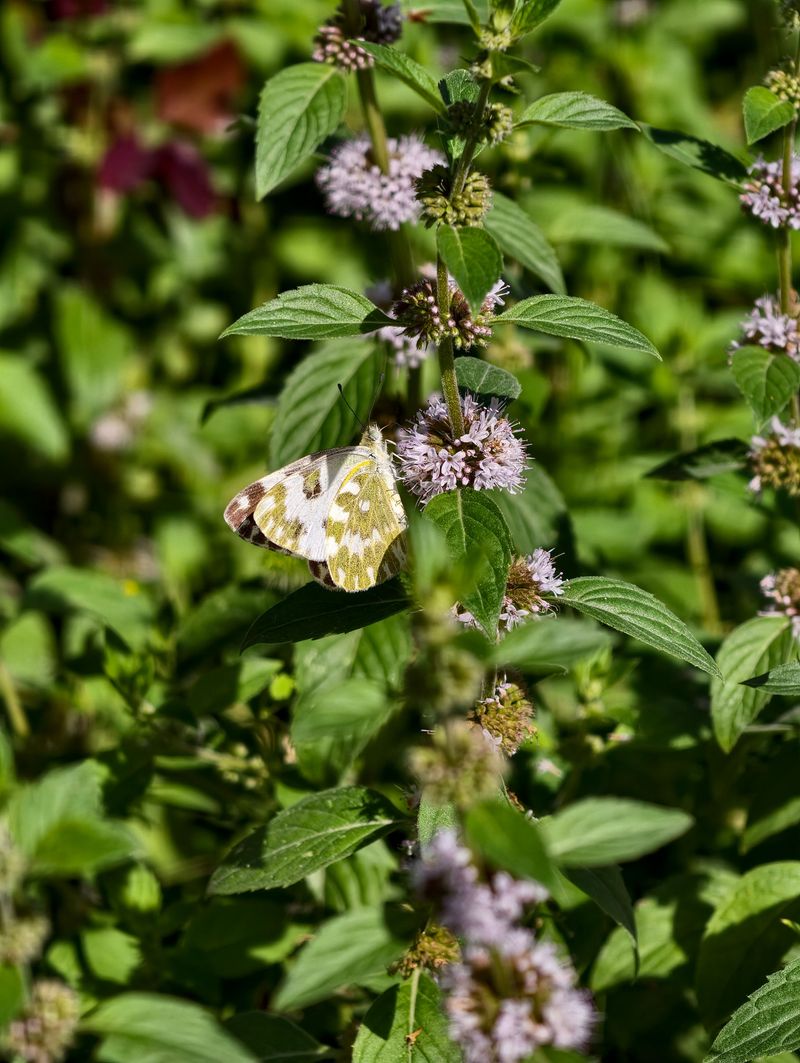
Rub a leaf between your fingers, and suddenly your hand smells like lemon candy. That zesty surprise is how lemon mint, also called lemon beebalm, got its name.
The flowers stack in fluffy purple tiers, like a tiny wedding cake on a stem. Each layer holds pale pink or lavender blooms dotted with tiny purple spots.
Bees, butterflies, and hummingbirds visit these blooms often. If you want a buzzing pollinator party, this plant sends out the invitations.
Lemon mint is an annual that grows best from seeds sown in fall. Early October planting lets seedlings build sturdy roots before the spring growth spurt.
Scatter the seeds on bare soil in a sunny spot and press them in. They need light to sprout, so skip covering them with a thick layer.
This plant handles poor, sandy, or rocky ground better than many garden flowers. It also tolerates hot Texas weather once late May rolls around.
Plants grow one to three feet tall, making them great for the back of a bed. They bloom in May and June, after bluebonnets fade, so pair them with plains coreopsis for a layered look.
Deer usually leave lemon mint alone because of its strong citrus smell. That is welcome news for anyone tired of hungry visitors munching on their flowers.
Let a few heads dry in early summer so seeds fall back to the ground. Next year, a fresh crop of fragrant plants may be waiting.
6. Plains Coreopsis For Bright Golden Waves
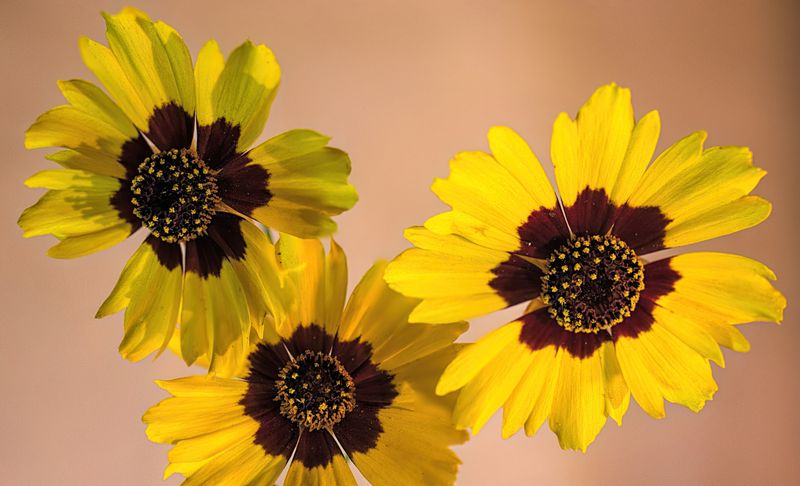
Plains coreopsis can sprout, bloom, and drop seed within a single season. That speed makes it a friendly Texas wildflower for beginners.
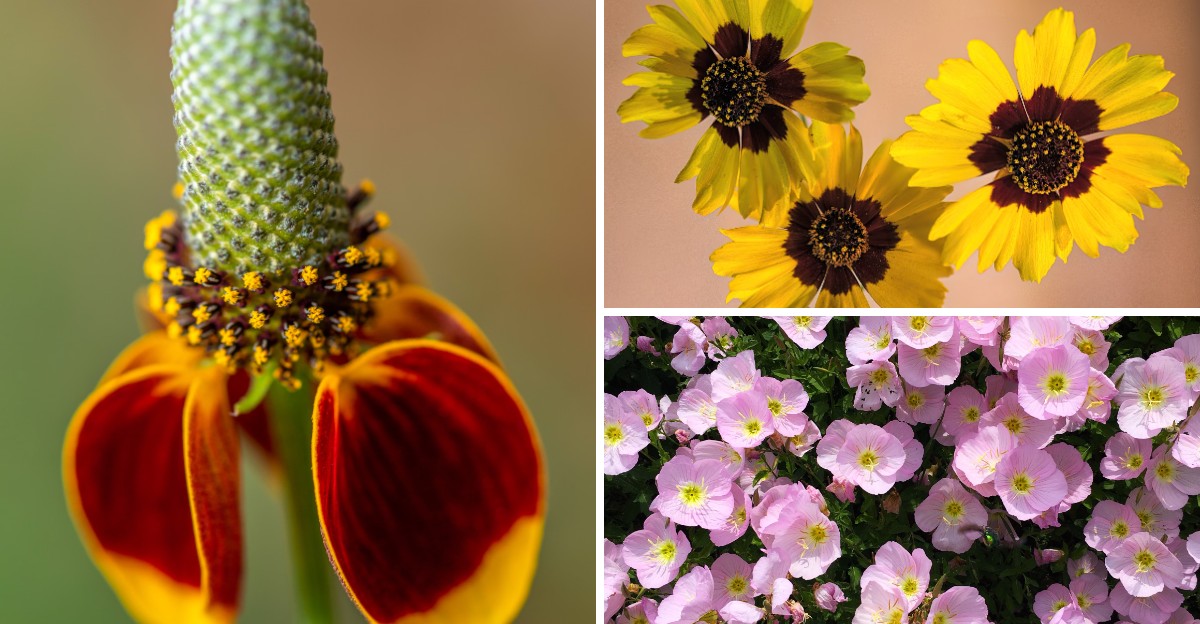
Each flower has bright golden petals around a deep maroon center. From a distance, a patch looks like hundreds of tiny suns winking at you.
Some people call it tickseed because its small seeds look like little bugs. No need to worry, though, since they will not crawl anywhere.
Unlike many wildflowers, this one does fine in clay soil and even damp spots. That makes it handy for low areas where bluebonnets would struggle.
Sow seeds in October right on top of freshly loosened, weed-free soil. Gently rake them in, then water once so they settle snugly against the ground.
Seedlings pop up quickly, sometimes within two weeks if rain cooperates. They stay small through winter, then shoot up fast when warm days return.
Expect blooms from late spring into summer, standing one to three feet tall. The thin, wiry stems sway in the breeze and make lovely cut flowers.
Finches and other small birds snack on the seeds once flowers fade. Leaving some seed heads standing feeds wildlife and plants next year’s crop at once.
Mix coreopsis with red and blue flowers for a cheerful, patriotic-looking meadow. A dense planting can glow gold on bright, sunny spring mornings.
Gardeners who struggle with fussy plants often call this their confidence booster. One successful patch can spark a lifelong love of growing wildflowers.
7. Mexican Hat For Distinctive Cone Blooms
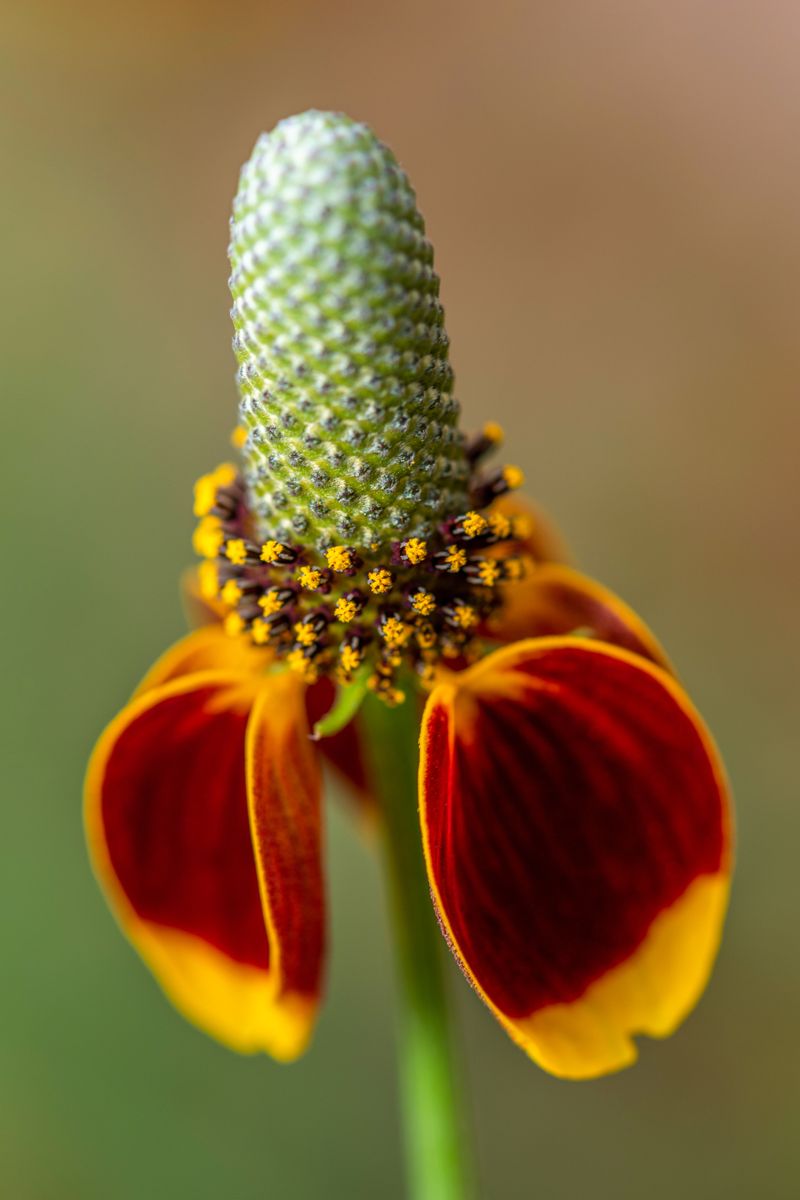
Many gardens benefit from one flower with a sense of humor. Mexican hat, also called prairie coneflower, looks like a tiny hat perched on a tall, skinny stem.
Its drooping petals hang down like a hat brim in red, yellow, or both. Sticking up from the middle is a tall brown cone shaped like a thimble.
The flower is a relative of the coneflower and is similarly tough. It handles heat, drought, and poor soil without throwing a fit.
Fall sowing works well because a cool, moist period helps the seeds wake up. Spread them in a sunny spot in October or early November.
Press the seeds into loose soil and cover them with a thin sprinkle of dirt. Keep the area lightly moist until you see little green sprouts.
Mexican hat is a short-lived perennial, so it returns for a few years and reseeds easily. Plants usually bloom lightly the first year, then put on a bigger show afterward.
Flowers appear from late spring through summer and sometimes linger into early fall. That long season means you get color when many spring flowers have faded.
Bees and butterflies stop by often, and the seed heads attract small birds later. Try trimming spent blooms midsummer to encourage a fresh round of flowers.
Plant a cluster near a path so guests can admire the unusual shapes up close. Someone may ask what that distinctive flower is.
8. Black-Eyed Susan For Long Summer Cheer
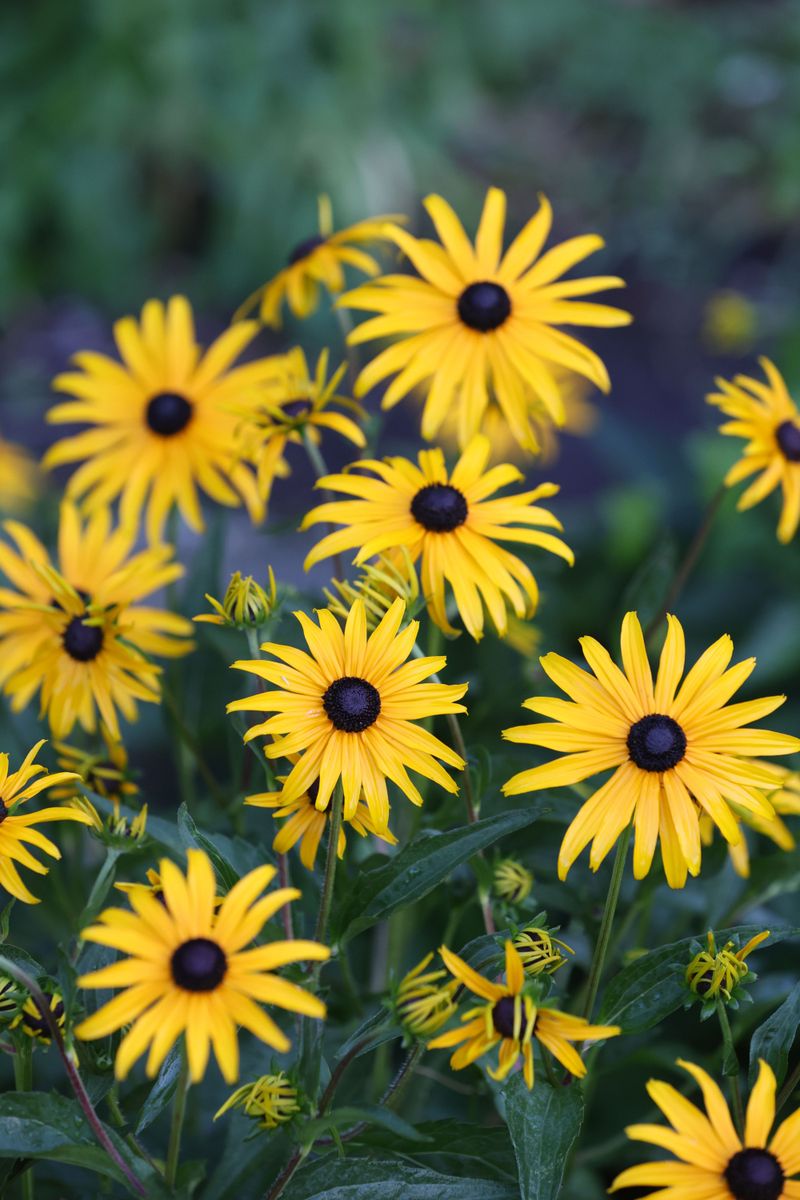
Want a flower that keeps smiling long after the bluebonnets say goodbye? Black-eyed Susan carries the color torch straight into the hottest months.
Its golden-yellow petals circle a dark brown center that looks like a shiny button. The cheerful face is easy to spot, even from a moving car.
This plant grows wild across much of Texas and handles many soil types. Sand, clay, or loam all work as long as the spot gets plenty of sun.
Sow seeds in October so the cold, damp winter can help them sprout. Gardeners call this cold stratification, and fall planting provides it for free.
Scatter the seeds on bare soil and press them firmly with a board or your shoe. Skip burying them deep, since they sprout best with some light.
Plants form leafy clumps over winter and begin blooming in late spring. Many keep flowering until fall if you snip off old blooms now and then.
Pollinators adore the wide, flat flowers that work like little landing pads. Goldfinches later pick at the seed heads, adding another splash of yellow to the yard.
Black-eyed Susans make sturdy cut flowers that last about a week in a vase. A simple jar on the kitchen table brings a bit of sunshine indoors.
Let some plants go to seed at season’s end, since these plants are short-lived. Before long, you may have a golden border that returns with little effort.