Why This Weekend Is The Perfect Time To Move California Garden Plants
A plant growing in the wrong spot tends to announce itself slowly. A shrub crowds a walkway, a perennial sulks in too much shade, or a young tree stretches toward a sunnier corner.
For months, moving it seems too risky with summer heat in the way.
Fall changes that equation in California. A short stretch of calm, mild days can open a window that rarely appears at any other time of year.
Not every plant welcomes the trip, and the forecast still deserves a careful look before the shovel comes out.
With the right timing and a few simple habits, a gentle weekend project can turn a garden headache into a fresh start that settles in beautifully by spring.
Mild Weather Eases Transplant Shock
A shrub with half its roots freshly cut faces a tough adjustment. It suddenly has fewer roots to drink water, while its leaves keep losing moisture to the air.
Gardeners call the wilting and stress that follow transplant shock.
Hot weather makes that problem much worse. On a 95-degree day, leaves lose water fast, and a damaged root system simply can’t keep up.
A plant moved in July often droops within hours, even after a thorough watering. Cooler fall days change the math.
Lower temperatures and softer sunlight slow how much water leaves give off. Roots get a fair chance to catch up instead of running a losing race.
A move on a 70-degree afternoon treats a plant far more kindly than one during a summer scorcher. Shorter days help, too.
With fewer hours of strong sun, the plant spends less time under pressure each day. Longer, cooler nights add extra hours for recovery.
A cloudy or calm day makes the ideal choice for the job. Late afternoon also works well, giving the plant a full night of cool air before facing the sun again.
Some gardeners rig up a piece of shade cloth or an old sheet for a few days after the move. That temporary cover softens the transition.
Small choices like these lower stress without much effort. A little shade now can prevent plenty of wilting later, keeping the plant perky in its new home.
Warm Soil Encourages New Root Growth
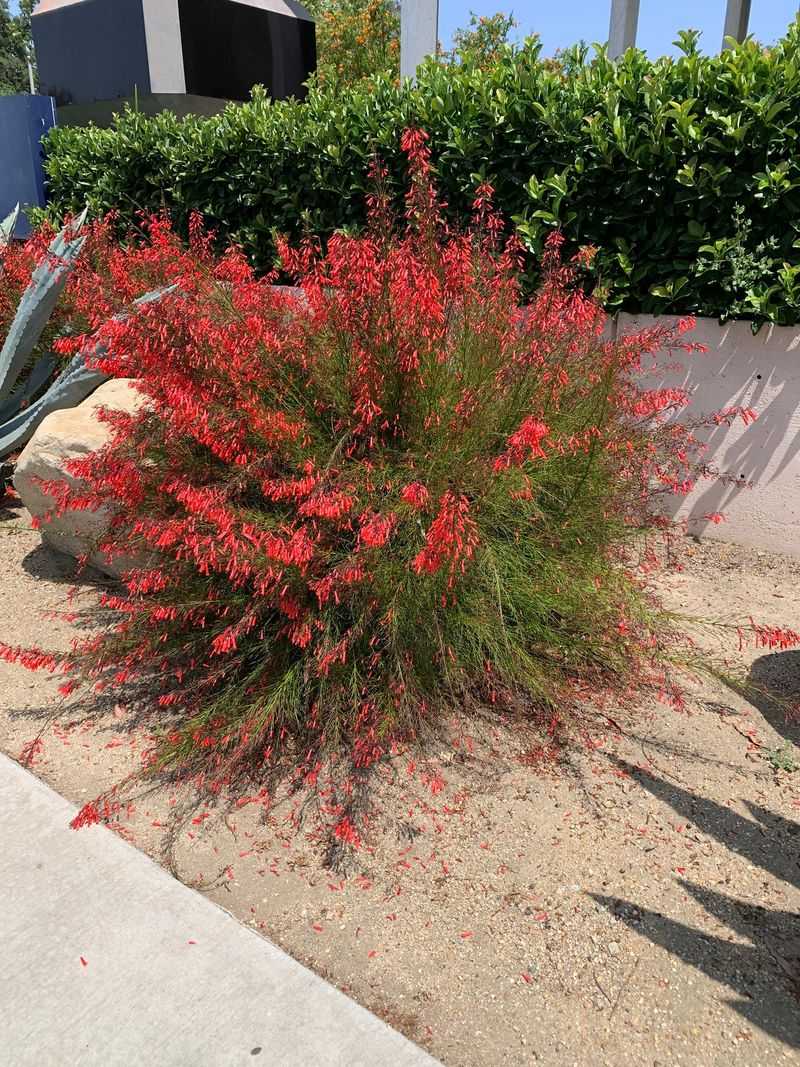
A hand pushed into a garden bed in October often finds a surprise. The top few inches may still feel warm from months of summer sun.
Air temperatures drop quickly in fall, while soil cools much more slowly. Roots love that lingering warmth.
Root growth speeds up in warm soil and crawls along in cold soil. A plant moved in early or mid fall can still push out new feeder roots before winter arrives.
Those new roots matter a great deal. The fine, hair-like tips near the edges of a root system handle most of the work of soaking up water and nutrients.
Many of them tear away during a move, so the plant needs to rebuild them quickly. Fall gives it a real head start.
Cool air keeps the leaves calm, while warm soil keeps the roots busy. The plant can focus on settling into its new home instead of struggling to stay hydrated.
Your California Garden Changes Every Week. Your Plan Should Too.
Gardening in California changes quickly throughout the season. Every Friday you’ll receive a simple weekly plan showing exactly what to plant, prune, fertilize, harvest, and protect so you never miss the right timing.
Spring tells a different story. Soil often stays chilly while warm days push leaves to grow quickly, so the top races ahead while roots lag behind.
Timing still counts, though. In colder mountain areas, soil chills sooner, making early fall the better choice.
Along the mild coast and in Southern California, the warm-soil window often lasts longer. Either way, a fall move lets roots get to work while the ground stays cozy.
Plants Are Slowing Down Anyway
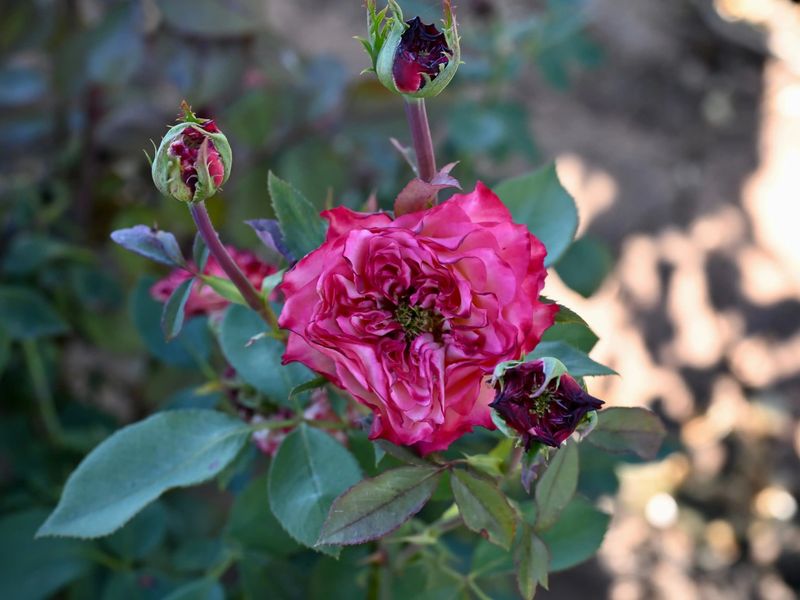
Roses and salvias stop pushing out long new shoots once fall settles in. Fewer flowers, slower stems, and calmer growth all signal a plant shifting gears, and that quieter mood counts as a big plus for moving day.
During spring and early summer, plants pour energy into leaves, stems, and blooms. All that soft new growth needs a steady supply of water.
Cutting roots during that busy season resembles unplugging a computer in the middle of a big download. Fall offers far better timing.
By then, many garden plants are easing off. They carry less tender growth, so they ask less from their roots.
A slower plant handles a smaller root system much better than a fast-growing one. Energy also heads underground this time of year.
Instead of building more leaves, many plants focus on roots and stored reserves. A move fits right into that natural rhythm.
Skipping fertilizer right before and after a transplant makes a smart choice. Feeding can push fresh leafy growth that weakened roots can’t yet support.
Light trimming can help, too, as long as it stays modest. Removing a few long or damaged stems reduces water demand without stripping the plant bare.
Heavy pruning is best avoided, since leaves still make the food roots need to rebuild. A quick trim rather than a buzz cut lets the plant keep most of its green while it settles in.
Check The Forecast Before You Dig
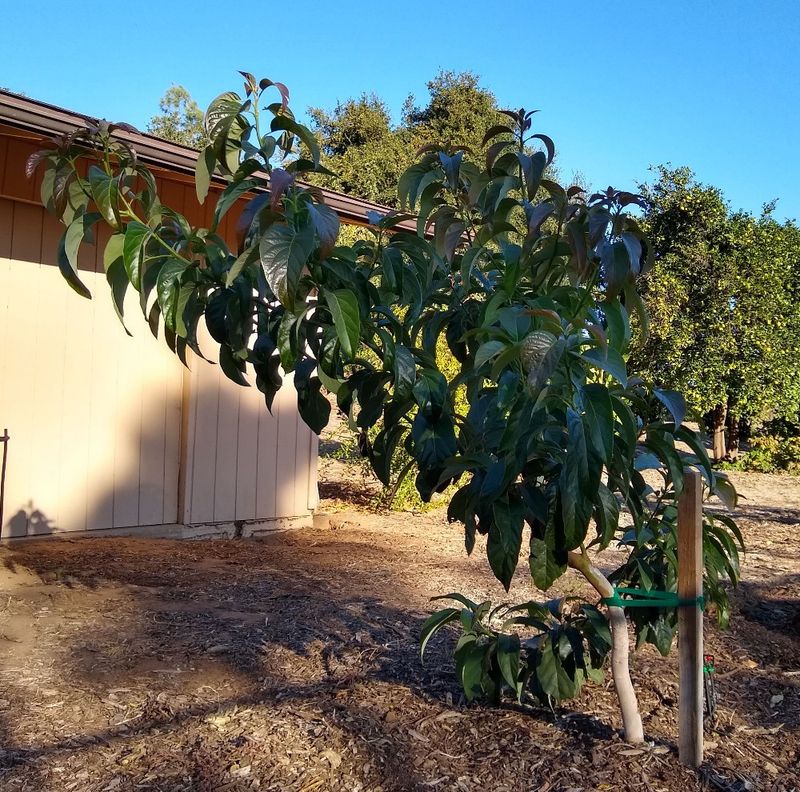
A shovel in the ground on a Saturday morning feels great. Then Santa Ana winds roar in on Sunday, and a freshly moved shrub ends up looking like crumpled paper.
Timing can make or break a transplant, so the forecast deserves a look first. Nobody can pick the perfect weekend months ahead.
California weather swings fast in fall, and conditions vary widely by region. A cool week in San Francisco might bring heat to Riverside.
Three big troublemakers deserve attention. Late heat waves, which still pop up in September and October, top the list.
Dry offshore winds come next, including Santa Anas in the south and Diablo winds in the Bay Area. Those winds pull moisture from leaves at an alarming rate.
Freezes form the third concern for inland and higher-elevation gardens. Frost can damage tender plants, especially ones that haven’t rooted in yet.
A move a few weeks before the usual first frost gives roots time to grow. That buffer makes a real difference in colder areas.
The full week ahead matters more than the weekend alone. A mild Saturday followed by a 100-degree Tuesday still creates a risky setup.
Several calm, mild days in a row make the ideal window. A poor forecast simply means waiting.
Holding off a week or two costs almost nothing, while rushing into bad weather can cost the whole plant. Letting the sky give the green light pays off.
Rain Can Do The Watering For You
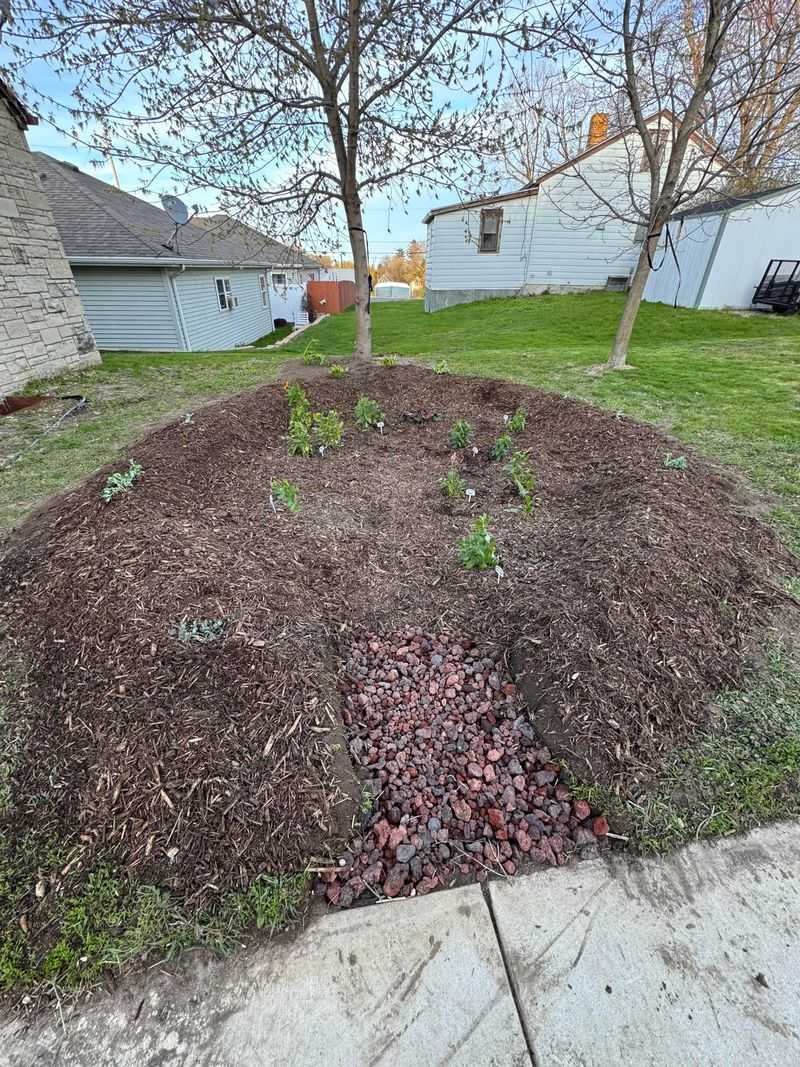
Few sounds make a gardener smile like the first real rain of the season. Dust settles, the air smells fresh, and every thirsty plant gets a long drink.
For a new transplant, that rain can be a true gift. Rainwater soaks the soil deeply and evenly.
It reaches beyond the root ball into the surrounding ground, encouraging roots to stretch outward. A garden hose rarely spreads water that widely.
California usually receives most of its rain from late fall through early spring. A plant moved in fall can ride that wet season while its roots grow.
By the time summer heat returns, it should be much better established. That head start pays off for years.
Counting on the clouds too early carries risk, though. California rain is unreliable, and some autumns stay bone dry well into December.
A newly moved plant can’t wait around for a storm that might not come. Steady watering until the rains truly arrive keeps it on track.
A finger pushed into the soil around the root ball every few days gives a quick read. Dryness an inch or two down calls for a slow, deep soak.
Once steady rain begins, watering can ease off as nature takes over. Dry spells between storms still deserve attention, since a sunny, windy week can dry soil fast.
Soggy, waterlogged ground brings its own risks, so balance makes all the difference.
Some Natives Resent Being Moved
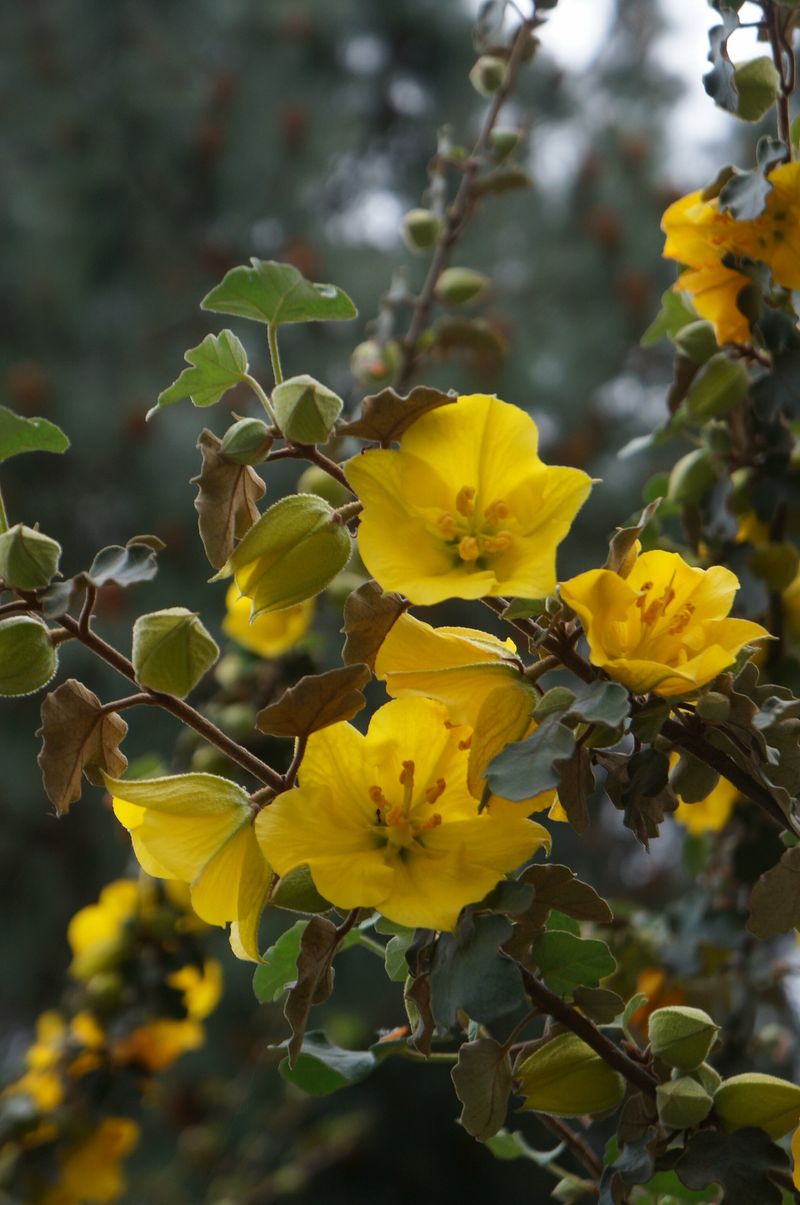
Twisting red bark makes manzanita a California favorite, along with a reputation for stubbornness. Many gardeners learn the hard way that it dislikes having its roots disturbed.
Plenty of California natives share that picky personality. Many native shrubs grow deep or wide roots to survive long, dry summers.
Manzanita, flannel bush, and many ceanothus are known for sulking or struggling after a move. Digging them up cuts the very roots they rely on most.
Natives also form special partnerships underground. Helpful soil fungi often live along their roots, helping them gather water and nutrients.
A move can disrupt those connections, leaving the plant slow to recover. Size and age matter for any plant, too.
A large, old shrub has roots spread far beyond what any shovel can reach. Losing most of them often proves too much, while small, young plants usually move far more successfully.
Mature natives often benefit from other options. Pruning to fit the space, or leaving the shrub in place and planting a new one in the desired spot, both work well.
Young natives from a nursery tend to be affordable and settle in quickly when planted in fall. That route often delivers better results than moving an established shrub.
Easygoing movers include many perennials, ornamental grasses, and small shrubs a year or two old.
A local native plant nursery can offer advice on uncertain cases, since sometimes the wisest move is no move at all.
Prepare The New Hole First
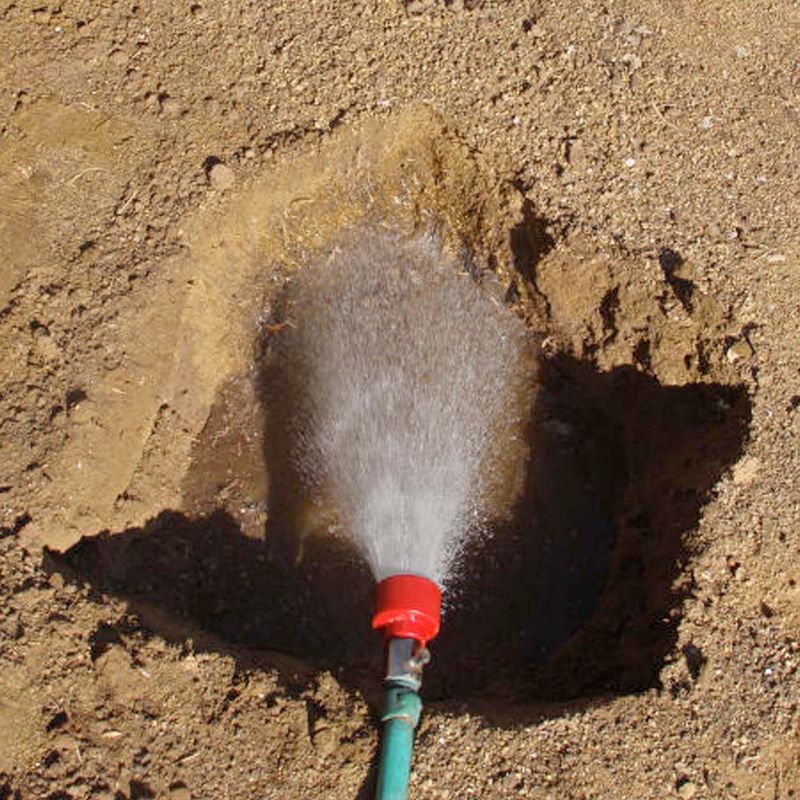
A common mistake starts with plenty of enthusiasm. A shrub gets dug up and set on the patio, and only then does work on the new hole begin.
Meanwhile, exposed roots dry in the sun and wind for an hour.
Digging the destination hole before lifting the plant works far better. Roots can dry out fast once they leave the soil, and fine root tips are especially fragile.
A new hole about as deep as the root ball and two to three times as wide gives roots room to spread.
Roots move sideways into loose soil more easily, so extra width helps. Digging too deep is best avoided, since a plant that sinks low can suffer from water pooling around its stem.
Filling the empty hole with water before planting offers a quick drainage test. Water that sits for many hours signals poor drainage, so another location or slightly higher planting may work better.
A good watering a day or two before the move helps, too. Moist soil holds together better, so the root ball is less likely to crumble.
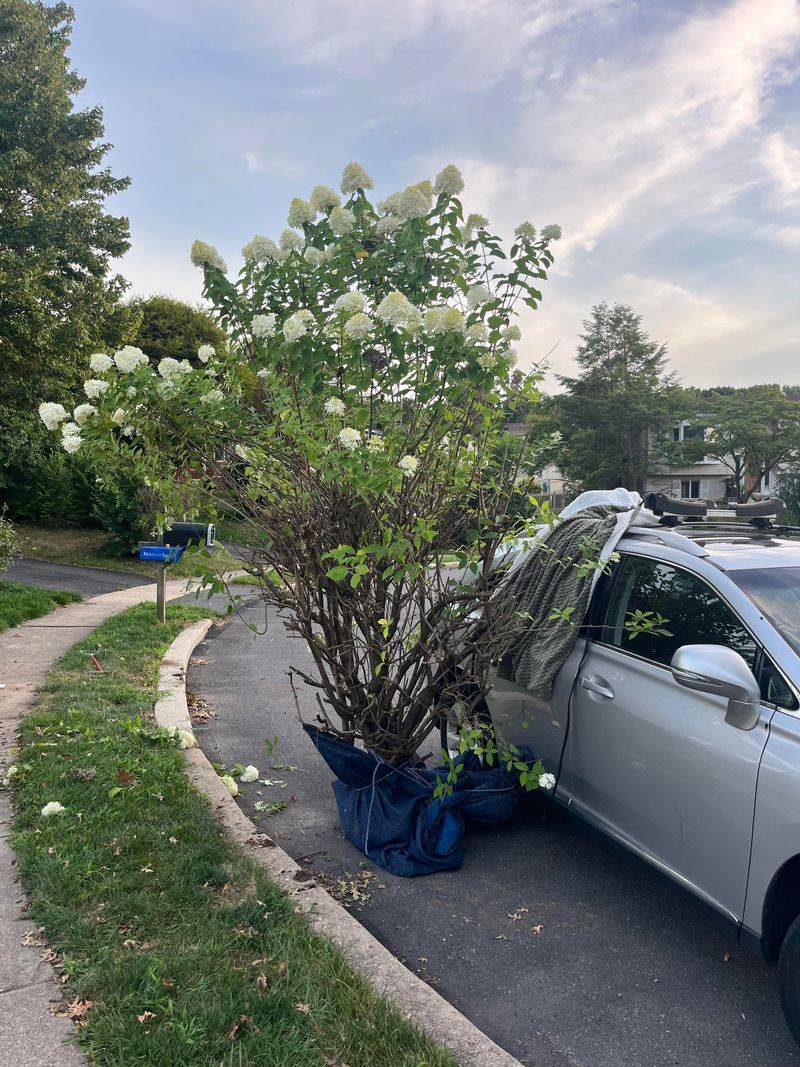
A wide circle dug around the plant keeps as much of the root ball as possible. A tarp or wheelbarrow carries it quickly to its new home.
The plant should sit at the same depth it grew before, with the original soil used for backfill. A little planning up front makes the whole job go smoothly.