The Pencil-Thin Snake That Florida Gardeners Mistake For A Worm
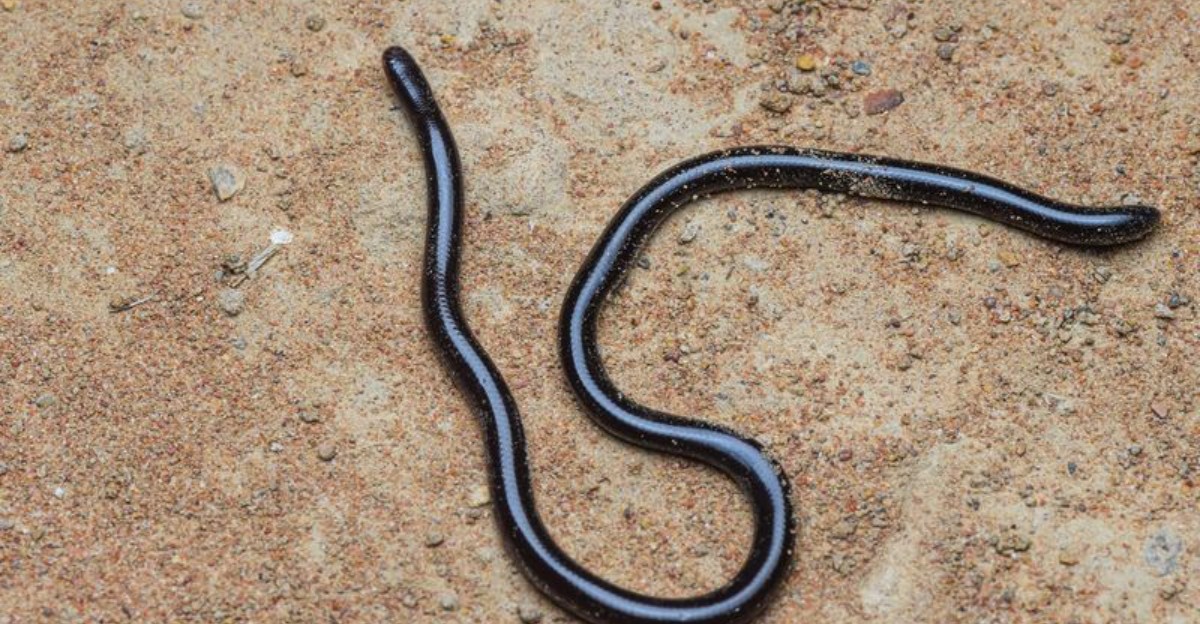
It looks like a worm until it moves.
Florida gardens can hide some remarkably unusual wildlife, but few creatures cause as much confusion as a snake so thin and small that it barely seems possible.
A quick glance at the soil may reveal nothing more than a harmless-looking shape among leaves, mulch, or damp earth.
Then it wriggles across the ground, and the real surprise begins.
Gardeners often overlook this creature for one simple reason: it does not look like the snakes most people expect to find. Its size, coloring, and secretive habits make it easy to dismiss as something crawling through the soil.
That mistake can lead to more questions than answers. What exactly is this pencil-thin visitor?
Why does our state have them? And what should you do when one turns up in your garden?
Before you reach for a shovel or assume the worst, take a closer look. The truth is far more fascinating than its worm-like appearance suggests.
1. That “Worm” Is Actually A Brahminy Blindsnake
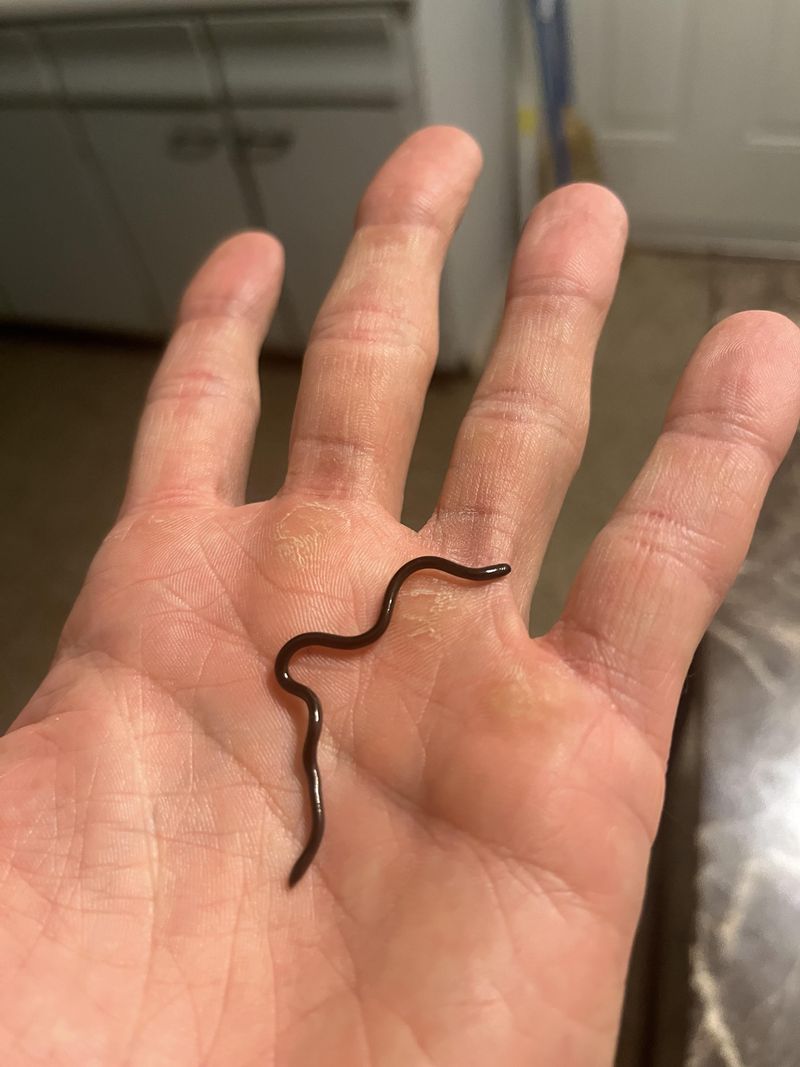
Picture a Saturday morning in a sunny Florida backyard. You lift a pot of basil, and a glossy little creature squirms in the soil below.
Most people would call it a worm and move on. In many cases, though, that wiggler is really a Brahminy blindsnake, one of the tiniest snakes on Earth.
Scientists know it as Indotyphlops braminus, but most folks just call it the flowerpot snake. It is not native to the state, yet it has made itself right at home in gardens across the state.
The mix-up makes sense once you see one up close. The body is dark brown or nearly black, very slim, and about the same thickness from end to end.
It also spends most of its life underground, just like an earthworm. Because of that, you usually only see one after watering, digging, or moving a pot.
So how should you react when you find one? A calm, curious look is the best plan, since this tiny snake causes no trouble for you or your plants.
Try gently scooping it onto a leaf and watching it for a moment. Learning to recognize it can turn a quick garden chore into a cool nature lesson for the whole family.
2. It’s Usually Just 4 To 6 Inches Long
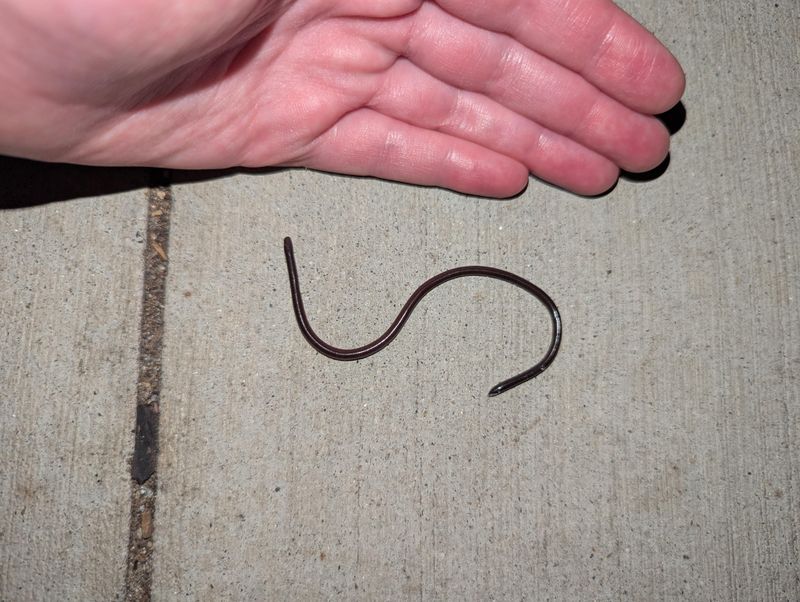
Grab a regular pencil from your desk and hold it up. That gives you a pretty good idea of how big an adult Brahminy blindsnake gets.
Most grown snakes measure between about 4.4 and 6.5 inches long. Young ones can be considerably smaller, while adults are usually around 4.4 to 6.5 inches long.
Their thickness is even more surprising than their length. Many are about as wide as a cooked spaghetti noodle, which helps them slip through tiny cracks in the soil.
That small size is a big reason gardeners get fooled. An earthworm in Florida soil can be the same length, so a quick glance makes the two look like twins.
Here is a fun way to test your eye next time. If the creature looks perfectly even in width and shines like polished metal, it may be a snake instead of a worm.
Your Florida Garden Changes Every Week. Your Plan Should Too.
Gardening in Florida changes quickly throughout the season. Every Friday you’ll receive a simple weekly plan showing exactly what to plant, prune, fertilize, harvest, and protect so you never miss the right timing.
You can also compare it with something nearby, like a garden tag or a twig. Kids especially love measuring these little critters, and it makes a great backyard science project.
Just remember to handle it softly and briefly. A tiny body like that needs gentle care, so return it to damp soil once your measuring fun is done.
3. Unlike A Worm, Its Body Isn’t Segmented
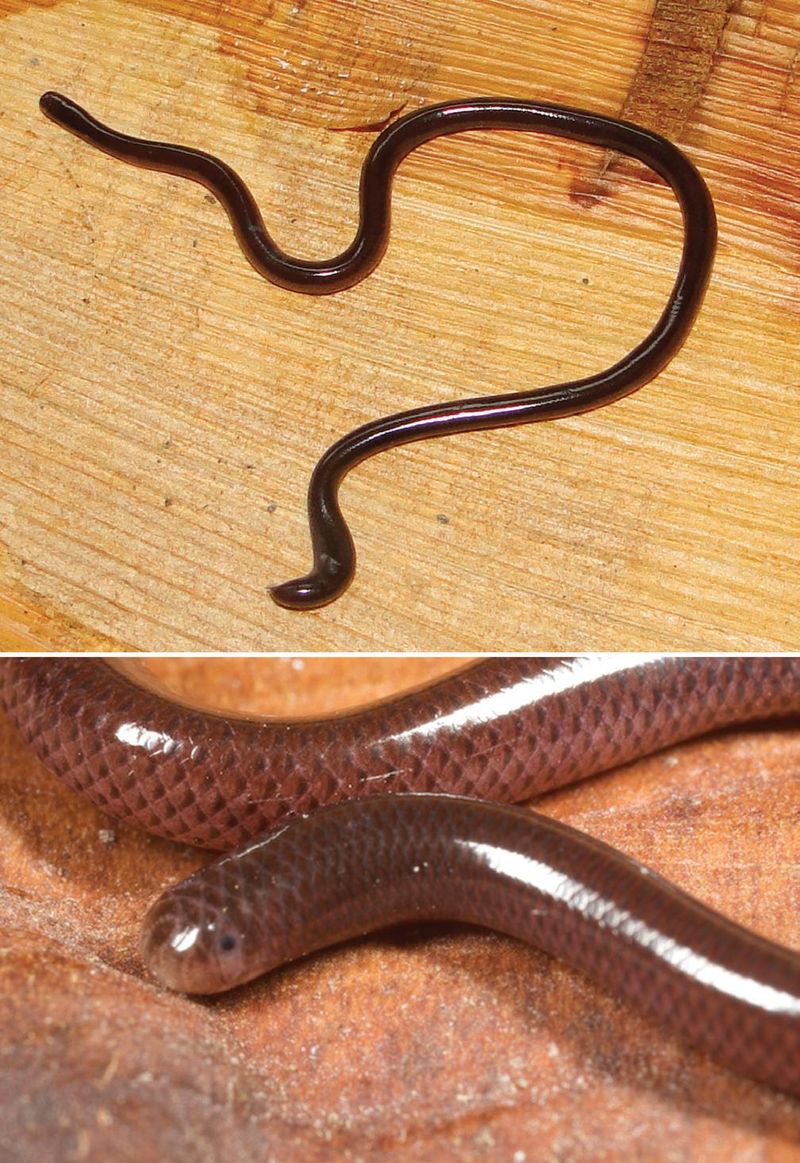
Earthworms come with built-in stripes. Look closely at one and you will see dozens of little rings wrapping around its body, almost like a stack of tiny rubber bands.
A Brahminy blindsnake has none of those rings. Instead, its whole body is covered in small, smooth, shiny scales that fit together neatly.
Those scales give the snake its glossy look. In sunlight, it can shine like a fresh coat of nail polish, while a worm tends to look soft and a bit moist.
Texture is another helpful clue. An earthworm has a soft, segmented body, while the little snake has smooth, overlapping scales that give it a sleek, shiny appearance.
Why do the scales matter so much? They protect the snake as it pushes through gritty dirt and also help shield it from ant bites when it raids ant nests for food.
A magnifying glass makes this check easy and exciting. Place the critter on a light-colored paper towel so you can see every detail clearly.
If you spot rings, you have a worm. If you see tiny overlapping scales, congratulations, you just met one of Florida’s sneakiest garden guests.
4. Look For A Pointed Tail Tip
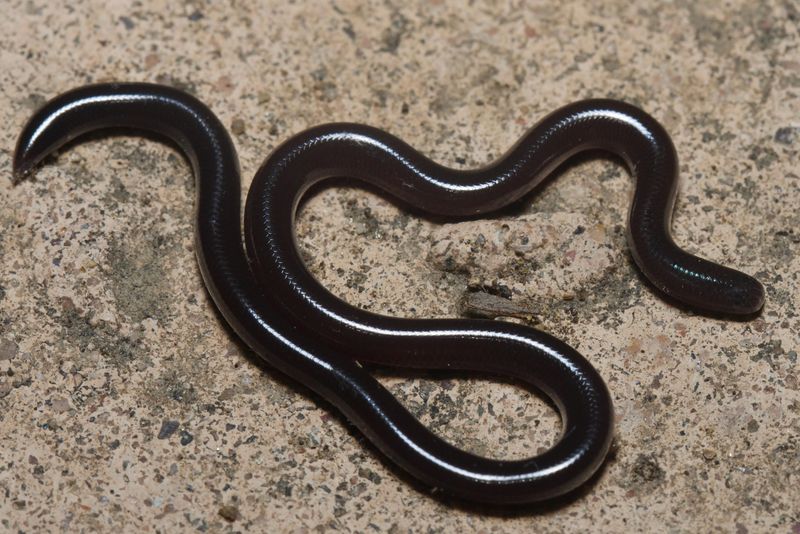
Here is a detective trick that seasoned Florida gardeners love. Skip the head for a moment and check the very end of the tail instead.
A Brahminy blindsnake has a tiny pointed spur at the tip of its tail. It is so small you might need a magnifying glass, but once you notice it, you will not forget it.
That little point is simply a pointed scale on the end of the tail. It is completely harmless and is not a stinger or weapon.
Identifying ends can feel tricky at first. The head is blunt and rounded, and the tail is fairly blunt too, so both ends look oddly similar.
Some people say it looks like an earthworm turned backward. That funny description actually fits pretty well when you watch one wiggle around.
The eyes are another small hint, though they are hard to see. They look like two tiny dark dots under the scales, which is why the snake is called blind even though it can sense light.
Try this the next time you find a mystery wiggler. Gently guide it onto a leaf, let it settle, and look for that little point at the end before you decide what it is.
5. It Slithers Like A Snake, Not A Worm
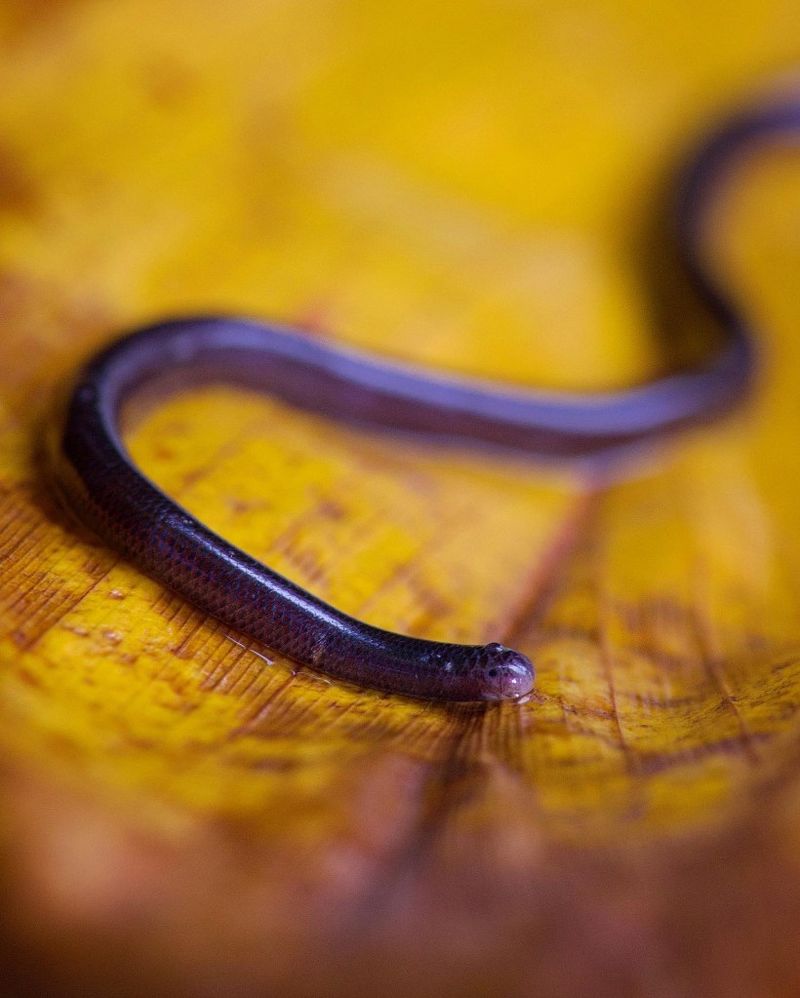
Watch an earthworm for a minute and you will see it stretch out, then bunch up. It inches along like a slow accordion, squeezing and pulling its body forward.
A Brahminy blindsnake does something quite different. It wiggles side to side in quick S-shaped curves, just like a full-sized snake would.
This movement is called slithering, and it is one of the easiest clues to spot. Even without a magnifying glass, you can tell the difference from a few feet away.
The speed can surprise you too. Set one on a flat surface and it often zips around nervously, trying to find soil or a crack to hide in.
If you get a chance to watch one, look for the smooth side-to-side movement that gives it away as a snake. It is usually best to observe it where you find it rather than moving it onto a dry surface.
Here is a friendly tip for curious kids and grown-ups alike. Keep your observation short, because bright sun and dry surfaces can stress this tiny burrower quickly.
After a quick peek, sprinkle a little damp soil nearby. The snake will happily tunnel back down, and you get to brag that you spotted a real snake in disguise.
6. It First Showed Up In Miami In The 1970s
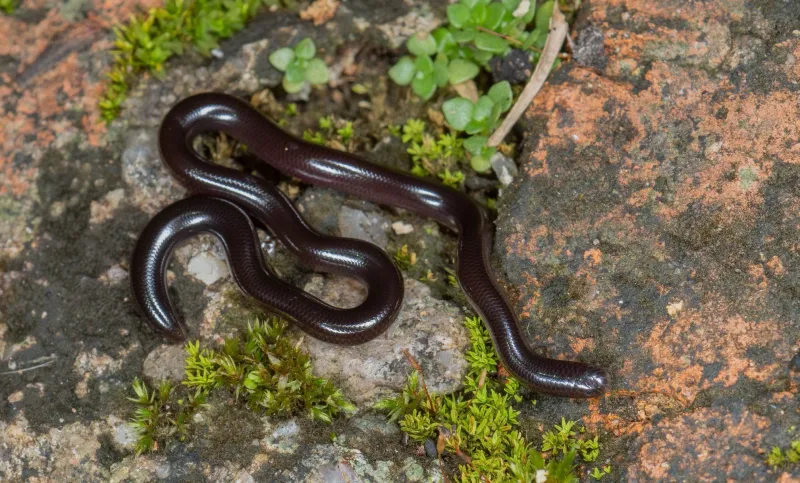
Disco was on the radio and bell-bottoms were in style. Meanwhile, in Miami, a teeny snake was quietly arriving in town.
The Brahminy blindsnake was first reported in the state during the 1970s. Some sources give 1979 as the introduction year, but the Florida Museum describes its arrival simply as occurring in the 1970s.
Its original home is far away, in southern Asia and tropical parts of East Africa. Experts believe it traveled to the state tucked inside soil of imported plants.
Once it landed, it did not stay put for long. Over the years it spread across much of the Florida peninsula and has now been recorded in at least 34 Florida counties.
Warm weather helps explain its success here. South and central region feel a lot like its tropical homeland, with mild winters and plenty of moist, loose soil.
For gardeners, this history is a good reminder about how living things move around. A single plant purchase can carry hidden passengers from one place to another.
Think of it as a fun piece of local trivia to share at your next garden club meeting. Who knew a creature smaller than a shoelace had such an interesting travel story?
7. Potting Soil Earned It The Name Flowerpot Snake
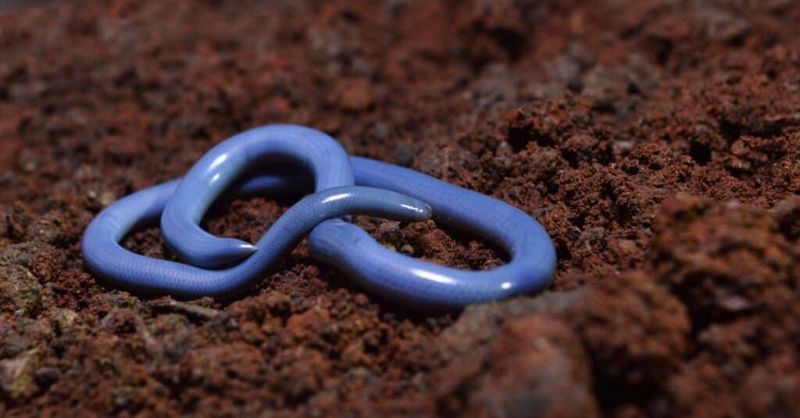
Some animals get names from their color or their call. This little snake got its nickname from where people kept finding it, which was inside flowerpots.
The name Flowerpot Snake fits perfectly. Its tiny size and love of burrowing let it hide in potting soil without anyone noticing.
When plants are shipped from one place to another, the snake often comes along for the ride. The snake is commonly transported unintentionally in the soil of potted and ornamental plants, which helped it spread far beyond its original range.
Thanks to these sneaky trips, it is now one of the most widespread land reptiles in the world. You can find it on several continents and many islands.
So what can you do as a Florida gardener? Start by checking the soil when you repot plants, especially ones you bought or swapped with friends.
Gently loosen the root ball over a tray or tarp. If a shiny little stowaway pops out, simply let it slip into a garden bed where it can keep living quietly.
Buying from local native plant nurseries is another smart habit. Plants grown close to home tend to carry fewer surprise travelers from faraway places.
8. Every One Is Female
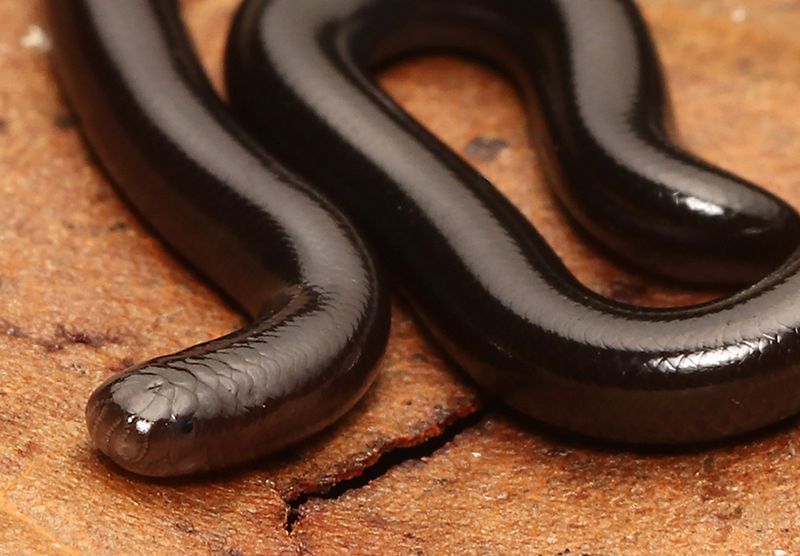
Ready for a fact that sounds made up? Every single Brahminy blindsnake scientists have studied is female.
There are no males at all in this species. The snakes reproduce through a process called parthenogenesis, which means eggs develop without needing a dad.
Each mother can lay up to about eight eggs at a time. The offspring are genetically very similar to their mother, a bit like nature’s photocopy machine.
This unusual trick explains a lot about how the snake spreads so easily. Just one snake hiding in a single flowerpot can start a brand-new group in a new place.
Most animals need to find a partner before they can have babies. The flowerpot snake skips that step, which saves time and makes travel much simpler.
Scientists find this fascinating because only a few reptiles reproduce this way. It also makes the snake a popular topic in biology classes and science fairs.
So the next time you spot a tiny snake under a garden stone, you can safely call it she. It is a fun detail that will surely impress your friends, teachers, or neighbors.
9. It’s Harmless To People And Pets
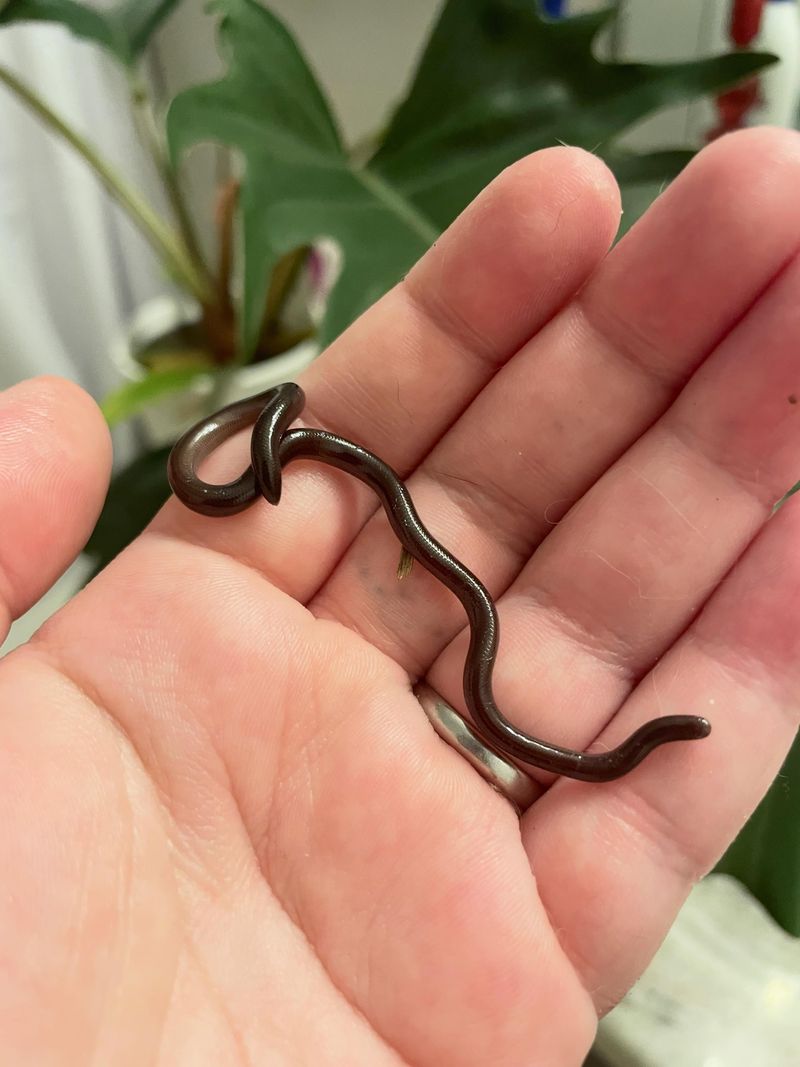
Take a deep breath, because there is no need to panic. The Brahminy blindsnake is non-venomous and poses no threat to people, dogs, or cats.
Its mouth is so tiny that it cannot bite a human in any meaningful way. If you pick one up, the most it might do is wiggle or poke you lightly with its tail spur.
Experts also say it causes no real ecological or economic damage in the state. It is not known to harm native wildlife, crops, or your favorite flower beds.
Instead, it spends nearly all its time underground snacking. Its menu is mostly ant and termite eggs and larvae, which many homeowners would happily see eaten.
Pets may get curious when one pops out of the soil. A quick redirect with a toy or treat usually solves the problem, and the snake can scoot back into the dirt.
For families, this little creature makes a great learning buddy. Kids can observe it safely, ask questions, and learn that not every snake is something scary.
When you are finished watching, place it in a shady, moist spot in the garden. Then let it disappear back into the soil and get back to planting, knowing you just spotted one of Florida’s most unusual little snakes.