The October Garlic Planting Mistake That Gives Ohio Gardeners Tiny Bulbs
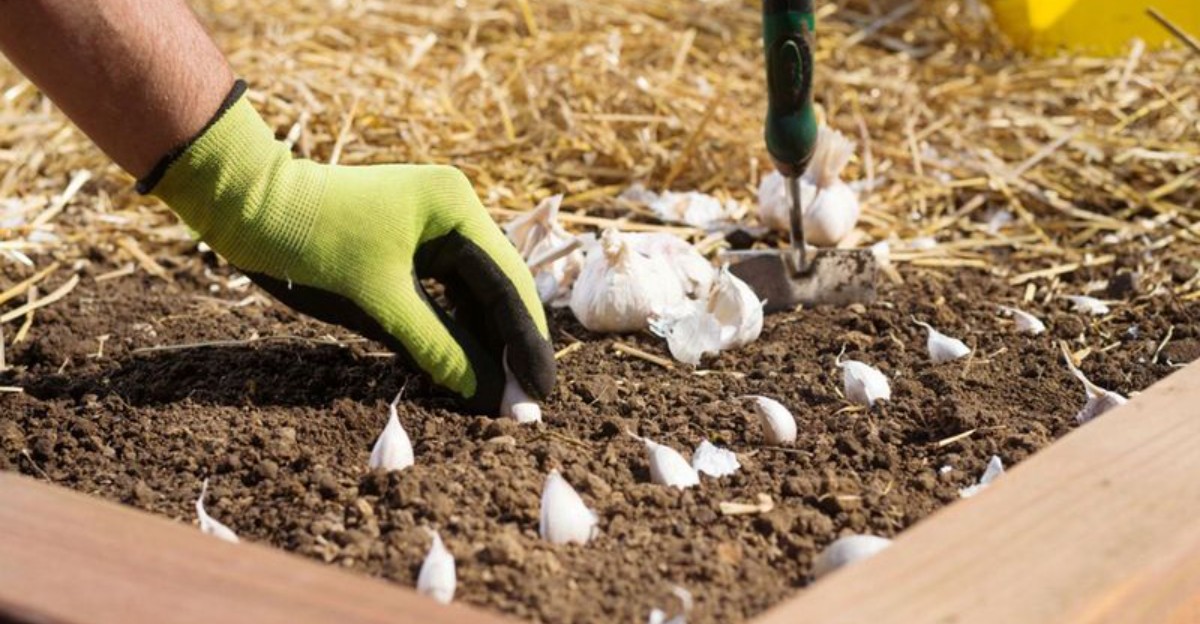
Pulling garlic next July and finding bulbs barely bigger than the cloves you planted is a letdown after months of waiting. The problem often traces back to a choice made long before the first shoots appeared.
Garlic does much of its root building in fall, before the ground freezes hard. Whatever slows that early growth can follow the plant all the way to harvest.
Many Ohio gardeners make one particular mistake at planting time without realizing it costs them size later.
It seems harmless in the moment, which is partly why it keeps happening each fall.
Set aside a few minutes to sort through your seed garlic before the first clove goes in the ground.
Small decisions at this stage can add up to noticeably bigger bulbs by early summer.
1. Bulb Size Next Summer Is Partly Decided At Planting Time
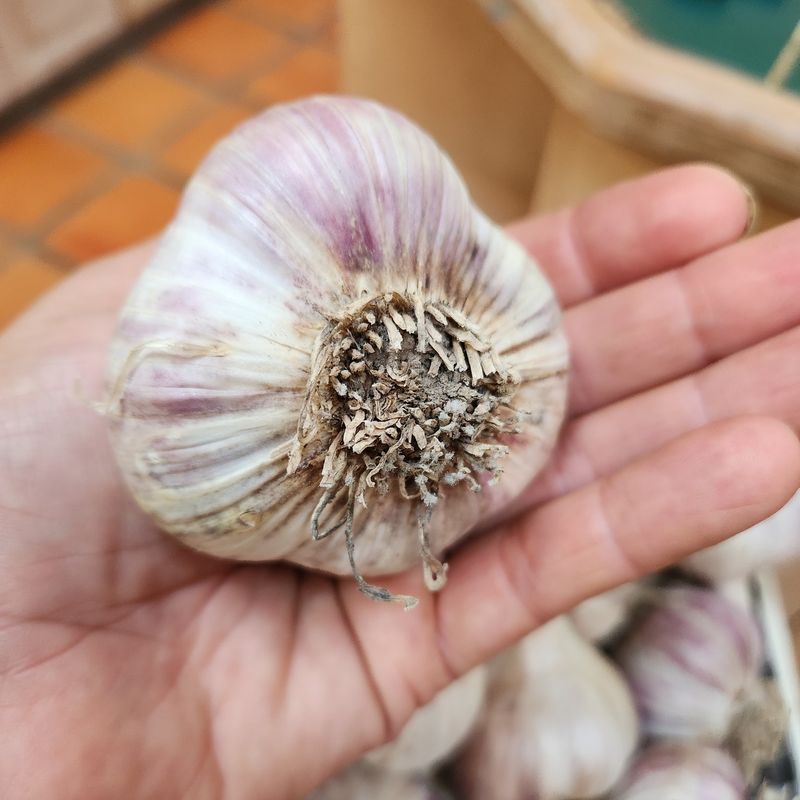
Your July harvest starts with a quiet choice in October. Once you crack open a head of garlic, you will notice the cloves are not all the same size.
Big plump cloves sit around the outside, while skinny little ones crowd the center.
Here is the mistake that trips up a lot of backyard growers. They plant the small inner cloves and save the large outer ones for cooking, since the big ones seem too nice to bury.
It sounds sensible, yet it often leads to smaller heads the next summer.
A clove carries stored food that feeds the young plant through fall rooting and early spring growth. Larger cloves usually hold more of that stored energy, which gives the new plant a stronger start.
Small cloves can still grow, and some will surprise you with decent heads.
Results also depend on soil, sunlight, weed pressure, and how wet or dry the spring turns out. Even so, clove size is one of the few things you control completely on planting day, and in Ohio gardens it makes a real difference.
So before you plant, sort your cloves into piles. Keep the biggest ones for the garden bed, and send the little ones straight to your cutting board.
2. Bigger Cloves Generally Grow Into Bigger Bulbs
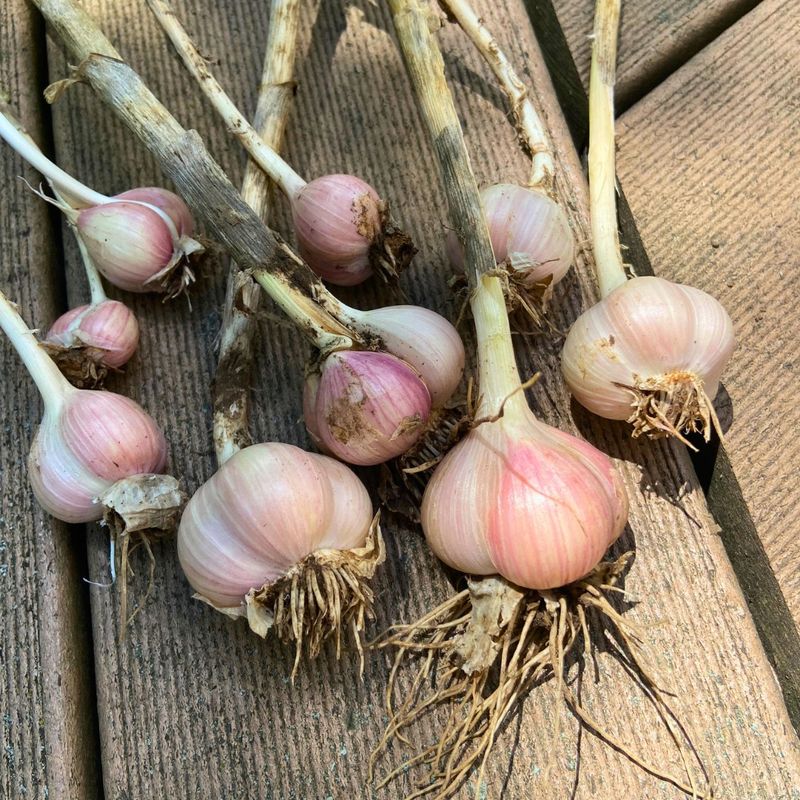
Size tends to follow size in the garlic patch. Plant a hefty clove, and you give the plant a better shot at producing a hefty bulb.
Growers and Extension guides commonly recommend choosing the largest, firmest cloves you have.
Think of each clove as a packed lunch for the sprout. A bigger lunch helps the plant build roots before the ground freezes, then push out healthy leaves when spring arrives.
More leaves usually mean more energy flowing back down into the forming bulb.
That link is a general trend, not a promise. A large clove planted in soggy clay or shaded ground may still give a disappointing head, while a medium clove in loose, sunny soil can do quite well.
Pick cloves that feel solid when you squeeze them gently. Skip any that look soft, moldy, shriveled, or damaged, because they can rot or struggle once planted.
Your Ohio Garden Changes Every Week. Your Plan Should Too.
Gardening in Ohio changes quickly throughout the season. Every Friday you’ll receive a simple weekly plan showing exactly what to plant, prune, fertilize, harvest, and protect so you never miss the right timing.
Keep the papery skin on each clove when you plant it.
Spacing matters too, since crowded plants compete for light and nutrients. Many Ohio growers set cloves roughly four to six inches apart, pointy end up, about two inches deep.
Good selection paired with decent spacing and weeding gives your best cloves room to show what they can do.
3. Small Inner Cloves Are Better Saved For The Kitchen
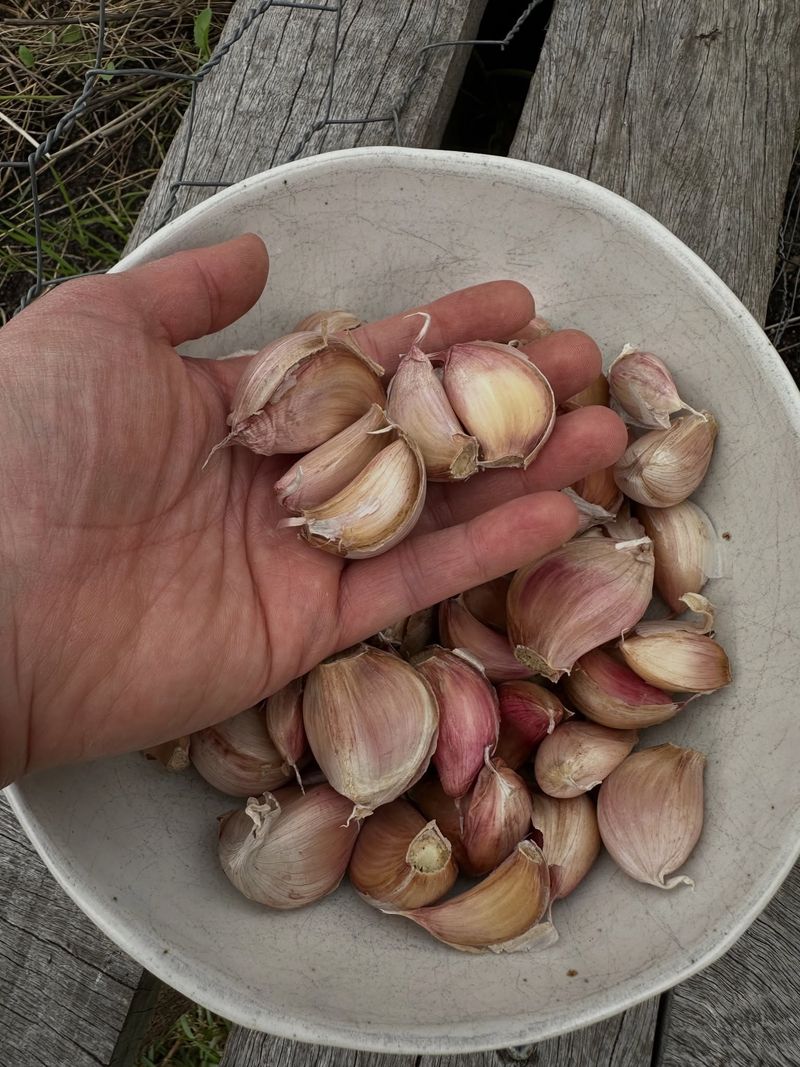
Nothing goes to waste with this plan. Those tiny center cloves still taste great, so they simply move from the garden pile to the cooking pile.
Toss them into soups, roasted vegetables, or a pan of sautéed greens.
Small cloves can be a bit fussy to peel. A quick trick is to press them lightly with the flat side of a knife, which loosens the skin and makes the job faster.
Roasting a handful whole in olive oil is another easy way to use them up.
Some gardeners like to plant extra small cloves close together just for green garlic. Those young plants get pulled in spring and used like scallions, with a mild garlic flavor.
You will not get full heads that way, but it can be a fun bonus crop.
Keep in mind that garlic from your own harvest stores better when cured well. Hang or spread fresh bulbs in a dry, airy, shaded spot for a few weeks before trimming them.
When October rolls around again, you can pull your biggest cured heads aside for seed stock. Over a few seasons, steadily replanting the best cloves can help you build a reliable supply suited to your own garden.
4. Grocery Store Garlic May Not Suit Cold Northern Winters
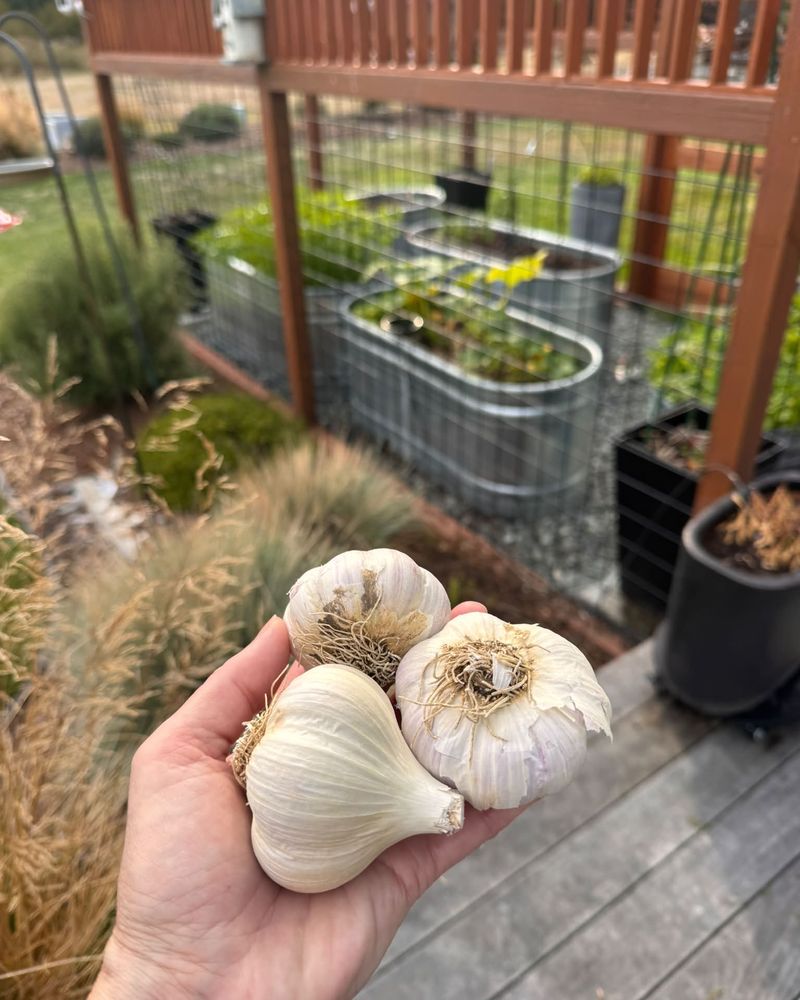
That bag of garlic in the produce aisle is tempting. It is cheap and easy to find, but it may not be the best match for your garden.
Much of the garlic sold in stores is softneck, often grown in warmer regions such as California or shipped from overseas.
Varieties raised for mild climates do not always handle harsh winters well. They might grow, yet bulbs can come out smaller or less consistent in colder spots.
Some store garlic is also treated to slow sprouting, which can make it less dependable for planting.
On top of that, there is a disease concern. Seed garlic from a reputable grower is more likely to be checked for problems like nematodes and fungal rot that you do not want in your soil.
Once a soil pest settles into a bed, it can be hard to get rid of.
Local farmers markets and seed garlic suppliers are good places to shop in late summer. Growers in Ohio and nearby states often sell varieties that have already proven themselves in similar weather.
Order early if you can, because popular types tend to sell out before fall.
Paying a bit more for planting stock can save you a frustrating harvest.
5. Hardneck Types Handle Cold Winters Well
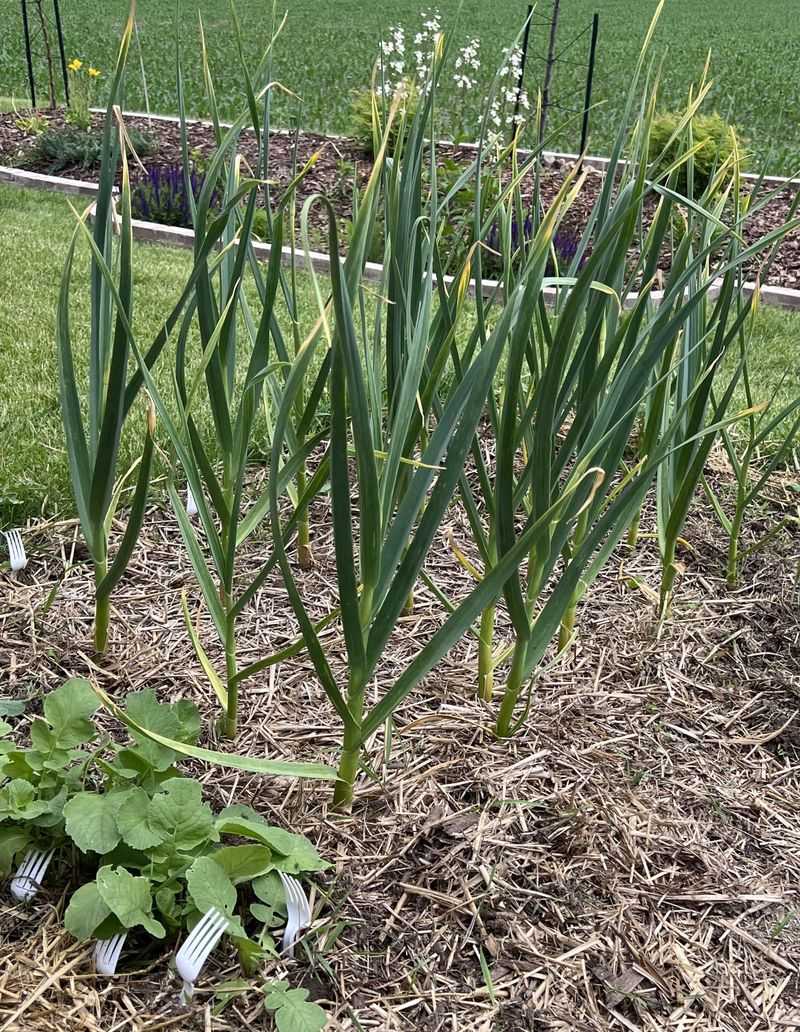
Cold winters are where hardneck garlic shines. Northern growers often favor it because it is generally well suited to the freezing temperatures found across the Midwest.
Ohio winters, with their snow, ice, and sudden warm spells, fit that profile nicely.
Hardnecks grow a stiff central stalk. In late spring, that stalk sends up a curly flower stem called a scape, which you can snap off and cook.
Removing scapes may help the plant put more energy into the bulb, though results vary.
Popular hardneck groups include Rocambole, Porcelain, and Purple Stripe. Porcelain types such as Music tend to form a few large cloves, which makes peeling and planting easy.
Each variety has its own flavor and storage life.
Softneck garlic is not off the table. Some gardeners grow it with success, especially in milder parts of the state, but hardnecks are usually the safer pick for colder locations.
One trade-off is storage. Hardneck bulbs often keep for several months, while many softnecks last longer on the shelf.
Trying two or three varieties side by side is a smart move. After a couple of seasons, you will see which ones grow best in your soil and which ones your family likes to eat.
6. Planting After Soil Cools Lets Roots Form Without Much Top Growth
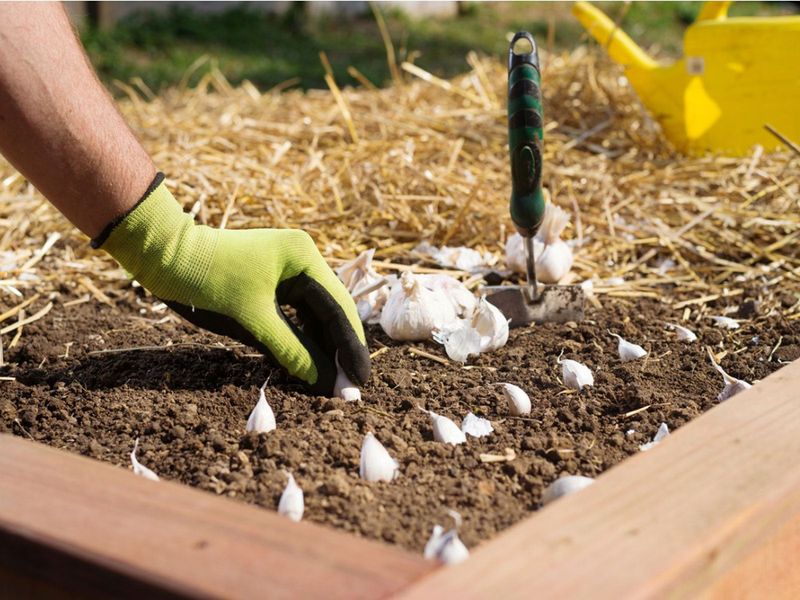
Timing can matter as much as clove size. Plant too early, and garlic may push up lots of green leaves before winter, which can get damaged by hard freezes.
Plant too late, and roots may not have enough time to settle in.
Ohio State University Extension and other Midwest sources generally suggest planting in fall after the soil starts to cool.
A common guide is to plant garlic around the first fall frost, often from mid-October into early November, depending on local conditions. Exact dates shift from year to year and place to place.
Northern counties and the snowbelt near Lake Erie usually cool sooner than the southern part of the state. Gardeners up north may plant a bit earlier, while those near the Ohio River can often wait a little longer.
Watch your local weather instead of relying only on the calendar.
The goal is strong root growth with little or no top growth before the ground freezes. A small amount of green poking up is usually fine and not a reason to panic.
Prepare the bed ahead of time with loose, well-drained soil and some compost mixed in.
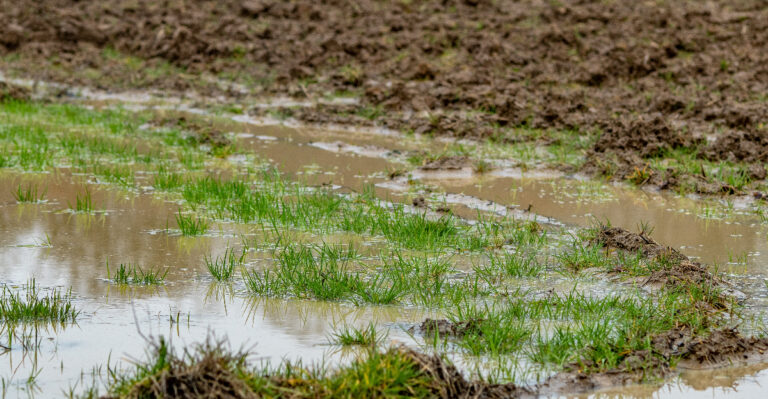
Garlic sitting in waterlogged ground can rot over winter, so raised beds help in heavy clay.
7. A Thick Straw Mulch Protects Cloves Through Freeze And Thaw
Winter in Ohio rarely stays steady. One week the ground is frozen solid, and the next week a warm spell turns everything to mud before the cold returns.
That back-and-forth can heave cloves up out of the soil.
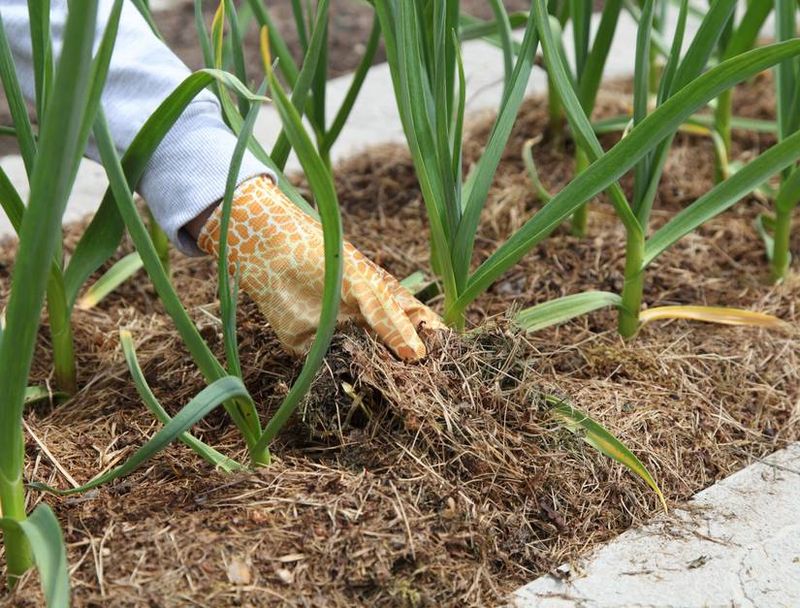
A layer of straw helps soften those swings. Many growers spread around four to six inches over the bed after planting, often once the ground begins to get cold.
Use clean straw rather than hay, since hay usually carries more weed seeds.
Shredded leaves can work too if straw is hard to find. Just avoid packing them into a thick, soggy mat that could hold too much moisture around the cloves.
Mulch also helps hold soil moisture and keeps weeds down the next spring, which matters because garlic does not compete well with weeds.
In early spring, check the bed as the weather warms. Garlic shoots usually push right through the straw, but you can pull some back if the soil stays cold and wet for too long.
Keep the remaining mulch in place through the growing season if it is helping.
Steady water during spring bulb growth, followed by drier conditions near harvest, gives your well-protected cloves their best chance at full-sized heads.