Florida Bermudagrass Can Turn Brown Fast When This Fall Pest Moves In
Watering a brown patch twice a day and watching it spread anyway is one of the more frustrating lawn problems you can run into.
On bermudagrass, that kind of fast browning in fall often has nothing to do with dry soil.
A small pest can move through a lawn in groups, chewing blades down until only ragged stubble remains. The damage may start along one edge and creep outward each day.
Part the grass where green meets brown, since that border is frequently where the feeding is happening.
Plenty of bermuda lawns deal with this, especially after warm, rainy stretches. Florida’s long growing season gives the pest more chances to return before winter.
Spotting it early can be the difference between a quick fix and patching bare ground next spring.
1. That Fast-Spreading Brown Patch Might Be Something Eating The Grass
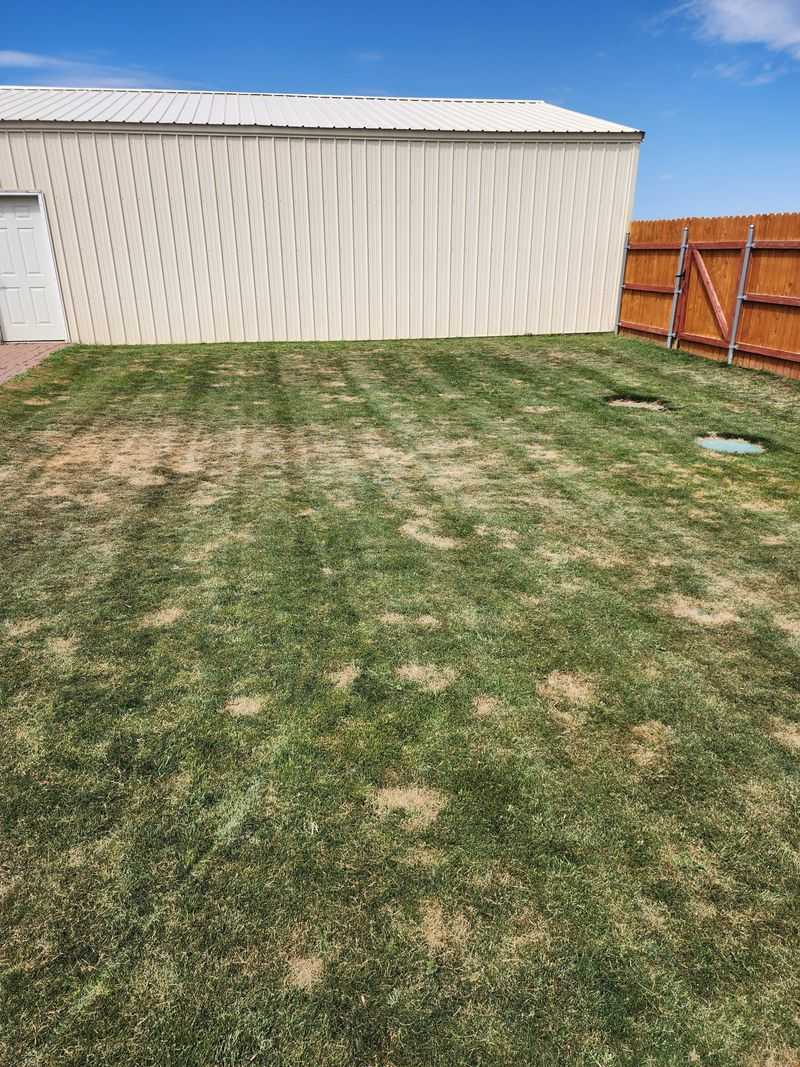
Thirsty grass and chewed grass can look surprisingly alike from the porch, but they tell very different stories up close.
Drought-stressed bermuda tends to fold its blades and take on a dull bluish-gray tint. Footprints may also linger after you walk across it because the blades are slow to spring back.
Feeding damage looks rougher and more uneven. Blades appear notched, shredded, or chewed down, with some leaf tissue simply missing.
Younger caterpillars often scrape away only the leaf surface, leaving pale, see-through spots that are easy to mistake for disease.
Next, look down into the thatch for tiny green or brown pellets scattered near the soil. Those droppings, known as frass, point toward caterpillars rather than heat stress or a watering problem.
Birds pecking at the same patch again and again can be another helpful clue. Across Florida, tropical sod webworms and similar caterpillars leave comparable damage on bermuda, so identify what you find before treating.
Checking early in the morning or near dusk gives you better odds of spotting them, since caterpillars often shelter in the thatch during the hottest part of the day.
2. They Earned Their Name By Moving Across Lawns In Large Groups
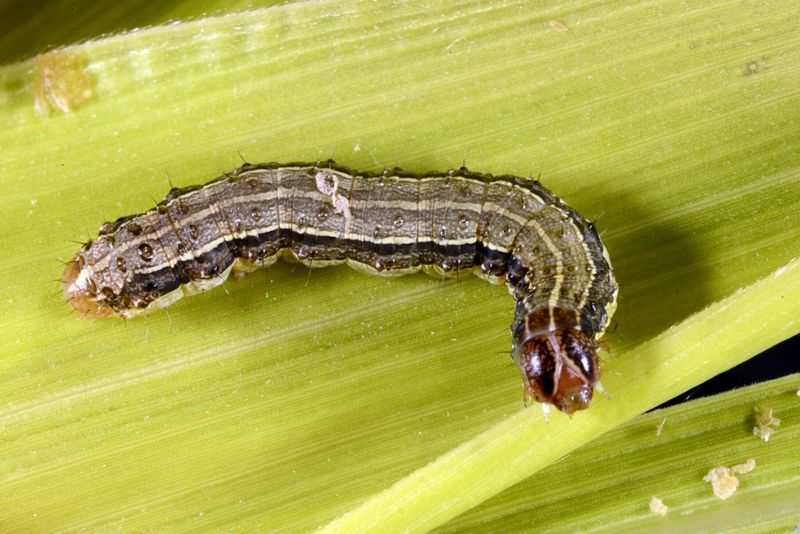
Despite the name, these pests aren’t actually worms at all. They’re the caterpillars of a mottled gray-brown moth known as the fall armyworm.
Female moths often lay their eggs in fuzzy clusters that can hold a hundred or more.
Those clusters sometimes end up on fences, walls, or patio furniture rather than on the grass itself.
Once the eggs hatch, dozens of tiny caterpillars may begin feeding in the same small area at roughly the same time.
As they grow and strip one area, they tend to push forward together toward fresh grass. That steady advance across a yard, much like troops on the move, is where the “army” part comes from.
Their appetite also grows with size, so the heaviest feeding happens during the final days before they pupate in the soil.
The “fall” label made more sense in northern states, where damage tends to show up late in the season. In South Florida, milder winters let them persist much longer, and moths from there can spread north as weather warms.
Your Florida Garden Changes Every Week. Your Plan Should Too.
Gardening in Florida changes quickly throughout the season. Every Friday you’ll receive a simple weekly plan showing exactly what to plant, prune, fertilize, harvest, and protect so you never miss the right timing.
Knowing they travel as a group helps explain why spotting one caterpillar often means more are nearby.
3. Bermuda Is One Of Their Favorite Grasses To Feed On
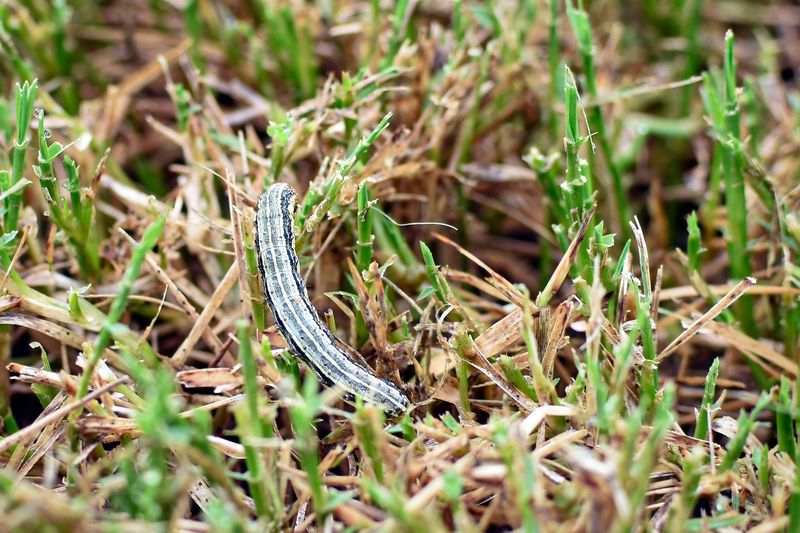
Walk past a golf course or ball field hit by armyworms, and chances are you’ll be looking at bermuda.
Its fine, tender blades are easy for young caterpillars to chew, which helps make it a preferred food.
Fall armyworms will also feed on St. Augustinegrass, zoysia, centipede, and bahia, though bermuda tends to see heavier damage in many outbreaks.
Lush, actively growing turf may draw even more attention. Lawns pushed with heavy nitrogen in late summer can produce exactly the soft new growth these caterpillars seem to favor.
Location plays a role, too, since bermuda hayfields and pastures nearby can produce large moth populations that move into surrounding yards.
Across Florida, bermuda shows up most often on golf courses, sports fields, and sunny home lawns, while St. Augustinegrass covers a larger share of residential yards.
That mix means a neighborhood may show scattered damage, with bermuda browning while nearby St. Augustine holds up better.
Overseeded ryegrass on bermuda lawns is another target worth watching in fall. Tender seedlings have little leaf area to spare, so even moderate feeding can thin a new stand quickly.
4. Their Life Cycle Moves Quickly When Temperatures Stay Warm
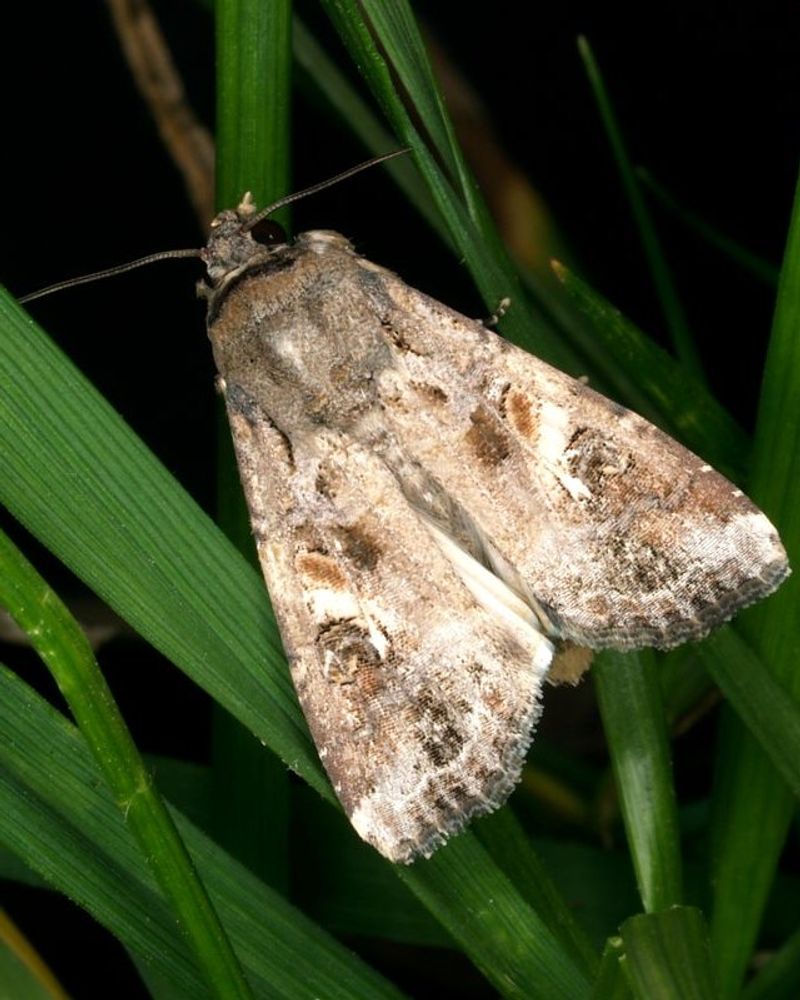
A month is about all a fall armyworm needs to go from egg to egg-laying moth during summer heat.
In warm weather, eggs can hatch within just a few days. Young caterpillars then feed for roughly two weeks before heading into the soil to pupate.
Moths emerge from the pupal stage about a week or so later and soon begin laying eggs of their own.
Cooler weather stretches every stage out. During spring and fall, a full cycle can take around 60 days, compared with about 30 in summer.
Because adults keep laying while earlier broods are still feeding, generations often overlap during long warm stretches. That means a lawn can host tiny caterpillars and nearly grown ones at the same time.
In North Florida, chilly late-fall nights tend to slow development, while warmer areas farther south may see activity continue at a steadier pace.
A lawn that seems clear after one outbreak may not stay that way for long. Checking the same areas again over the next few weeks can help you catch a new wave early.
Pay particular attention to fresh feeding marks along the edges of previously damaged patches, where new activity may first become noticeable.
5. Patches Can Look As If They Were Mowed Far Too Low
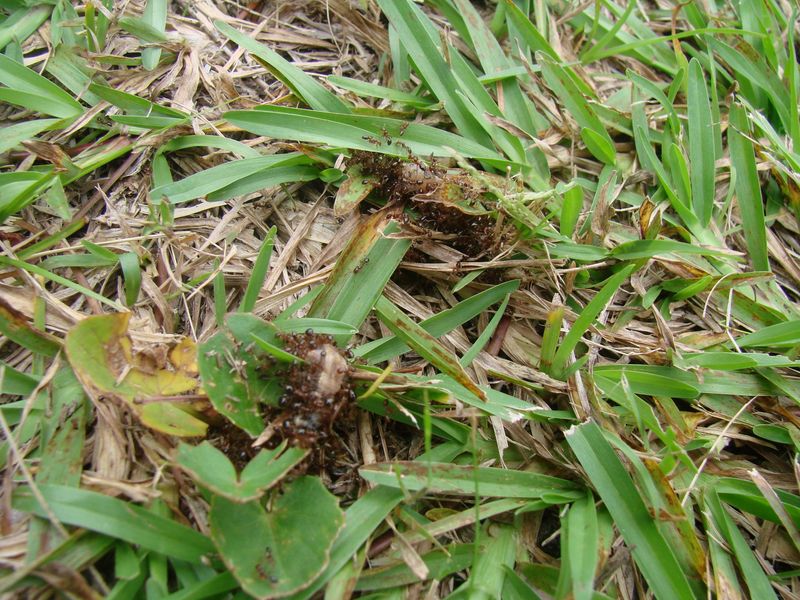
Blame usually lands on the mower first when bermuda suddenly looks shaved.
A crew that cut too low or a blade set unevenly can certainly leave similar brown, stubby patches.
Mower scalping tends to follow a pattern, showing up in straight passes, on high spots, at sharp turns, or along slopes where the deck dipped.
Caterpillar damage rarely lines up so neatly, spreading instead in irregular shapes that ignore the direction you mowed.
Look closely at what remains near the ground. Armyworms mainly strip leaf blades, so brown stems and runners are often left exposed near the soil.
From a distance, the stripped areas often look tan or straw-colored rather than green-brown. Exposed thatch can make the patch look even lower than it really is.
Since bermuda across Florida is often kept fairly short to begin with, a little extra height loss may go unnoticed until patches merge into larger bare-looking areas.
A quick timeline check can help sort things out. If the lawn looked fine right after mowing and the patches appeared or grew days later, feeding becomes the more likely explanation.
6. Counting Caterpillars In A Small Area Helps Decide On Treatment
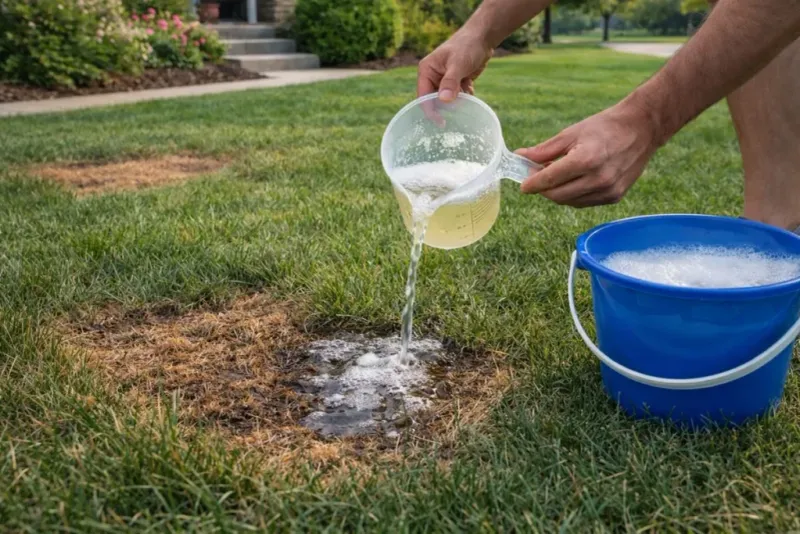
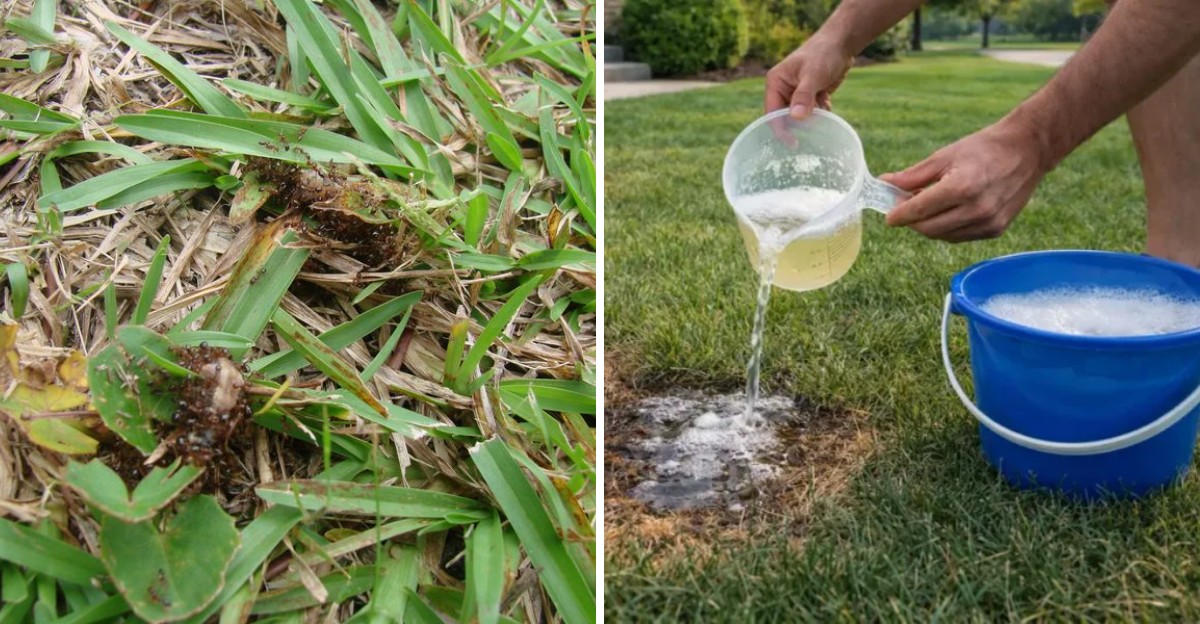
A gallon bucket and a bottle of dish soap can tell you more than a week of guessing.
Mix about a tablespoon of liquid dish soap into a gallon of water. Pour it slowly over a roughly four-by-four-foot area near the edge of the damage.
Give it a few minutes, and hidden caterpillars should start crawling up to the surface. Count what appears, then divide by the area to get an approximate number per square foot.
Testing several separate spots gives a fairer picture than relying on a single pour.
Treatment decisions depend on caterpillar size, the extent of active feeding, and the condition of the lawn, rather than one fixed number for every situation.
Size matters as much as numbers. Small caterpillars respond better to treatment and have done less harm, while nearly grown ones will soon stop feeding and pupate.
Low counts on an established lawn may not need spraying, since wasps and other natural predators help keep armyworms in check.
Florida homeowners unsure of what they found can bring a sample to their county Extension office for identification.
A clear photo of the caterpillar and the damaged grass can also help with identification. Getting the identification right matters because other lawn pests can leave similar signs.
7. Steady Lawn Care Can Help Healthy Bermuda Grow Back After Feeding
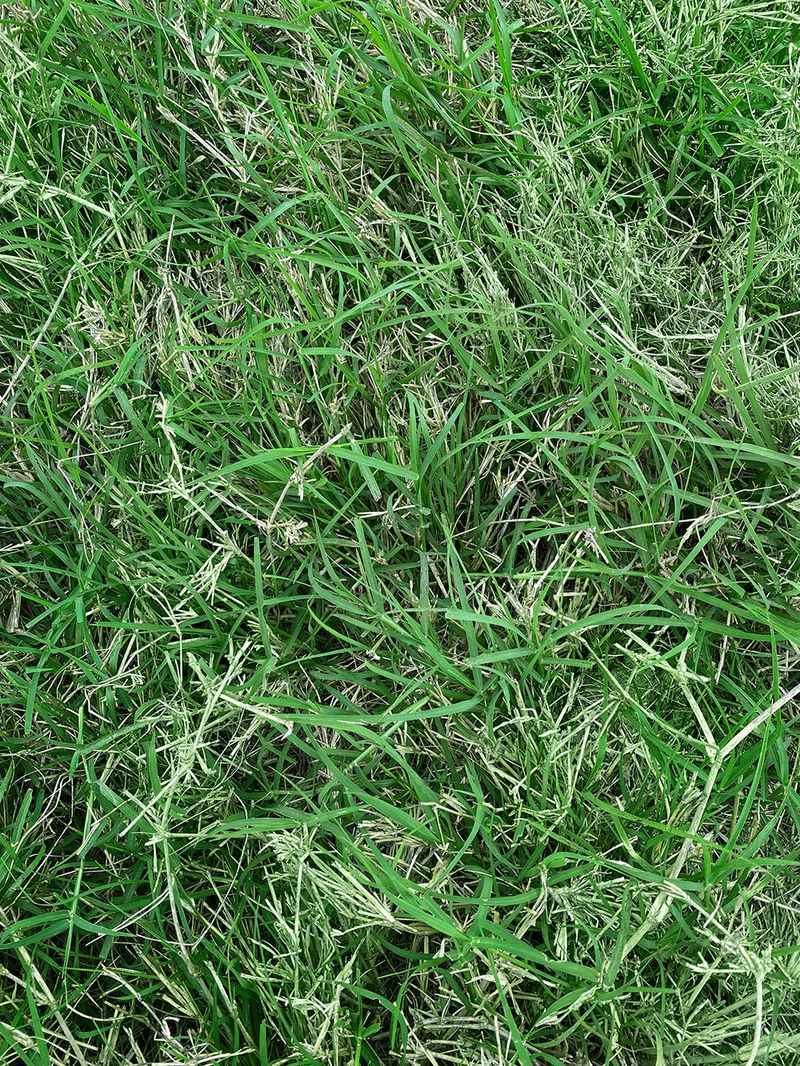
Here’s the encouraging news for most homeowners.
Established bermudagrass can often recover from armyworm feeding because its growing points and runners remain intact, although severe damage or unfavorable growing conditions can slow recovery.
Newly laid sod and freshly sprigged areas carry more risk.
Their shallow roots give that young turf less to work with, so it deserves closer watching and gentler care over the following weeks.
Water deeply when the grass first shows signs of drought stress rather than on a fixed daily schedule, which helps roots grow deeper.
Stick to your regular fertilizer timing rather than adding an extra feeding to speed things up. Overdoing it can push tender growth that a returning generation may find appealing.
Raising the mower slightly and skipping a cut or two lets new blades rebuild leaf area before the next trim.
Keeping foot traffic, pets, and heavy equipment off the thinnest spots also helps runners spread without added stress.
Timing affects how fast all of this happens. In North Florida, bermuda may slip into winter dormancy before patches fully fill in, while warmer areas farther south often keep regrowing well into the cooler months.