The One Thing Michigan Crocuses Need In October For Better Blooms Next Spring
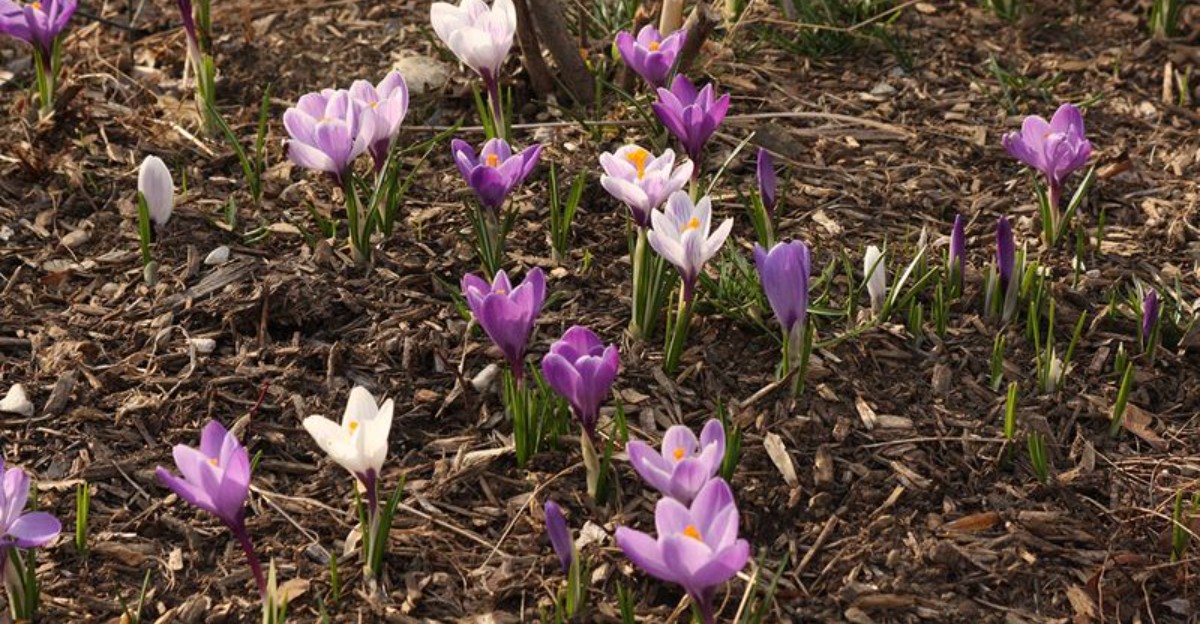
Crocuses are the first flowers many Michigan gardeners see each year, sometimes poking through leftover snow. That early show is decided right now. The small corms go in the ground in October, and their needs are specific.
Plant them wrong and you get a few weak flowers or none at all. Plant them well and they multiply into bright carpets over the years. Squirrels love to dig them up, and wet soil can ruin them.
Michigan’s cold winters actually help, since crocuses need that chill to bloom. One detail makes the biggest difference, and it is easy to overlook. Most people focus on the bulb and forget the spot.
Learn what the corms want before they go underground, and spring will thank you.
1. Crocuses Need To Be In The Ground This Fall To Get Their Winter Chill
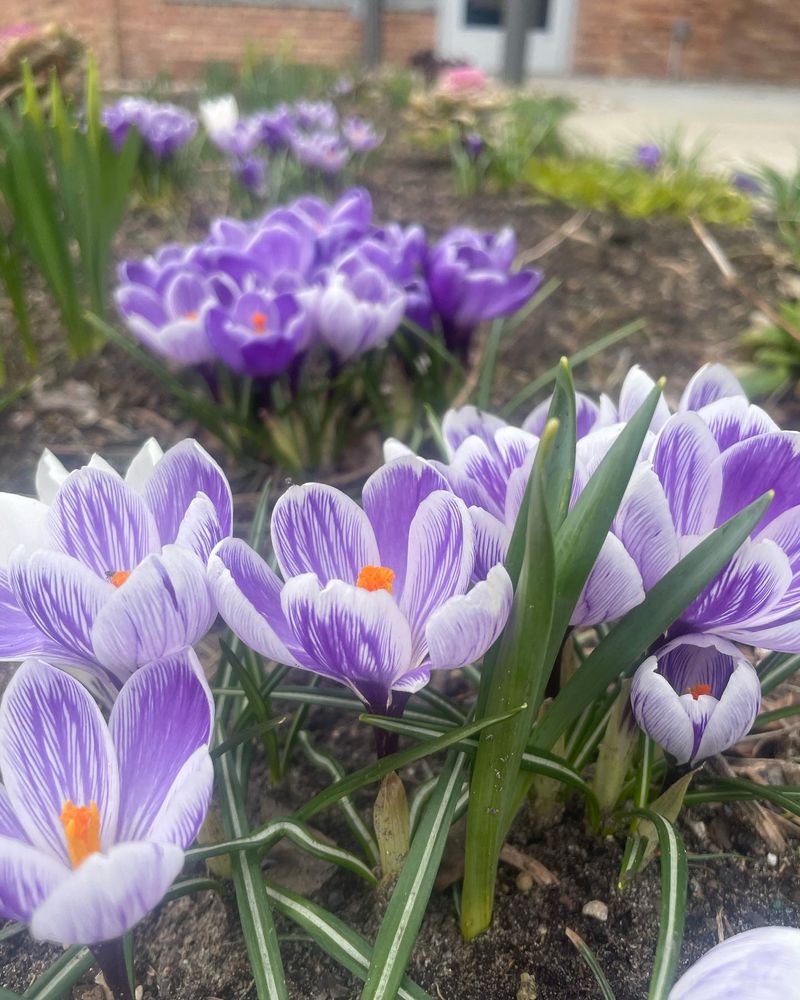
Cold is the hidden ingredient behind every crocus flower. If you want blooms next spring, the one thing your crocuses need in October is simple: they need to be planted so they can spend the whole winter in the ground.
Crocus corms are small, round storage bulbs packed with food. Inside each one, a tiny flower bud waits for a signal. That signal is a long stretch of chilly soil, usually about 12 to 15 weeks of cold.
Without it, the corm may send up leaves but skip the flowers entirely.
Planting in fall lets nature handle the hard work for you. Once the corms are tucked into the soil, winter slowly counts off those cold weeks. By the time the snow melts, the buds are ready to rise and open.
Timing at the store matters, too. Try to plant corms soon after you buy them, because they can dry out or start to soften if they sit around too long. Can’t get to them right away?
Keep them in a cool, dry place with good airflow, like a paper bag in a garage or basement, and plant within a few weeks.
Skip plastic bags for storage. They trap moisture, and damp corms can grow mold or rot before they ever reach the garden.
Michigan gardeners have a real advantage here. Winters across the state, from Detroit to Marquette, bring more than enough cold to satisfy crocuses. Gardeners in warmer places sometimes have to chill corms in a refrigerator, but you don’t.
Just plant them this fall and let a classic Michigan winter do what it does best. Your reward will be bright flowers that show up right on schedule.
2. October Planting Gives Roots A Head Start
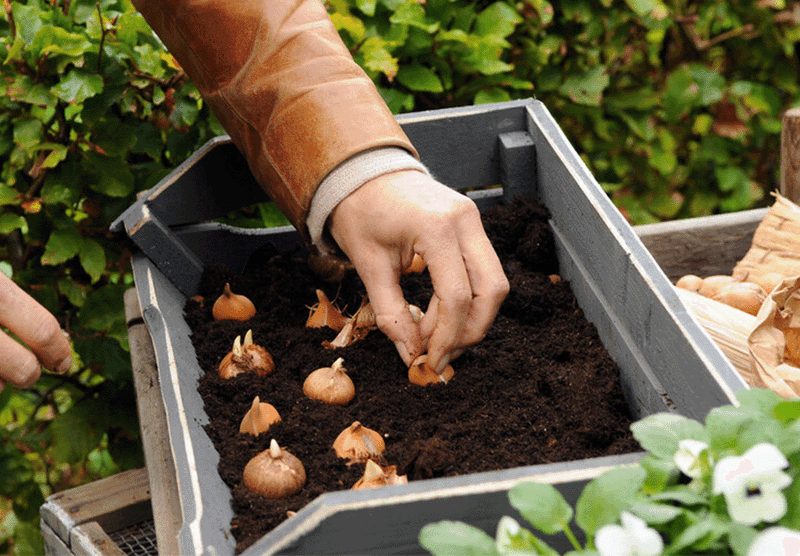
Roots are the quiet heroes of the crocus world. You never see them, but they decide how strong your spring flowers will be.
After a corm goes into the ground, it doesn’t just sit there. Over the next several weeks, it pushes out roots into the cool soil. Those roots anchor the plant firmly and get it ready to grow the moment spring warms things up.
A corm with a good root system can start growing as soon as the snow melts, instead of wasting precious days catching up.
Your Michigan Garden Changes Every Week. Your Plan Should Too.
Gardening in Michigan changes quickly throughout the season. Every Friday you’ll receive a simple weekly plan showing exactly what to plant, prune, fertilize, harvest, and protect so you never miss the right timing.
So when should you plant? It depends on where you live in the state. In the Upper Peninsula and the northern Lower Peninsula, aim for late September to early October. Cold arrives early up north, and the soil can freeze before you know it.
Southern Michigan gardeners get a little more breathing room. Planting through October and even into early November usually works well there. The main goal everywhere is to finish a few weeks before the ground normally freezes solid.
A handy trick is to watch the weather. When nights turn crisp and the trees are showing color, the soil is cooling nicely, which is exactly what crocus roots like. Warm soil can actually push leaves to grow too early, so cool soil is a good thing.
Michigan’s planting window can feel short, especially in places like Houghton or Gaylord. One week the garden feels pleasant, and the next there’s frost on the ground.
Mark a date on your calendar, grab your corms, and get them in while the soil is still easy to dig. Your future flowers will thank you.
3. The Right Depth Protects Corms Through Winter
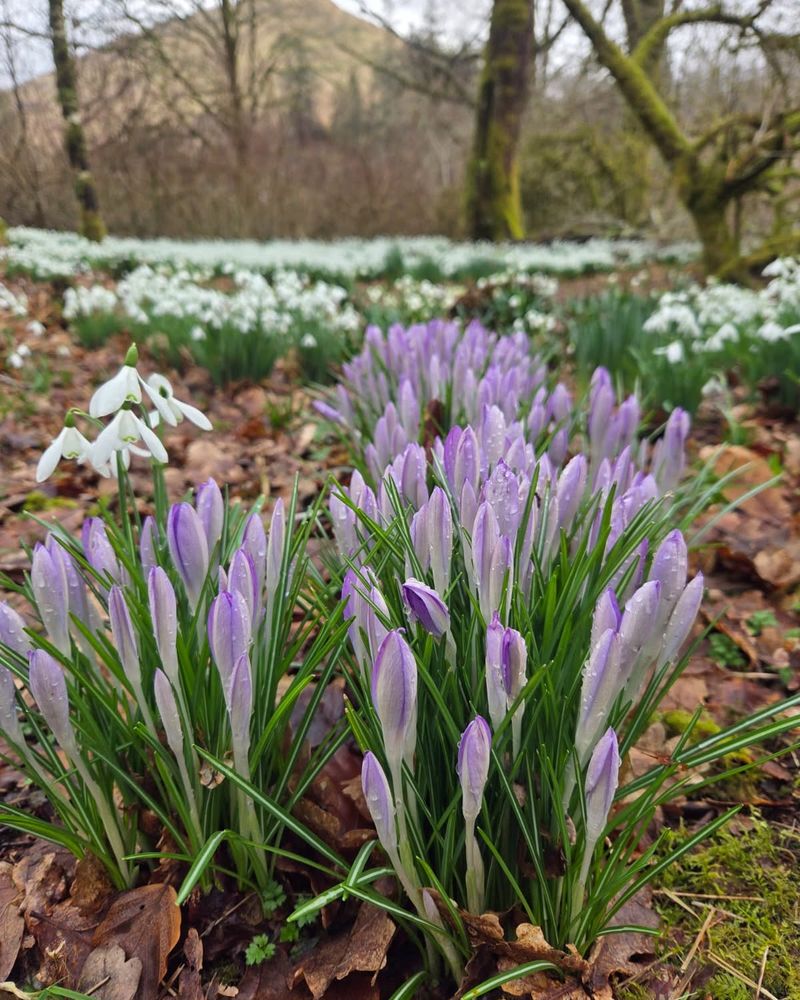
How deep is deep enough? For crocuses, the sweet spot is about 3 to 4 inches below the surface. That small number makes a big difference.
Soil acts like a cozy blanket. At that depth, corms stay protected from wild temperature swings that happen right at the surface. They also stay put when the ground freezes and thaws, which can shove shallow corms right up and out of the soil.
Planting too shallow has another downside, since hungry animals can find the corms much more easily.
Getting the depth right is easy. Use a trowel or a small bulb planter and dig down about 3 to 4 inches. A ruler helps the first few times, but you’ll soon get a feel for it.
Next, look closely at each corm. One side is a little pointed, and the other is flatter, sometimes with dry bits of old roots. Set the pointed side facing up. If you truly can’t tell, plant it on its side, and the shoot will find its way.
Cover the corms with soil and press down gently with your hand. You want good contact between the soil and the corm, not a packed brick. If the ground is dry, give the area a good drink of water to help roots get started.
Michigan’s late winter can be sneaky. A warm, sunny week in February or March may thaw the top layer, and then a cold snap freezes it hard again.
That push and pull is called frost heaving, and it’s tough on shallow plantings. A few extra inches of soil keep your crocuses snug and safe until spring.
4. Sun And Drainage Bring Out The Best Blooms
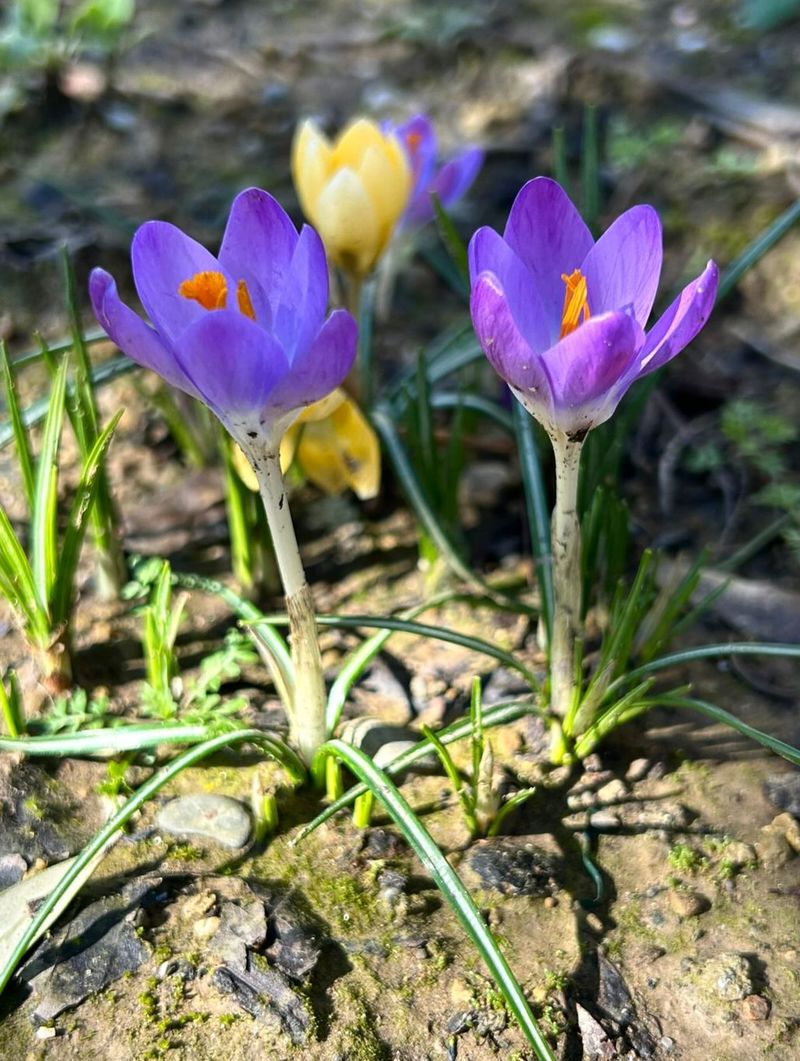
Crocuses are total sun lovers. On a bright day, their petals spread wide open, showing off golden centers. When clouds roll in, the flowers close up tight, almost like they’re taking a nap.
Because of that habit, a sunny spot gives you the best show. Full sun is ideal, but light shade works too. Areas under deciduous trees, like maples and oaks, are surprisingly perfect.
Those trees are still bare when crocuses bloom, so plenty of sunlight reaches the ground.
Drainage matters just as much as light. Crocus corms hate sitting in soggy soil. Too much water for too long can make them soft and moldy, and a rotted corm won’t flower.
Well-drained soil lets extra water flow away quickly. Before you plant, take a walk around your yard after a heavy rain. Notice where puddles linger. Those low spots are not great homes for crocuses.
Choose slightly higher ground, gentle slopes, or raised beds instead. Got heavy clay? Plenty of Michigan yards do. Mixing a few inches of compost into the planting area helps loosen the soil and improves drainage.
Compost also adds a little nutrition, which never hurts. Spring in Michigan brings its own challenge. As the snow piles melt, water can soak certain parts of a yard for weeks. A spot that seems fine in October may turn into a mini pond in March.
Picking a sunny, well-drained location now saves your corms from that soggy surprise. When those first warm rays arrive, your crocuses will be ready to open wide and glow.
5. Planting In Groups Creates A Bigger Show
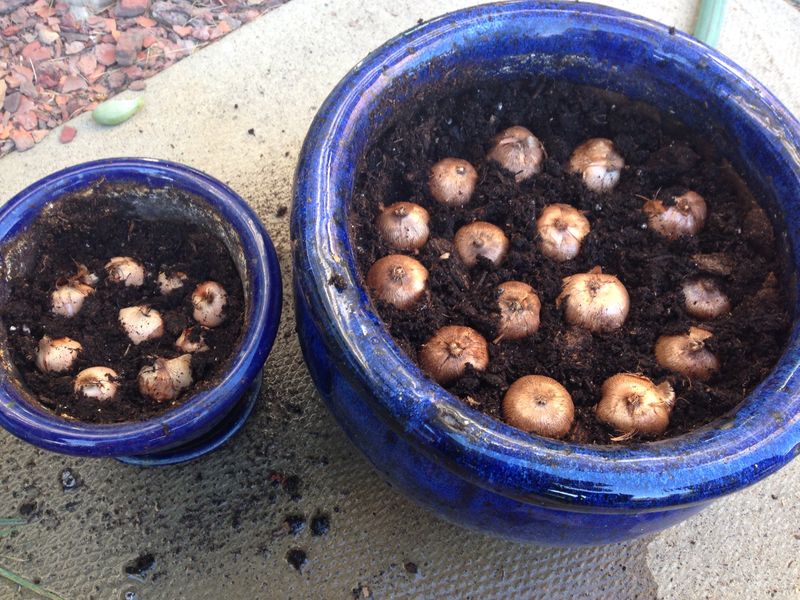
One crocus is cute. Fifty crocuses are a celebration. Each flower is only a few inches tall, so a single bloom can easily get lost in the yard.
Planting in groups solves that problem fast. Clusters or loose drifts of a dozen or more corms create a bold splash of color you can spot from across the yard, or even from the street. Many gardeners plant 25 to 50 at a time for a really eye-catching patch.
Skip the straight, single rows. They tend to look stiff and a little thin. Instead, scatter the corms in a natural-looking group, spacing them about 2 to 4 inches apart.
Some gardeners gently toss a handful onto the soil and plant them right where they land, which gives a relaxed, wild look.
Wondering where to put them? Try tucking crocuses along a walkway, near the front steps, or in front of shrubs. They also look amazing popping up through a lawn, like jewels scattered in the grass.
Lawn plantings need one bit of patience. Hold off on mowing those areas until the crocus leaves turn yellow in spring. Mowing too soon cuts off the leaves before they can store energy for the next season.
Here in Michigan, crocuses are among the very first flowers to show up after winter. Often it’s still chilly, and you’re admiring them from a kitchen window with a warm drink in hand. A big, colorful group makes that view so much better.
Plant them where you’ll see them most, and that first glimpse of spring will feel even sweeter.
6. Protection From Squirrels And Chipmunks Matters
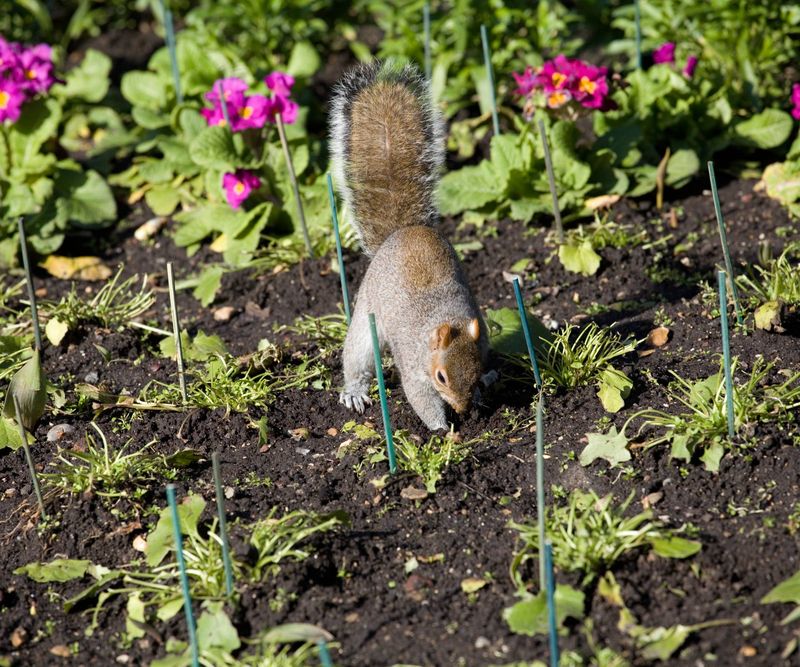
You plant a beautiful bed of crocuses, step inside for a snack, and come back to find little holes everywhere. Sound familiar? Squirrels and chipmunks may have beaten you to the treasure.
Those busy critters love crocus corms. Fall is their prime season for gathering and burying food, so they’re already digging all over the yard. Freshly turned soil is like a giant sign that says snacks here.
Luckily, a few easy steps can protect your hard work. First, clean up after planting. Those papery husks that flake off the corms carry a scent that attracts animals, so gather them up and toss them away instead of leaving them on the soil.
Next, add a physical barrier. Lay chicken wire or hardware cloth flat over the planted area, then cover it with a layer of mulch so it blends in. Animals can’t dig through the wire, but crocus shoots can easily grow through the openings in spring.
Pin the edges down with garden staples or stones. Another smart choice is the snow crocus, known as Crocus tommasinianus.
Gardeners often notice that squirrels and chipmunks bother it less than the larger Dutch crocuses. Its pale lavender flowers are lovely, and it spreads nicely over time.
Michigan neighborhoods are full of these furry visitors. Gray squirrels, fox squirrels, red squirrels, and chipmunks all call the state home, from city parks to rural woodlots. Protecting your bed in October means more of your corms make it to spring.
A little wire and some tidy cleanup can be the difference between a bare patch and a bright carpet of blooms.
7. Spring Leaves Recharge Next Year’s Flowers
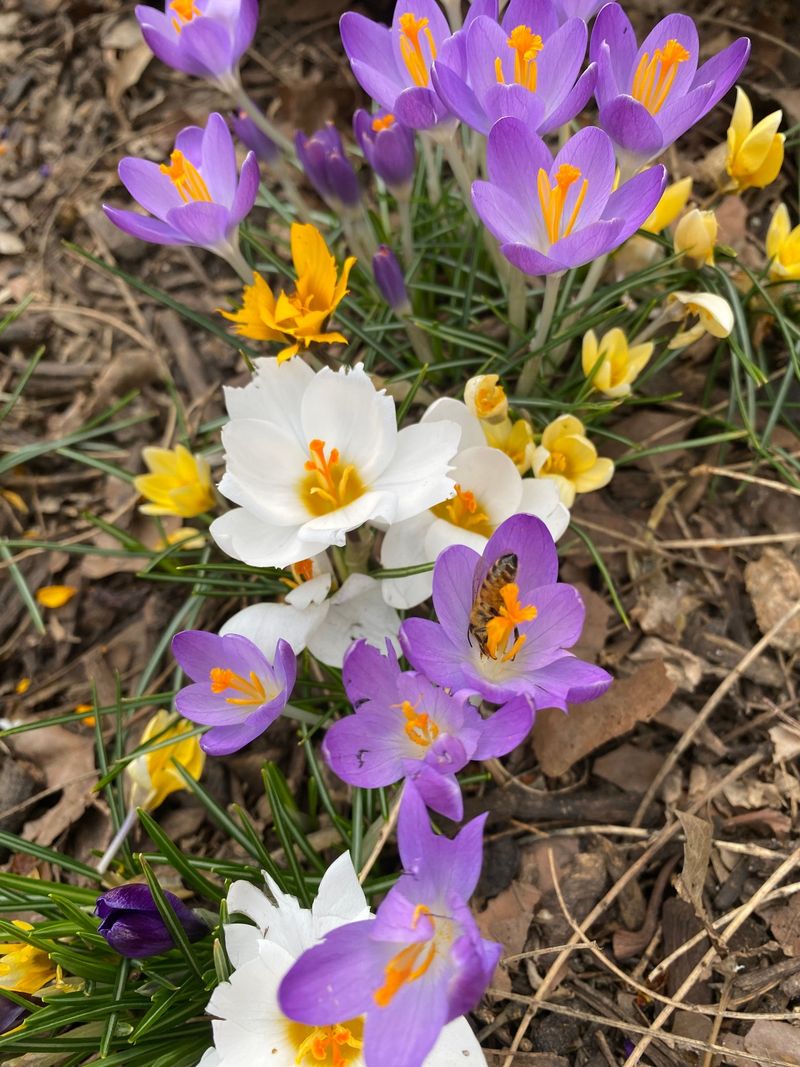
The flowers fade, the petals drop, and the show seems to be over. Not quite. The real work for next year is just getting started.
Those thin, grassy leaves are tiny solar panels. After blooming, they keep soaking up sunlight and turning it into energy. That energy travels down into the corm and gets stored for the following spring.
A well-fed corm can produce strong flowers next year and even form new baby corms around it.
Cutting the leaves too early stops that process cold. The corm doesn’t get enough food, and the next spring’s flowers may be fewer or smaller. Over a few years, the planting can slowly fade away.
The fix is easy, and it actually means doing less. Let the leaves stay in place until they turn yellow and wither on their own. That usually takes several weeks after the flowers finish.
Once they’re limp and brown, you can gently pull them away or simply let them break down.
Crocuses in lawns follow the same rule. Wait to mow those areas until the foliage has yellowed. If the grass looks a little shaggy for a while, think of it as a sign of good things to come.
Patience pays off big in Michigan gardens. Healthy, well-fed crocuses can return for many years, slowly spreading into wider patches of color. Some gardeners find their small plantings have doubled or tripled over time.
It all ties back to that October planting, plus a little spring patience. Treat your crocuses well, and they’ll greet you after every long Michigan winter.