The One October Task That Determines How Well California Citrus Handles Frost
October’s first cool mornings tend to inspire a little extra care for backyard citrus. Winter still feels far away, and a few helpful gestures seem like a smart way to prepare the tree for the season ahead.
Some of those well-meant habits, however, can quietly set a tree up for trouble once frost arrives.
One simple choice made this month shapes how well branches, leaves, and fruit ride out the coldest nights. It costs nothing and takes no time at all.
A few easy follow-up steps round out the plan, especially for young trees and inland gardens.
Sometimes the most protective thing a gardener can do turns out to be surprisingly restful for everyone involved.
Stop Feeding By Early October
Citrus trees follow a seasonal calendar, even without one hanging on the wall. By early October, the feeding season should wrap up, and that simple choice shapes how the tree handles winter.
UC ANR guidance keeps citrus nitrogen mainly in spring and summer. Along the Southern California coast, the last nitrogen application should go down no later than about October 1.
Feeding then resumes around March 1, when the tree wakes up for a new season of growth and bloom. That rhythm matches the tree’s natural cycle.
Location shifts the deadline. Inland valleys and foothill towns get colder and see frost sooner, so gardeners there do best wrapping up feeding earlier.
In places like Sacramento, the last feeding usually lands in late summer. Colder winters call for an earlier stop.
Skipping a late feeding can feel strange, almost like forgetting to pack a lunch. The tree, however, isn’t hungry in fall.
It still holds plenty of stored nutrients from the warm months, and it slows down on purpose. That pause protects it.
Late fertilizer causes other trouble, too. UC experts point out that it can delay fruit coloring and leave rinds rough and thick.
A bag of food in October can cost both frost protection and prettier fruit. A note on the calendar now, followed by a restful fall for the tree, pays off on frosty January mornings.
Late Nitrogen Pushes Tender Growth
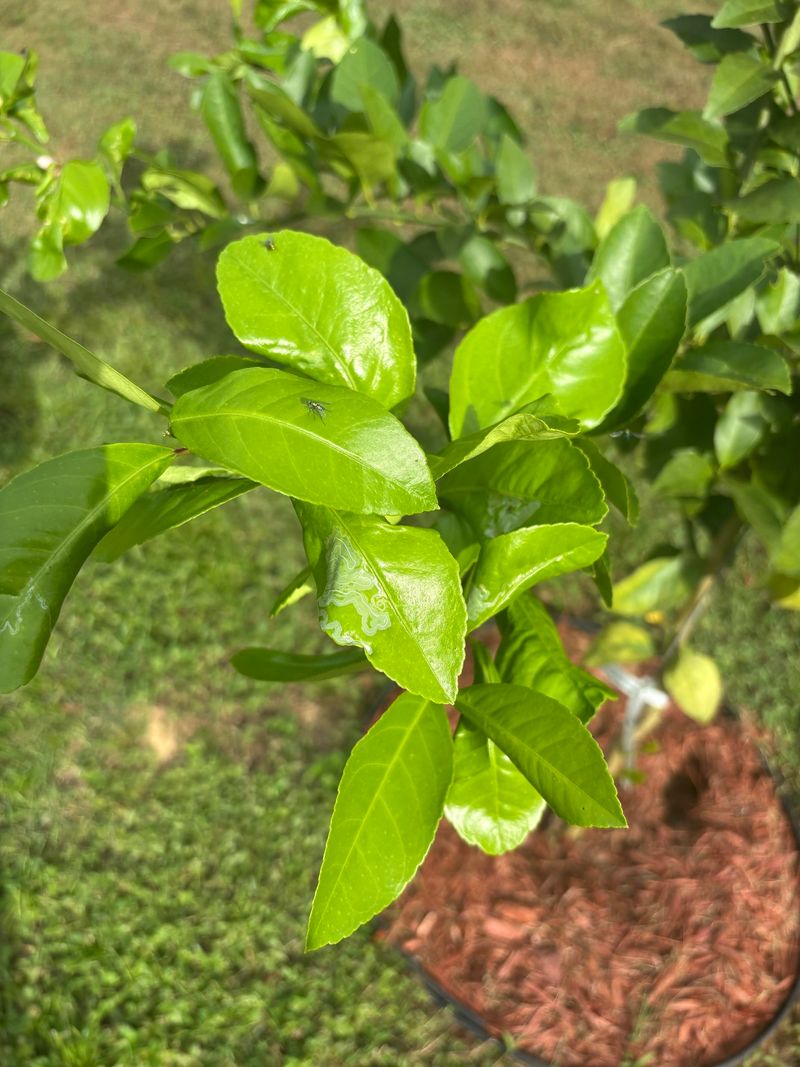
A flush of shiny, lime-green leaves popping out on an orange tree in November looks cheerful. Unfortunately, it works as a warning sign wearing a party hat.
Nitrogen tells a citrus tree to grow. Trees use it to build new leaves, stems, and shoots.
Nitrogen in spring produces healthy growth during warm, long days. Nitrogen in fall sends the same signal at the worst possible time.
California citrus trees often keep growing while the weather stays mild. A sunny October can feel like spring to a tree, especially in inland valleys.
Fertilizer added during that warm spell practically hands the tree a starter pistol. It responds by pushing out a fresh round of leaves right before winter.
New growth needs weeks to mature. Its cells are full of water, and its outer layers stay thin.
The stems bend easily and the leaves feel soft and floppy. None of that is ready for a 30-degree night.
Your California Garden Changes Every Week. Your Plan Should Too.
Gardening in California changes quickly throughout the season. Every Friday you’ll receive a simple weekly plan showing exactly what to plant, prune, fertilize, harvest, and protect so you never miss the right timing.
Slow-release fertilizers can cause trouble, too. Pellets spread in late summer may keep feeding the tree well into fall.
Counting backward from the stop date, using the release time on the label, keeps timing on track.
The effect resembles brewing a pot of strong coffee right before bedtime, with energy showing up exactly when calm should settle in. Holding off on nitrogen lets the tree wind down naturally, just the way it should.
Tender Growth Is What Frost Damages First
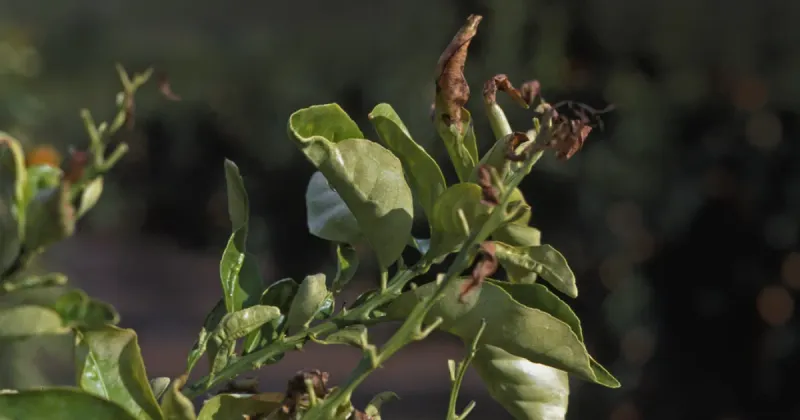
A walk around a citrus tree after the first hard frost reveals a clear pattern. Older leaves deep inside often look fine, while the newest shoots at the tips turn brown, curl, or look scorched.
That pattern has a simple explanation. Soft new growth holds plenty of water in thin-walled cells.
When temperatures drop low enough, ice crystals can form inside and between those cells. The ice tears the delicate tissue, much like a soda can splitting in the freezer.
Mature leaves and woody stems are built tougher. Their cell walls are thicker, and they carry less free water.
They also hold more sugars and other compounds that act a bit like antifreeze. Those defenses let them ride out cold that would wreck a brand-new shoot.
Location on the tree matters, too. Fresh growth often sits on the outer edge of the canopy, facing the open sky.
Heat escapes fastest from those exposed spots on clear, still nights. The most fragile tissue ends up sitting in the coldest seat in the house.
Damaged tips aren’t always a disaster, though they set the tree back. Spring energy then goes toward replacing lost growth instead of building flowers and fruit.
Injured shoots can also let in disease if they linger too long.
The lesson stays simple. Fewer soft shoots in fall leave less tissue for frost to grab, so giving the tree no reason to grow late keeps frost damage to a minimum.
Hardened Growth Handles Cold Better
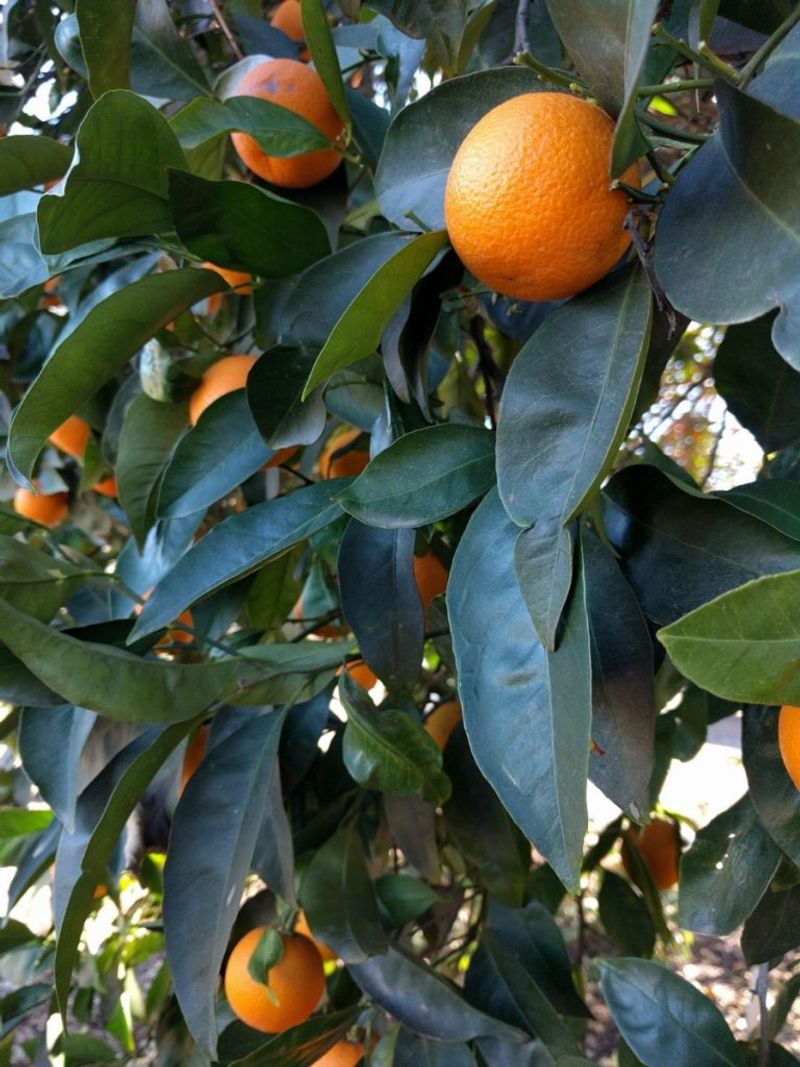
Gardeners have a handy phrase for a plant preparing for winter. They call it hardening off, and a citrus tree that has had time to harden off resembles a hiker who trained before a big climb.
Hardening off happens slowly. As days shorten and nights cool, the tree stops making new shoots.
Existing leaves turn darker and more leathery. Stems firm up and shift from green to woody brown, while the tree builds up sugars inside that help protect its cells from freezing.
That process needs steady cool weather and several weeks without growth spurts. Every new flush resets the clock for that part of the tree.
A tree that stopped growing in early fall walks into December well prepared. A tree pushed to grow in October shows up to winter in shorts and flip-flops.
Hardened wood isn’t frost-proof. A deep, long freeze can still hurt any citrus.
Still, a toughened tree often shrugs off a light frost that would scorch a tree full of soft shoots. It also bounces back faster in spring.
A well-hardened tree is easy to spot. Leaves feel stiff rather than floppy, shoot tips look finished rather than still unfolding, and the canopy carries a deep, even green.
The gardener’s role stays refreshingly simple. No fertilizer, no pruning, and no pushing allow the tree to prepare on its own schedule.
Patience serves as the quiet hero of this whole story.
Skip Fall Pruning For The Same Reason
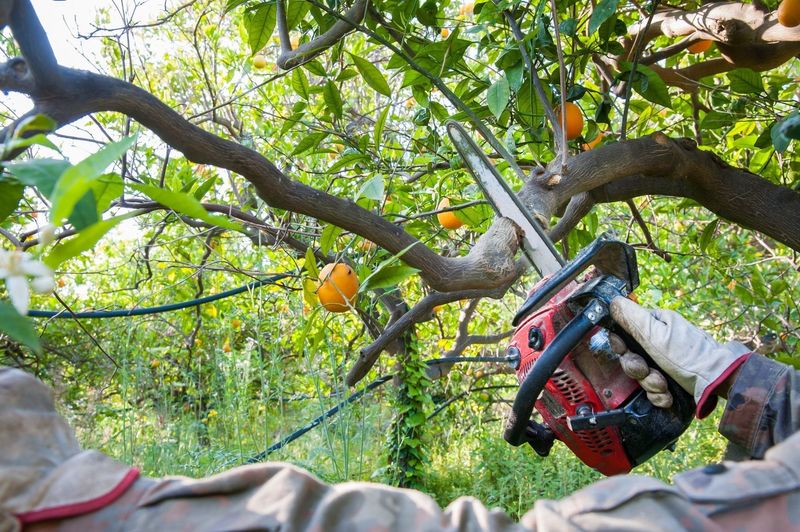
A shaggy lemon tree can tempt anyone holding shears. Fall cleanup feels productive, and a trimmed tree looks tidy, yet cutting citrus in October can backfire in a big way.
Pruning wakes a tree up. When branches come off, the tree often answers by pushing out new shoots near the cuts.
In fall, those shoots are just as soft and frost-tender as the ones fertilizer creates. The same problem simply arrives through a different door.
Pruning also opens the canopy. Outer leaves help shelter inner branches and the trunk on cold nights.
Thinning them out exposes more bark and fruit to the open sky. That exposure can make frost injury worse rather than better.
UC guidance recommends waiting. The best time to prune citrus comes just before spring bloom or after fruit has set.
By then, frost danger has passed, and new growth has a safe, warm season ahead. That timing works with the tree rather than against it.
Freeze damage calls for extra patience, too. Damaged branches can take weeks to show their full extent, so waiting until new spring growth appears reveals exactly where healthy wood begins.
Early cuts often remove wood that would have recovered.
A few small exceptions apply. Snapping off a broken branch or removing suckers from below the graft works fine any time.
The big shaping job can wait for spring, giving the shears a well-earned winter vacation.
Water Deeply Before The First Cold Night
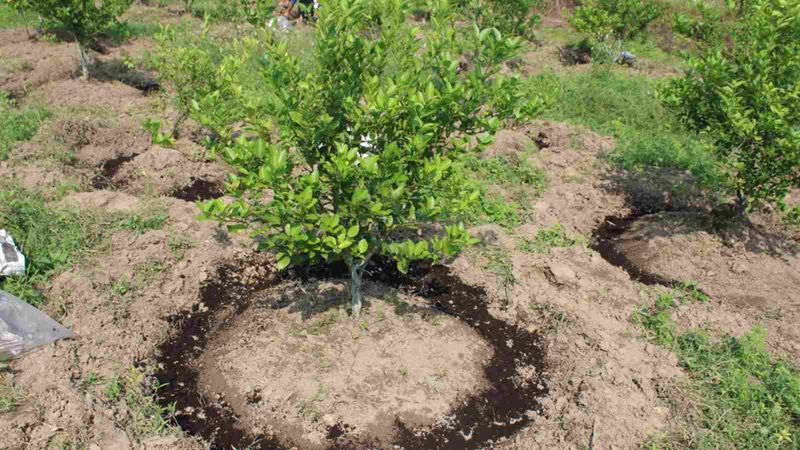
A frost warning on the weather app calls for the hose before the blankets. A good soak ranks among the easiest ways to help citrus through a cold night.
Moist soil works like a heat battery. Water holds far more warmth than air, so wet soil soaks up more of the sun’s heat during the day.
After dark, that stored warmth slowly rises into the air around the tree. Dry soil holds less heat and gives it up quickly.
The best time to water comes a day or two before the cold arrives. That window lets water sink in and gives the soil time to warm in the sun.
Deep watering around the drip line works far better than a quick splash at the trunk. A slow trickle for an hour often beats a fast blast.
A well-watered tree also stays in better shape. Citrus that goes into a freeze dry suffers more stress and damage, while healthy, hydrated leaves cope with cold more easily.
Overwatering carries its own risk. Soggy, waterlogged soil can lead to root rot, especially in heavy clay.
A finger pushed into the top few inches offers a quick check. Dry soil calls for water, while damp soil means the tree is already set.
Running sprinklers on the leaves during a frost is best avoided without solid know-how, since the method can coat branches in ice when done wrong. Ground watering remains the simple, safe choice.