9 Popular Plants Virginia Gardeners May No Longer Be Allowed To Grow
That lovely vine on your fence might be living a secret double life. Across Virginia, some of the most familiar garden plants are quietly escaping into woods, fields, and roadsides.
Sweet wisteria blooms and snowy pear blossoms look innocent each spring. Yet many of these favorites cause real trouble once they leave the yard.
State rules are starting to catch up. Beginning in 2027, nurseries will have to label certain plants as invasive, and a few already face strict limits on moving and selling.
So which beloved plants are on the watch list, and what can you grow instead? The answers might surprise you, especially if one is growing outside your window right now.
The guide below sorts out what’s changing and what it means for your garden. Your planting plans may need a second look.
1. English Ivy, A Classic Groundcover With A Dark Side
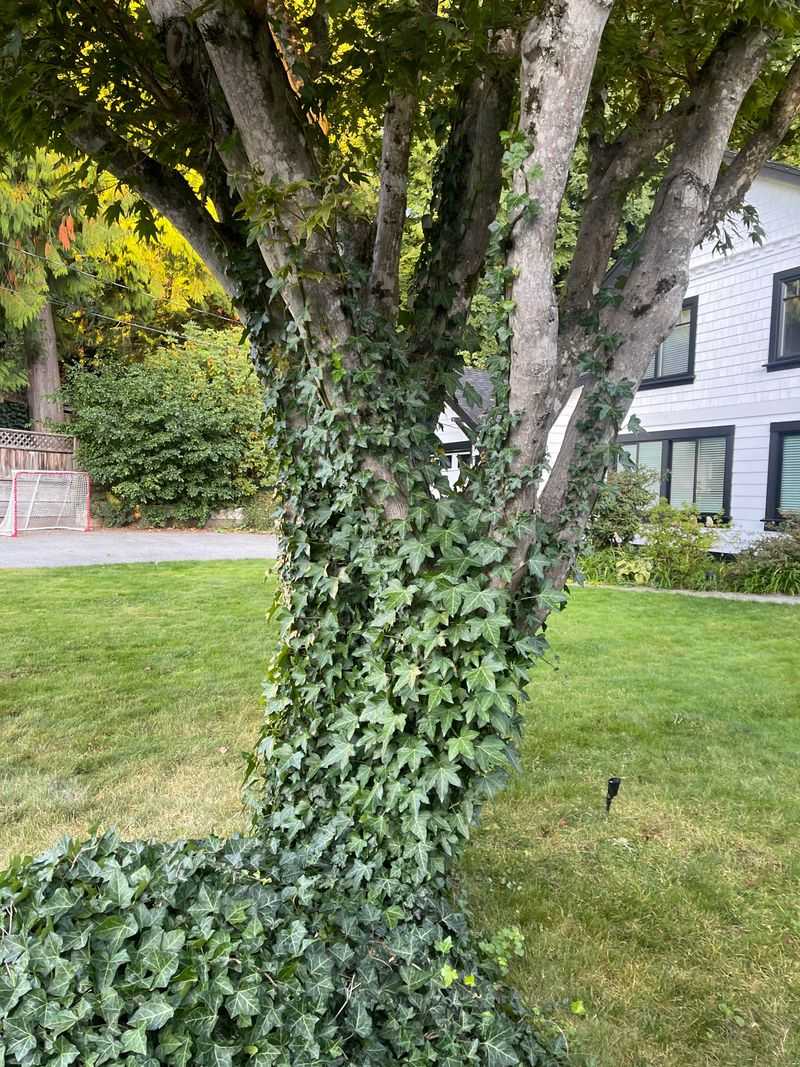
Picture an old brick schoolhouse wrapped in glossy green leaves. English ivy has decorated homes and campuses for centuries, so it feels like part of the family.
Sadly, that charming look hides a pushy habit. The vine spreads into thick carpets on forest floors and crowds out wildflowers and young trees.
Things get worse when it climbs. Ivy can creep up tree trunks, block sunlight from the leaves, and slowly weaken the whole tree.
Heavy ivy also adds weight to branches. During storms, those loaded trees are more likely to snap or tip over in strong winds.
Here is a surprising detail many people miss. English ivy can host bacterial leaf scorch, a disease that harms native maples, oaks, and elms.
Birds help it travel by eating the dark berries. They drop the seeds far from your yard, often deep in nearby woods.
Virginia has listed English ivy on its official invasive plant list with a medium rank. Starting January 1, 2027, stores must post signs labeling it invasive.
Local rules may tighten over time too. Check with your county to see what’s changing near you.
Want to remove ivy from a tree safely? Cut the vines at about shoulder height, then pull the lower part away from the trunk.
Leave the upper vines alone, since they will dry up and fall over time. For a friendly replacement, try native wild ginger or green and gold.
2. Japanese Barberry, A Hedge Favorite Now Flagged
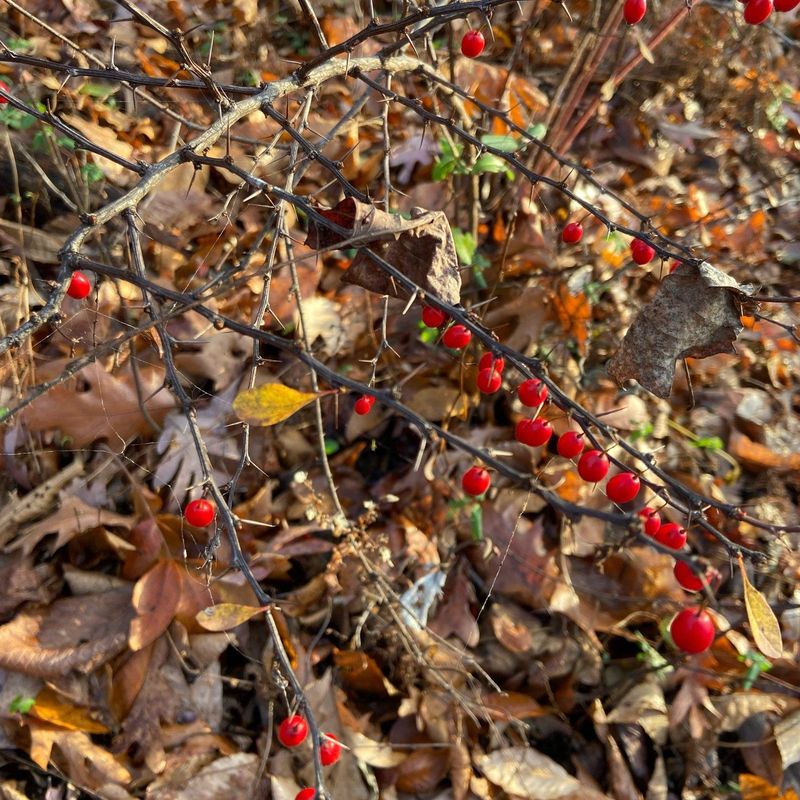
Ticks love Japanese barberry, and that fact alone might change your mind about it. Gardeners once picked this shrub for its bright red leaves and tough thorns.
It made a handy hedge because deer usually leave it alone. Few people guessed it would spread so far beyond neat front yards.
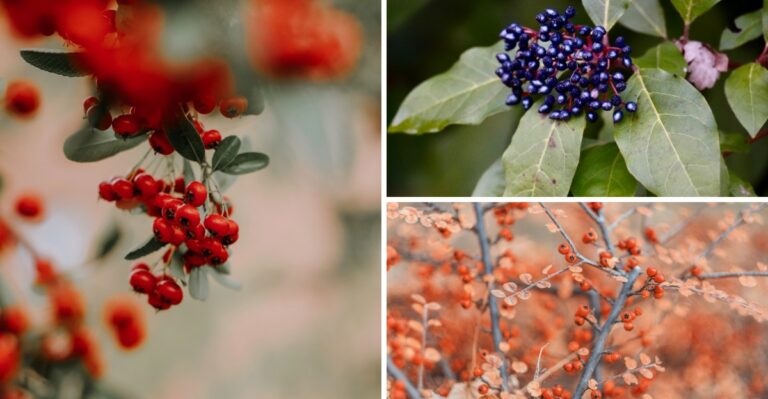
Birds eat the small red berries and carry the seeds into forests. Soon, dense and prickly thickets pop up where native shrubs used to grow.
Those thickets do more than crowd other plants. Research shows barberry can change soil chemistry and slow the natural regrowth of forests.
Now for the creepy part. The shrub creates a humid, shady hideout where black-legged ticks thrive, and those ticks can carry Lyme disease.
Your Virginia Garden Changes Every Week. Your Plan Should Too.
Gardening in Virginia changes quickly throughout the season. Every Friday you’ll receive a simple weekly plan showing exactly what to plant, prune, fertilize, harvest, and protect so you never miss the right timing.
Families with kids or dogs should pay attention here. Fewer barberry bushes near your home may mean fewer ticks hitching a ride inside.
Virginia conservation experts rank Japanese barberry as moderately invasive in every region of the state. Even so, you can still find it at many garden centers today.
That may shift soon. New rules will require invasive warning signs for plants like this one by January 1, 2027.
If you plan to remove barberry, wear thick gloves and long sleeves. Pull small plants by hand, and dig out roots of larger ones.
Need a colorful swap? Native ninebark, Virginia sweetspire, or winterberry holly offer bright color without the trouble or the ticks.
3. Callery Pear, The Bradford Pear Family
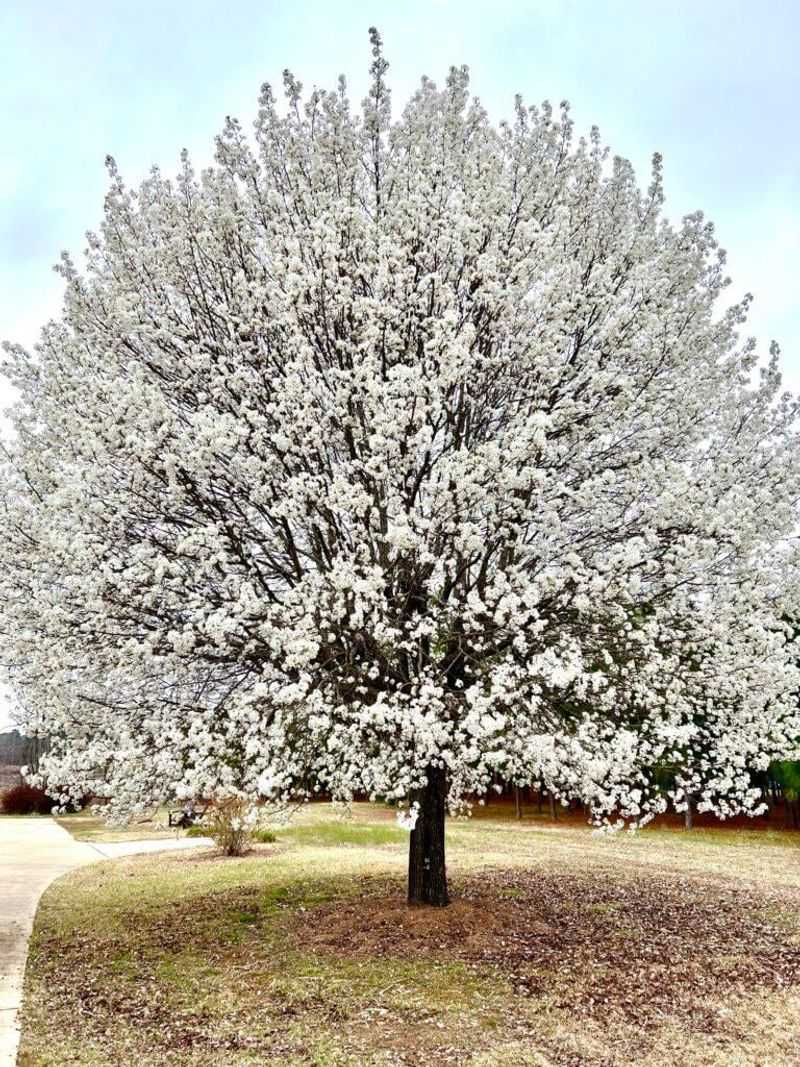
Every spring, roadsides burst into clouds of white blossoms. Many drivers think it looks like snow, but botanists see a growing problem.
Those trees are Callery pears, including the famous Bradford variety. Homebuilders planted them everywhere because they grew fast and looked tidy.
Nurseries once claimed the trees could not make seeds. Unfortunately, different varieties cross-pollinate, and that creates small fruits full of fertile seeds.
Birds snack on the fruit and spread seeds into fields and forest edges. Wild Callery pears often grow sharp thorns and form tangled thickets.
And yes, there is that smell. Many people say the blooms remind them of rotting fish, which is not ideal for a backyard picnic.
Weak branches add another headache. Bradford pears often split apart in storms, sometimes landing on cars, roofs, or fences.
Virginia lists Callery pear as a medium-rank invasive plant. By January 1, 2027, stores must label it clearly as invasive.
Here is some good news for homeowners. The Virginia Department of Forestry runs a Callery Pear Exchange that offers native trees when you remove yours.
Check their website each year for event dates and locations. Bring proof of removal, like a photo, and leave with a healthy new tree.
Great replacements include serviceberry, redbud, and flowering dogwood. Each one gives spring flowers, and birds will thank you for the native fruit.
4. Mimosa, The Pretty Silk Tree That Spreads Fast
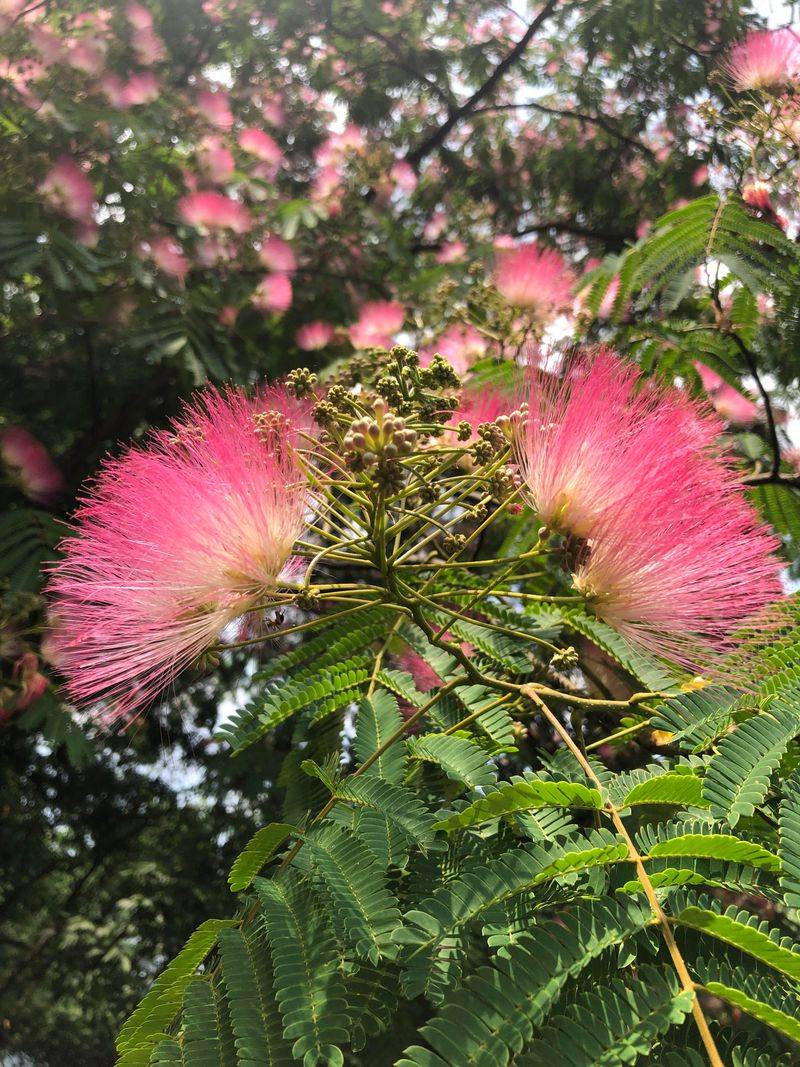
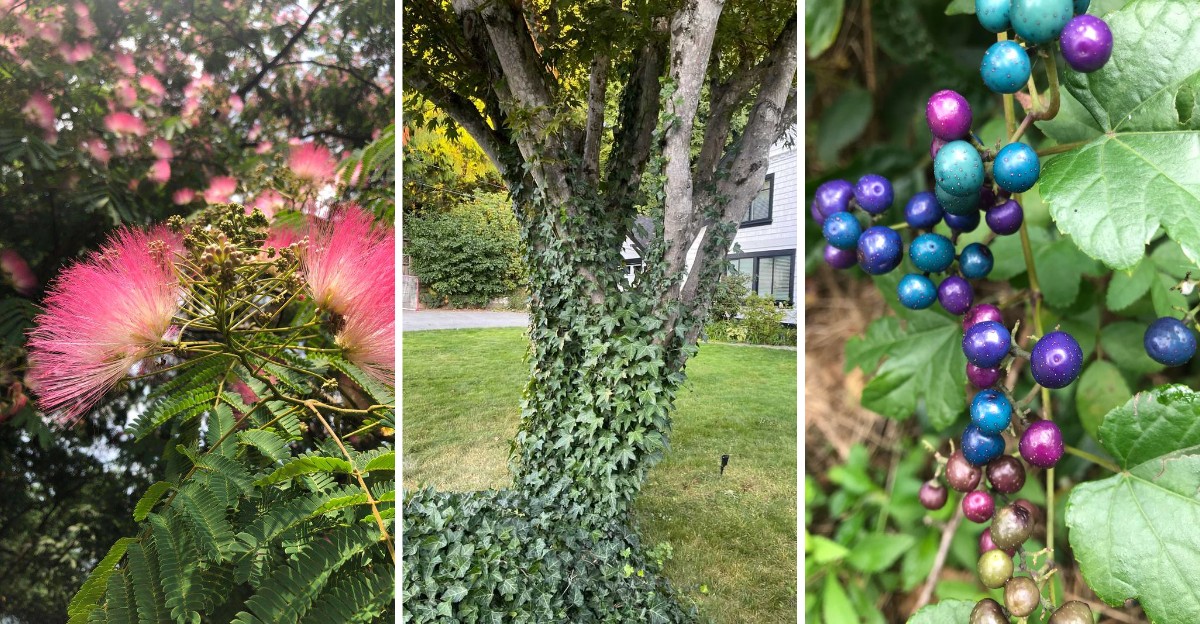
Grandma’s yard probably had one, and hummingbirds loved it. The mimosa, or Persian silk tree, wears fluffy pink flowers that look like tiny powder puffs.
Its fern-like leaves even fold up at night. Kids find that trick fun to watch on a warm summer evening.
Behind the cute show is a seed machine. Each tree produces many flat brown pods packed with tough seeds.
Those seeds can wait in the soil for years before sprouting. Wind, water, and animals carry them to new spots with ease.
Mimosa handles wet soil, dry soil, sun, and partial shade. Such flexibility lets it crowd out native plants along forest edges and disturbed land.
Records show it has spread into more than 80 counties in the state. The state ranks it medium on the official invasive species list.
Brittle wood is another downside. Branches break easily in wind or ice, leaving messy cleanups in your yard.
Retail stores will need posted signs for mimosa starting January 1, 2027. Shoppers will see a clear warning before buying one.
Already have a mimosa? Pull young seedlings while the soil is moist, and pick off seed pods before they ripen.
For pink flowers that stay polite, try native redbud or swamp rose mallow. Butterflies and bees will still visit, and the woods stay safer.
5. Periwinkle, Charming Until It Escapes
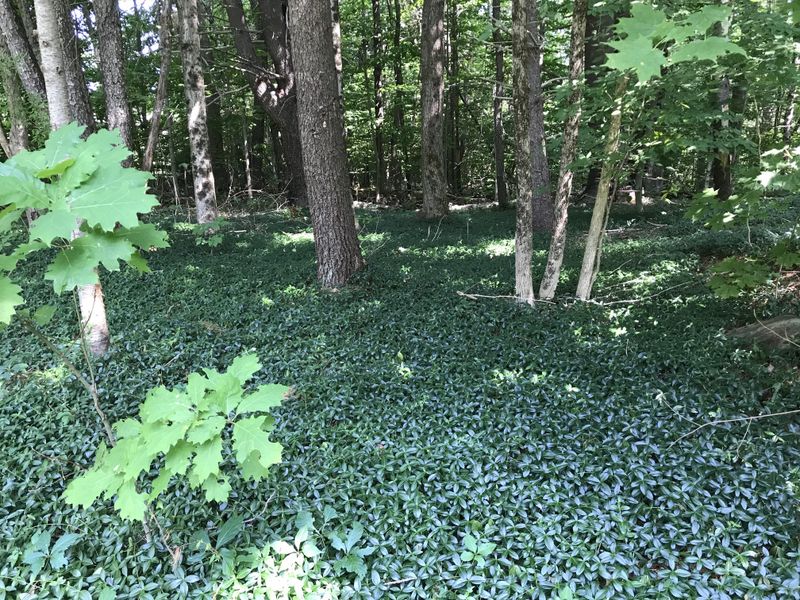
Hike past an old farmhouse ruin, and you might spot a sea of shiny leaves with little purple flowers. Chances are, someone planted periwinkle there long ago.
Gardeners adore this groundcover because it stays green all year. It fills shady spots where grass refuses to grow.
Two types cause trouble, common periwinkle and greater periwinkle. Both appear on the invasive plant list with a low rank.
Low does not mean harmless, though. Periwinkle forms thick mats that smother native wildflowers and block new seedlings from sprouting.
Most spreading happens through creeping stems that root wherever they touch soil. Even small broken pieces can start a fresh patch.
Tossing clippings into the woods is a common mistake. Those scraps can take root and slowly take over a forest floor.
Garden centers still sell both kinds today. By January 1, 2027, stores must post signs that mark them as invasive.
Removing periwinkle takes patience, but it works. Rake the stems up, then pull runners by hand after a good rain.
Bag the plant pieces and put them in the trash, not the compost. Check the area every few weeks for sneaky new sprouts.
Shady spots look lovely with native options too. Try creeping phlox or foamflower, or Allegheny spurge, a southern native, for soft color without the runaway habit.
6. Japanese And Chinese Wisteria, Beautiful And Aggressive
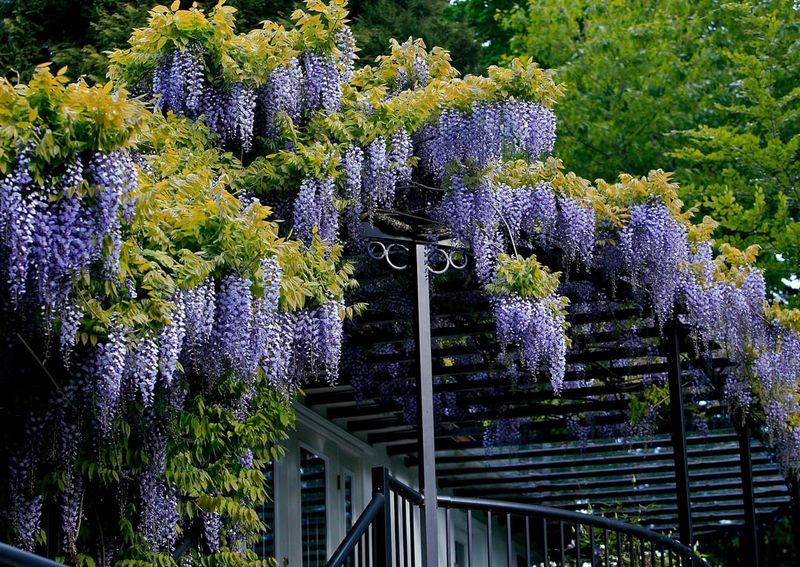
“It ate my pergola,” one Richmond gardener joked about her wisteria. Plenty of homeowners could share a similar story.
Japanese and Chinese wisteria dazzle with long, sweet-smelling purple clusters. In spring, they look straight out of a fairy tale.
Behind the beauty lives a strong, woody vine. It twists around tree trunks so tightly that it can girdle them and cause slow decline.
On the ground, wisteria spreads into dense thickets. It shades out native plants and changes how light reaches the forest floor.
Seeds pop from fuzzy pods, and runners creep along the soil. Even root pieces left behind can sprout into new vines.
Drive along Virginia roadsides in April, and you will likely see purple blooms hanging high in trees. Most of those are escaped wisteria.
The state lists Chinese wisteria with a medium invasive rank. Japanese wisteria earns a low rank, but it still causes plenty of trouble.
Starting January 1, 2027, stores selling either type must display invasive warning signs. That gives shoppers a heads-up before they fall in love at the nursery.
Already growing one? Prune it hard after blooming, remove the seed pods, and pull runners that wander away from the base.
Craving that dreamy look without the risk? American wisteria, a native cousin, blooms later and behaves much more politely on a sturdy trellis.
7. Oriental Bittersweet, A Wreath Favorite On The Noxious Weeds List
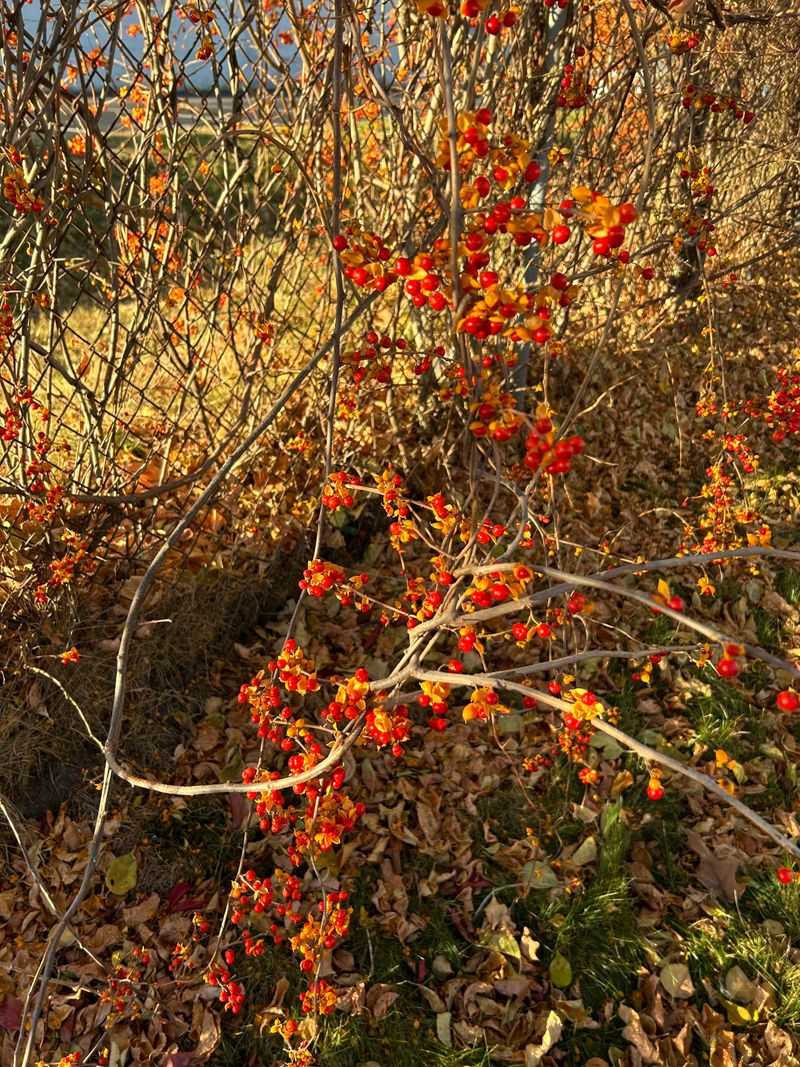
Autumn crafters, this one may sting a little. Oriental bittersweet has bright orange berries that look gorgeous in wreaths and fall table displays.
Many people gather the vines from roadsides each October. Sadly, that habit helps spread one of the worst invasive plants around.
Virginia agriculture officials list Oriental bittersweet as a Tier 3 noxious weed. Moving it requires a permit, so casual crafting with wild vines is a risky idea.
State conservation experts also call it high risk in every region. Few garden plants earn such a strong warning.
Why the fuss? The vine wraps around trees and shrubs, squeezing them as they grow and making them weak during storms.
Thick stands can bury whole patches of forest. Birds eat the berries and drop seeds far away, while underground stems help it spread further.
A hidden danger involves our native American bittersweet. The invasive type can cross with it, which threatens the native plant’s true identity.
Telling them apart takes a sharp eye. Oriental bittersweet has berries along the stem, while the native kind holds berries mostly at the tips.
If you find it on your land, cut the vines near the ground. Bag berries in trash bags so birds cannot spread them.
For fall decor, try native winterberry branches or dried grasses. As a listed noxious weed, bittersweet already faces stricter rules than most garden plants.
8. Tree Of Heaven, A Listed Noxious Weed
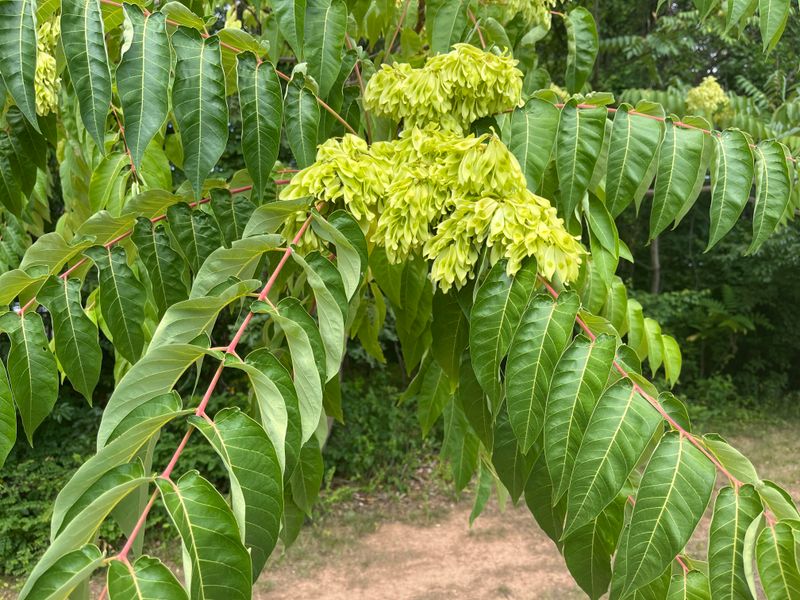
A single female tree can drop up to 350,000 seeds in one year. With numbers like that, the cheerful name Tree of Heaven feels a bit ironic.
Some folks call it stink tree instead. Crush a leaf, and you will understand why very quickly.
Virginia lists it as a Tier 3 noxious weed with a high invasive rank. Moving it without proper permission is not allowed.
Fast growth helps it beat native trees in a race for sunlight. It also releases a chemical called ailanthone that blocks other plants from growing nearby.
Things get trickier underground. Cutting the trunk often triggers dozens of new sprouts from the roots.
So chopping it down usually makes the problem bigger. Experts suggest a targeted treatment on the trunk first, followed by removal later.
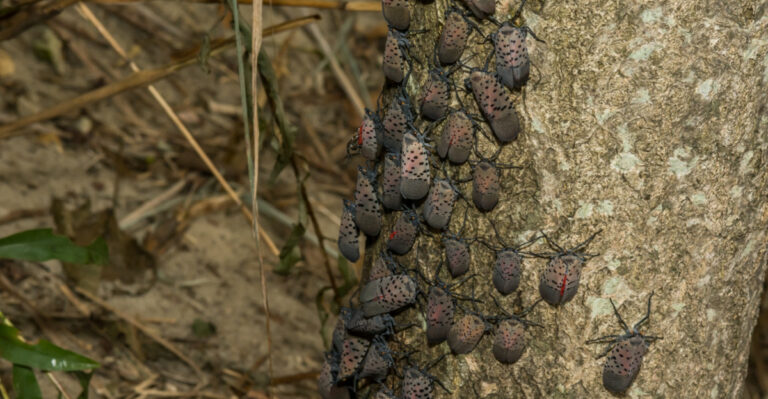
Here is the biggest concern. Tree of Heaven is the favorite host for the spotted lanternfly, a pest that harms vineyards, orchards, and native trees.
Spot a lanternfly near one of these trees? Report it to your local Virginia Cooperative Extension office so experts can track the spread.
Identifying the tree helps too. Look for long leaves with many leaflets and a small bump near each leaflet base.
Its noxious weed listing already puts it under tighter rules than most plants. Good native replacements include sumac, black walnut, and sassafras.
9. Porcelain Berry, Another Noxious Weed In Disguise
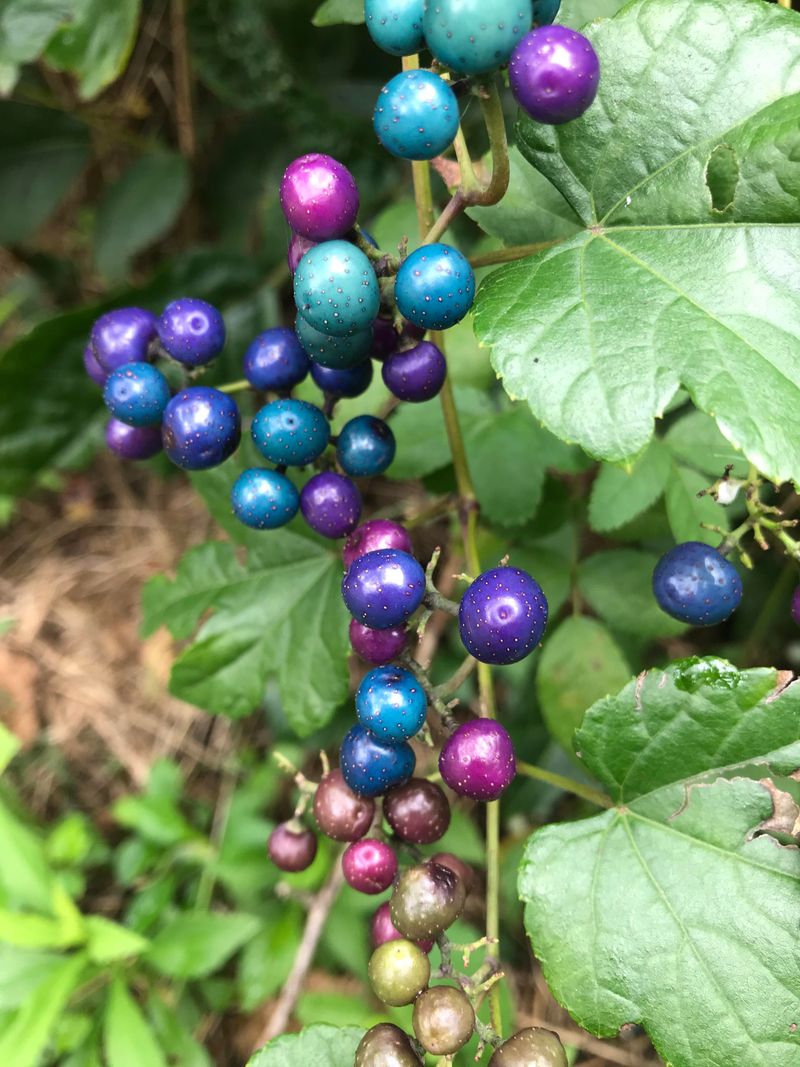
Turquoise, lilac, and pink berries all on one vine sound like something from a candy shop. Porcelain berry pulls off that rainbow trick every fall.
Its speckled fruit really does look like painted china. No wonder some nurseries still sell it as a showy ornamental.
Do not let the pretty colors fool you. Virginia lists porcelain berry as a Tier 3 noxious weed, and moving it requires a permit.
Experts rate it highly invasive in the piedmont and coastal regions. It grows fast and blankets shrubs and young trees until they struggle for light.
Birds and small mammals feast on the berries. They scatter seeds over long distances, starting new patches far from the original plant.
Underground, the vine builds a large root system. Broken roots and stem pieces can resprout, so removal takes several rounds.
People often confuse it with wild grape. Check the pith inside a cut stem, since porcelain berry has white pith while grapes show brown.
Small vines pull up easily when the soil is damp. Larger ones need cutting at the base, then follow-up checks for new shoots.
Its noxious weed listing already puts it under tighter rules than most garden plants. Those limits should help more shoppers make smarter choices.
For a colorful vine that plays nice, try native Virginia creeper or coral honeysuckle. Birds will still find plenty of berries to enjoy.