15 Arizona Beet Tips That Take You From Tiny Seeds To Big, Sweet Roots This Winter
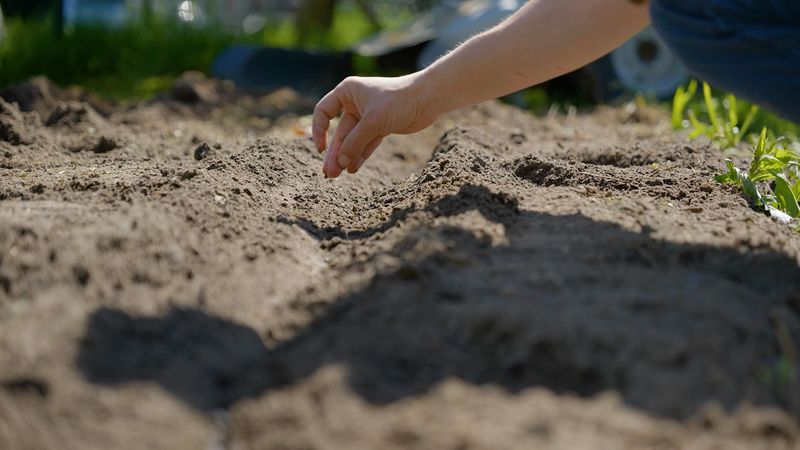
While most of the country is putting its garden to bed, low-desert Arizona is just waking up for beet season. Cool, sunny winter days in Phoenix and Tucson are exactly what these colorful roots love.
With the right timing, soil, and water habits, a pinch of crinkly seeds can turn into a basket of sweet, earthy beets by late winter. These 15 tips walk you through every step, from sowing to harvest.
1. Plant at the Right Time for Arizona’s Winter
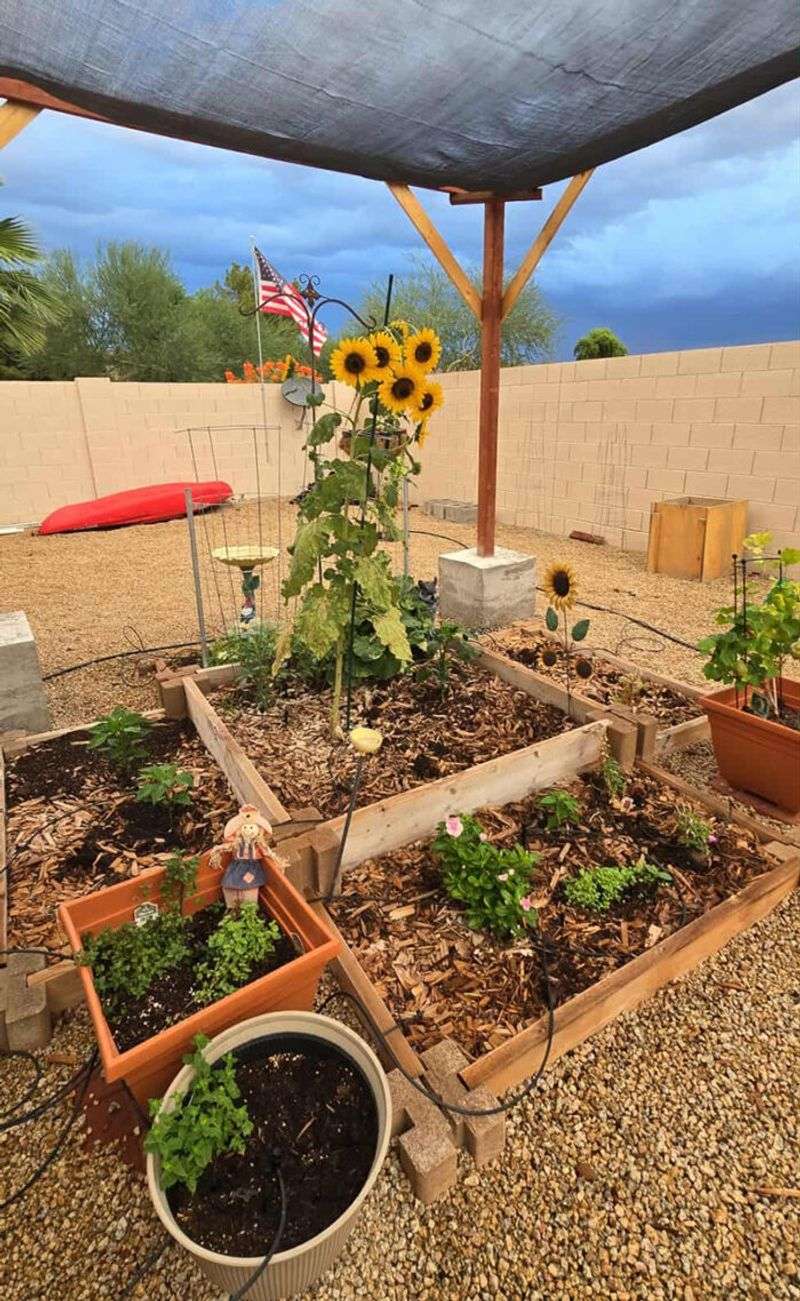
Timing is the secret ingredient most new desert gardeners miss. Beets are cool-season crops, so planting them when the rest of the country does, in spring, sets them up to struggle in Arizona’s early heat.
In the low desert, direct sow beet seeds from mid-September through early March. Many gardeners find October and November the sweet spot, once nighttime temperatures finally drop and the soil cools down after the long summer.
Seeds sprout faster and roots size up steadily in this mild window.
Want an even earlier start? You can begin seeds indoors from August through January and move them outside from mid-September through February.
Just handle them gently, since beets do not love having their roots disturbed.
A smart trick is succession planting. Sow a short row every two to three weeks instead of one big batch.
That way you are pulling fresh beets from December all the way into spring rather than facing a flood of roots all at once.
Mark your calendar now. A little planning in early fall pays off with steady harvests when the rest of your yard is resting and the weather is perfect for spending time outside in the garden.
2. Choose a Sunny Spot
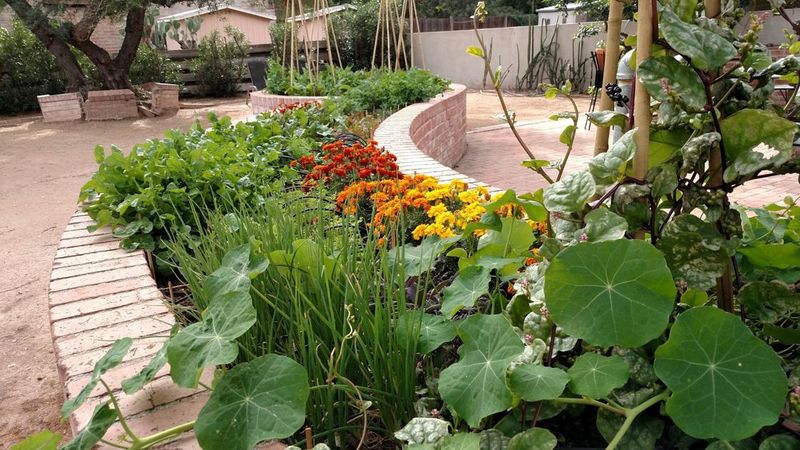
Picture the winter sun sliding low across your yard. That patch it still reaches at noon?
That is beet territory.
Beets need at least six hours of direct sunlight each day to build flavorful, well-sized roots. In summer, Arizona sun can feel like too much of a good thing, but winter changes the game.
The sun sits lower in the sky, days are shorter, and shadows from walls, eaves, and trees stretch much farther than they did in July.
Before planting, take a quick walk around your yard at different times of day. Notice where shade from a mesquite or the house falls in December.
A spot that seemed bright in September may sit in shadow by midwinter, leaving your beets with lush leaves but disappointing roots.
South-facing beds usually win out. Open areas away from block walls on the north side tend to collect the most light during the cool months.
Bonus tip: light-colored walls can bounce extra sunshine onto nearby beds. Use that reflection to your advantage, and your beets will reward you with deeper color and richer sweetness by harvest time.
3. Prepare Well-Drained, Loose Soil
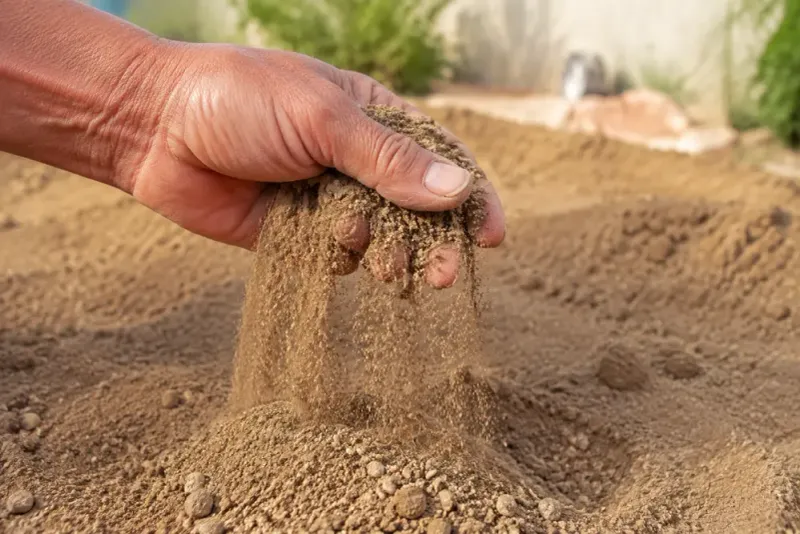
Ever pulled up a beet shaped like a lumpy potato? Hard, compacted soil is usually the culprit.
Beets grow best in loose, rich, well-draining ground with a pH around 6.0 to 7.0. Arizona soils often lean alkaline and can hide a layer of caliche, that cement-like crust a shovel bounces right off.
Your Arizona Garden Changes Every Week. Your Plan Should Too.
Gardening in Arizona changes quickly throughout the season. Every Friday you’ll receive a simple weekly plan showing exactly what to plant, prune, fertilize, harvest, and protect so you never miss the right timing.
The good news is that beets can handle slightly alkaline conditions, as long as their roots have room to expand.
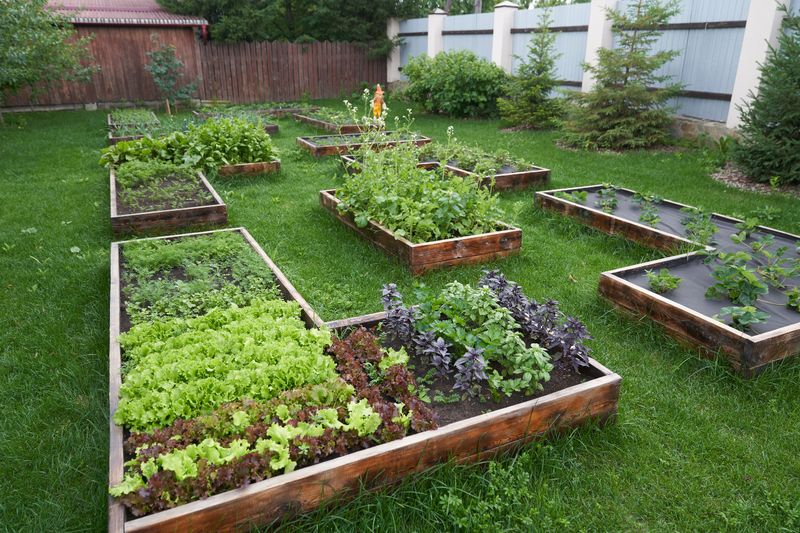
Loosen the soil at least 8 to 12 inches deep before planting. If you hit caliche, consider breaking through it or building a raised bed so water and roots can move freely.
Raised beds also warm and drain well, which suits winter crops nicely.
Next, work in generous amounts of compost or aged manure. Organic matter helps heavy clay drain better and helps sandy desert soil hold moisture longer.
The result is crumbly, airy soil that lets roots grow smooth, round, and straight.
Remove rocks and clumps as you go. Even small obstacles can cause forked or misshapen roots.
A few extra minutes with a garden fork now means prettier, easier-to-clean beets later in the season.
4. Enrich the Soil, Not Just the Plant
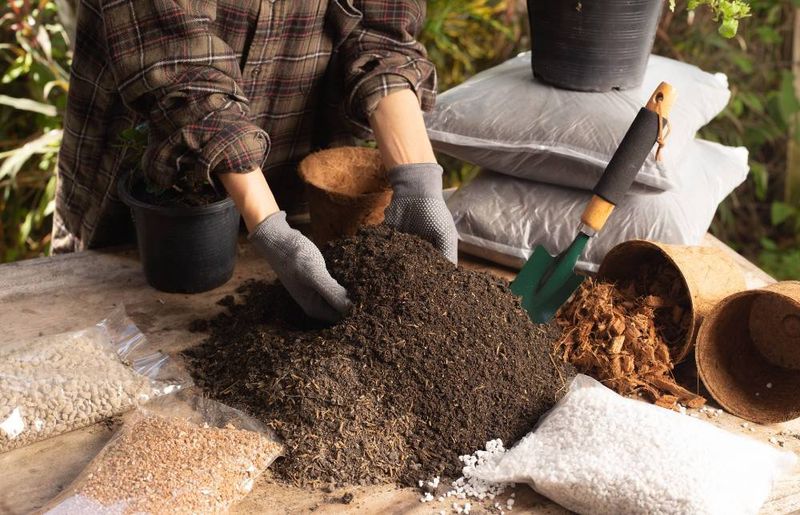
Here is a twist: when it comes to beets, more fertilizer is not always better. Feeding the soil before planting does more good than heavy feeding afterward.
Beets thrive in fertile ground rich in organic matter. Mix compost or a balanced organic fertilizer into the top 6 to 8 inches of soil before sowing.
In many well-prepared beds, that is nearly all the food your beets will need for the entire season.
Midway through, around four to six weeks after sprouting, you can side-dress with a light sprinkle of compost or gentle organic fertilizer along the rows. Water it in well so nutrients reach the roots.
Go easy on nitrogen. Too much encourages huge, leafy tops while the roots underneath stay small and skinny.
If your greens look like a jungle but the shoulders barely poke up, nitrogen may be the reason.
Phosphorus and potassium support root development, so fertilizers labeled for root crops or blooms tend to work better than lawn-style blends.
Healthy desert soil also supports earthworms and helpful microbes, turning your bed into a small living habitat. Rich, lively soil holds water better too, which saves precious moisture during dry winter stretches.
5. Direct Sow Seeds for Best Results
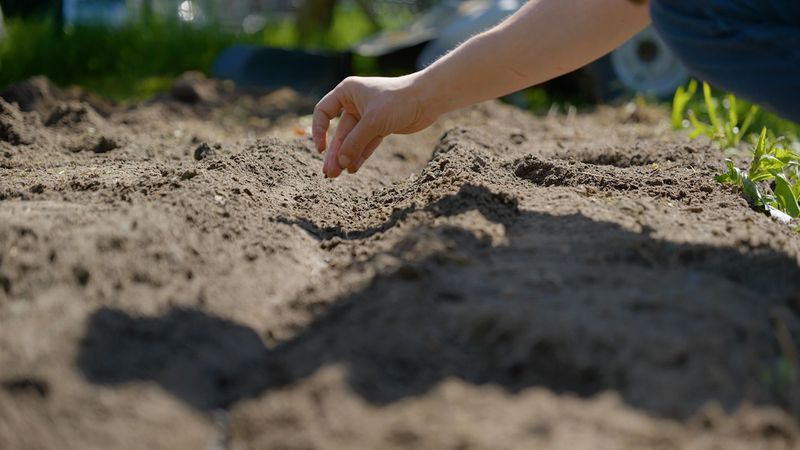
Fun fact: that rough, knobby beet seed in your palm is not one seed at all. It is actually a dried fruit cluster holding several seeds tucked inside.
Because beets form a taproot early, they generally do not enjoy being moved. Transplanting can bend or damage the young root, leading to stunted or oddly shaped beets.
Sowing seeds straight into the garden bed lets the root grow downward without interruption from day one.
To speed things up, soak seeds in water for several hours or overnight before planting. Softening the hard outer coat helps them sprout faster, which matters when you want to get going before the coldest weeks arrive.
Keep the seedbed evenly moist until sprouts appear, usually within one to two weeks depending on soil temperature. A light layer of burlap or shade cloth over freshly sown rows can hold in moisture during breezy, dry fall days.
Remove it as soon as seedlings break through.
Direct sowing is also wonderfully simple. No trays, no hardening off, and no transplant shock.
Just rake, sow, water, and watch those first red-stemmed sprouts pop up like tiny flags announcing the season has begun.
6. Plant Seeds at the Correct Depth and Spacing
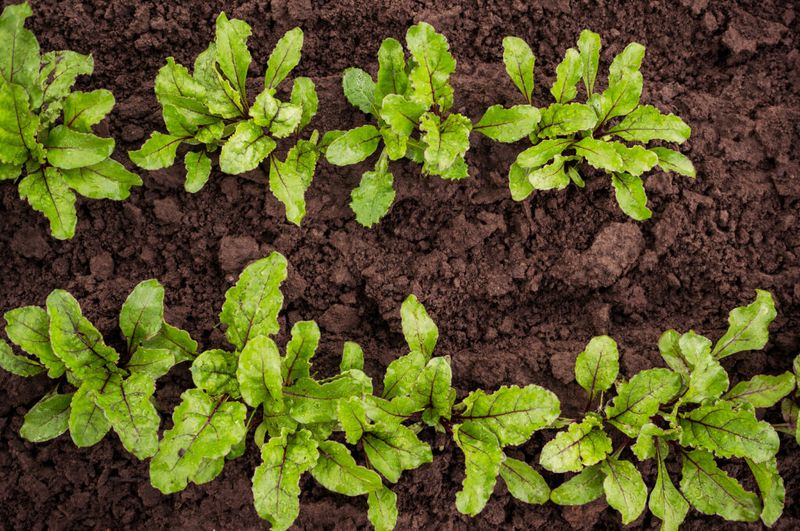
Thinning seedlings can feel heartbreaking. You nurtured those little sprouts, and now you are supposed to pull some out?
Trust the process.
Plant beet seeds about half an inch deep, spacing them roughly an inch apart in rows set about 12 inches apart. Since each seed cluster can produce two to four sprouts, you will almost always end up with crowded little bunches.
Once seedlings reach about two inches tall, thin them so plants stand 3 to 4 inches apart. Crowded beets compete for space, water, and nutrients, which leads to small, stubby roots.
Giving each plant elbow room lets it swell into a full, round beet.
Snip extra seedlings at soil level with scissors rather than yanking them. Pulling can disturb the roots of the neighbors you want to keep.
And please do not toss those thinnings! Baby beet greens are tender and tasty in salads, sandwiches, or a quick sauté with garlic.
Thinning in two rounds works well too. Thin to two inches first, then later pull every other plant as a baby beet, leaving the rest to grow larger.
Nothing goes to waste, and your remaining roots get room to shine.
7. Water Consistently to Avoid Tough Roots
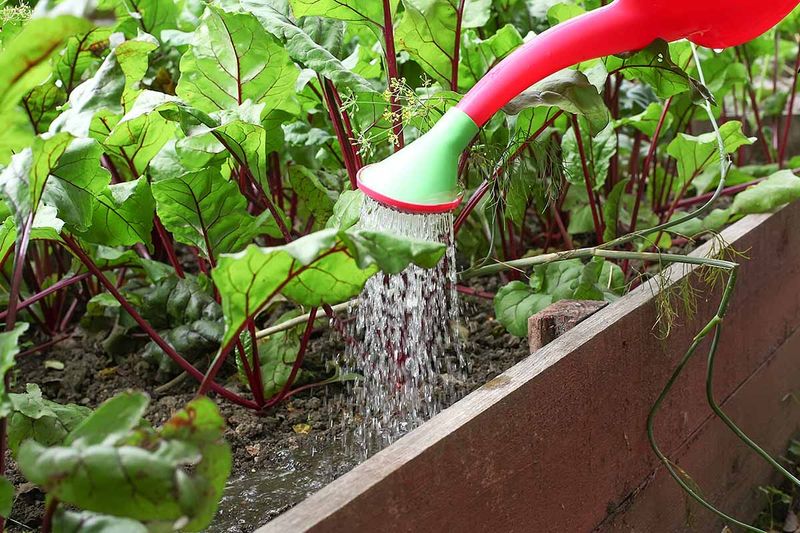
Woody, cracked, or bland beets usually tell the same story: the water came in bursts instead of a steady rhythm.
Beets prefer consistent moisture, about one inch of water per week. In winter, Arizona’s dry air and breezy afternoons can pull moisture from the soil faster than you might expect, even when temperatures feel pleasant.
Check the soil by poking a finger in about two inches deep. If it feels dry, it is time to water.
Aim for soil that stays moist but never soggy. Waterlogged beds can lead to root rot, while letting the bed dry out completely and then soaking it can cause roots to split open.
That swing between drought and flood is what turns tender beets tough.
Morning watering works best during the cool season. It gives plants moisture for the day and lets leaves dry before chilly nights.
Remember that winter rains in the desert are a gift but rarely enough. After a storm, check the soil before running water again, and adjust your schedule as days grow warmer in February and March.
Steady care is what builds smooth, sweet, crisp roots you will be proud to pull.
8. Conserve Water with Mulch
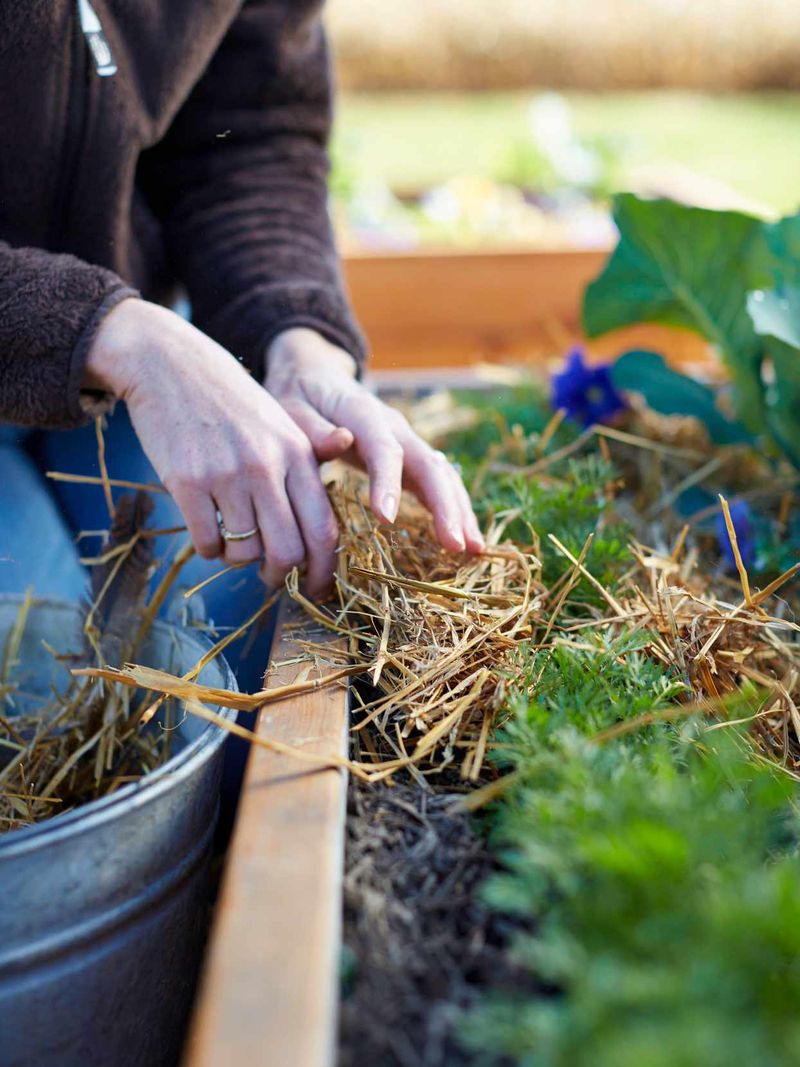
Think of mulch as a cozy blanket and a water bank rolled into one. For desert gardeners counting every gallon, it is one of the best tools around.
Once your beet seedlings are a few inches tall and thinned, spread a 2 to 3 inch layer of organic mulch around them. Straw, shredded leaves, or fine wood chips all work well.
Keep mulch slightly away from the plant crowns so stems stay dry and healthy.
Mulch slows evaporation from the soil surface, which can reduce how often you need to water. It also helps keep soil temperatures more even, buffering roots from warm afternoons and chilly nights.
That steady environment supports smooth, even root growth.
Weeds have a harder time sprouting through a thick layer, so you will spend less time pulling invaders that compete with your beets for moisture.
There is a habitat bonus too. Over time, organic mulch breaks down and feeds earthworms and soil life, slowly improving your desert soil.
Just keep mulch out of corners near your house, since piles of debris can be more inviting to scorpions. Thin, spread-out layers in open beds are the smarter choice.
9. Consider Drip Irrigation for Efficiency
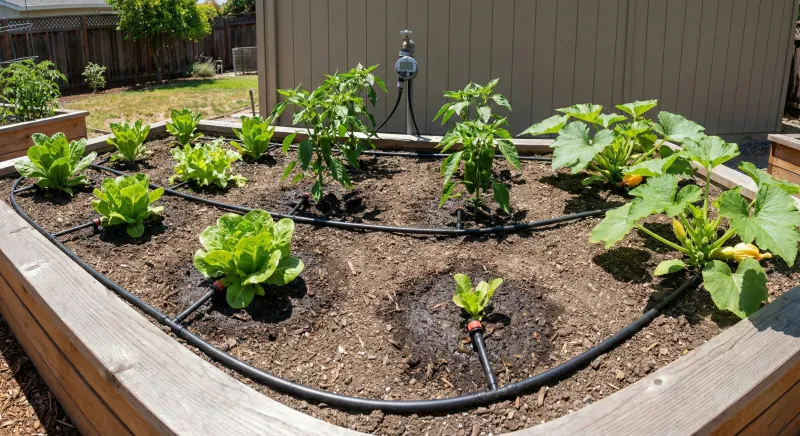
If hand-watering feels like a part-time job, drip irrigation might become your new best friend.
Drip lines deliver water slowly and directly to the root zone, right where beets need it. Very little is lost to evaporation, wind, or runoff, which is a big deal in a place where water is precious.
Many Arizona gardeners notice they use noticeably less water with drip compared to sprinklers or a hose.
Drip also makes consistency easy. Pair it with an inexpensive timer, and your beets get steady moisture even on busy weeks or when you are traveling for the holidays.
As covered earlier, steady moisture is key for tender, crack-free roots.
Inline drip tubing with emitters spaced 6 to 12 inches apart works nicely for beet rows. Run one or two lines per row, depending on how wide your planting is.
Covering the lines with mulch helps hide them and cuts evaporation even further.
Another perk is drier leaves. Watering at the soil level, rather than overhead, can reduce leaf diseases.
Remember to adjust your timer through the season. Shorter run times suit December, while warmer March days may need a little more.
10. Choose Desert-Adapted or Bolt-Resistant Varieties
Not every beet is cut out for desert life. Picking the right variety is like choosing the right hiking boots for a desert trail.
‘Detroit Dark Red’ is a classic that performs surprisingly well in low-desert gardens. It produces deep red, round roots with rich flavor and dependable growth. ‘Early Wonder’ is another quick grower, handy if you start a little late in the season.
Bolt-resistant types are worth seeking out. Bolting happens when a beet sends up a flower stalk, often triggered by warm spells or stress.
Once that happens, roots can turn woody and bitter. Arizona’s sudden warm days in late winter make bolt resistance a real advantage.
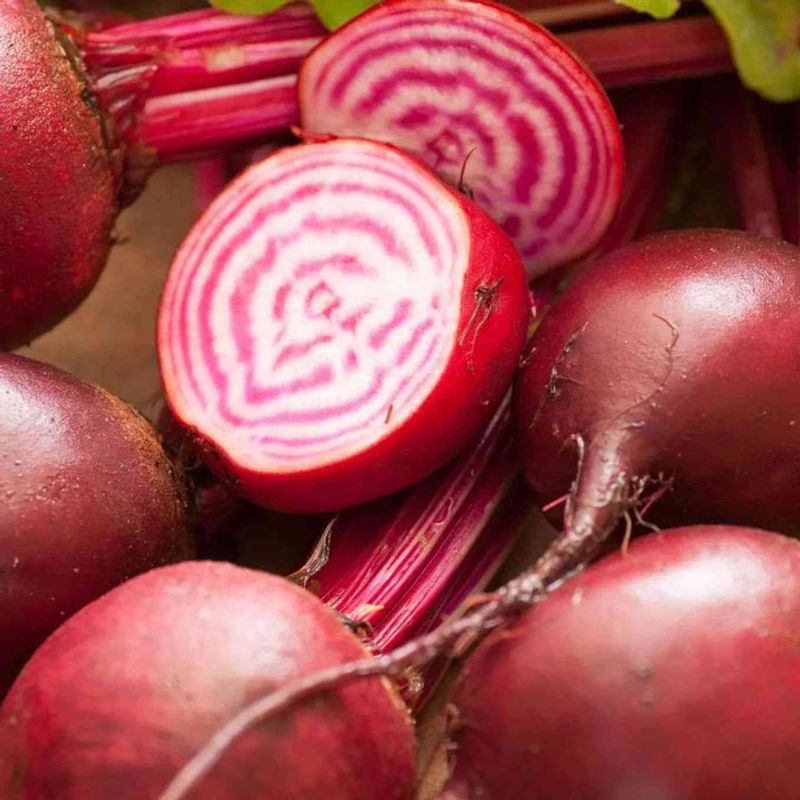
Craving something fun? Golden beets offer a milder, sweeter taste and will not stain your cutting board. ‘Chioggia’, an Italian heirloom, reveals pink and white candy-cane rings when sliced.
Kids tend to love it.
Here is a fun bit of history: the Chioggia beet is named after a fishing town near Venice and has been grown since at least the 1800s. Planting a mix of colors adds beauty to your plate and spreads your bets across varieties with different strengths.
11. Harvest for Peak Sweetness
Bigger is not always better. The sweetest, most tender beets are usually the modest ones.
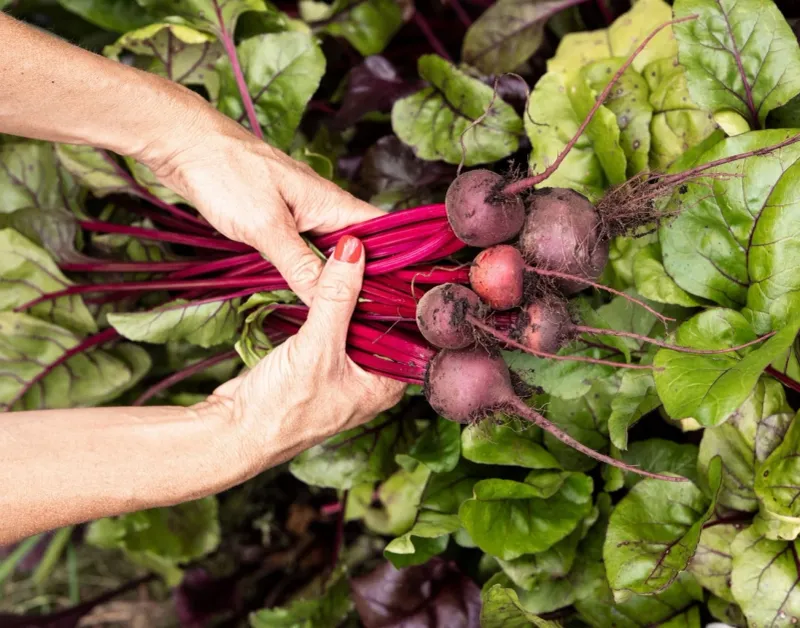
Beets are ready when roots measure about 1.25 to 2 inches across, roughly between golf ball and tennis ball size. Most varieties reach this stage around 50 to 70 days after sowing.
Gently brush soil away from the shoulder to check size before pulling.
Smaller roots tend to have finer texture and more concentrated sugar. Leave them too long and they can grow large, fibrous, and less flavorful, especially once warm spring weather arrives.
Cool nights work in your favor. When beets experience chilly temperatures or light frost, they may convert more starch into sugar, which can boost sweetness.
Arizona’s crisp winter nights help create that extra-candy flavor many gardeners notice.
To harvest, water the bed the day before so soil is soft. Grasp the greens near the crown and pull with a gentle twist, or loosen soil with a fork first.
Twist off greens, leaving an inch of stem to prevent bleeding during cooking. Stored unwashed in the fridge, beets can keep for weeks, ready for roasting, pickling, or salads.
12. Harvest Greens Thoughtfully
Two harvests from one plant? Beets are generous that way.
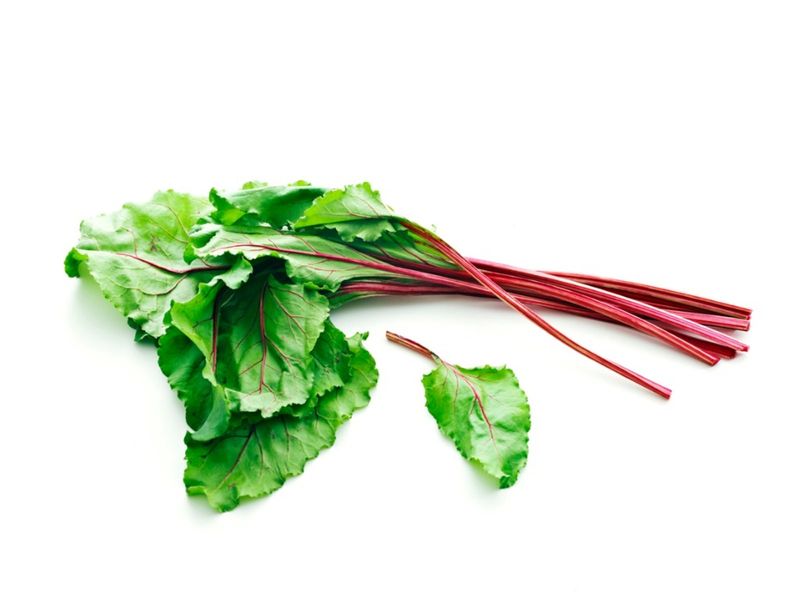
Beet greens are tasty and packed with nutrients, often compared to Swiss chard in flavor. They are delicious sautéed with garlic, tossed into soups, or added to scrambled eggs.
Growing beets means you get a leafy vegetable and a root crop at the same time.
The key is moderation. While roots are still developing, pick only one or two mature outer leaves per plant at a time.
Leaves are solar panels that feed the growing root. Strip too many, and the beet underground will stay small.
Always leave the inner, younger leaves alone so the plant keeps producing fresh growth from the center. Use clean scissors or snap leaves off at the base to avoid tearing the crown.
If you mostly want greens, you can plant a separate row closely spaced just for leaf harvesting. That frees your main row to focus on roots.
Freshly picked greens wilt quickly in dry desert air, so harvest in the cool morning and refrigerate right away. Wrapped in a damp towel, they stay crisp for several days.
13. Practice Crop Rotation
Plants have family trees too, and beets have some close relatives you might not expect.
Beets share their family with Swiss chard and spinach. Because these crops are related, they tend to attract similar pests and can be affected by the same soil-borne diseases.
Planting beets where chard or spinach grew recently can let those problems build up over time.
The fix is simple: rotate. Move your beets to a different bed each season, ideally waiting about three years before returning beets or their relatives to the same spot.
Follow them with crops from other families, such as beans, peas, lettuce, or squash.
Legumes like peas and beans are especially nice partners in rotation. They can add nitrogen back into the soil, setting up the next crop for success.
A small garden notebook or phone photo of each season’s layout makes tracking easy. Even sketching boxes and labels on paper works.
Rotation is a low-effort habit with long-term payoff. Healthier soil means fewer issues, stronger plants, and less need for any treatments, which keeps your desert garden balanced and welcoming to helpful insects and soil creatures.
14. Manage Pests Naturally
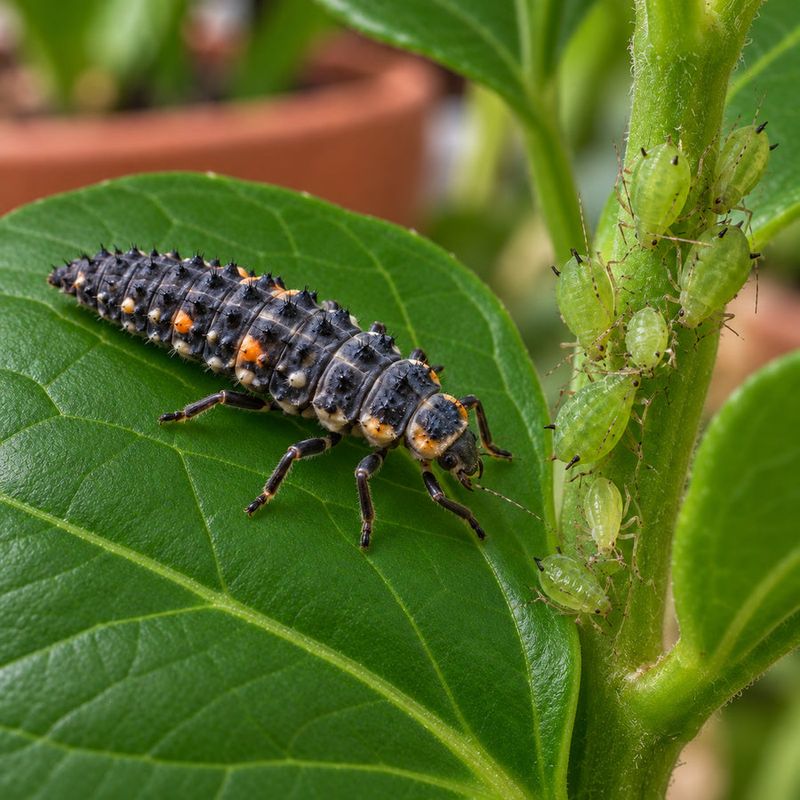
Good news first: beets are tough little plants that usually shrug off most problems. Still, a few uninvited guests may show up during the cool season.
Aphids, flea beetles, cutworms, and leafminers are the usual suspects. Flea beetles chew tiny holes in leaves, while cutworms snip seedlings at soil level overnight.
Check plants every few days, flipping leaves to look underneath.
Hand-picking larger pests like cutworms works surprisingly well. A strong spray of water can knock aphids off, and a mild soapy water spray may help with flea beetles.
Neem oil can reduce spider mites and leafminers. A light ring of diatomaceous earth around seedlings may help deter crawling pests.
Your best allies are the creatures already living nearby. Planting native wildflowers like penstemon, desert marigold, and globe mallow near your vegetable beds can attract ladybugs, lacewings, and tiny wasps that feed on aphids.
Lizards and birds also help patrol the garden.
Keep the area tidy by removing yellowed leaves and debris. Cleaner beds are less inviting to pests and scorpions alike.
Natural methods may not eliminate every bug, but they keep things balanced without harming the helpful wildlife you want around.
15. Protect from Extreme Cold if Necessary
Phoenix and frost? It happens more often than visitors believe, and a sudden January cold snap can catch gardeners off guard.
Thankfully, beets are cold-hardy. They handle light frost with ease, and a few chilly nights may even sweeten the roots.
Most winters in the low desert never get cold enough to bother them much at all.
Hard freezes are a different story. When temperatures dip into the mid-20s or lower, exposed roots and leaves can be damaged, leaving beets mushy or tough.
Keep an eye on the forecast during December and January, especially in outlying areas that run colder than the city core.
If a hard freeze is coming, you have options. Harvest any beets that are already full-sized.
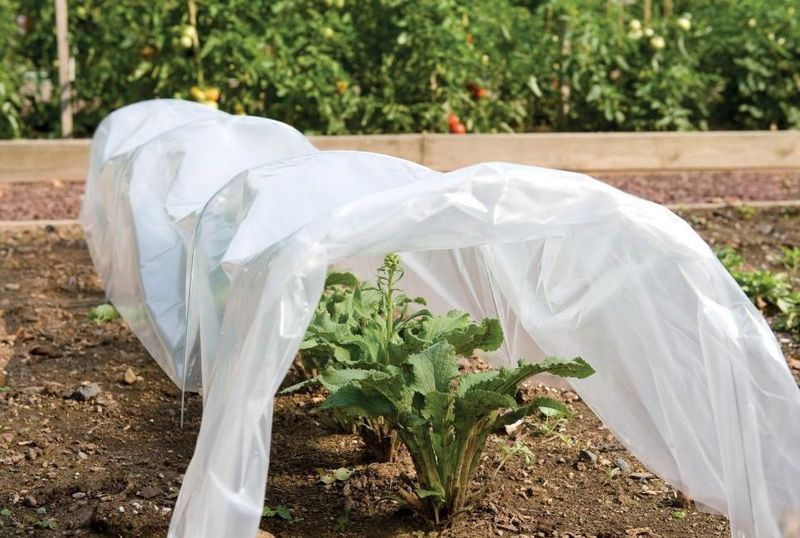
For the rest, toss frost cloth or an old sheet over the bed in the evening, letting it reach the ground to trap soil warmth. Remove it the next morning once temperatures rise.
A thicker layer of mulch around shoulders adds insulation too. Since you are already covering citrus and tender succulents on those nights, adding your beet bed takes just minutes and protects all your hard work.