The Last Lawn Fertilizing Window In Florida Closes Sooner Than You Think
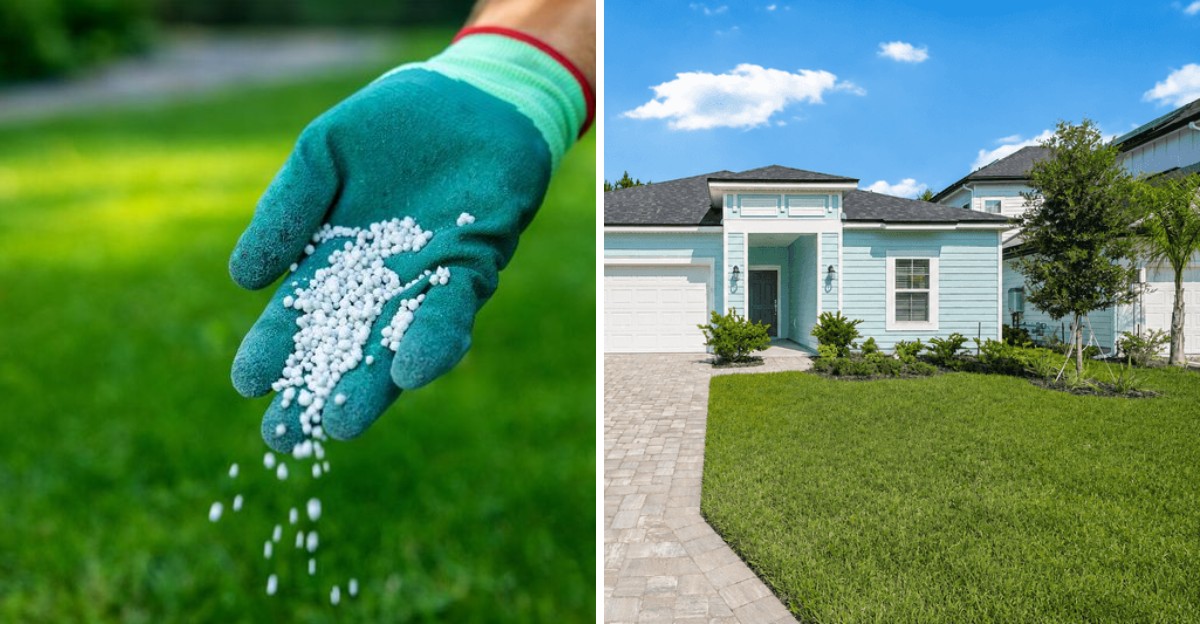
The bag of fertilizer in your garage has an expiration date, and it’s not printed on the label.
Florida grass runs on a clock that ignores the calendar on your wall. Cool nights creep in a little more each week, and the lawn starts to slow down.
Fertilizer applied at the right moment tucks the grass in for the cooler months. Applied a bit late, it does the opposite.
Neighbors who guess wrong end up with a tired yard by January. Those who guess right sail through with barely a mark on the turf.
The window is narrower than it feels, and it won’t send a warning. One week it’s wide open.
The next, you’ve missed the boat.
Get your plan straight before the next cold front rolls in. Time waits for no lawn.
1. North Florida’s Last Window Closed In September

Picture a Tallahassee homeowner pushing a spreader across the yard on a breezy October afternoon. It feels productive, but the grass has already started packing its bags for winter.
For North Florida, the last good chance to fertilize turf usually lands in mid to late September. Many experts point to September 15 as the target date for wrapping up feeding.
After that, warm-season grasses begin slowing down and preparing for their cool-weather rest.
Why does the date matter so much? Fertilizer, especially nitrogen, tells grass to grow fast and soft.
When the nights turn chilly, that tender new growth struggles to cope, and the lawn spends energy it should be saving.
Think of it like eating a big dinner right before bed. Your body would rather rest, but now it has a full plate of work to do.
Grass reacts in a similar way when fed too late.
If you live from Pensacola to Jacksonville, check the calendar now. Mark mid-September as your stopping point next year, and set a phone reminder in August so it does not sneak past you.
Skipping a late feeding does not mean ignoring the yard. Keep mowing at the right height, water only when blades fold or look grayish, and let the lawn ease into its seasonal nap on its own terms.
2. Central Florida Lawns Get Until The End Of October
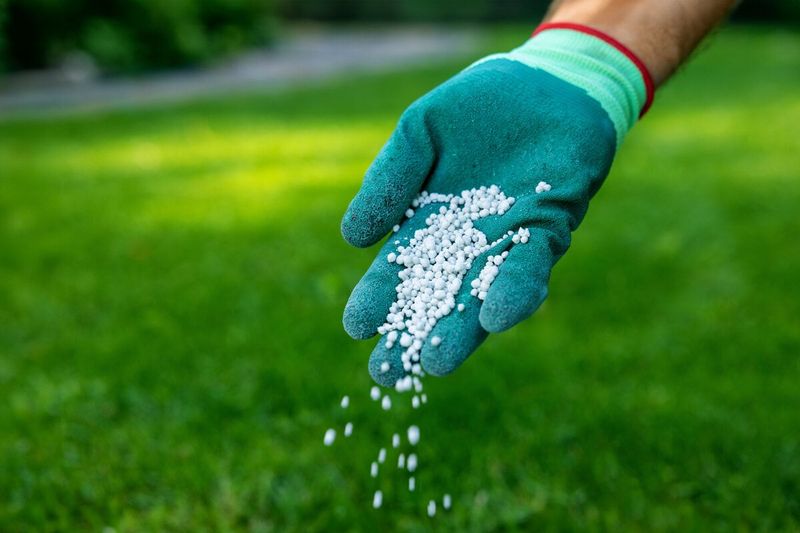
Good news, Orlando and Tampa folks. You get a little extra breathing room compared with your northern neighbors.
Central region lawns stay active longer because the warm weather hangs around. Most guidance suggests early October as the latest ideal feeding time, with some sources stretching the window toward the end of the month.
A few even mention November, but cutting it close carries more risk.
Here is a handy detail. Many local summer fertilizer bans lift on October 1, which means plenty of homeowners rush out that very week.
That timing can work well, as long as you do not wait much longer.
What should you put down? A fertilizer rich in potassium is a smart pick for fall.
Potassium helps grass handle stress, cooler temperatures, and the occasional dry spell, without pushing tons of soft top growth the way heavy nitrogen does.
Your Florida Garden Changes Every Week. Your Plan Should Too.
Gardening in Florida changes quickly throughout the season. Every Friday you’ll receive a simple weekly plan showing exactly what to plant, prune, fertilize, harvest, and protect so you never miss the right timing.
Look at the bag numbers. The third number shows potassium, so choose a blend where that figure stands out.
Slow-release nitrogen is also a friendly choice because it feeds gradually instead of all at once.
Once you finish that final round, put the spreader away until spring. Your lawn will reward the patience with steady color and fewer problems when temperatures dip in January.
3. Parts Of South Florida Can Be Fed Year-Round
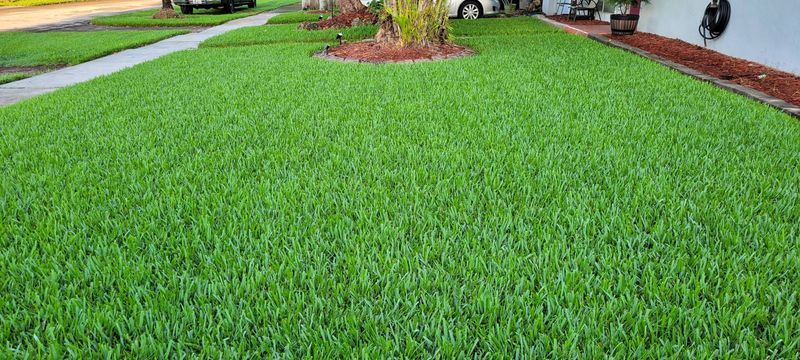
Living near Miami has perks beyond beach days in January. Your grass often keeps growing while the rest of the country shovels snow.
In South region, warm-season lawns can stay active through much of the year. That means feeding is possible in more months than anywhere else in the state.
Still, the experts add a helpful caution about winter feeding.
A good rule is to fertilize through about late November. After that, only feed if your grass is clearly growing during the cooler months.
How can you tell? You will need to mow regularly, and the blades will look fresh and bright.
If the lawn seems sleepy, with slow growth and a dull tone, hold off. Feeding a resting lawn wastes money and can wash nutrients into canals and Biscayne Bay, which feeds algae instead of grass.
Fun fact: South Florida sits close enough to the tropics that some frost-free winters pass without a single chilly night. That warmth is the reason the rules relax here.
Even so, year-round feeding does not mean nonstop feeding. Space applications out, use slow-release products, and follow local rules, since many South region cities limit nitrogen during the rainy summer months.
4. The Dividing Line Runs From Cedar Key To Daytona Beach

Grab a map and trace a finger from Cedar Key on the Gulf coast over to Daytona Beach on the Atlantic side. That rough line is a handy way to think about where North region ends and Central region begins.
Officially, Florida gets split into North, Central, and South regions for gardening advice. Exact borders shift a bit depending on who you ask.
The Cedar Key to Daytona idea simply gives homeowners an easy mental marker.
Each region follows its own growing rhythm. North region grass usually grows actively from mid-April to late September.
Central Florida runs from early April to early October. South Florida grows nearly all year.
Why should this matter to you? Fertilizer timing depends on that growing season.
Feeding outside it means the grass cannot use the nutrients well, so they sit in the soil or wash away.
If you live right near the line, say in Gainesville or Ocala, pay attention to your own yard. Low spots and open lots can run colder than sheltered areas near water or buildings.
When in doubt, follow the stricter schedule. Stopping a little early carries far less risk than feeding a lawn that is already heading toward winter rest.
5. Winter Feeding Is Off Limits In North Florida
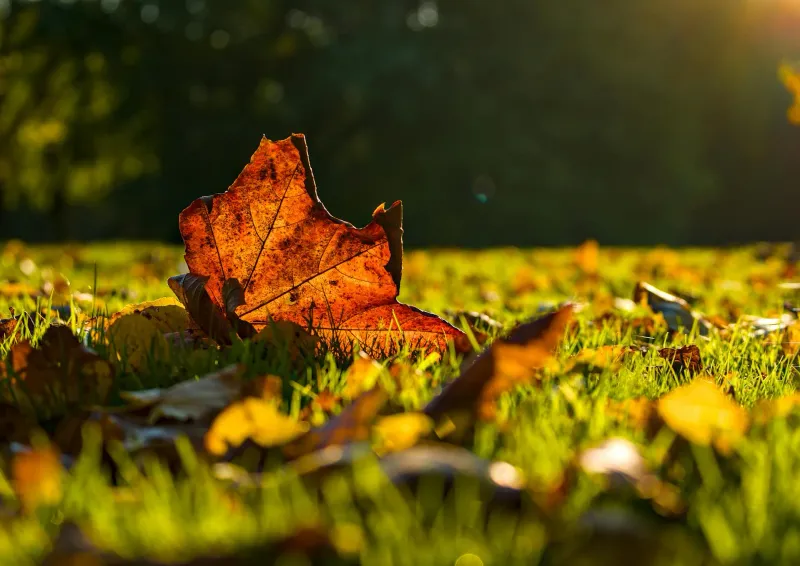
Brown grass in January can make any homeowner nervous. Relax, because that tan color is normal for warm-season turf taking a winter break.
In North and Central region, grasses like St. Augustine, Centipede, and Bahia slow way down or go dormant in winter. Their roots are not hungry right now.
Fertilizer spread during this rest mostly goes unused.
So where does it go? Often it feeds the uninvited guests, like winter weeds such as chickweed and henbit.
Those cool-season pests are wide awake and happy to gobble up free nitrogen meant for your lawn.
Extra fertilizer can also stress grass that is trying to rest. Pushing it to grow during cold snaps leaves it weaker when frost rolls through, and that can mean thin patches come spring.
Instead of feeding, try a few winter-friendly chores. Raise the mower height, water lightly only during long dry spells, and clear fallen leaves so sunlight reaches the soil.
You can also use winter to plan. Test your soil through the UF/IFAS Extension office, sharpen mower blades, and map out any trouble spots.
When spring arrives, you will be ready with a smart plan instead of a guess.
6. Missed The Window, Wait For Spring Green-Up
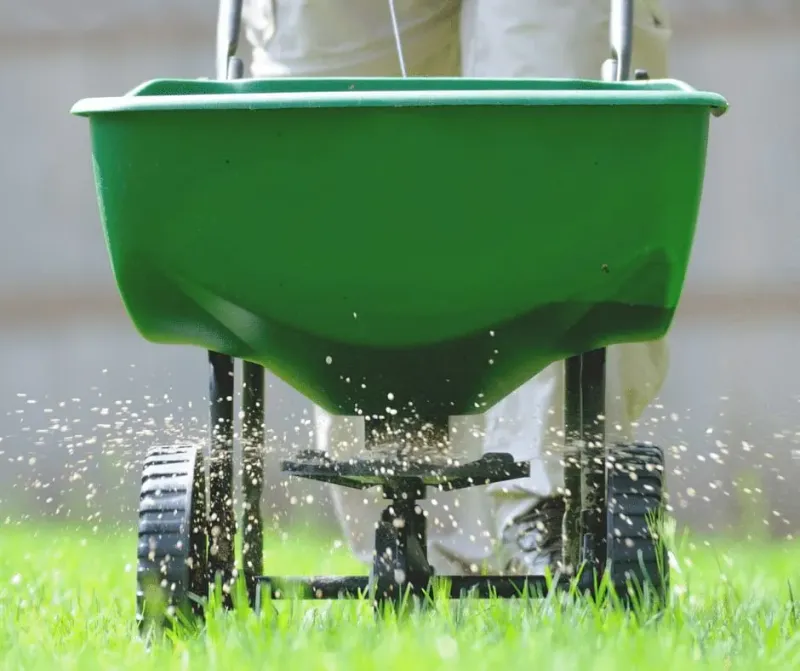
So the cutoff date slipped by while you were busy with school runs and football games. Take a deep breath, because your lawn will be just fine.
Missing the fall fertilizing window is not a disaster. Grass has stored energy in its roots and runners, and it can coast through winter without one last feeding.
The fix is simple: wait.
The key signal is spring green-up. That is when the lawn wakes up, turns green across most of the yard, and starts needing a mow.
Feeding before then can waste product and help weeds more than grass.
Why not just sneak a bag down in November anyway? Late fertilizer can spark soft growth that frost nips, and it can raise the risk of fungal problems.
Patience is the smarter play.
While you wait, keep a little notebook or phone note. Jot down when you first notice green shoots and when you mow for the first time.
Those notes help you time next year perfectly.
Also think about why the window slipped. A reminder in your calendar for early September can save you from the same scramble later.
Your future self, and your grass, will appreciate the heads-up.
7. North Florida Lawns Should Wait Until April 15
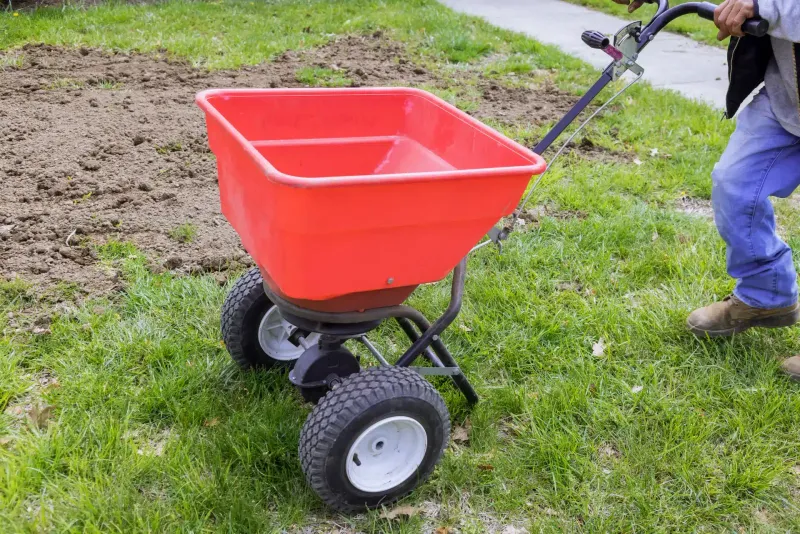
April 15 is famous as tax day. For North region lawns, it doubles as a smart starting line for spring fertilizer.
Early warm days in March can fool homeowners into rushing. The grass may look like it is waking up, but the soil is still cool and roots are not ready to soak up nutrients.
A cold snap can also pop up late.
Waiting until mid-April lines up with the time grass is fully green and actively growing. Some guidelines say to wait until after April 15 just to be safe.
At that point, the lawn can use the food right away.
Here is a simple test. If you have mowed your lawn two or three times already, it is likely ready.
If not, give it another week or two.
Going early has downsides. Weeds that sprouted in winter can grab nutrients first, and a sudden freeze may harm tender new blades.
When the day arrives, choose a slow-release fertilizer and follow the label rate. More is not better.
Water it in lightly, then enjoy watching your yard fill out with rich color as spring settles in across the Panhandle and Big Bend.
8. Extra Nitrogen Can Fuel Large Patch In Fall
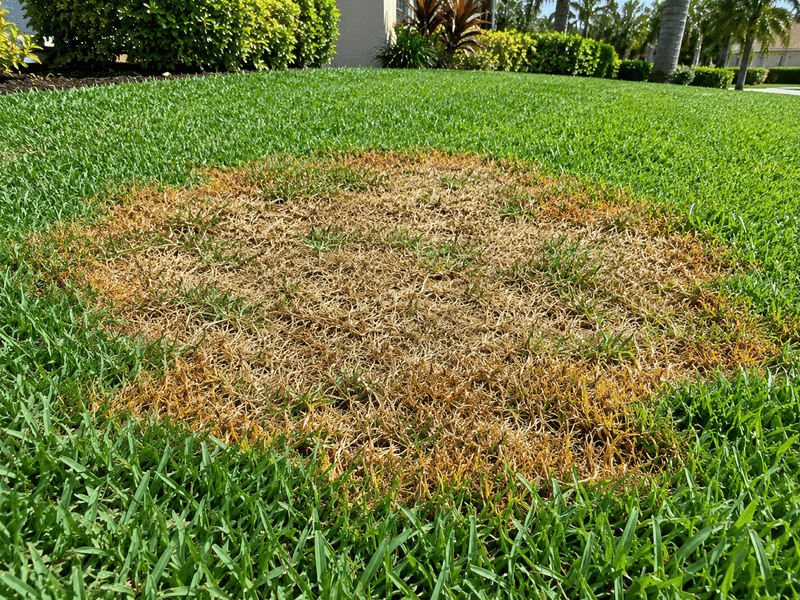
Ever noticed odd brown circles with orange edges spreading across a lawn in November? That might be large patch, a fungus that loves cool, damp falls.
Large patch mostly bothers St. Augustine and Zoysia grass. It shows up when temperatures drop into the 60s and 70s and the ground stays wet.
Rings can grow several feet wide.
Here is the link to fertilizer. Heavy nitrogen in late summer or fall creates lush, juicy blades.
That soft growth is like an open buffet for fungus, making infection easier and faster.
Cutting back on fall nitrogen is one of the best ways to manage this problem. It does not fix everything, but it removes a big helping hand the fungus would otherwise get.
A few other habits help too. Water early in the morning so blades dry quickly.
Avoid watering at night, and do not overwater during cool weather. Improve drainage in soggy spots if you can.
If patches already appear, keep the mower from spreading the fungus by cleaning blades after cutting affected areas. Fungicides can help when used early, so check with your local Extension office for advice before the rings take over your yard.
9. Check Your Local Fertilizer Ordinance First
Before you open that fertilizer bag, pull out your phone. A quick check could save you from breaking a local rule without knowing it.
Many counties and cities have their own fertilizer ordinances. These rules often limit nitrogen and phosphorus during the summer rainy season, usually June through September.
Some places ban those nutrients in summer altogether.
Why so strict? Heavy summer rains wash extra fertilizer into lakes, rivers, springs, and the ocean.
That runoff feeds algae blooms, which cloud the water and harm fish and other wildlife.
Rules vary a lot from place to place. One town might ban phosphorus all year, while the next county over only limits nitrogen in summer.
Some areas also require buffer zones near water.
The University of Florida offers a free app that helps you look up local fertilizer rules. You can also call your county Extension office, where friendly staff answer these questions all the time.
Following the rules is good for your wallet, too. Fines can apply in some areas, and fertilizer that washes away is money down the drain.
Knowing your local guidelines lets you feed your lawn wisely while helping protect Florida waters.