Why Composting Banana Peels First Works Better For Roses
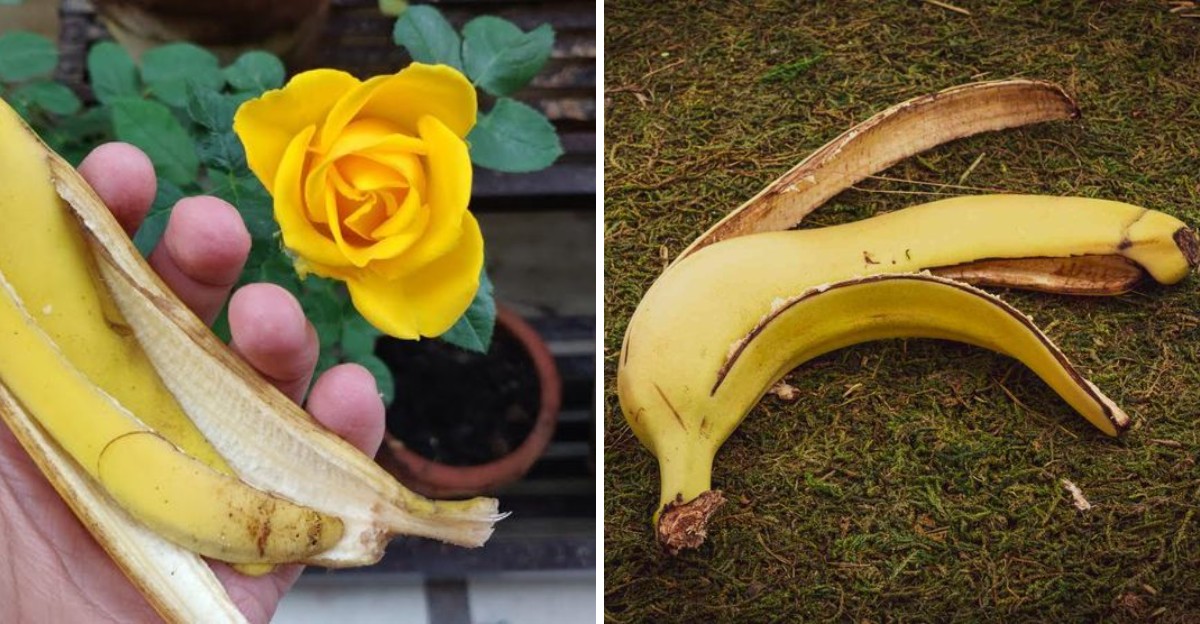
Why does your rose bed attract flies after you tuck banana peels into its soil? Raw scraps ferment in the soil, and you invite mold, gnats, and masked visitors.
Compost lets you rewrite that story. Browned leaves, coffee grounds, and peelings become dark, crumbly soil you can scoop.
Roses crave that richness, and you may see thicker canes and deeper color. October hands you free power in crunchy fallen leaves.
Pile them beside kitchen scraps, and you build a heap that heats itself. Microbes drive that warmth, and you speed them along by keeping the pile damp.
Turn it with a fork, and you introduce oxygen that removes odor. Within months, you hold finished compost that smells sweet and earthy.
Spread it around your rose bases, and you feed eager roots. Your raccoon finds an odorless mound and wanders off.
1. Nutrients Arrive In Plant-Ready Form
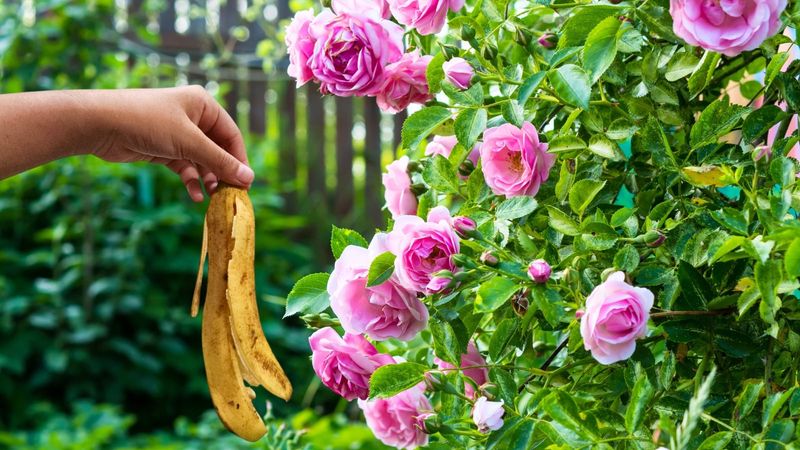
Imagine ordering pizza and getting raw dough, flour, and a tomato instead. Raw banana peels hand your roses a similar kit of ingredients that still need cooking.
A fresh peel holds potassium, phosphorus, and calcium, and microbes help release them as the peel breaks down. Roots take up nutrients more easily once that breakdown is underway.
In soil, that breakdown can drag on for weeks or even months. Your rose might wait all season for a meal that arrives after the blooms are gone.
A compost pile works like a busy kitchen with the heat turned up. Bacteria and fungi chew through peels steadily, turning them into dark, crumbly food.
Finished compost carries nutrients in forms roots can absorb more readily. Potassium helps roses build strong stems, bright petals, and better resistance to stress.
Phosphorus supports root growth and flower buds, which rose lovers want more of. Calcium strengthens cell walls, which supports sturdy new canes.
Try mixing chopped peels with dry leaves, which October hands out for free. Turn the pile every week or two to keep air moving through it.
Once it smells earthy and looks like chocolate cake crumbs, it is ready. Spread one to two inches around each rose, and the leaves may look healthier.
Expect the process to take about two to three months in cool fall weather. Compost started now can be ready for spring feeding when roses wake up.
2. Fewer Garden Pests Come Calling
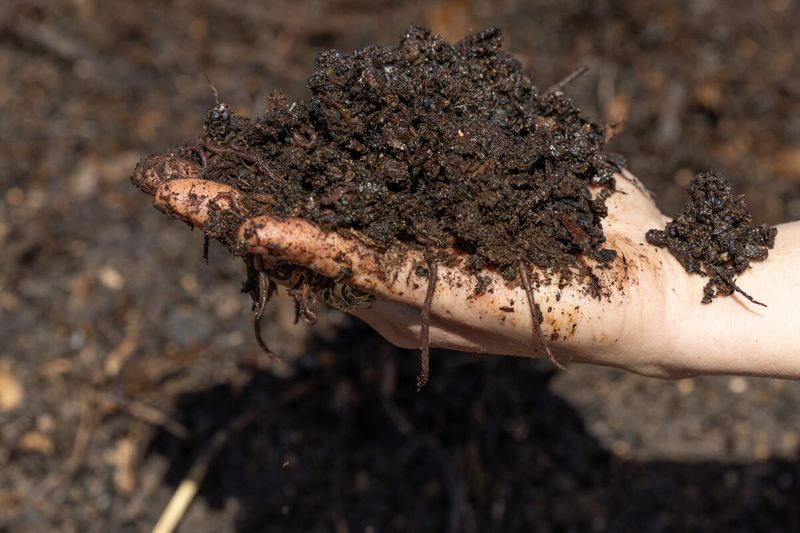
My neighbor once tucked whole peels under her roses and woke to a dug-up bed. A raccoon had excavated the bed overnight, tossing mulch like confetti.
Sweet, fresh peels send out a smell that animals notice from surprisingly far away. Raccoons, squirrels, rats, and even dogs may treat your garden like a snack bar.
Fruit flies arrive too, buzzing in little clouds over exposed scraps. Ants march in tidy lines, and wasps may show up for the sugary feast.
Composting removes the sweet scent before anything touches your flower bed. Once the microbes finish their work, the result smells like a forest floor, not a fruit bowl.
Animals often lose interest because little tasty remains to dig up. Your mulch stays put, and your rose roots stay safely tucked underground.
Keep your compost bin covered, or place fresh scraps in the center of the pile. A layer of leaves or straw on top hides odors from curious noses.
A closed bin with a tight lid works well in neighborhoods with lots of wildlife. Some gardeners add a sheet of hardware cloth underneath to block burrowing rodents.
Cool October nights slow insect activity, though rodents seek shelter in fall, so keep your bin closed. Fewer flies hang around, so you can build your pile in peace.
Think of compost as a disguise that hides the treat from hungry visitors. Your roses get the nutrition, and the critters find nothing to eat.
3. Mold And Rot Risk Drops
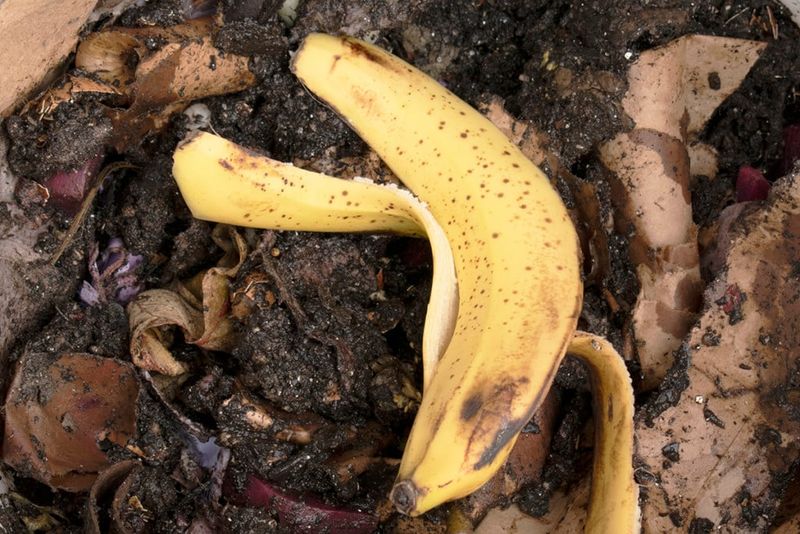
Leave a banana on the counter for a week and see what happens. Brown spots spread, the skin turns slimy, and fuzzy gray mold soon appears.
That same mess happens when raw peels sit on top of garden soil. Wet fall weather speeds things up, creating a soggy patch right beside your rose canes.
Roses already contend with fungal diseases like black spot and powdery mildew. Rotting fruit nearby adds moisture and mess around the base, which does not help.
Spores from infected leaves and debris can splash onto healthy leaves during rain or watering. Before long, yellow leaves with dark spots may start dropping from the lower branches.
A hot compost pile handles rot in a controlled, healthy way. Temperatures inside can reach 130 to 160 degrees Fahrenheit, which reduces many harmful spores.
Good microbes take over and outcompete harmful organisms. Finished compost can support plant health by adding helpful organisms to the soil.
To reach those high temperatures, mix greens like peels with browns like leaves or cardboard. Aim for roughly one part green to two or three parts brown.
Keep the pile damp like a wrung-out sponge, not dripping wet. Turning it every week or two adds oxygen, which keeps the heat going strong.
Feeding roses with finished compost keeps the area around their base clean and airy. Healthy soil supports strong roots, and clearing fallen leaves helps limit leaf disease.
Your nose will notice the difference too, since good compost smells sweet and earthy. Rotting peels on bare soil smell sour and fermented.
4. Nitrogen Stays Available To Roses
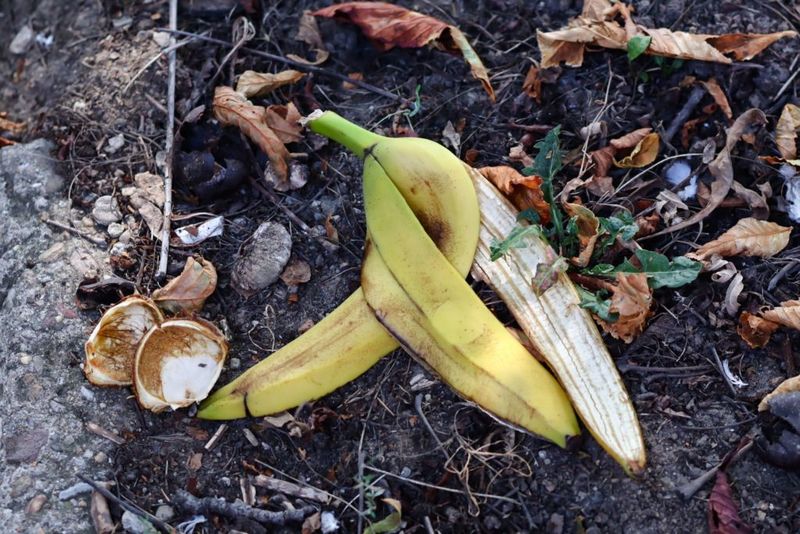
Gardeners often overlook one problem. In large amounts, raw plant material can temporarily tie up soil nitrogen.
Soil microbes need nitrogen to break down fresh plant material. When you place a lot of raw plant material in soil, those microbes draw nitrogen from the surrounding soil to power their work.
Soil scientists call this nitrogen immobilization, and it can leave roses short on a key nutrient. Pale or yellow leaves and slower growth can signal it, though many other causes look similar.
Nitrogen builds healthy green foliage, which supports blooming through photosynthesis. Low nitrogen can mean fewer leaves, weaker growth, and smaller flowers.
Composting moves that competition for nitrogen into the pile instead of your rose bed. The microbes finish their meal before the material reaches your plants.
By the time compost is ready, that nitrogen competition is finished. What remains is a balanced, stable food that adds nutrients rather than borrowing them.
Raw peels contain modest nitrogen on their own, so they may not cover the gap. Pairing them in a pile with grass clippings or coffee grounds helps balance things.
Coffee grounds are easy to collect, and some coffee shops give them away free. Mixed with peels and leaves, they create a rich blend roses adore.
Spread finished compost in early spring as new shoots appear. A fresh layer each fall also feeds the soil slowly through the cold months.
Patience pays off here. A few months of waiting can spare your roses a nutrient-poor summer.
5. Crumbly, Loose Soil Is Easier To Dig
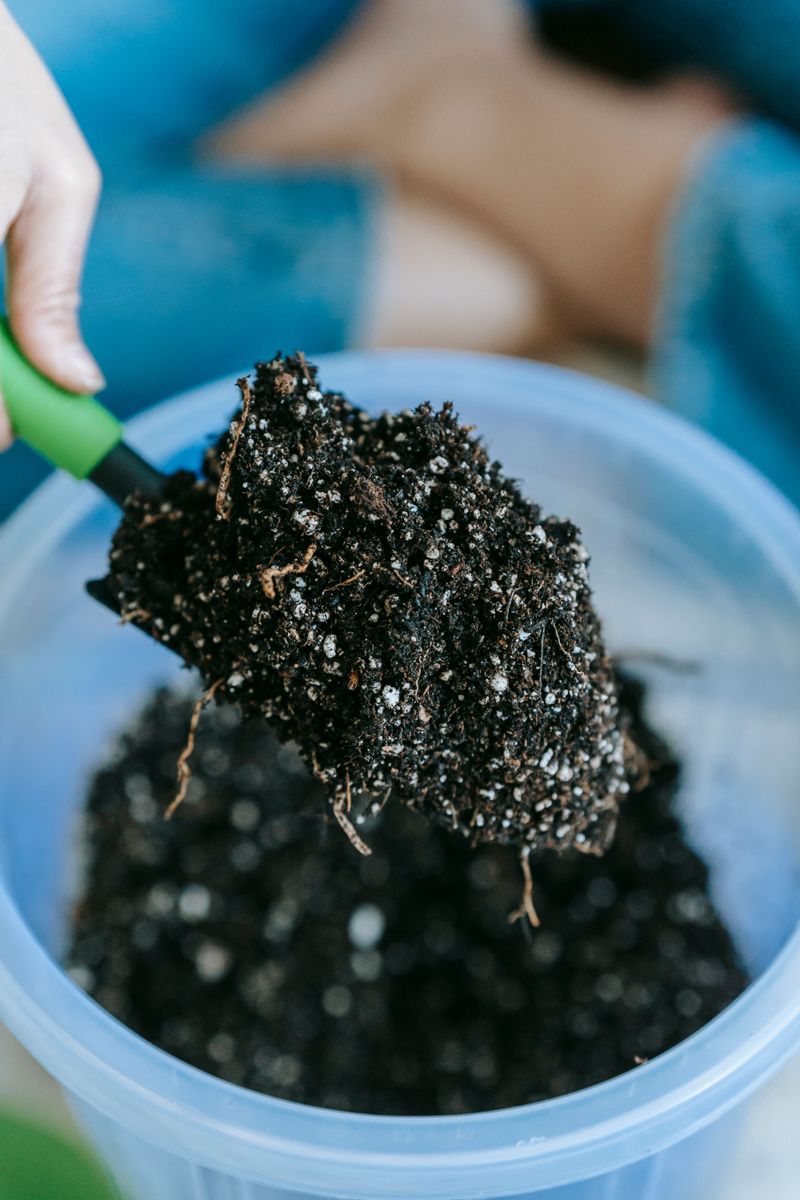
Grandpa used to squeeze a handful of garden soil and watch how it crumbled. If it fell apart like brownie crumbs, he knew his roses would thrive.
That crumbly texture comes from organic matter, and compost is packed with it. Raw peels add little structure because they break down in one spot.
Finished compost spreads evenly and mixes into soil like a natural sponge. It holds water in sandy ground and loosens heavy clay that roots struggle through.
Roses prefer loose, well-drained soil that still holds some moisture. Soggy roots invite rot, while dry roots leave plants thirsty and stressed.
Compost creates tiny air pockets that let roots breathe and spread. Earthworms move in, digging tunnels that carry air and water deeper underground.
Those worms also leave behind castings, a rich natural fertilizer. Over time, your garden bed becomes darker, softer, and easier to dig.
Clay soil benefits greatly, since it packs down hard after summer rain and heat. A few seasons of compost can turn a compacted bed into something workable.
For new beds, work two or three inches of compost into the top layer. For established roses, spread one to two inches on top. Avoid digging too close to the stems so you do not damage shallow roots.
Fall is a wonderful time to add compost because winter rain and snow help settle it. By spring, the soil will feel softer under your trowel.
Try Grandpa’s old squeeze test yourself next spring after a season of compost. You may notice those brownie crumbs too.
6. Composted Peels Balance Soil pH
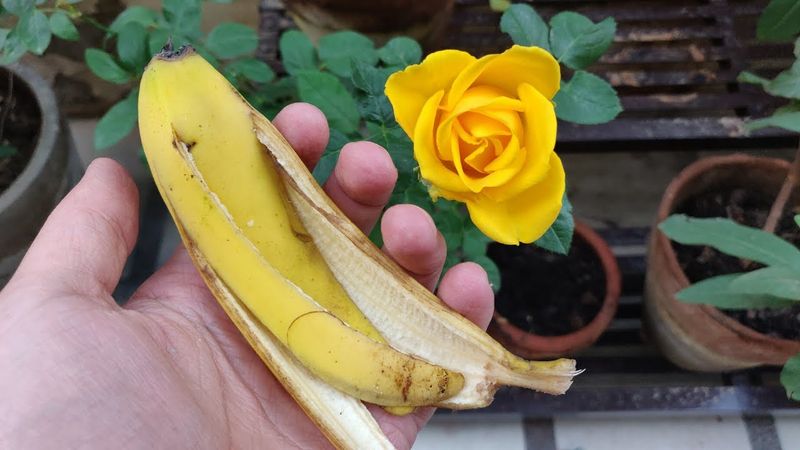
Roses are a bit picky about soil acidity, a lot like Goldilocks with her porridge. They grow best when soil pH sits between about 6.0 and 6.5.
Raw scraps break down unevenly, which makes nutrient release harder to predict.
Finished compost often sits near neutral, which suits many garden plants. It also acts as a buffer, helping soil resist big swings in pH.
When pH drifts too high or too low, nutrients get locked away. Your rose might sit in rich soil and still show hungry, yellowing leaves.
Iron and manganese become harder to reach in alkaline soil. Phosphorus can get stuck when soil turns too acidic or too alkaline.
Compost smooths out those extremes so roots can find what they need. It works slowly and gently, unlike fast-acting amendments that can overshoot.
A simple soil test kit from a garden center tells you where you stand. Many local extension offices also test soil, so check fees and availability in your area.
October is a smart time to test, since adjustments have all winter to settle in. Add compost along with any lime or sulfur your test suggests.
Banana peels bring potassium to the pile without pushing pH wildly in either direction. Mixed with leaves, coffee grounds, and eggshells, they make a well-rounded blend.
Think of compost as a calm referee for your soil. Roses play their best game when the field stays level and fair.
7. Food Reaches The Whole Root Zone
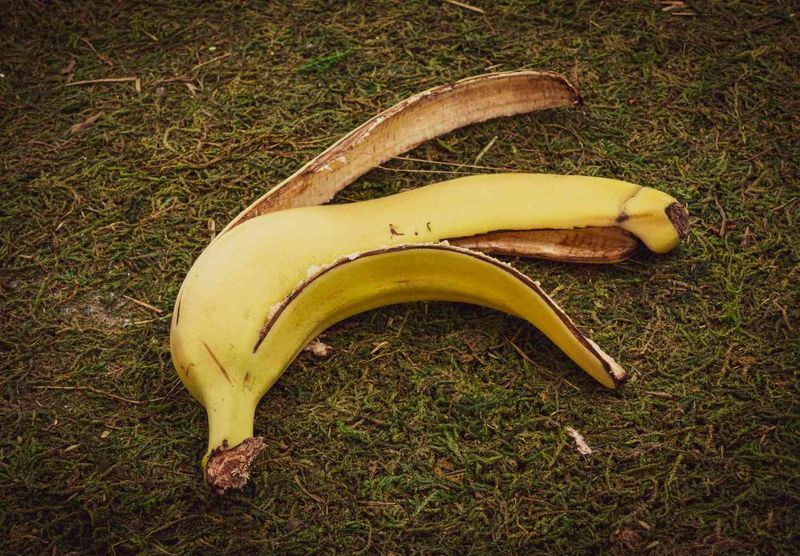
Picture a buffet where all the food sits on one tiny plate in the corner. Many guests would go hungry, and that is what raw peels can do to roses.
A whole peel tucked into soil feeds mainly the roots nearest it. The rest of the root system may miss out on that sweet little package.
Rose roots stretch wide, often reaching as far as the plant’s outer branches. They need nutrients spread across that whole area, not stuck in a single spot.
Compost solves this by breaking peels into fine, even crumbs. You can sprinkle it in a wide circle, giving roots across the whole zone a fair share.
Even feeding helps roses grow balanced, with sturdy canes on all sides. Lopsided feeding can lead to uneven growth and a plant that leans awkwardly.
Some folks blend peels into a slurry or soak them in water instead. Those shortcuts still carry pest and rot risks, and the nutrient levels vary widely.
Finished compost gives you a more consistent product than raw peels. Your roses get steadier meals.
Spread compost from a few inches away from the stem out to the drip line. Rake it lightly, then water well to help nutrients soak down.
A two-inch layer works well as both food and mulch. Top it with shredded leaves in fall to keep the roots cozy through winter.
Roots across the whole zone deserve a seat at the table, not just the lucky few. Compost makes sure the whole rose gets invited to dinner.
8. Long-Term Soil Health Keeps Building
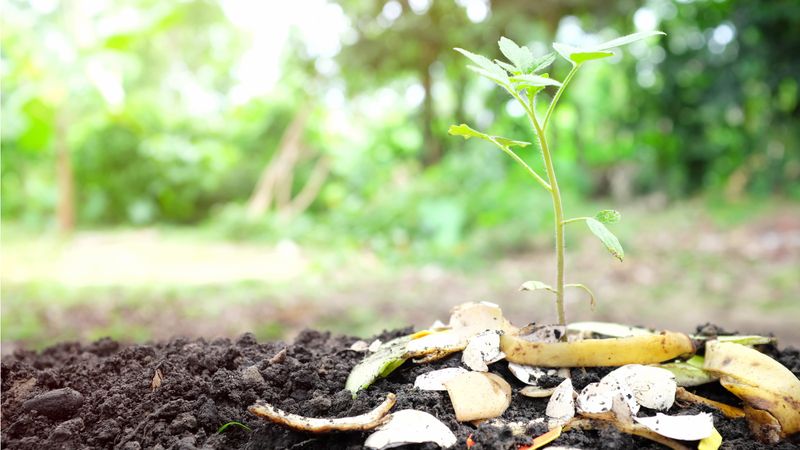
Gardeners who compost for years often say their soil feels alive. They are right, since one teaspoon of healthy soil can hold hundreds of millions to billions of microbes.
Those tiny workers recycle nutrients, fight off harmful germs, and help roots find water. Compost feeds this underground community better than raw scraps do.
Raw peels give an uneven, messy release. Compost releases food slowly, building soil richness season after season.
Compost is a soil conditioner, not a complete fertilizer, so hungry roses usually still need supplemental feeding.
Helpful fungi called mycorrhizae thrive in compost-rich ground. They partner with rose roots and reach out like extra roots, gathering water and nutrients.
Roses linked with these fungi often handle drought and heat better. Many gardeners report more blooms and stronger plants after a few years of composting.
Compost also keeps kitchen waste out of landfills, where scraps release methane gas. Your banana habit becomes a small win for the planet.
Start simple with a bin, a corner of the yard, or even a tumbler. Add peels, leaves, and coffee grounds, then let nature handle the rest.
October offers loads of free browns as trees drop their leaves. Rake them into a pile beside your bin so you have plenty ready all winter.
Each layer of compost you add makes next year’s garden a little better. Your roses may reward that effort with deeper color and longer-lasting blooms.
Good gardening is less about quick fixes and more about patient habits. One banana peel at a time, you are building something that lasts.