The Pennsylvania Frog That Freezes In Winter And Comes Back To Life In Spring
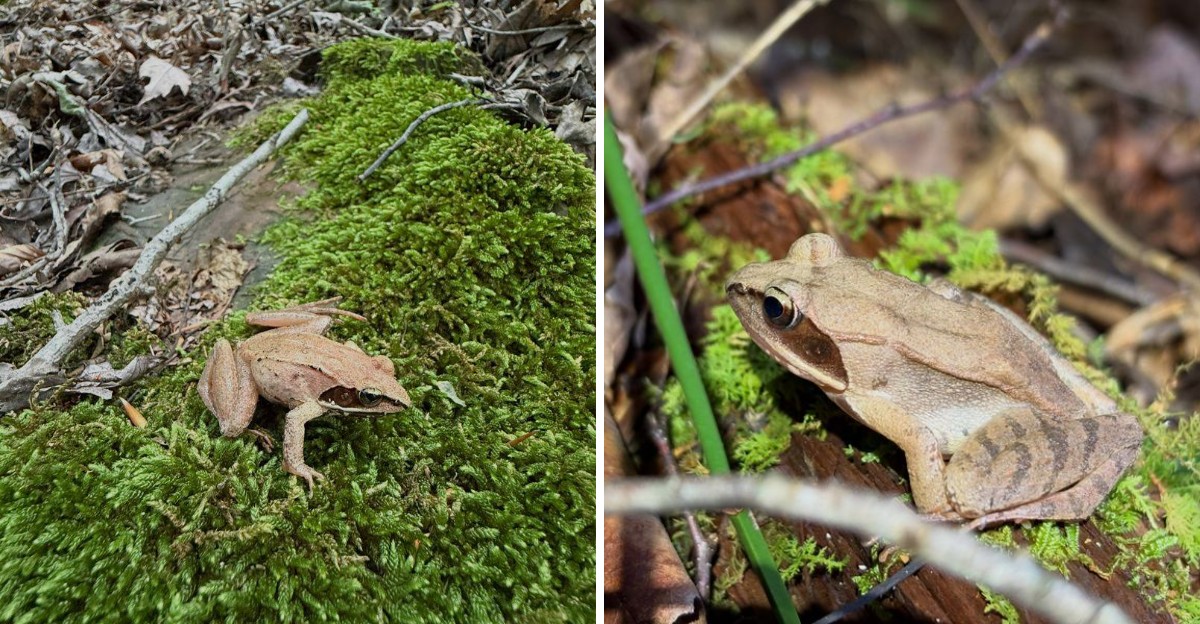
Every winter, a small brown frog in Pennsylvania does something that sounds impossible. It freezes nearly solid.
Its heart stops beating. It stops breathing. Ice forms in its body, and it stays that way for weeks, tucked beneath a blanket of fallen leaves on the forest floor. By all appearances, it’s frozen in time.
Then spring arrives, the ice melts, and the frog thaws out. Within hours, its heart starts beating again, and it hops off to find a mate.
The secret lies in a natural antifreeze. As temperatures drop, the frog floods its cells with sugar, protecting them from damage while the rest of its body turns to ice.
It’s one of the most remarkable survival tricks in the animal world, and it plays out every winter in forests and backyards across the state.
Meet The Wood Frog
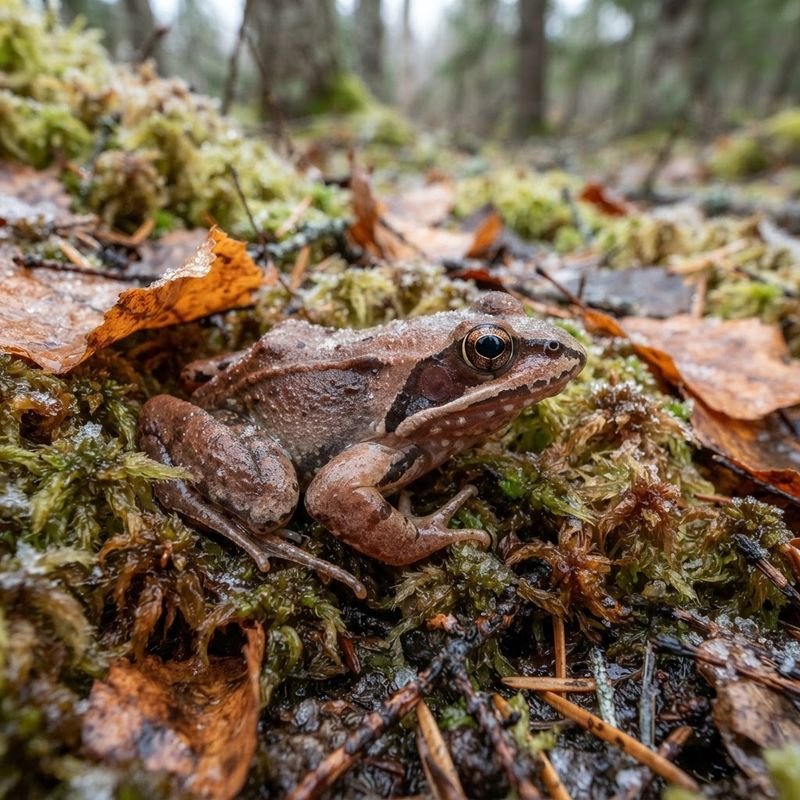
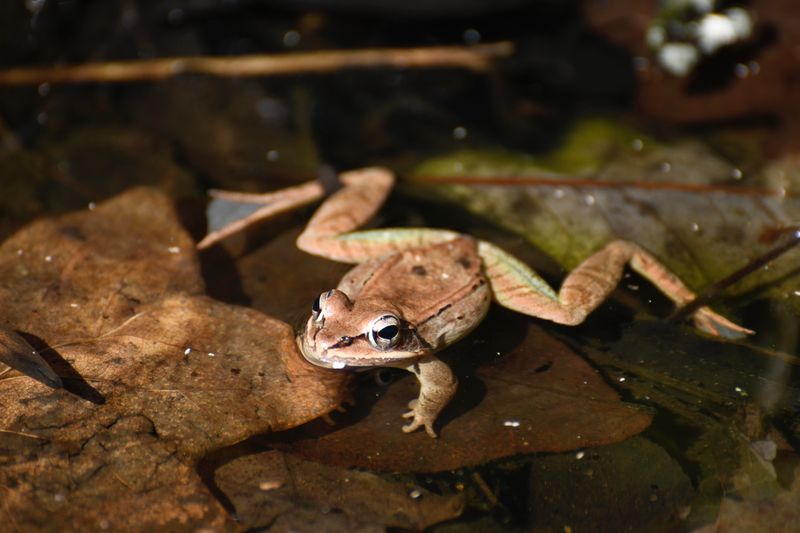
Small, quiet, and wearing a bandit’s mask, the wood frog looks like it belongs in a cartoon about sneaky thieves.
You will not catch it stealing anything, though. It spends most of its time hopping through shady forests across Pennsylvania.
Wood frogs are native to the state, which means they have lived here for thousands of years. Adults are usually about 2 to 3 inches long. That makes them small enough to sit in the palm of your hand.
Their colors help them blend in with the forest floor. Most are tan, brown, or even a little reddish.
Some look almost pinkish, while others are darker. The color can change a bit depending on temperature and mood.
The easiest clue is the dark patch across the eyes. It stretches from the snout back past the ear area like a mask. Many wood frogs also have a light stripe along the upper lip. Two raised ridges run down their backs too.
Females are often a little larger than males. During breeding season, males may look darker and have thicker front legs. Those strong arms help them hold on to females in the water.
Unlike bullfrogs, wood frogs do not stay near ponds all year. They wander far into the woods after spring. Some travel hundreds of feet away from water to hunt.
Their menu includes spiders, beetles, slugs, worms, and other small creatures. So they actually help keep bug numbers in check.
Want to spot one? Walk slowly through moist woods in late spring or summer. Watch for a small brown frog leaping from the leaves. Look for that mask, and you have found your frog.
A Bed Of Leaves For The Cold Months
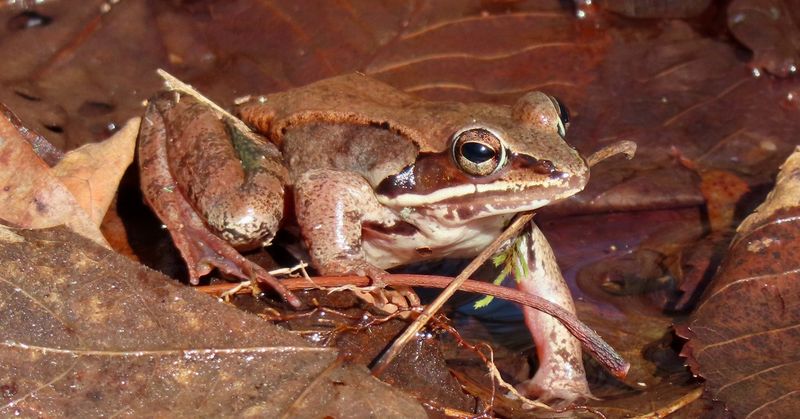
Most frogs have a pretty smart winter plan. Bullfrogs and green frogs head to the bottom of ponds. Others dig deep into mud where ice cannot reach.
Wood frogs do something that seems a little wild. They skip the deep hiding spots completely. Instead, they crawl just beneath the leaf litter on the forest floor.
Leaf litter is the layer of fallen leaves, twigs, and bits of plants that covers the ground. It feels soft and crunchy when you walk on it. For a wood frog, it becomes a winter blanket.
Your Pennsylvania Garden Changes Every Week. Your Plan Should Too.
Gardening in Pennsylvania changes quickly throughout the season. Every Friday you’ll receive a simple weekly plan showing exactly what to plant, prune, fertilize, harvest, and protect so you never miss the right timing.
That blanket is thin, though. The frog sits only an inch or two below the surface. Snow may pile on top and help a bit, but cold air still creeps in.
So why choose such a chilly spot? Part of the answer is timing. Wood frogs want to wake up as early as possible in spring. Being close to the surface means they warm up fast when the sun returns.
Another reason is simple. Wood frogs are built to freeze, so they do not need a deep shelter. Their bodies can handle temperatures that would harm most other frogs.
Pennsylvania winters can drop well below freezing for weeks. A frog in shallow leaves feels every bit of that cold. It might freeze and thaw several times in one season.
Here is a fun fact. Wood frogs live farther north than any other frog in North America. Some even live above the Arctic Circle in Alaska.
Next time you rake leaves in the fall, remember that a frog might be sleeping under a pile. Leaving some leaves in place could give one a cozy home.
Frozen Solid But Still Hanging On
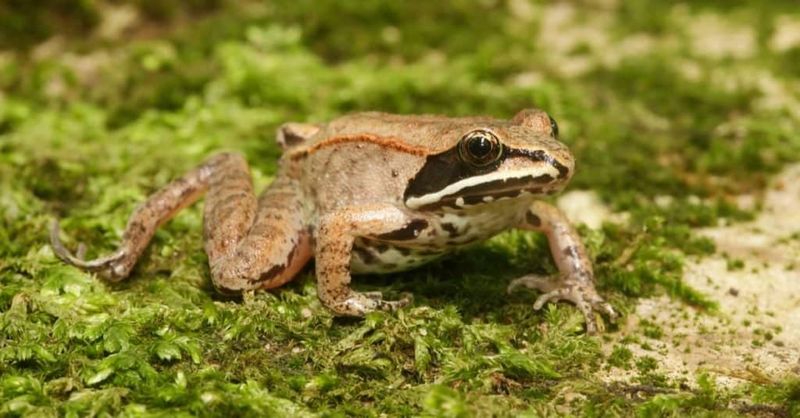
If you found a wood frog in the middle of January, you would probably think it was gone for good. It would feel hard and cold, almost like a frozen chicken nugget.
Tap it, and it would not move at all. Yet that frozen frog is very much alive. It is simply on pause.
As temperatures fall, ice starts to form inside the frog’s body. It shows up in the belly area, which scientists call the body cavity. It also forms in the tiny spaces around the frog’s cells.
Up to about two-thirds of the water in its body can turn to ice. That is a huge amount. For most animals, even a little ice inside would cause serious harm.
Things get even stranger from there. The frog’s heart stops beating. Its lungs stop breathing.
Blood stops flowing through its body. Even its brain activity slows to almost nothing.
To anyone looking, the frog seems lifeless. However, its cells are still protected and waiting. The key is where the ice forms. It stays outside the cells, not inside them.
Why does that matter? Ice crystals have sharp edges. If they formed inside cells, they would poke holes and cause damage. By keeping ice outside, the frog stays safe.
Wood frogs can stay frozen like this for days or even weeks at a time. In colder places like Alaska, some remain frozen for months.
Think of it like hitting the pause button on a video game. Everything stops, but nothing is lost. When the time is right, the game picks up exactly where it left off.
Sugar Power: Nature’s Own Antifreeze
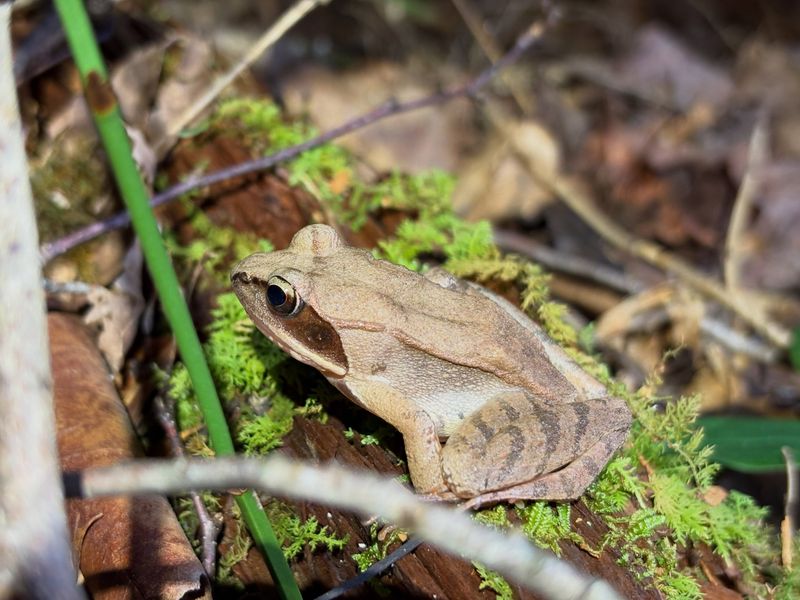
Who knew sugar could be a superpower? For the wood frog, a sweet rush is the secret to surviving the freeze.
Here is how it works. When ice first touches the frog’s skin, its body senses the danger right away. Within minutes, the liver jumps into action.
The liver stores energy in a form called glycogen. It quickly breaks that down into glucose, which is a simple sugar. Then it floods the bloodstream with huge amounts of it.
The sugar travels fast to cells all over the body. Inside each cell, the glucose levels rise very high. Some studies show sugar levels can jump to around 100 times higher than normal.
So what does all that sugar do? It acts a lot like the antifreeze people put in car engines. Sugary water freezes at a lower temperature than plain water. That keeps the inside of each cell from turning to ice.
The sugar also helps cells hold on to just enough water. Without it, the cells could shrink too much and get damaged.
You can try a simple kitchen experiment to see the idea. Fill one cup with plain water and another with very sugary water. Put both in the freezer and check them every half hour. The plain water usually freezes first.
The frog also uses another helper called urea, a natural chemical that adds extra protection.
Scientists find this system fascinating. They hope to learn ways to keep human organs safe longer before transplants.
A little frog from the woods might someday help save people in hospitals. That is a pretty sweet trick for a creature smaller than a candy bar.
Spring Wake-Up And A Chorus Of Quacks
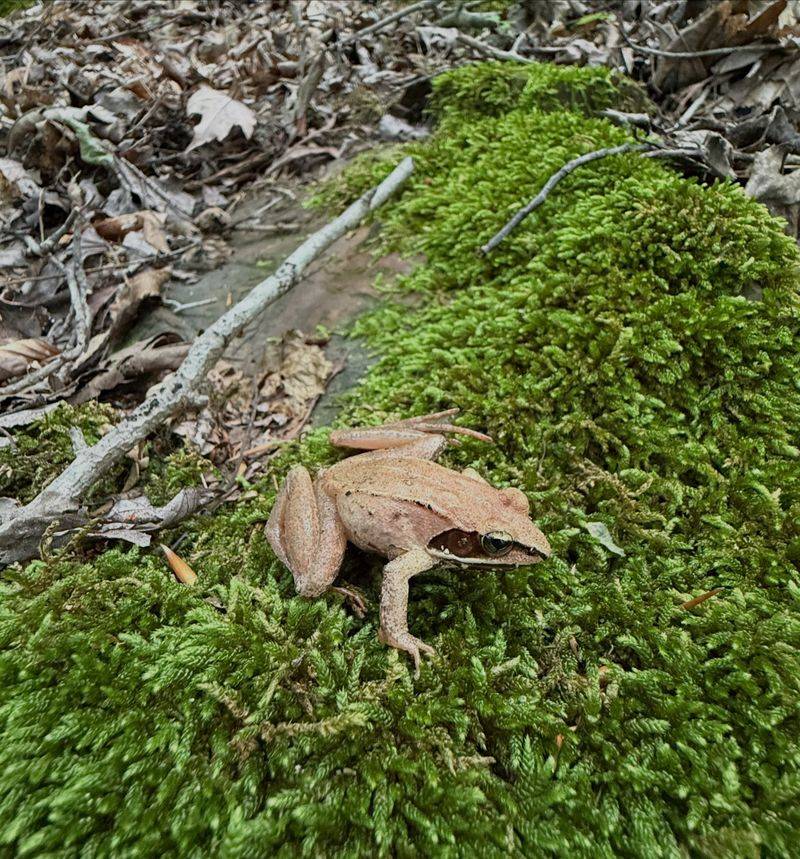
Quack, quack, quack! You hear it echo from the woods on a chilly March evening. You look around for ducks, but there are none in sight.
Those sounds are actually wood frogs. Their call sounds a lot like quacking ducks or a soft chuckle. Once you learn it, you will never forget it.
The magic starts when the weather warms. As temperatures climb above freezing, the frog begins to thaw. Interestingly, it thaws from the inside out, so the heart and other organs wake first.
Soon the heart starts beating again. Breathing returns. Within a few hours, the frog can move. In about a day, it is back to normal and ready to hop.
Wood frogs are among the very first frogs active in Pennsylvania each spring. Sometimes snow is still on the ground when they wake. Ice may still cover parts of the ponds.
Right away, they head to vernal pools. These are shallow ponds that fill with water in spring and dry up by summer. Since the pools dry out, fish cannot live in them. That means fewer hungry mouths eating frog eggs.
Males gather and call loudly to attract females. Females then lay large clumps of eggs, sometimes over 1,000 at once. Many frogs place their egg masses close together.
The tadpoles must grow fast before the pool disappears. In about two months, they turn into tiny frogs.
Want to hear the chorus yourself? Visit a wooded area on a rainy spring night in March or early April. Stand quietly near a pool and listen for the quacks.
Easy Ways To Help Wood Frogs Thrive
Good news! You do not need to be a scientist to help wood frogs. A few small choices at home can make a real difference.
First, think twice before raking every leaf. Leaf litter is where wood frogs spend the winter. If you have a wooded corner in your yard, leave the leaves there. Call it your frog hotel.
Leaves also help other creatures like salamanders, beetles, and butterflies. Plus, they break down and feed the soil. That means less work for you and more life for your yard.
Next, protect vernal pools. These temporary spring ponds can look like big puddles. Some people fill them in or drain them without knowing how important they are. Wood frogs need them to lay eggs.
If you have one on your property, keep it as it is. Avoid driving through it or dumping things nearby. Ask your local parks group if they protect pools in your area.
Skipping pesticides near wooded areas helps too. Frogs breathe partly through their thin skin. Chemicals can soak in easily and make them sick. Fewer sprays also mean more bugs for frogs to eat.
Watch the roads on rainy spring nights. Wood frogs often cross roads to reach breeding pools. Drive slowly in wooded areas during that season.
You can also become a citizen scientist. Programs in Pennsylvania let volunteers count frogs by listening to their calls. It is a fun family activity and helps researchers track frog numbers.
Finally, share what you learned. Tell friends about the frog that freezes and wakes up again. The more people care, the safer these tough little frogs will be.