7 Firewood Mistakes That Bring Pests Into Pennsylvania Homes
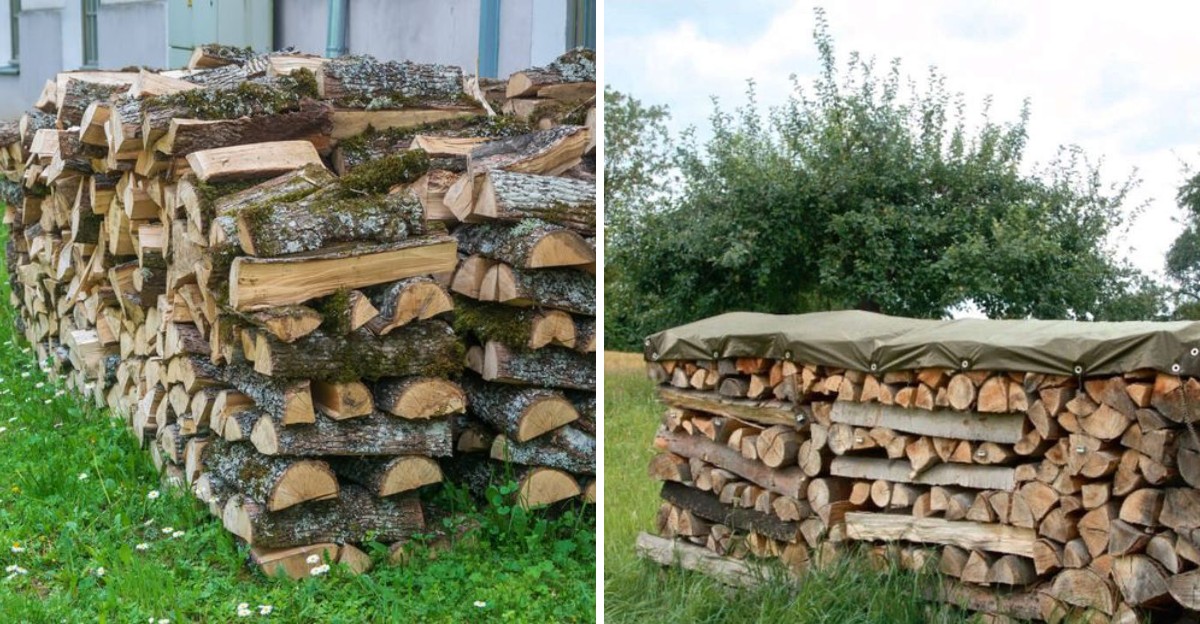
There’s nothing cozier than a crackling fire on a chilly Pennsylvania night. But that armload of logs you carry inside might be bringing more than warmth.
Firewood is often packed with hidden hitchhikers. Beetles, spiders, ants, and other critters hide in the bark and cracks, waiting out the cold.
Bring the wood into a warm house, and they can wake up fast. Within days, you might spot them crawling across the floor or buzzing around the windows.
The problems don’t stop there. A woodpile stacked against the house can lure termites, carpenter ants, and mice right up to your walls.
Moving firewood from one area to another can also spread invasive pests to new parts of the state.
A few simple changes in how you store and handle firewood can keep those unwanted guests out of your home.
1. Stacking Firewood Against The House
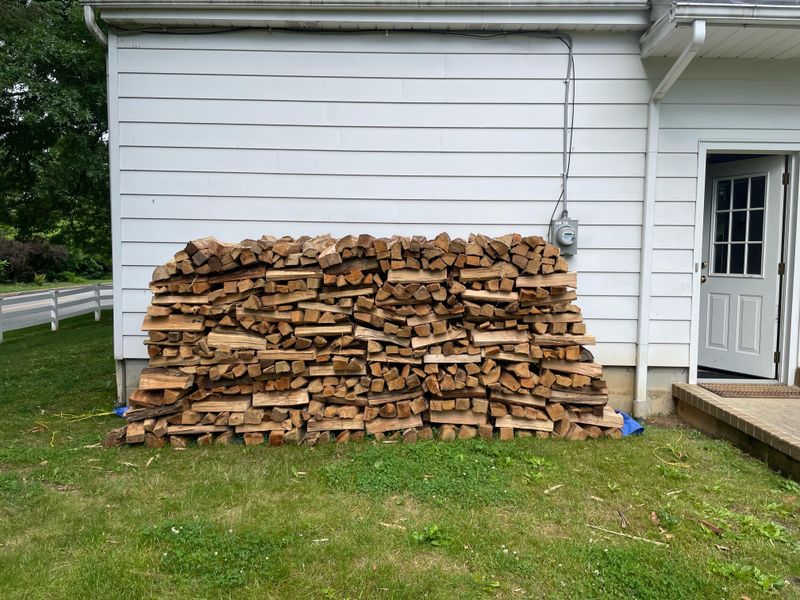
Ask any pest control worker in Pennsylvania where trouble starts, and many will point to the woodpile by the back door. It seems handy. You step outside, grab a few logs, and you are back by the fire in seconds.
That convenience comes with a cost. A woodpile leaning on your siding works like a bridge for termites, carpenter ants, mice, and spiders. They can crawl from the logs straight into cracks, vents, and gaps around windows.
Termites are a big worry here. Eastern subterranean termites live all across Pennsylvania. They feed on wood quietly, and a pile touching your house gives them cover while they search for a way inside.
Carpenter ants act a little differently. They do not eat wood, but they chew tunnels to build nests. Damp logs next to your foundation can be the perfect starter home before they move into your walls.
Mice are sneaky too. A stack against the house offers shelter from wind and hawks. From there, a mouse only needs a gap the size of a dime to slip indoors.
So what should you do? Keep firewood stacked at least five feet away from your home. If your yard has room, twenty feet is even better.
Place the pile somewhere sunny if you can. Sunlight helps dry the wood and makes the spot less cozy for bugs. A short walk across the yard is a small price for a pest-free house.
Also check the ground between the pile and your home. Trim tall grass and clear away leaves so critters have fewer places to hide on the trip over.
2. Stacking It Directly On The Ground
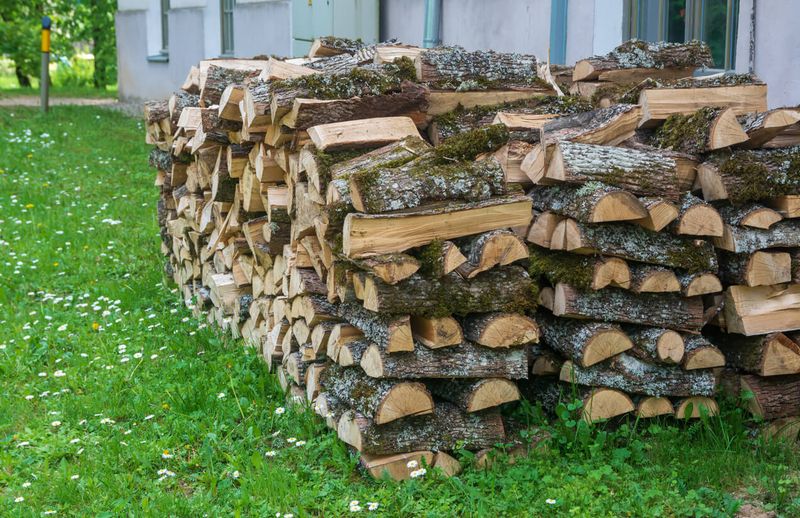
Soil is never truly dry, especially in Pennsylvania. Between spring rain, summer storms, and melting snow, the ground stays damp for much of the year.
When logs sit right on bare dirt, they soak up that moisture like a sponge. Wet wood is a dream come true for termites, carpenter ants, beetles, and slugs. It is also much harder to light and burns with a lot more smoke.
Think about the bottom row of a ground-level pile. It stays cool, dark, and soggy. Bugs move in from below, where you cannot even see them working. By the time you pull those logs out, they may be crumbly and crawling with insects.
Your Pennsylvania Garden Changes Every Week. Your Plan Should Too.
Gardening in Pennsylvania changes quickly throughout the season. Every Friday you’ll receive a simple weekly plan showing exactly what to plant, prune, fertilize, harvest, and protect so you never miss the right timing.
Here is a simple fix. Lift your firewood off the ground. A metal log rack works well and lasts for years.
Wooden pallets are a cheap option, and many stores give them away for free. Concrete blocks or a couple of treated boards can also do the job.
Aim for at least four to six inches of space under the bottom row. That gap lets air move under the pile, which helps the wood dry and keeps the base from rotting.
You can go one step further by placing gravel under your rack. Gravel drains water quickly and stops weeds from growing up into the stack.
Fun fact: freshly cut wood can be about half water by weight. Properly raised and seasoned wood can drop to around 20 percent moisture.
Drier wood means a hotter fire, less creosote in your chimney, and far fewer six-legged visitors. Your logs, your stove, and your nose will thank you.
3. Bringing Too Much Inside At Once
My neighbor once filled her whole mudroom with firewood before a snowstorm. Two days later, she found beetles on the windowsill and spiders in the laundry basket. She learned a lesson many people learn the hard way.
Bugs that hide in firewood are often sleeping through the cold. Outside, the chilly air keeps them still. Once you bring logs into a warm house, they wake up and start moving around.
Wood-boring beetles, ants, spiders, stink bugs, and even ladybugs can tag along. Most of them will not damage your home, but nobody wants them crawling across the kitchen floor. Some, like carpenter ants, could look for new places to settle.
The smart move is easy. Only bring in the firewood you plan to burn within a day or two. Keep the rest outside on its rack.
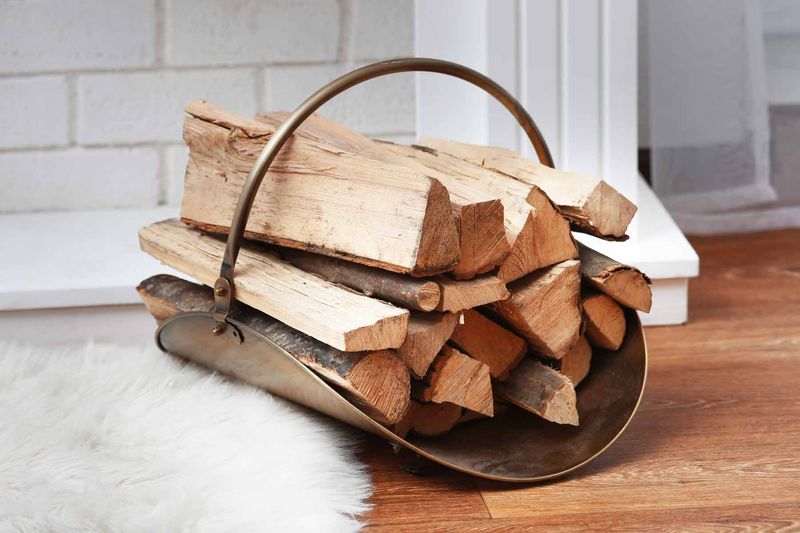
A log carrier or small bin makes this habit simple. Fill it once a day and set it near the stove or fireplace, not against a wall or in a closet.
Before you carry wood in, give each piece a quick knock or shake. Look for holes, sawdust, or tiny critters. Leave any questionable logs outside.
Please skip spraying bug spray on firewood. Burning treated wood can release harmful fumes into your home.
If you really want to stock up before a big storm, use a covered porch or a garage spot away from the house wall.
Cold storage keeps bugs sleepy while still saving you a trek through the snow. A little planning keeps the fireside cozy and the critters outdoors where they belong.
4. Covering The Whole Pile With A Tarp
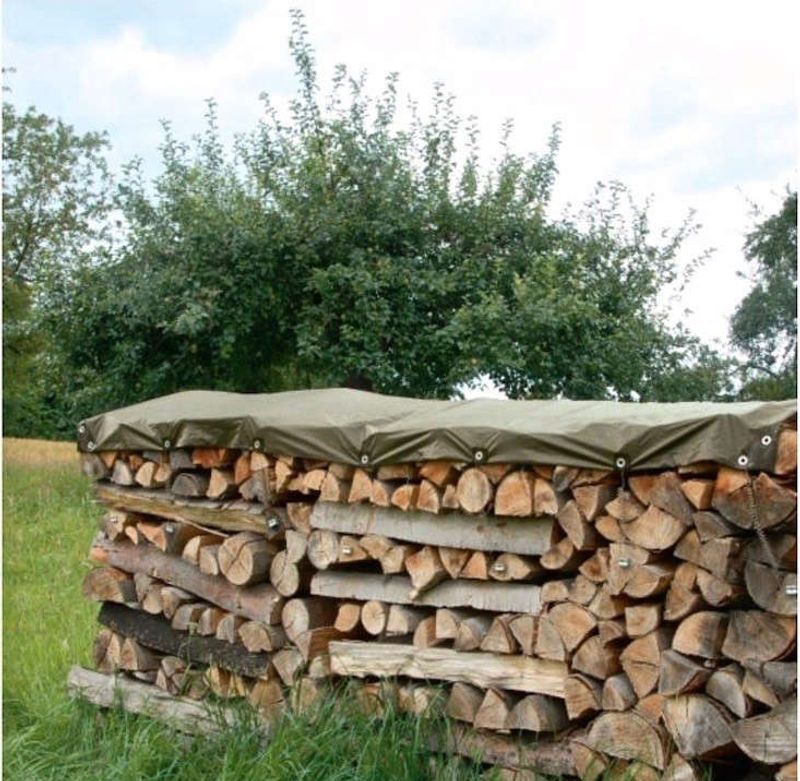
Wrapping firewood in a tarp feels like the responsible thing to do. After all, you want to keep it dry, right? Surprisingly, a full cover can make things worse.
When a tarp hugs the whole pile, moisture gets trapped inside. Water vapor rises from the logs and the ground, then has nowhere to go. The result is a warm, damp, dark space.
Bugs adore those conditions. Termites, carpenter ants, sow bugs, and centipedes all thrive in humid spots. Mice and chipmunks also enjoy a sheltered nest where hawks and cats cannot spot them.
Mold is another problem. Damp, covered wood can grow fuzzy white or green patches. Moldy logs burn poorly and smell musty when you bring them inside.
The better way is to cover only the top of the pile. Let the tarp drape down a few inches on each side, but leave most of the sides open. Rain and snow stay off, while air still flows through the stack.
Bungee cords or a few heavy logs can hold the tarp in place during windy Pennsylvania storms. Some people prefer a small roof made from metal sheets or plywood. A woodshed with open slatted sides works best of all.
Stack your logs in loose rows with a little space between them. Placing split sides down and bark side up can help shed water.
Here is a handy tip. After a rainy week, peek under the top cover. If it feels muggy or smells sour, pull the tarp back on a sunny day and let the pile breathe for a few hours.
5. Moving Firewood Long Distances
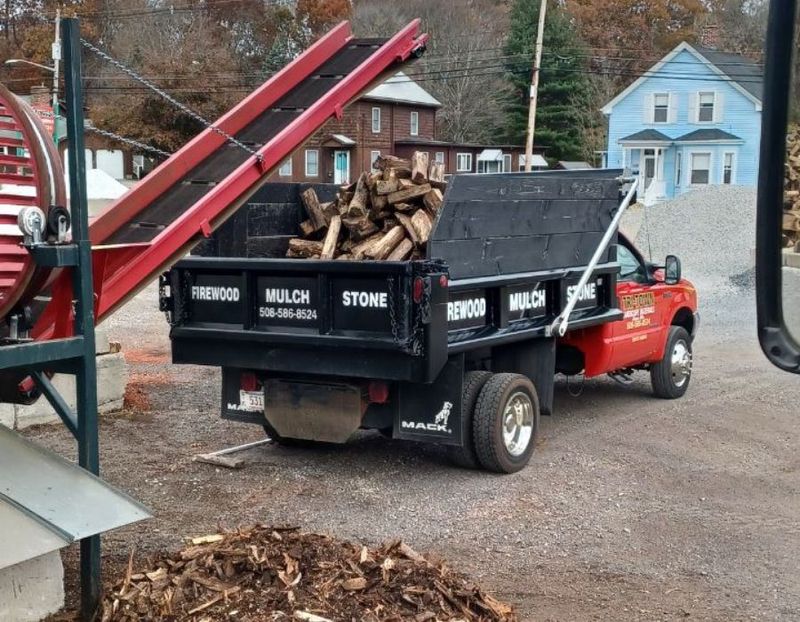
“Buy it where you burn it.” That short saying has helped protect forests across the country, and it matters a lot in Pennsylvania.
Firewood can carry hidden hitchhikers. The emerald ash borer, a shiny green beetle, has already wiped out millions of ash trees in the state. Its larvae live under the bark, so infested logs can look perfectly normal.
Spongy moth is another troublemaker. You may remember it by its old name, gypsy moth. Females lay tan, fuzzy egg masses on bark, and those eggs can ride along on firewood to brand new areas. When they hatch, the caterpillars strip leaves from oaks and other trees.
Moving wood even a short drive can spread these pests. Many experts suggest keeping firewood within ten miles of where it was cut, and less is better.
Camping trips are where people slip up most often. Pennsylvania state parks and many private campgrounds limit or ban firewood from outside sources.
Some only allow heat-treated wood with a certified label. Rules can change, so check the park website before you pack.
Luckily, local firewood is easy to find. Camp stores, roadside stands, and nearby farms often sell bundles. Heat-treated packaged wood is another safe pick for travel.
At home, the same idea applies. Buy from a seller in your area, and ask where the wood came from. If you cut trees at a family cabin, burn that wood there instead of hauling it back.
Fewer traveling logs means healthier forests, prettier hiking trails, and fewer pests sneaking into neighborhoods.
6. Not Checking For Spotted Lanternfly Egg Masses
Spotted lanternflies first showed up in Berks County, Pennsylvania, back in 2014. Since then, these colorful pests have spread across much of the state and beyond.
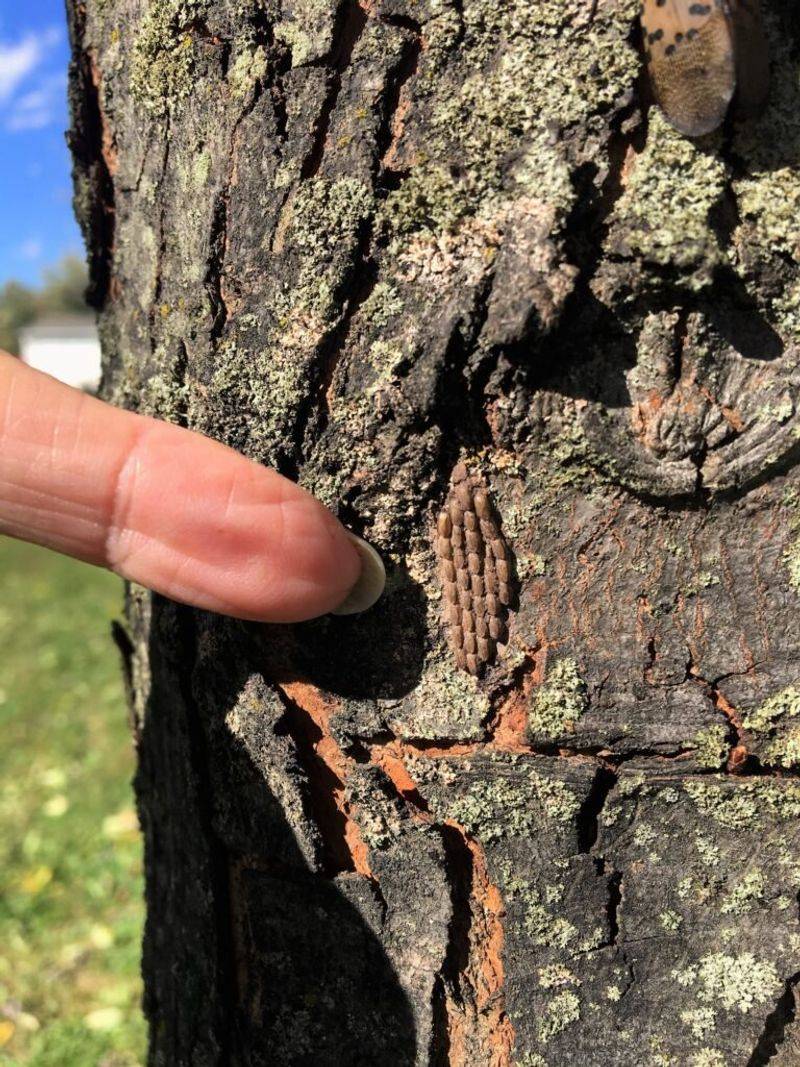
Adults are easy to spot with their polka-dot wings and flashes of red. Their eggs are much trickier. Females lay them in the fall on almost any flat surface, including firewood, logs, stones, and outdoor furniture.
Egg masses look like smears of gray mud or dried putty. Each one can hold 30 to 50 eggs. Older masses may crack and look like rows of seeds. Many people walk right past them without a second glance.
If you move infested wood to a new place, you could help lanternflies spread. Bringing it indoors is not great either, since eggs may hatch in the warmth.
So take a minute to inspect your logs. Check the bark, the ends, and the undersides. Pay close attention to wood stored near trees of heaven, a favorite lanternfly host.
Found an egg mass? Grab an old gift card or a plastic putty knife. Scrape the mass straight into a zip-top bag or jar filled with rubbing alcohol or hand sanitizer. Seal it tight and toss it in the trash.
Pennsylvania has quarantine zones for spotted lanternfly. Businesses moving wood in those areas may need a permit.
Homeowners should use a checklist from the state Department of Agriculture before traveling.
Each mass you scrape could mean dozens fewer bugs next summer. It is a quick, satisfying job that helps your yard and your neighbors too.
7. Letting Old Woodpiles Sit For Years
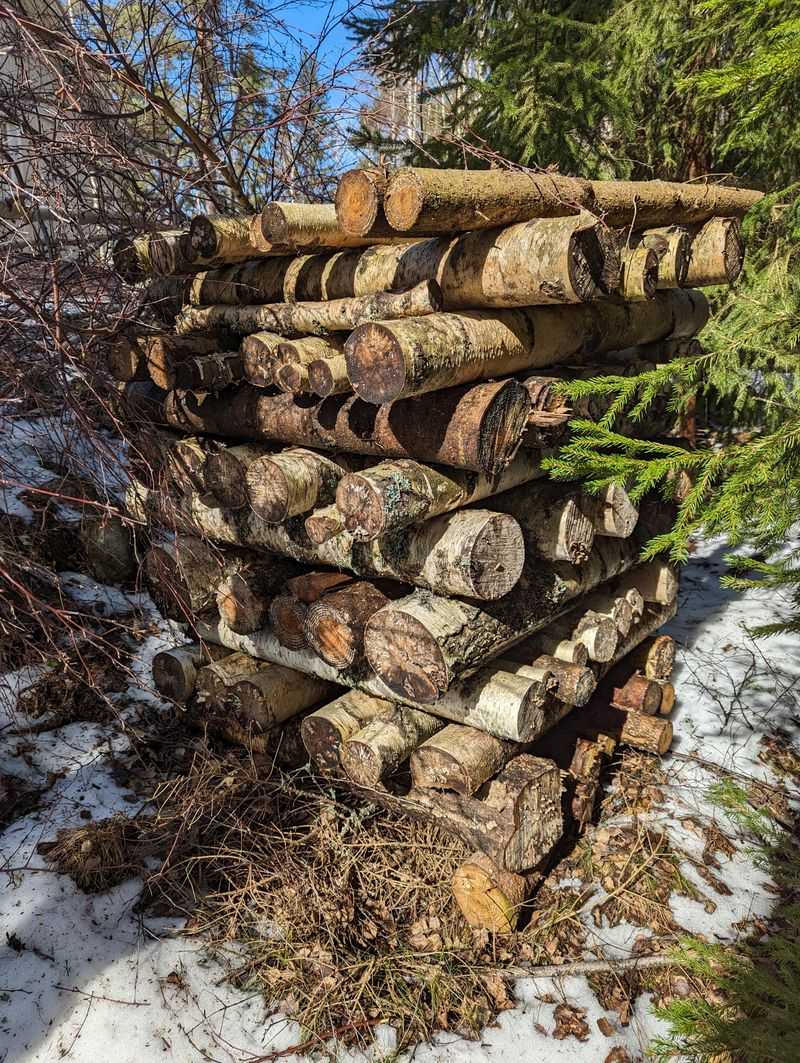
Out behind many Pennsylvania garages sits a forgotten woodpile. Maybe a past owner left it, or maybe it came from a tree that fell years ago. Either way, it has quietly become a pest hotel.
Firewood does not last forever. After two or three seasons outside, it starts to break down. Bark peels, fungus grows, and the wood turns soft and spongy.
Rotting wood is a feast for termites. Carpenter ants love it too, since soft wood is easy to tunnel through. Once a colony grows large, workers may search nearby homes for new nesting spots.
Rodents join the party as well. Mice, rats, and chipmunks build nests deep inside old piles. Snakes sometimes follow, hunting those rodents. That is a surprise nobody wants while grabbing logs.
Rotten wood also makes a poor fire. It burns fast, gives little heat, and can leave more smoke and buildup in your chimney.
The fix is a simple rotation habit. Burn your oldest wood first. When new wood arrives, stack it behind or beside the older supply, not on top of it.
Try not to store more than you will use in one or two seasons. Most homes that heat with wood use two to four cords each winter, but your needs may be smaller.
If you already have a crumbly old pile, wear gloves and break it down on a dry day. Burn the sound pieces soon, and take badly rotted wood to a local yard waste site. Your yard will look tidier, and pests will lose their favorite hideout.