A Popular Alabama Butterfly Plant May Be Making Monarchs Sick This Fall
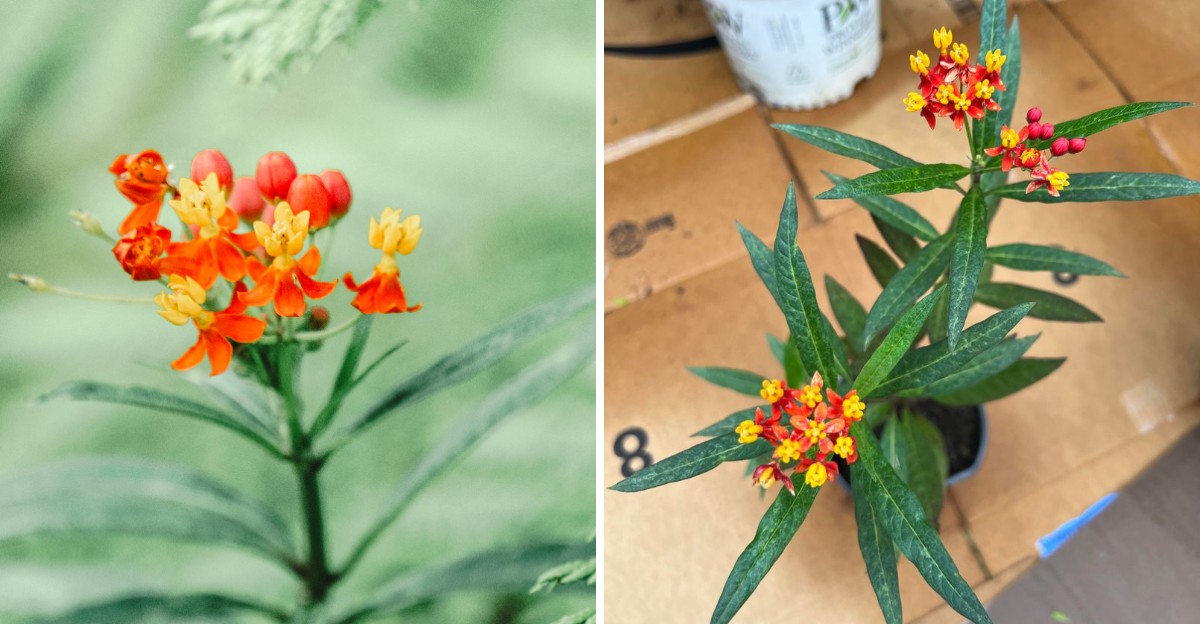
Would you plant a flower that hinders the monarchs you adore? Tropical milkweed, with its red and yellow blooms, greets you at garden centers across Alabama.
Mild winters in Alabama often keep leaves green, so you see stems into January. Spores from parasite OE cling to those leaves, and you pass them to hungry caterpillars.
Affected monarchs emerge with weakened wings, and you watch them fly less steadily. Researchers found that you may lead monarchs to skip migration to Mexico.
Staying put, they breed on your plants and pass spores to newcomers. Native swamp milkweed offers you a gentler alternative for the same butterflies.
Cut tropical plants back to short stems by October if you keep them. Your plant choice can shape how strong monarchs feel leaving your garden. Swap smartly, and you give travelers a stronger chance at Mexico.
Tropical Milkweed Can Delay Monarch Migration
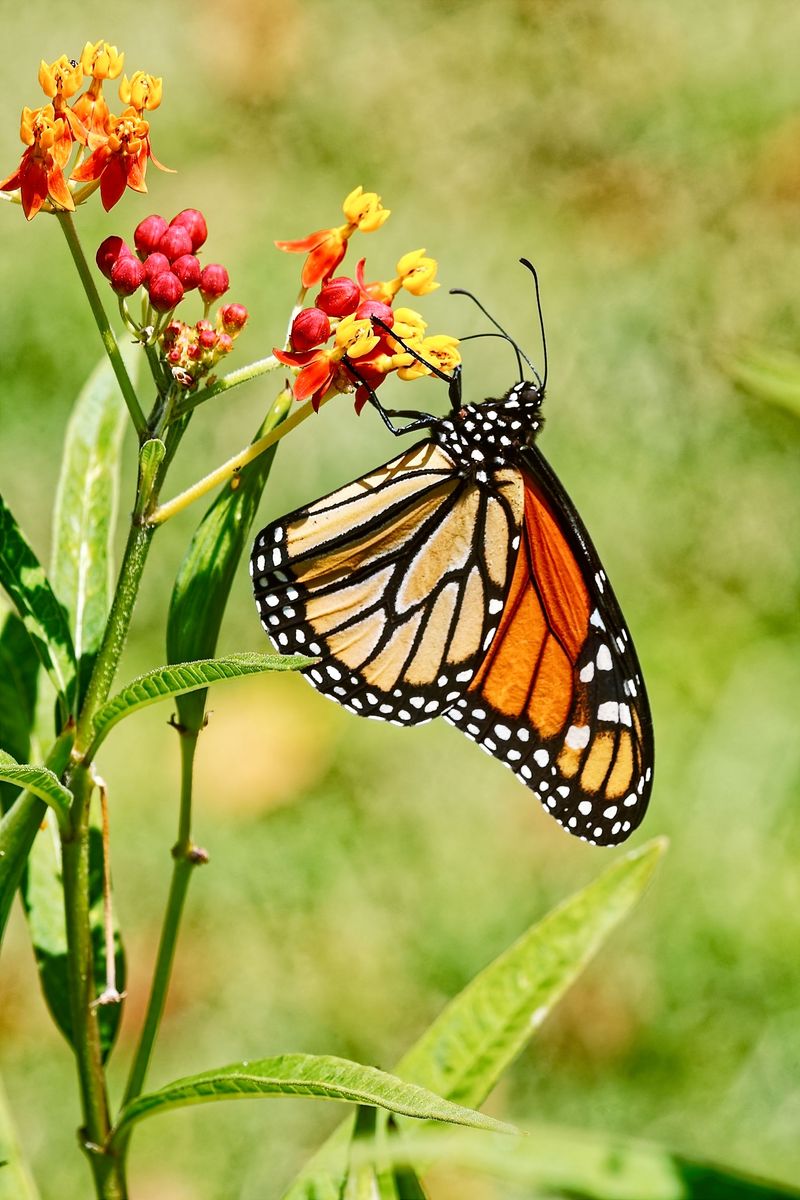
Picture a hotel that keeps the lights on long after checkout time. Tropical milkweed acts a lot like that for monarchs in the Deep South.
Native milkweeds in Alabama fade and drop leaves as fall arrives. That natural fade is one cue, along with day length and cooler temperatures, that prompts monarchs to head toward Mexico.
Tropical milkweed, called Asclepias curassavica, stays green and blooming much longer. Its leaves look fresh and tasty well into October and beyond.
Monarchs see that green buffet and decide to stay put. Some females even lay eggs instead of saving energy for the long flight.
Scientists in the Southeast have watched this shift for years. More monarchs now stay through winter in places where green leaves remain available, which changes their seasonal routine.
Staying behind creates a larger concern than a missed trip. Butterflies that linger can pick up a tiny parasite that builds up on these plants.
The parasite is called Ophryocystis elektroscirrha, or OE for short. It spreads as spores on leaves, then into hungry caterpillars.
Native milkweed fades back, which clears away old spores each year. Tropical milkweed skips that reset, so the spores pile up month after month.
So the plant is not the direct cause. The real issue is timing, plus a parasite that thrives on a plant without a winter break.
Knowing this helps you garden smarter, not feel guilty. A few small changes can turn your yard back into a healthy rest stop.
A Tiny Parasite On Bright Leaves
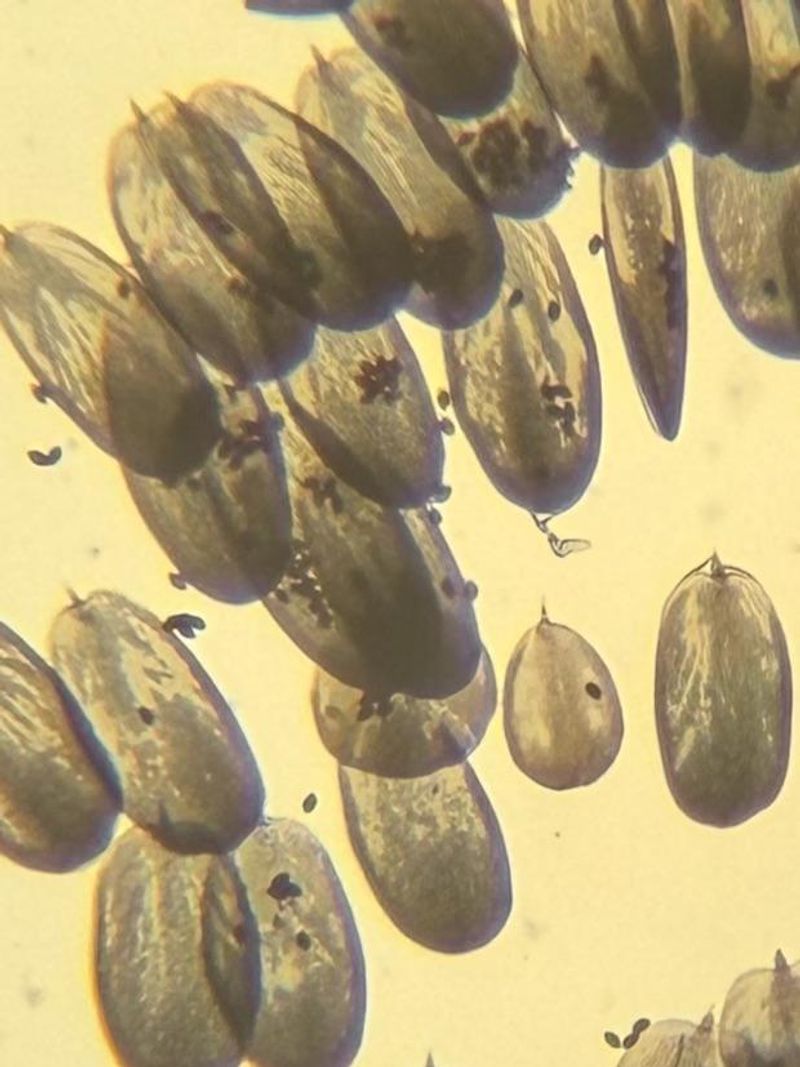
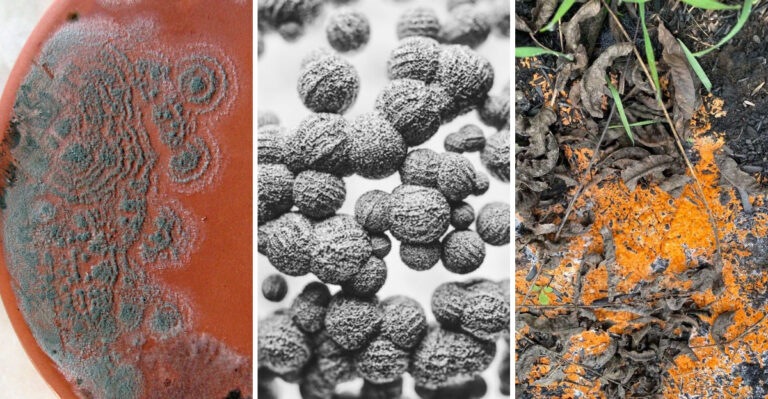
Under a microscope, OE spores look like tiny footballs. To the naked eye, you would not notice anything wrong at all.
Adult monarchs carry spores on their bodies like glitter after a craft project. When they lay eggs, spores rub off onto the milkweed leaves.
Caterpillars hatch and munch those leaves, swallowing spores along with lunch. Once swallowed, the parasite starts to develop and multiply inside the caterpillar.
Think of this pattern as a shared water bottle. One infected visitor leaves spores behind, and the next caterpillar picks them up unnoticed, so spores on a leaf can reach more caterpillars.
Your Alabama Garden Changes Every Week. Your Plan Should Too.
Gardening in Alabama changes quickly throughout the season. Every Friday you’ll receive a simple weekly plan showing exactly what to plant, prune, fertilize, harvest, and protect so you never miss the right timing.
By the time the butterfly comes out of its chrysalis, the effects may show. Heavily infected adults can struggle to break free from the case.
Some come out with crumpled wings that cannot open fully. Others look fine but tire quickly and fly shorter distances.
Weaker flyers have a tough time making the trip to Mexico. Many weakened monarchs find such a long, demanding journey hard to finish.
Lab studies and citizen scientists have tracked this pattern for years. Southern monarchs that stay near tropical milkweed in winter often show higher infection rates.
Healthy migrating monarchs tend to carry far fewer spores. The long flight seems to filter out weaker butterflies and keep the group stronger.
That is a useful clue for gardeners. Supporting migration means supporting a healthier monarch population overall.
October Timing Matters In Alabama Gardens
Mid-fall is rush hour for monarchs crossing Alabama. Thousands pass through on their way to mountain forests in central Mexico.
Many travel through the state from late September through October. They sip nectar, rest overnight, and push south again.
Your garden can be a great fuel station during these weeks. Nectar flowers like asters, goldenrod, and salvias give them quick energy.
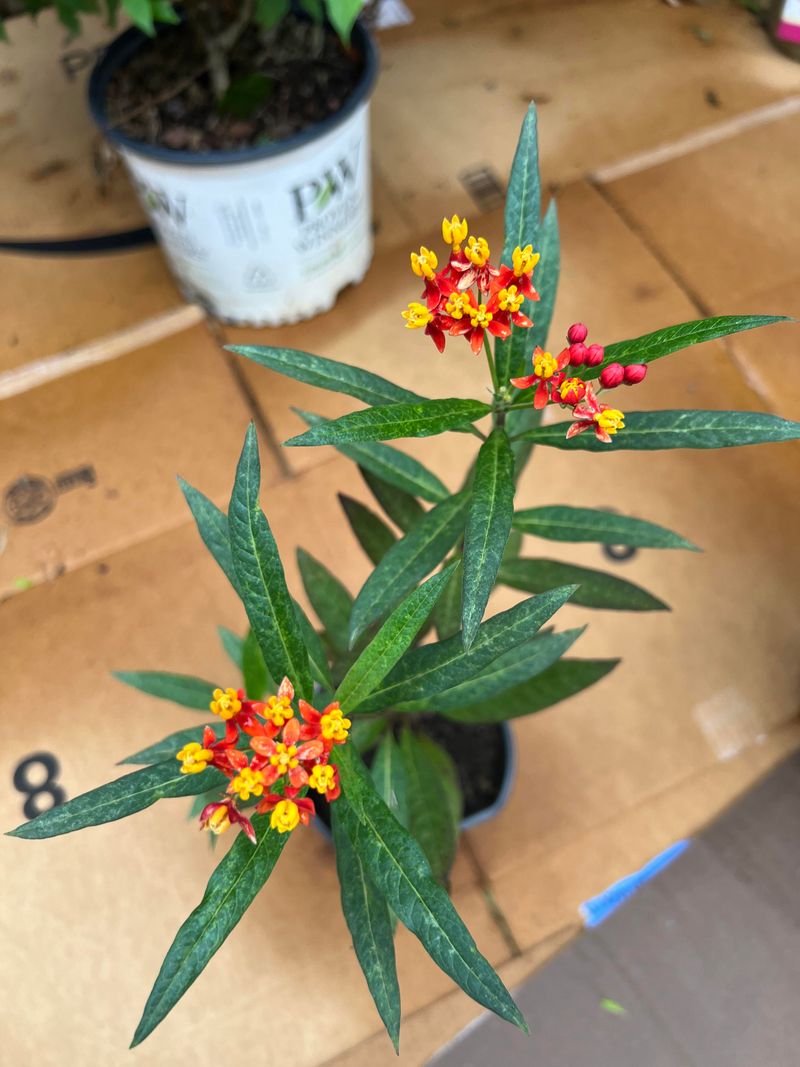
Tropical milkweed in bloom sends a mixed message right now. Its flowers offer nectar, but its fresh leaves invite egg laying at an awkward moment.
Caterpillars hatched in late October face cooler nights and slower growth. Their parents may also lose some of the drive to keep heading south.
Coastal areas like Mobile and Baldwin County see a bigger issue. Mild winters there let tropical milkweed stay green almost all year.
Up north near Huntsville, frost usually cuts the plant back sooner. Even so, a warm fall can keep it growing longer than expected.
Weather plays a role too. A warm spell in late October can convince tropical milkweed to push out tender new shoots, and those shoots attract females looking for a place to lay eggs just as the season turns.
Watching the calendar helps more than you might think. Late September through early November is the window to act on these plants.
Treat this season as a hand-off moment. Your job is to cheer monarchs onward, not convince them to unpack.
Common Pitfalls When Planting Milkweed
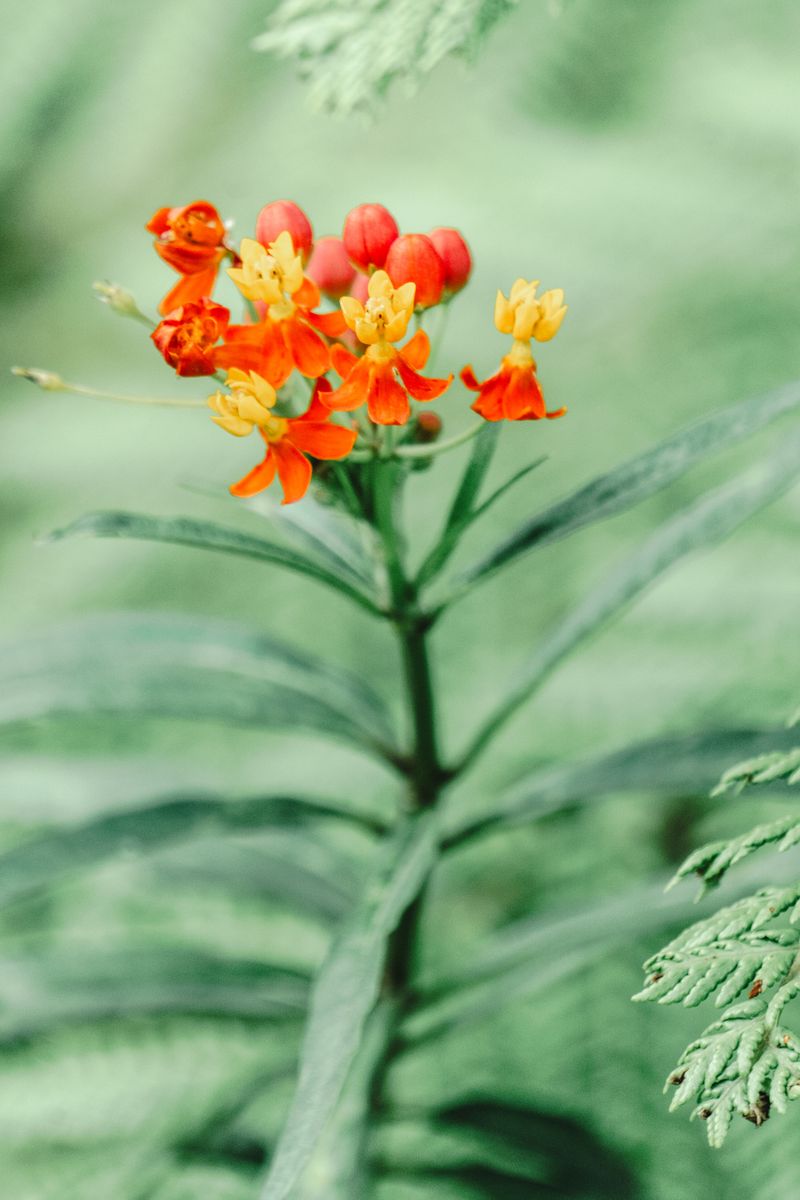
Ask a garden center shopper why they bought tropical milkweed. Many will smile and say they wanted to help the monarchs.
That kind heart is a big reason the plant became so popular. It grows fast, blooms for months, and is easy to find in stores.
Good intentions deserve credit. Gardeners who plant milkweed are trying to feed hungry caterpillars, and a little extra knowledge about timing lets that generosity reach much farther, from your own beds to neighboring yards across the seasons ahead.
Native milkweed seeds can be fussy and slow to sprout. Tropical types often bloom the same summer you plant them.
Many people also think more milkweed means more monarchs. The reality has a few more twists than that simple math.
A common pitfall is leaving tropical milkweed standing through fall and winter. Gardeners enjoy the color and may not realize the risk.
Another pitfall is buying plants treated with pesticides. Some nursery plants carry systemic insecticides that can affect the health of caterpillars feeding on the leaves.
Ask the nursery if plants were grown without systemic insecticides. Neonicotinoids can stay inside leaves for weeks or months.
Planting a huge patch in one spot also concentrates spores. Crowded caterpillars share leaves, which may spread the parasite faster.
This does not mean you did something wrong. It simply means a few small tweaks can make your effort pay off far better.
Cutting Back Plants For A Healthier Fall

Grab your pruners, because this fix is straightforward. Cutting tropical milkweed back in October helps mimic what native plants do naturally.
Experts in the South often suggest trimming stems to about six inches tall. Do this in fall and again in winter if new growth pops up.
Timing your cut matters as much as the cut itself. Regional guidance varies, so check current advice from your local extension office.
This removes the repeat of the trim timing already given in the paragraph above it. When fresh leaves return in spring, they start clean for the next generation.
Check for eggs and caterpillars before you trim. Small ones can be moved to a native milkweed if you have one nearby.
Bag the cut stems and leaves instead of composting them. Tossing them keeps spores from drifting back into your garden.
Wear gloves while you work, since the milky sap can irritate skin. Keep it away from your eyes, and wash your hands afterward.
If you live along the Gulf Coast, keep cutting through winter. Warm spells can wake the plant up surprisingly fast.
Some gardeners choose to pull the plants out altogether. That is a fine choice, especially if you want a fresh start. Either path gives monarchs a clear signal. Your yard says rest a bit, then keep flying south.
Native Milkweed Swaps For Next Spring
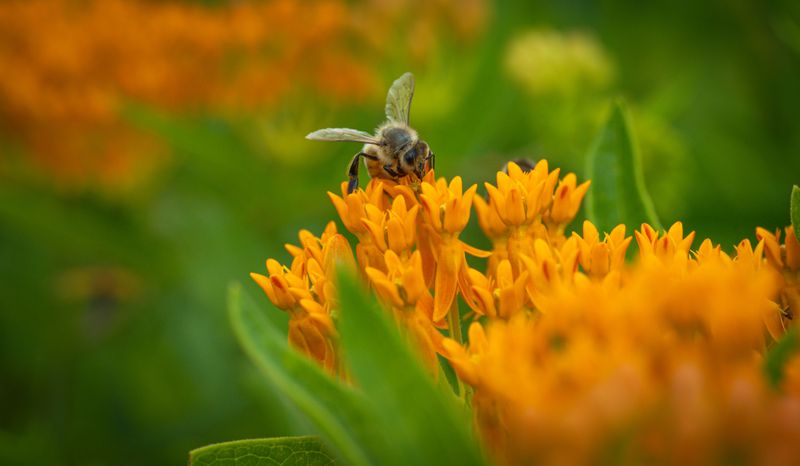
Alabama is home to more than a dozen native milkweed species. Swapping a few into your beds is a smart long-term plan.
Swamp milkweed, or Asclepias incarnata, loves damp soil and shows off pink blooms. It handles rain gardens and soggy corners nicely.
Butterfly weed, Asclepias tuberosa, glows bright orange in sunny, dry spots. Its deep roots help it survive hot Alabama summers.
Common milkweed grows mainly in the north, while whorled milkweed appears in other parts of the state. A local native plant society can suggest which fits your area best.
Fall is a great time to plant native seeds outdoors. Winter cold helps many milkweed seeds wake up and sprout in spring.
Patience pays off with native plants. Many take a season to settle in, then return stronger each spring, offering fresh seasonal leaves for caterpillars and nectar for travelers while staying in step with the natural calendar.
Mix in plenty of nectar flowers that bloom at different times. Asters and goldenrod feed migrating monarchs in autumn.
Skip pesticides around your butterfly garden whenever you can. Even products sold as gentle can affect caterpillars and other helpful insects.
Joining projects like Monarch Watch lets you tag butterflies and see reported recoveries. Kids especially enjoy learning where tagged monarchs are found.
Little by little, these choices add up across neighborhoods. A yard full of natives becomes a reliable stop on a very long road.