Georgia Hellebores Need This Fall Cleanup Before Their Winter Flowers Arrive
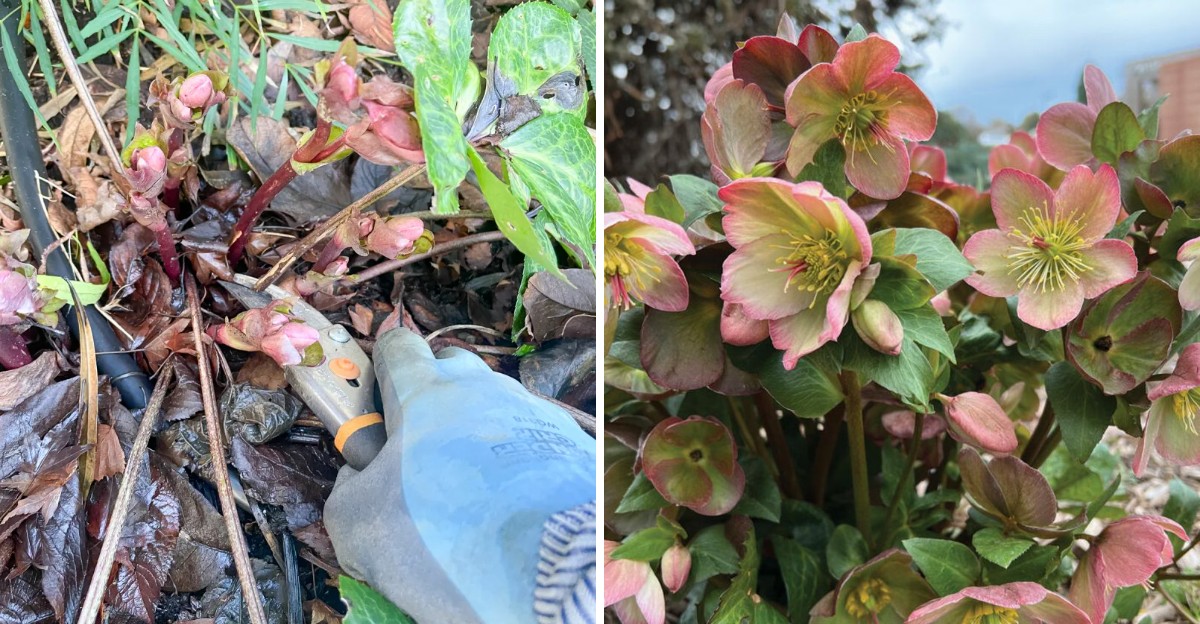
Hellebore leaves that looked glossy in spring often turn tattered, spotted, and floppy by late fall in Georgia. Old, worn leaves can hide the flower buds already forming near the base.
Hellebores bloom in midwinter, when almost nothing else in a shady bed is flowering. Their nodding blooms are easy to miss if last year’s foliage is draped over them.
Some of that old growth can also carry leaf spot, a disease that spreads to new leaves if left in place.
Removing it at the right time helps the plant look cleaner and keeps those problems from carrying over.
Timing matters, since cutting too early or too much can leave the crown exposed.
Part the leaves gently on your plants and see how far along the new buds already are.
1. A Little Attention Now Pays Off When Buds Start Rising
Ten minutes with your pruners can change how your hellebores look all winter. The main job is simple.
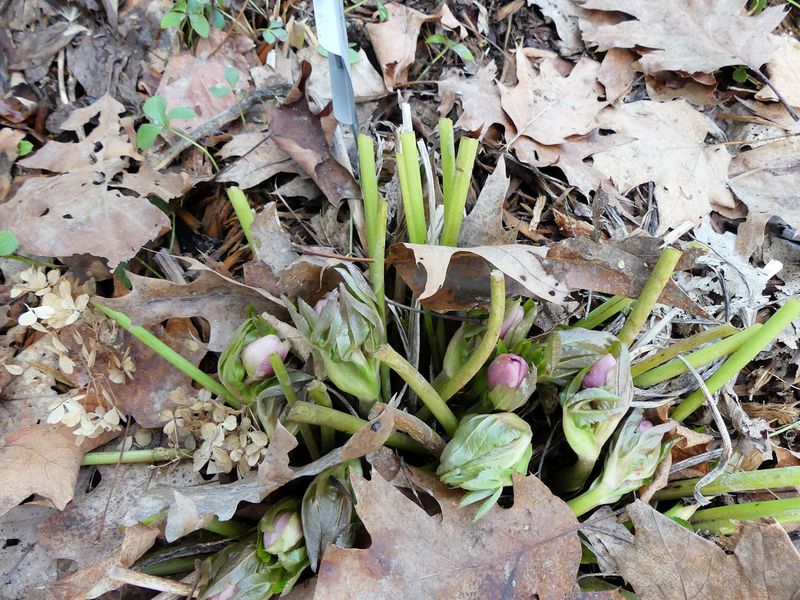
You cut away old, tattered leaves at the base before the flower buds emerge.
Why bother? Last season’s leaves have done their work, and by now many look tired and torn.
Once the buds start rising, it gets harder to reach in without nicking a flower stem. Working early gives you a clear view of the crown and room to move your hands.
In Georgia, timing can shift from yard to yard and year to year.
Gardeners in warmer parts of the state may see buds forming in late fall, while mountain gardens often wait until winter. Your variety matters too, since some hybrids bloom earlier than others.
A good habit is to check your plants every week or so once the weather cools. When you spot the first fat buds tucked near the soil, that is your signal to finish up.
Some gardeners split the task into two visits.
They remove the worst leaves first, then trim the rest once buds appear. That approach keeps a little green cover on the plant a bit longer, which some folks prefer in colder spots.
Either way works, as long as you avoid cutting the new growth by mistake.
2. Leathery Old Leaves Often Flop Over And Cover Emerging Buds
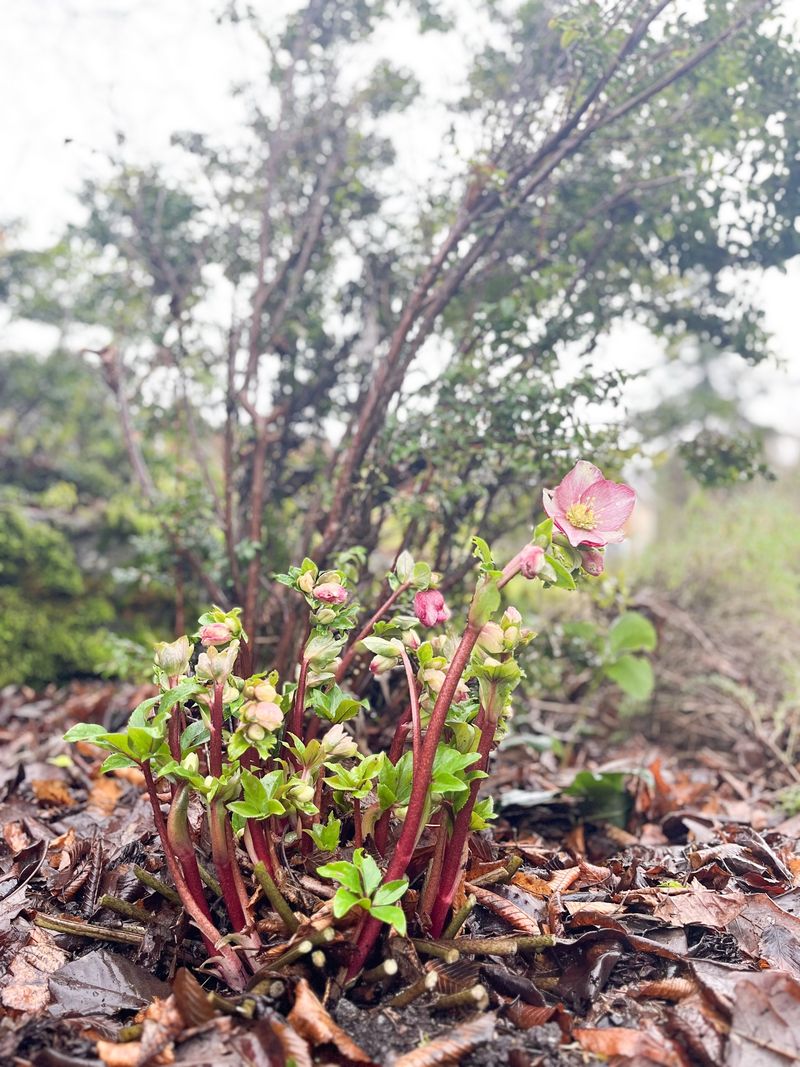
Hellebore leaves are built tough. Their thick, leathery texture helps them stay green through cold snaps, heat, and dry spells.
That toughness has a downside, though.
As the leaves age, their long stems tend to bend outward and drop toward the ground. Over time they can form a loose, heavy canopy right over the center of the plant.
Underneath that canopy is where the flower stems begin. When they push up, they may have to grow sideways around the old foliage or stay half hidden.
Hidden blooms are easy to miss, especially since hellebore flowers already face downward.
Across Georgia, hellebores often grow in shady beds under oaks and pines. Falling leaves and pine straw can pile on top of the flopped foliage, making the center even darker and more crowded.
Your Georgia Garden Changes Every Week. Your Plan Should Too.
Gardening in Georgia changes quickly throughout the season. Every Friday you’ll receive a simple weekly plan showing exactly what to plant, prune, fertilize, harvest, and protect so you never miss the right timing.
Lifting a few old leaves is a quick way to see what is going on.
If you notice pale buds or short stems underneath, it is a good time to start trimming. If nothing is there yet, you can still remove the most flattened leaves without much worry.
Some newer hybrids hold their leaves more upright, so flopping varies by plant.
Older plantings and seed-grown clumps seem to flop more, but every patch is a little different. Let your own plants guide how much you cut.
3. Spotted Or Damaged Leaves Are Better Removed From The Plant
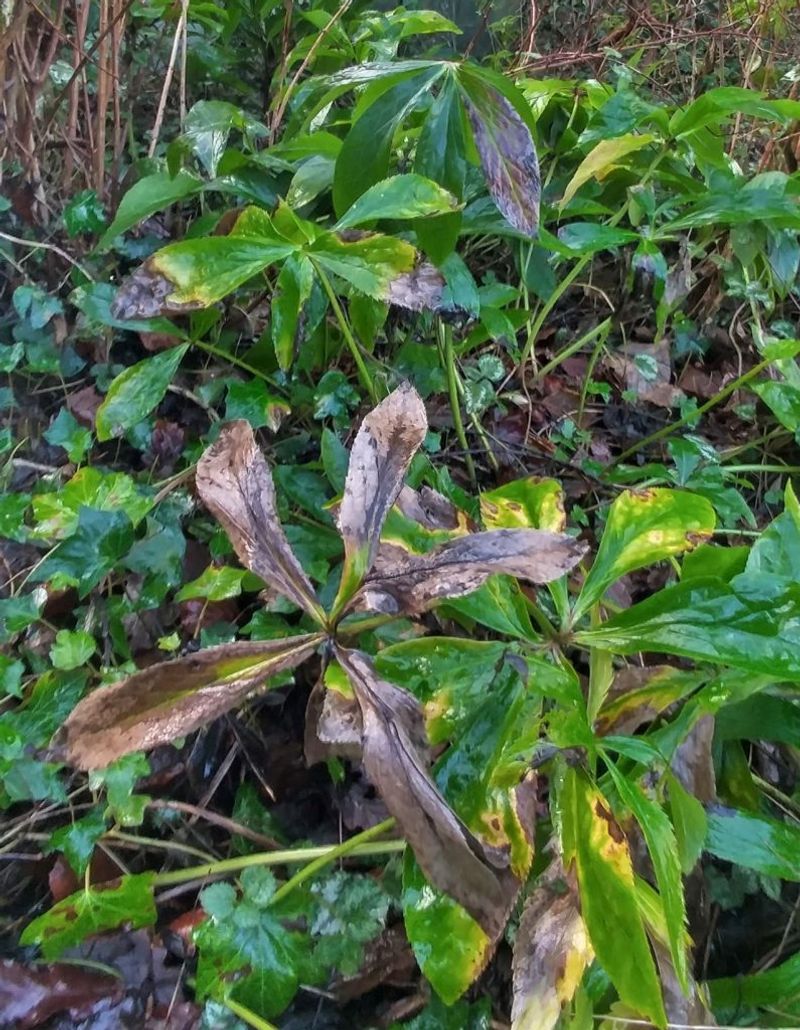
Black or brown blotches on hellebore leaves are a common sight by fall. Leaf spot diseases can cause these marks, especially after warm, humid stretches.
Not every spot comes from disease, though.
Sun scorch, cold injury, slugs, and simple wear can all leave leaves looking rough. Since several causes look similar, it helps to avoid guessing and simply focus on removal.
Georgia summers bring plenty of moisture and heat, which can favor fungal problems on many plants. Removing spotted foliage may reduce the amount of infected material sitting near new growth.
It will not solve every issue, but it is a sensible step.
Bag or trash the leaves you cut instead of tossing them on the compost pile. Many home compost piles do not get hot enough to break down disease organisms reliably.
Clean your pruners now and then while you work.
Wiping blades with a household disinfectant between plants is a common practice. Rinse and dry the tool afterward so the metal stays in good shape.
If spots keep showing up year after year, look at growing conditions.
Better air flow, less overhead watering, and some breathing room between plants can help. Your county Extension office can also identify the problem if you bring in a sample.
4. Snipping Each Old Leaf At Its Base Leaves A Tidy Crown
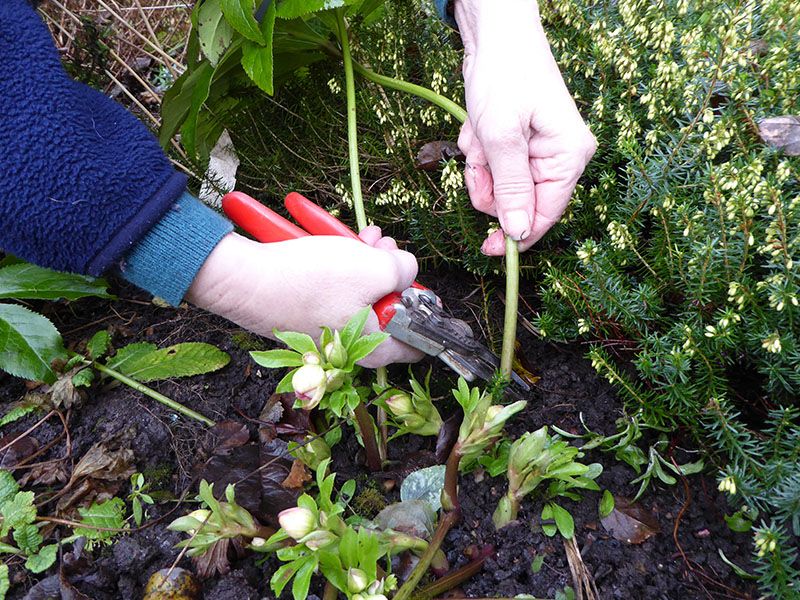
Cut low, and the plant looks fresh almost right away. Each hellebore leaf grows on its own stem, so you can remove them one at a time.
Follow a leaf stem down with your fingers until you reach the point where it meets the crown or soil.
Make your cut there, as close as you comfortably can. Short stubs blend in, while tall leftover stems can look ragged and collect debris.
Sharp bypass pruners work better than dull ones.
A clean cut is easier on the plant and on your hands. Dull blades tend to crush the thick stems, which makes the job slower and messier.
Go slowly around the center of the clump. Young leaves and flower stems can sit very close to the old ones, and it is easy to grab more than you meant to.
Gardeners around Georgia often notice a lot of debris caught in the crown.
Pull out loose leaves, pine needles, and old stems while you are there. A cleaner crown lets light and air reach the base and gives emerging buds a clear path upward.
Once you finish, add a light layer of mulch around the plant if needed.
Keep mulch from piling directly on the crown, since too much around the base can hold extra moisture.
5. Check For Emerging Flower Stems Before Making Each Cut
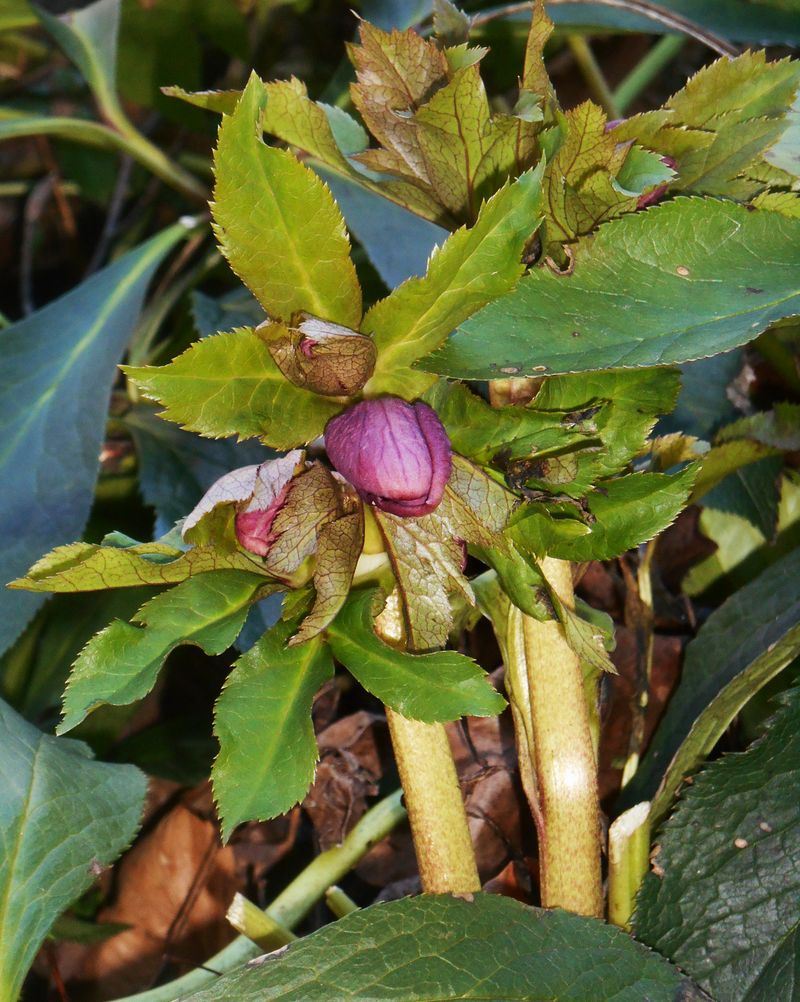
One wrong snip can cost you a whole stem of flowers. Hellebore flower stalks often come up right beside old leaf stems, and they can look alike at first glance.
So how do you tell them apart?
Flower stems are usually thicker, shorter, and paler at the start. Many have a slight pink, purple, or reddish tint, and the tip often shows a cluster of tight buds.
New leaves look different too, with folded leaflets that slowly open.
Before each cut, trace the stem from the leaf down to the base. If it connects to an old, open leaf, you can remove it safely.
Good light helps a lot here. Working on a bright day or at midday makes it easier to see small buds tucked deep in the clump.
In north Georgia, cold snaps can slow the buds, so they may stay low for weeks.
Gardens in milder areas may show taller stems sooner. Either way, the buds can sit hidden right at soil level, so a quick look before cutting is worth it.
If you do clip a flower stem by accident, do not panic.
Most mature plants send up several stems in a season. You can even place the cut bloom in a small dish of water indoors once it opens.
6. Gloves Help, Since The Sap Can Irritate Skin
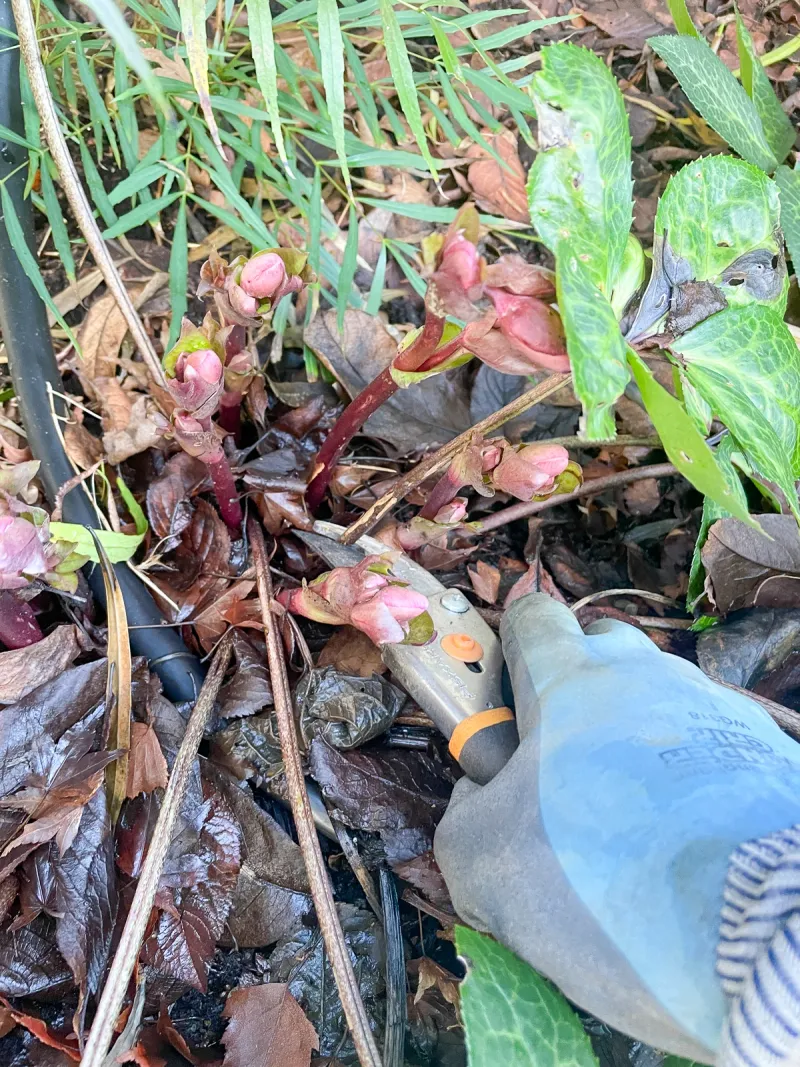
Pretty flowers, tricky plant. All parts of hellebores are considered toxic if eaten, and the sap may bother sensitive skin.
Reactions vary from person to person.
Some gardeners handle hellebores bare-handed without trouble, while others notice redness or itching. Since you cannot always predict how your skin will respond, gloves are a smart choice.
Pick gloves that fit well and still let you feel small stems.
Thin nitrile-coated garden gloves work nicely for detailed trimming. Bulky leather gloves protect well but can make it harder to avoid buds.
Long sleeves add another layer of protection, especially when you reach deep into a large clump. Old leaf edges can also be a bit rough and scratchy.
When you finish, wash your hands even if you wore gloves.
Avoid touching your eyes or face while working. Keep cut leaves bagged and away from pets and small children, who might chew on them.
Plenty of Georgia homeowners grow hellebores partly because deer tend to leave them alone. That same toxicity is a reason to handle the plant with care.
If a skin reaction seems severe or does not fade, check with a doctor. For questions about a pet or child eating the plant, contact your veterinarian or the Poison Control line at 1-800-222-1222.
7. Clean Crowns Show Off Nodding Blooms From Late Winter Into Spring
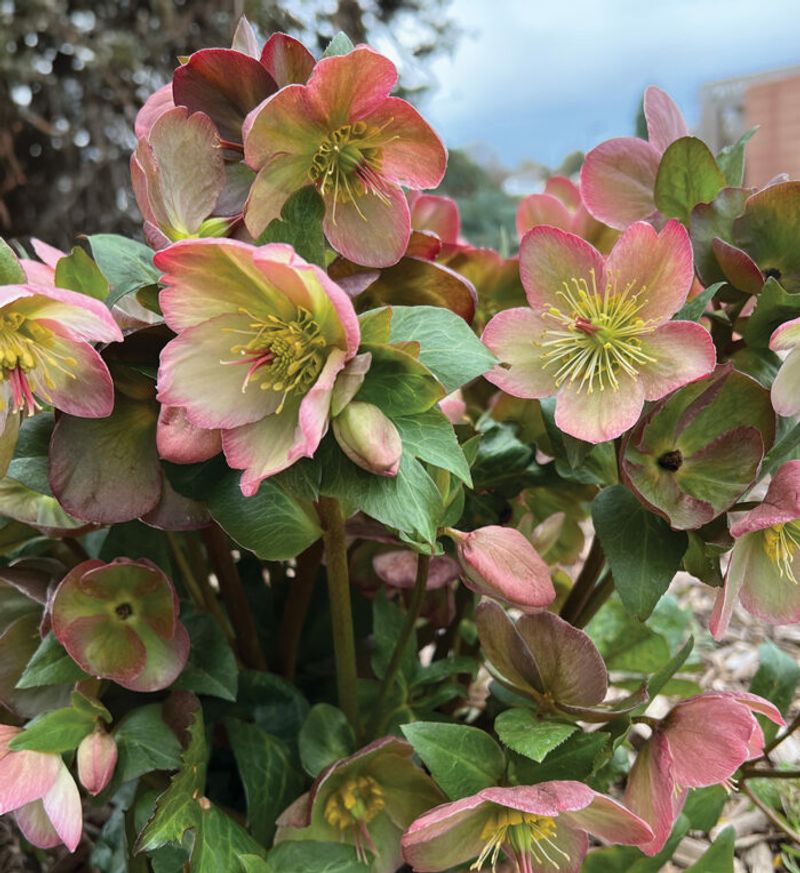
Picture a gray February morning brightened by clusters of pink, white, or plum flowers. That is the reward for your fall cleanup.
Hellebore blooms usually hang downward, like little bells.
Without old leaves crowding them, the flowers stand on clear stems where you can actually see them. Some gardeners plant hellebores on slopes or raised beds so the faces are easier to admire.
Bloom timing depends on variety, weather, and where you live in Georgia. Many plants open from late winter into spring, and some start earlier in mild years.
The flowers often last for weeks, since the colorful parts are actually sepals.
Those sepals tend to hold on and slowly fade to green or dusky tones. Many people enjoy that soft aging look, so there is no rush to remove spent blooms.
New leaves will start filling in as flowering continues. By late spring, the plant should look full and green again, ready to carry it through summer.
Bees may visit on warm winter days.
Early blooms can offer pollen and nectar when little else is open. Keep an eye out for small seedlings around the base later on, as some hellebores reseed if conditions suit them.
A tidy crown each year keeps the show going season after season.